Sep 16, 202610 min read
15 Things to Know Before Traveling to Rome Nov 17, 2025
13 MIN READ

Writer
There is no shortage of things to do in the 'Eternal City' of Rome. Thorsten Link/Shutterstock

Writer
Highlights
Writer Virginia DiGaetano rounds up 10 Roman experiences from ancient ruins to restaurants.
Visit the Colosseum, Pantheon and Vatican – Rome's iconic sights reward an unhurried pace.
For food lovers, master the aperitivo ritual and graze Rome's markets from Testaccio to Trionfale.
Try Felice a Testaccio for cacio e pepe; book Armando al Pantheon well in advance.
Lonely Planet may earn a commission from affiliate links on our site. All recommendations and reviews reflect our own independent opinions.
One thing every Roman and visitor can agree on is that there is no shortage of things to do in Italy's charismatic capital.
The biggest challenge on a trip to Rome will be discerning your must-see sights, while also accepting that it's impossible to fit everything into one vacation. There may be historical monuments, museums and ancient sites around every corner, but there's more to this city than standing in the long lines often required to view them up close.
The Eternal City is massive and endlessly entertaining, and some of your best times will involve wandering down random streets and watching the world go by with an espresso in hand. Let these 10 classically Roman experiences set you off in the right direction.
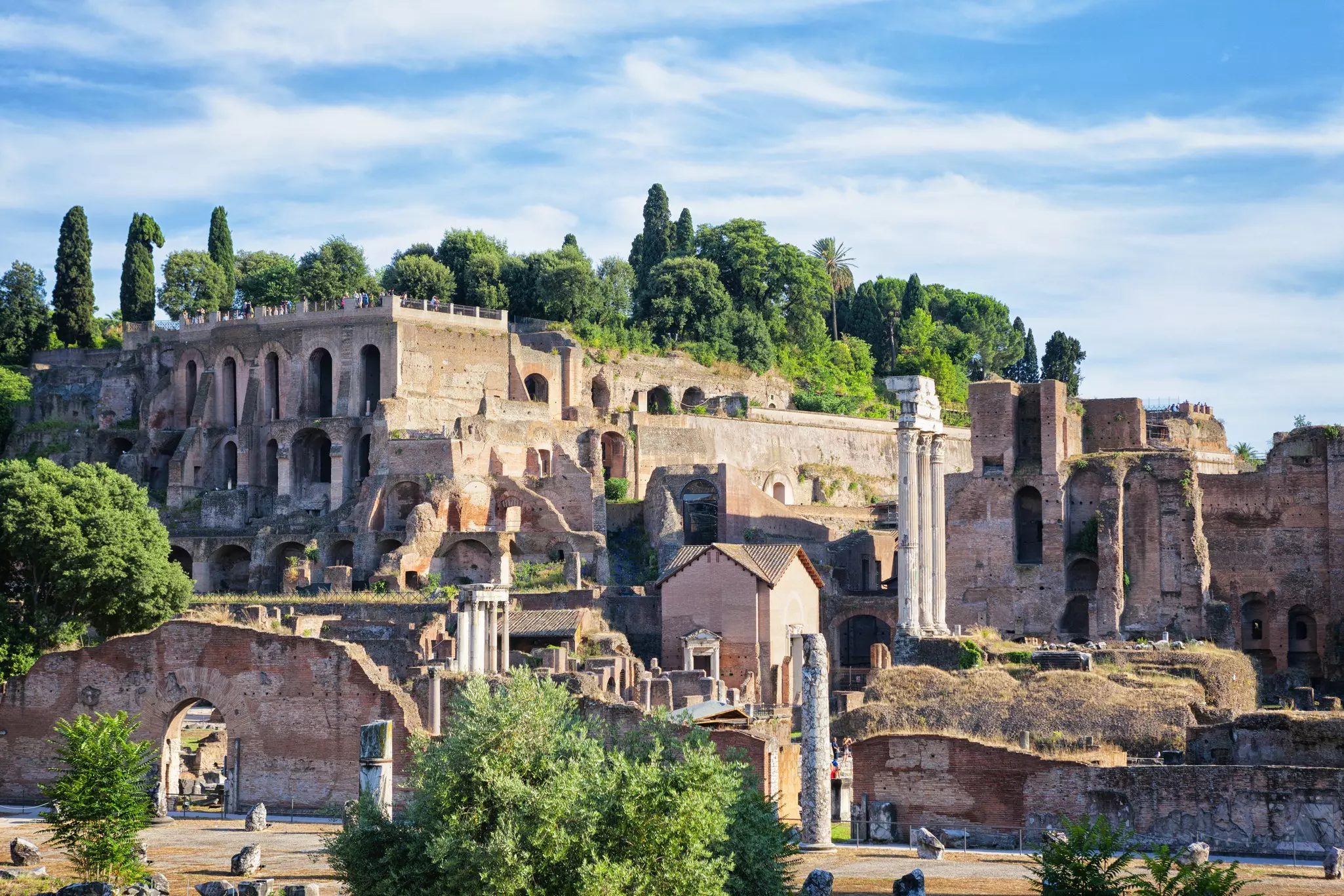
Any Italian will tell you how downright anarchic Rome is and immediately follow it up by saying, “but Rome is Rome.” There is no place like it in the world, and the only thing to do is abandon yourself to its chaotic charms.
It would be bananas to visit Rome and not stand (in a giant crowd of would-be gladiators) in front of the Colosseum. Find a spot underneath the dome of the Pantheon, after waiting in a considerable line (one you’ll pay for). And though you’ll be surrounded by cameras, souvenir sellers and tour groups, it would be almost unthinkable not to witness the singular beauty of the Trevi Fountain.
So don’t.
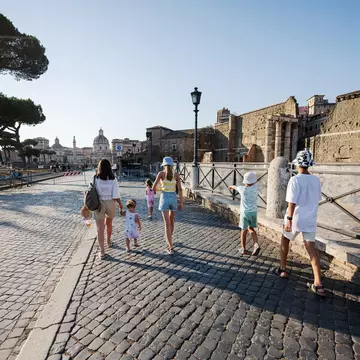
Take it all in and let the experience find you. Touch the walls of ancient buildings and think about how they’ve been standing for millennia, or fix your eyes on the impossibly intricate carvings of marble and statues. Wander around the major sights, stumble across the minor ones and remember that you only have to move one or two streets over to find yourself in a calm corner of the capital.
Planning tip: When you make your plans in Rome, space out the heavy hitters and give yourself time to soak everything in at a pace that suits you. If you’re only in Rome for three days, think about dedicating a half day to the Colosseum, Palatine Hill and Forum, and then leave yourself the rest of the afternoon or evening to stroll through other parts of town that are a little less trafficked.
Don’t call it happy hour, because the aperitivo is so much more than a discount drink after a day at the office. And there is a science to doing it right: the aperitivo is a pre-dinner drinks ritual meant to whet the appetite, not satiate or drown it in cheap booze. Though one can probably find evidence of such imbibing throughout human history, the modern aperitivo dates back only a couple of centuries to the popularization of vermouth and other herbal drinks in the late 1700s.
Since then, Italians have been unwinding with friends and beverages before settling in for dinner and doing so in ever more creative ways. These days, the aperitivo is increasingly varied and always accompanied by snacks, which have also become more elaborately prepared for pairing. Just don’t fill up on any of it – after all, it is but a prelude of what is to come at dinner.
Local tip: Rome is one of the best cities in Italy to sample a wide range of aperitivi, as every bar does things slightly differently and there are far worse ways to spend one’s time than sampling them all. If you’re in the market for luxury, try snagging a spot on the coveted rooftop of Terrazza Borromini overlooking Piazza Navona. If your tastes run trendier, check out the mixology at Freni i Frizioni in Trastevere. For a classic Roman moment, head over to Ai Tre Scalini in Monti, where the vine-covered streets provide a beautiful backdrop for the most poetic of aperitivi.
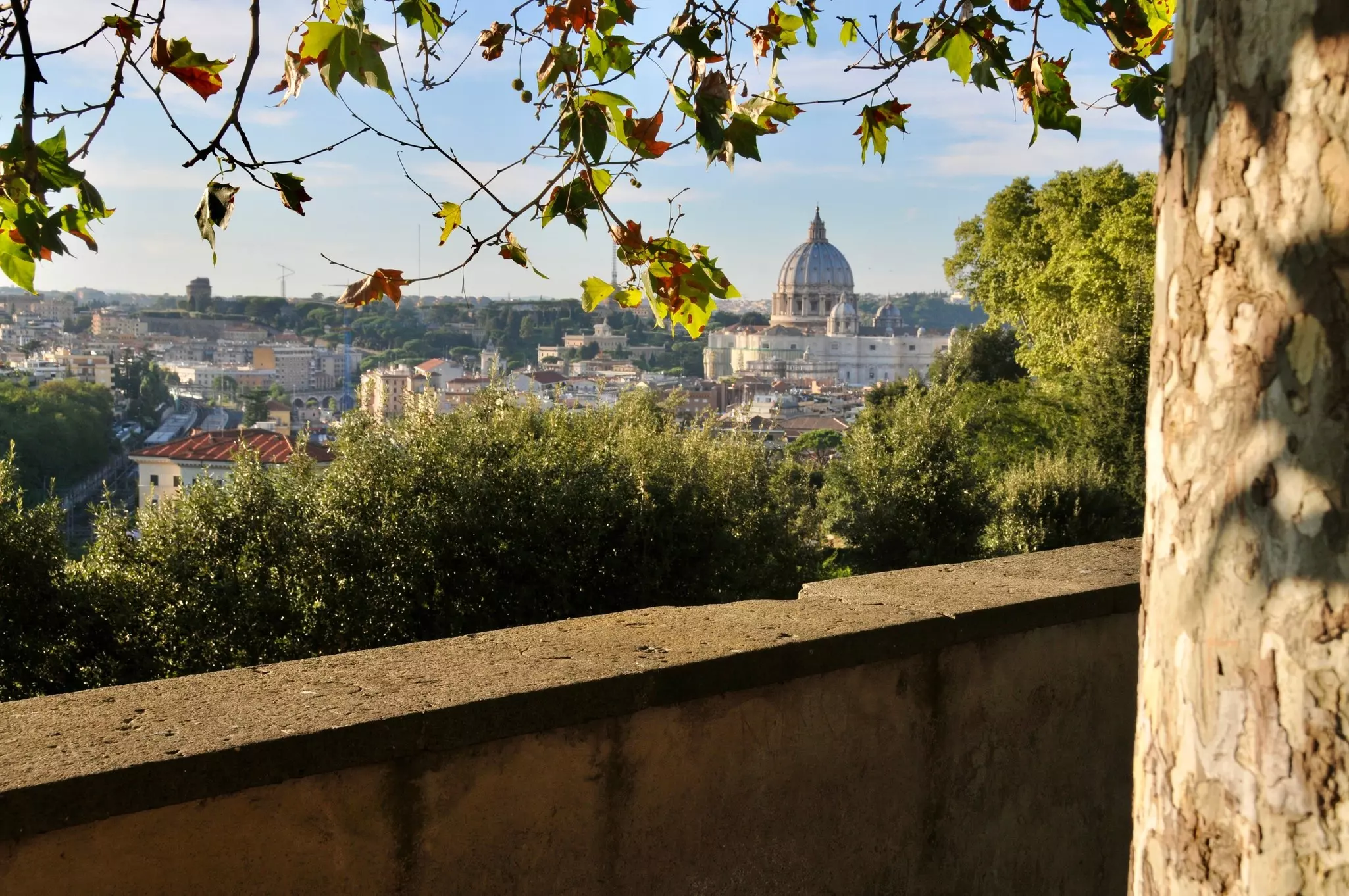
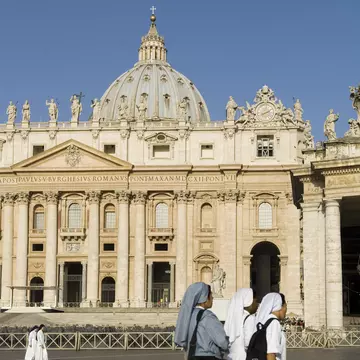
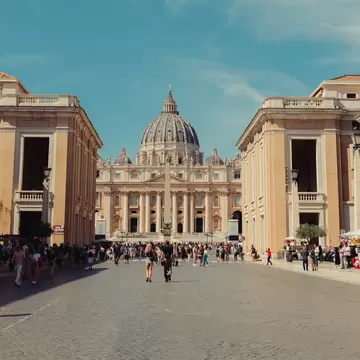
Whether you go as a tourist or a pilgrim, the impact of seeing the Vatican for the first time is hard to overstate. From the outside, this half-kilometer-square city-state is dwarfed by the imposing dome of St Peter’s Basilica and framed by the long embrace of Bernini’s square: this alone makes the trip worth it, but once you step inside the Vatican buildings, you cannot help but be taken aback.
Start at the Vatican Museums, a complex of 26 structures that spans 7km (4.3 miles) of halls and galleries. While you could spend an eternity craning your neck to see it all, a few hours is enough to get a sense of the unparalleled catalog that the museums contain. Finish by heading through the claustrophobic staircase (you’ve been warned, but it’s worth it) to the Sistine Chapel, which is still breathtaking no matter how many people are there sharing the view.
After you’ve hopefully stopped for lunch and a refresh, the Dome awaits. St Peter’s Basilica is a marvel of engineering, architecture and sheer will: after all, it took more than a century to bring it into being, and it passed through the hands of many of Italy's most iconic figures along the way. Everything about the Basilica is imposing; don’t be surprised if its sheer scale overwhelms you on the first visit. That’s just another reason to come back.
Planning tip: A dress code is still enforced pretty strenuously. To be safe, wear pants or skirts that cover your knees and tops that cover your shoulders. When in doubt, bring a light scarf with you. (It's always worth having a scarf in Rome!)

Lonely planet’s trusted travel insurance provider
Travel with confidence. Protect your trip and your wallet.
We don’t represent World Nomads, we receive a fee from quotes using this link. This is not a recommendation to buy travel insurance.
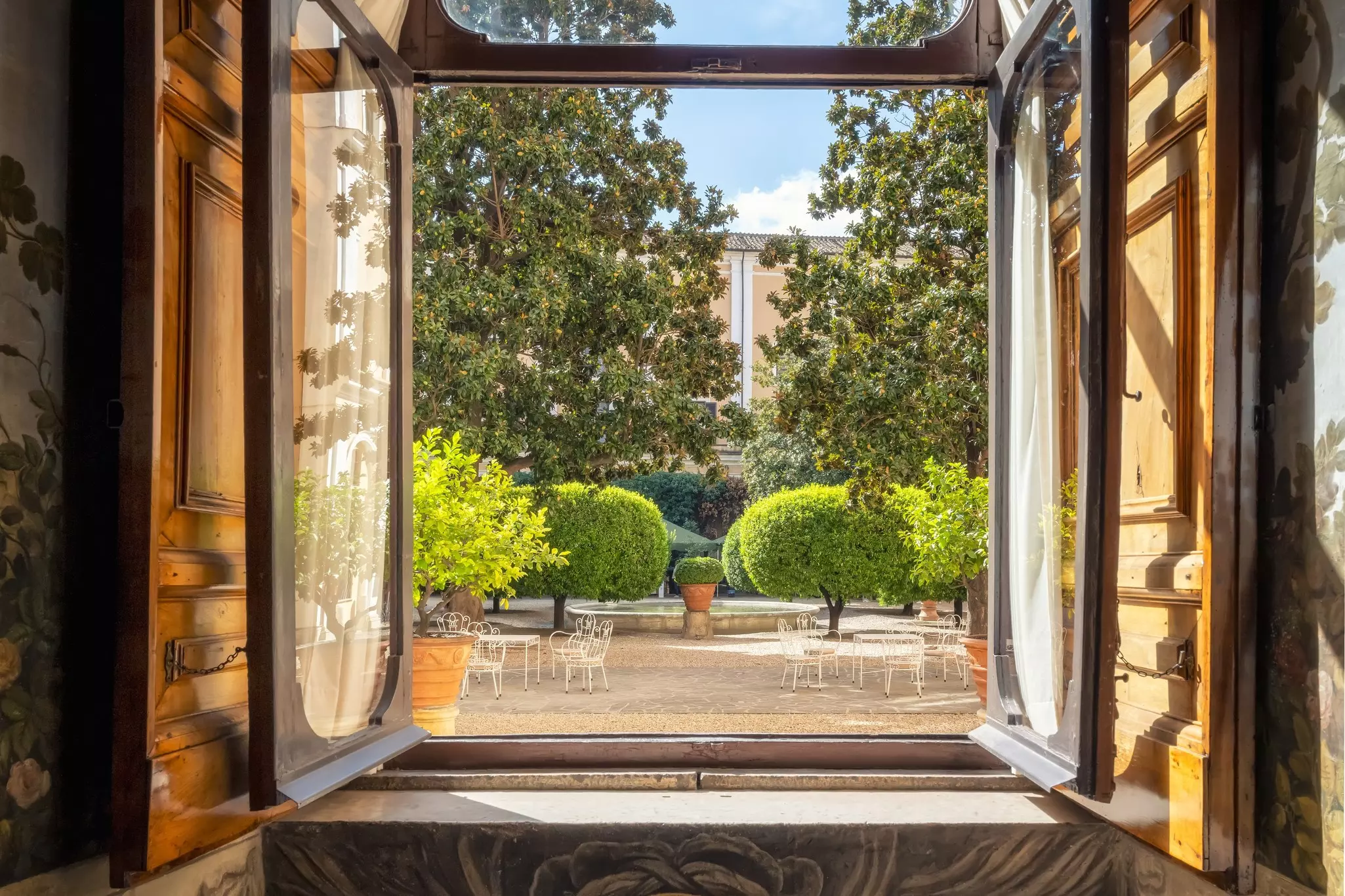
Although the Vatican Museums are among the largest in the world, they are far from the only ones to visit in Rome. What’s more, many of the city’s most interesting museums are slightly off-piste for most visitors, so you may find yourself enjoying an unexpectedly peaceful afternoon in even the busiest periods of the year. In a city overflowing with history and culture, there’s a museum for everyone.
If you can’t get enough of Ancient Rome, the Capitoline Museums on the Campidoglio offer that and more, with works dating from the 3rd century BCE to the 17th century. For an even deeper dive into historical artifacts, the National Roman Museum houses a priceless collection in four separate buildings around the city, each a work of art in its own right.
Classical art lovers are spoiled for choice as well: from the Galleria Borghese to Palazzo Colonna, there are majestic collections around just about every corner. But there’s always space for more, and modern art has a well-established place in Rome. The National Gallery and MAXXI have incredible collections from contemporary artists, all of which are worth seeing.
Local tip: If you like to hunt around, go on the lookout for Rome’s eight “small museums, ” which are located around the city and some in the strangest places. Oh, and bonus: they’re all free to enter!
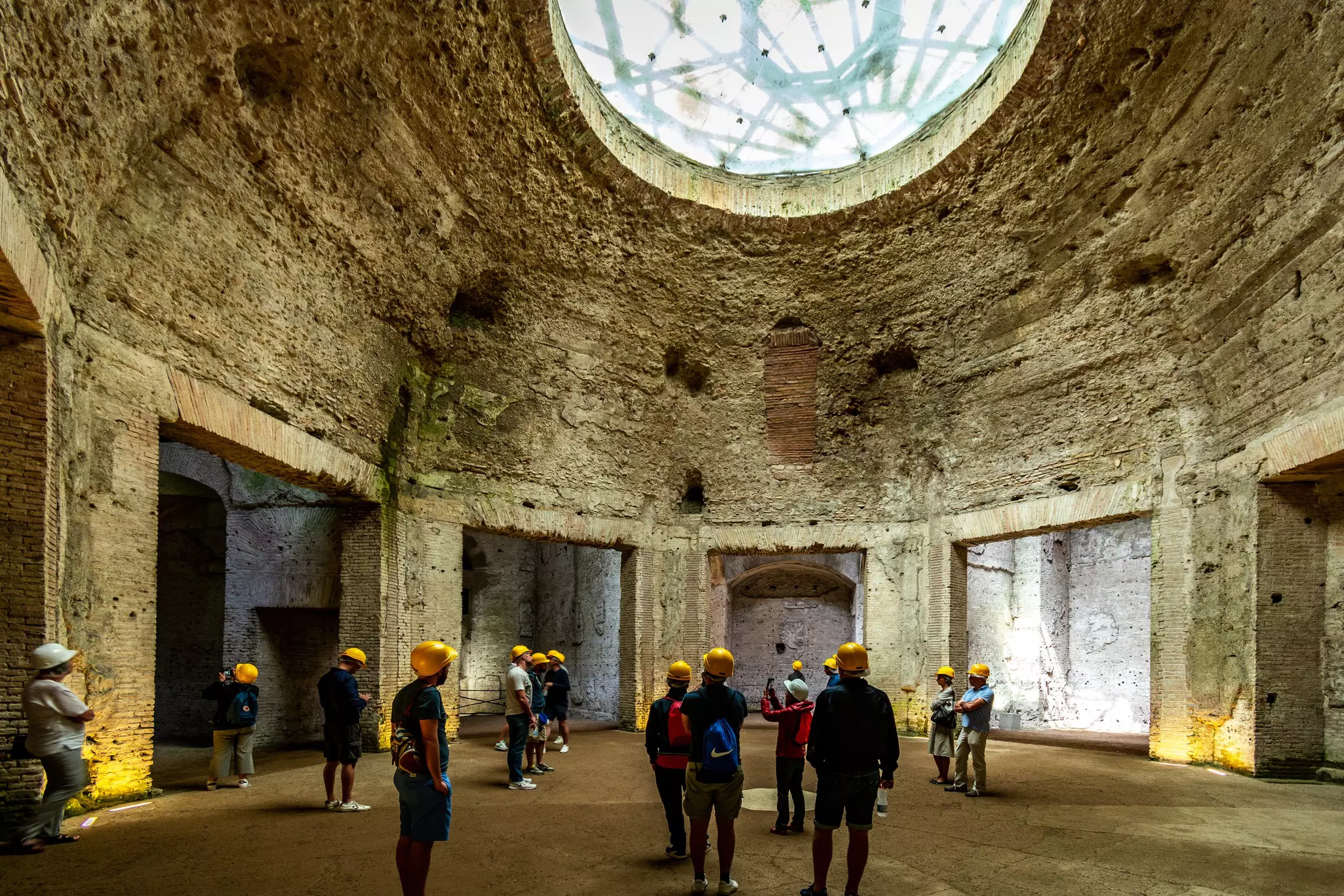
Hiding in (almost) plain sight next to the Colosseum, the Domus Aurea is one of the most enigmatic and least explored remnants of Ancient Rome. The sprawling complex was built sometime after the fire of 64CE that destroyed much of the city, under the order of Emperor Nero.
Over time, it was buried and remained undiscovered until the Renaissance, when intrepid artists like Ghirlandaio and Raphael did their version of urban spelunking to witness the painted “underground grottoes.” You don’t have to be nearly as athletic to get there today: the Domus Aurea underground tour offers an incredible chance to tour some of the ancient palace. It maintains a cool and constant temperature, making it the perfect place to escape the Roman sun.
Local tip: The Domus Aurea is also home to a cat sanctuary. If you’re a cat lover, try to spot the friendly felines hanging out in the complex.
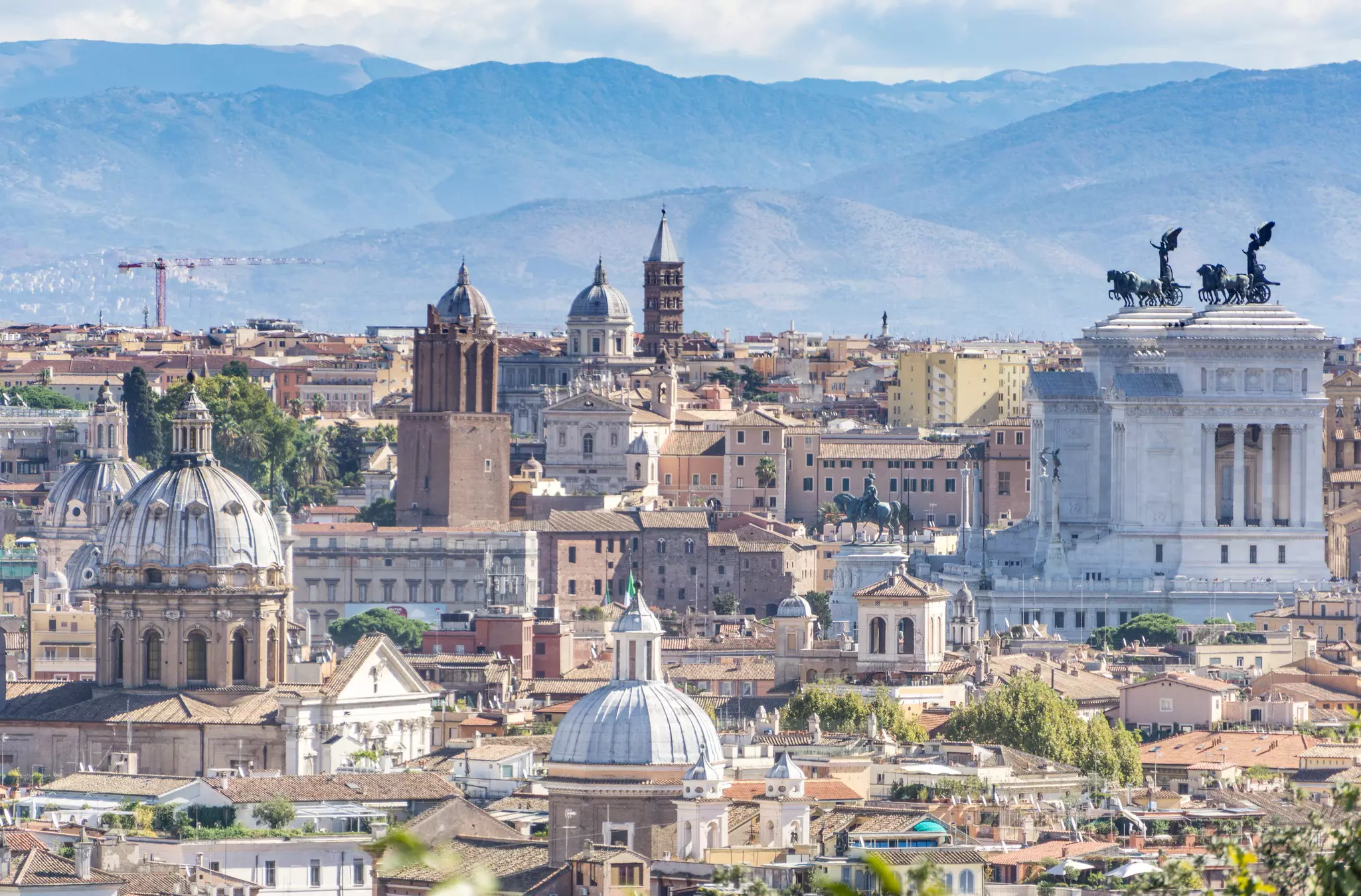
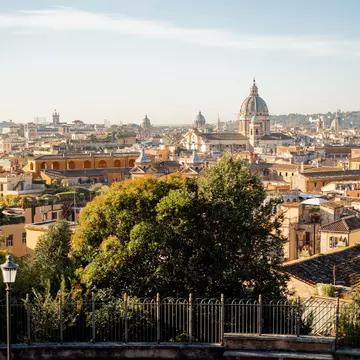
It’s easy to forget the sheer scope of the city when you’re shuffling through jam-packed cobblestone alleys, and it makes all the difference to remind yourself of it now and then. Greater Rome covers nearly 500 sq miles, though the vast majority of its most well-known sites are within a much smaller area of about 5 sq miles. Luckily, there are a few key points around the city center where you can get a sense of where you are and admire the beauty of this ever-expanding metropolis.
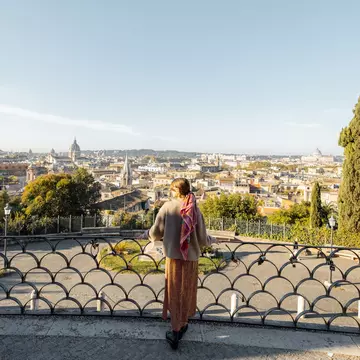
Climb up Janiculum Hill for one of the most impressive panoramas you’re likely to see. Time it right, and you'll be there for the cannon shot that fires every day at noon. (Don’t worry, they’re blanks.) If you’re wandering during the golden hour (right before sunset), make your way to the Giardini degli Aranci on the Aventine Hill for a perfectly framed picture that no camera could ever capture. Enjoy the walk back down through the frequently overlooked Rose Garden, which offers a distinct perspective on the neighboring Palatine Hill.
Detour: If you’ve got the time and a bus map, head to Parco Mellini in Monte Mario outside the city center for a dramatic view that stretches far beyond the Aurelian walls.
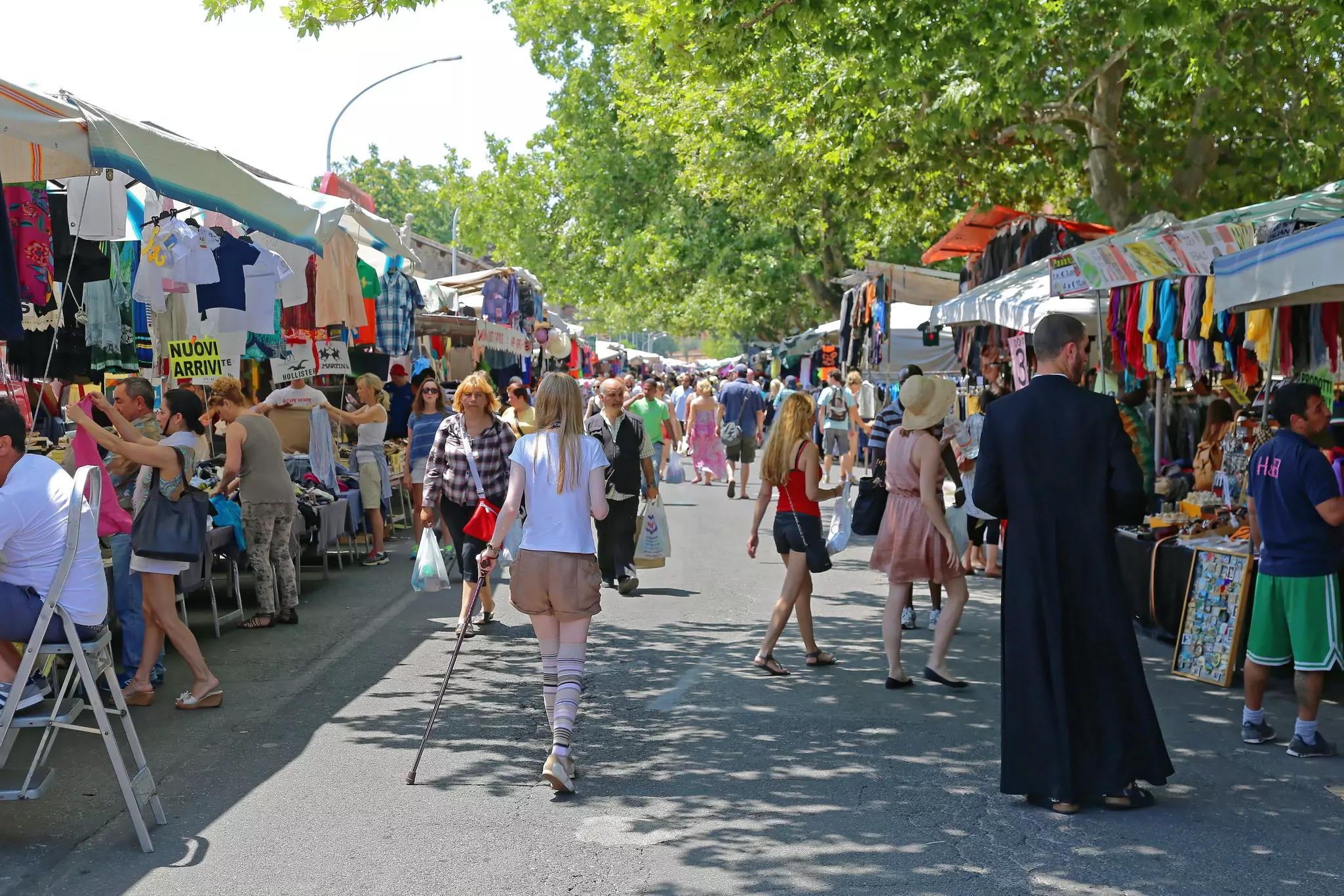
Though you’ll find every designer in the world has a shop somewhere in the city, Rome has a fabulous thrift shop and market culture where you can find clothing, antiques and just about anything else you could imagine. The Mercatino dell’Usato chain has stores all over the city, and many are an adventure in themselves for people who love scouting out finds. If you’re near the Aventino, check out tiny Affare Fatto, a thrift store that often has eclectic furnishings left behind by diplomats leaving for their next mission.
But the open-air markets are an entity unto themselves, and if you are soothed by the chaos of commerce, this could be the itinerary for you. The market at Via Sannio near San Giovanni has a bustling vibe and is open almost all week with antiques, jewelry, clothing and small independent producers alongside vintage sellers. Time it right to find the ecosolidale market open on Via del Porto Fluviale in Ostiense, and you may just get the couture purchase of a lifetime.
If you’re in town on Sunday, you cannot miss the mind-boggling Porta Portese market, which takes over the district just south of Trastevere with kilometers of curios. Don’t be surprised if you find a famous designer rummaging next to you. If you need to keep up on secondhand Rome, black-belt-level thrift shopper Desirée at The Pewter Thimble has you covered.
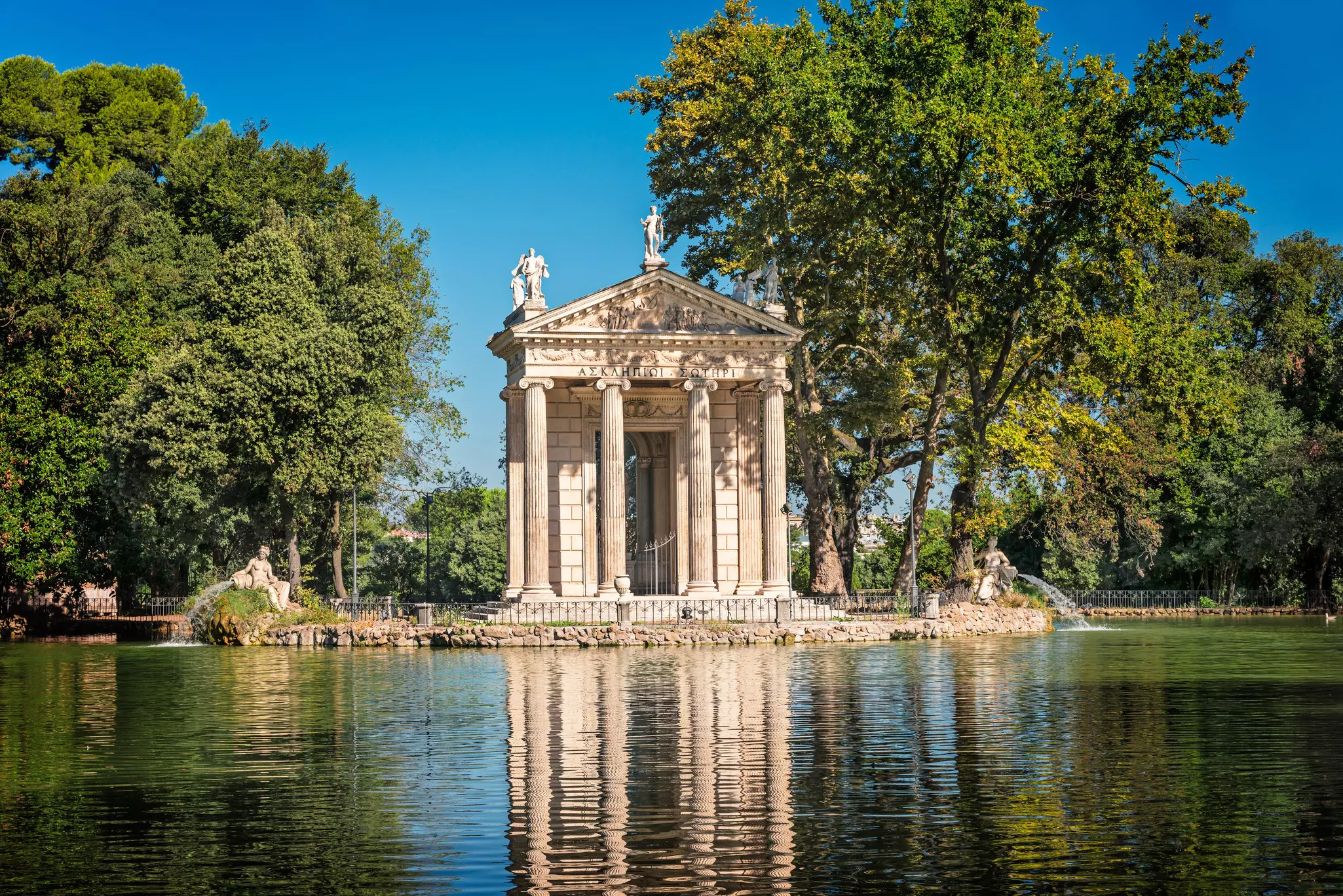
Rome has a lot of parks. The city has the most hectares of greenery in Europe, and each of its parks serves an important historical, cultural and natural purpose for citizens and travelers alike. Though it may not be the first thing that you think of when you start filling out your wishlist of things to do in the city, you don’t want to miss the chance to wander through some of the most beautiful urban oases in the world.
The most famous park in Rome is undoubtedly Villa Borghese, and with good reason. Covering 80 hectares (197 acres) of the Pinciano district in the city center, the park has boating, tons of trails, theaters and of course the Galleria Borghese Museum. But other green spaces abound in the city, and each one provides a refuge from the heat of the summer or the occasional winter gray. Check out the intimate Villa Celimontana near the Colosseum or the Parco del Colle Oppio for a different view of the iconic stadium (that also includes a skate park).
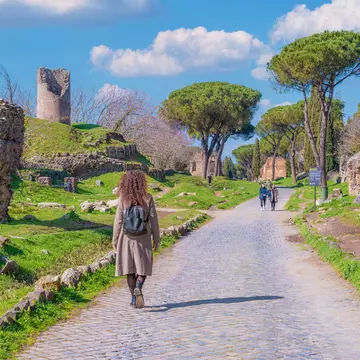
Detour: For those looking for less manicured nature, sign up for a bike tour of the Parco della Caffarella, one of the most untouched areas in the city. And while you’re there, take a walk back in time along the Appia Antica, a site so inspiring that it will put to rest any rumors of Rome’s impending demise.
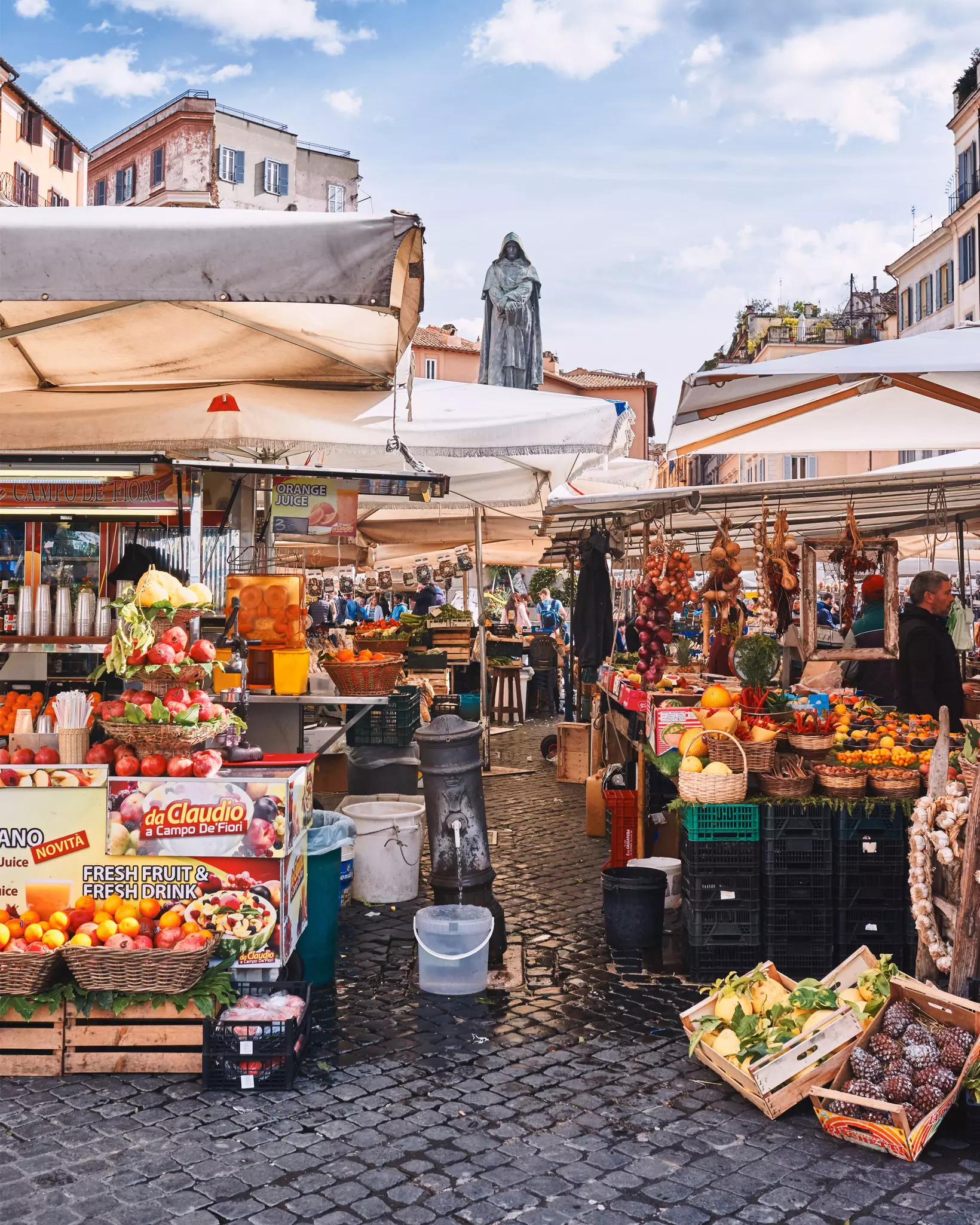
It wouldn’t be a Roman holiday without copious amounts of food, the quality of which will leave you pining for its equal once you’ve returned home. And while you could spend a lot of time (and money) sampling restaurants around the city, make better use of both by getting to know the food markets all over Rome.
If you’re coming and going from Termini station, you’ll be spoiled for choice at the Mercato Centrale, which brings together chefs and producers from all over Italy under one postwar roof. Steps away, the Nuovo Mercato Esquilino is a feast for cooks looking for more niche fruits, vegetables and proteins; you’ll find halal butchers selling alongside pig farmers from the Roman countryside, and fresh fish from the Adriatic.
If you start to get peckish as you head towards the Tiber, make a detour to the Mercato di Testaccio for local cheeses, cured meats, veggies and wines that would make any picnic rival a fine dining experience. Should you be further north near the Vatican, the Mercato Trionfale is the largest in Rome and guaranteed to have something for everyone. For weekend warriors braving the crowds at the Circo Massimo, the nearby Campagna Amica market is a fantastic place to test out your Italian, since you won’t go wrong with whatever you wind up buying.
Local tip: Aperitivo at the markets starts at lunchtime on Saturdays and Sundays, meaning you can, too.
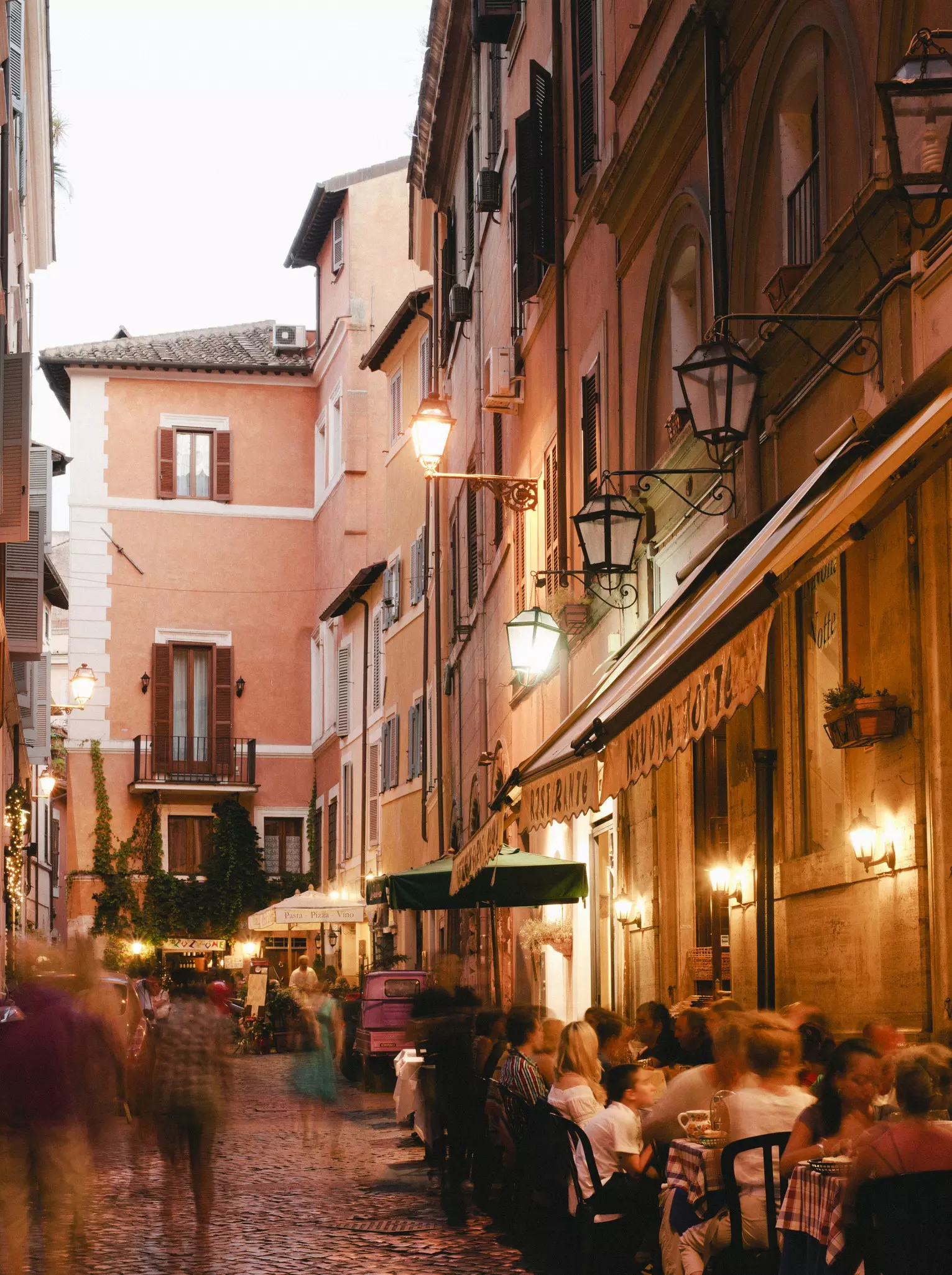
For every majestic monument or glittering tribute reaching up to the heavens, everyone knows that the real reason we come to Rome is to eat. But Roman food, once religiously tethered to the traditional “quinto quarto” philosophy of using every part of an animal, has undergone something of a renaissance in recent years.
Young chefs are reinterpreting the classics, resulting in the explosive flavors of Santo Palato in San Giovanni and the home-style goodness of Romanè in Prati. Vegetarians and vegans are also well-served in the capital: from the picturesque Mater Terrae in Piazza Navona and the stealthily innovative Rifugio Romano near Termini Station to the irrepressibly lovable Romeow Cat Bistrot in Ostiense, there is no shortage of meatless options in the Eternal City.
Of course, if you’re in search of the classics, they’re right there, too. Reserve early and often at Armando al Pantheon, and hope that someone cancels at Felice a Testaccio so that you can get your cacio e pepe (pasta dish with cheese and pepper) done just the way you dreamed of it. Nothing will ever taste quite like the bread from Antico Forno Roscioli, and no one will ever be able to convince you that the slabs of pizza from Gabriele Bonci’s Pizzarium aren’t crumbs sent to lead you straight to heaven.
Local tip: Ever wondered why Italians gasp when you order a cappuccino after a meal? They normally drink coffee after eating as a tool for digestion, as the acidity and caffeine help to speed up the process. By now, they’re pretty used to non-Italians asking for milky beverages after a meal, but if you want to do like the Romans, skip the dairy (or try a macchiato).
Explore related stories