Oct 22, 202510 min read
Guide to Kerala, IndiaOct 22, 2025
12 MIN READ

Writer
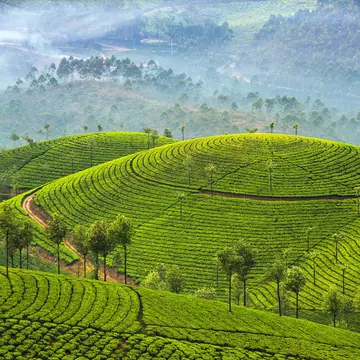
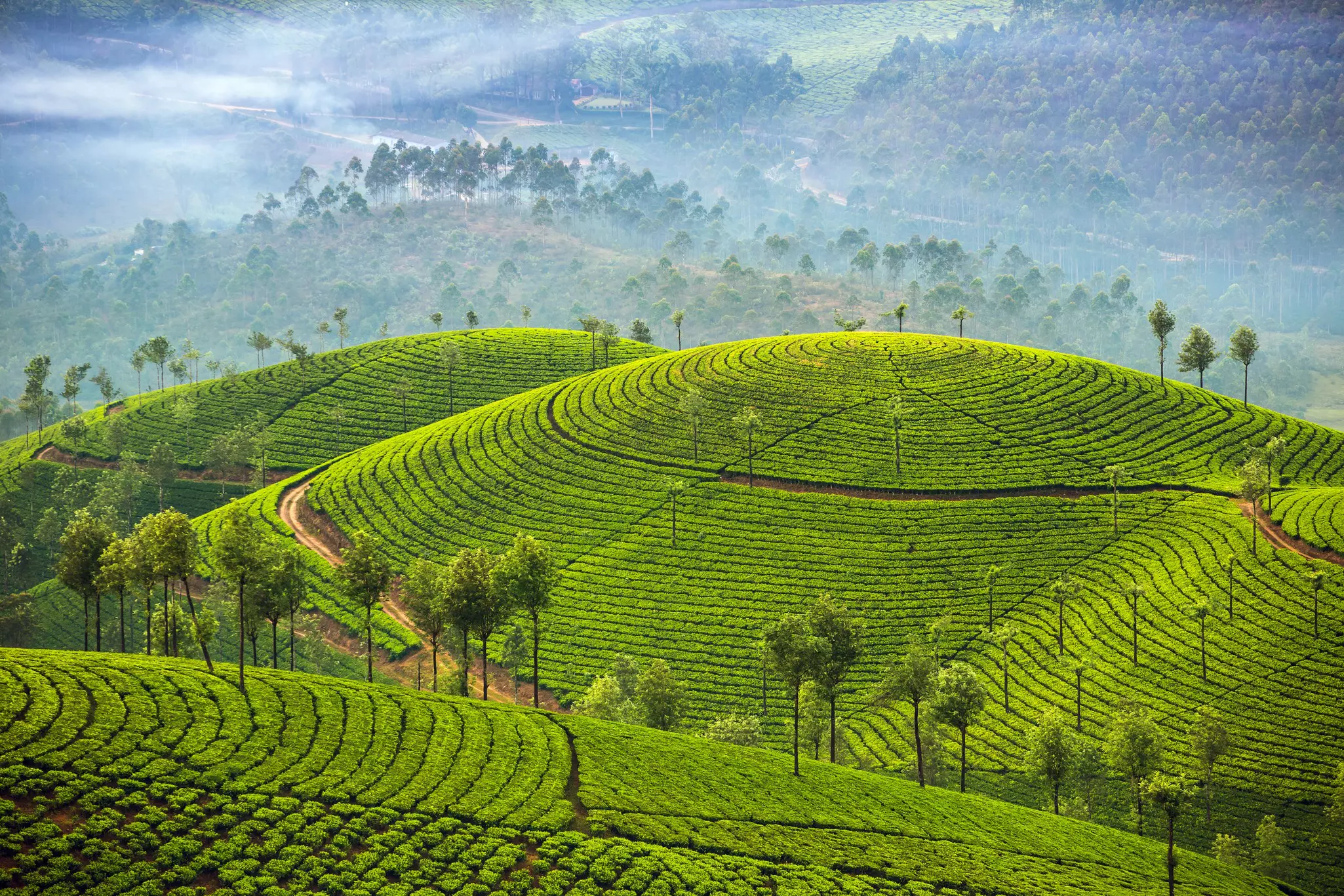
Tea plantations in Munnar, Kerala. Mazur Travel/Shutterstock
Writer
Highlights
Writer Poonam Binayak picks 15 Kerala activities, from palm-fringed backwaters to misty peaks.
Walk Fort Cochin's streets past Portuguese churches, then cruise the backwaters by houseboat.
Art lovers should catch Kathakali in Kochi and theyyam at village shrines in northern Malabar.
Book an Ayurvedic retreat, then taste sadya – Kerala's elaborate vegetarian feast on a banana leaf.
Lonely Planet may earn a commission from affiliate links on our site. All recommendations and reviews reflect our own independent opinions.
Kerala in southwestern India may lack the grand monuments and forts of the north, but it more than makes up for it with its breathtaking landscape. This tiny tropical state along India’s Malabar Coast has palm-fringed backwaters, uncrowded beaches, tea- and spice-covered hills in the Western Ghats and steamy jungles. It is also rich in history, with temples, mosques and churches that have stood for centuries and a culture that includes outlandish yet profoundly transfixing dance forms, martial arts and Ayurvedic practices.
Leading by example, the state has made impressive social achievements as well, like the highest literacy rate and life expectancy in India, along with comparatively lower poverty levels. It launched the Garbage-Free New Kerala campaign and designated 25 of its most popular tourist spots as green centers. This eco-conscious initiative aims for a cleaner, healthier state.
In all, Kerala is a success story. Here’s how to experience this charming destination at its best.
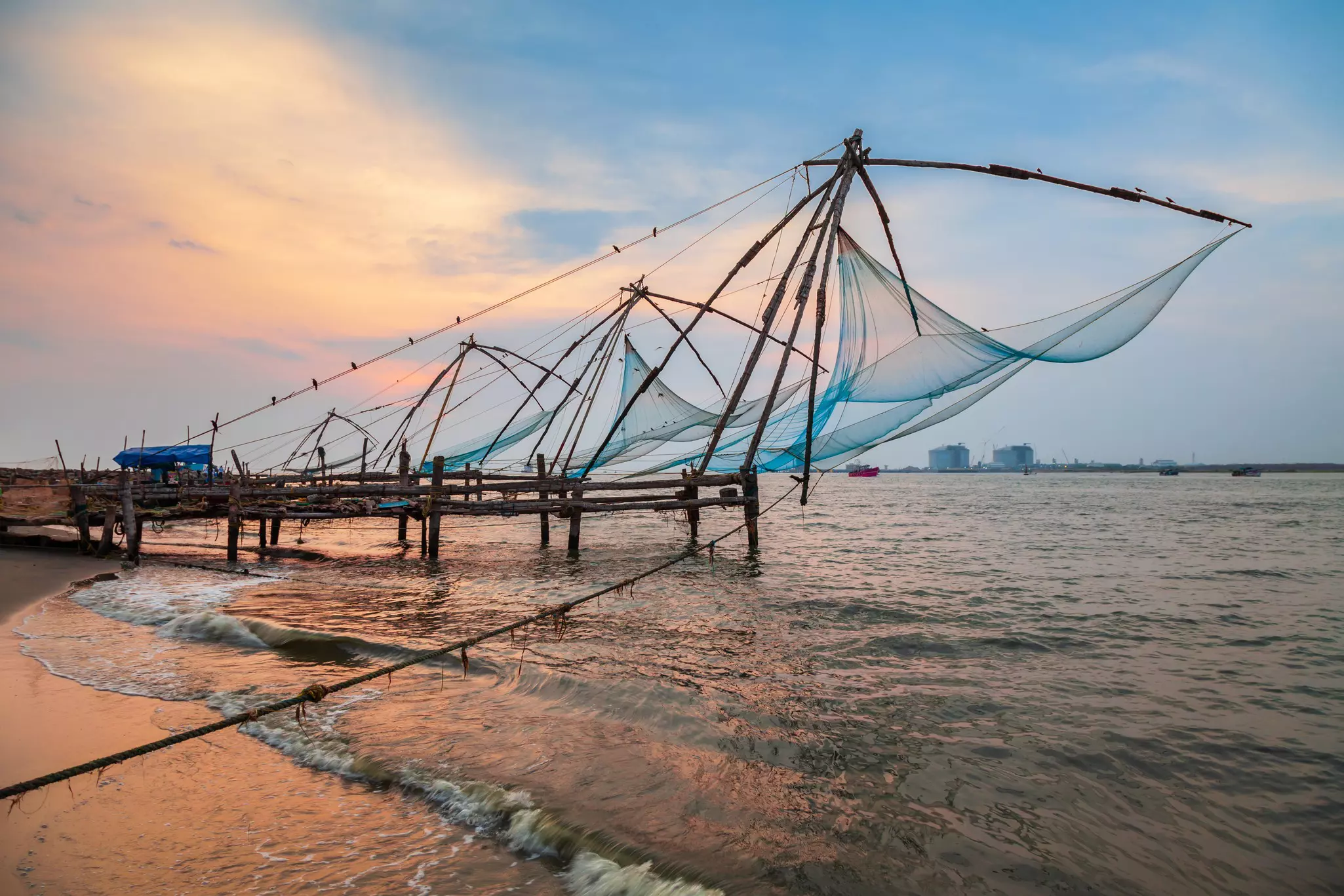
The most atmospheric part of Kochi (Cochin) is Fort Cochin, a crossroads shaped by traders since the 15th century. Portuguese churches and Dutch-style homes stand along tree-lined streets, while the seaside is punctuated by the prominent yet precarious-looking Chinese fishing nets. The area pulses with creative energy, thanks to the Kochi-Muziris Biennale, India’s largest art exhibition, held alternate years from December to March.
South of fort Cochin is Mattancherry, home to the 16th-century Mattancherry Palace, adorned with vivid Hindu murals and the Pardesi Synagogue, famous for its hand-painted blue porcelain tiles from China.
If you’d like to get to know Fort Cochin and Mattancherry in detail, the Kochi Heritage Project and Kochi Stories by Ajita Skaria will take you on an insightful storytelling or heritage walking tour.
Detour: Cochin Magic does a private heritage tour of Muziris, a port city just an hour north of Kochi that's brimming with historic churches, synagogues, temples and mosques, including India’s first mosque, Cheraman Juma Masjid.
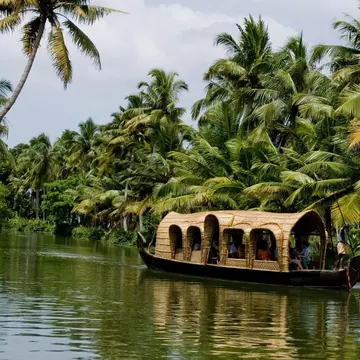
Cruising through the backwaters – a lattice of rivers, brackish lagoons, canals and lakes that spans much of the state – aboard a ketuvallam (a repurposed "rice barge" houseboat) is the poster child image of any visit to Kerala. The Alappuzha (Alleppey) backwaters are the headliner for this activity, but the Valiyaparamba backwaters, which snake through Kasaragod, Kerala’s northernmost region, plot a quieter yet equally enchanting journey.
Stay at Neeleshwar Hermitage, an Ayurvedic retreat that has its own luxury houseboat. Alternatively, the state-owned Bekal Resorts Development Corporation does affordable backwater cruises out of Ayitti and Edayilakkad.
For a more intimate, immersive paddle, float through the Valiyaparamba backwaters by kayak – the best part is coming upon a cluster of mangroves emerging like a green mirage from a still canal.
If you’re in Kerala during the monsoon (the rainy season from June to September), don’t miss the exhilarating snake boat races. Chundan vallams – long snake-shaped boats once used in warfare – speed across the backwaters, powdered by up to 100 rowers moving in perfect harmony to the energetic rhythm of the vanchipattu (the song of the boatman).
The most coveted battle is the Nehru Trophy Boat Race, which takes place on the Alleppey’s Punnamada backwaters to coincide with the Onam harvest festival. Get tickets online or at booths near the route.
Several other snake boat races are held from mid-July to mid-September, including the Aranmula Boat Race and the Champakkulam Boat Race – both on the Pampa River and both steeped in religious traditions.
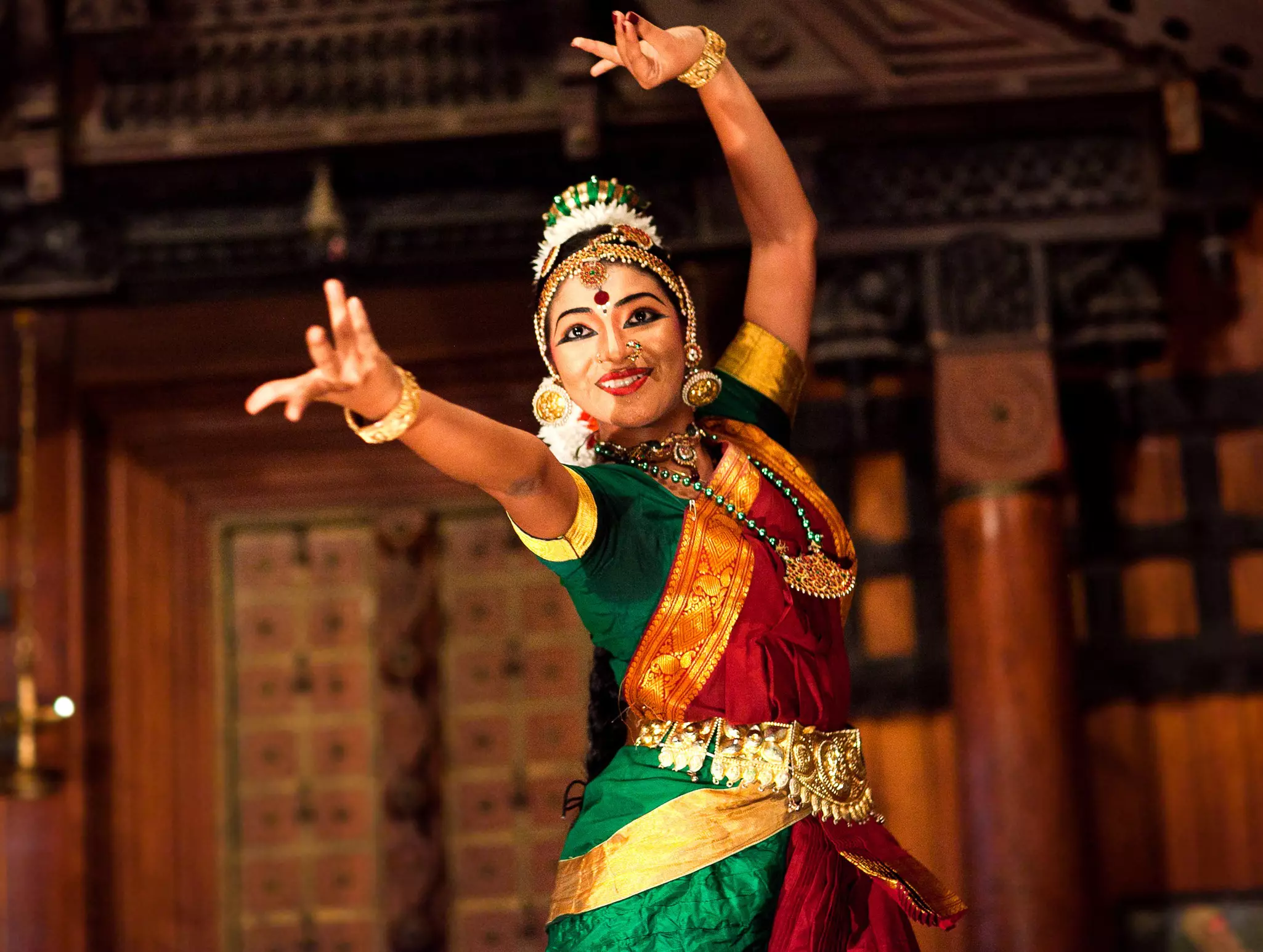
Kerala’s performing arts are the heart and soul of its culture. The most iconic is Kathakali, a dance drama that portrays the Hindu epics Ramayana and Mahabharata through elaborate mudras (a ritual gesture or pose), expressive body movements and facial expressions. To see it for yourself, head to the Great K V Kathakali Center in Kochi, Punarjani Traditional Village in Munnar or Kadathanadan Kalari and Navarasa Kathakali Centre in Thekkady.
For an otherworldly performance, catch theyyam. The ritualistic dance brings to life the legends of gods, evil spirits and local heroes in more than 400 variations, accompanied by gigantic headdresses (mudi) and striking costumes, jewelry and body paints. Theyyam is best witnessed at village shrines in northern Malabar between November and May. Kerala Tourism maintains a theyyam event calendar, or consider an overnight guided tour from Kannur.
Also spectacular are bouts of kalarippayat, an ancient martial art that takes place on mud floors and tests the limits of body and mind in bare-handed combat using weapons like flexible, double-edge swords and daggers. Catch the action at the same venues in Thekkady and Munnar.
For something gentler, attend mohiniyattam – a classical solo dance performed by women – at cultural centers statewide.
Perched atop a remote hill, the Edakkal Caves are a series of rock shelters with 6000-year-old petroglyphs depicting animals, symbols, tools and humans in the top chamber, while the lower chamber has inscriptions in Tamil and Brahmi. There is a fairly steep uphill walk from the parking area near Ambalavayal to the ticket counter (watch out for the cheeky monkeys), followed by a climb of around 300 steps to the sunlit top cave. On clear days, stunning views of Wayanad’s lush landscape are an additional reward.
Planning tip: The caves are closed on Mondays. Start your hike early to avoid the midday crowds.
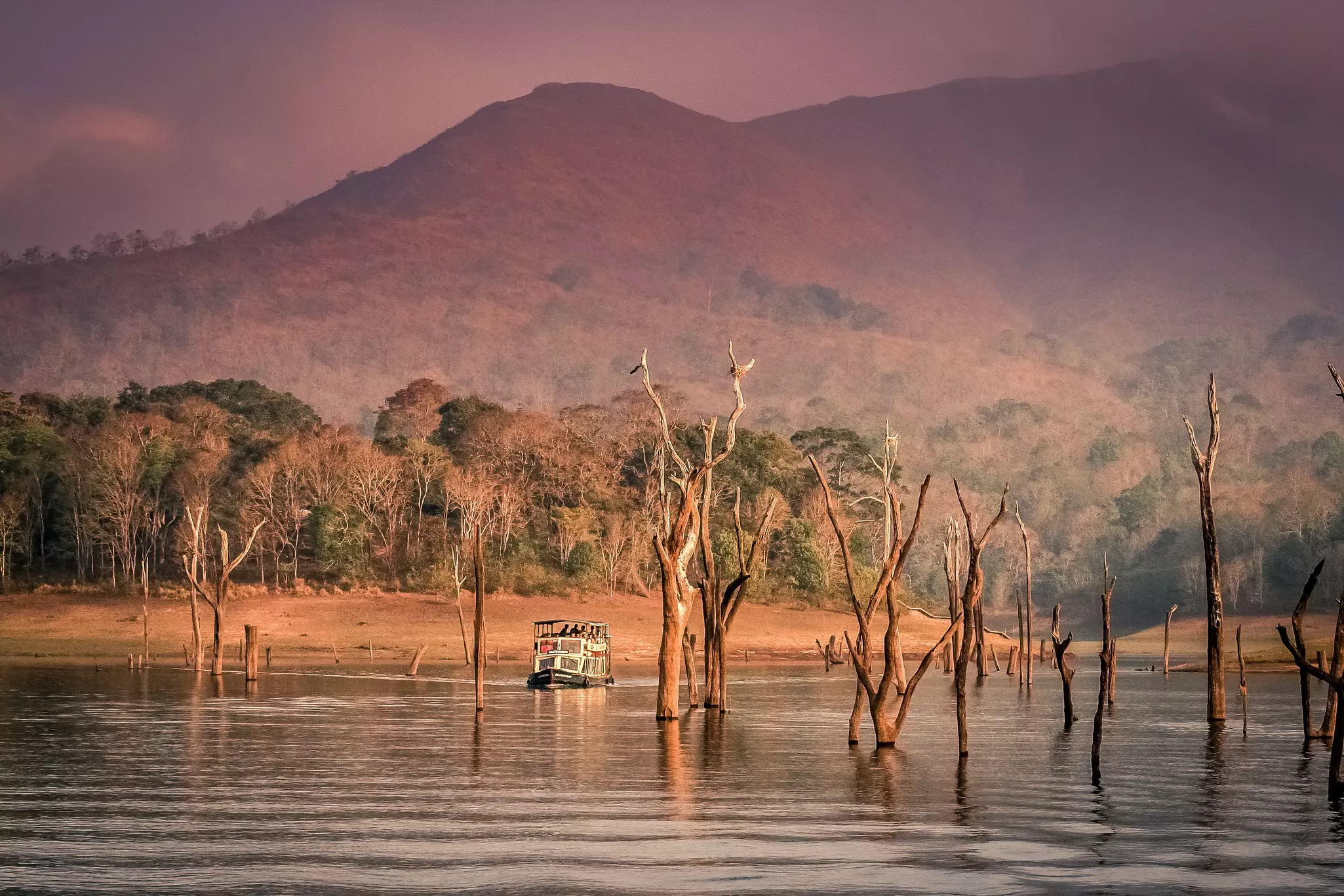
From lion-tailed macaques to Malabar gray hornbills, elusive tigers to southern birdwings (South India’s largest butterfly), the Western Ghats has a panoply of wildlife to seek out when exploring Kerala. Among the standout destinations is Periyar Tiger Reserve in Kerala’s southern Ghats. Its wildlife-watching programs are led by former poachers turned guides. On a boat safari on the lake, you can spy elephants, gaur (Indian bison) and myriad birds – particularly in the dry months of March and April, when wildlife are most active near the water.
In the misty highlands of Munnar lies Eravikulam National Park and its equally rare Nilgiri tahrs (cloud goats) and Neelakurinji, a stunning purplish blue bloom that carpets the hills every 12 years from August to October.
At Parambikulam Tiger Reserve in northern Kerala, join guided hikes led by local naturalists or try bamboo rafting across the serene reservoir. If you head to Wayanad Wildlife Sanctuary via a two-hour jeep or bus safari, you may spot wild elephants, sambar (deer), langur monkeys and – if luck prevails – leopards or tigers.
Farther afield, Aralam Wildlife Sanctuary in northwestern Kerala is a paradise for butterfly enthusiasts – the habitat contains more than 250 species of the winged beauties. Jeep safaris as well as hiking and camping are possible within its verdant expanse.
Communities along the banks of the Nila River (Bharathappuzha), Kerala’s second longest river, still practice traditional arts like pottery, shadow puppetry, weaving, and folk dances and music. Guided trips from the conservation-driven Blue Yonder allow you to explore this rich cultural heritage.
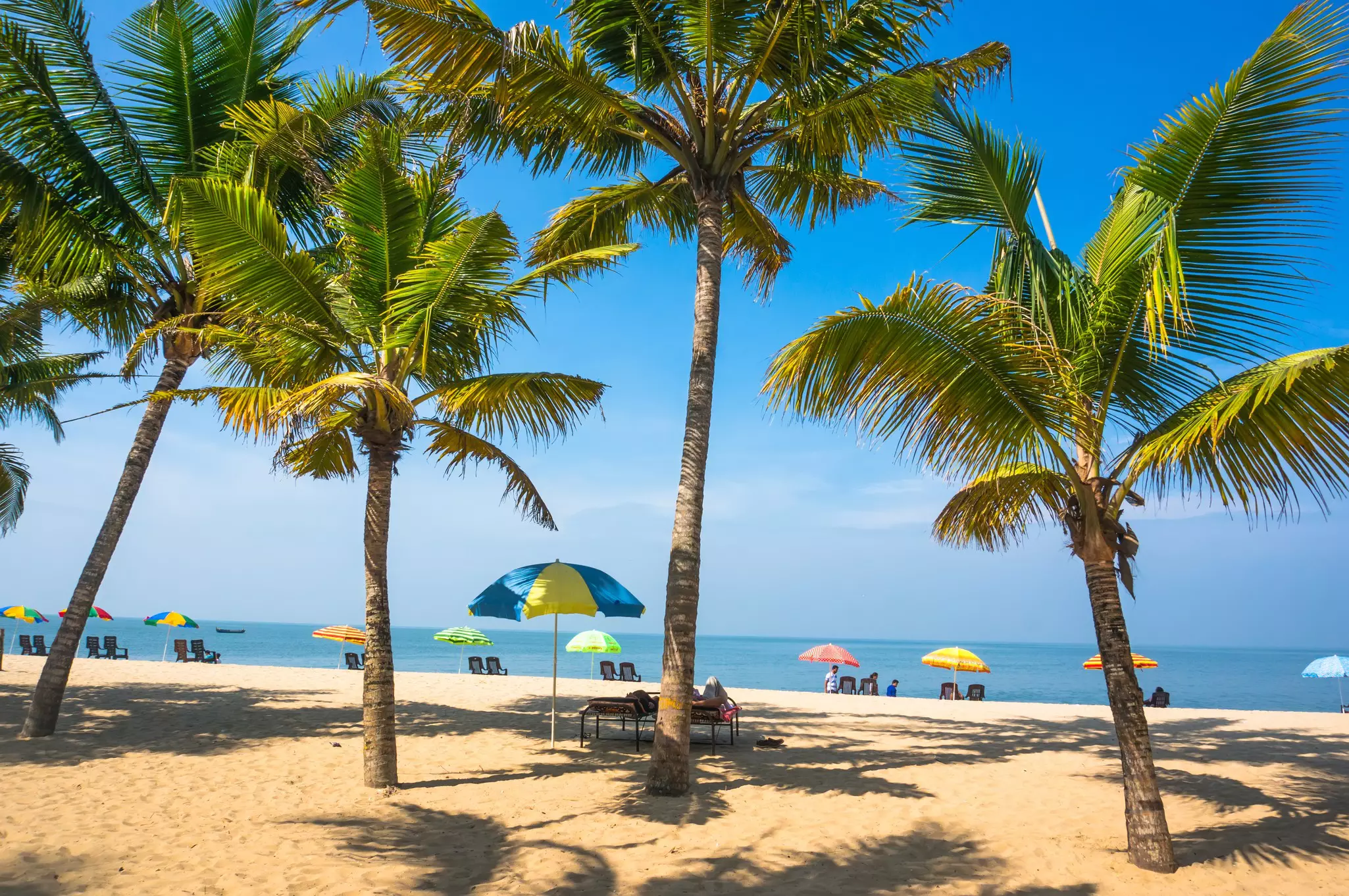
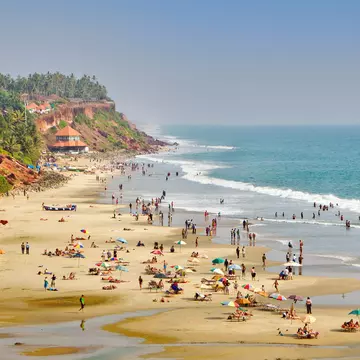
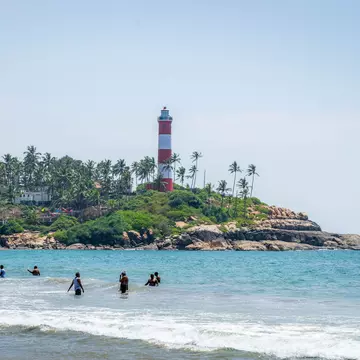
With its 600km (370-mile) coastline, Kerala has beaches aplenty.
Kovalam is a favorite surf destination in India, helped by reliable right-hand waves and a mix of beach, reef and point breaks that perform best from October to April. If you’re keen to learn, take lessons at schools like Kovalam Surf Club. About 59 km (37 miles) north up the coast, Varkala also has a thriving surf scene, with numerous schools catering to surfers of all levels. One of the most popular and pioneering of them is Soul & Surf, which provides surf and yoga classes, along with accommodations.
For more adventure, the crescent-shaped Muzhappilangad Beach in Kannur is the only spot in Kerala where you can drive on the beach. You can partake in all manner of water sports (paragliding, parasailing, catamaran rides) or go for dip in the sea – take your pick.
Find both luxury and history at Bekal Beach, located on the northwestern edge of Kerala. From the well-preserved fort – more than 350 years old – you'll get panoramic views of the cove-shaped beach. The area is a favorite among residents and visitors, with its grassy park, public sculptures and sumptuous resorts. The gorgeous Taj Bekal Resort & Spa is an indulgent escape.
If you are looking for more of a castaway feel, the golden Thottada Beach (just south of Kannur), the 10km (6-mile) Cherai Beach on Vypin (a barrier island suburb of Kochi) and the ultraclean Marari Beach (north of Alleppey) are good bets.
Kerala’s temple festivals are a feast for the senses – intense, thrilling and raw. Honoring local deities, these festivals erupt in processions of lavishly decorated elephants, colorful floats, loud (and deft) drumming, musicians and fireworks. While they happen all over Kerala, the best known is Thrissur Pooram at Vadakkumnathan temple in Thrissur. Held during late April or May, it features grand elephant parades, a stunning parasol display and pulsating percussion ensembles.
Other notable festivals include Nenmara Vallangi Vela, held in April at the Nellikulangara Bhagavathy Temple in Palakkad, where two neighboring villages compete in a spectacular display of pageantry. Attukal Pongala is in February; it is the world’s largest gathering of women who cook a special rice dish in clay pots as an offering to the deity at Attukal Bhagavathi Temple in Thiruvananthapuram (Trivandrum).
Planning tip: Festival dates are often pegged to the lunisolar calendar and can vary. Check Kerala Tourism’s calendar for upcoming festivals.
To imbibe the true spirit of Kerala, try a traditional coconut palm tree toddy called kallu. It is a mild homegrown spirit made with the sap of coconut palm trees, which is collected by a tapper who climbs the tree and drains it into a clay vessel. When fermented, this naturally sweet liquid turns slightly tart and packs a punch.
Served in no-frills shaaps (shops) across the state, this toddy pairs perfectly with the area's fiery dishes. The spice is as bold as the drink in the backwater regions of Alleppey and Kumarakom. As they say, "The spicier the food, the more you need to drink to ease the burn."
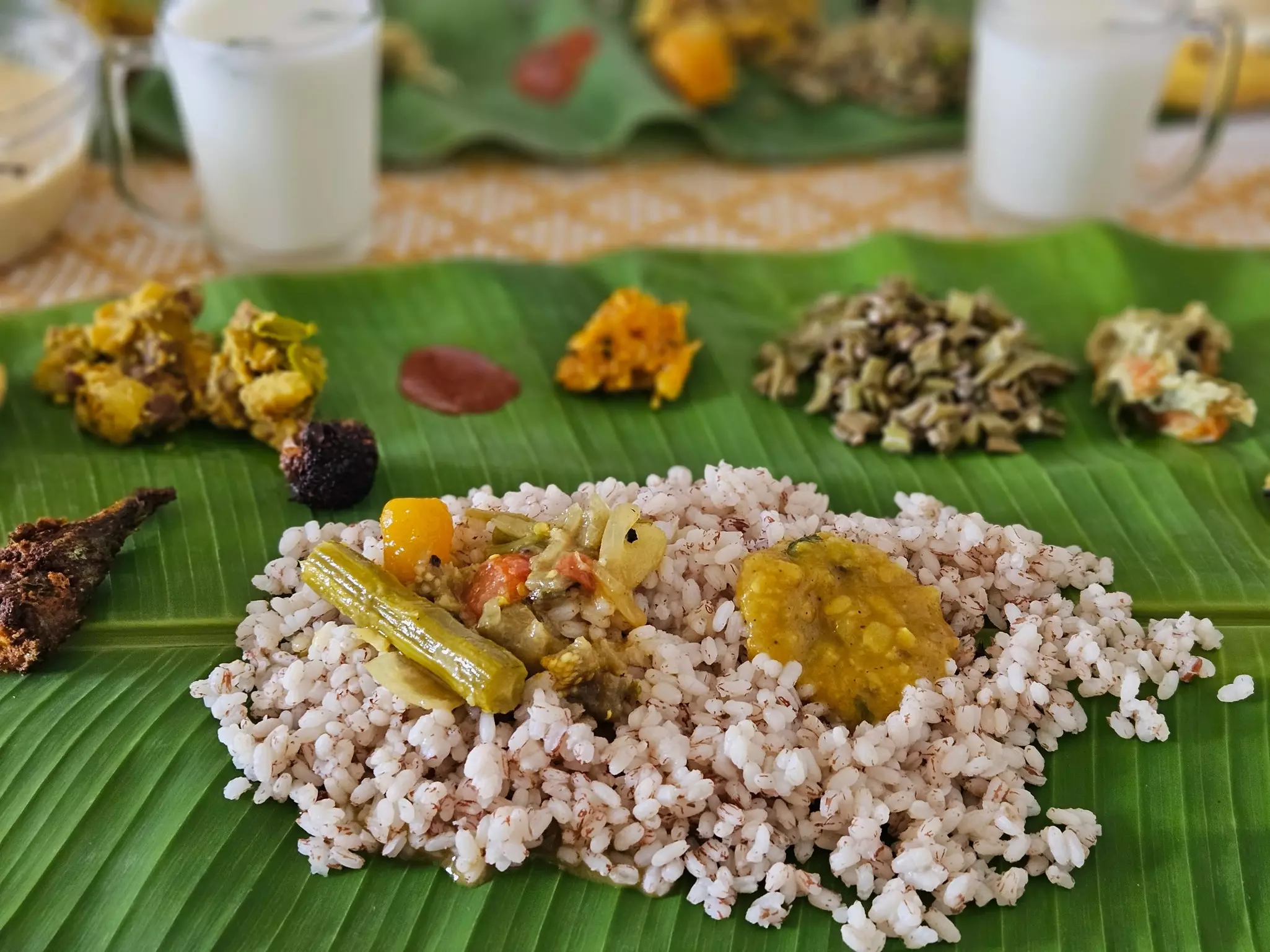
A visit to Kerala isn’t complete without indulging in sadya, a traditional feast often served during Onam and weddings. This elaborate vegetarian meal of at least 24 dishes – sometimes as many as 60 – includes an array of pickles, chutneys, crunchy banana chips, curries, stir-fried vegetables, rice, rasam (a dhal-based broth flavored with tamarind) and sweet payasam (rice pudding), all served on a banana leaf. Eating with your hands is a must, as is folding the leaf in half to signal you are done.
Through Kerala Tourism's cuisine program, visitors can attend sadya in local homes.
For a full-on transformative wellness experience, there’s no place quite like Kerala – the birthplace of Ayurveda, a more than 5000-year-old healing tradition that combines yoga, healthy eating and lifestyle habits.
The tropical climate, owing to a prime position along the Malabar Coast, and bounty of medicinal plants and herbs have yielded a bumper crop of Ayurvedic retreats and resorts across the state. A few favorites include the riverside Mekosha an hour north of Trivandrum, where spa suites have private treatment rooms and pool views; the atmospheric Somatheeram Ayurvedic Health Resort about 7km (4 miles) south of Kovalam Beach, with lush gardens and thatched cottages; and the deluxe Carnoustie Ayurveda & Wellness Resort in Alleppey, with pool villas and programs focused on stress relief, immunity and graceful aging.
The Western Ghats is laced with hiking trails, from short rainforest strolls to full-day treks. Among the most accessible yet rewarding is Chembra Peak in Wayanad, rising 2100 meters (6890 feet) above sea level.
This easy to moderate hike starts from the watchtower near the Chembra Peak VSS Forest Office, just outside the village of Meppadi, then meanders through emerald tea gardens, spice plantations and thick jungle. While the summit is off-limits due to wildlife activity, hikers can reach the heart-shaped lake known locally as Hridaya Thadakam or Hridaya Saras. The hike is 4km (2.5 miles) and is best between November and February.
Planning tip: The trail is open from 7am to 5pm, with a daily limit of 200 hikers. Obtain a permit before 2pm.
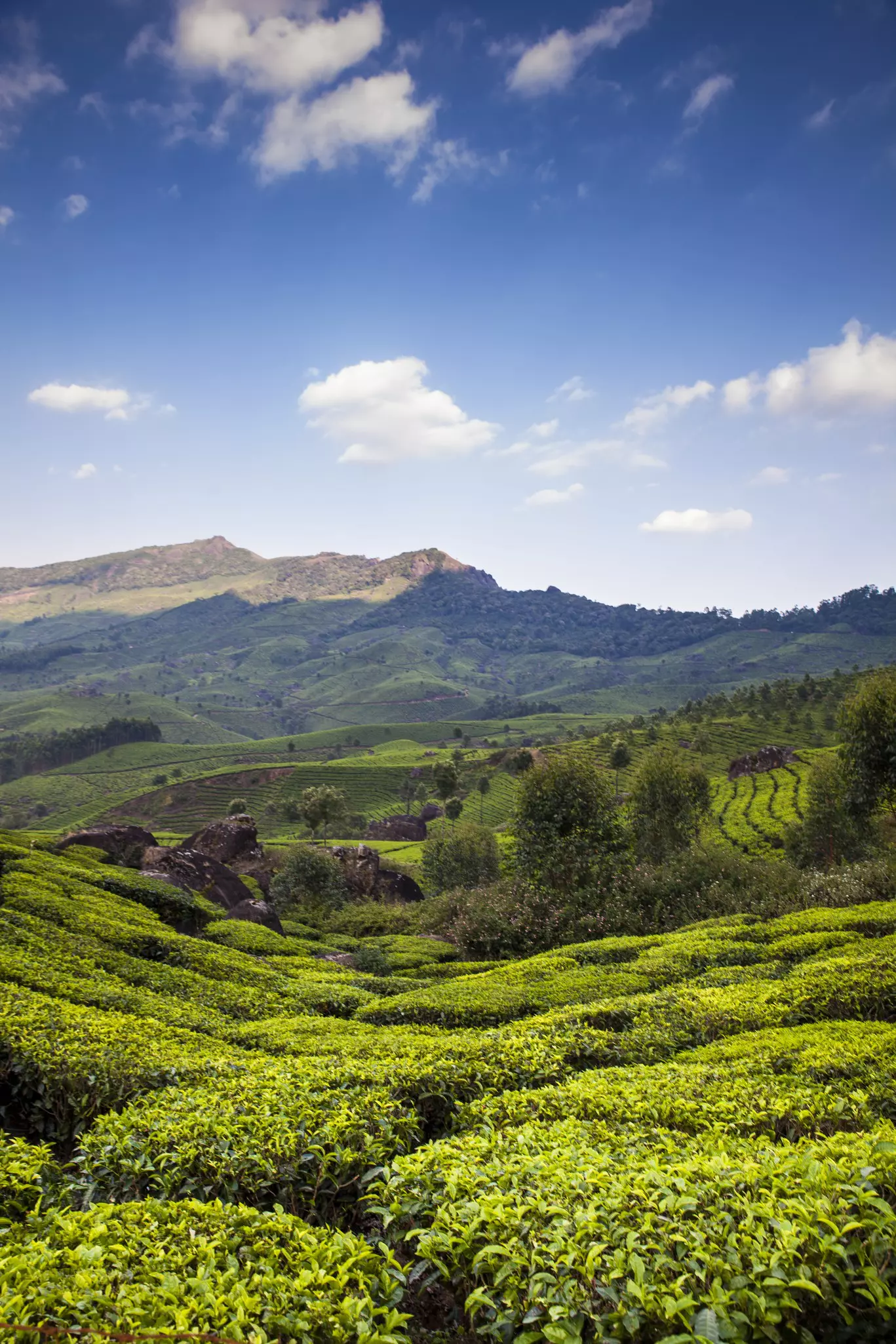
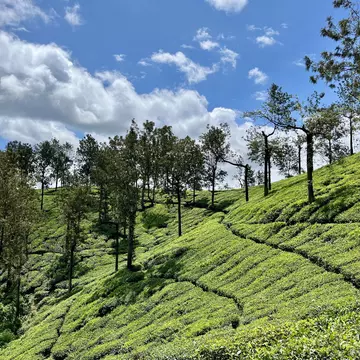
The emerald green hills of Munnar are blanketed in tea bushes, their distinct aroma hinting at the town’s long tea-growing heritage. The British favored the area in the 19th century as a cooler summer escape from the sun-baked plains, and today, it retains its refreshing charm.
Munnar is made for relaxation, whether you wander the flower-filled Blossom International Park, sample fine teas at Lockhart Tea Factory (try the orthodox orange pekoe, a loose-leaf black tea made from an evergreen plant called camellia sinensis), hike to the viewpoints at Top Station and Echo Point, or go boating at Mattupetty Dam.
Detour: Adventurers can hike up nearby Meesapulimala, the second-highest peak in the Western Ghats, at 2640m (8661ft), passing through grasslands and misty forest to reach the highest point.
For a family holiday that blends leisure, culture and adventure, visit Thenmala, located in the lower reaches of Western Ghats in the Kollam (Quilon) district. This green getaway offers a variety of activities for all age groups: scenic riverfront walks, butterfly safaris, rock climbing, zip-lining, walks through forests teeming with biodiversity. There’s also a sculpture garden, children’s park and musical dancing fountain to keep the young ones entertained. Kerala Tourism's Thenmala packages cover jungle safaris, hiking and tented accommodations.
Book your India trip with Lonely Planet Journeys
See India how it's meant to be seen
Accommodations, activities and ground transportation all taken care of, so you can focus on the fun part. Tell us what your dream trip to India looks like, and our local experts will build it from scratch. Or start with one of our itineraries and make it your own.

Explore related stories