Feb 23, 20269 min read
The Top 10 Things to Do in Bavaria, GermanyFeb 23, 2026
9 MIN READ

Writer
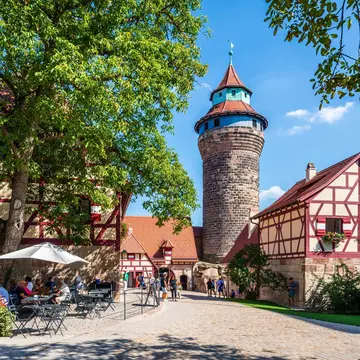
Nuremberg, Bavaria. olrat/Shutterstock

Writer
Highlights
Writer Marc DiDuca picks 10 Bavarian highlights from the Alps to the Romantic Road.
For outdoor adventure, ski Garmisch-Partenkirchen under the Zugspitze or boat the scenic Königssee.
Munich's Pinakotheken are world-class, and a €1 Sunday entry makes them even better.
Sample Weisswurst before noon in any Munich tavern and raise a stein at the Hofbräuhaus.
Lonely Planet may earn a commission from affiliate links on our site. All recommendations and reviews reflect our own independent opinions.
Bavaria packs in more than most independent states of its size: think peaks over 2000m (6560ft) and sweeping plains. Medieval cities and 21st-century museums. Roman ruins and Alpine lakes.
Devouring a vast chunk of Germany's south, Bavaria is like a country unto itself (many locals nostalgically dream it still is), with multilayered diversity and sophistication to match. If you came to Germany to hear the slap of hand on Lederhosen and the tinkle of cowbells, to see storybook castles and half-timbered towns, to witness frothy steins slammed down on oak tables and the crunch of heart-shaped pretzels, then the Free State keeps its cliched promises, and its millions of visitors happy.
Ready for more good news? Getting to Bavaria is easy. Munich Airport has a global schedule; a highly developed transport system will get you around; and accommodation and dining are at a high level even by Western European benchmarks. And with its smooth, fast and laudably toll-free autobahn (highway) system, Bavaria is best explored by car outside its cities.
You could spend a lifetime exploring all of Bavaria. If you need a place to start, here are the top 10 things to do that will introduce you to the pleasures of this special corner of Germany.
If you're going to be in Bavaria for only a few days, stick to one or two cities, or a region such as the Alps or the Romantic Road. You can see the best of Bavaria on a two-week whirlwind tour with a well-planned itinerary.
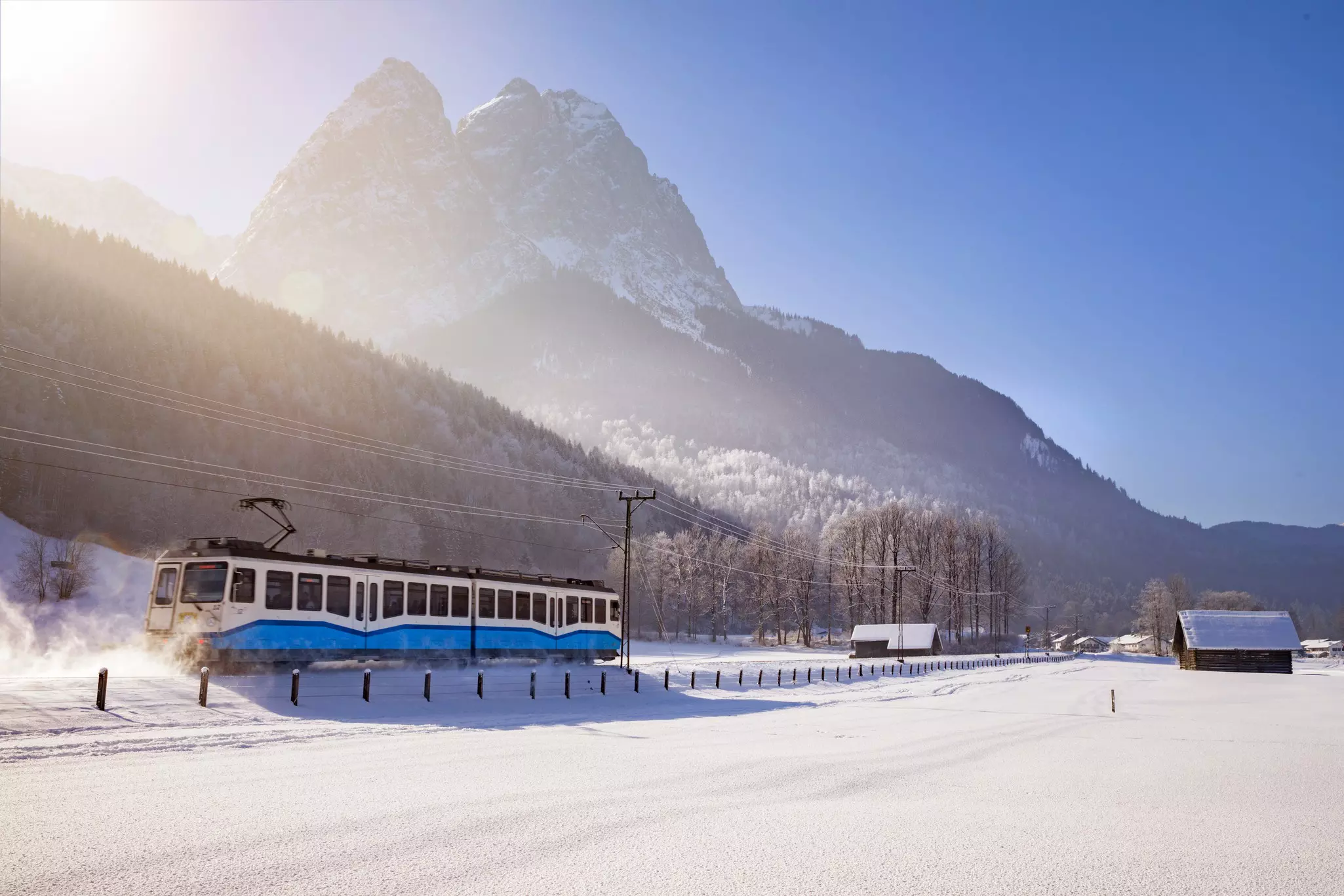
Geography may have granted Germany’s south just a mere sliver of the Alps, but the region certainly makes the most of its mountains, many of which are but a short train ride from central Munich.
The ski resort of Garmisch-Partenkirchen is the place to head for the best fun in the snow, as it sits under Germany’s highest mountain, the Zugspitze, the top of which can be reached by a special train. Lifts and cable cars regularly operate throughout the ski season, but are sometimes popular beyond capacity on weekends. Also be aware that weather can affect visibility on the Zugspitze.
Surrounded by Austria on three sides, the Berchtesgadener Land in Bavaria’s far southeast delivers all the best Alpine pleasures, providing dramatic mountain scenery, great hiking and splendid lake vistas.
Local tip: Skiing is a big deal in the German Alps, with countless pistes scoring their snowy slopes. The skiing season here runs from around mid-December until sometime in April, depending on weather conditions. When the white stuff fails to fall, artificial snow made by special canons means the fun doesn’t stop.
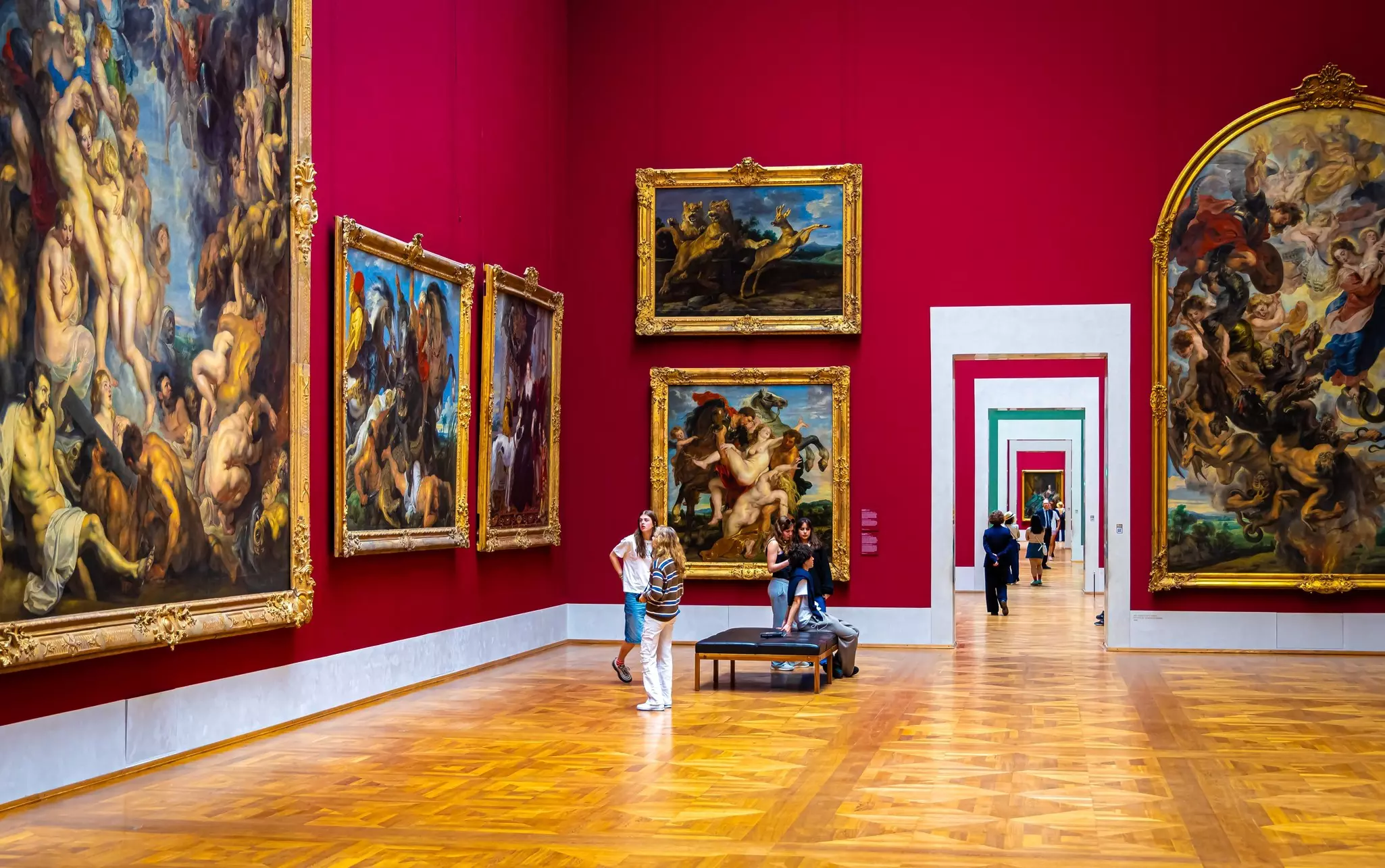
You could devote many months to Bavaria’s exceptional museums, some of which rank as the best of their kind in Europe. It would be easy to while away a week “doing” Munich’s art museums alone, including the world-class Pinakotheken (Alte Pinakothek, Neue Pinakothek and Pinakothek der Moderne). The Deutsches Museum is a highly enjoyable repository of the country’s storied technical past, while Nuremberg boasts the Deutsche Bahn Museum, Germany’s top railway museum, and the Nationalmuseum, the country’s most comprehensive exhibition of Germanic culture. Of course, Bavaria witnessed one of the most sinister chapters in European history – the rise of the Nazis – and regional sites don’t sugarcoat this story. Berchtesgaden’s Dokumentation Obersalzberg and Nuremberg’s Reichsparteitagsgelände – where the largest Nazi rallies were held in the 1930s – memorably relate elements of this unfortunate past.
Planning tip: Many of Munich’s museums and galleries charge only €1 on Sundays, which could save you a considerable amount of your travel budget if you intend on visiting a few.
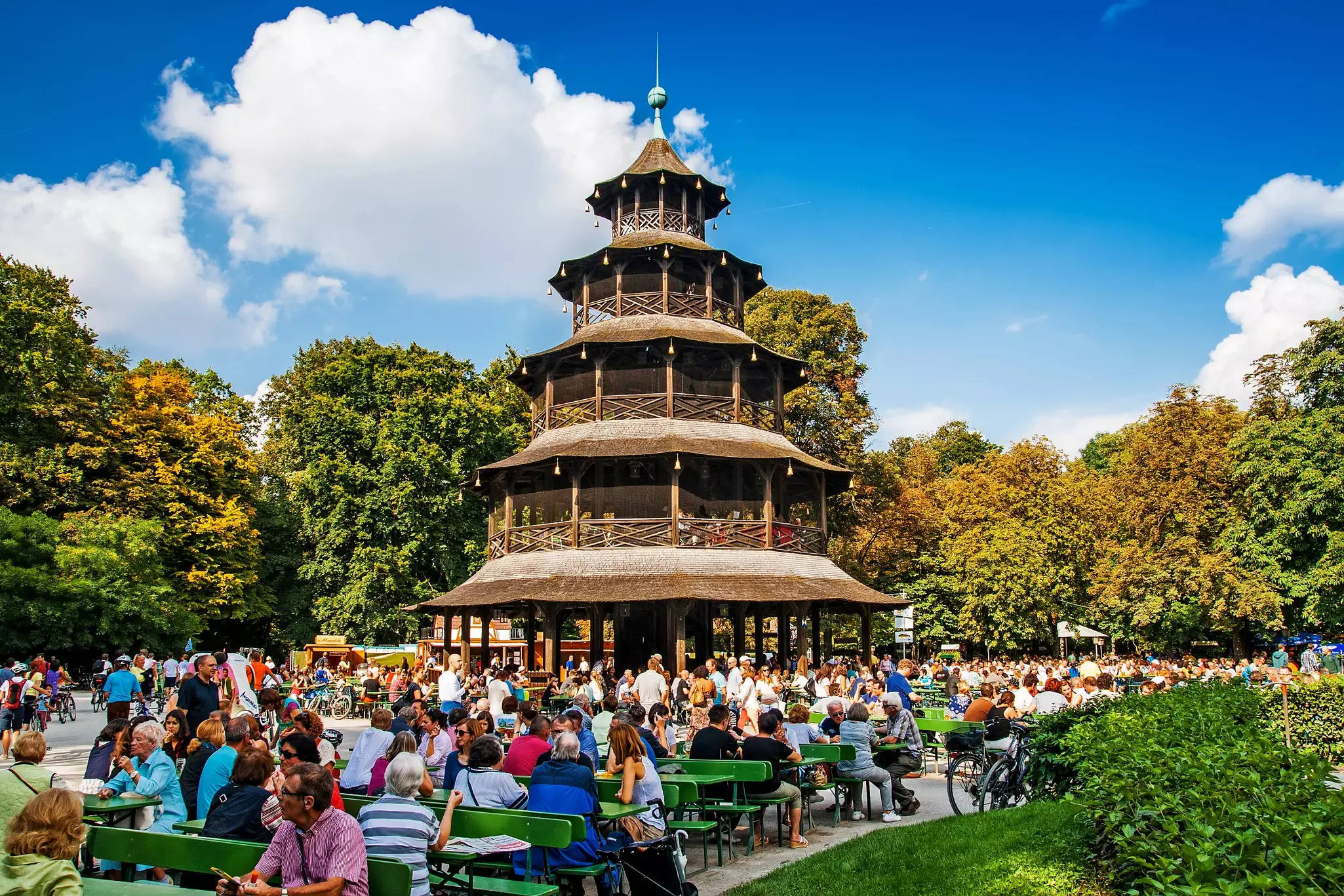
Munich has often been called “the city of art and beer,” and after you’ve taken in art by day, the evenings belong to the one-liter steins of frothy brews in typical beer halls such as the Hofbräuhaus, the Augustiner Bräustuben and the Weisses Brauhaus. Of course, the best time for disciples of the hop to make a pilgrimage to the Bavarian capital is during Oktoberfest (annually late September to the first weekend in October), during which over 6 million liters of beer are downed.
Outside Munich, the beer is just as good – better in fact, according to the drinkers of Franconia (Bavaria’s northern region), where countless village breweries pump out an astonishing variety of Landbier (small-scale regional beers) not available anywhere else. The best place to sample these is the Kellerwald near Forchheim, literally a huge beer garden in the middle of a forest.
A Bavarian phenomenon is the beer garden, with its tables and chairs set out under horse chestnut trees and garlands of fairy lights. Some of the best to seek out in Munich are the Biergarten am Chinesischen Turm in the Englischer Garten; the Hirschgarten, which has almost 9000 seats; and the Hofbräukeller am Wiener Platz, said to be the original Munich beer garden.
Planning tip: Keep in mind, when it comes to tipping, it’s discretionary, with 10% of the bill being the customary amount.
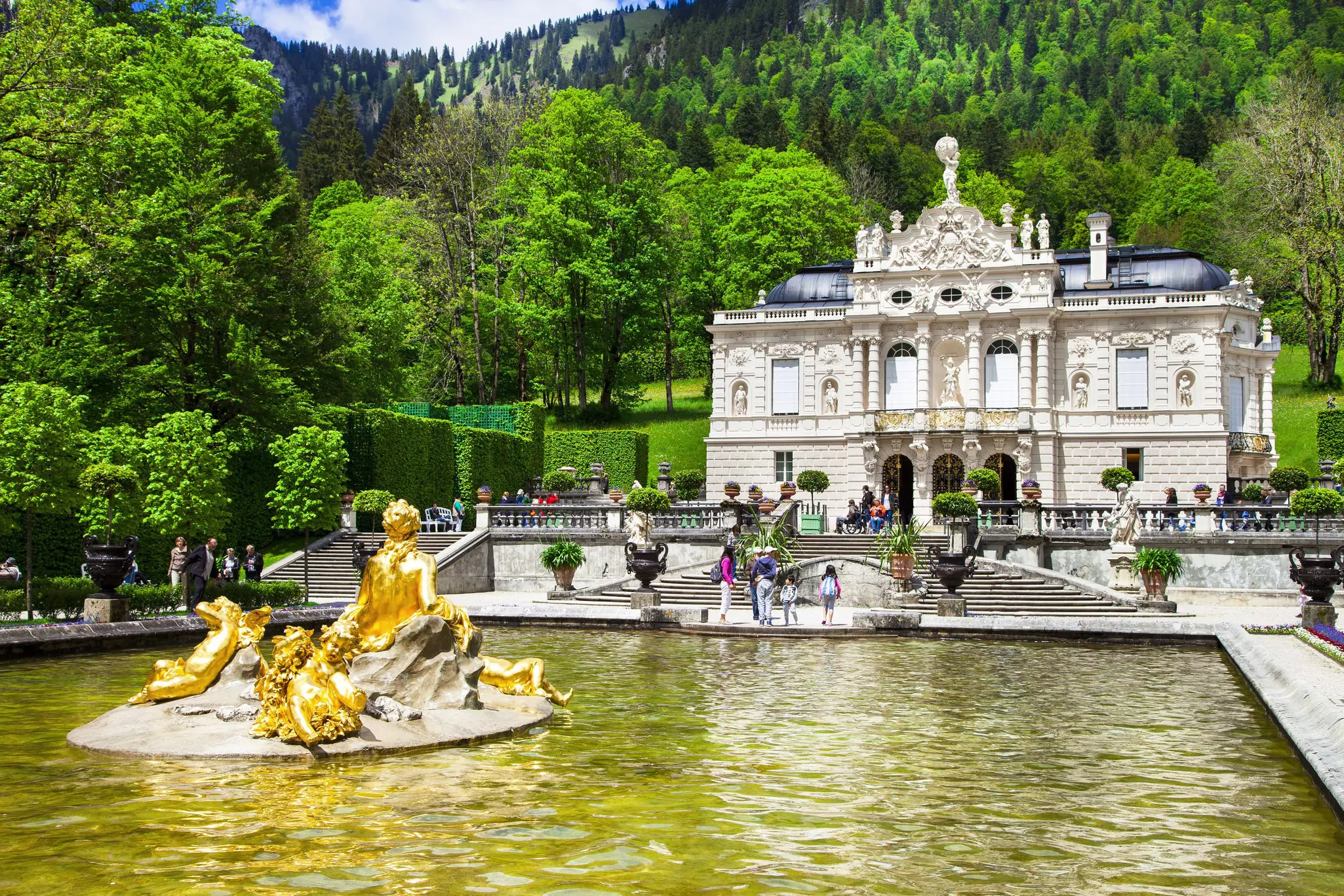
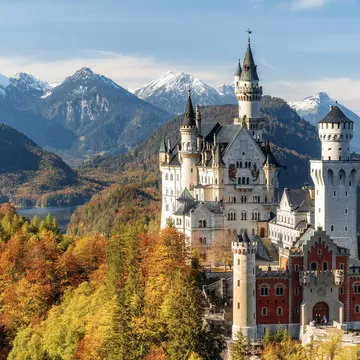
Every Bavarian town and hilltop seems to host a medieval pile or two, but it’s to three 19th-century follies commissioned by Bavaria’s King Ludwig II that most outsiders flock. Rising out of Alpine forest near the town of Füssen, Schloss Neuschwanstein is Germany’s most popular tourist attraction, its dreamy turrets and dramatic location having inspired Walt Disney. Ludwig’s other two sugary creations are the Herrenchiemsee, a Versailles-inspired palace on an island in the Chiemsee, Bavaria’s biggest lake; and compact Linderhof, in a remote Alpine location near Oberammergau. Linderhof occupies a lonely spot amid the peaks of the Ammergau Alps. A great way to reach it is to take a gentle 12km (7.5-mile) hike from Oberammergau, itself a major tourist attraction.
Planning tip: Prebook tickets and allow plenty of time for the shuttle bus, walk or horse-drawn carriage between Schloss Neuschwanstein and Hohenschwangau.
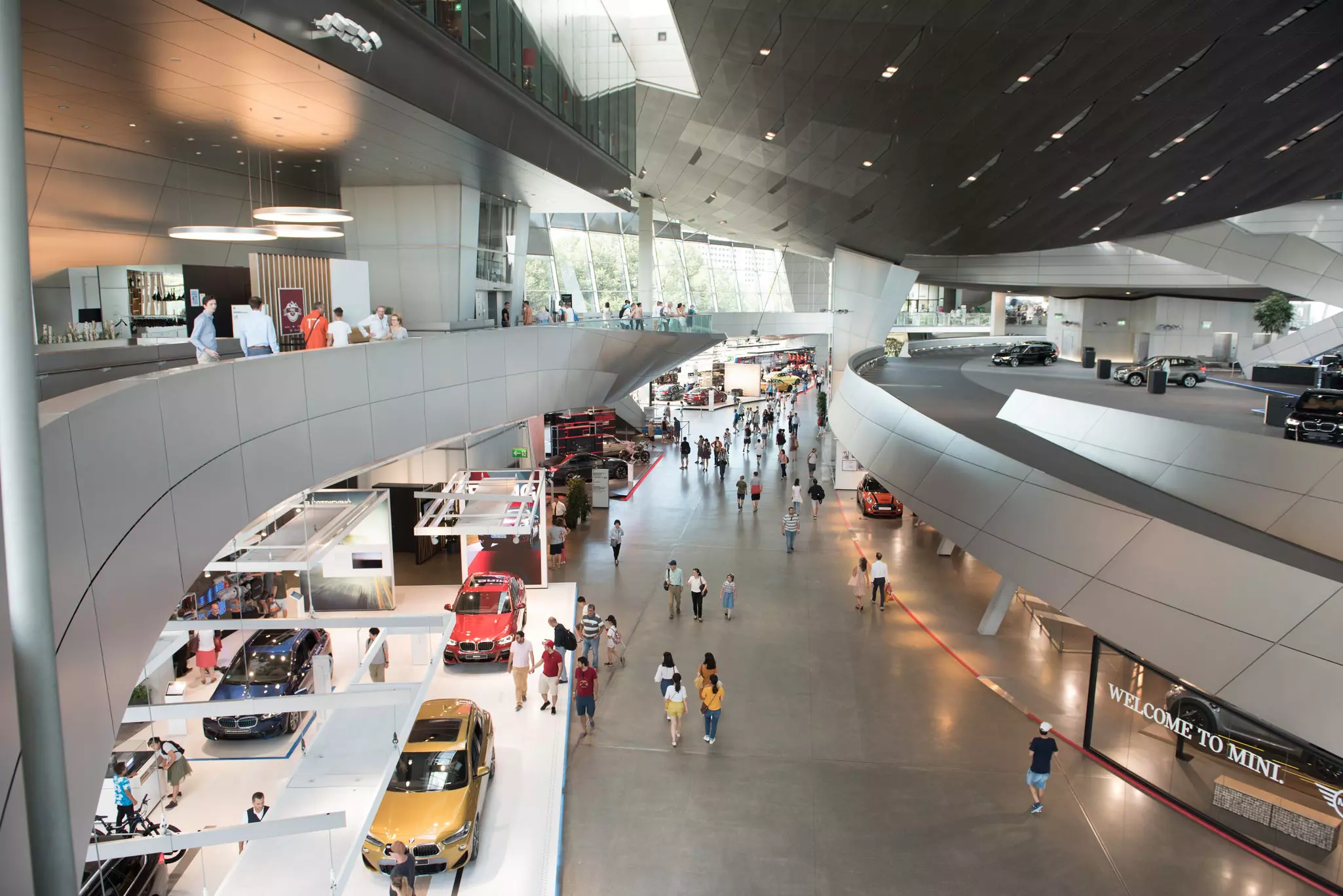
Bavaria is home to two of the highest-octane names of the motoring world: BMW in Munich and Audi in Ingolstadt. The space-age BMW Welt (BMW World) is a car fanatic’s dream come true, a huge, free exhibition of the company’s latest models, which can be sat in, fiddled with and admired from the driver’s seat.
Next door is the excellent BMW Museum, and technically intriguing tours of the nearby factory can be easily arranged.
Planning tip: Children under 6 years of age are unable to enter the factory for safety reasons.
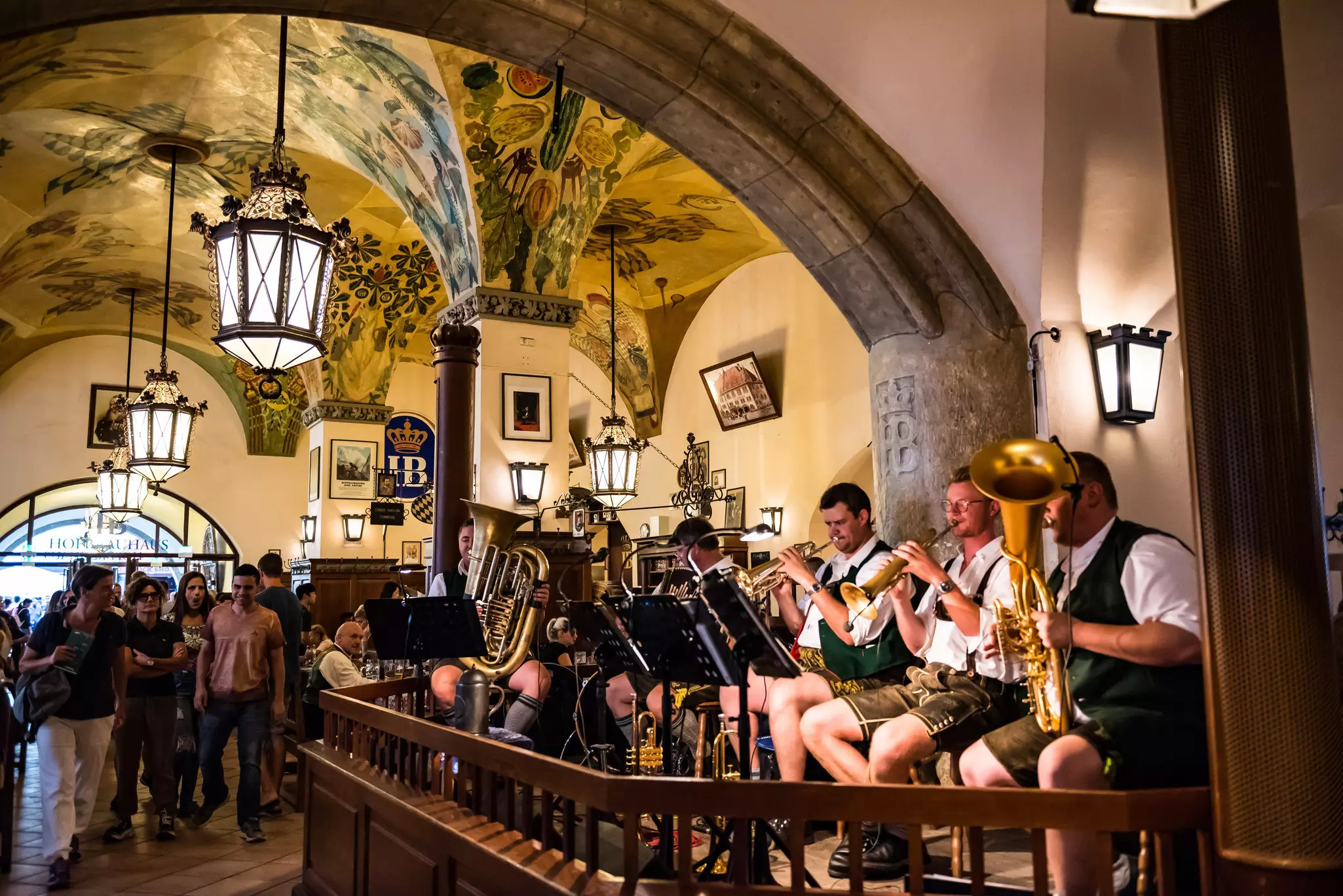
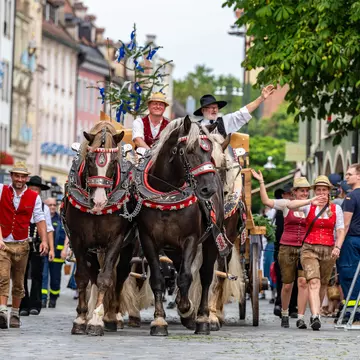
The world-famous Oktoberfest and Christmas markets. Oberammergau’s once-a-decade Passion Play. The glass-blowing traditions of the Bavarian Forest, the beer-brewing monks of Andechs, the folk-costumed bashes in Alpine taverns and the veneration of Wagner at Bayreuth: Bavaria is a place where culture and traditions form an easily accessible link with a colorful, folksy past. And unlike other countries in Central Europe, you don’t have to look far to find them, for every local keeps Lederhosen or a Dirndl in their closet for wearing to weddings, church services or simply the local beer festival.
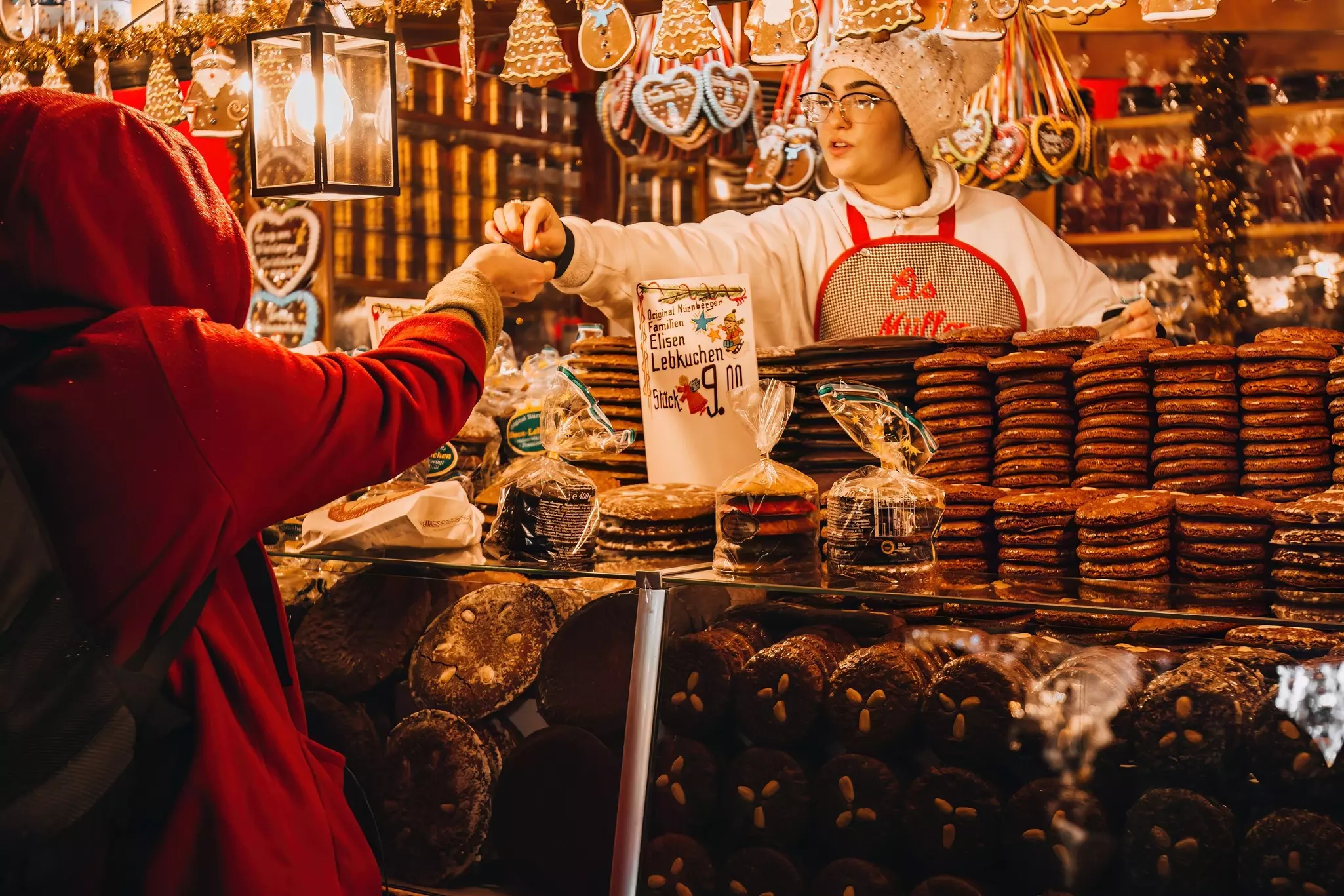
There’s shopping for every budget in Munich, from top-end boutiques to secondhand bookstores. And there sure are a lot of items unique to the Free State that will weigh down suitcases on departing planes and trains. Traditional Bavarian folk costume makes for a truly unique souvenir. Central Munich’s Lodenfrey department store sells the real deal; those on a budget should head for Holareidulijö, which offers secondhand items. Just before Oktoberfest, many pop-up shops appear in central Munich offering cheap versions of traditional garb.
Nymphenburg porcelain is another popular take-home item, best sourced at the Porzellan Manufaktur Nymphenburg factory shops. Glassware from the Bavarian Forest area, Nuremberg gingerbread, and new and antique beer steins are other mementoes to take home from any Bavaria trip.
Local tip: More unusual shopping experiences are provided by Käthe Wohlfahrt shops, where you can source your Christmas decorations all year long – a surreal experience in July when the mercury is pushing 30ºC (86°F).
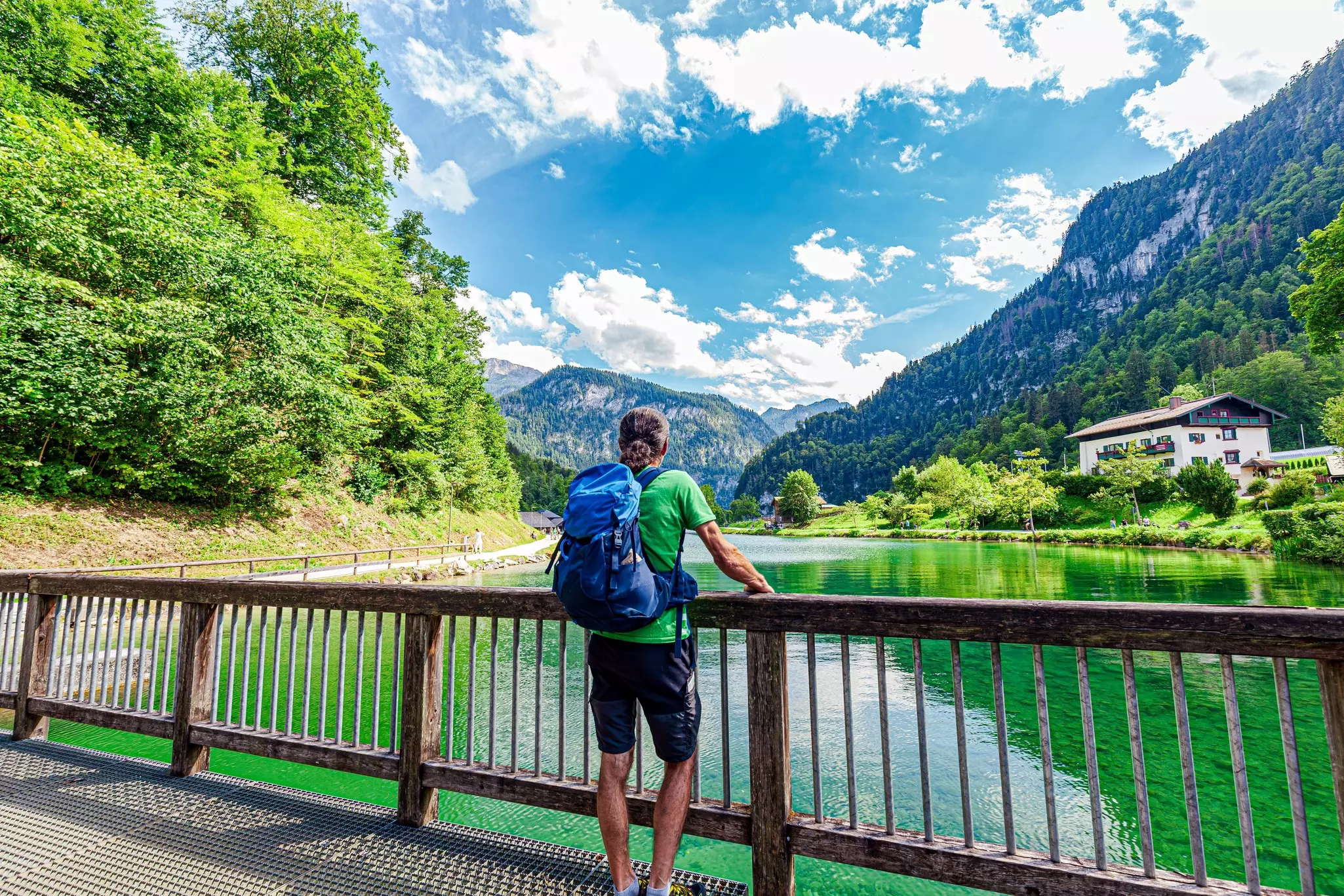
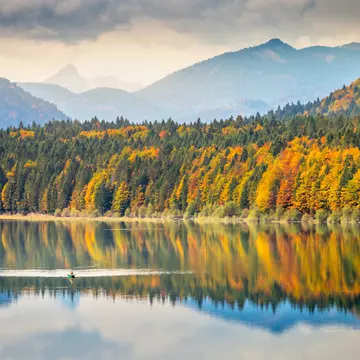
Between Munich and the Alps, many picturesque foothill lakes reflect quaint villages and onion-domed churches in their glassy waters. Easily accessible by S-Bahn from Munich, the Fünfseenland is (as its name implies) an area of five lakes. Perhaps the most popular is the pretty Starnberger See, a retreat for stressed-out city folk and the place King Ludwig II mysteriously drowned in 1886. Southeast of Munich, the Chiemsee is a great place to mess around in boats. Yet top marks must go to the Königssee, Germany’s most spectacularly beautiful body of water, cupped by Alpine slopes and walls of granite. Take an electric boat along its length or hike the high peaks around its shores.
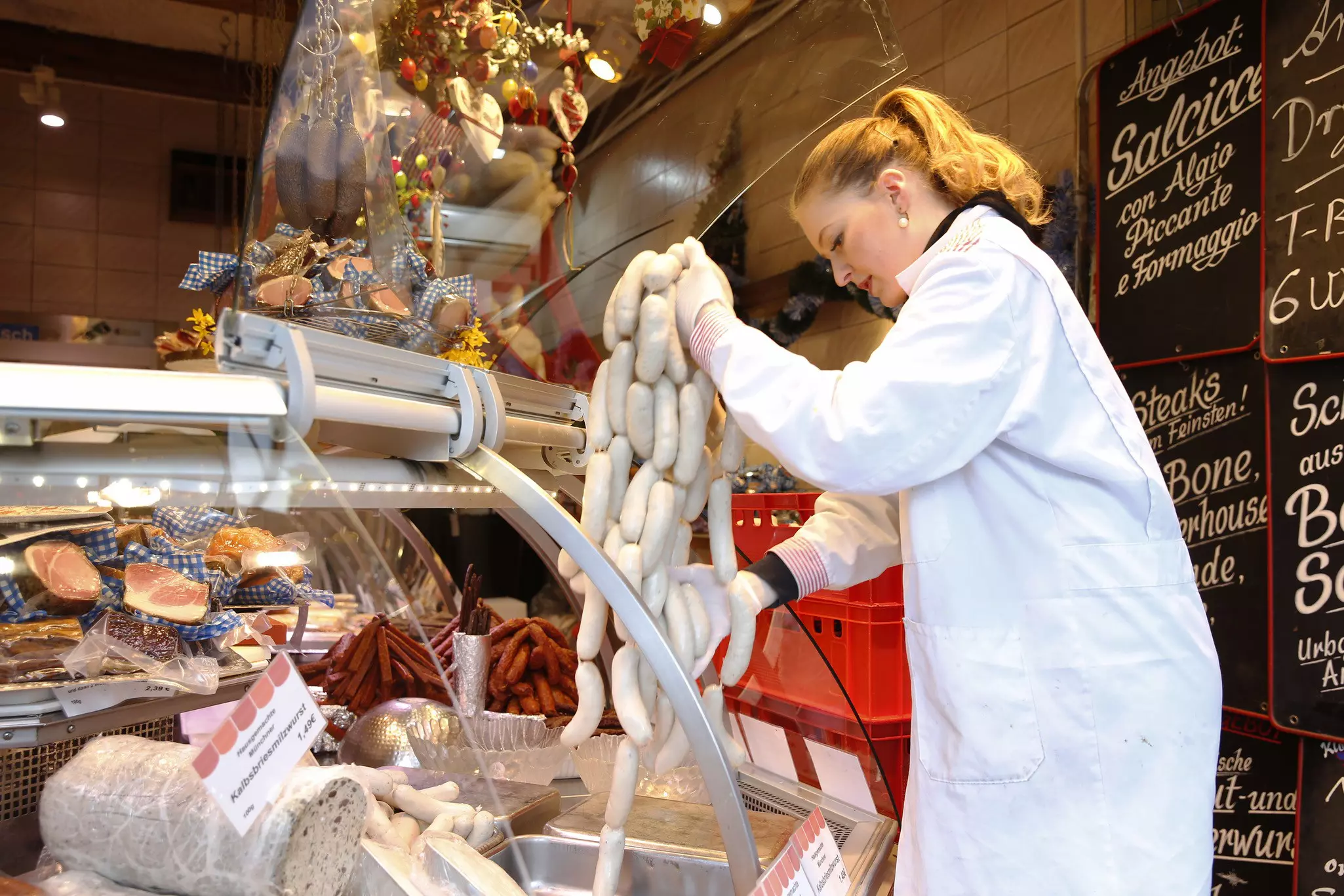
Bavaria’s heavy, carnivore-friendly menus are the perfect accompaniment to its tasty beer. Eating out is not all about soaking up the lager, however. Munich has a thriving culinary scene, with vegetarian, vegan, Asian and Michelin-starred gourmet restaurants, and boasts more Italian eateries than most cities in Italy. In the countryside, things stay on the traditional side, though there’s still a lot of variety, especially where tourists congregate in numbers.
A must-try Bavarian specialty is Weisswurst. Essentially sausages of minced veal and bacon, flavored with various herbs and spices, these off-white links are served with sweet mustard, a pretzel and a mug of wheat beer…for breakfast. Sample a plate in any city-center tavern until 11:59am – after which locals will push a plate of them away, declaring them stale.
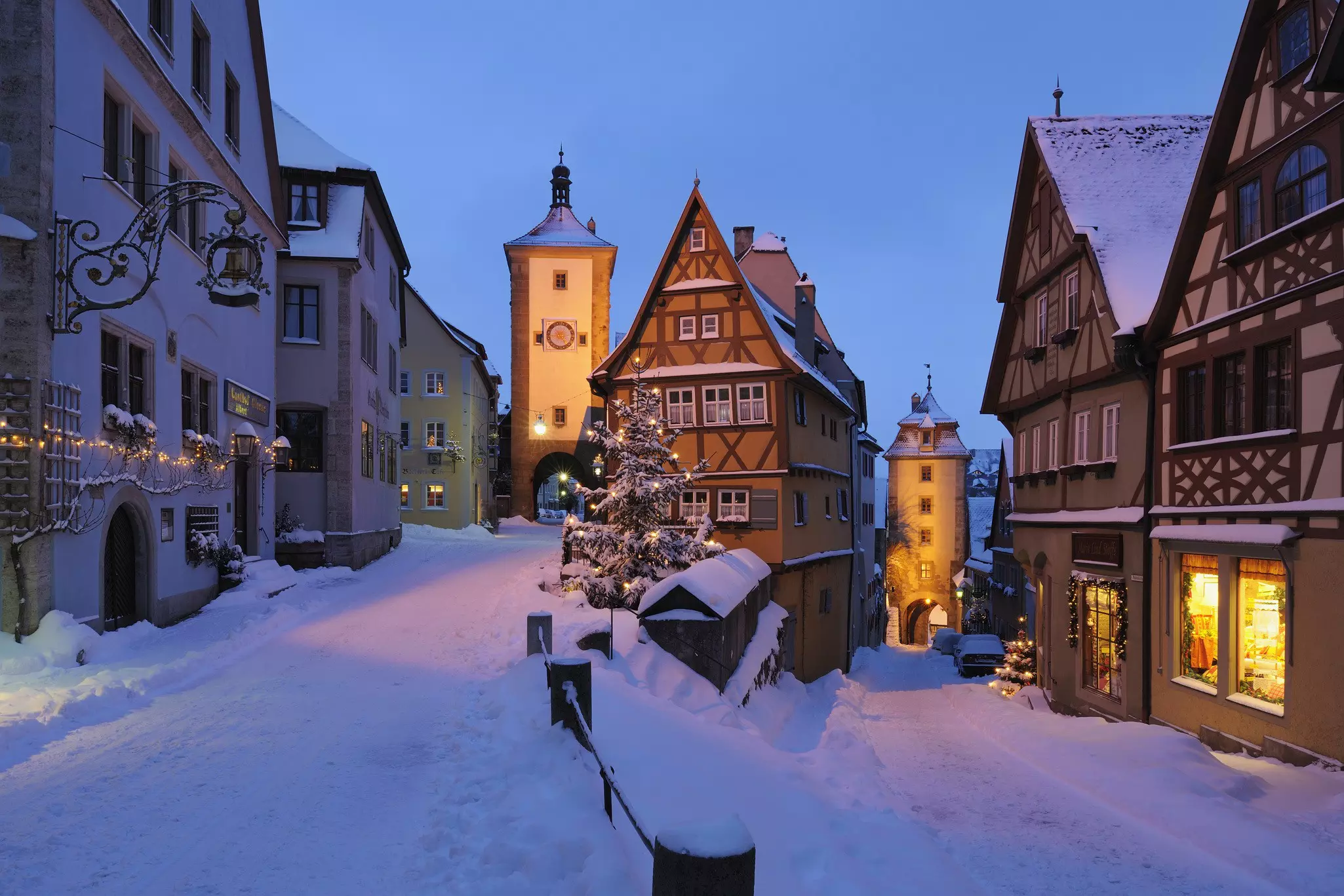
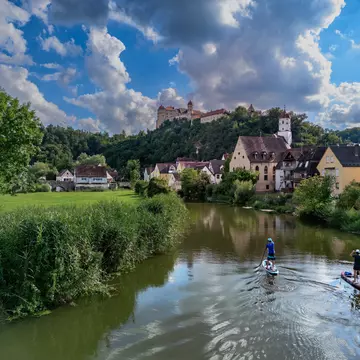
Running along the western edge of Bavaria, the Romantic Road is Germany’s most popular tourist route, extending for 350km (217 miles) from Würzburg in the north to the Alps in the south. This ribbon of quaintness is punctuated by perfectly preserved walled towns such as Rothenburg ob der Tauber, Dinkelsbühl and Nördlingen. You could spend a week visiting all of the towns and villages on the route – more if you decide to attempt the trip by public transport.
Planning tip: The Romantic Road is traveled by millions of visitors over the summer, so consider setting out in winter, when a blanket of snow adds extra romance to these special places.
Explore related stories