Jun 30, 20267 min read
9 of the Best Museums in MarseilleJul 27, 2025
5 MIN READ
Writer
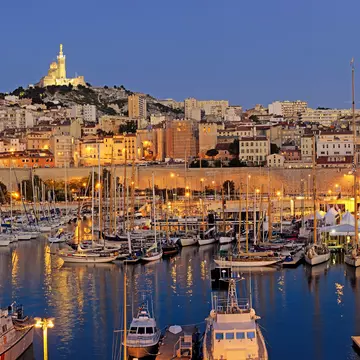
Marseille. StockByM/Getty Images

Writer
Lonely Planet may earn a commission from affiliate links on our site. All recommendations and reviews reflect our own independent opinions.
A sprawling city bathed in sunshine reflected off the turquoise waters of the Mediterranean, Marseille lingers in your memory long after you leave.
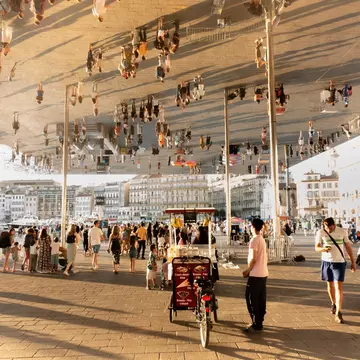
It may possess the historical remnants of its ancient Phoenician founders, but the hustle and throng of this port city have drawn a hip crowd from around the globe. The result is an urban setting that has finally shaken off its rough reputation and now features in Vogue magazine and on the social media feeds of hot celebrities.
Time moves differently here in the summer months. Everything may be open, but Marseille is effortlessly slow during the day as the heat takes over. You'll naturally be drawn to the coast for a dip or to simply relax under a parasol as your ice melts in your drink.
We've rounded up some of the best experiences that will keep you coming back for more of Marseille.
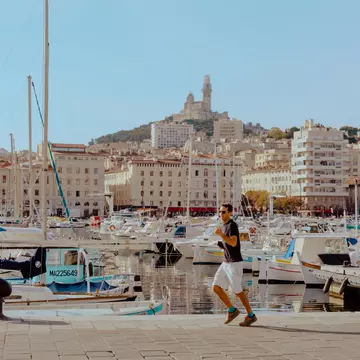
Marseille is a port city with an insatiable love for leisure sailing. There is no better way to have a moment of respite from the city’s intense energy than to skip away across the gentle waters of the Mediterranean. Public transport and huge party boats filled with tourists venture out into the waters, but the best way to enjoy a trip over the waves is to find a sailboat with a captain.
You can kick back and enjoy a meal as you catch the winds and visit the local inlets and tiny islands reachable within 30 minutes of the port. It is pure escapism and the joy of nature combined – a healthy, lung-filled burst of life, and there's no better way to catch a sunset. If you are especially lucky, you may also attract dolphins and whales.
Planning tip: Book well in advance for the summer months.
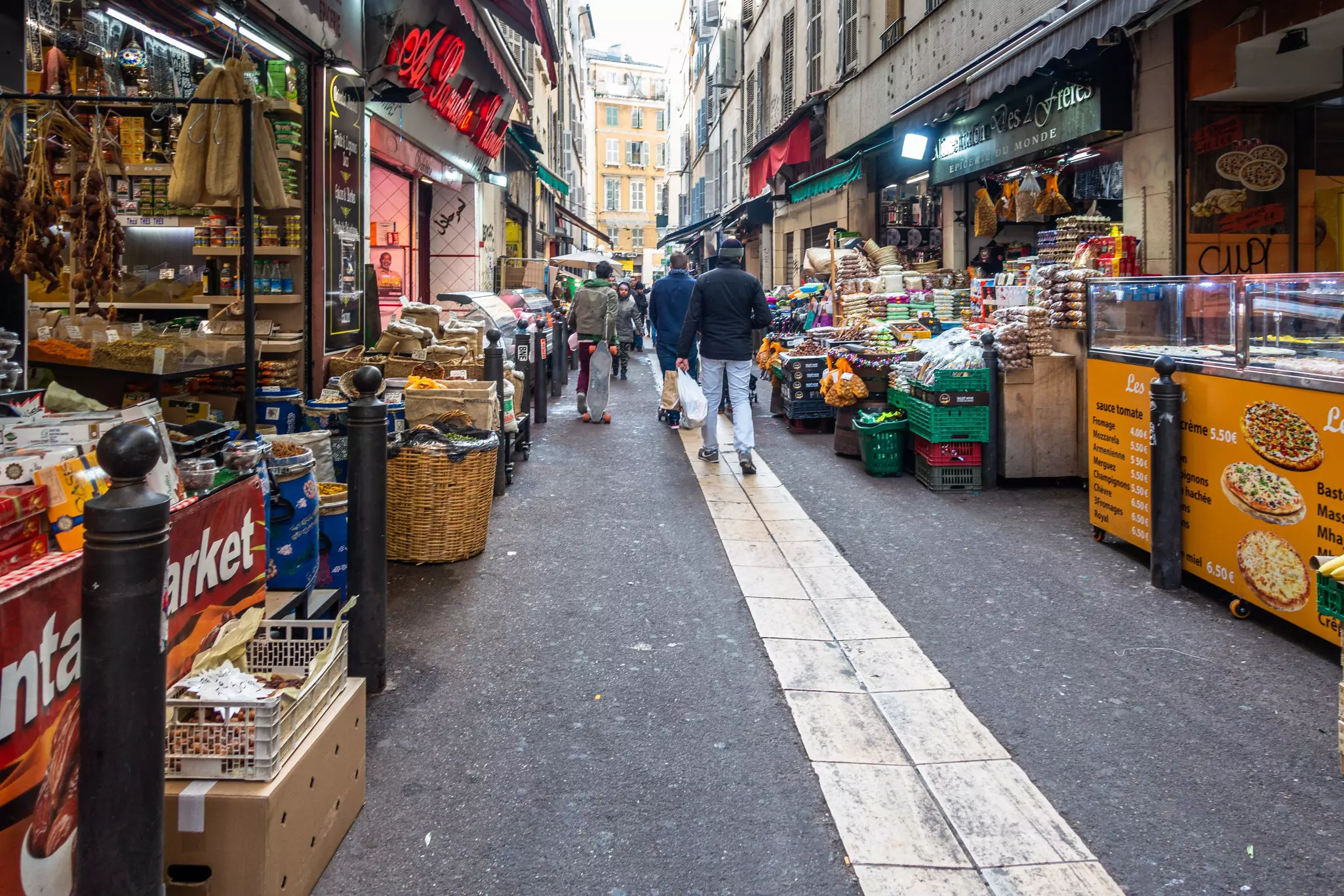
Life for many in Marseille’s African diaspora revolves around the market, where languages and dialects ring out loudly. It is a home-away-from-home where imported ingredients and restaurants feed the soul as well as the body. They bring back the taste of far-flung places and memories and have created a natural home in this foodie city.
As well as experiencing the local produce and recipes that make up Provence’s glorious cuisine, do not leave without tasting what, amongst others, Senegal, Ghana, Cameroon, Tunisia and Morocco have to offer. All are well represented in joints you can hear hopping from down the street. La Jungle is an absolute highlight with music blaring from the huge TV screen as mountain-size plates of food are dropped before you.
Marseille has a reputation for being macho, but this energy is cast aside at Sing or Die, tucked behind a heavy door on a quiet cobbled street in the Longchamp district. Here, a Scot named Jacqui, who has lived in the region for over a decade, has founded a safe space for all walks of life to sing their hearts out together drunkenly. This sparkly, dark room with a stage is more of a karaoke club than a bar, and it is truly like no other venue when filled to the brim on the weekend.
This is karaoke at full blast, sweat dripping from the ceiling onto a screaming crowd. Anyone wanting to cosplay as a rock star will have found a nonjudgmental and remarkably friendly place to live out their dreams – a place from which they can happily stagger back to their bed.
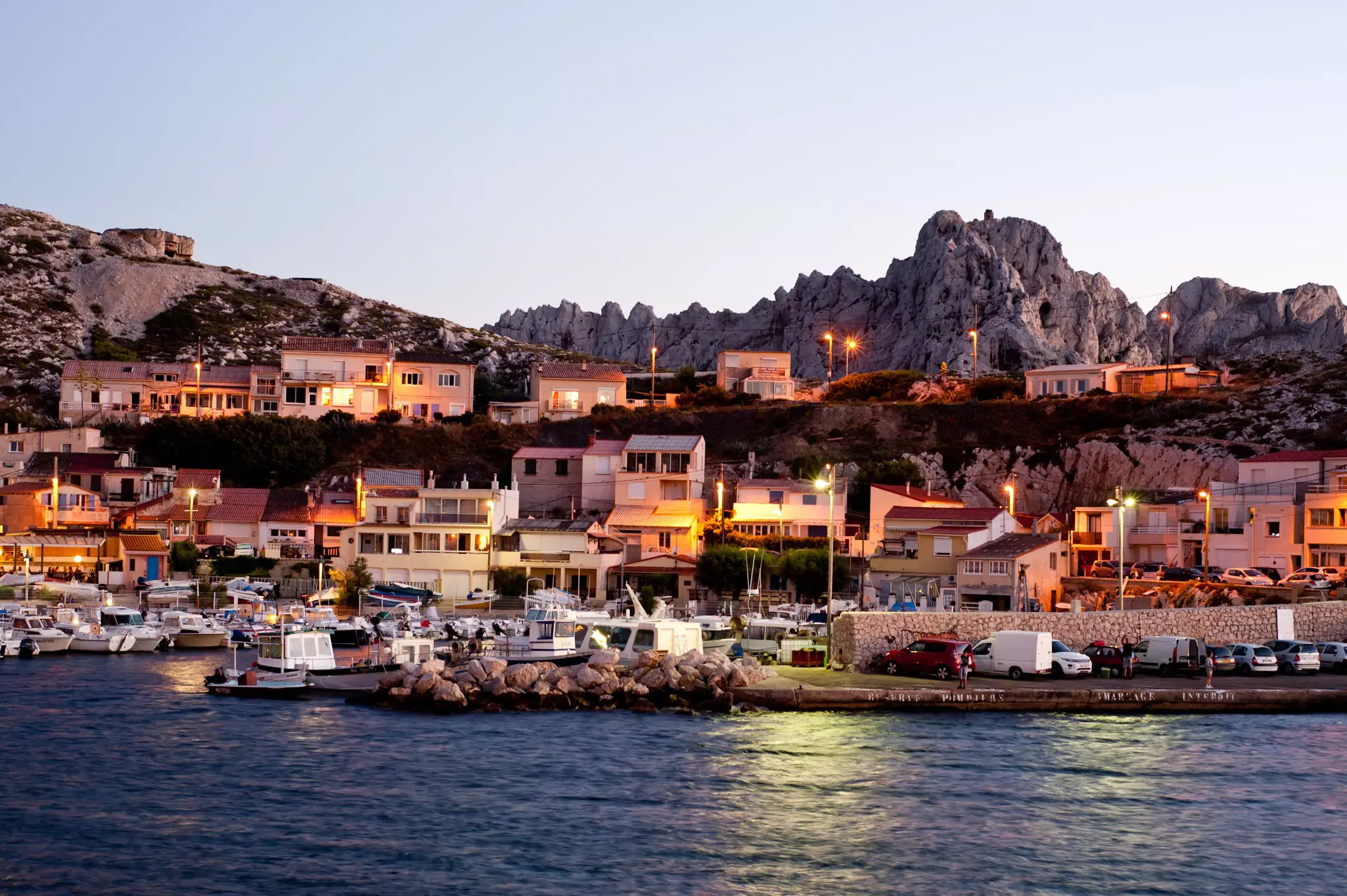
Known as the end of the world to those in the city, this is Marseille at its very perimeters. It's a fishing village more than anything else, a small port where the locals speak in a familiar Marseille twang and sip Pastis (an alcoholic drink that is as much a part of the city as sunshine itself).
Les Goudes is far from the sounds and smells of urban sprawl, but it has entered a new phase as a destination for the super-rich on a summer break.
Le Tuba is featured in only the most fashionable magazines – a hotel with a limited number of ocean-view rooms that cost a pretty penny for those fortunate enough to get a booking. It stands at odds with the handful of local fish restaurants and institutions like the Bar des Goudes, the perfect place to eat seafood and enjoy a cold drink.
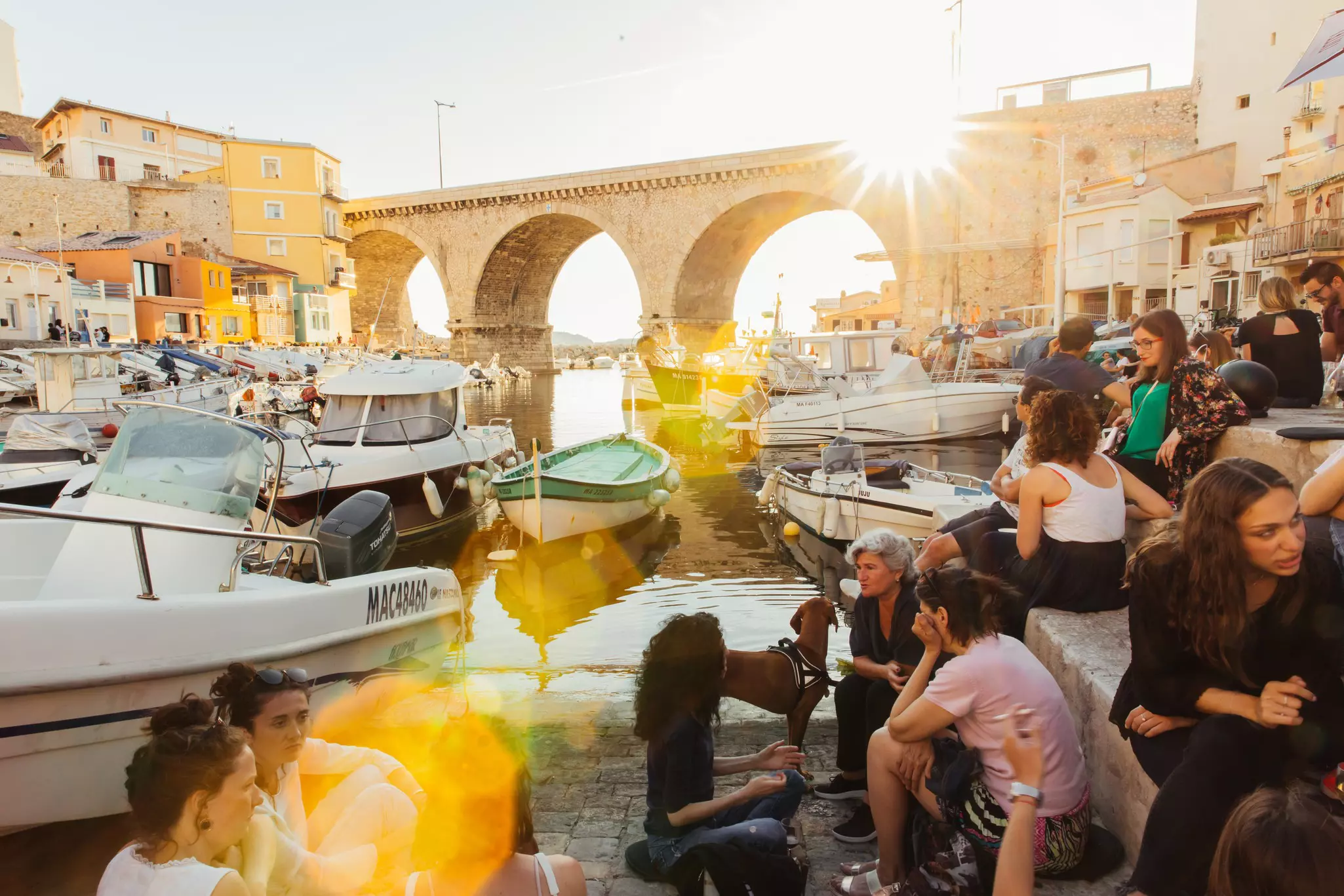
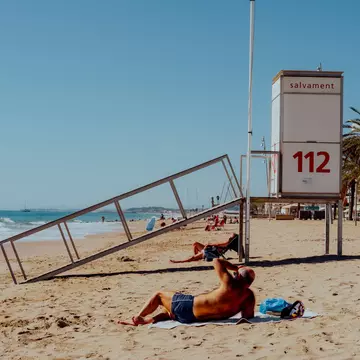
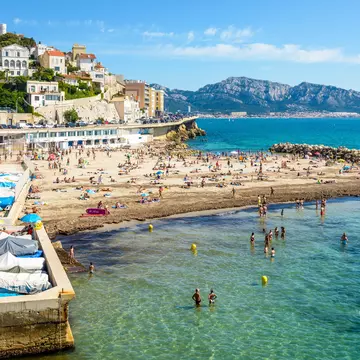
There is no more authentic way to spend an afternoon in Marseille than at the beach. However, this is not the place to laze on the sand (although you can do it at La Prophète beach if you wish); instead, it is customary to find a perch on the rocks with friends. Those in the know make their way along the Corniche Kennedy that winds out of the city as they gaze down at guests lounging in private clubs or simply diving off the rocks into the cooling waters of the Med.
The first stop is the Port de Malmousque. As you descend the steps from the street, you're greeted by narrow alleys that hark back to a fishing village from another era. Head to the right to find a tiny and still port where locals drink wine out of plastic cups and float gently in the sea.
Those who desire more action and to mingle amongst the beautiful people can go further along the coast to the rocks under the celebrated restaurant, Le Petit Nice. At La Fausse Monnaie beach, you'll be shrouded in the kind of golden light that dreams are spun from.
Local tip: To truly do it as the locals do, bring all your picnic essentials, including wine or beer, and your towel.
Explore related stories