Dec 5, 20254 min read
The Best Times to Visit HavanaAug 3, 2025
9 MIN READ

Writer
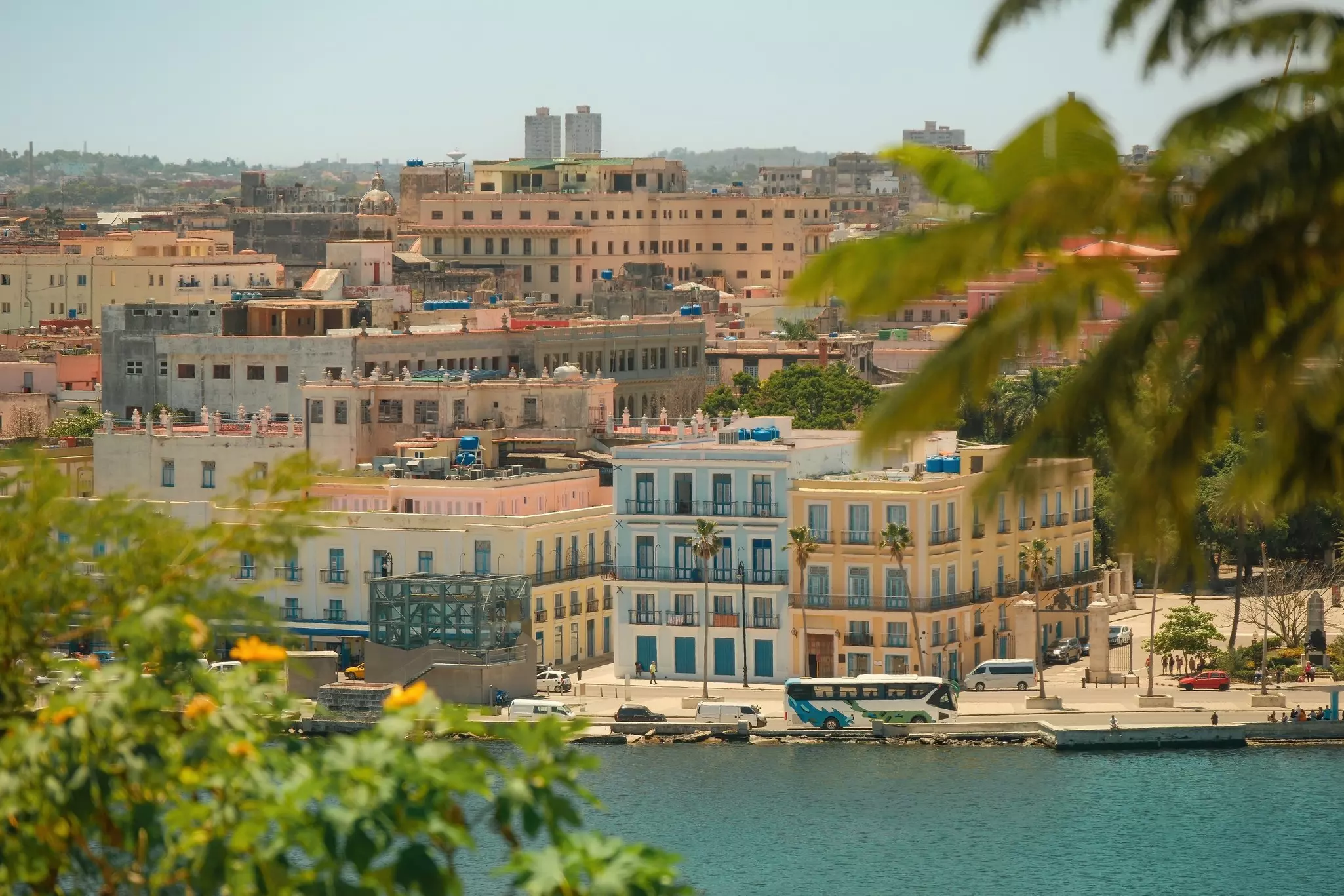
Old Havana. kandl stock/Shutterstock
Writer
Highlights
Writer Brendan Sainsbury picks 12 Havana experiences, from street art to beaches.
Tour Habana Vieja for free, then unwind on the Malecón at dusk.
Art lovers should head to Fusterlandia's mosaics and the Fábrica de Arte Cubano.
Try ropa vieja at Dona Eutimia, then catch the nightly cannon ceremony at La Cabaña.
Lonely Planet may earn a commission from affiliate links on our site. All recommendations and reviews reflect our own independent opinions.
Havana seduces you slowly, getting under your skin with its street energy, historical heirlooms and charismatic people. It's a complex city with many different layers.
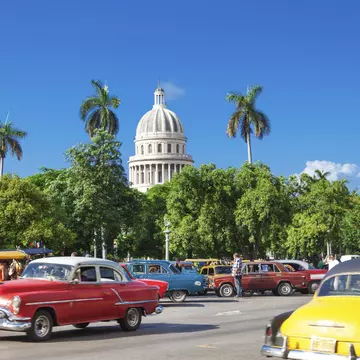
The range of attractions on offer in Havana is impressive, and many things are free to visit. Explore the meticulously renovated UNESCO World Heritage Site that is Habana Vieja; engage with the country's history at the Museo de la Revolucion, Capitolio Nacional, Museo de la Ciudad, Museo Nacional de Bellas Artes and Gran Teatro de la Habana Alicia Alonso; visit an art factory where you can listen to internationally recognized musicians; or hang out on one of Havana's nearby beaches, all embellished with white sand and shady palm trees.
Here are the best experiences on offer in Cuba's capital.
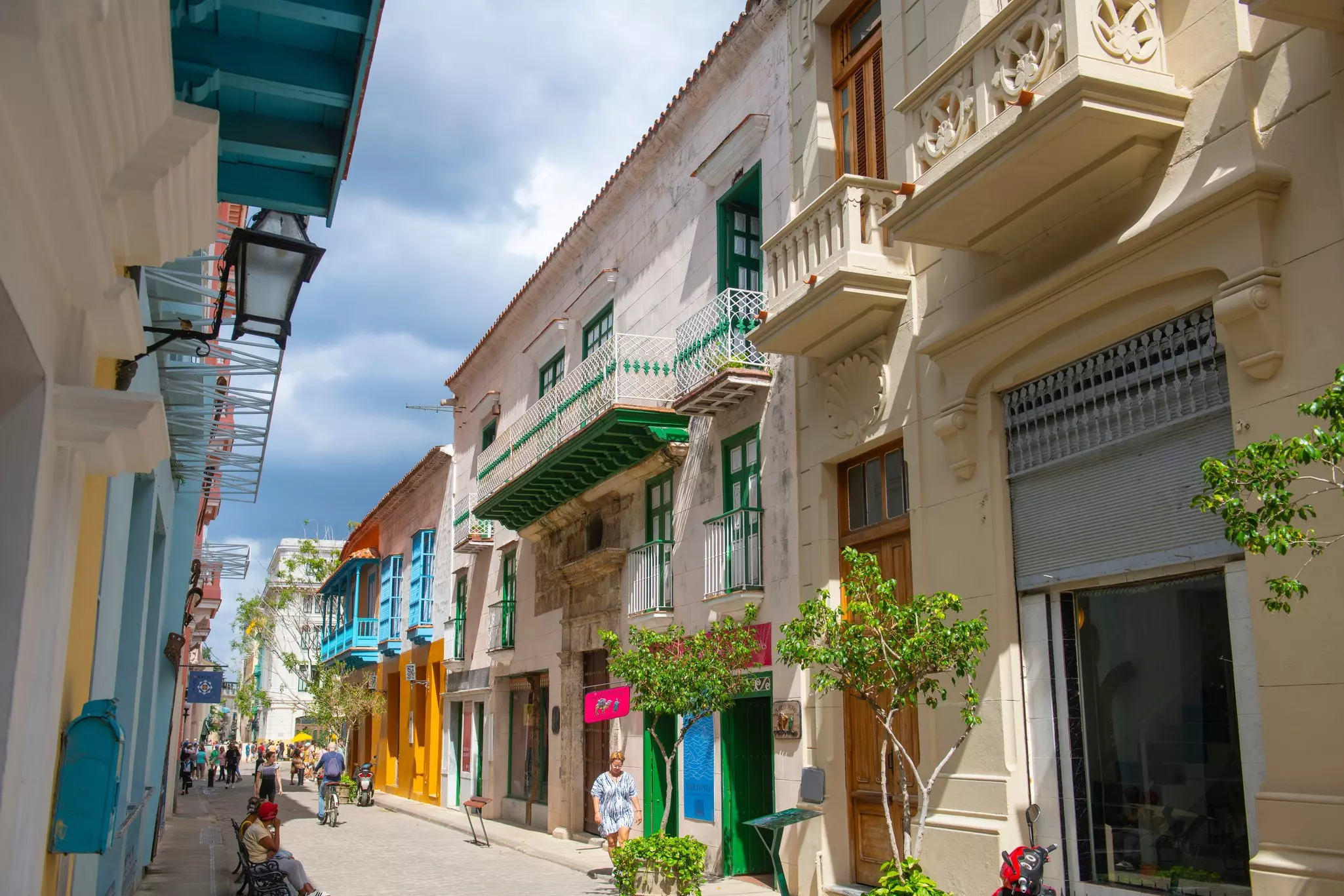
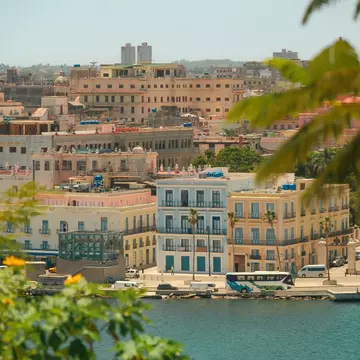
There are UNESCO World Heritage Sites and then there’s Habana Vieja, a beguiling amalgamation of gorgeous architecture and gritty street life, which was named one of 25 World Heritage sites with best practices in conservation.
Starting in the 1960s, city historian Eusebio Leal transformed this area into one of the finest restoration projects in the Americas – and not just for tourists. City authorities have reinvested the impressive profits into social projects for the community’s 100,000 people.
Planning tip: The best way to see the historic quarter is on a free walking tour that kicks off daily from the Plazuela de Santo Ángel. Look for a guide with a white umbrella and leave a big tip.
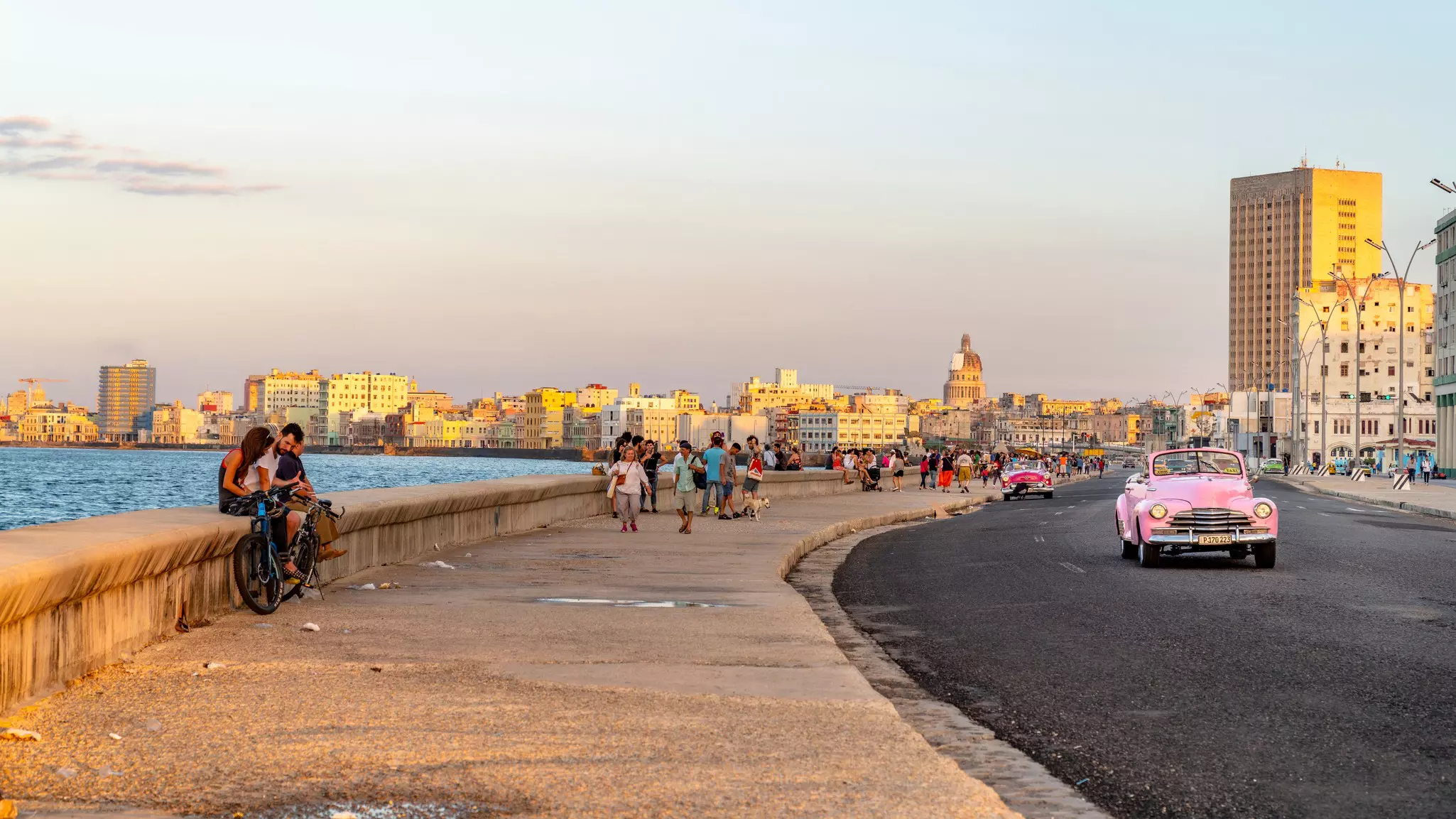
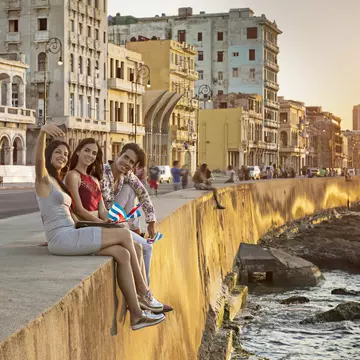
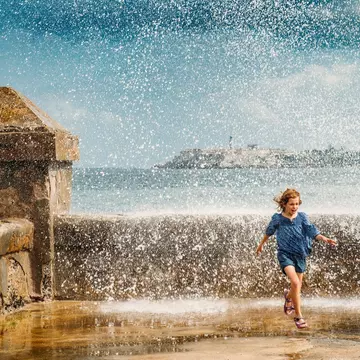
If you want to see Havana in all its glory, take a walk along the oceanfront Malecón – all 7km (4.3 miles) of it – stretching from the jaws of the harbor to the mouth of the Río Almendares.
Flanked by crashing waves on one side and gracefully aging buildings on the other, the Malecón is where the whole city decamps in the evenings to pontificate, dream, gossip and let off steam.
Fishers stand on the sea wall, musicians loudly practice their instruments, lovers canoodle in the shadows and, for a fleeting moment, everyone’s problems seem to dissipate in the sunset.
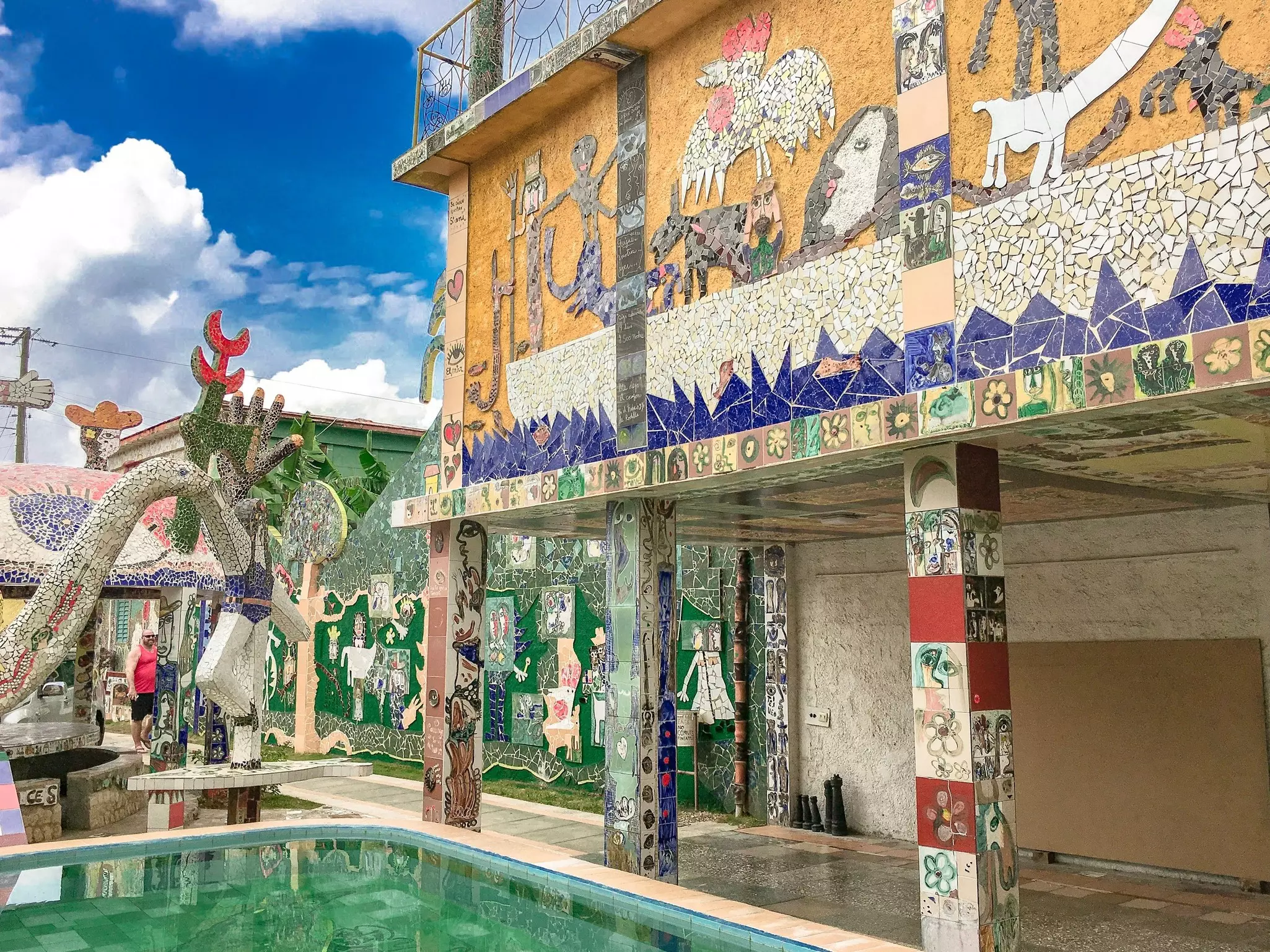
The pinnacle of Havana’s alfresco art scene and a community project extraordinaire, Fusterlandia was the dream of Havana-based artist José Fuster that grew over two decades into a spectacular art district.
In the 1990s, Fuster began decorating the walls and houses of his home neighborhood, Jaimanitas, with a pastiche of surreal murals and mosaics that paid tribute to the work of Gaudí and Picasso.
Infusing them with Cuban motifs and complementing the area with avant-garde sculptures, Fuster expanded the project until it covered more than 80 buildings, from bus shelters to the local doctor’s office. The impression today is a kaleidoscopic ensemble of color and creativity that has made the fishing neighborhood into one of the city’s top sights.
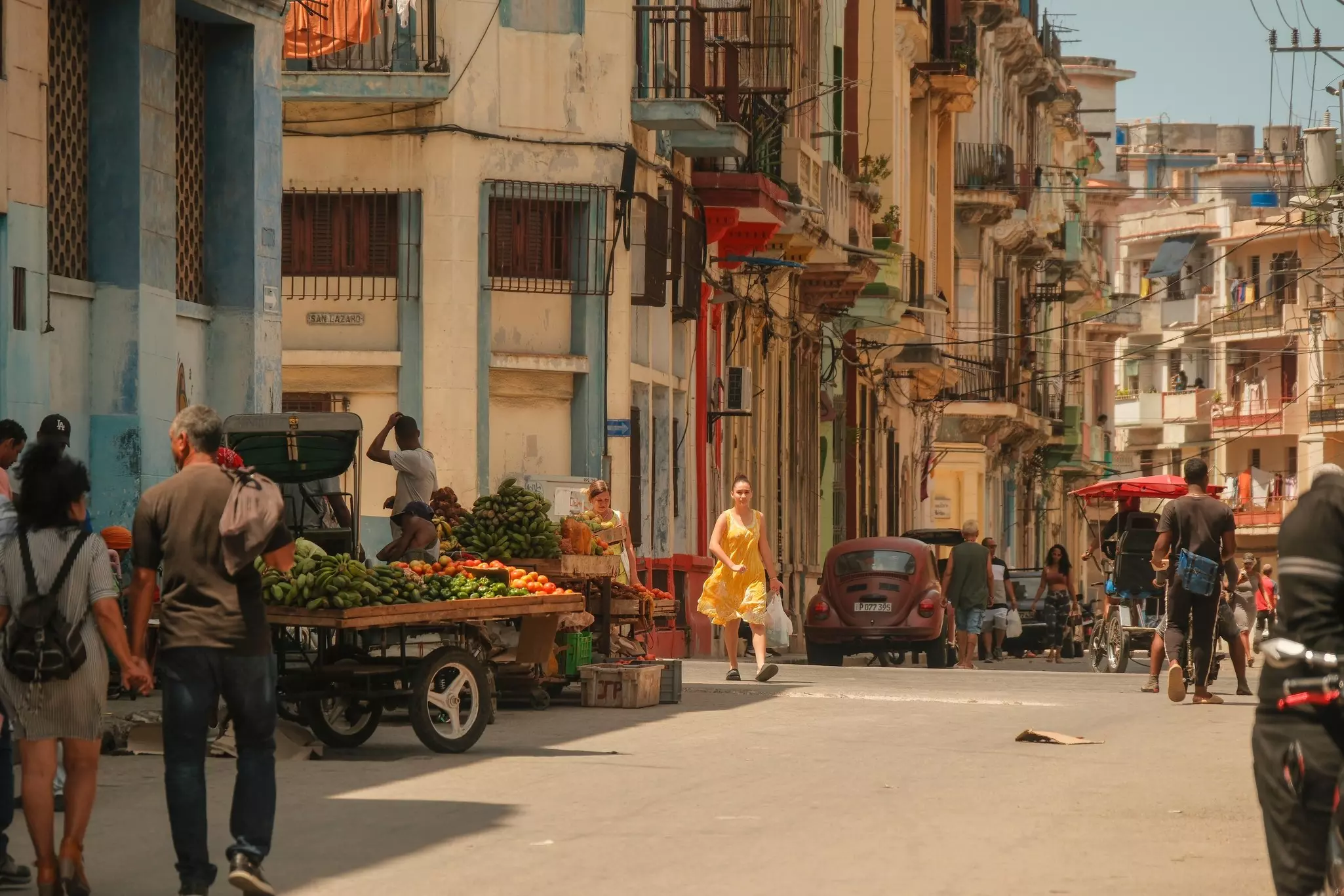
Havana exudes an infectious energy. Walk its streets and soak up the atmosphere: you'll likely be sidestepping games of soccer, dodging swerving bici-taxis, peering into cavernous buildings, and listening to residents having lively conversations that could involve anything from "Dime hermano" (how’s it going, bro?) to calls of "Aguacate! Aguacate!" (Avocados! Avocados!).
Planning tip: You’ll find plenty of action on the Malecón or in Centro Habana west of the Prado. As the locals know, Habana Vieja also has a compelling street spirit if you take the time to wander a block or two away from Calle Obispo, its main tourist artery.
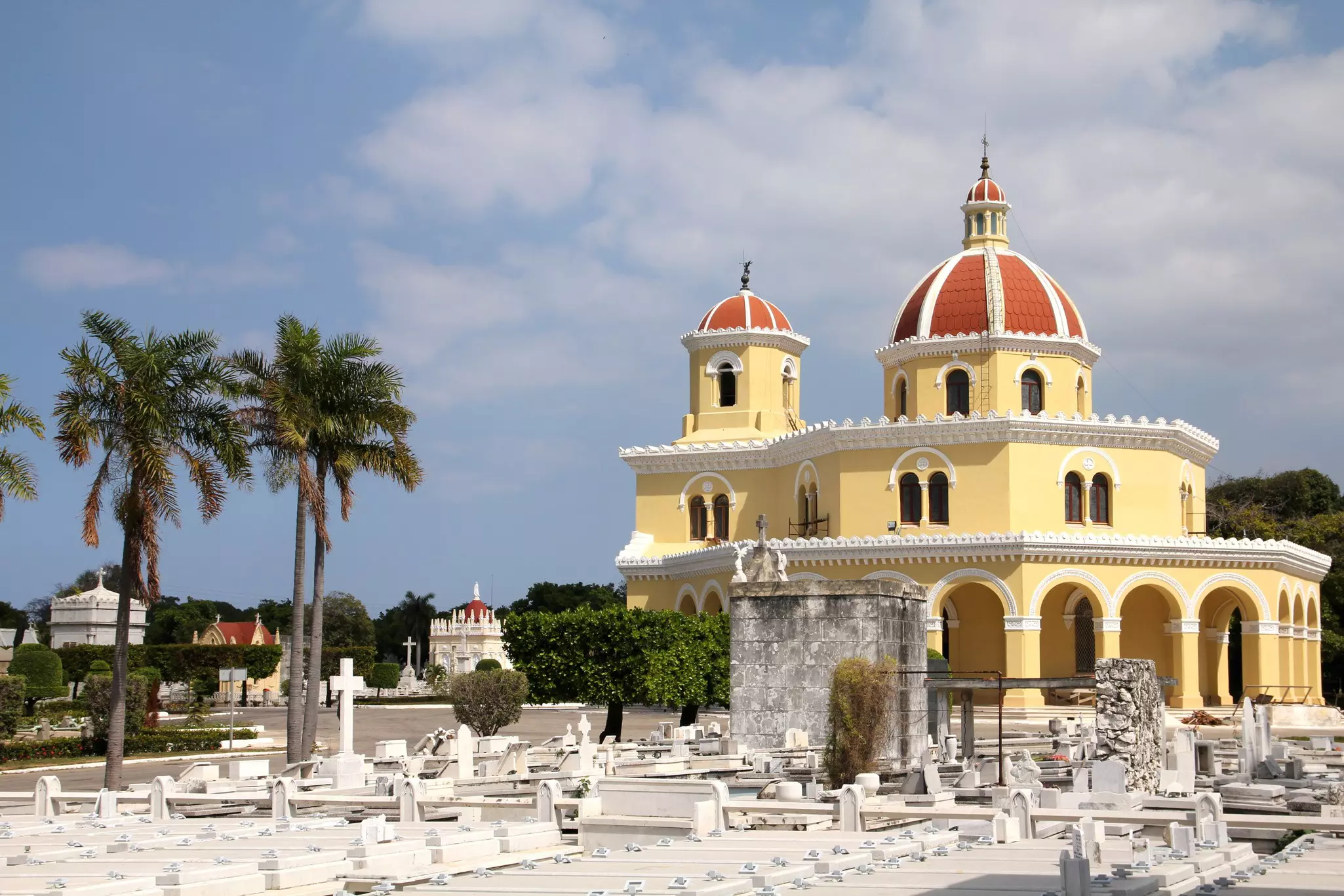
Havana’s huge Necrópolis Cristóbal Colón cemetery is more than a city of the dead; it's a shrine to ecclesial architecture. A stroll through its hallowed grounds is like a walk through the chronicles of Cuban history.
From the Byzantine-style entry gate to the neo-Romanesque central chapel, you’ll wander past marble crucifixes, ornate mausoleums, haunting tombs and poignant memorials, each etched with its own intriguing story. Pick up a map at the entrance and navigate your way around some of the 800,000 graves.
Among those worth seeking out is the tomb of General Máximo Gómez, a leader during Cuba's War of Independence, and the final resting place of Señora Amelia Goyri, known locally as La Milagrosa (the Miraculous One).
Goyri died in childbirth – the marble statue on the tomb depicts her with a baby in her arms – but when the bodies of her and her child were exhumed years later, Goyri's body was uncorrupted. This sign of Catholic sanctity led to La Milagrosa becoming something of a celebrity – hence all the flowers left on the grave.
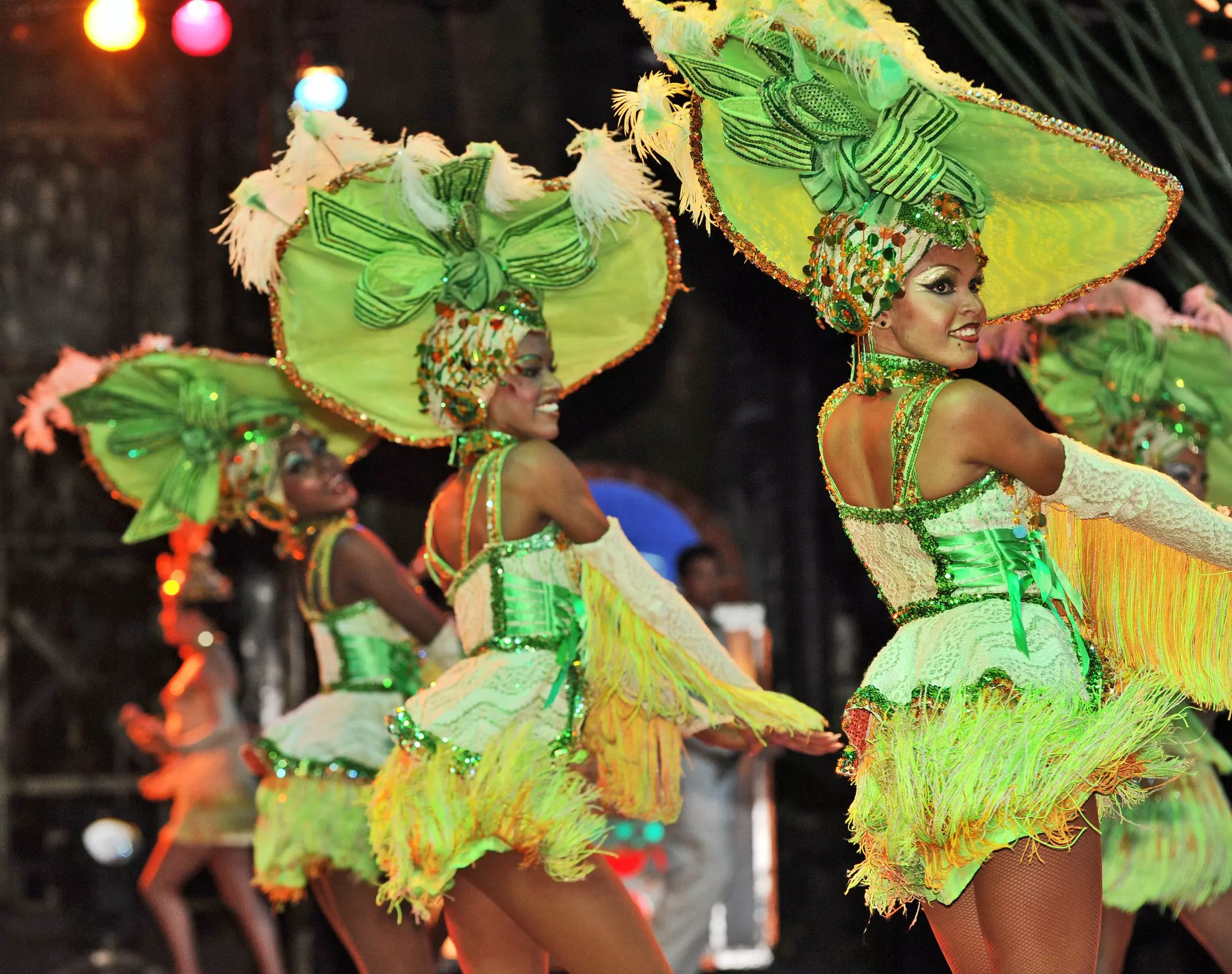
Long before Vegas became Vegas, Havana was the quintessential place for gamblers to lose their fortunes at the roulette wheel before drowning their sorrows at an ostentatious cabaret club afterwards.
While Havana's casinos may be long gone, the city’s glitzy cabarets are one of the few elements of Cuba’s pre-revolutionary nightlife that the government forgot to cancel.
Havana’s most famous club, the Tropicana, has been hosting kitschy but entertaining nightly shows for more than 80 years in a large open-air theater that has changed little since its 1950s heyday. It’s not the only survivor.
Cheaper, if slightly less spectacular, performances are staged in the Hotel Nacional, whose legendary Parisién show combines flamboyant costumes with skillful acrobatic dancing.
Fábrica de Arte Cubano is a dynamic art collective and performance space housed in an old cooking oil factory in eastern Vedado – the epitome of cool and creative Havana – and a place where the artists mingle with the audience and diverse people share stimulating discourse.
On an average evening, you can wander around its suite of warehouse-size rooms dipping into art exhibits, DJ sets, choral performances, tango dancing lessons, chamber music concerts, rap and salsa – all under the same roof. There are numerous bars to prop you up, a food court to savor and excellent live music.
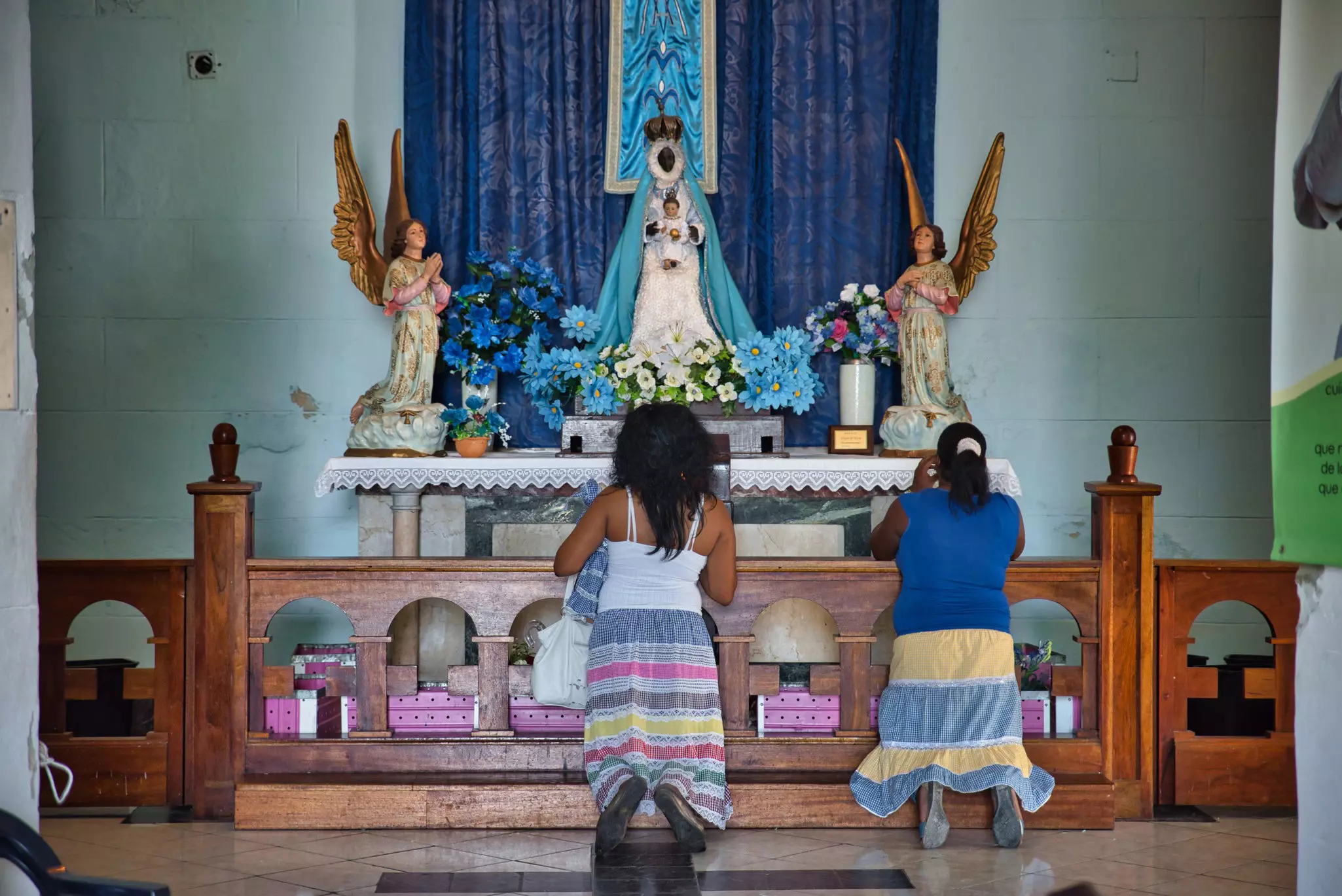
To better understand Havana and its Afro-Cuban culture, take a ferry to Regla, where a strong Santeria tradition doesn’t dress itself up for tourism. Roam its streets and you’ll quickly find yourself immersed in a world of ration shops, bruised Ladas and humdrum bars.
The atmosphere changes when you enter the quarter’s most illuminating sight, its diminutive dockside church that contains a devotional image of the Virgin of Regla, represented by a black Madonna.
The virgin is venerated in both the Catholic faith and the Santeria religion where she is associated with Yemayá, the orisha (divine spirit) of the ocean and the patron of sailors.
Outside the church, local vendors sell flowers and religious statuettes. Inside, devotees pray to the blue-clad representation of Mary.
Habana Vieja’s four intimate squares are magical places at any time, but after dark, they take on a whole different atmosphere. Thanks to its myriad cafes and bars, the best one to linger in is Plaza Vieja, a large cobbled square ringed by colonial-era buildings ranging from 17th-century Mudejar to swirling art nouveau.
Planning tip: Find a seat in a 2nd-floor bar – Azúcar Lounge makes fine cocktails, including a mean piña colada – so you can gaze down at the glittering central fountain, multicolored vitrales (stained glass windows) and painstakingly restored UNESCO edifices hiding the secrets of a tumultuous past.
Echoing a tradition dating back to the early 18th century, the cañonazo is a cannon-firing ceremony that takes place every night on the ramparts of La Cabaña fort.
The observance is a legacy of Havana’s time as a walled city from the 1670s to the 1860s when a nightly cannon shot marked the closing of the city’s gates at 9pm.
When the walls came down in the mid-19th century, the tradition continued, and today the cañonazo is a popular nightly show incorporating pageantry, fire torches and soldiers dressed in erstwhile military regalia. It’s well worth incorporating into an evening visit to the fort.
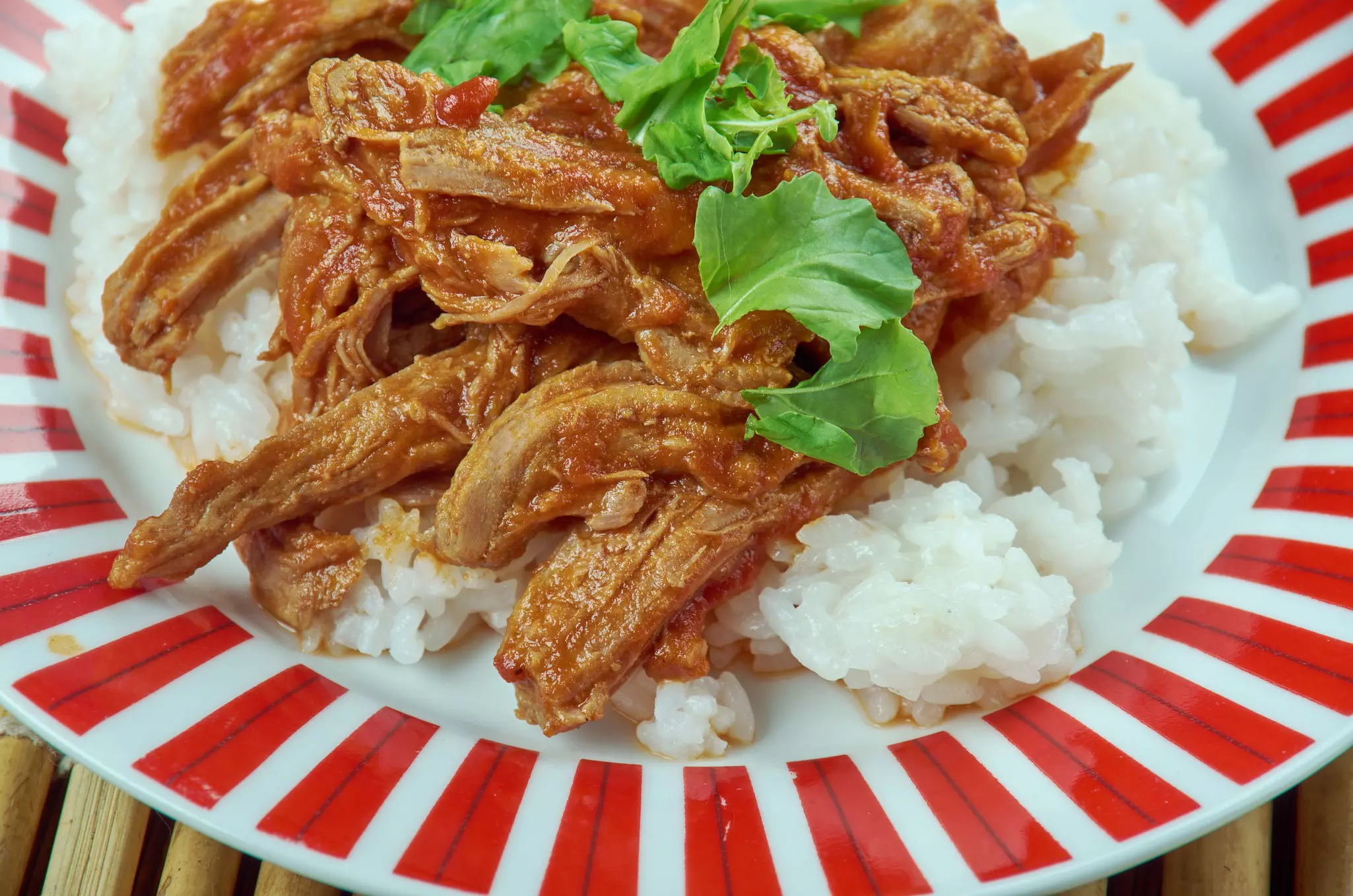
For too long, Cuban cuisine has been underappreciated and half-forgotten, but if Havana’s enterprising private restaurants are anything to go by, the tide is turning.
Operating out of a small nook tucked into a narrow cul-de-sac off Plaza de la Catedral, the staff at Dona Eutimia will reintroduce you to the delights of home-cooked ropa vieja (shredded beef), moros y cristianos (rice and beans), tostones (fried plantains) and seasoned root vegetables.
A few streets away in El Rum Rum de la Habana, owner Osiris Oramas is a wine and cigar sommelier whose kitchen sprinkles Cuban classics with the diverse flavors of Spain.
Elegantly decorated San Cristóbal in Centro Habana once served US President Barack Obama a solomillo (sirloin steak) and still offers all diners a glass of complimentary rum.
Most visitors to Cuba book a one- or two-week vacation at a beachside all-inclusive resort in Varadero or Cayo Coco and never leave.
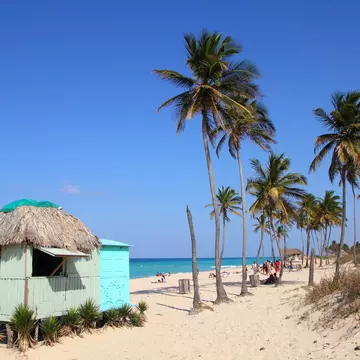
However, those of a more cultural bent can spend the bulk of their stay in Havana before relocating to one of the attractive local beaches (known communally as Playas del Este) when they tire of the art galleries and museums.
Planning tip: If it’s sun-loungers and watersports you’re after, head directly to the animated Playa Santa María del Mar. For kitesurfing, gravitate to windy Tarará. Snorkelers can explore the calm reefs and sunken ships off Playa Bacuranao. The handy T3 Havana Tour Bus runs back and forth between all the beaches from Parque Central.
Explore related stories