
Advertisement
Krk Island
Krk Island (Veglia in Italian) is connected to the mainland by a toll bridge. It is Croatia's largest island, and also one of the busiest – in summer, hundreds of thousands of central Europeans stream to its holiday houses, campsites and hotels. It’s not the lushest or the most beautiful island, though its landscape is quite varied, ranging from forests in the west to sunburnt ridges in the east. Vrbnik, on the east coast, is a charming village away from the tourist hordes. The island's northwestern coast is rocky and steep, with few settlements, because of the fierce bura (cold northeasterly wind) that whips the coast in winter. The climate is milder in the southwest and can be scorching in the southeast.

Getty Images/LOOK


Trusted Partner
Stay connected in Krk Island
Holafly eSIM provides unlimited mobile data with no hidden fees, giving you peace of mind wherever you travel. Stay connected even after your plan ends with Always On. Use code LONELYPLANET for an exclusive discount.
Take your Croatia trip with Lonely Planet Journeys
Time to book that trip to Croatia
Lonely Planet Journeys takes you there with fully customizable trips to top destinations – all crafted by our local experts.
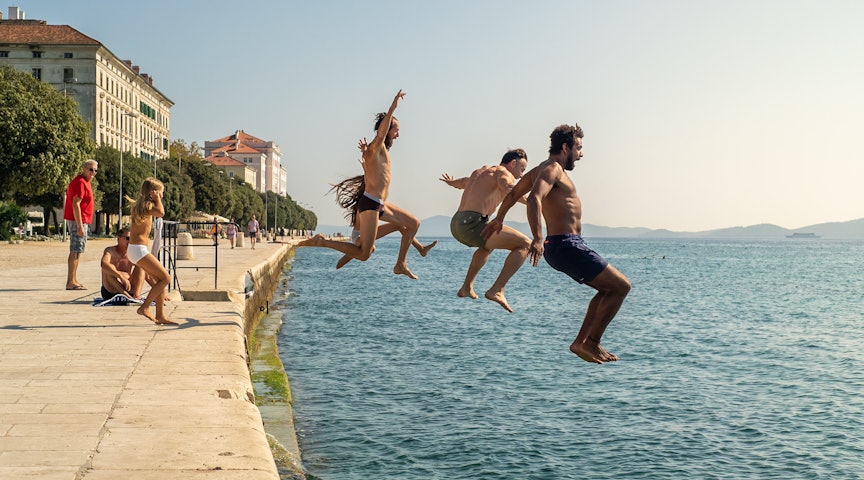

Top places to visit in Krk Island
Discover the best attractions in Krk Island from must-see sights to unexpected hidden gems.
-
 Attraction in Krk IslandStara Baška
 -
 Attraction in Krk IslandCathedral of the Assumption
 - Attraction in Krk IslandSt Lucy's Church
- Attraction in Krk IslandBaška Beach
- Attraction in Krk IslandKošljun Franciscan Monastery
-
- Attraction in Krk IslandBell Tower
Advertisement
Advertisement
Get a book. Get inspired. Get exploring.


in partnership with getyourguide
Book popular activities in Krk Island
Advertisement