May 1, 202610 min read
Escape the City Buzz on These Top Day Trips from BeijingJun 30, 2025
8 MIN READ

Writer
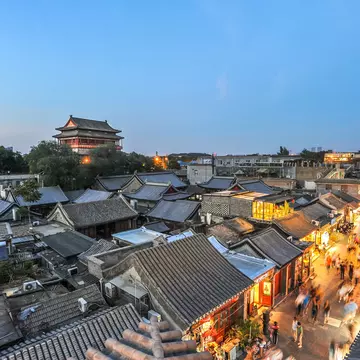
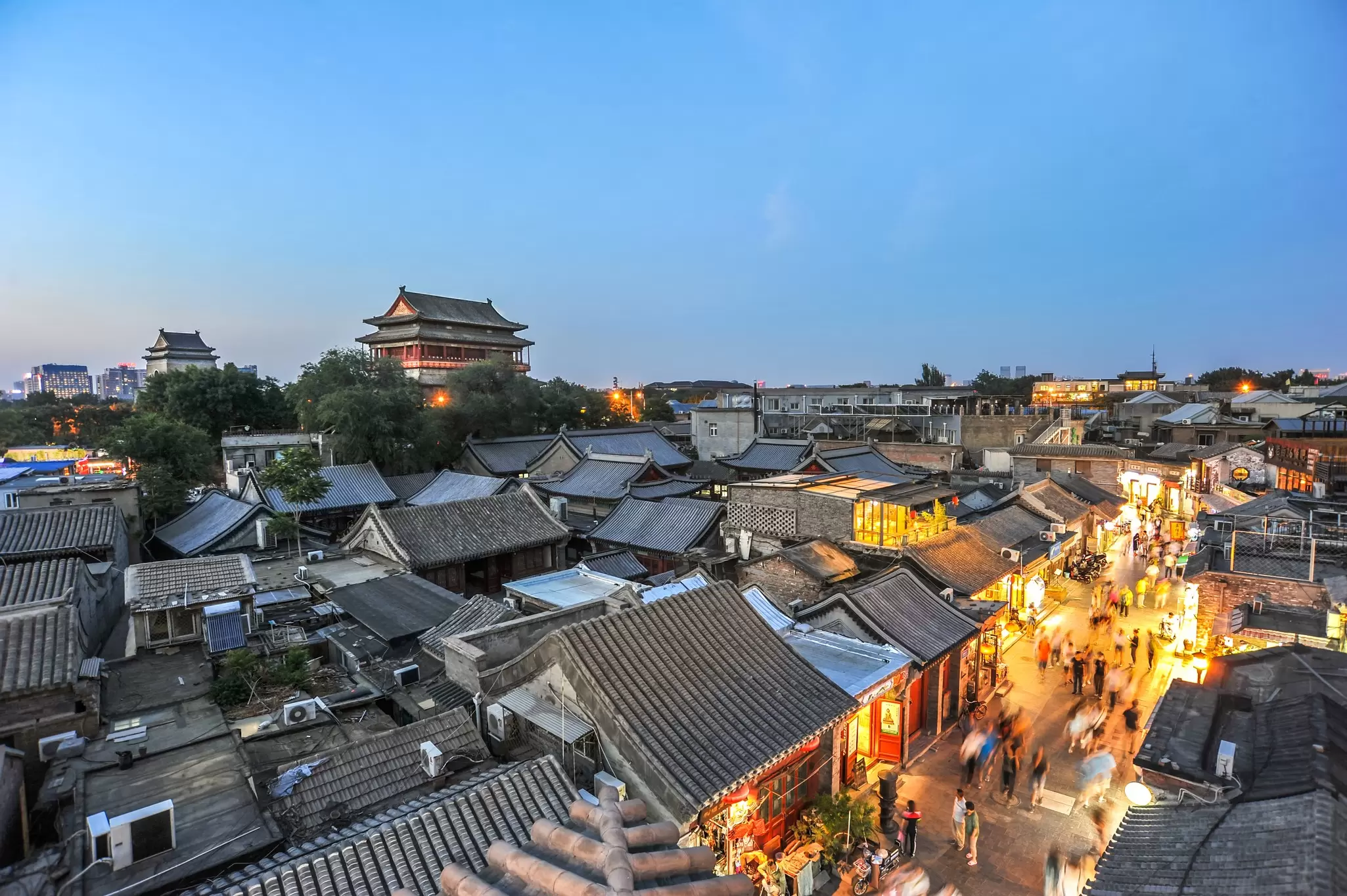
Beijing's hutongs (alleyways) at night. ynm_yn/Shutterstock
Writer
Highlights
Writer Tom O'Malley rounds up 14 Beijing highlights, from hutong to the Great Wall.
Wander the Summer Palace's lake gardens and venture into the Forbidden City's inner labyrinth.
Food lovers should eat jiānbing for breakfast and Peking duck at Sìjì Mínfú.
History and spectacle converge at Tiananmen Square's dawn ceremony and the Temple of Heaven.
Lonely Planet may earn a commission from affiliate links on our site. All recommendations and reviews reflect our own independent opinions.
It's incredible to think that a little over a century ago, Beijing was a kind of low-rise walled fortress, its nine humongous gates locked shut every night. Today, it's a modern megacity of attractions hurtling toward a brave new future, though with one foot planted in the past. Beijing does things its own way: it's a city with millions of gig-economy e-bikes and about as many tech workers, of historic hutong (narrow alleyways)overhung with facial-recognition cameras, of endlessly inventive ways to enjoy food and street snacks.
Things move forward so quickly in China's capital, so it's almost futile trying to pin down exactly what the city is. It's best to go there, see the sights, learn about the city's history and culture, and get a feel for it yourself. To help you narrow down the many experiences, here's our guide to the most memorable things to do in Beijing.
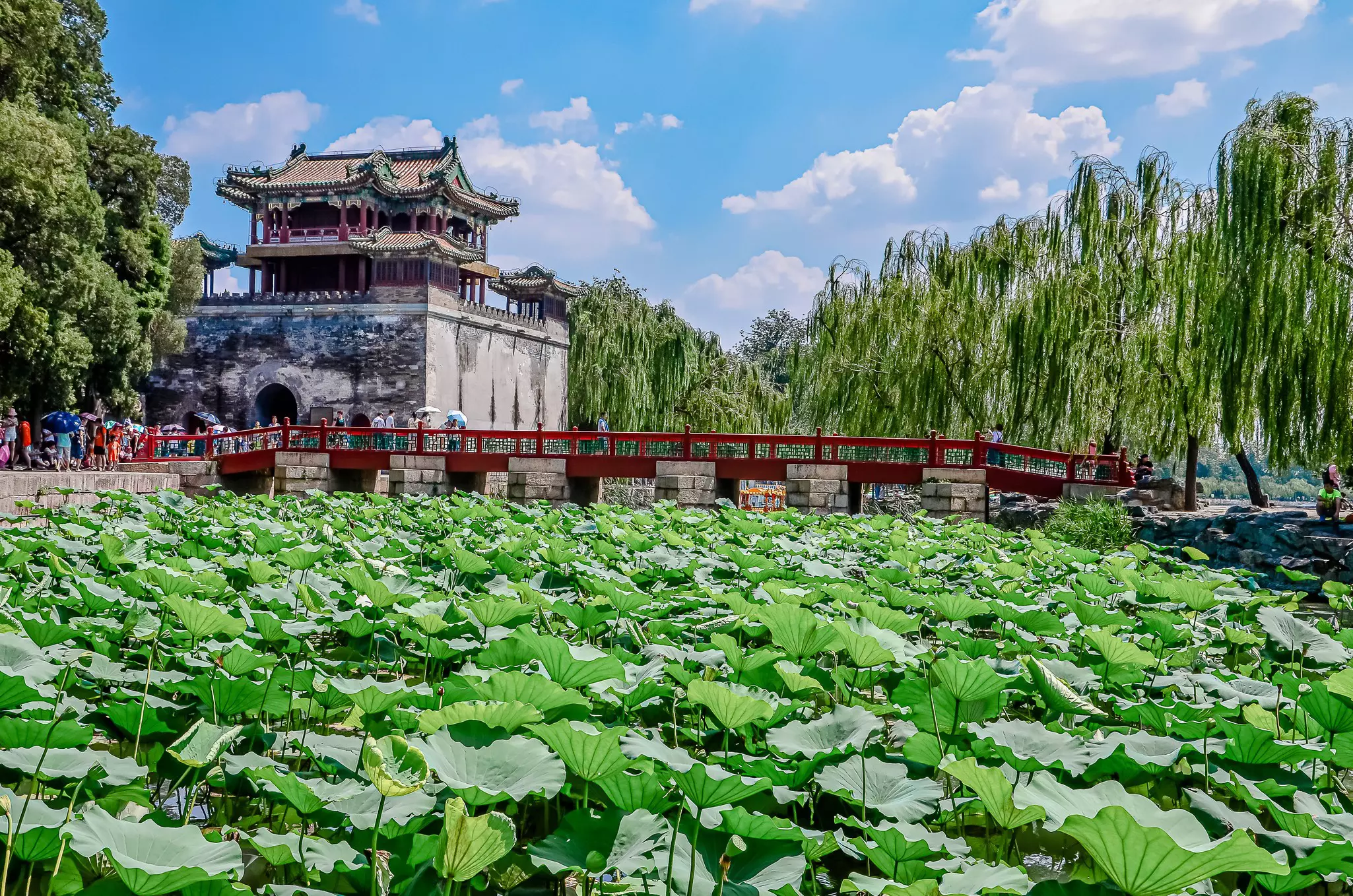
Meaning "Garden of Preserving Harmony" but known in English as the Summer Palace, Yiheyuan served as a private royal playground on a truly epic scale.
Kunming Lake, at its heart is over 2km (1.2 miles) across, while Longevity Hill, raised from earth dug out to expand the lake, climbs 60m (197ft) over the water and is crowned with majestic halls, towers and pavilions. All this opulence was created for just one person: the Empress Dowager Cixi, who siphoned off funds earmarked for a new Chinese navy to design her dream retirement home.
Take one giant crepe-style pancake, crack an egg or two on top, lather on some furu (fermented bean curd) and chili sauce, sprinkle with cilantro and scallions, fold around a shatteringly crisp sheet of fried dough and eat! Jiānbing is a Beijing street snack – traditionally eaten for breakfast – that you can get all over the city for around a dollar. It's so tasty that it's now trending as far away as London and New York.
The dish actually originates in the neighboring city of Tianjin, where locals use chewy crullers called youtiao instead of the crispy dough. Tianjin's version may be slightly more authentic, but Beijing's is better.
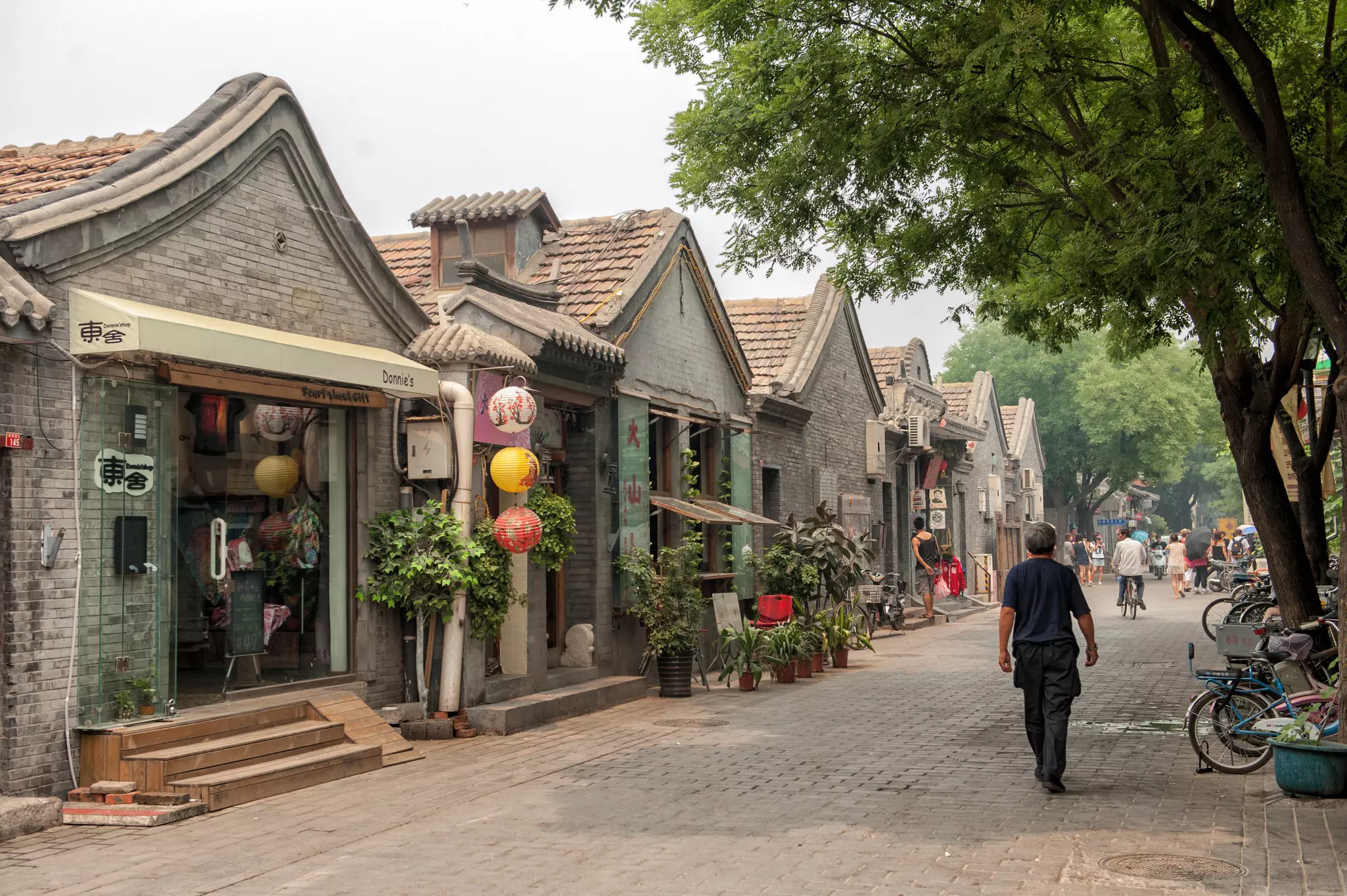
Beijing's highly wander-able matrix of residential lanes has been shrinking for decades, but despite the demolitions, it's still possible to lose yourself in neighborhoods that time (almost) forgot, where old folks play xiangqi (Chinese chess), walk their songbirds and haggle over a few jīn (a local measurement) of persimmons from a handcart seller.
Planning tip: Head to Xisi to stroll the alleyways, hear Beijinghua (the local dialect) and marvel at the majestic White Dagoba Temple rising up over tapering tiled rooftops. After dark, a stroll through hutong streets is one of the best things to do at night in Beijing.
Seeing the Great Wall in its naturally eroded state, snaking away over the ridgelines of mountains with trees erupting from buckled watchtowers, is a sight more fantastical than anything the Game of Thrones art department could dream up.
Planning tip: It takes some planning to skip the cable-car stretches rebuilt for tourists and avoid the security guards posted at popular wild wall-hiking spots north of Beijing, so it's a good idea to sign up for a day hike with Beijing Hikers. Let it handle the details so you can concentrate on the photographs.
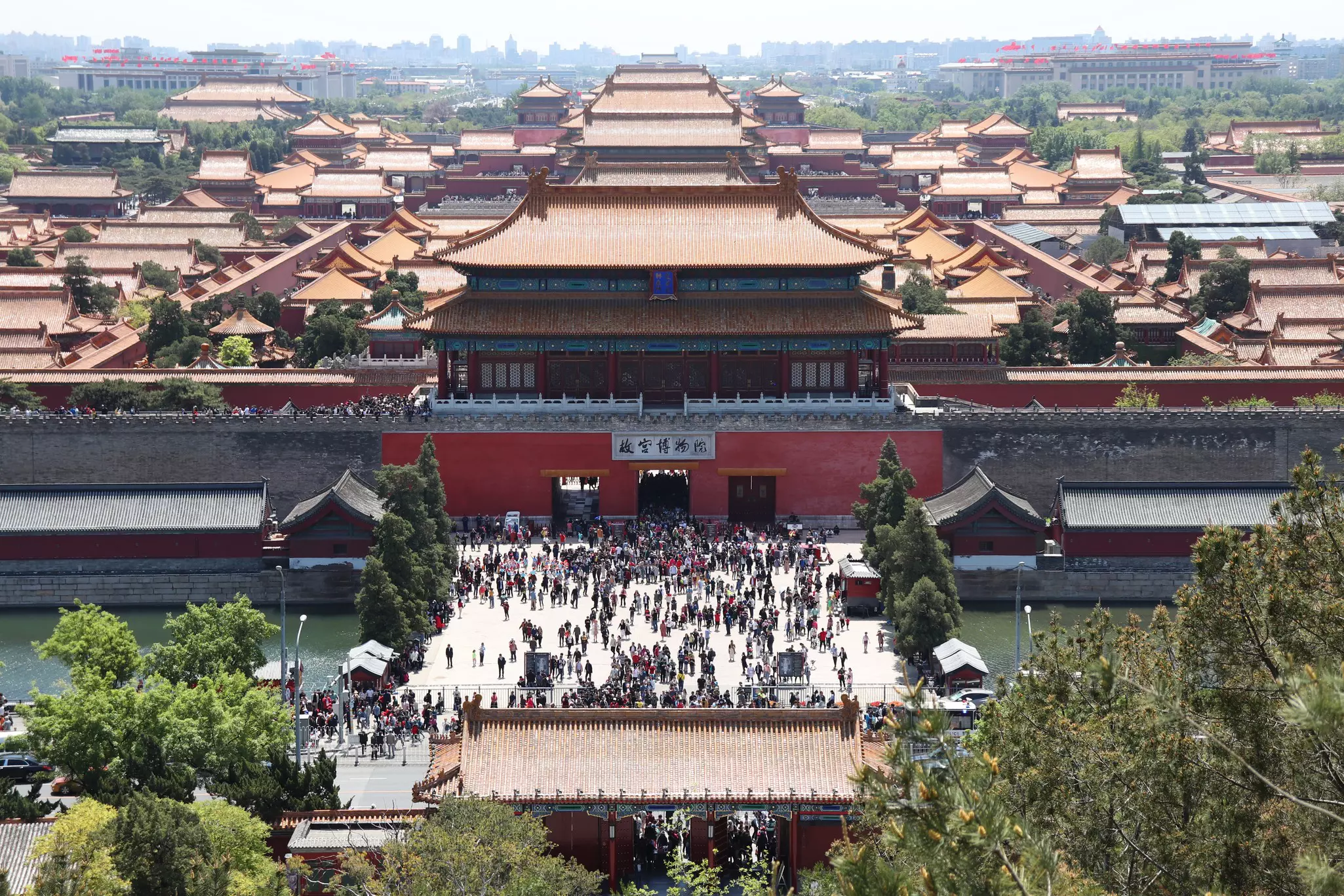
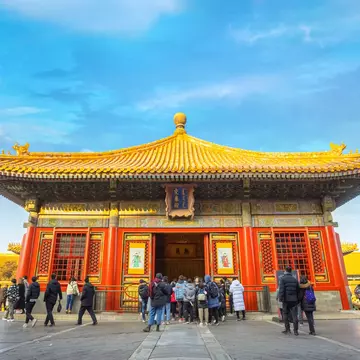
Most visitors to the UNESCO-listed Forbidden City in the center of Beijing focus their energies on the Three Great Halls and parade grounds that comprise the outer court, and they are indeed awe-inspiring attractions.
Yet it's by venturing into the tightly woven labyrinth of rooms and corridors to the north that you'll dig up the most remarkable sights. Don't miss the Palace of Prolonging Happiness, an unfinished, Western-style building of marble, cast-iron and glass designed to be a kind of walk-in aquarium; or the Belvedere of Pleasant Sounds, an elaborate three-story opera house with trap doors, tunnels and pulleys for special effects.
Keeping fit, exploring the city and learning about old Peking at the same time: what more could you want? The founder of a local tour company Beijing Postcards has combined his twin passions of Beijing history and jogging into a series of themed runs, clocking in at about 10km (6 miles) each, that stitch together hutong, leafy canal paths and little-visited parks.
Planning tip: You don't need to be super fit, as the run stops every few minutes for a brief intro to a particular sight or topic and finishes up at the company's hutong HQ for drinks and snacks.
Molecular gastronomy has nothing on proper kaoya (roast duck), and the dish Beijing gave the world tastes better in the capital than anywhere else.
The distinguished birds served at Sìjì Mínfú take days to prepare: the ducks are dried, inflated with compressed air to separate the meat from the skin, basted in molasses, then roasted in open-fronted ovens over crackling fruitwood. Even the precise method of carving takes years to master and is an essential part of the culinary theater that's an exciting accompaniment to one of the world's great dishes.
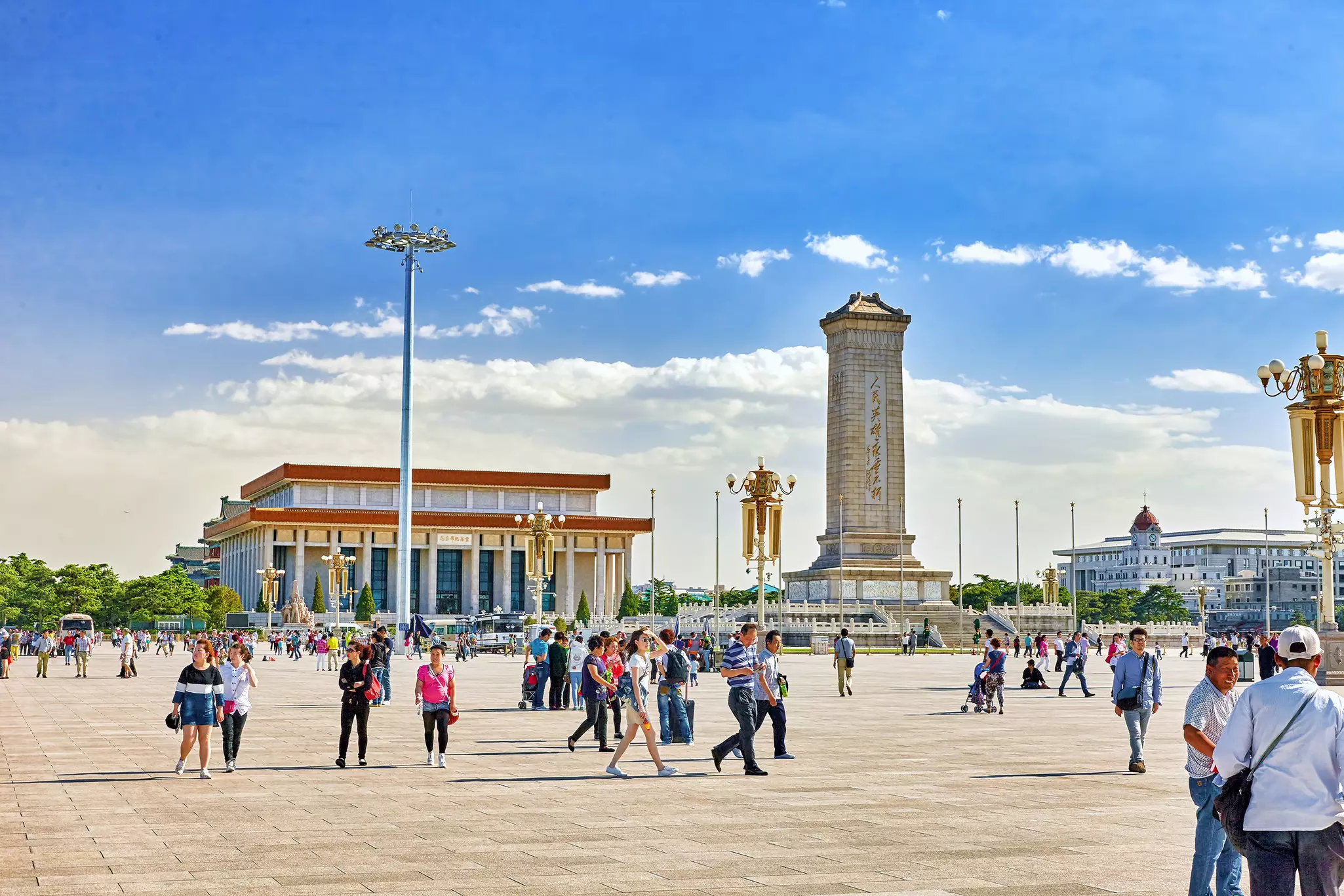
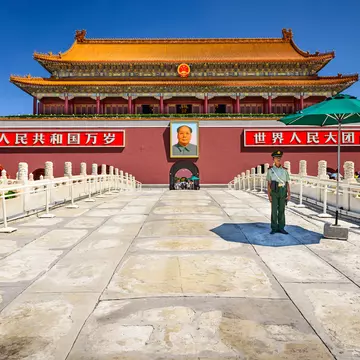
Every day as dawn breaks, a People's Liberation Army honor guard marches out from under the giant portrait of Mao Zedong to raise the five-star Red Flag over Tiananmen Square. It's an iconic spectacle, full of pomp and swagger. (Supposedly, the immaculately attired soldiers are drilled to march at precisely 108 paces per minute.)
Planning tip: Don't worry if you're not an early riser; the same ceremony happens in reverse at sunset.
The magnificent Drum and Bell Towers are inseparable icons of Beijing. Until a century or so ago they were the city's official timekeepers, sounding out curfews and coordinating the patrols of the night watch. These days, you can climb both to see old-world views, hear an hourly drumming performance and gawp at China's largest bell.
Planning tip: But the monuments are actually at their most inspiring when seen peeking over rooftops as you wander the surrounding hutong of Gulou (literally "drum tower"). Beijing's hippest neighborhood, it's home to third-wave cafes, quirky boutiques and speakeasy-style cocktail bars.
Even knowing that pretty much every antique at this huge market is fake, Panjiayuan still offers an unforgettable shopping experience. In addition to ersatz Ming vases "aged" with fake dust and artificially tarnished Buddha statues, you can find replica Qing furniture, traditional handicrafts, calligraphy brushes, ink stones and more among the thousands of dealers. Stick to the last century, and you might dig up genuine Mao busts, Little Red Books, faded cigarette posters and the like.
Planning tip: On weekends, Panjiayuan starts trading well before dawn, which is when the best of the loot gets snapped up.
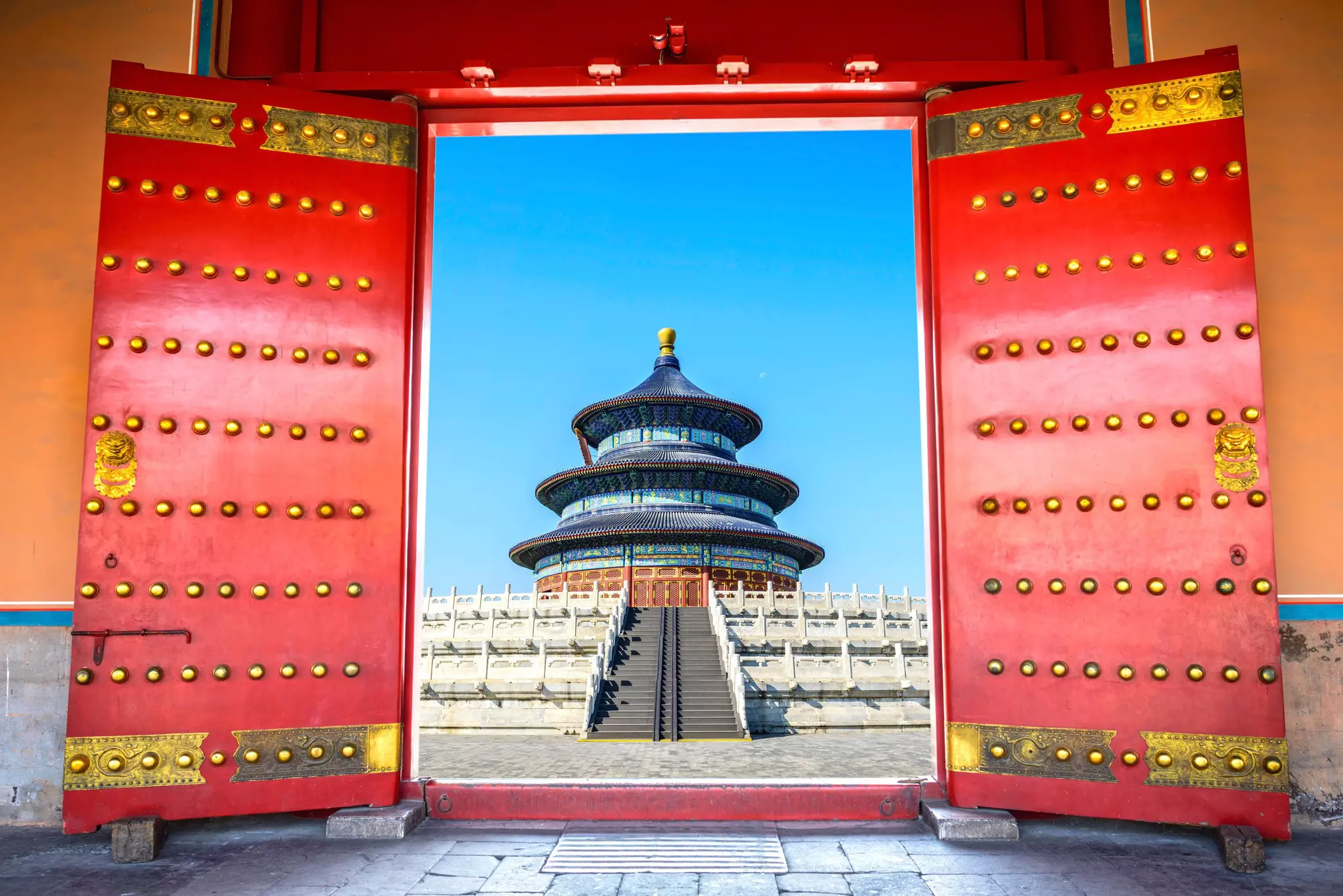
Less a place of worship than a divine conduit to the cosmos, the Temple of Heaven used to be reserved for the emperor alone, who twice a year would set forth with great fanfare from the Forbidden City in an entourage that included horse chariots, elephants and a gigantic sedan chair. After arriving at the open-air Round Altar, he would perform esoteric rites and ceremonies in the hope of summoning divine blessing for his continued rule.
Every detail of the Temple of Heaven's architecture is cosmologically significant, making it a fascinating place to ponder millennia of Chinese thought.
You'll see bixi (dragons with tortoise shells) at temples all over Beijing, holding up stone stelae upon which are inscribed the virtuous deeds of emperors of old. But the alpha bixi resides at the Ming Tombs, the final resting place of 13 emperors in a secluded valley outside Beijing. Weighing in at 50 tons, this stone giant carries a stele over 6m (20ft) tall and guards the Spirit Way leading to the tombs, an astonishing funerary avenue lined by a dozen pairs of carved animals, mythical beasts and officials.
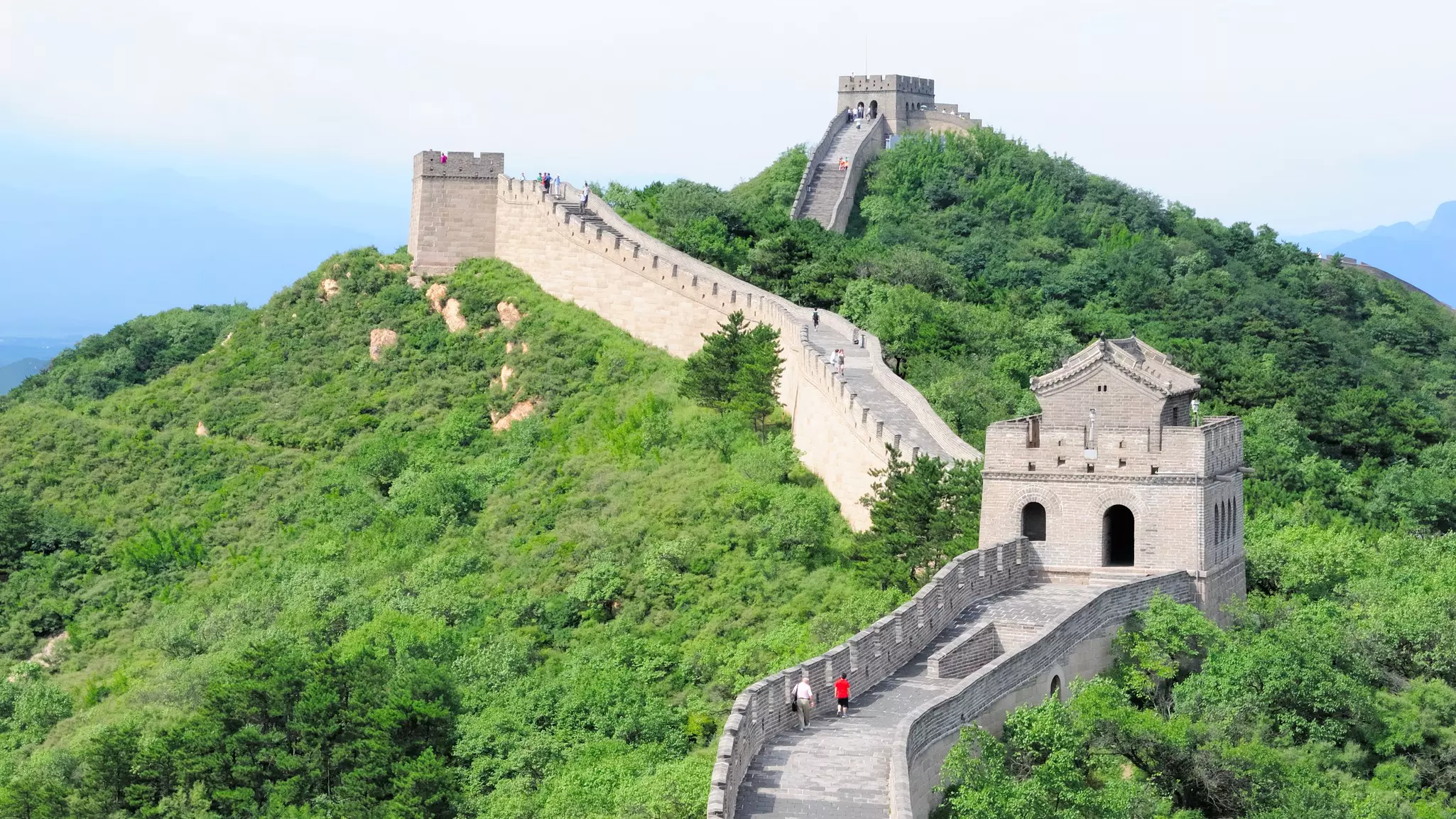
At the turn of the 20th century, travelers in Beijing went to the Great Wall by mule litter, a kind of sedan chair lashed between two donkeys. The reward for this grueling, two-day trek was Badaling, a stretch of the wall in the Jundu mountains with an astounding sprawl of brick battlements and watchtowers.
Since 2020, the bullet train makes the same trip in just over 20 minutes, stopping at the world's deepest underground station directly beneath Badaling, which has now morphed into a kind of Great Wall resort with its own Starbucks and KFC. Times have changed.
Royal Icehouse is a hard-to-find hutong restaurant near the Forbidden City with an icy secret in its basement: a royal refrigerator. The arched stone cellars were used to keep the emperor's food supplies cool in summer, helped in the task by giant blocks of ice cut from the adjacent lake in Beihai Park.
It's a quirky setting for classic Peking duck and Shandong-style sweetmeats, like sugared crab apples, best washed down with a tot or two of the in-house rice wine and medicinal liquor. (You'll spot it brewing in pig bladders and clay jars along the walls.)
Book your China trip with Lonely Planet Journeys
See China how it's meant to be seen
Accommodations, activities and ground transportation all taken care of, so you can focus on the fun part. Tell us what your dream trip to China looks like, and our local experts will build it from scratch. Or start with one of our itineraries and make it your own.

Explore related stories