Things to do in São Paulo
-
A
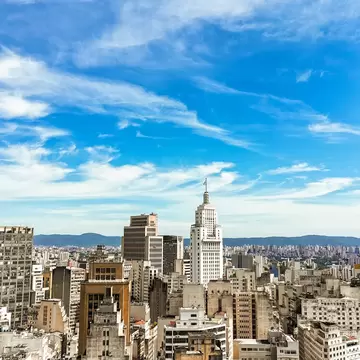
Banespa Skyscraper
For one of Sampa's best panoramas, head to the top of the Banespa skyscraper, Brazil's version of the Empire State Building, completed in 1939. Ride free to the observation deck on the top floor for views of the city. Note, you will need some form of ID to sign in.
reviewed
-
B
A Bela Paulista
This very agreeable, upscale bakery is especially popular with the gay Paulistano community for its gourmet sandwiches and salads served around the clock. Expect lines in the wee hours as clubs start to close.
reviewed
-
C
Bráz
Cooking up what many consider Sampa's best pizza in wood ovens, this rather upscale but always animated spot is worth the 10 to 15 minute walk from Av Paulista.
reviewed
-
D
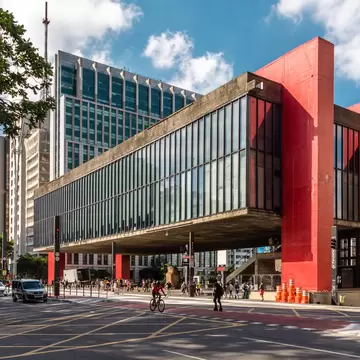
Museu de Arte de São Paulo (MASP)
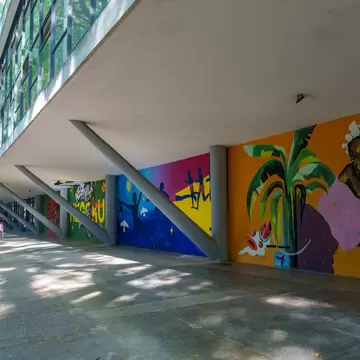
Sampa's pride, the Museu de Arte de São Paulo (MASP) museum possesses Latin America's most comprehensive collection of Western art. Hovering above a concrete plaza that turns into an antiques fair on Sundays, the museum, designed by architect Lina Bo Bardi and completed in 1968, is considered a classic of modernism by many and an abomination by a vocal few. The collection, though, is unimpeachable, and ranges from Goya to El Greco to Manet.
The Impressionist collection is particularly impressive. There are also a few great Brazilian paintings, including three fine works by Cândido Portinari. The museum hosts temporary exhibits, and there is a bright, pleasant cafeteria…
reviewed
-
E
Parque do Ibirapuera
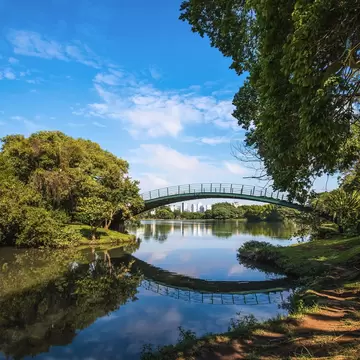
The biggest green space in central São Paulo, Parque do Ibirapuera makes a fine escape from the city's seemingly infinite stretches of concrete. In addition, the leafy 2-sq-km park serves as a thriving center of the city's cultural life, with a series of museums, performance spaces and the grounds for São Paulo's renowned Bienal.
Inaugurated in 1954 to commemorate the city's 400th anniversary, the park was designed by renowned landscape architect Roberto Burle Marx. A series of landmark buildings in the park are the work of modernist master Oscar Niemeyer; most of them are linked by a long and distinctively serpentine covered walkway.
reviewed
-
F
Mercado Municipal
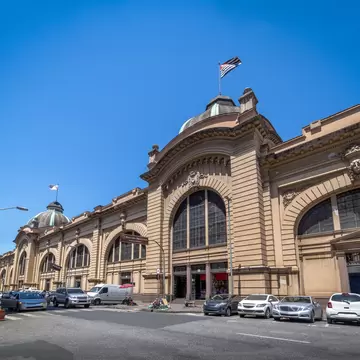
This covered market is a belle époque confection of stained glass and a series of vast domes. Inside is a delightful market specializing in fresh produce and dried goods. It’s also a great place to sample a couple of classic Sampa delights: mortadella sandwiches and pasteis, pockets of dough stuffed with meat, cheese or fish and then fried. Many Sundays there is live music, but note that approximately one Sunday per month, the market closes for maintenance. Unfortunately, there is no regular schedule for these closings.
reviewed
-
G
Pinacoteca do Estado
This elegant neoclassical Pinacoteca do Estado museum houses an excellent collection of Brazilian - and especially Paulista - art from the 19th century to present, including works by big names such as Portinari and Di Cavalcanti. Extensive renovations have made it a pleasant place to while away a rainy afternoon, and there is an attractive café that spills out into the adjacent Parque da Luz.
reviewed
-
H
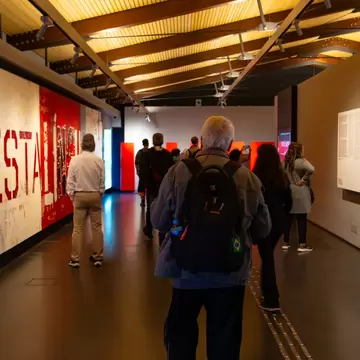
Museu da Língua Portuguesa
Half of Estação da Luz has been given over to this recently inaugurated Museu da Língua Portuguesa museum, with fascinating permanent exhibits documenting the rise of the Brazilian language as distinct from European Portuguese, as well as creative temporary installations celebrating Brazilian literature. Note, though, that all accompanying signs are in Portuguese only.
reviewed
-
I
Gero
Part of the Fasano family of high-end restaurants, Gero occupies a beautifully minimalist, brick-lined dining room that attracts a lively, fashion-conscious crowd with its brilliantly executed Italian fare, like polenta with squid in its own ink, and homemade pasta with a ragu of sausage and radicchio.
reviewed
-
J
Galeria Melissa
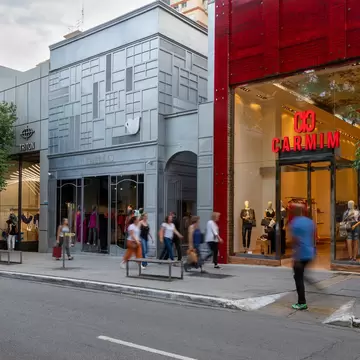
This temple to high-end footwear is worth checking out for its bold design – but don’t expect bargains. Melissa first made its name for inexpensive but stylish plastic shoes that appealed to all social classes – unusual for Brazil.
reviewed
Advertisement
-
K
Sujinho
This no-nonsense steak house is a local favorite for its combination of fine, reasonably priced grilled meats, old-fashioned service and late hours. They have another dining room just across the street on Rua Consolação.
reviewed
-
L
Estadão
Famous for its pernil (pork loin) sandwiches served on crusty French bread, this no-frills stand-up joint is justifiably popular with both taxi drivers and the late-night revelers they ferry about.
reviewed
-
M
Ponto Chic
A São Paulo tradition, Ponto Chic is famous for its efficient, bow-tied staff and the extravagant bauru - a sandwich of beef, tomato, pickle and melted cheeses on French bread.
reviewed
-
N
Piola
Serving fine, thin-crust wood-oven pizza in a colorful, relaxed, chic dining room, Piola attracts a youngish and hip crowd. Expect a line Sunday evenings.
reviewed
-
O
Z-Deli
A Sampa classic, this upscale, invitingly bright Jewish deli specializes in Eastern European comfort food such as gefilte fish and potato dumplings.
reviewed
-
P
Nakasa
The decor - a stylish take on rustic Japanese architecture - is alluring, and so is the excellent sushi at this rather romantic Jardins option.
reviewed
-
Q
Café Suplicy
Santo Grão's rival is smaller, with a refined industrial-chic feel and also outrageously good coffee and pastries.
reviewed
-
R
Bienal de São Paulo
Modeled on the Venice Biennale, the Bienal de São Paulo , founded in 1951, has grown into one of the world's most important arts events. Many of the participants are working artists who have been nominated by their home country. In addition, a guest curator chooses a theme and invites his or her own favorites. At its best, the Bienal offers the world a chance to view mind-bending contemporary art. Certainly it cannot fail to impressive for its sheer size and diversity.
The event is held during even-numbered years, generally from October to December, in a sprawling pavilion designed by modernist master Oscar Niemeyer in the leafy Parque do Ibirapuera. In recent years,…
reviewed
-
S
Museu de Arte de São Paulo (MASP)
Sampa’s pride, this museum possesses Latin America’s most comprehensive collection of Western art. Hovering above a concrete plaza that turns into an antiques fair on Sundays, the museum, designed by architect Lina Bo Bardi and completed in 1968, is considered a classic of modernism by many and an abomination by a vocal few. The collection, though, is unimpeachable, and ranges from Goya to El Greco to Manet. The impressionist collection is particularly impressive. There are also a few great Brazilian paintings, including three fine works by Cândido Portinari. The museum hosts temporary exhibits, and there is a bright, pleasant cafeteria on the lower level which hosts a…
reviewed
-
T
Daslu
Don’t plan on walking to Daslu. It’s against the rules to arrive on foot at São Paulo’s most over-the-top shopping emporium. A taxi is one option, though a much chicer option is to arrive by chopper at the rooftop heliport. The store itself looks like an all-white Roman villa on steroids, and over its three floors you can find every top designer, from Gucci to Tumi. Servants in black-and-white uniforms dole out free espresso, biscotti and sparkling water at bars spread throughout the store. Still hungry? There’s a tearoom, a sushi bar and a more formal dining room. Daslu even has its own harem – a sprawling series of lounges and changing rooms where mirrors are…
reviewed
Advertisement
-
U
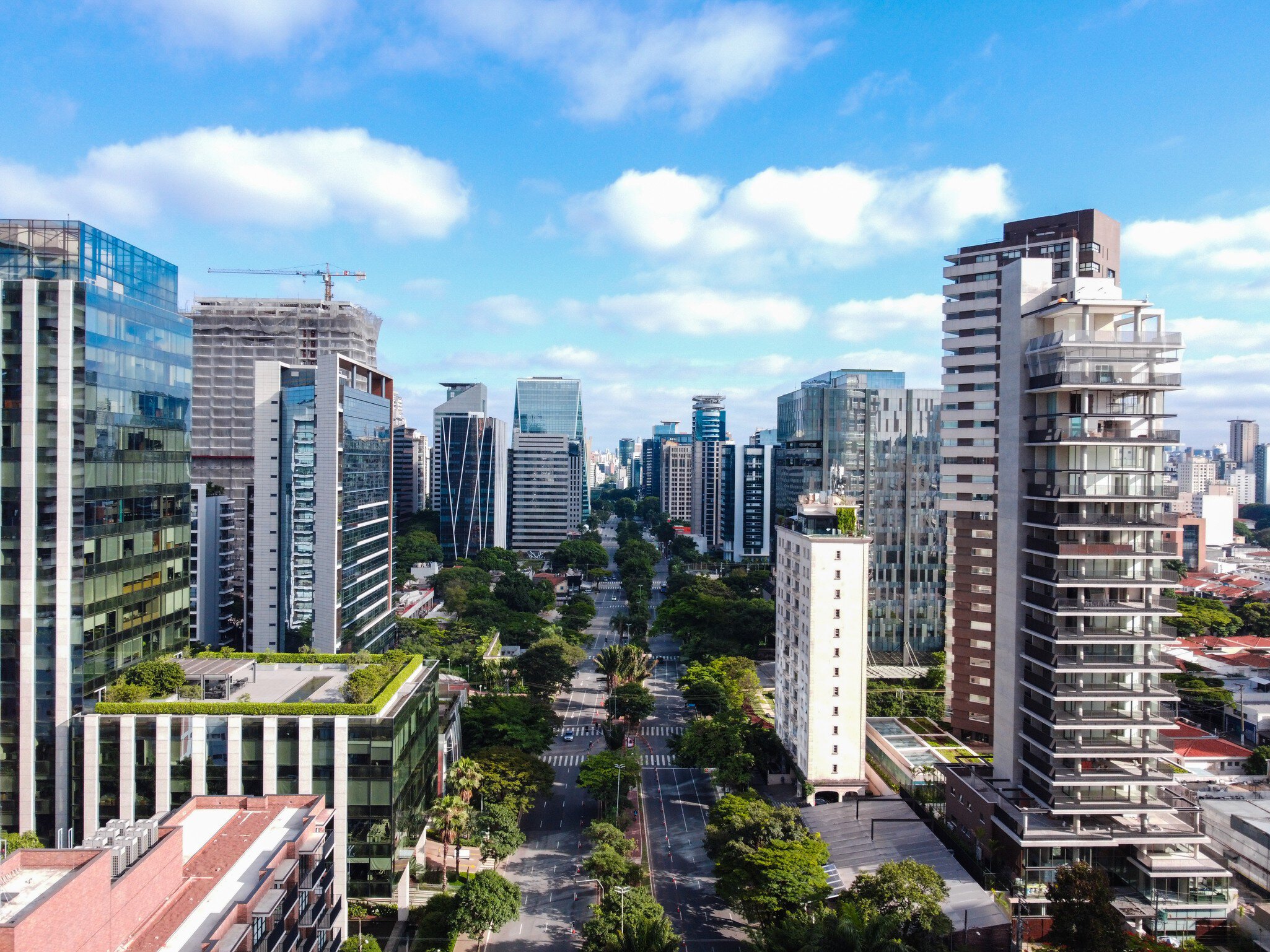
Avenida Brigadeiro Faria Lima
Extra-wide Avenida Brigadeiro Faria Lima (called just 'Faria Lima') marks the southwestern edge of the Jardins neighborhoods, and is the main corridor connecting Pinheiros with the ritzy neighborhoods of Morumbi, Vila Olímpia, Itaim Bibi and Moema. These areas are largely congested streets, forbidding luxury high-rises and glittering complexes that house the majority of the city's most-profitable businesses, from banking to technology.
That said, there are plenty of fine restaurants, nightclubs and shopping opportunities that die-hards may want to seek out. Unfortunately, poor public transport makes a taxi or your own vehicle a necessity.
reviewed
-
V
Museu de Arte Sacra
The best of its kind in Brazil, the Museu de Arte Sacra includes works by renowned 18th-century sculptor Antônio Aleijadinho, along with some 2000 other ecclesiastical works from the 17th to 20th centuries. The museum is housed in the 18th-century Luz monastery, which is one of São Paulo's best-preserved buildings of the period and also a fine example of Portuguese colonial architecture.
The best of its kind in Brazil, this museum includes works by renowned 18th-century sculptor Aleijadinho along with some 2,000 other ecclesiastical works spanning the period from the 17th to 20th centuries.
reviewed
-
W
Edifício Copan
Architecturally remarkable Edifício Copan was designed by modernist master Oscar Niemeyer. The building’s serpentine facade and narrow brises soleil (permanent sunshades) have become a symbol of the city. You can visit its snaking, sloping ground-floor shopping arcade, but the upper floors are made up of private apartments and thus off limits. Note that the leftist architect designed the building to bring together all classes by including sprawling apartments for the rich as well as tiny studios for the working poor – a real rarity in class-conscious São Paulo.
reviewed
-
Instituto Butantan
Highly respected for its groundbreaking biomedical research, this institute is best known as a venom farm. Researchers milk a total of tens of thousands of snakes of their poison, which is used to make antidotes to snake and spider bites, as well as in research for other medicines. Located in the leafy Cidade Universitária, the small museum displays snakes in dozens of shapes and sizes. At the time of research a devastating fire had destroyed almost half a million preserved specimens, though no live animals. Check ahead to ensure that the museum is operating normally.
reviewed
-
X
Bosque da Leitura
A meandering duck pond takes up much of the western half of Parque do Ibirapuera, and around it are arranged a series of shaded walks, including the Bosque da Leitura - a woodsy section that on Sundays turns into an open-air library where you can check out books for the afternoon.
To get the park, take the metro to Vila Mariana station and then bus 775-A 'Jardim Aldagiza.' There are lots of snack stands throughout the park, or you can get a full meal at the Green, between the Museu de Arte Moderna and the Museu Afro-Brasil, which serves a hearty per-kilo buffet.
reviewed