Sep 9, 20267 min read
The Best Neighborhoods in MelbourneSep 7, 2026
10 MIN READ
Writer
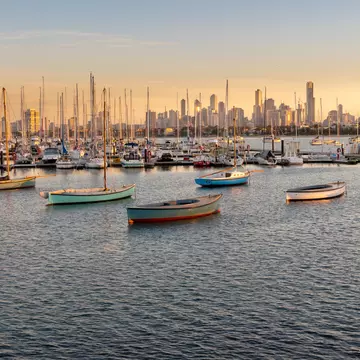
Melbourne's skyline viewed from St Kilda. sharrocks/Getty Images

Writer
Highlights
Writer Tasmin Waby picks 14 Melbourne things to do, from coffee to cricket.
Seek a flat white at Seven Seeds or Proud Mary, then photograph Hosier Lane.
Art lovers should head to the NGV; foodies can't miss Queen Victoria Market.
The Astor screens cult classics; head to the MCG for Grand Final glory.
Lonely Planet may earn a commission from affiliate links on our site. All recommendations and reviews reflect our own independent opinions.
You'll need more than a couple of days to get under the skin of Melbourne. In this big Aussie city with a European vibe, steel-and-glass skyscrapers mingle with historic Federation architecture and creativity spills into the streets. It also has its fair share of calm green spaces and beachside scenes, plus a top-class cafe culture and rich and varied cuisine, a result of its multicultural population. This is a city with many layers and histories to uncover.
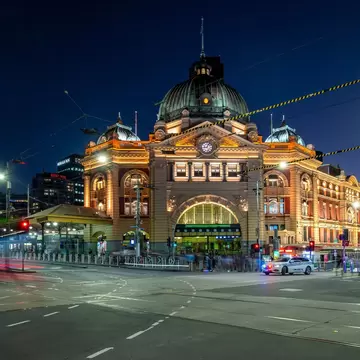
Begin your explorations at Federation Square – a downtown cultural hub – then grab a coffee to go and roam further afield to tick off some more quintessential experiences. From high culture to local life, here are the best things to do in Melbourne.
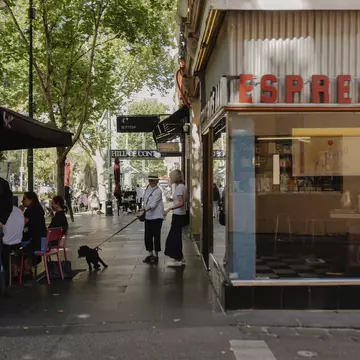
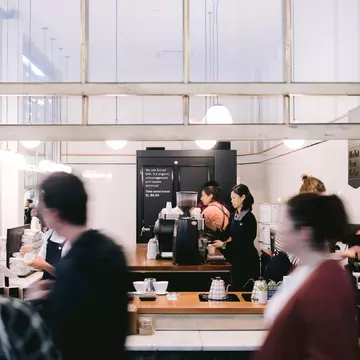
Italian immigrants first brought a passion for quality coffee to these shores, but today, Melburnians are leaders in the dark arts of the espresso machine. Saying it out loud may risk an international incident, but Melbourne is the coffee capital of the Antipodes and – perhaps – the world.
You can get a first-rate cup almost anywhere in Melbourne these days, but stalwarts of the city's coffee scene can be found everywhere from Seven Seeds in North Melbourne to Aunty Peg's in Collingwood, Market Lane Coffee in Prahran Market, Wide Open Road in Brunswick, ST. ALi in South Melbourne, Monk Bhodi Dharma in St Kilda, and Patricia to Italian-vibed Pellegrini's in the city. When I said almost anywhere in Melbourne, I meant it.
Planning tip: These days, the flat white – the Antipodes' signature contribution to the world of coffee – can be found worldwide, but sampling it in Melbourne is always a pleasure. Seven Seeds' original Brother Baba Budan is a good place to start. Also seek out the "magic" – a double ristretto topped with steamed milk.
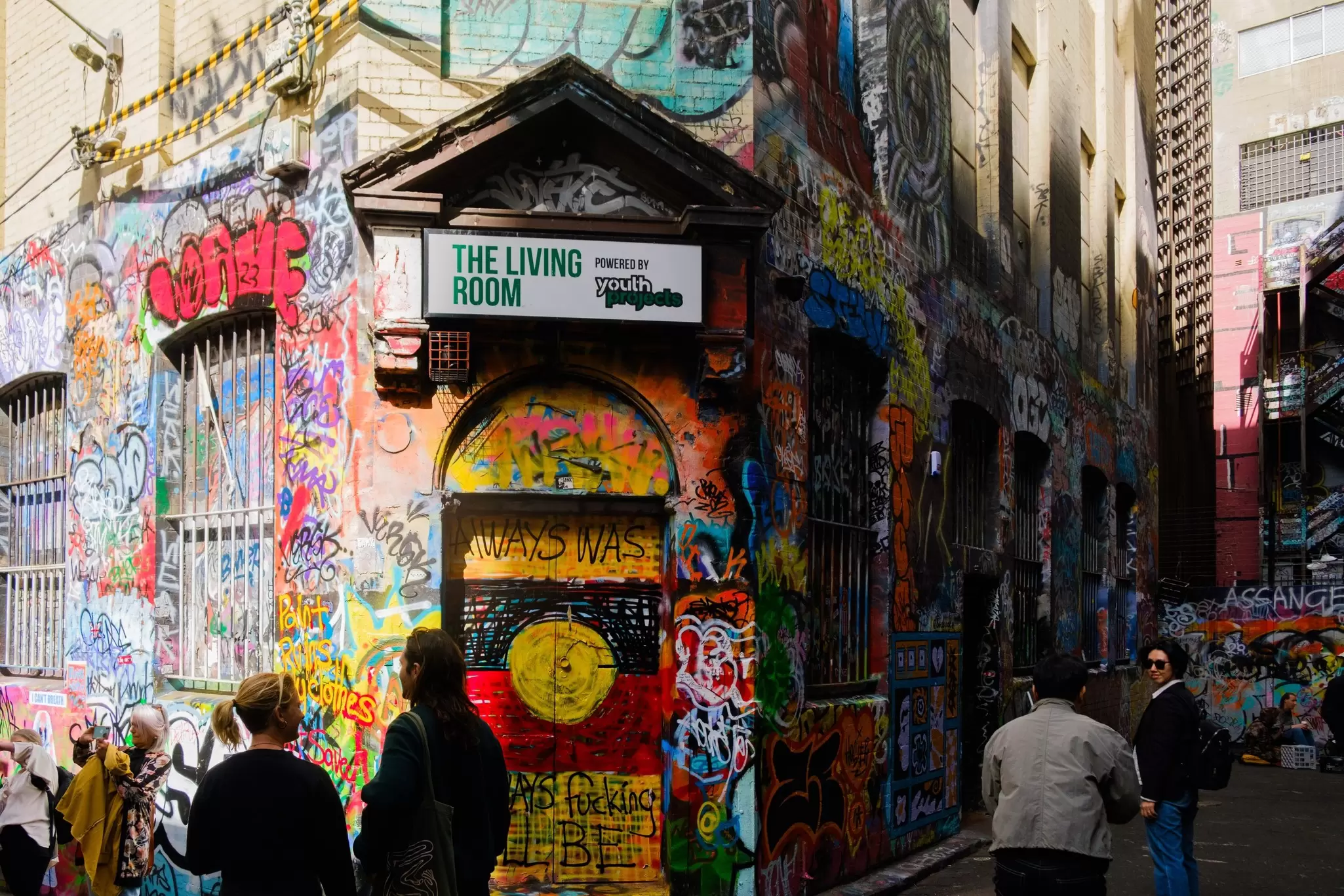
Nothing yells Melbourne quite as loudly as a graffiti-covered lane or a city building adorned with a huge public mural. The most famous (and most photographed) laneway of them all is Hosier Lane, with little Rutledge Lane jutting off it, feeling like a separate wing of the same public art gallery. There are plenty of other such street art stretches to discover around the city center and beyond. Juxtaposed against the rough beauty of these streetwise lanes, dainty Victorian arcades tempt shoppers into their rarefied confines.
Planning tip: For the inside track on the city's street art scene, take a tour with Melbourne Street Tours, the first tour in the city led by street artists.
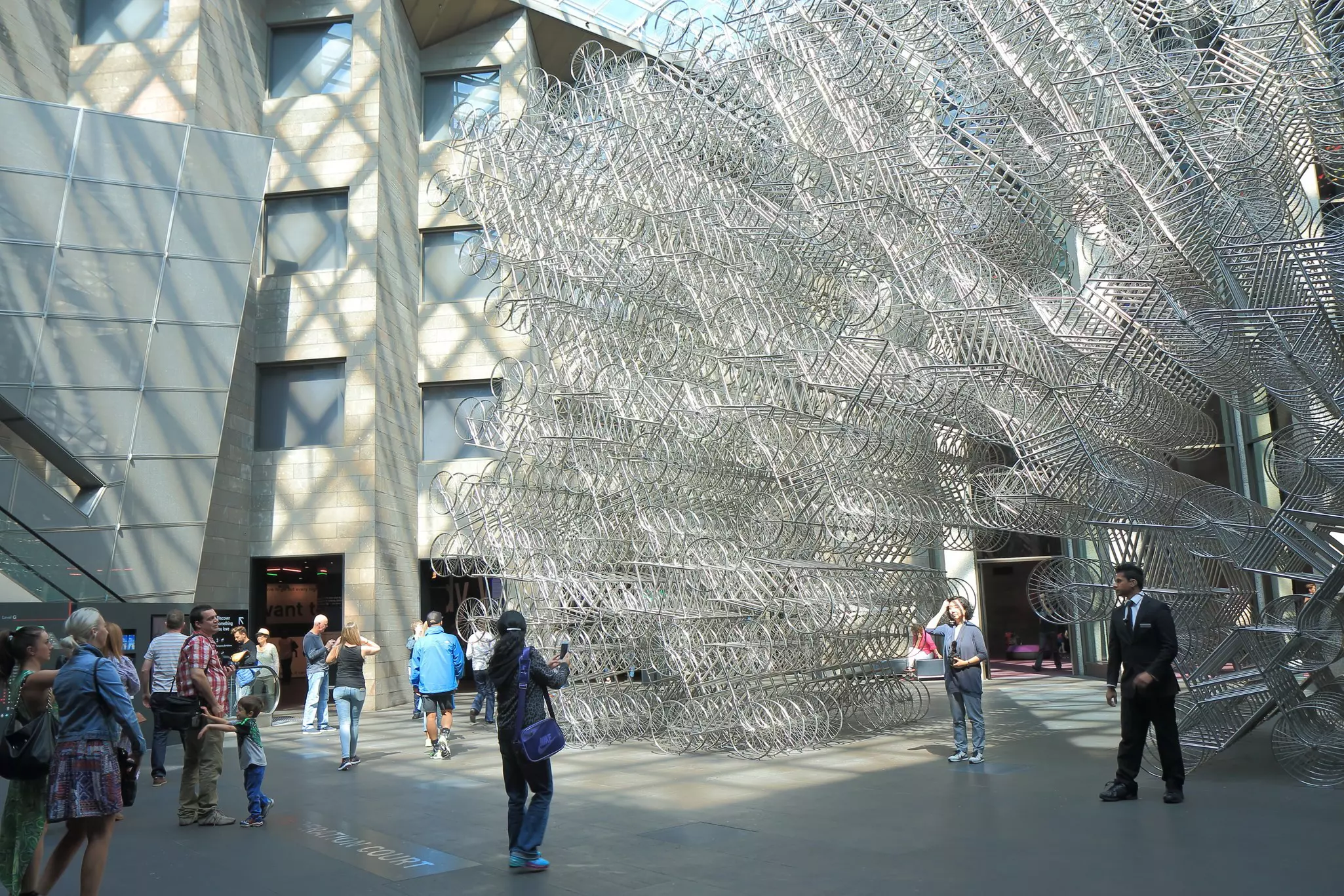
The state gallery's extraordinary collection is too big to fit into its magnificent modernist home in Southbank, so the artworks are split between two locations. In the main Southbank building, NGV International displays treasures from a who's who of world art history, past and present, covering all parts of the globe.
The second venue, NGV Australia, occupies the Ian Potter Centre in Federation Square, bringing significant local art right into the city's civic heart. The Aboriginal collection is a must-see, with significant works such as Hannah Brontë's video-based Umma’s Tongue – molten at 6000°. Aside from special exhibitions, both galleries are free, but donations are welcomed.
Planning tip: Keep an eye on the website for NGV Friday Nights – ticketed events featuring music, bars, dining and late-night access to featured exhibitions.
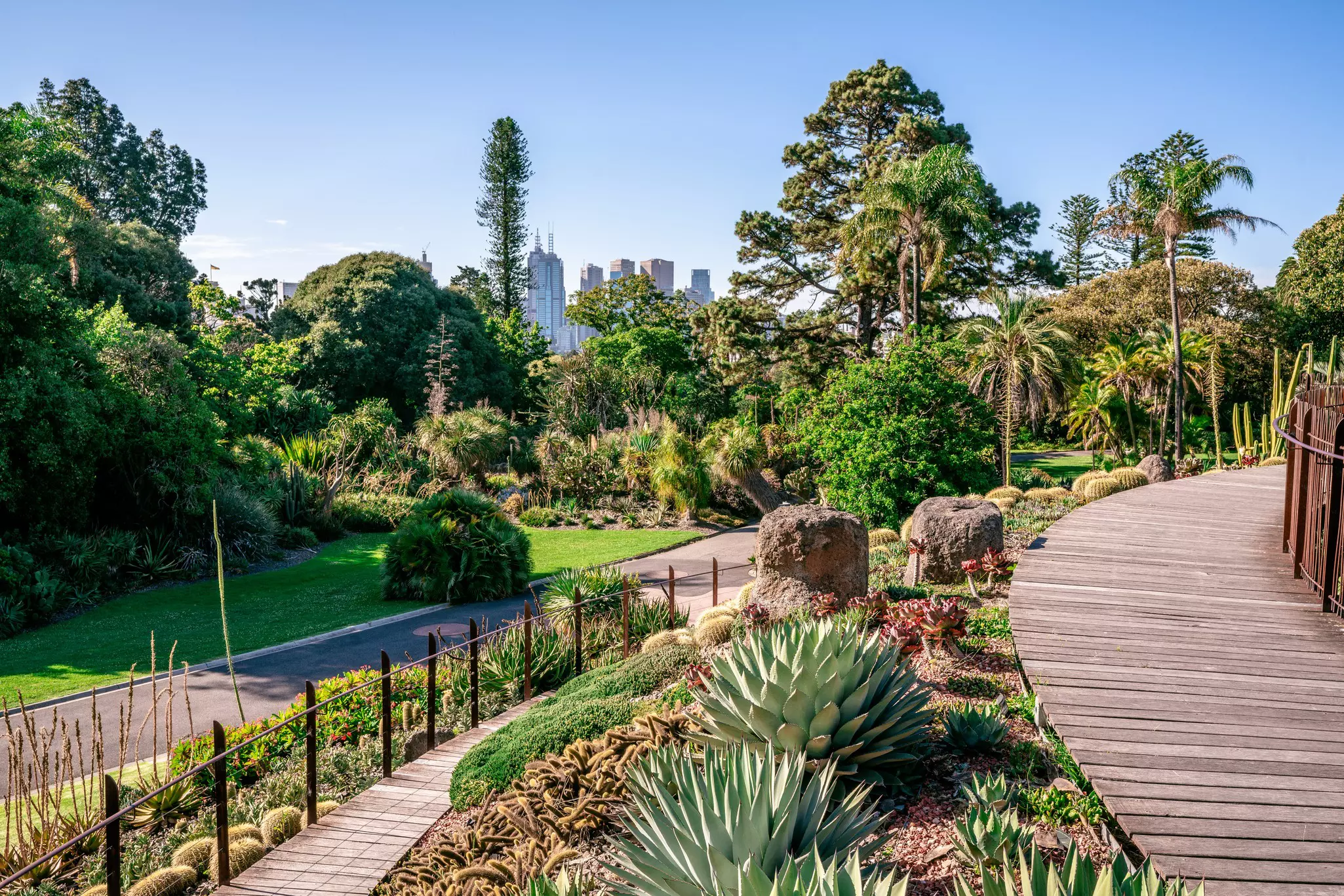
Stretching for 38 glorious hectares on the south bank of the Yarra River, the Royal Botanic Gardens is the best example of Victorian-era garden landscaping in the country. Alongside wonderful displays of Australian native flora are mature exotic trees and themed gardens devoted to roses, succulents, herbs and ferns.
During the day, picnickers sprawl on the extensive lawns while kids flock to the designated children's garden, created with small explorers in mind. On summer nights, people get comfy in the gardens to watch cinema or theater under the stars. Check out Moonlight Cinema for upcoming summer screenings.
Planning tip: I'd really recommend booking the Aboriginal Heritage tour to learn about the significance and medicinal properties of Australia's Indigenous plants and get an insight into how Melbourne became a city blessed with so much green space.
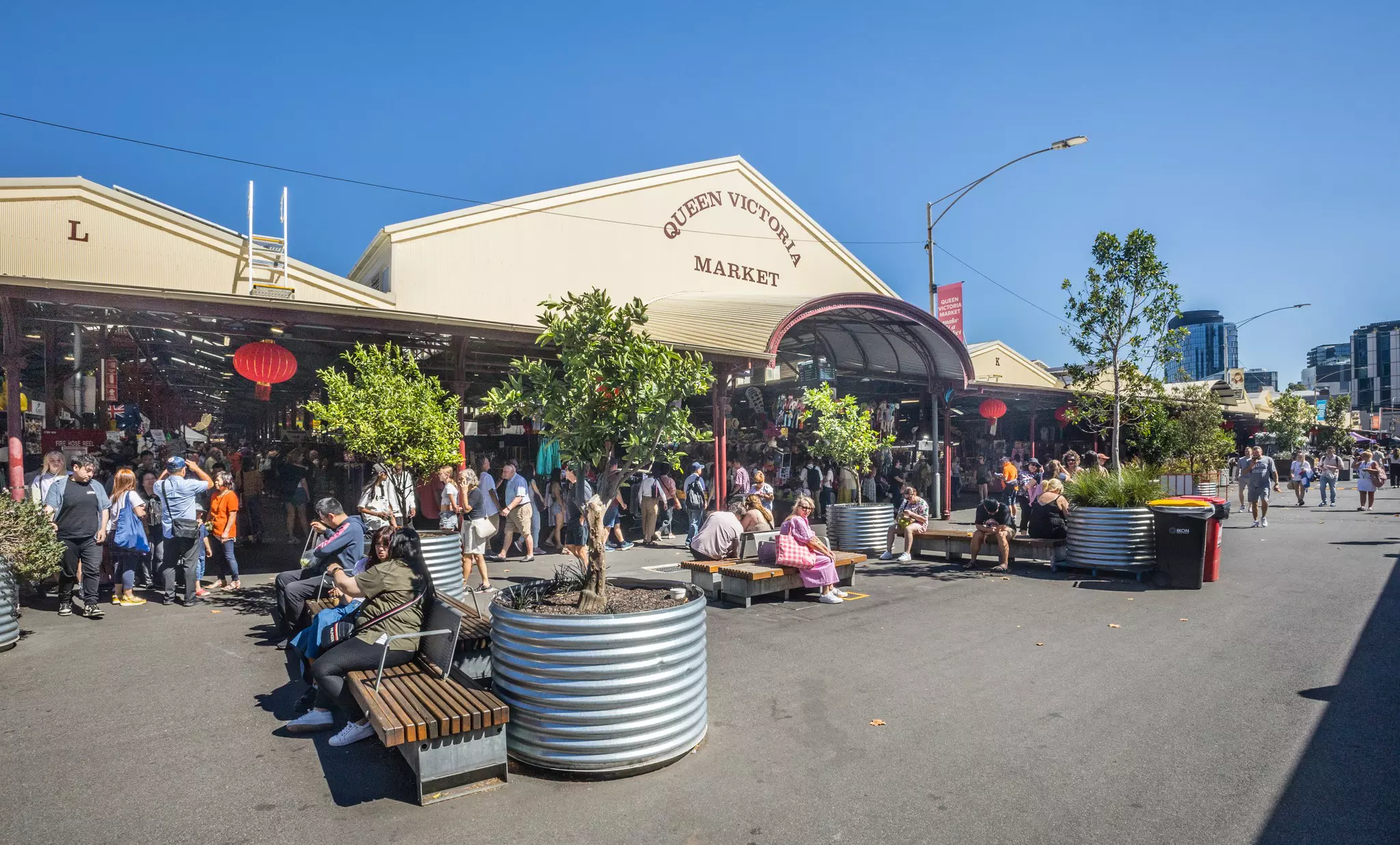
This historic market sells gourmet produce by the box-load. With over 600 traders, "Vic Market" (as it’s referred to locally) is the largest open-air market in Australia, attracting thousands of shoppers a day. Browse fresh produce among the booming cries of fishmongers and fruit-and-veg vendors, or visit the ornate deli hall for everything from soft cheeses and fresh dips to organic wines, Polish sausage and kangaroo biltong. Pack a picnic and head to nearby Flagstaff Gardens for lunch.
Planning tip: On Wednesday evenings, in summer and in winter, QVM turns into a night market after hours, with hawker-style food stalls, pop-up bars, music and dance performances.
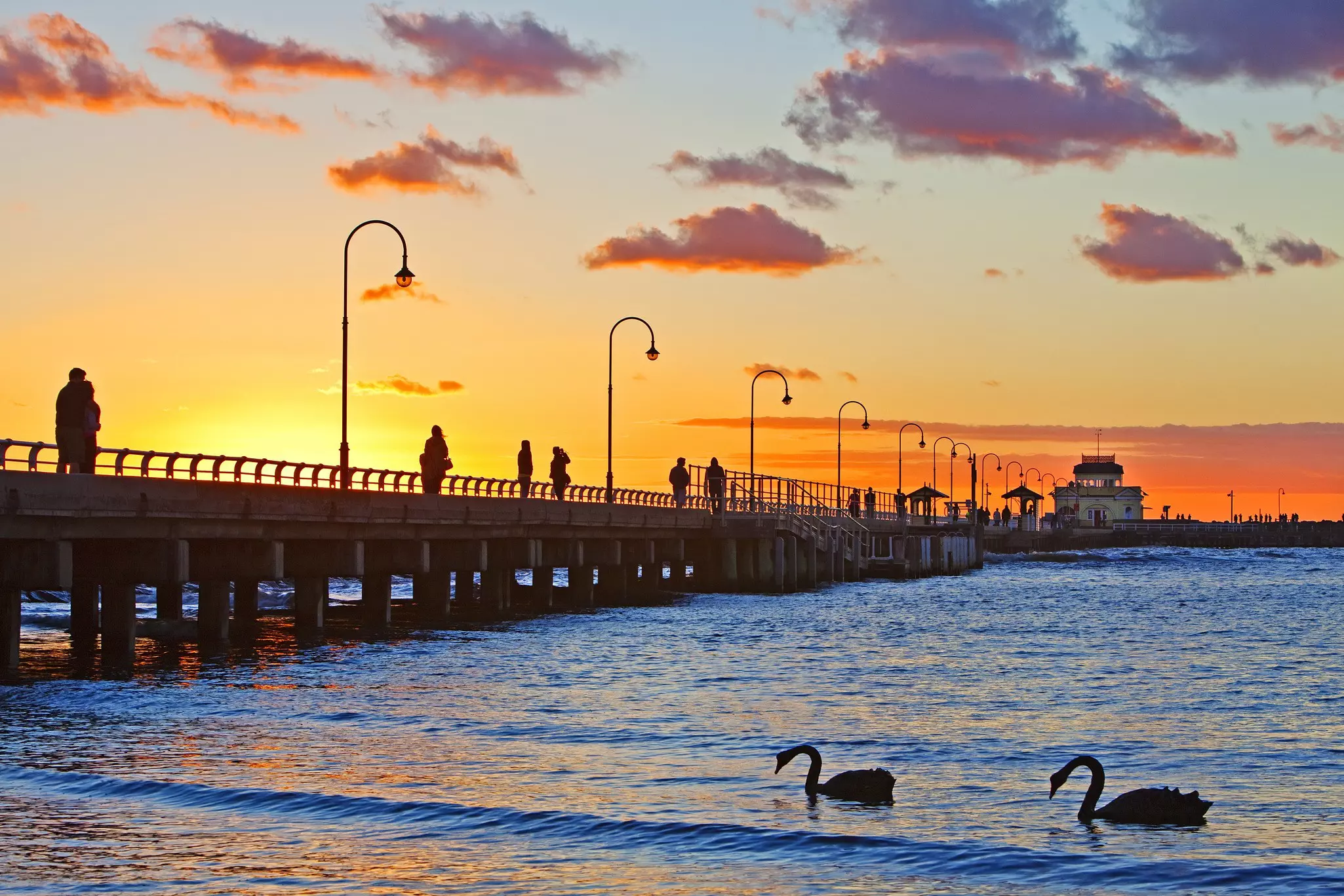
The sand isn't the main draw; people come to the seaside 'burb of St Kilda by tram for its roguish charm, symbolized best by the slightly menacing but strangely mesmerizing clown face forming the entrance to Luna Park, a nostalgic amusement park. You'll dodge rollerbladers and cyclists as you stroll along St Kilda Foreshore, but the vibes are impeccable on sunny days with busy outdoor cafes and beer gardens along the seafront.
Grab a coffee and snap a photo at the end of St Kilda Pier, which offers a wonderful panoramic view of the Melbourne skyline. Better still, you might catch a glimpse of one of St Kilda's most charming residents: the little penguins that nest between the rocks of the breakwater.
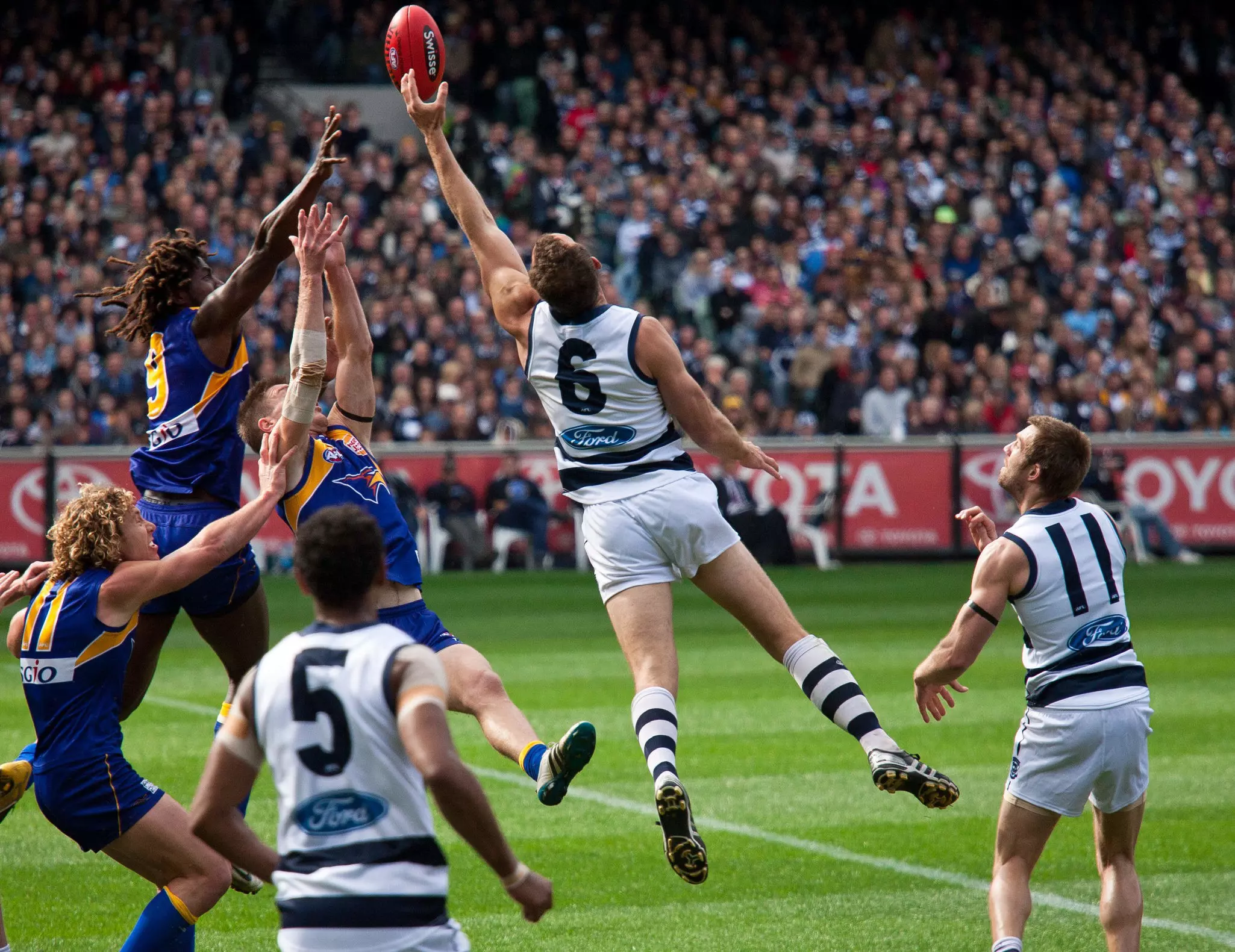
It's not the prettiest or the most architecturally interesting stadium, but the Melbourne Cricket Ground (the MCG, or just "The G") is sacred ground for many Melburnians, carrying within its bulky frame the treasured hope of Grand Final glory for their beloved local footy team.
Planning tip: If you can't make it to a cricket match or an Australian Football League (AFL) game, entertaining guided tours are available, visiting many nooks you wouldn't otherwise have access to. Cap it off with a visit to the stadium's excellent Australian Sports Museum.
The nuns may have left this 19th-century convent in Abbotsford, but there are plenty of arty types to be found among the historic buildings that have been converted into studios, galleries, and cafes. It's a gorgeous off-the-beaten-track kind of place to spend an afternoon. Locals also come for the regular markets and to stroll the riverside grounds.
Detour: The neighboring Collingwood Children's Farm brings city-slicker kids face to face with all manner of farm animals from guinea pigs to goats and cows. If you're traveling with children, it's worth seeking out for some child-friendly outdoor fun.
Melbourne’s working docklands with their stacks of containers and giant cranes divide the city’s central business district from the eclectic western suburbs. A 12-minute train ride to Footscray, Seddon or Yarraville (or a 30-minute off-road cycle) will get you over to this secret pocket of urban life.
This once solidly working-class area has slowly gentrified over the last decade, but still has a diverse migrant population bringing the globe to local tables, from hearty Italian home-cooking to blisteringly authentic Vietnamese and Ethiopian food.
The Scienceworks interactive science museum and pretty Williamstown Beach are both great detours for families, while travelers without kids will love the bohemian bars, independent shops and outdoor cafes scattered across the suburbs that make up "the west." Settle in and soak up a distinctly off-the-tourist-map vibe here.
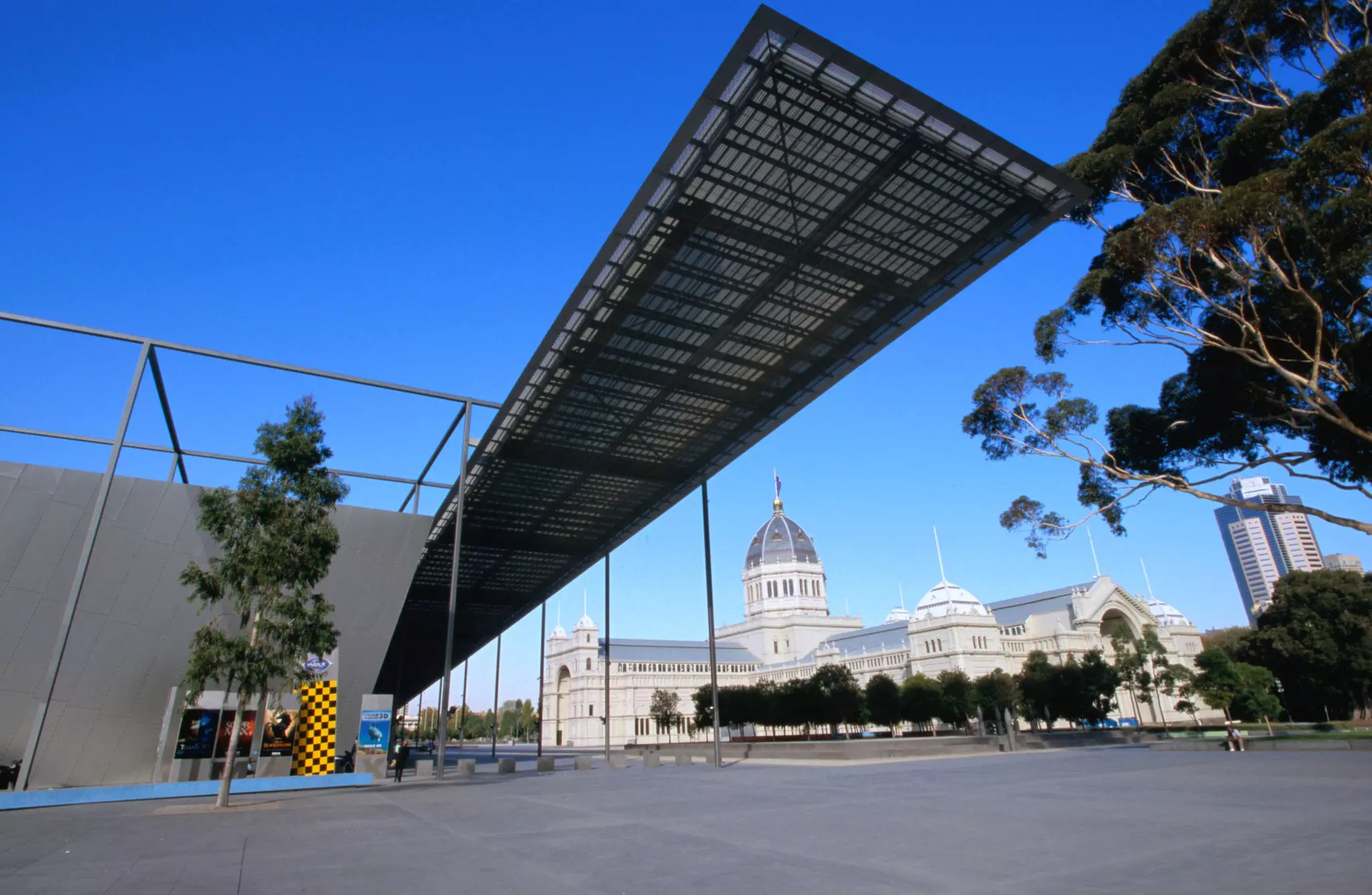
Victoria's cultural, social and natural history are given their due at this highly interesting museum, occupying a striking modern building at the heart of Carlton Gardens. There's an excellent Indigenous section, a forest in the atrium, and the highly venerated remains of Australia's favorite racehorse, New Zealand-born Phar Lap.
The museum shares the gardens with the exquisite Royal Exhibition Building, built in 1880 for an international show and repurposed in 1901 as the venue for the sitting of Australia's first ever parliament.
One of Melbourne's best-loved landmarks screens double features as well as a mix of new releases, art-house movies, classics (from the likes of David Lynch, Jane Campion and Orson Welles), and cult films (Tron, Goodfellas and the Rocky Horror Picture Show to name a few examples). The whole Astor cinema experience, from the plush furnishing and art deco fixtures to the grand foyer staircase, transports you to a bygone era of enigmatic screen stars and cinema nights as a special event.
Planning tip: Take in an early show, and you'll have time to check out some St Kilda watering holes, such as the Esplanade Hotel (aka The Espy), which is good for live music.
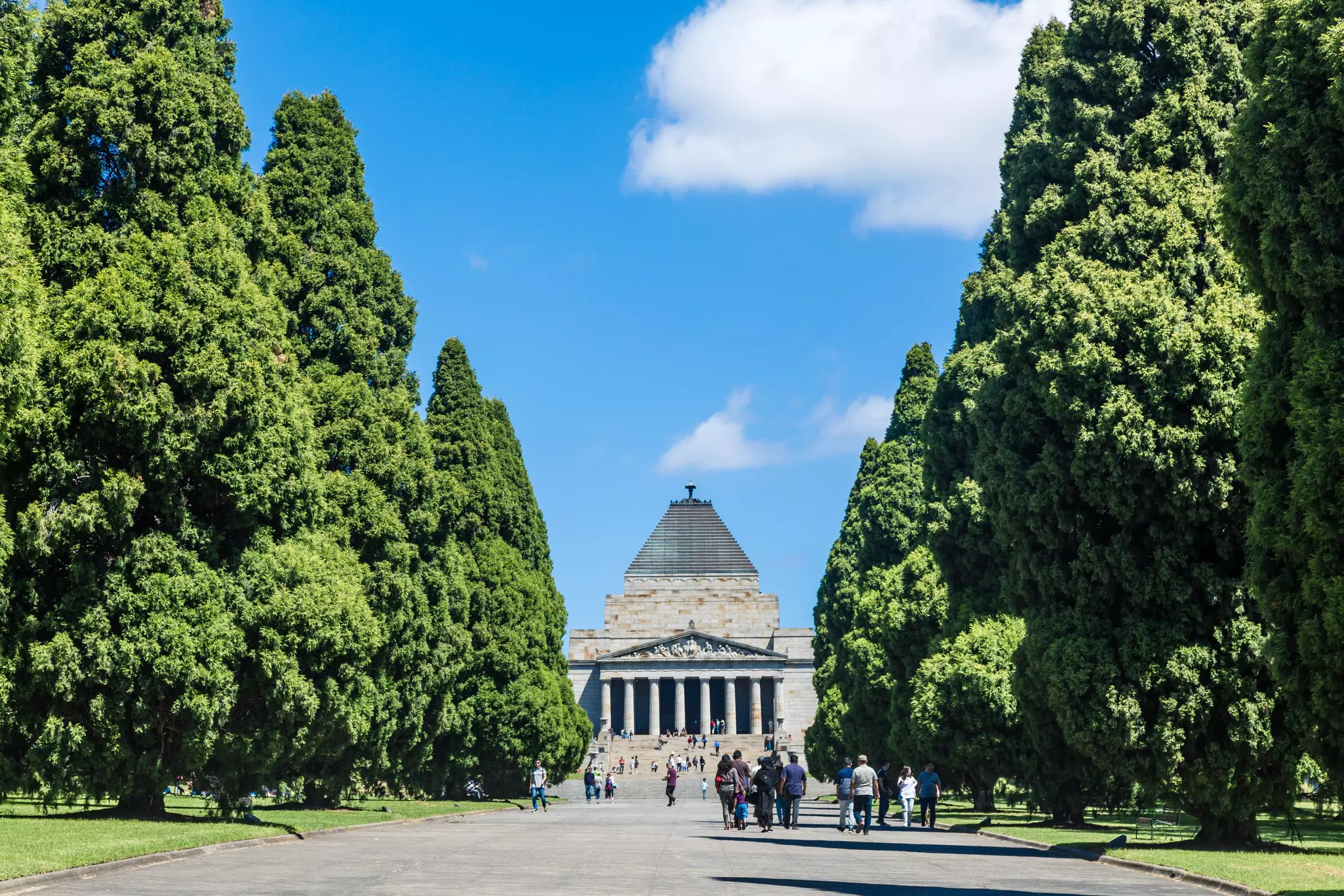
Taking the form of an ancient Greek temple, this secular shrine is a prominent and fitting civic memorial to those who lost their lives during WWI. It's the focus for Anzac Day commemorations on April 25, while on Remembrance Day a shaft of light shining through an opening in the ceiling illuminates the word "love" at precisely the same time as the signing of the armistice (11am on the 11th of the 11th). The views from the top of the monument are outstanding, and there's a museum beneath.
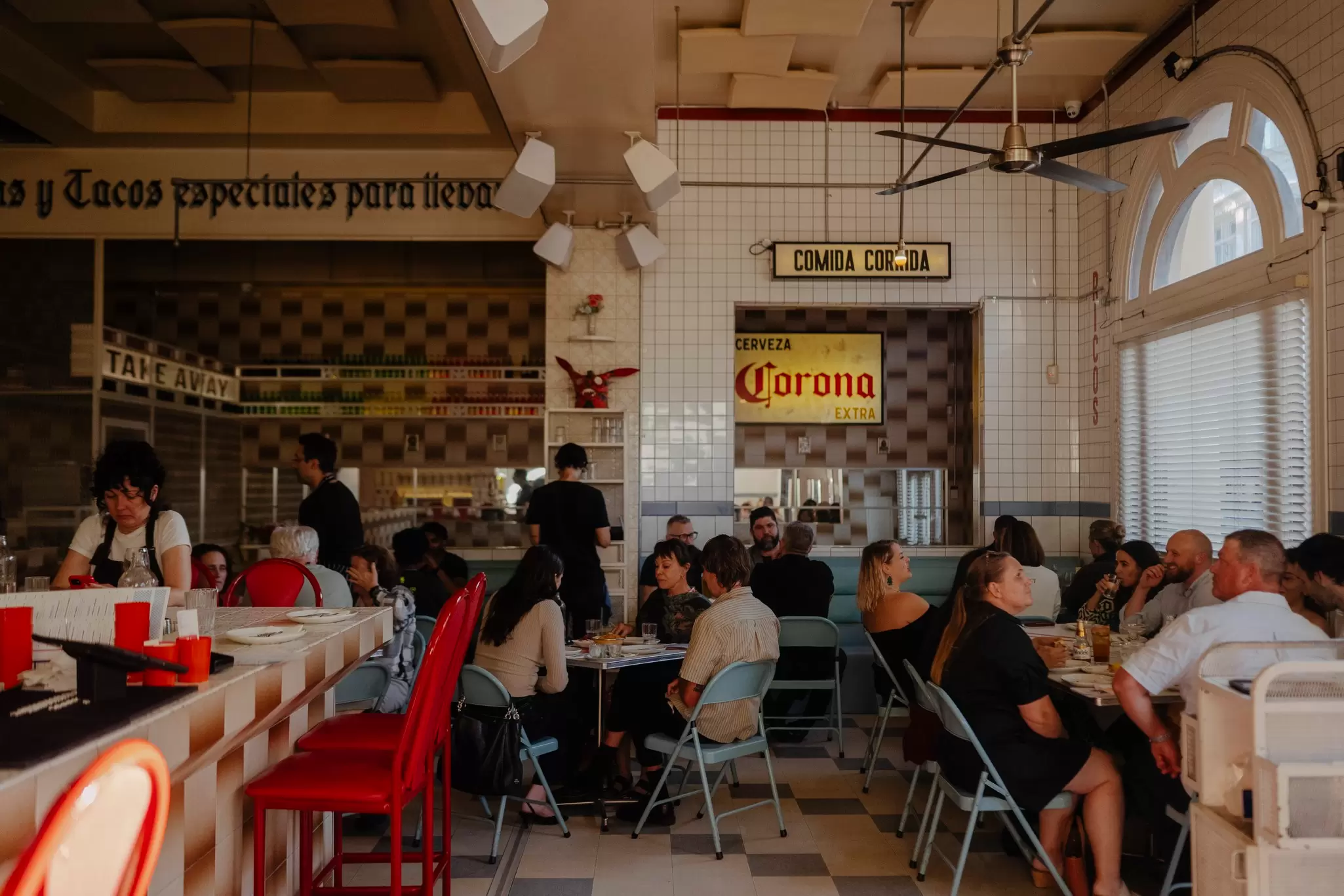
Melbourne is known for its exceptional hospitality scene, shaped by migrants from all over the world and enthusiastically embraced by a discerning local population. While there are memorable cheap eats to be had in neighborhoods right across Melbourne, the city is also home to a clutch of high-end restaurants that regularly scoop awards on the global dining scene. For top dining recommendations, start with some pointers from Visit Melbourne and the Australian Good Food Guide.
Brunswick locals come to this green hub for organic produce and the Saturday flea market, but CERES (pronounced "series") is also a public park and community environmental center. There’s a bookstore, organic cafe, and permaculture nursery onsite. Educational tours cover green themes such as renewable energy, sustainable building design, urban farms and ecotourism.
Local tip: For travelers with children, there are chickens to see, a small playground and occasional kid-focused workshops. CERES is located next to Merri Creek, where the green space continues. Stroll north or south through bushland which has been replanted over the last few decades with Australian native species, but be wary of speedy cyclists.
To start planning your trip, download the Lonely Planet app or check out our Melbourne guidebook for local tips, maps and more.
Explore related stories