
Advertisement
Algeria
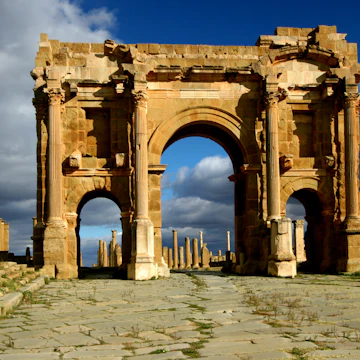
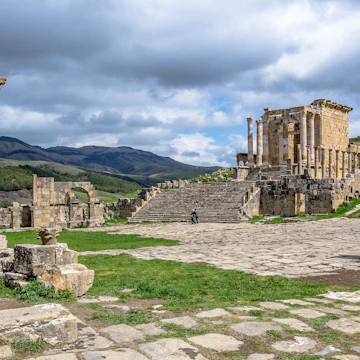
Africa’s largest country lies just a short hop from Europe. The north, with its snow-flecked mountains and stunning coastline, is home to urbane and charismatic cities such as Algiers and Constantine, as well as some of the most magnificent Roman sites in existence including Timgad and Djemila, both vast, perfectly preserved Roman towns with barely another tourist in sight.

Shutterstock / EtaCarinae89
Latest Stories
- Anthony Sattin|Dec 15, 2025A guide to Algeria
- Paula Hardy|Dec 8, 202510 of the best places to visit in Algeria
- Chahira Merarsi|Sep 24, 2025The 11 best things to do in Algeria
- Hamza Koudri|Sep 23, 2025The best food and drink to try in Algeria
Book

Top places to visit in Algeria
Discover the best attractions in Algeria from must-see sights to unexpected hidden gems.
-
-
 Attraction in AlgeriaTlemcen Museum
 - Attraction in AlgeriaMosque & Tomb of Sidi Boumediene
- Attraction in AlgeriaMuseum, Tazoult
- Attraction in AlgeriaGrand Mosque
-
-
-
Advertisement
Travel Guides
Algeria travel tips from Lonely Planet experts
Find practical guidance from our team of contributors around the world who bring their decades of first-hand travel experience to your next trip.
Best Things to Do
Sweeping in the Sahara desert, ancient cities and spectacular landscapes, Algeria is ready for the spotlight as a great travel destination.
Read full article
Best Time to Visit
These are the best times to explore Algeria, North Africa’s best-kept secret.
Read full article
Things to Know
Plan your travels in Algeria with these tips on local etiquette, culture and health and safety.
Read full article
Transportation
In this vast country, flying is usually the way to go, but you can also ride trains, taxis and even camels
Read full article
Best Places to Visit
Algeria is an adventurous traveler’s dream. From desert dunes to medieval alleys and much more, here are 10 places in this country you won’t want to miss.
Read full article
Advertisement
Algeria and beyond
-
 destinationAlgiers
Advertisement