Sep 19, 202611 min read
12 of the Best Places to Visit in MontenegroAug 11, 2026
8 MIN READ

Writer
Old town Stari Bar. Konstantin Voronov/Getty Images

Writer
Highlights
Contributor Kevin Raub shares 18 Montenegro tips on planning, etiquette and safety.
Register with police within 24 hours; book summer stays in Budva well ahead.
Never pour your own rakija; dress modestly and remove shoes when visiting mosques.
Don't expect sandy beaches; Velika Plaža near Ulcinj is a rare 12km exception.
Lonely Planet may earn a commission from affiliate links on our site. All recommendations and reviews reflect our own independent opinions.
Majestic mountains and cerulean seas await in tiny but mighty Montenegro, the smallest of the six nations formerly known as Yugoslavia. With a spectacular coastline clocking in at just under 300km and a lightning-fast mountains-to-sea drive time, Montenegro has beautiful beaches, stunning high-elevation scenery, fascinating monastic traditions, uncrowded national parks and a wildly diverse historic, political and religious mélange. Start planning your trip to this underrated Balkan gem with these tips on logistics, etiquette and safety.
To start planning your trip, download the Lonely Planet app or check out our Europe guidebooks for local tips, maps and more.
Montenegro and rainy days go hand in hand between April and September, the country's wet season. The wettest inhabited place in Europe is here (Crkvice), and Podgorica, Montenegro's capital, is the wettest European capital, racking up over 1600mm of rainfall annually. Bring a raincoat and some waterproof footwear.
Unlike Balkan brethren Croatia and Slovenia, Montenegro is not yet part of the EU or the Schengen Zone, a goal it has been working toward since 2012. Membership in the EU is anticipated by 2028; until then, border controls are in place, and EU citizens need to carry a passport (rather than an ID card) to enter the country. Of course, everyone else needs a passport too. Visitors from European countries, Türkiye, Israel, Singapore, South Korea, Japan, Australia, New Zealand, Canada and the USA do not need a visa for stays up to 90 days. Check the entrance regulations for your country well ahead of travel.
Tourists are required to register with the local police within 24 hours of arriving in Montenegro and whenever they change addresses. Hotels and most short-term apartment rentals will do this for you, but not always (and not when you stay with a friend, for example). Border police can ask for proof of registration when you leave the country, so it's not a formality to be skipped.
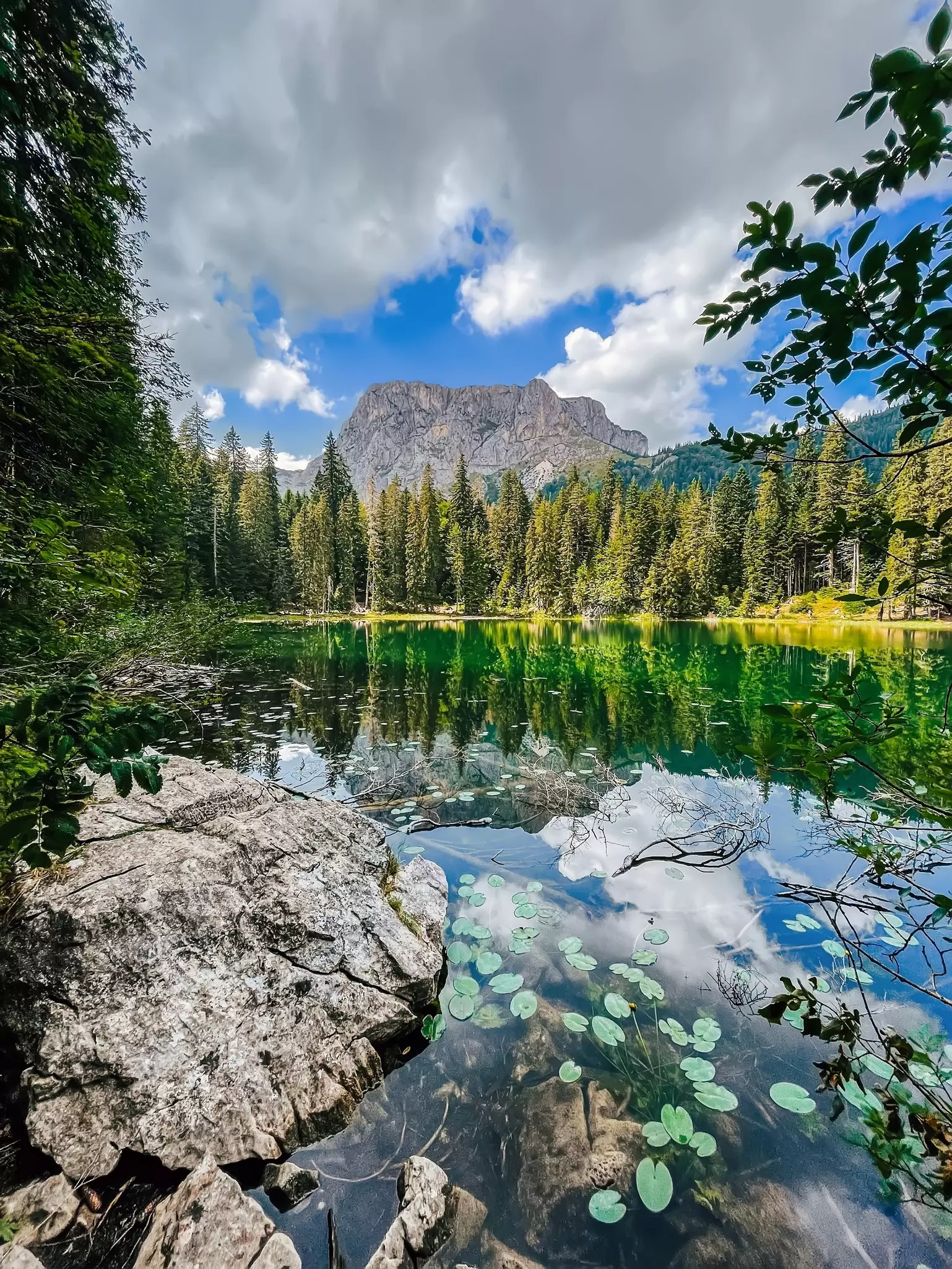
Montenegro's coastal crowds haven't reached Dubrovnik's level, but it's very popular during the summer high season. You'll want to book well in advance for beach resorts like Budva and Sveti Stefan – really, anywhere along the coast – as well as inland hot spots like Stari Bar, which isn't swarming with accommodations in the first place.
Eastern Orthodox Christianity and Islam exist side by side as the two dominant religions in Montenegro, with Muslims making up about 20% of the population. Fasting for Ramadan is observed, and while there's always food to be had, some restaurants may not serve during the day (though they may open for iftar to break the fast after sunset).
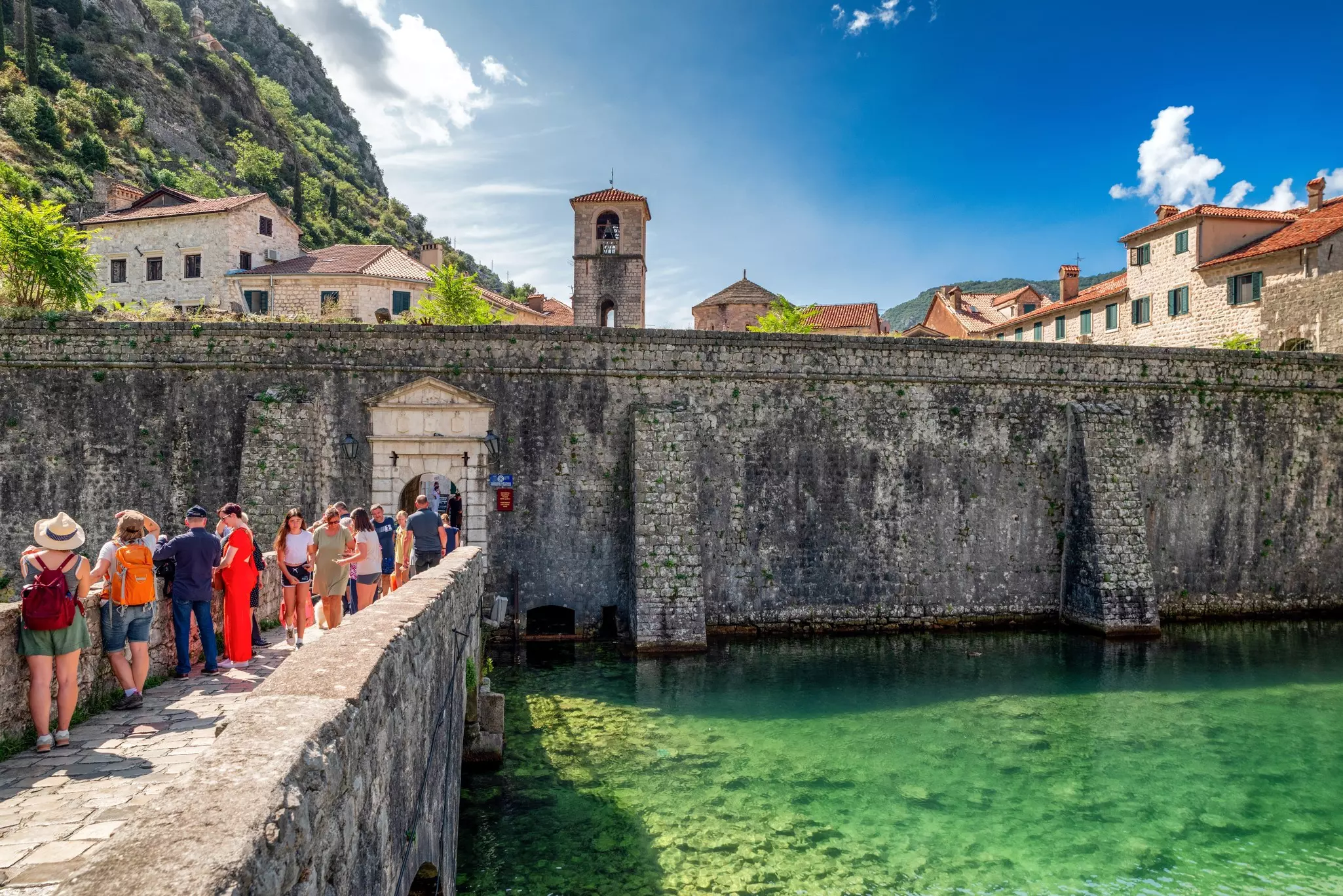
If you plan on visiting popular ports of call such as Kotor and Budva (and you absolutely should!), check ahead for the cruise ship schedules and, if possible, avoid the days they are in port. The increased foot traffic ruins the idyllic atmosphere of both cities.
You'll need a local SIM card to use your cell phone in Montenegro (or be prepared to pay hefty roaming fees to your home carrier). Luckily, Montenegro's mobile service providers, like Telekom and m:tel, offer prepaid 500GB–1TB plans for tourists with prices starting from €15.
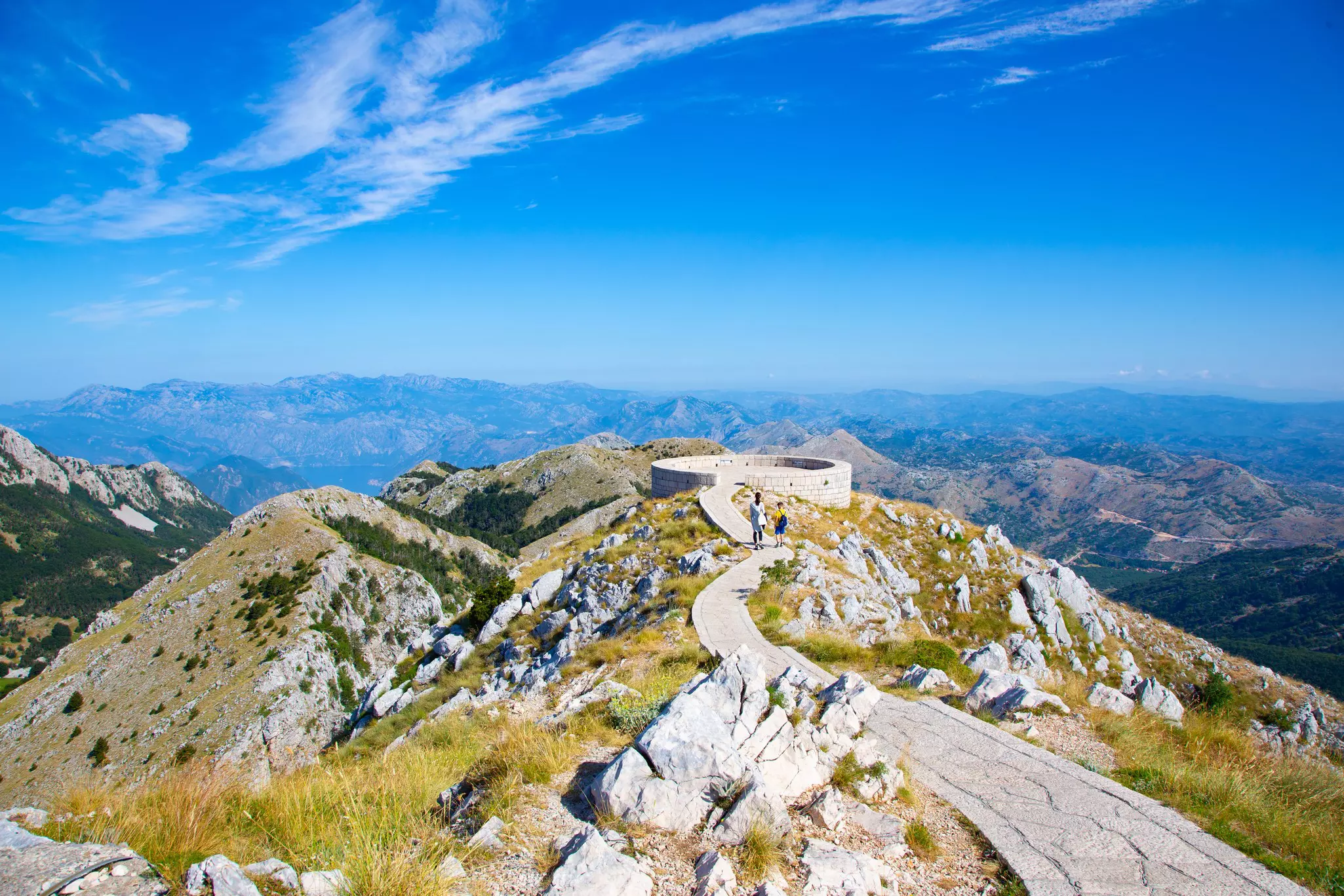
Montenegro's five stunning national parks (Skadar, Durmitor, Lovćen, Prokletije, Biogradska Gora) are already an extraordinary deal by European standards, with entry costing €3–5. If you plan to visit several, then the annual pass to all of Montenegro's national parks is a very reasonable €13.50.
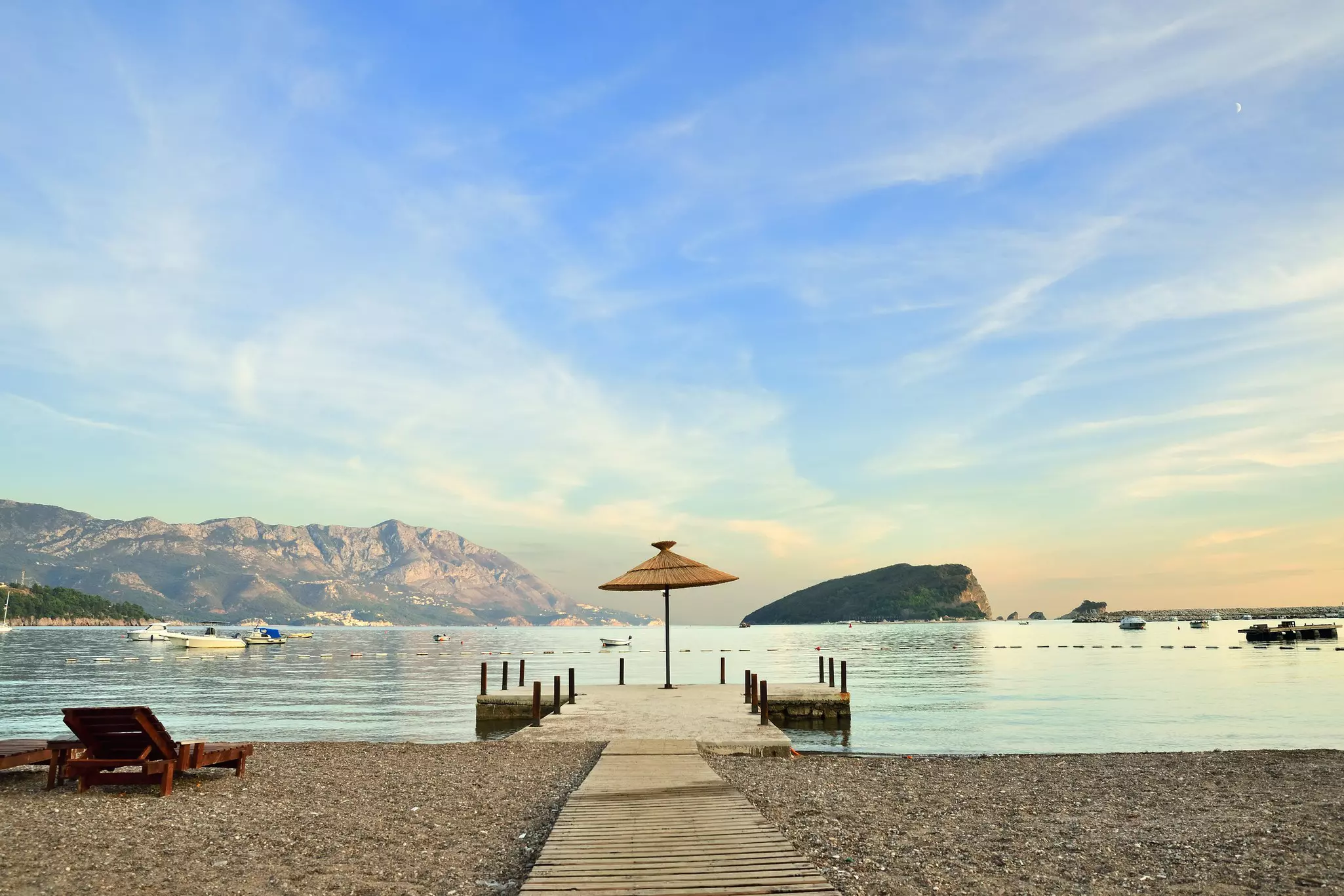
Much of the Adriatic coast on the Balkan side boasts translucent waters but usually lacks sand, including a lot of Montenegro's slice of coastline. However, two of Europe's most sun-kissed stretches wash up in Montenegro. Velika Plaža, just southeast of Ulcinj, is one of Europe’s (and certainly Montenegro’s) longest beaches – an impressive 12km expanse of darkened sand unraveling toward the Albanian border. Better still is the 3km strip of sandy beach at Ada Bojana, which picks up just across the Bojana River from where Velika Plaža leaves off and continues to the Albanian border.
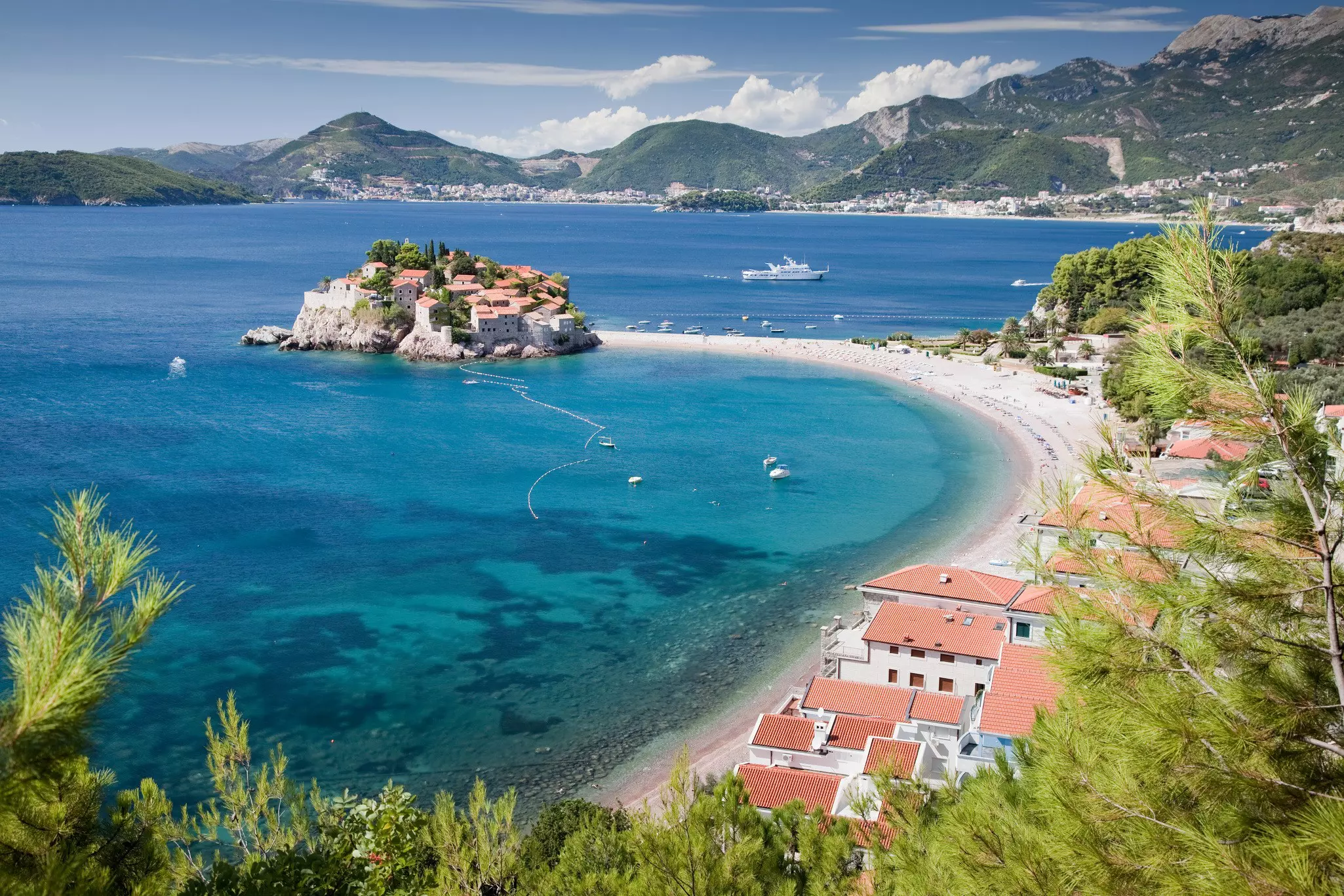
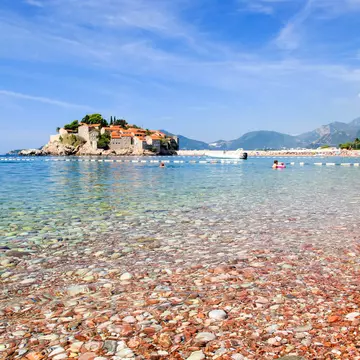
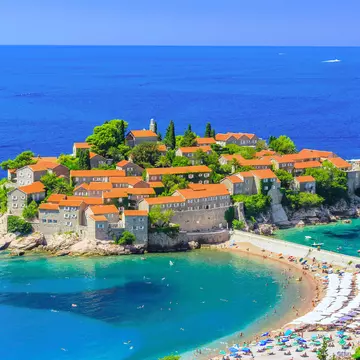
Sveti Stefan, a small island fortress connected to the mainland by a narrow causeway 9km south of Budva, is one of the world's most stunning sights. The gates are currently shut, pending an ongoing arbitration, to everyone but guests of the luxury resort located there, so wandering within its walls isn't an option. But it's such a beautiful sight, you'll want to photograph it from every imaginable angle along the highway above and the mainland beaches.
You don't need to learn Cyrillic for your first visit to Montenegro, though it certainly wouldn't hurt, but familiarization with the Montenegrin latinica alphabet will aid your understanding of road signs, menus and the like. While the official language of Montenegro is Montenegrin, that won't show up in Google Translate; using Croatian (Latin alphabet) or Serbian (Cyrillic alphabet) does the job, however. They are all mutually intelligible variants of Serbo-Croatian, the official language of the former Yugoslavia.
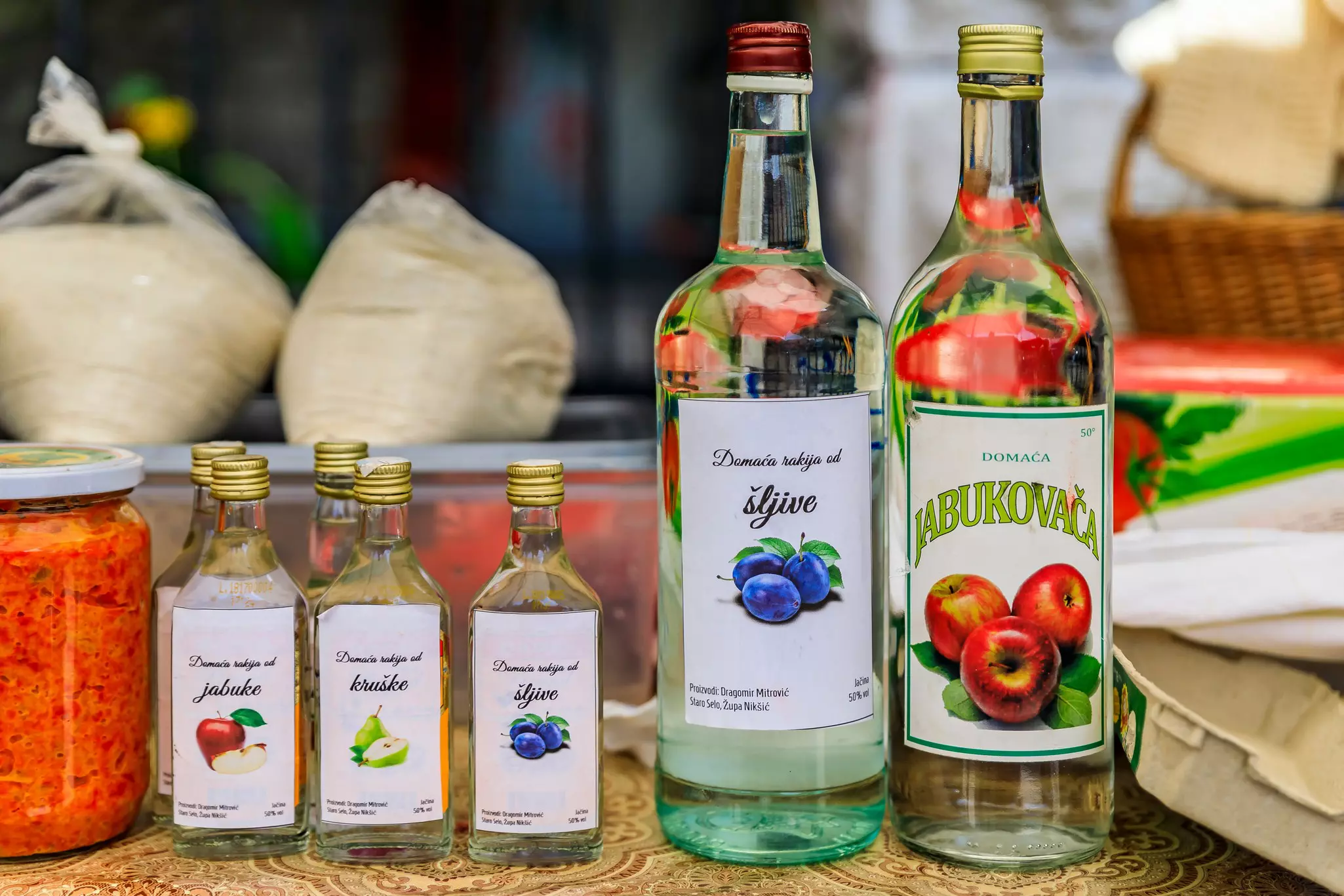
Avoid causing an international incident by helping yourself to another round of rakija (fruit brandy), the ubiquitous Balkan firewater, and let your host or a fellow drinker fill your glass. While you're at it, seek out Arambaša, a small-production aged rakija made from plums near Morača Monastery. Just don’t pour your own!
Respectful non-Muslims are generally welcome to visit mosques in Montenegro, but keep in mind some simple protocols. Clothing should be loose and cover the body (shorts, tank tops, short skirts and tight jeans are a no-no). Shoes must be removed, and phones must be off. While women aren't normally required to cover their heads, it's seen as a sign of respect if they do. Muslims cleanse themselves before entering, but non-Muslims aren’t expected to do so. Don’t distract anyone praying by wandering around or talking, and don’t enter if communal prayers are taking place.
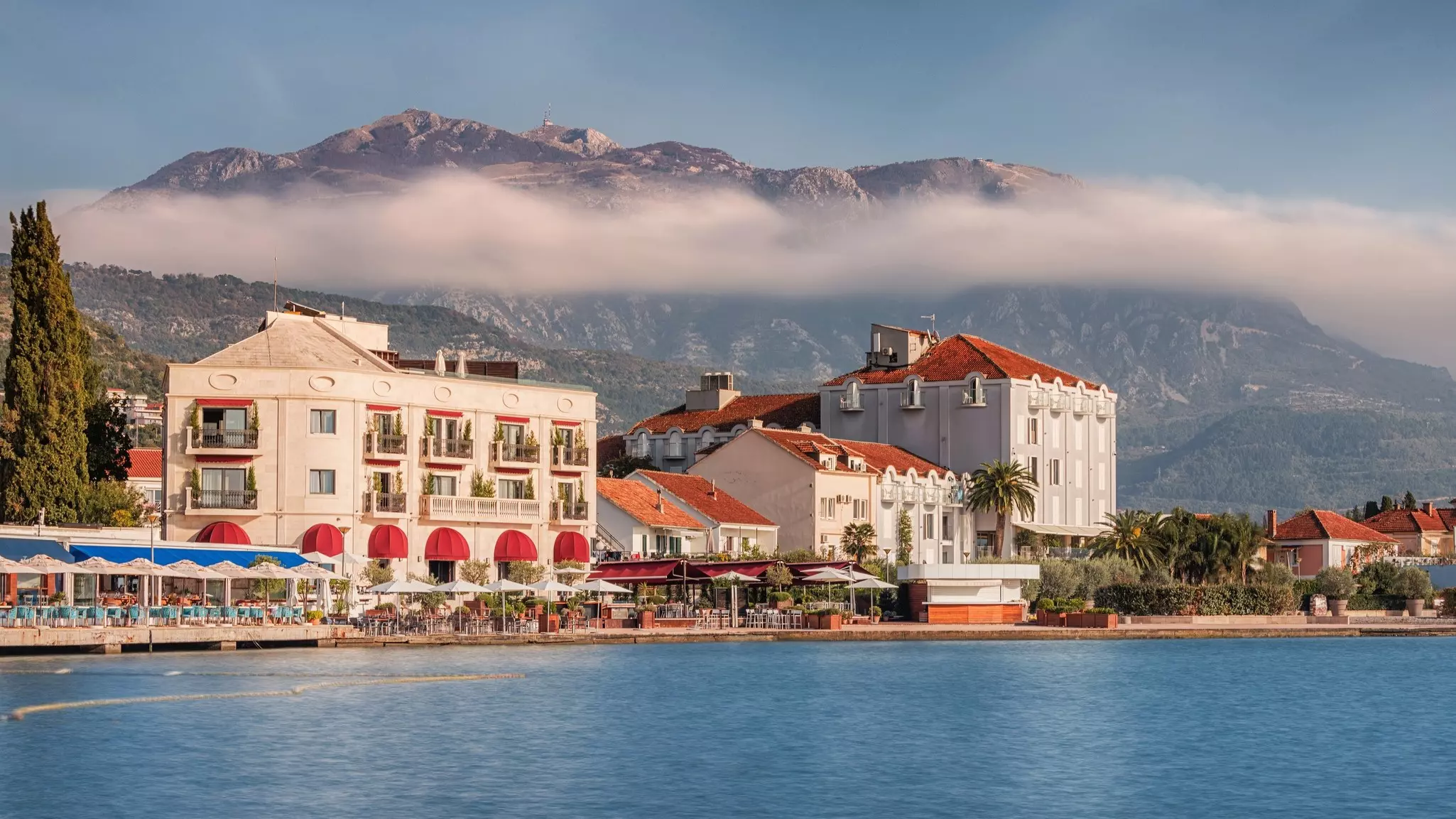
With the exception of casinos, Montenegro banned smoking in enclosed public spaces, including restaurants and cafes, in 2019, but a lot of establishments have not gotten on board. Some still allow it, while others don't, and smokers obviously know which is which. Far more places turn a blind eye (or downright encourage it with ashtrays) than don't. You are well within your rights to complain if you are bothered (or move along to another spot).
Much of Montenegrin cuisine is typical Balkan fare – you're never far from fantastic ćevapi (grilled minced sausages), börek (pastry pie stuffed with various fillings) or grilled fish with ubiquitous Dalmatian stew (Swiss chard and potatoes) – but regional specialties abound. Be on the lookout for Njeguši prosciutto (Njeguški pršut), similar to the beloved Italian variety, which goes well with Njeguški sir (a hard sheep cheese from the same food-forward town of Njeguški near Cetinje), and local vranac red wine (I'm partial to Plantaže Vranac Pro Corde).
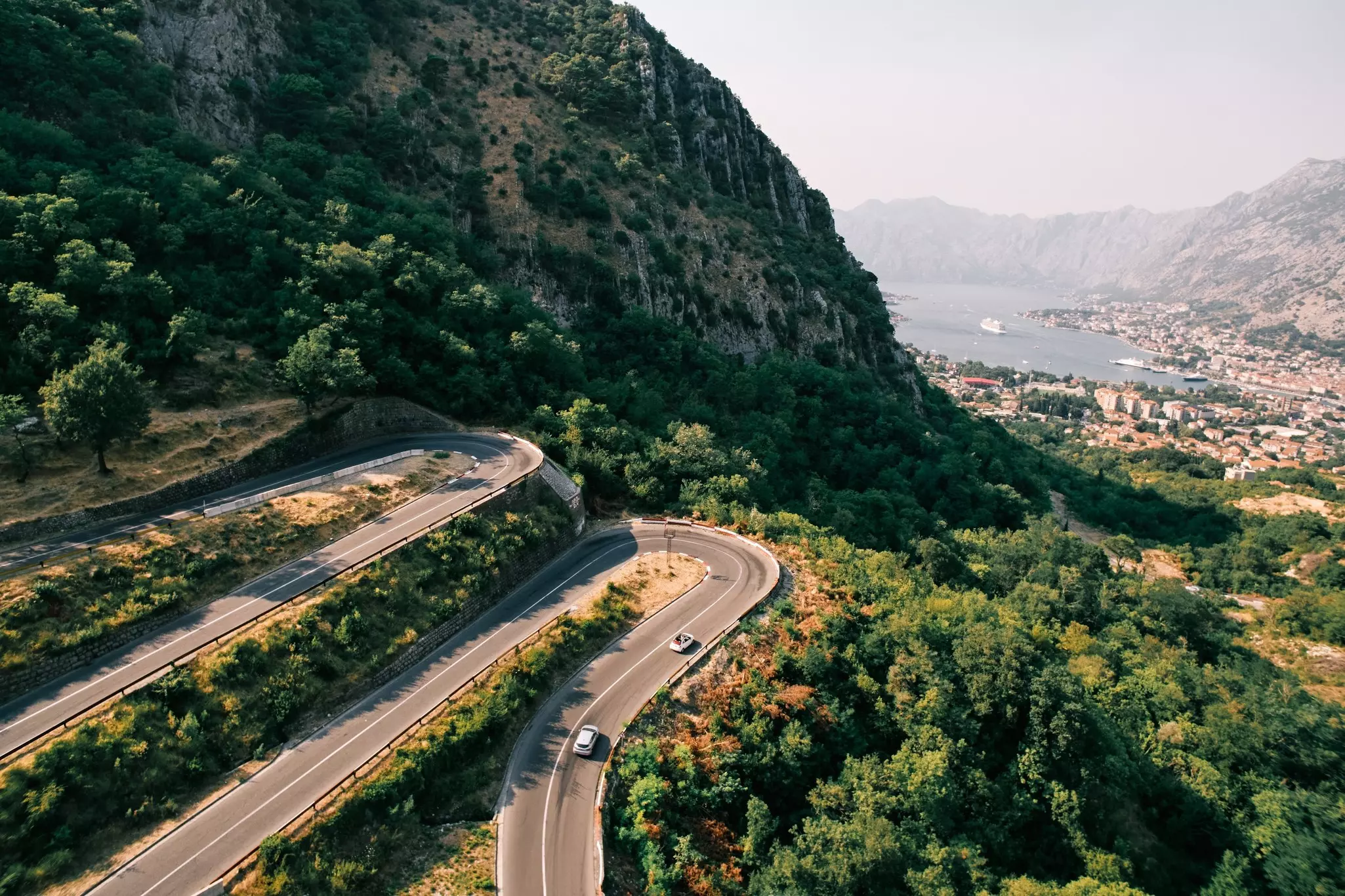
Driving in Montenegro can be heart-stopping at times (locals have a reputation for perilous overtaking), drive defensively and get to know the regulations. Snow tires are required on many roads from November 15 to April 1. Rental car companies will generally provide vehicles that meet the requirements, but do double-check. Fines roll in at €50–150 for noncompliance.
In bigger cities like Podgorica, Budva, Nikšić and Herceg Novi, meter machines are usually obvious and self-explanatory, but in smaller towns, how to pay for parking may not always be clear. In Žabljak (the gateway to Durmitor National Park), for example, locals pay by text, which may not be an option for visitors. The alternative is buying a pass from a nearby stand to place on your dashboard – but the location of the stand may not always be easy or obvious either. When in doubt, ask a local.
As you drive around Montenegro, you'll quickly notice that police set up shop along roads and highways all over the place. If your documents are in order and you're not speeding or breaking any traffic laws, you should be fine, but there have been stories about corruption, so it's best not to give them an opening. At the very least, it can be unnerving. For what it's worth, I passed about 20 checkpoints over a few weeks but was never stopped.
Kevin Raub is the coauthor of the current edition of Lonely Planet's guide to Montenegro, published in March 2026.
Explore related stories