Mar 20, 20268 min read
A Guide to Istanbul's Grand BazaarDec 19, 2025
12 MIN READ

Writer
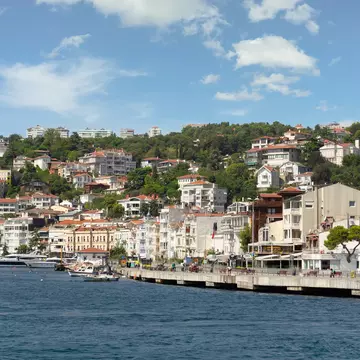
Arnavutköy neighborhood in İstanbul, Türkiye. Halit Sadik/Shutterstock

Writer
Highlights
Writer Jennifer Hattam covers 16 İstanbul highlights from Byzantine ruins to street life.
History buffs should begin at Topkapı Palace's harem and Hagia Sophia's glittering gold mosaics.
The Grand Bazaar's labyrinthine lanes and seductively scented Spice Bazaar reward aimless wandering.
Descend into the Basilica Cistern's atmospheric columns, then admire the Blue Mosque's İznik tiles.
Lonely Planet may earn a commission from affiliate links on our site. All recommendations and reviews reflect our own independent opinions.
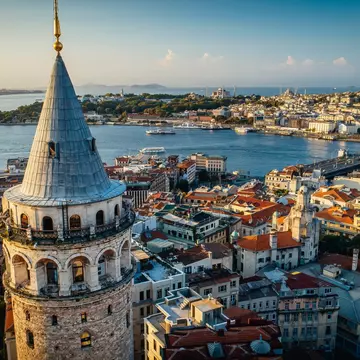
İstanbul has so many layers, you can spend a lifetime exploring it. It’s been an entrepôt for over 1700 years, has served as a capital of two empires and remains one of the most vibrant modern cities in the world.
Whether you want to dig deep into Ottoman history, Turkish cuisine, contemporary culture or Byzantine architecture – or simply wander for hours, taking in the pulsing street life or gaze out at the glistening waters of the Bosphorus – this is a city with something to offer almost every kind of traveler.
To experience the city’s different stories and faces, consider our range of picks for the top things to do in İstanbul.
Looking for help planning your trip? Lonely Planet Journeys pairs you with a local expert who plans every detail - you just book the flights. Get started by messaging us here.
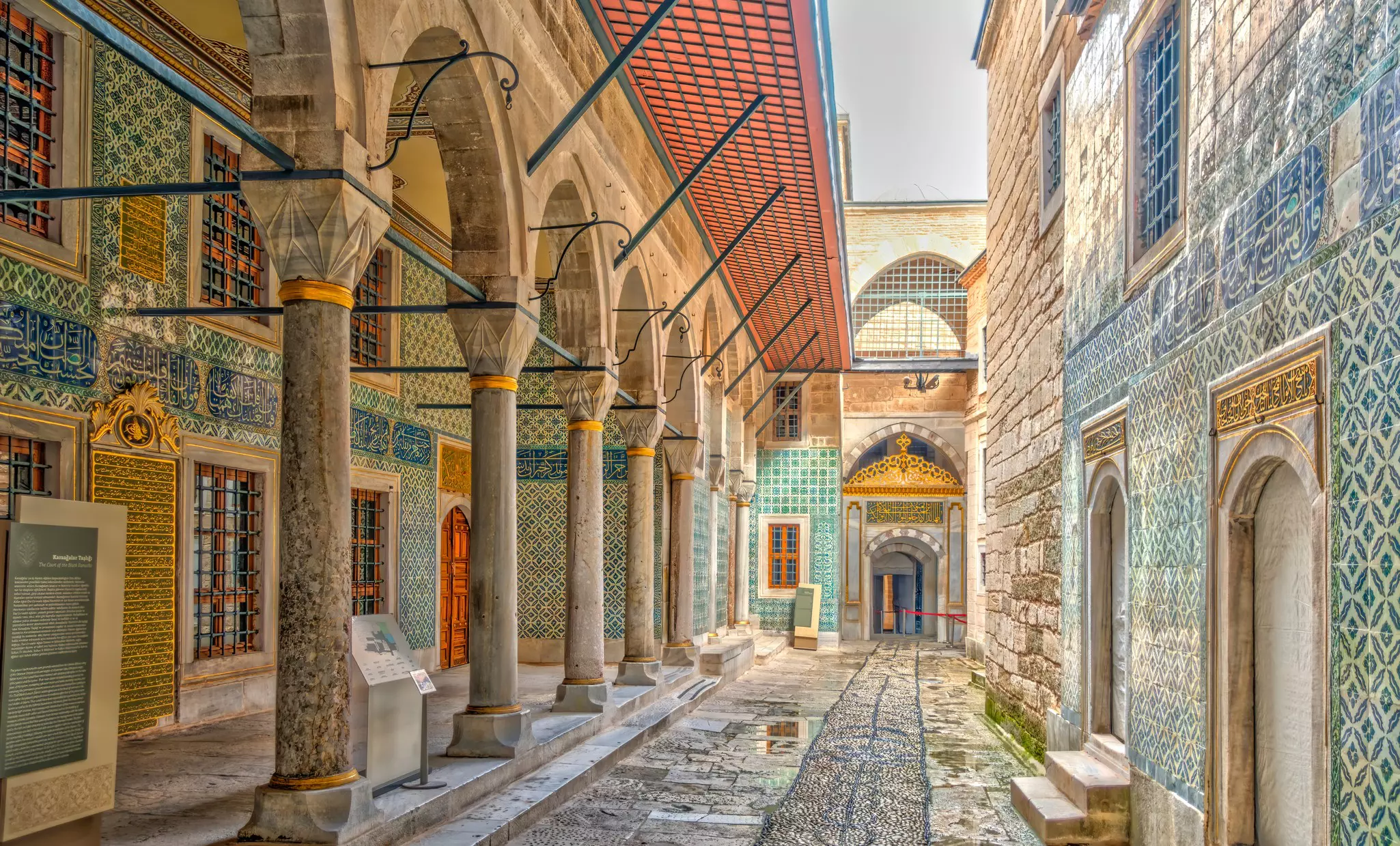
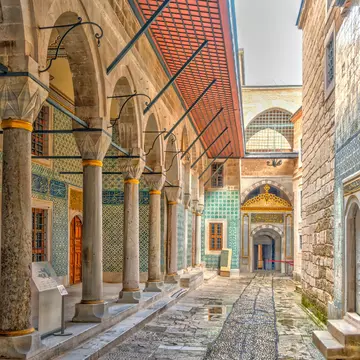
You might learn a few secrets of the seraglio (harem) during your visit to the opulent, Ottoman-era Topkapı Palace complex, which occupies the promontory of İstanbul’s Old City. A series of powerful, infamous and sometimes short-lived sultans resided here with their concubines and courtiers between 1465 and 1830 – and extravagant relics of their centuries of conquest, intrigue, excess, patronage, diplomacy, war and folly are everywhere you look. Highlights include the huge Harem, impressive Imperial Council Chamber, object-laden Imperial Treasury and picturesque Marble Terrace.
Once part of the palace grounds, adjacent Gülhane Park is today a beautiful public park, lined with towering plane trees where a colony of gray herons makes their nests. The Alay Köşkü (Parade Kiosk), near the park’s southern entrance and overlooking the street outside, was where the sultan reviewed processions of his troops.
Planning tip: With four courtyards and multiple museums, Topkapı takes time to see fully. Arrive early and plan on half a day so you don’t feel like you’re speed-sightseeing your way through.
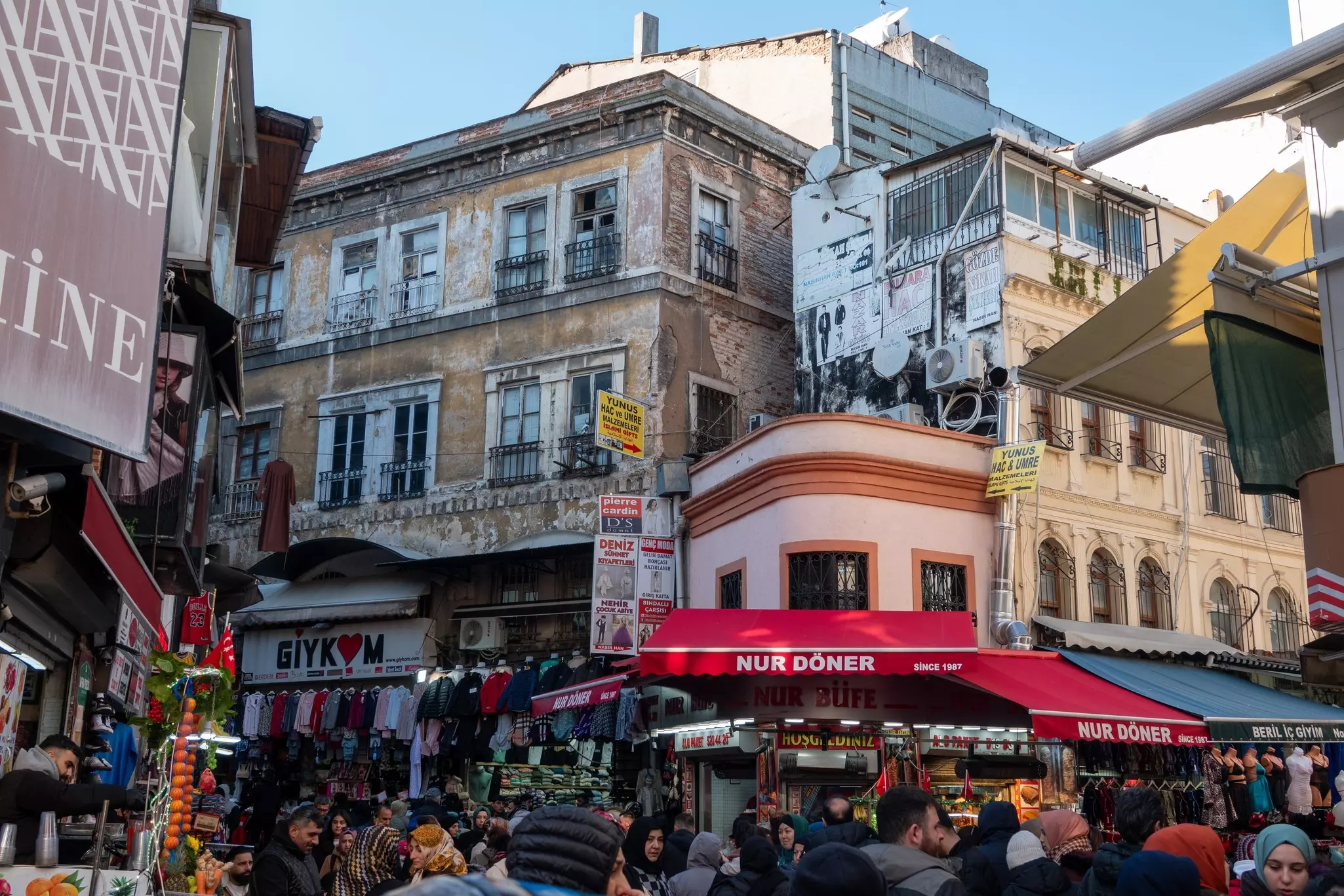
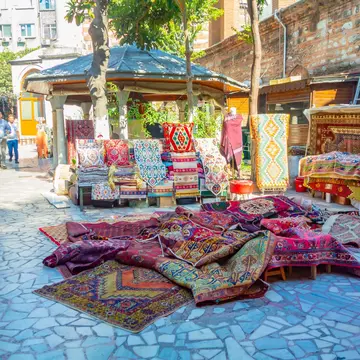
The chaotic and colorful Grand Bazaar is the best-known shopping destination on İstanbul’s historic peninsula – but it certainly isn’t the only one. After exploring the Bazaar’s labyrinthine lanes and hidden caravansaries, follow the steady stream of local shoppers heading downhill into the busy shopping precinct of Tahtakale, whose hub is the seductively scented Spice Bazaar. From there, head back up toward the Blue Mosque and its adjacent arasta (an arcade-style Ottoman bazaar that typically features practitioners of a single trade), where you may well find a lasting memento of your trip.
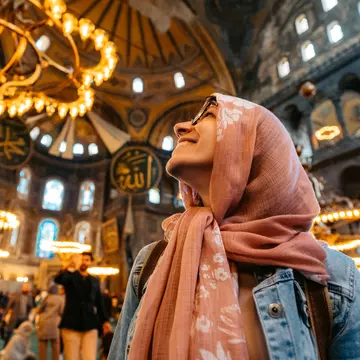
History resonates when you visit the majestic Byzantine basilica of Hagia Sophia. Built by order of Emperor Justinian in the 6th century, it has a soaring dome, huge nave and glittering gold mosaics that contribute to its reputation as one of the world’s most beautiful buildings. What’s more, its fascinating history as church, mosque and museum make it the city’s most revealing time capsule. Looted by marauding Crusaders in the 13th century, stormed by Ottoman invaders during the Conquest in 1453 and visited by millions of tourists after being converted into a museum in 1935, it is one of Türkiye’s – and the world’s – greatest treasures.
Since its reconsecration as the Ayasofya Mosque in summer 2020 and the subsequent reopening of its upper gallery in January 2024, Hagia Sophia has been effectively split in two. The ground-floor narthex and nave are devoted to worshippers marking the five daily Islamic prayers, with most of the building’s ancient marble floor covered by carpets and some of its mosaics shielded by retractable screens. Non-Muslim visitors may now only enter and tour the upper gallery, which overlooks the worship area and holds the majority of the building’s Christian mosaics as well as an ancient bronze door and some Viking-era graffiti. Despite these recent changes and limitations for non-Muslim visitors, the Hagia Sophia’s historic grandeur remains breathtaking.
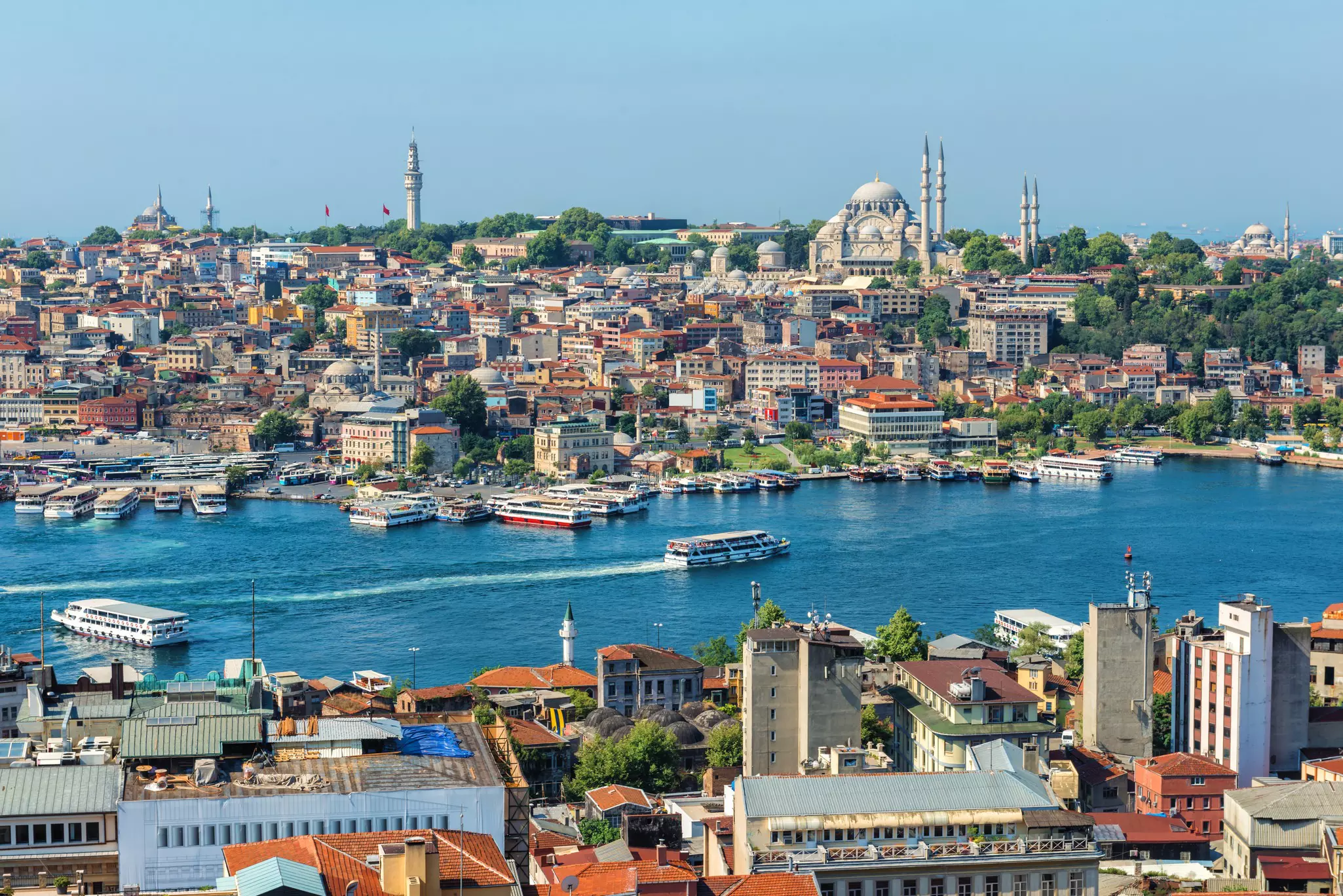
Climbing aboard one of the city’s famous flotilla of ferries is the quintessential İstanbul experience. While the short trip between Asia and Europe on a commuter ferry is hard to beat, the Bosphorus tourist ferries that travel the great strait from Eminönü toward the mouth of the Black Sea are even better, offering passengers views of palaces, parks and ornate timber mansions on both the Asian and European shores. No matter how long your cruise, you’ll remember the views for years.
To really get away from it all, hop a ferry from the Kabataş or Kadıköy piers to the Princes’ Islands, a favorite urban escape for centuries of İstanbulites.
Planning tip: Avoid going to the Princes’ Islands or taking the Bosphorus cruise on summer weekends or holidays, when ferries can get uncomfortably packed.
Weighing in at nearly 4536kg, the crystal chandelier hanging over the Ceremonial Hall of Dolmabahçe Palace exemplifies the opulence of this royal residence, which was commissioned in the mid-19th century by Sultan Abdül Mecit I. It’s a glorious mishmash of styles and materials, with gilded ceilings, marble floors, crystal banisters and bearskin rugs. The Bosphorus views are just as dazzling as the decor.

Stay connected abroad with an eSIM
Holafly eSIM provides unlimited mobile data with no hidden fees, giving you peace of mind wherever you travel. Stay connected even after your plan ends with Always On. Use code LONELYPLANET for an exclusive discount.
Lonely Planet may earn a commission from affiliate links on our site. All recommendations and reviews reflect our own independent opinions.
Detour: The Palace Collections Museum, which has a separate entrance about 10 minutes away on foot, offers a glimpse into the lives of the royal court through its displays of ceremonial and everyday objects once used in İstanbul’s palaces.
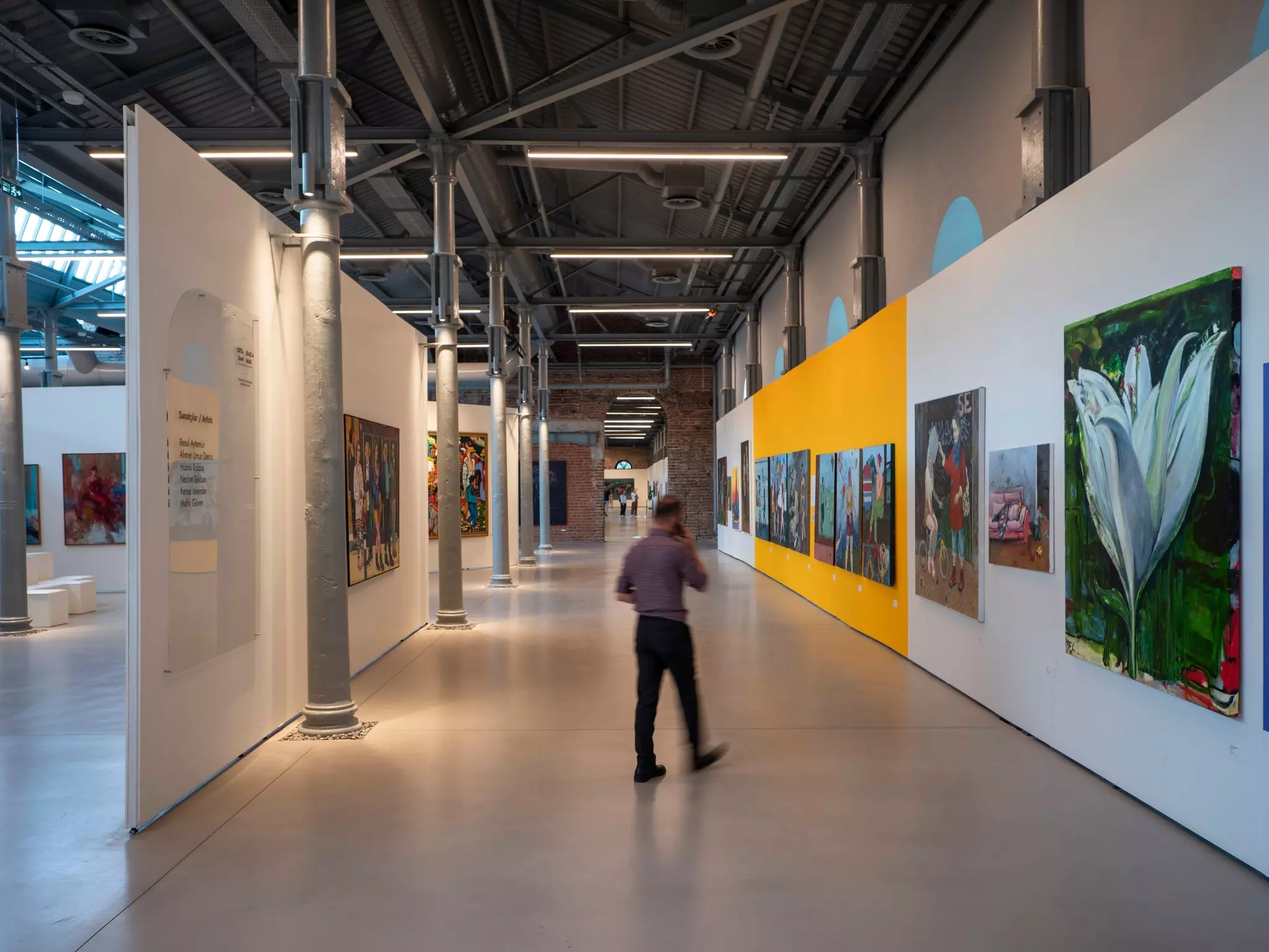
Anchored by high-profile cultural institutions like İstanbul Modern, the Pera Museum, SALT Beyoğlu and Yapı Kredi Kültür Sanat, the Beyoğlu district has long been a hub for art lovers. Galleries and museums are scattered on and around İstiklal Caddesi and increasingly in the adjacent Karaköy, Tophane and Dolapdere neighborhoods as well.
Well-established commercial galleries in stately apartment buildings also cluster among the chic boutiques of the Nişantaşı neighborhood, while hip Kadıköy has an up-and-coming independent art scene of its own. In the Eyüp district, the Artİstanbul Feshane cultural center – opened in summer 2023 by the İstanbul Municipality in a former fez factory – hosts large-scale exhibitions on the banks of the Golden Horn.
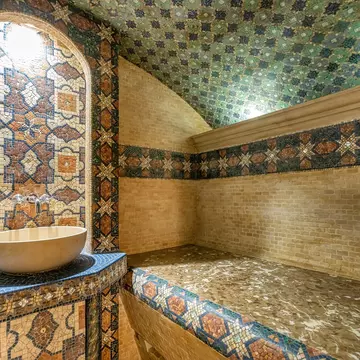
In life, there aren’t too many opportunities to wander semi-naked through a 16th-century Ottoman monument. Yet İstanbul’s world-famous hamams offer just that: the chance to immerse yourself in history, architecture, warm water and soap suds all at the same time.
A hamam treatment makes for a relaxing finale to a day spent pounding the city’s pavements and gives a fascinating glimpse into the life and customs of Ottoman society. You can surrender to the steam at baths on both sides of the Galata Bridge: the Kılıç Ali Paşa Hamamı in Tophane, the Zeyrek Çinili Hamam in Fatih and the Ayasofya Hürrem Sultan Hamamı in Sultanahmet are all particularly stunning and luxurious.
Detour: Don’t miss the museum at the Zeyrek Çinili Hamam, which offers deeper insights into Ottoman bathing culture along with a collection of ornate bathing accessories and some of the building’s original turquoise tiles.
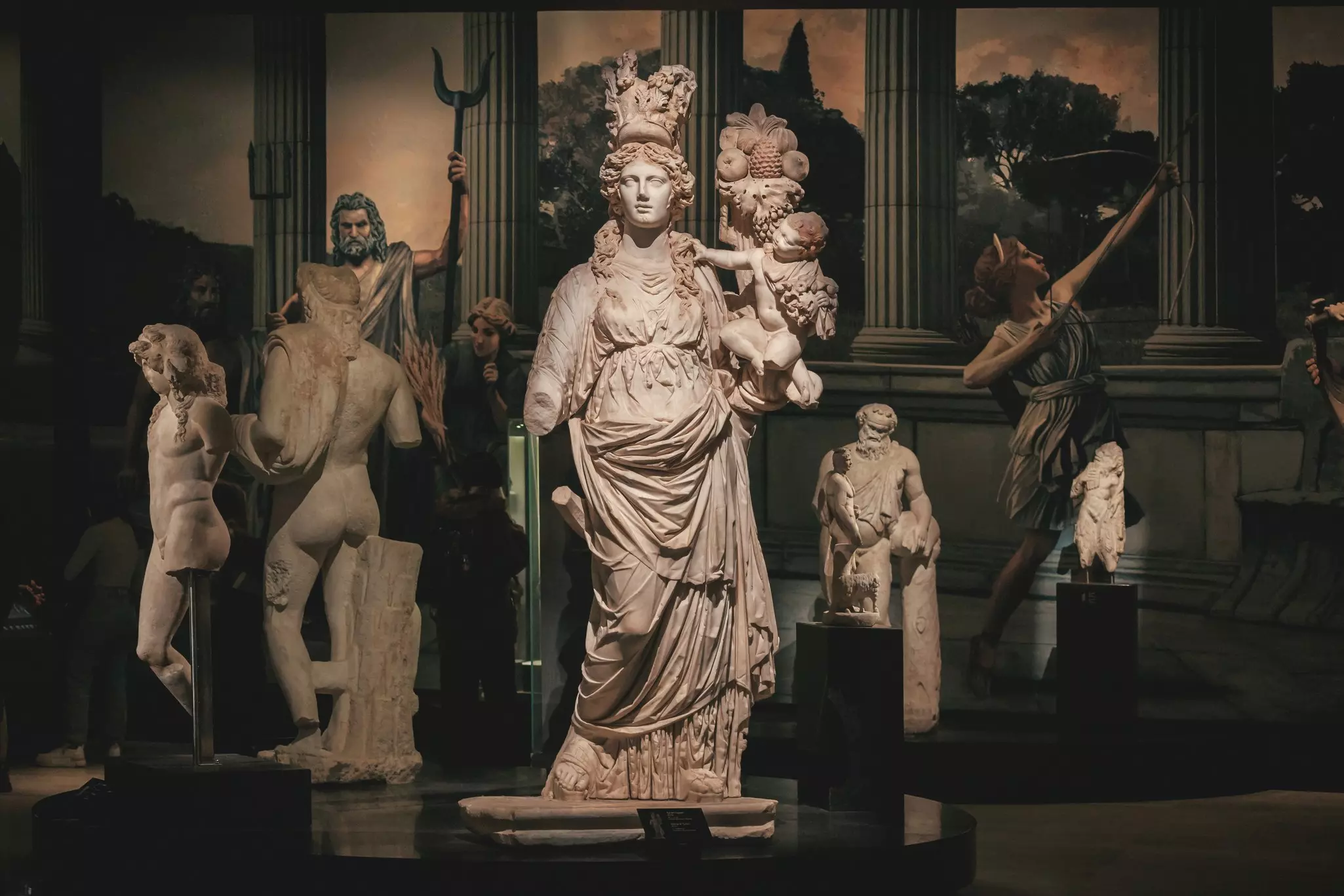
No longer a dusty warren of overlooked rooms, the İstanbul Archaeological Museums have been renovated and rearranged to better highlight their extraordinary collection of artifacts. The main neoclassical Archaeology Museum building holds a stunning array of marble statuary and sarcophagi dating to the classical era and excavated at ancient cities all around Türkiye, while the gorgeous Tiled Pavilion features richly decorated Anatolian, Ottoman and Seljuk ceramics. The final part of the complex, the Museum of the Ancient Orient, is still undergoing restoration.
Planning tip: The cafe in the museum’s garden area is a pleasant place to take a break amid remnants of ancient columns.
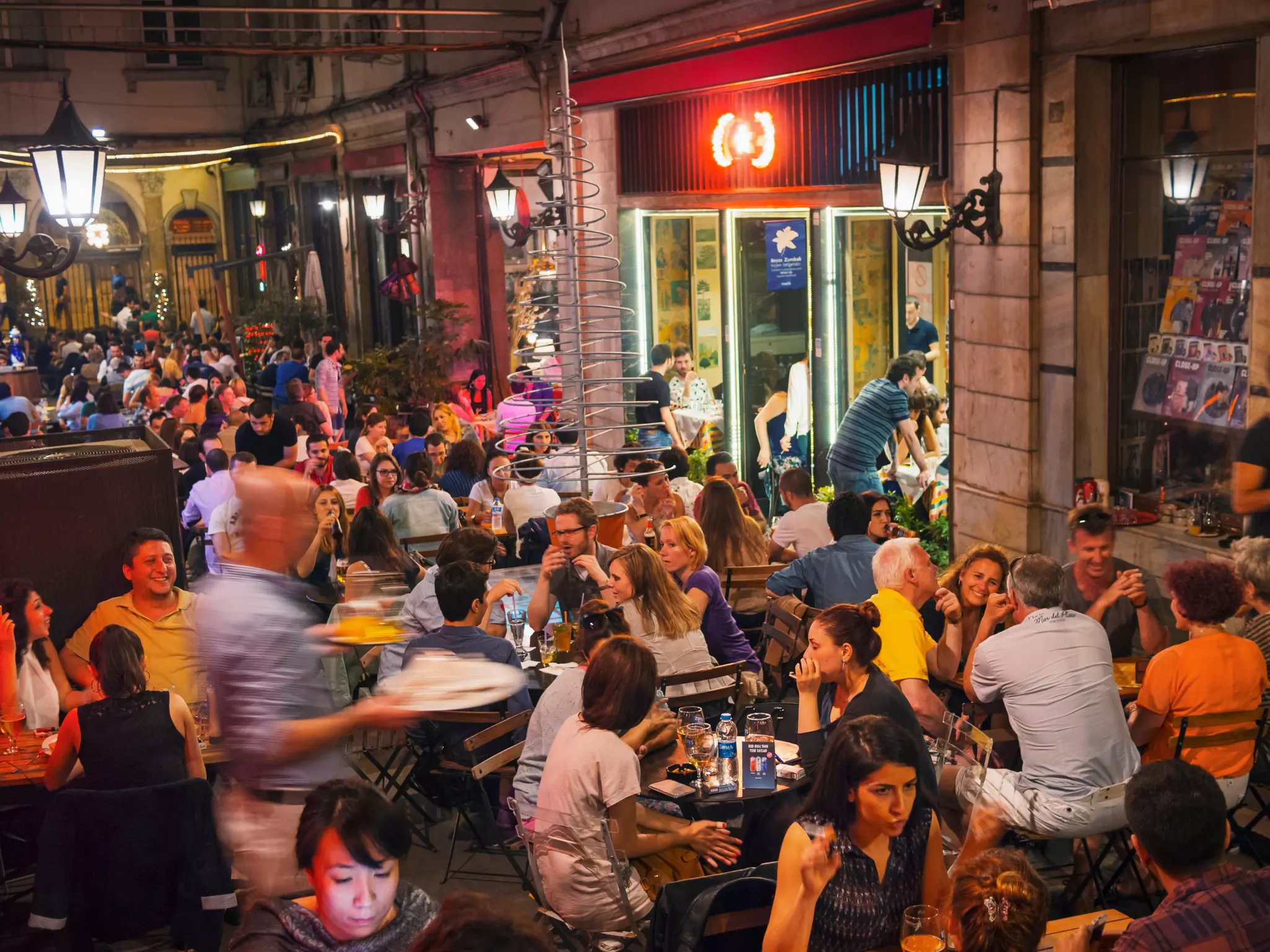
Though authorities have cracked down on İstanbul’s nightlife scene (or tried to) in recent years, you can’t keep a good party town down. For a traditional night out, head to one of the Beyoğlu district’s meyhanes, tavern-like restaurants serving meze and fish, where sing-alongs of classic songs flow as freely as rounds of rakı, an anise-flavored liquor.
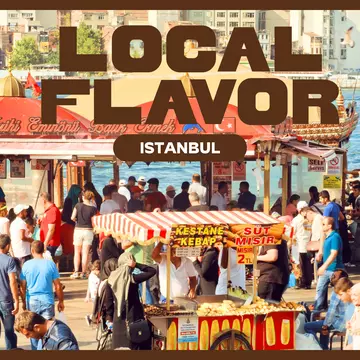
Lively crowds of young beer drinkers fill the pubs of the Beşiktaş Çarşı and central Kadıköy, while a swankier set sips cocktails near the Bosphorus in the bars and cafes of Bebek, Arnavutköy and Yeniköy. For the full İstanbul experience, top off the evening by joining your fellow revelers in lining up for some late-night street food.
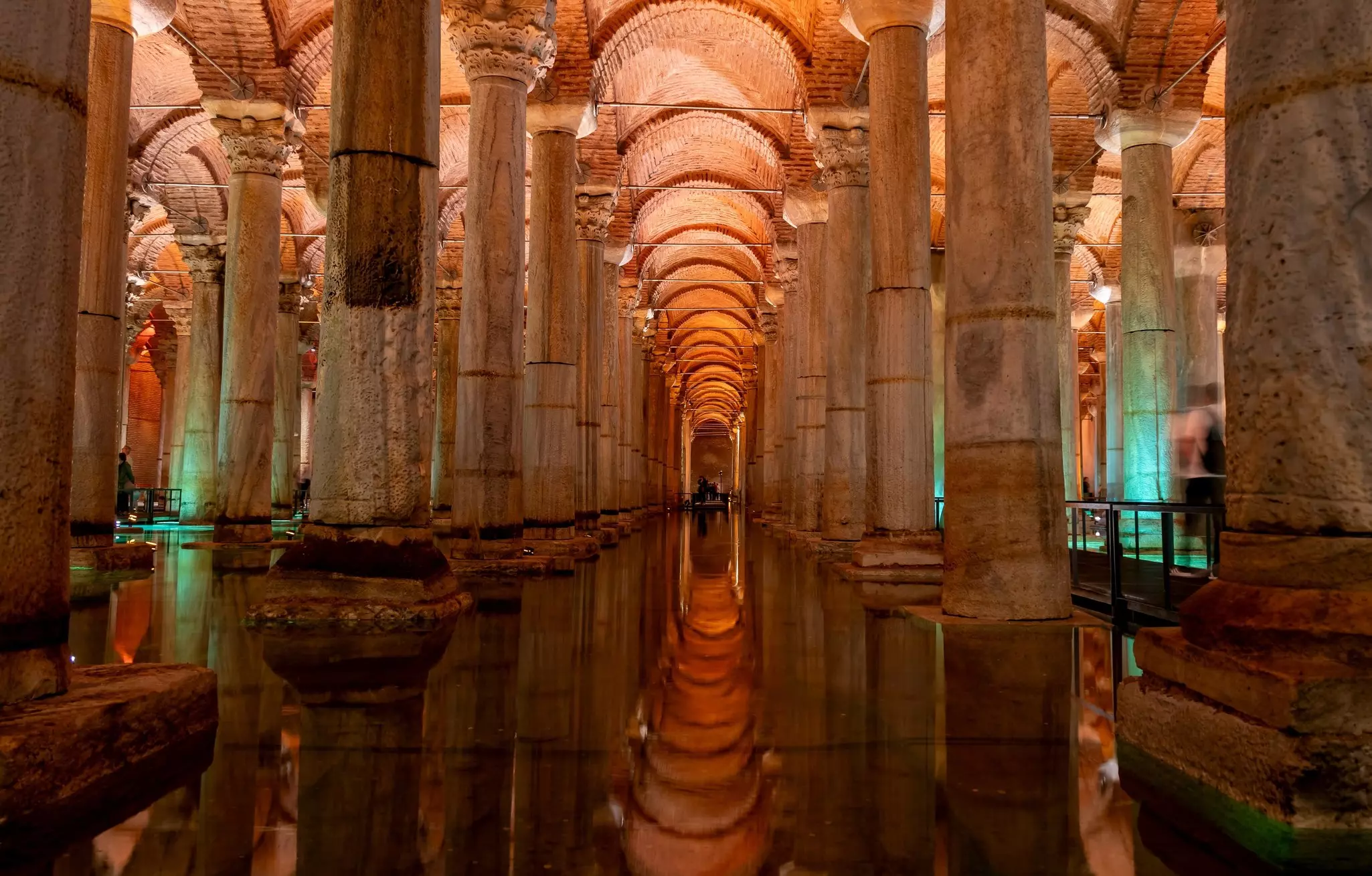
When the Byzantine emperors decided to build something, they certainly didn’t cut corners. Located opposite Hagia Sophia, the extraordinary subterranean Basilica Cistern features a wildly atmospheric forest of columns (336 to be exact), vaulted brick ceilings, carved Medusa-head capitals and ghostly patrols of carp. A testament to the ambitious town planning and engineering expertise of the Byzantines, the cistern has played a starring role in innumerable motion pictures (remember From Russia with Love?) and is now one of the city’s best-loved tourist attractions.
Planning tip: Purchase your entry tickets to the cistern online ahead of time to go to the head of the often-lengthy line to get in.
The Asian-side neighborhood of Kadıköy has become a destination in itself, with cafes, bars, restaurants and boutiques frequented by a lively young crowd (and easily accessible from the European side via one of those delightful ferries). Peruse the colorful produce market, hunt for street-art murals in the backstreets, visit the museum-home of Turkish rock giant Barış Manço or stroll the waterfront with an ice cream from Meshur Dondurmacı Ali Usta in hand. The sunset views from the shoreline parks here are among the most spectacular in the city.
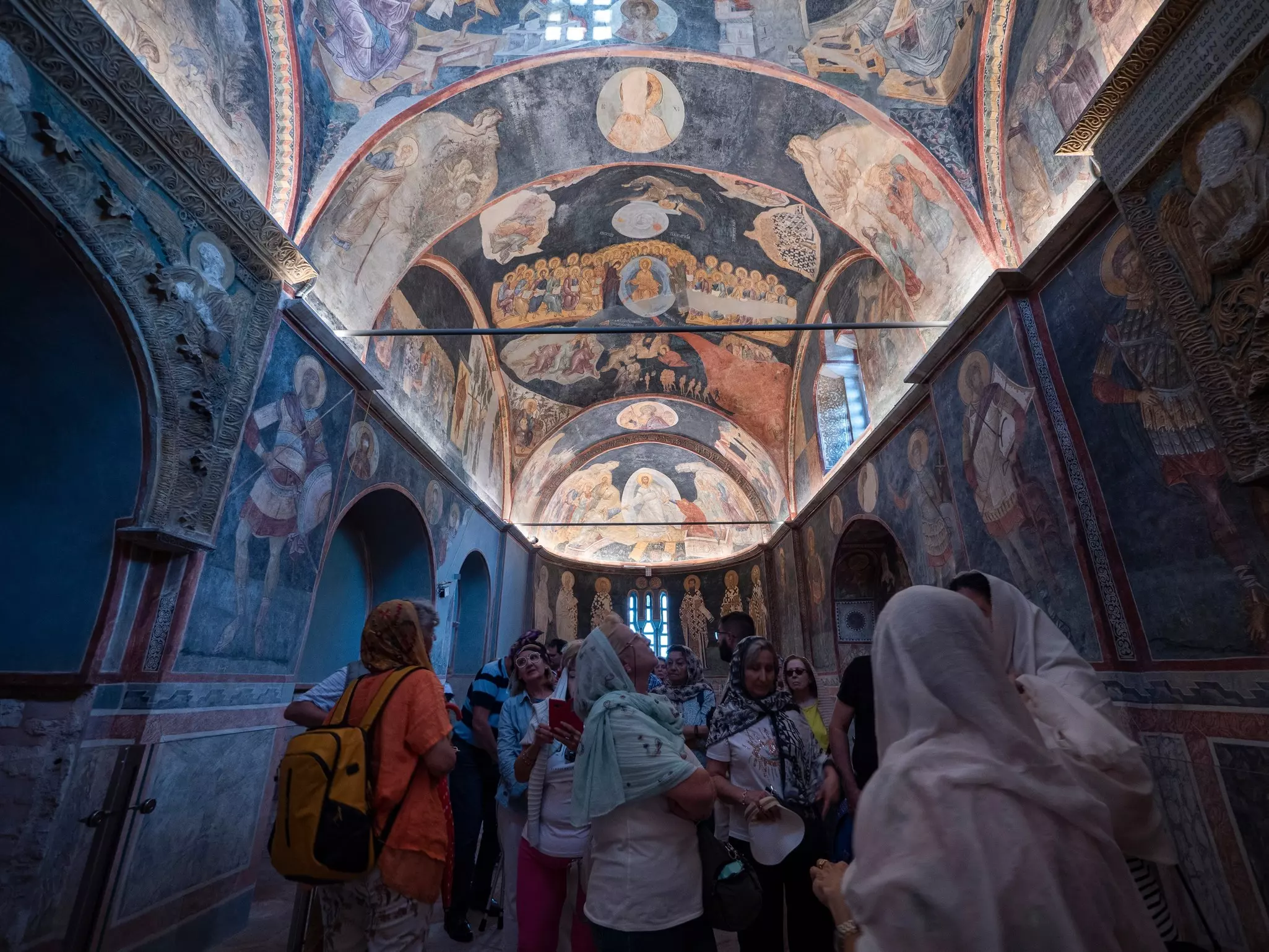
This gem of a Byzantine-era church near the city walls is best known for the stunning 14th-century mosaics and frescoes that lavishly decorate its small interior. Like the Hagia Sophia, the building was ordered to be reconverted into a mosque in 2020, but reopened as the Kariye Museum in May 2024 with its Christian art carefully restored. Outside of its small Muslim prayer hall, it’s now fully accessible to all visitors.
Detour: Have a short stroll along the adjacent (and impressive) 5th-century city walls to the 13th-century Byzantine Palace of the Porphyrogenitus, now open to the public as the Tekfur Sarayı museum.
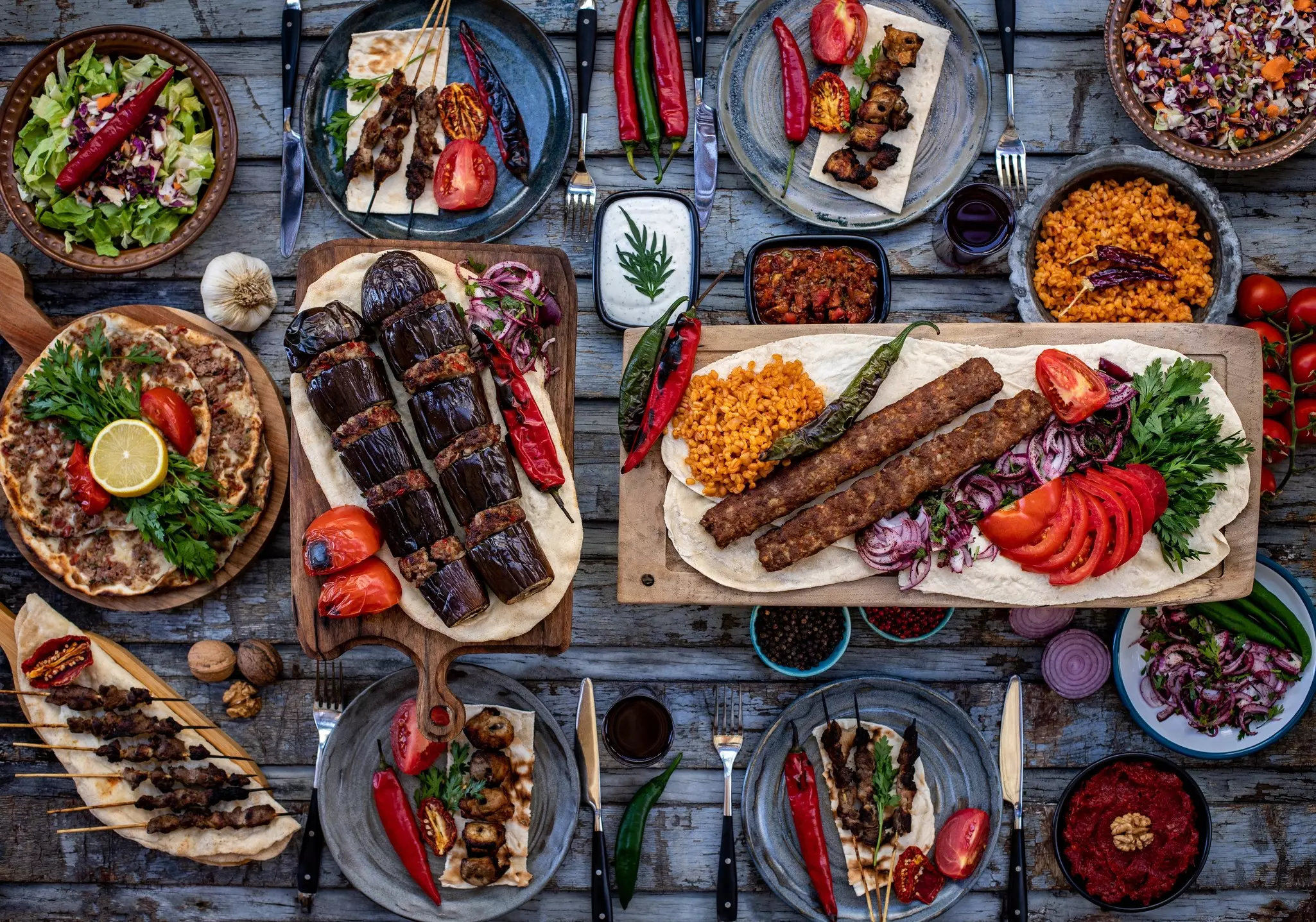
More than anything else, İstanbulites love to eat. Food here is much more than mere fuel: instead, it’s a celebration of community. Meals unfurl with great ceremony – yet they are joyful, boisterous and almost inevitably communal.
The national cuisine has been refined over centuries and is treated more reverently than any museum collection in the country. That’s not to say it’s fussy – because what differentiates Turkish food from that of other places is its rustic and honest base. The small meze dishes you’ll eat will be simple, the kebaps austere, the salads unstructured and the seafood unsauced. Flavors will explode in your mouth because ingredients are used in season.
Don’t miss lingering over a full serpme kahvaltı – a breakfast spread consisting of a tableful of savory and sweet bites – or a meze dinner, both meals that invite sharing and conviviality.
Commissioned by the Ottoman sultan Süleyman I, known as “the Magnificent,” the 16th-century Süleymaniye Mosque has a fittingly grand perch atop one of the Old City’s seven hills. The view from here is one of the finest in İstanbul, looking out over domes and rooftops to the confluence of the Bosphorus and Golden Horn waterways and beyond.
With its elegant symmetry and soaring interior, the mosque itself is considered among the masterpieces of the great architect Mimar Sinan. The complex around it invites contemplation and serenity, with tall trees, a grassy lawn and a rose-studded cemetery. The complex’s Row Shops, a few dozen tradesmen’s workshops opening out onto the street below the mosque, were converted in early 2024 into small showcases for local artists and craftspeople.
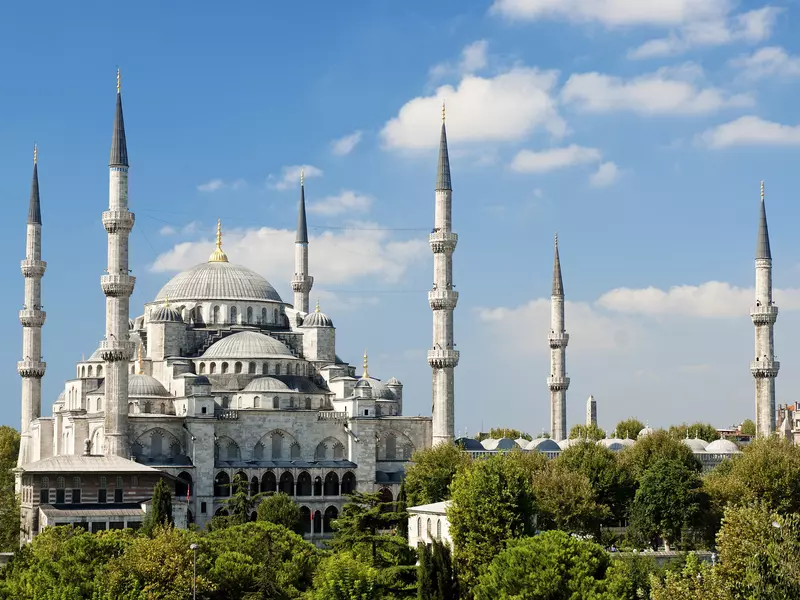
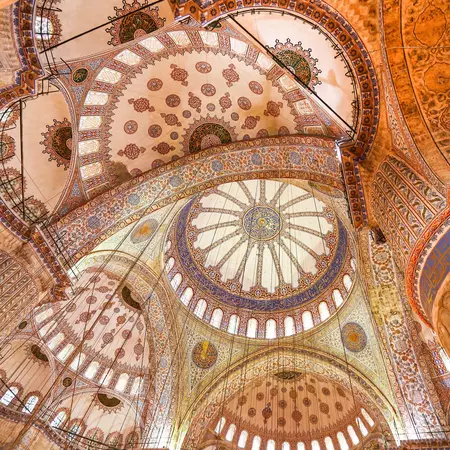
Officially named the Sultan Ahmed Mosque, after the early 17th-century Ottoman ruler Ahmed I, the Blue Mosque gets its better-known moniker from the color of the tens of thousands of İznik tiles that adorn its interior. With its enormous courtyard, grand prayer hall and six minarets (an unprecedented number for a mosque when it was constructed), this is a building made to impress – and to rival the Hagia Sophia, which sits directly opposite across a landscaped square.
Detour: Hidden away in the backstreets of Tahtakale near the Spice Bazaar, the tiny Rüstem Paşa Mosque has perhaps even more exquisite tile work and is typically a lot more peaceful.
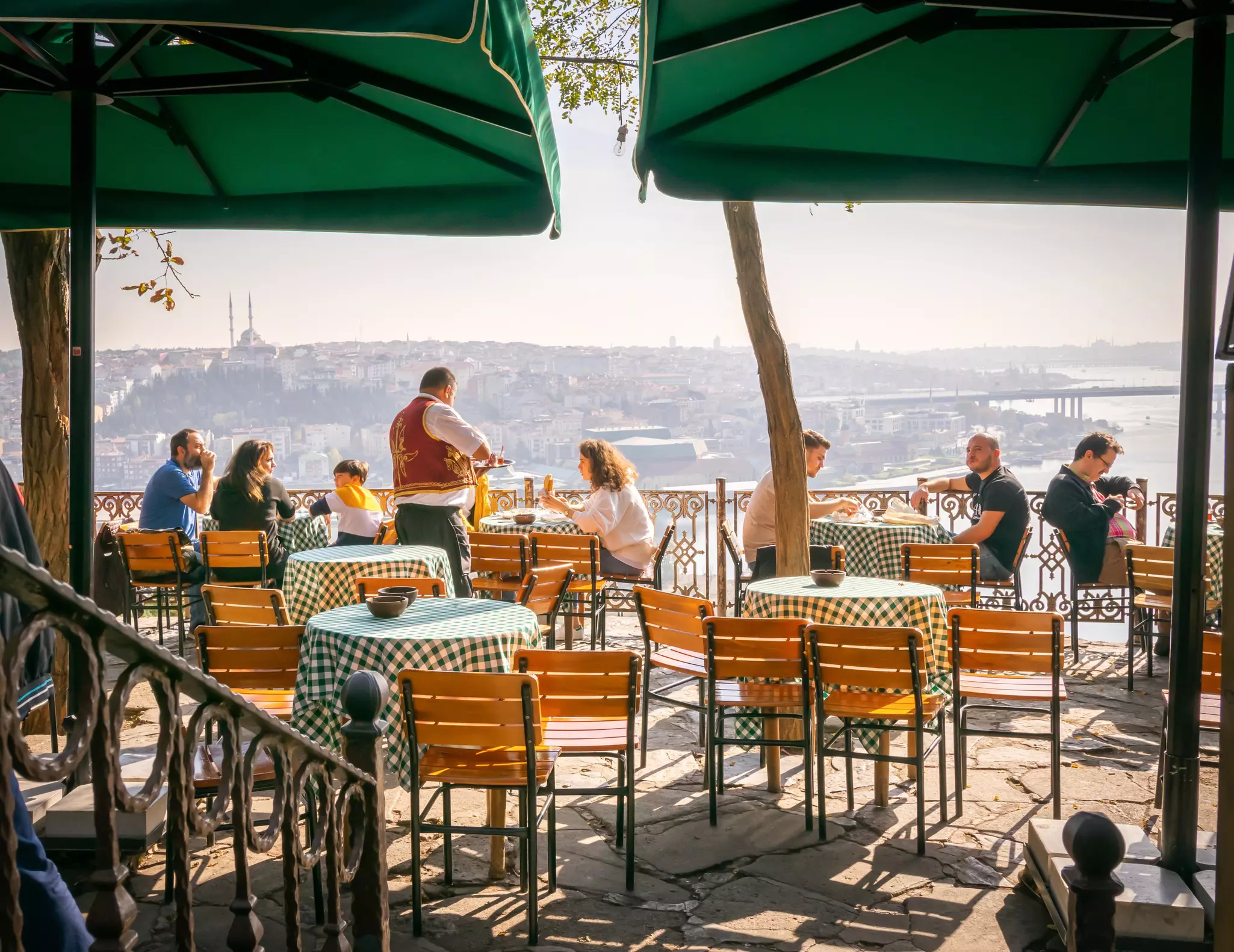
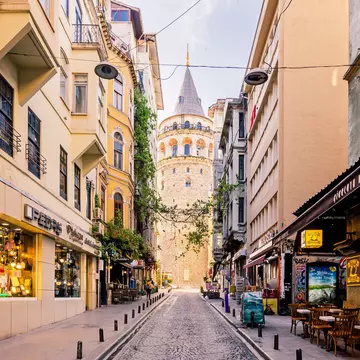
İstanbul’s marvelous sights could keep a visitor busy for months. But it’s in the city’s myriad neighborhoods that you’ll get a real taste of how İstanbulites live. The city is sprawling indeed – yet its central districts are walkable and reward wandering, each featuring lively street life and distinct identities.
Follow the film crews and Instagram influencers through shabby-chic Fener and Balat’s historical lanes; sip black tea with a Golden Horn view at the Pierre Loti Café, perched above the leafy cemeteries and holy tomb complexes of Eyüp; or watch fishermen cast their lines from the Bosphorus village of Arnavutköy.
Explore related stories