Jul 17, 20267 min read
22 Things to Know Before Visiting AmsterdamMar 31, 2025
10 MIN READ
Writer
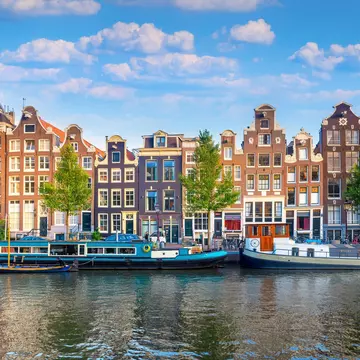
Historic Dutch houses reflected in the canal, Amsterdam. Alexander Spatari/Getty Images

Writer
Highlights
Writer Catherine Le Nevez rounds up 17 Amsterdam experiences, from canals to clubs.
Cruise the UNESCO Canal Ring by boat, then pedal the city's flat streets.
Art lovers head to Museumplein; history seekers shouldn't miss the Anne Frank Huis.
Try jenever at Wynand Fockink and snack on haring at Albert Cuypmarkt.
Lonely Planet may earn a commission from affiliate links on our site. All recommendations and reviews reflect our own independent opinions.
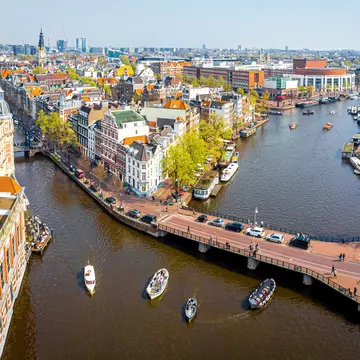
With its iconic canals lined by slender gabled buildings and spanned by arched bridges, Amsterdam is one of the most charming cities in the world. Whether you’re after exceptional art and architecture, innovative design, fabulous food or thumping nightlife, you'll find it here. The city's condensed layout means you can fit a lot in even on a short trip.
And while this city is a year-round destination, the best time to visit Amsterdam for great weather is from June to September. Here's our guide to the very best things to do in the Dutch capital.
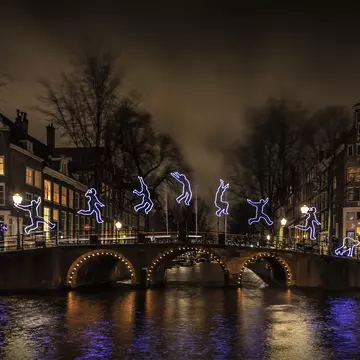
Amsterdam is a city shaped by water. Cruising its Canal Ring (a UNESCO World Heritage Site) by boat is among the top things to do in the Netherlands. This is a delight at any time, but it's particularly beautiful at night when the waters’ ripples reflect the city’s twinkling lights.
You can navigate the waterways yourself (companies such as Boaty rent zero-emission electric canal boats), or hop on a sightseeing cruise, as just about every visitor does. Non-touristy alternatives include learning first-hand about the city’s history of migration aboard Rederij Lampedusa’s former refugee boats, or helping keep the waters clean by “plastic fishing” from Plastic Whale’s vessels, which are made from retrieved and recycled plastic waste.
Planning tip: If you prefer to enjoy the canals from land, grab a table at De Belhamel. Situated at the head of the Herengracht, this superb restaurant’s canal-side tables are perfect for canal-watching (summer only).
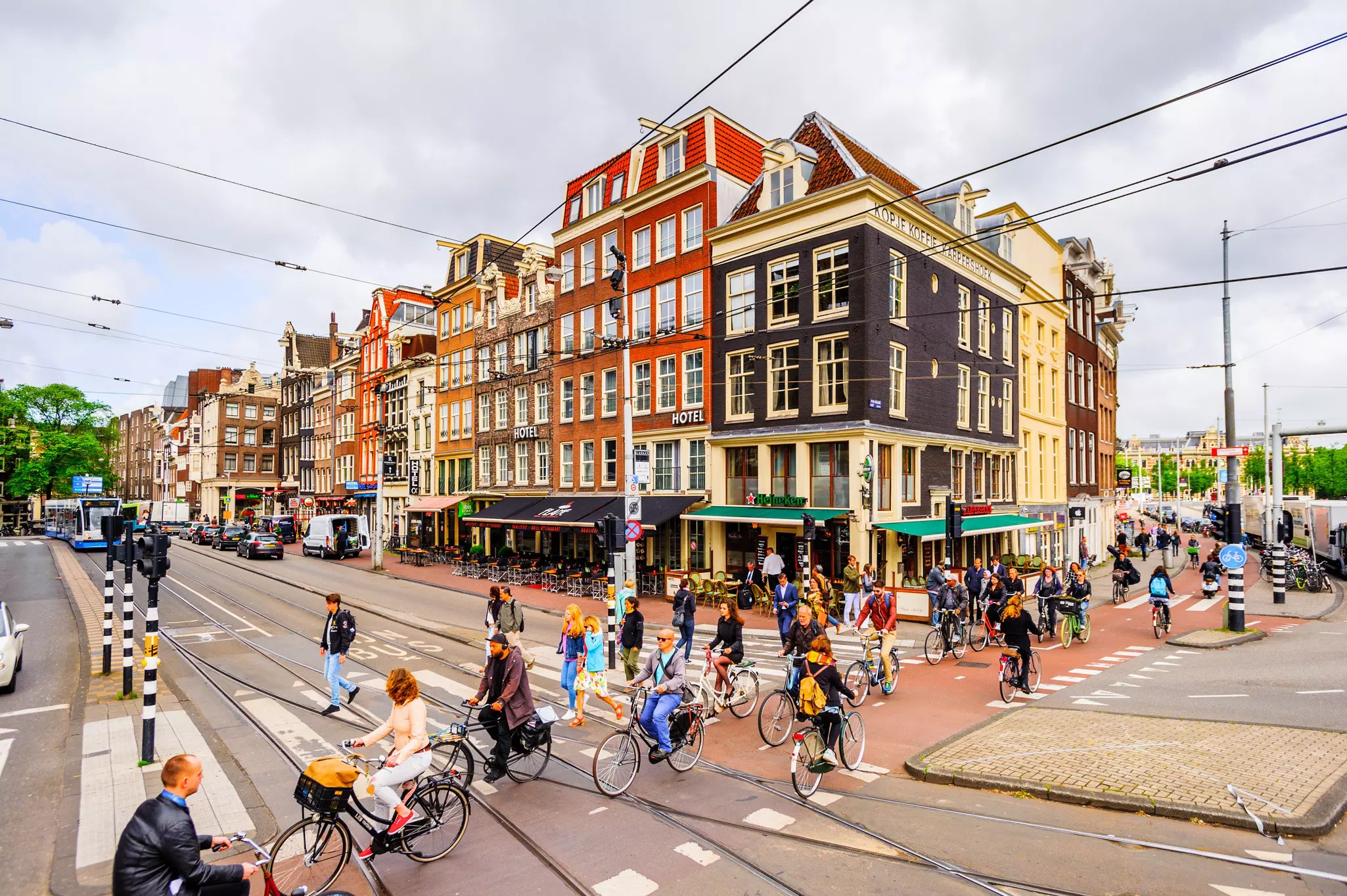
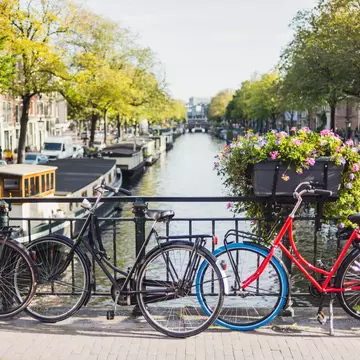
Cling-clanging bells and whirring spokes are part of the soundtrack of a city where bicycles outnumber cars – making for perhaps the essential means for getting around town. Bike lanes crisscross every part of Amsterdam where the terrain (as in most of the Netherlands) is forgivingly flat. There are plenty of bike-rental outlets to choose from.
Beyond the built-up streets, fascinating places to explore range from the former ship-building yards of Amsterdam Noord through the Royal Palace to the rambling woodlands of Amsterdamse Bos and the pretty port of Muiden, with its storybook medieval castle.
To avoid being the kind of tourist Amsterdam doesn’t enjoy welcoming, it’s important to follow cycling etiquette. Always use the designated bike lane rather than lanes for cars, or sidewalks; adhere to the rules of the road; signal with your arm when turning; and make sure you’ve turned on your front and back lights at night.
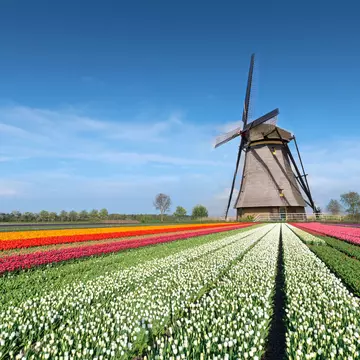
You’ll know you’re truly in Amsterdam when you’re sipping a tall, frothy beer under the sails of a windmill. Much-loved craft brewery Brouwerij ’t IJ has a leafy terrace, idyllic for a pint (try its signature Zatte Tripel).
Planning tip: Learn about the brewing processon an English-language tour, which runs each Friday, Saturday and Sunday at 3pm.
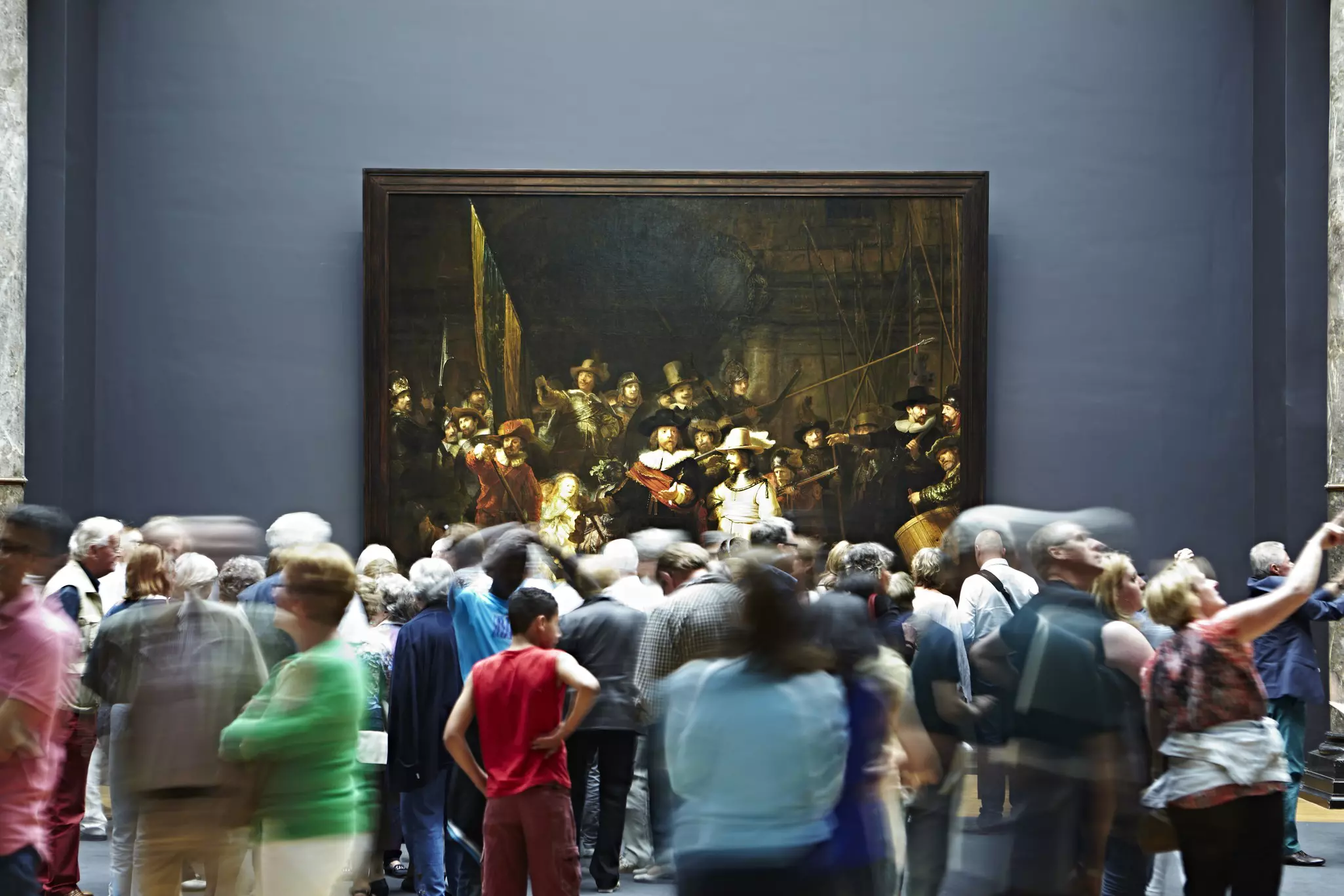
Amsterdam’s top three museums are handily located around the green lawns of Museumplein. The grande dame of the trio is the famous Rijksmuseum, which occupies a palatial building that opened to the public in 1885. It contains perhaps the best collection of works by Dutch masters like Rembrandt, Vermeer and Frans Hals, as well as sumptuous decorative arts, including blue-and-white Delftware porcelain and intricate dollhouses.
The world’s largest collection of Vincent Van Gogh’s dazzling paintings (The Yellow House and Sunflowers, among them) hangs at the must-see Van Gogh Museum. Modern and contemporary creations by the likes of Mondrian and De Kooning are the focus of the bright, light-filled Stedelijk Museum.

Lonely planet’s trusted travel insurance provider
Travel with confidence. Protect your trip and your wallet.
We don’t represent World Nomads, we receive a fee from quotes using this link. This is not a recommendation to buy travel insurance.
Planning tip: Invest in an I Amsterdam City Card, a discount pass that provides access to dozens of city attractions, to gain entrance to two of the museums (the Van Gogh Museum no longer participates). The Netherlands Museum Pass includes all three (as well as hundreds of other museums across the country); buy one in person at the Rijksmuseum or the Stedelijk. Book your tickets and timed-entry slots in advance.
Bike carrier straps that function as shelving. Glow-in-the-dark door stoppers. Self-adhesive lamps to stick on the wall. These are just some of the witty, inventive and above all practical Dutch designs you’ll find in Amsterdam, along with furniture, fashion and gadgets galore.
A great place to start browsing is Droog, with a garden, gallery space and restaurant where most of the tableware is also for sale. Other emporiums to check out include X Bank, set up as a showcase for local creators, and the Gathershop, which stocks its shelves with handmade and fair-trade gift items.
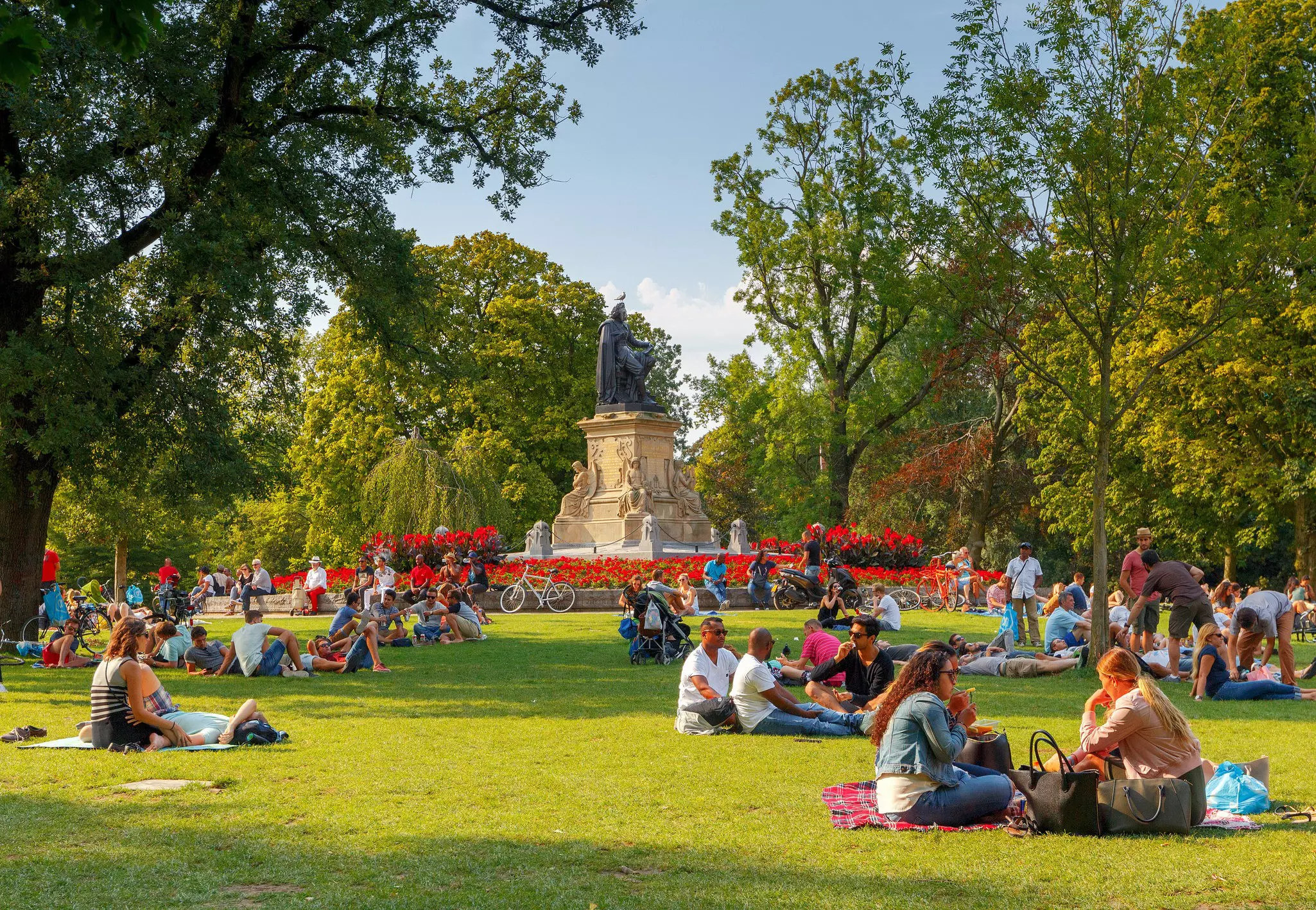
Amsterdammers’ favorite green escape is the sprawling Vondelpark, a lush, 116-acre (37-hectare) oasis of English-style gardens with fragrant roses, winding paths, ponds and sculptures. One of the best free things to do in the city, this egalitarian space is where everyone – kids, adults, couples, joggers, picnickers, locals and tourists – hangs out in the sunshine. Within the park, there are cafes and an open-air theater. It can also be your quiet place if you want to escape the big city buzz.
Planning tip: A short walk from the Museumplein’s institutions, Vondelpark is the perfect spot to reflect after soaking in superb art.
When Nazi Germany invaded the Netherlands in May 1940, war came to the city for the first time in almost four centuries – and devastated its thriving Jewish community. The war’s impact on real people’s lives might be more palpable at the Anne Frank Huis than at any other site in the world. Behind a warehouse on Prinsengracht, the young girl hid for over two years with her family and their friends in a dark, airless “Secret Annexe” – until they were betrayed and sent to concentration camps. Only her father survived.
Anne recorded the entire experience in her diary, now a classic of Western literature. Walking through the tiny, dark rooms in which she recorded her story is a humbling experience indeed.
Detour: Amsterdam’s occupation – which didn’t end until 1945 – is also brought to life at the museum of the Dutch Resistance, the Verzetsmuseum.
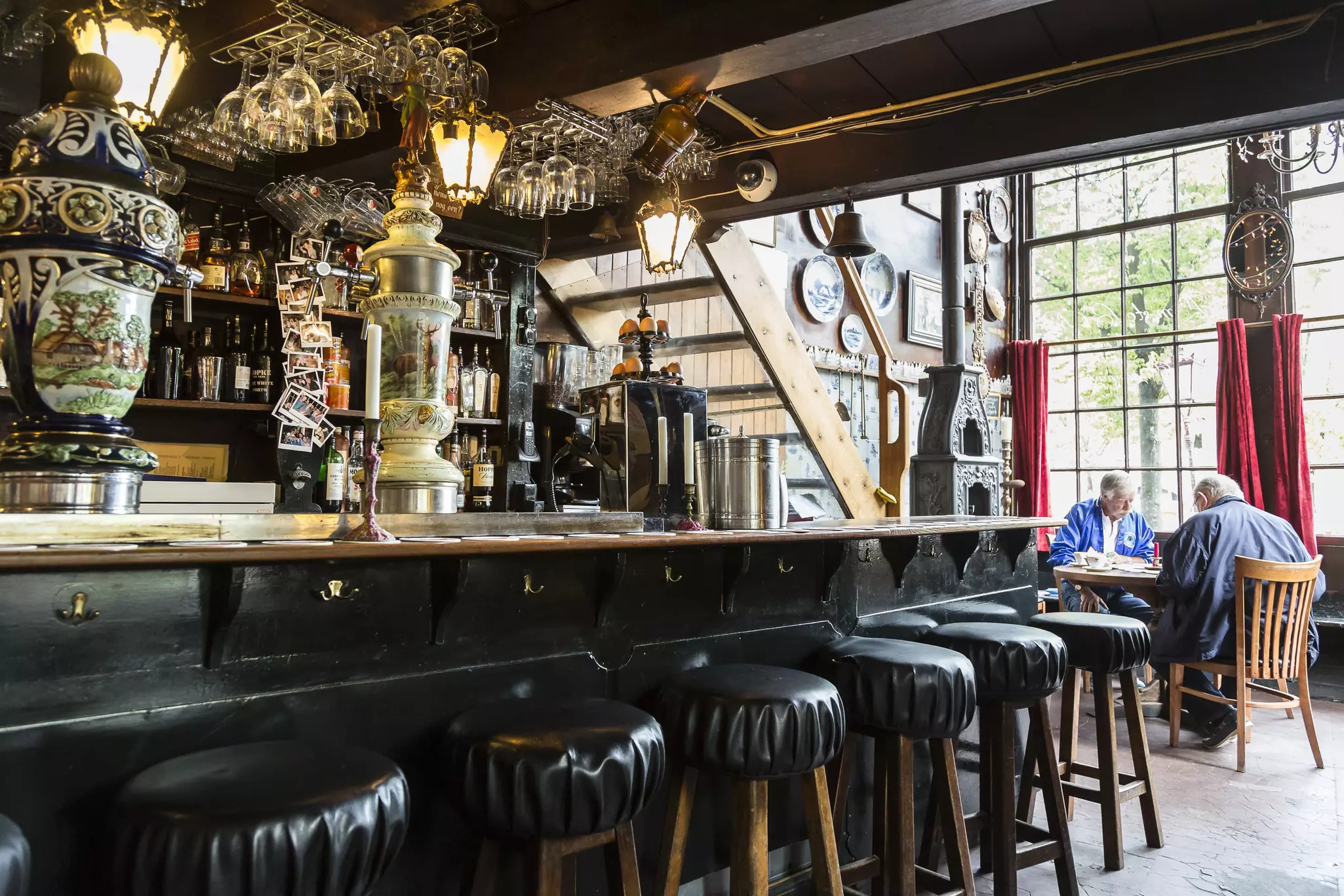
No matter the weather, the ideal place to experience Dutch gezelligheid (conviviality and coziness) is in one of its bruin cafés (brown cafes – traditional Dutch pubs). Dark timber and tobacco-stained walls give these pubs their name.
Planning tip: With around a thousand across the city, you’ll never be far from a bruin café. They’re especially concentrated in charming neighborhoods like the former blue-collar quarter of the Jordaan, where canalside gems with candle-topped tables include Café Papeneiland, Café Pieper and ’t Smalle.
Awash with bars, concert venues and music-thumping clubs, Amsterdam’s renowned nightlife extends far beyond De Wallen, better known as the Red Light District (and an area whose reputation authorities are looking to change). Leidseplein, home to the famed Melkweg, is a major hub, as is nearby Rembrandtplein. Amsterdam’s LGBTIQ+ scene is found throughout the city, with popular venues like Cafe Prik playing banging dance tunes late into the night.
Detour: Hop on a free ferry to Noord, one of the city’s coolest, most up-and-coming neighborhoods, and a haven of ultra-hip watering holes. Be sure to check out Pllek and Café de Ceuvel.
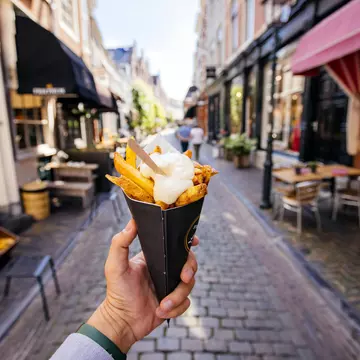
Lively street markets like the Albert Cuypmarkt in the De Pijp neighborhood are lined with stalls selling delicious cheap eats like haring (herring; served chopped with diced onion on a bread roll), Vlaamse frites (“Flemish fries”: crispy, fluffy and typically smothered with mayonnaise), stroopwafels (cookie-like wafers sandwiched with caramel syrup) and poffertjes (mini pancakes), as well as Dutch cheeses such as Gouda and Edam. At bars, classic snacks include deep-fried kroketten (croquettes), including ball-shaped, meat-filled bitterballen.
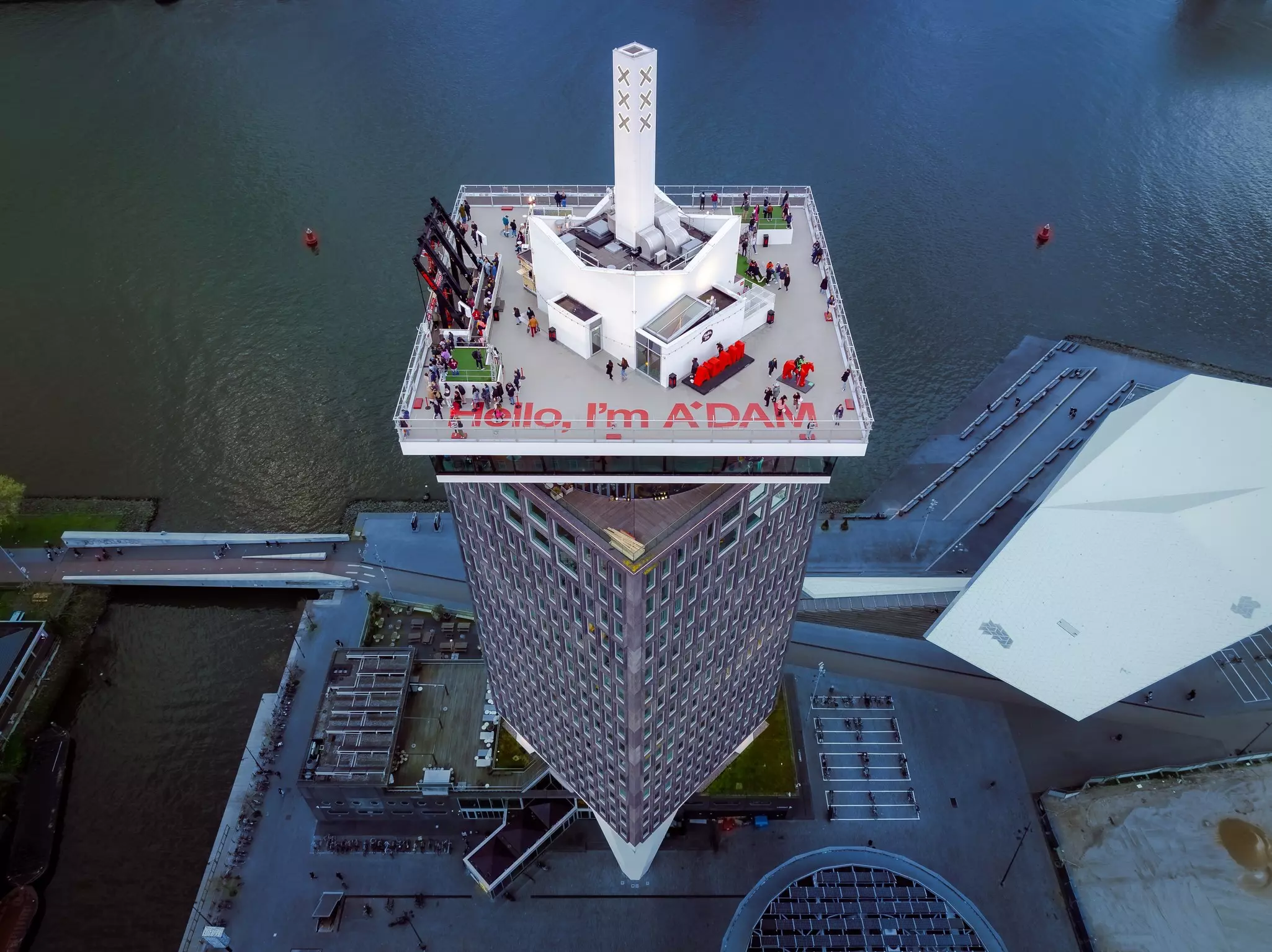
The craziest activity in Amsterdam is nowhere near the Red Light District – in fact, it’s far above it. At the top of A’DAM Tower, a 1970s-era high-rise, a six-seater swing sends you out over the building’s edge and 100m (328ft) in the air, as your feet dangle below. You can also ride a virtual-reality roller coaster or take in the view from the tower's 360-degree observation deck, restaurants (one revolving) or rooftop bar.
At first glance, Amsterdam’s cityscape seems scarcely changed from the era of Golden Age paintings – yet the contemporary city abounds with such tech-savvy, forward-thinking innovations as solar-paneled bike lanes, a sustainable “floating neighborhood” and the world’s first 3D-printed stainless-steel bridge. Learn about these innovations and other cutting-edge trends in design and urban studies, as well as the best in 21st-century architecture, at the Amsterdam Architecture Foundation (ARCAM).
Planning tip: Get out of the galleries and see Amsterdam’s newer side with a guided tour led by an ARCAM expert. Visit the website for the latest schedule (an additional fee applies).
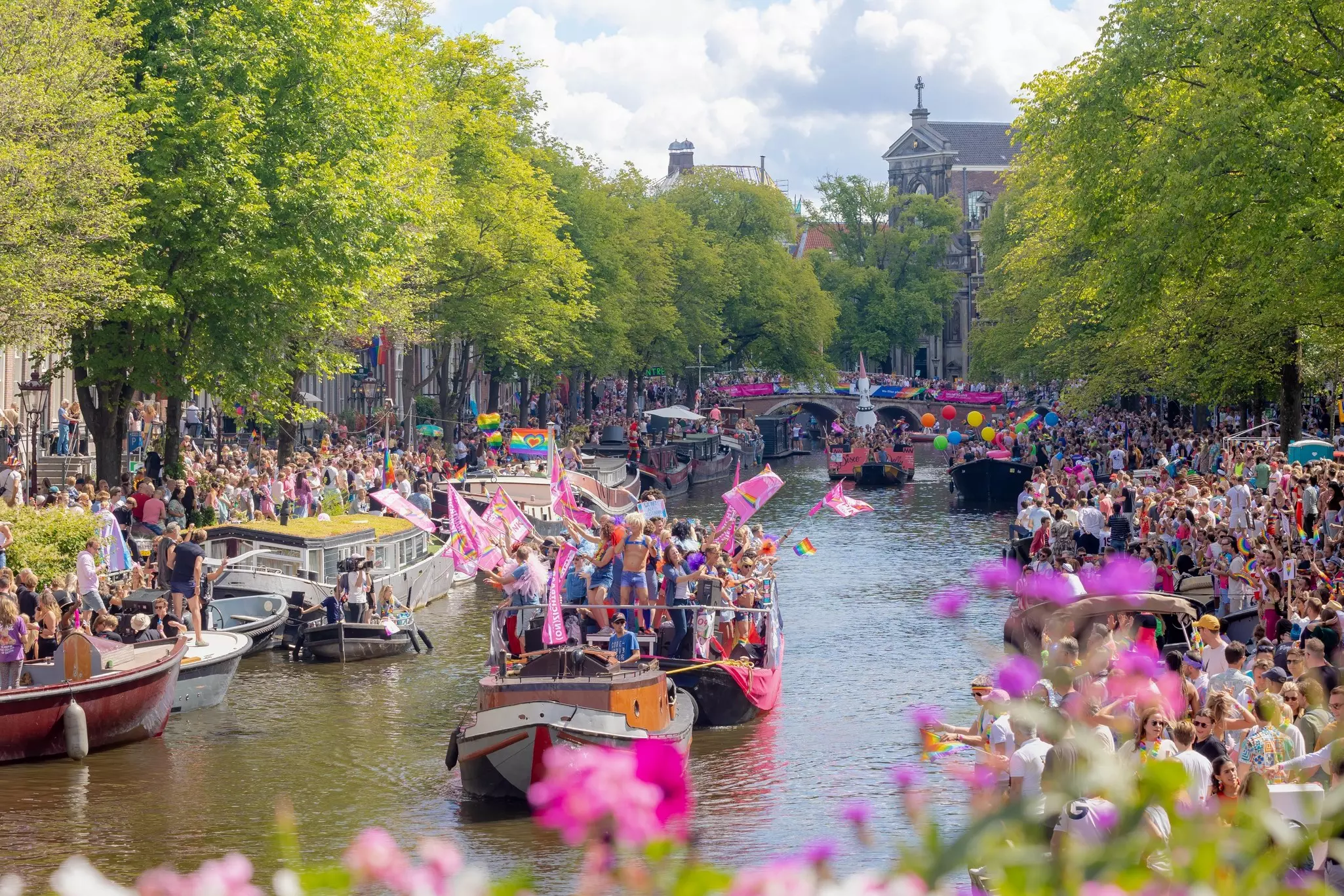
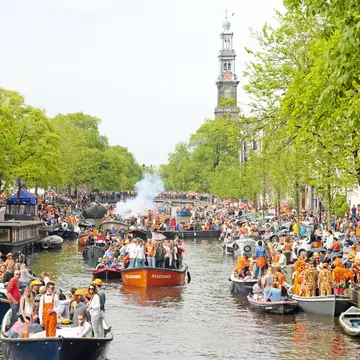
Your visit to this outgoing city is likely to coincide with one of its many festivals; the occasion might involve food, drink, electronic dance music or classical concerts on barges moored on the canals. The most important date on Amsterdam's calendar is King’s Day (Koningsdag; April 27), when people don outlandish orange-colored outfits and party in the streets. And the “parade” of barges that takes to the canals during Pride Amsterdam at the end of July is a flotilla you’ll never forget.
Amsterdam does urban revitalization really well and the sprawling Westergasfabriek complex is a perfect example. Once the Netherlands' biggest gas extraction plant, it was turned into a vibrant cultural space. Come here for art house cinema screenings, theater performances, hip coffee shops and industrial-chic restaurants.
Westerpark nearby is one of the city’s best parks and an excellent place for relaxed canalside picnics, fun outdoor activities and sunbathing when the weather is good. For more industrial landscapes check out De Hallen.
The local firewater, jenever (Dutch gin) is made from juniper berries and served chilled. Amsterdam has some wonderfully atmospheric tasting houses to try smooth jonge (young) and pungent oude (old) varieties, such as 17th-century Wynand Fockink.
Local tip: Jenever typically arrives in a tulip-shaped shot glass filled to the brim – the kopstootje tradition dictates that you bend over the bar, with your hands behind your back, and take a deep sip.
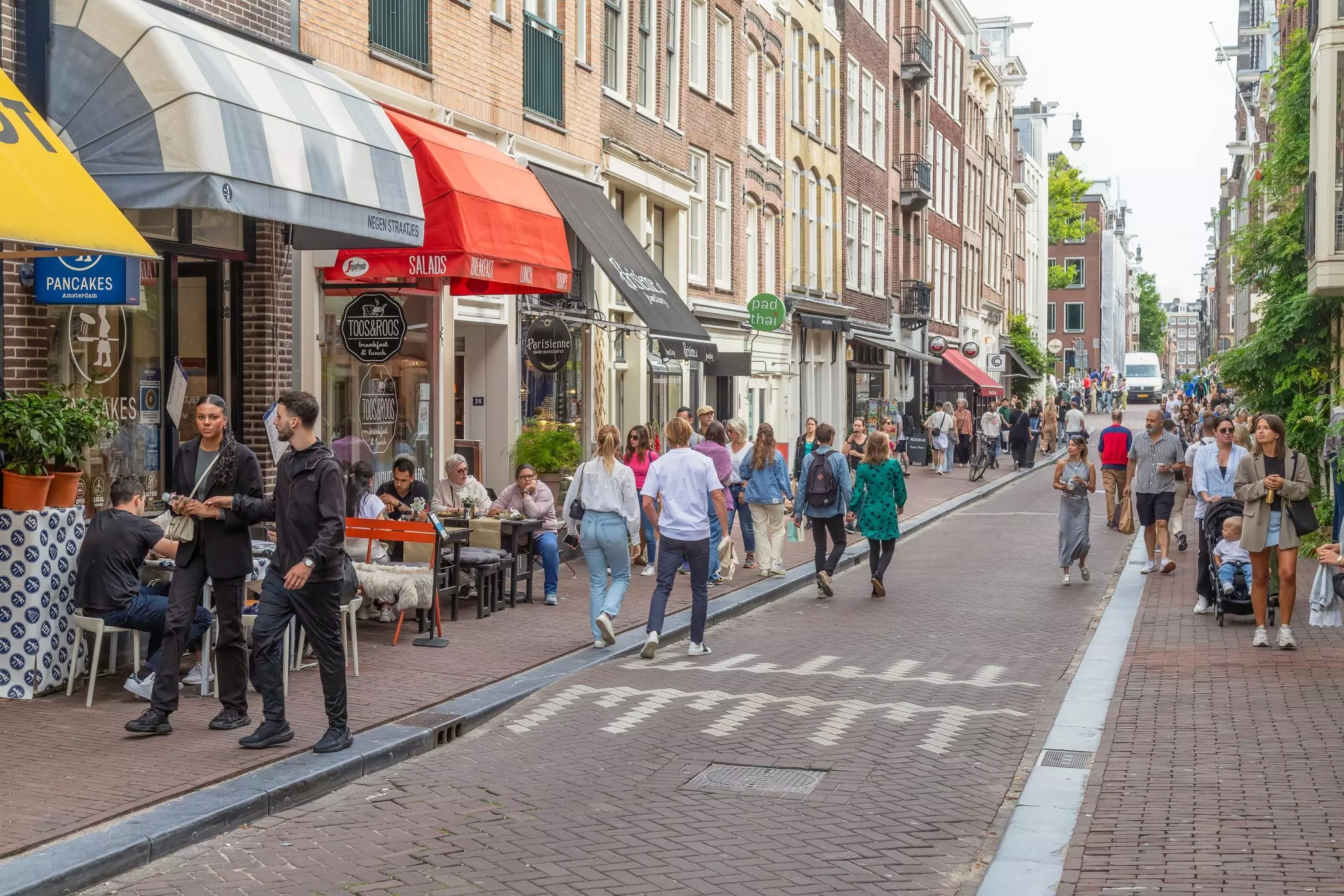
Located between Leidsegracht and Raadhuisstraat in the heart of Amsterdam, De 9 Straatjes (or "Nine Little Streets") is the city's most famous shopping area. More than 200 independent local shops are concentrated here – come to browse and buy vintage clothes, handmade beauty products, ceramics, books, coffee and antiques. It's also a very romantic part of the city, with canalside coffee shops and bistros, photogenic little bridges and many fashionable boutique hotels.
Explore some of Amsterdam's eccentricity at its unusual museums, including the canal house-set Amsterdam Tulip Museum with exhibitions entirely devoted to the flower, the KattenKabinet that celebrates art that features cats, and Red Light Secrets, housed in a former brothel in the De Wallen neighborhood, that explores the city's history of sex work. Don't miss the excellent Het Grachtenhuis occupying the 17th-century canal house and providing an interactive look at the Amsterdam canals and their role in urban development.
Explore related stories