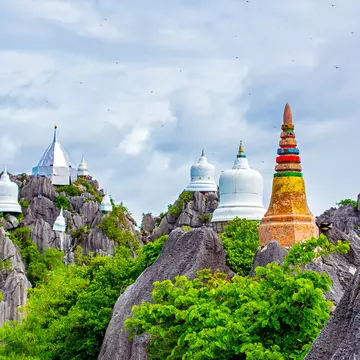
Northern Thailand
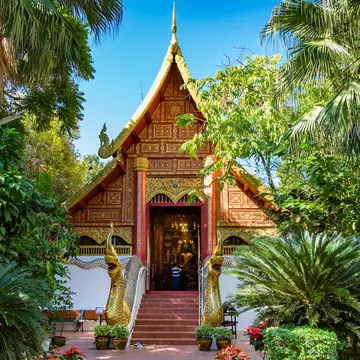
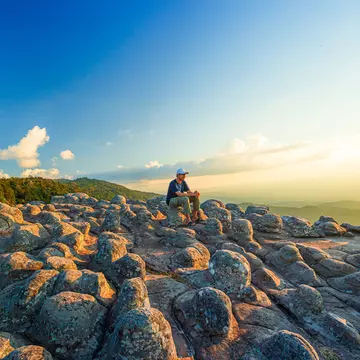
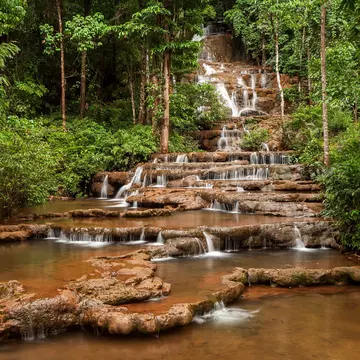
Northern Thailand's beautiful, rugged geography is the region's great temptation. Hidden among the forested mountains are Thailand's most iconic waterfalls and caves, as well as whitewater rapids and jungle trails. The area is a playground for outdoor pursuits – hiking, rafting, kayaking and caving opportunities abound.
Latest Stories
- Isabel Albiston null | Nov 22, 2021Thailand's 3 best scenic journeys we know you're going to love
Book

Trusted Partner
Dreaming of Northern Thailand? Protect your trip
Travel with confidence. Protect your trip and your wallet.
We don’t represent World Nomads, we receive a fee from quotes using this link. This is not a recommendation to buy travel insurance.
Take your Thailand trip with Lonely Planet Journeys
Time to book that trip to Thailand
Lonely Planet Journeys takes you there with fully customizable trips to top destinations – all crafted by our local experts.


Top places to visit in Northern Thailand
Discover the best attractions in Northern Thailand from must-see sights to unexpected hidden gems.
-
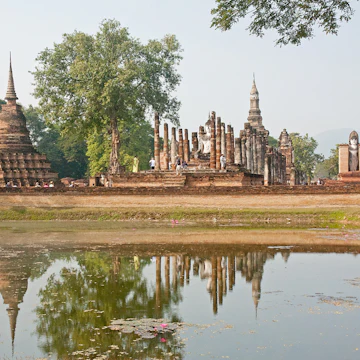 Attraction in SukhothaiSukhothai Historical Park
 -
 Attraction in Chiang Rai ProvinceHall of Opium
 -
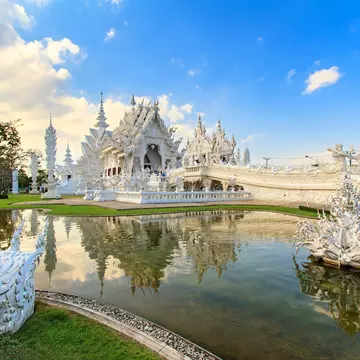
 Attraction in Chiang Rai ProvinceWat Rong Khun
 - Attraction in SukhothaiSukhothai Historical Park Northern Zone
-
- Attraction in PhitsanulokSergeant Major Thawee Folk Museum
-
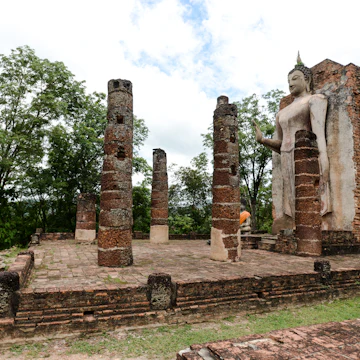 Attraction in SukhothaiSukhothai Historical Park Western Zone
 -
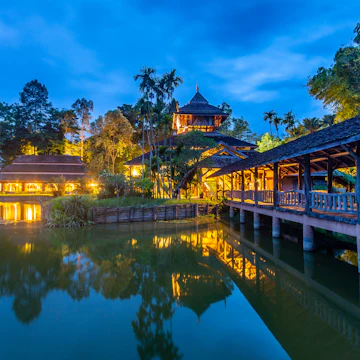 Attraction in Chiang RaiMae Fah Luang Art & Culture Park
Get a book. Get inspired. Get exploring.
in partnership with getyourguide
Book popular activities in Northern Thailand
Lonely Planet may earn a commission from affiliate links on our site. All recommendations and reviews reflect our own independent opinions.
Northern Thailand and beyond
- destinationChiang Rai Province
-
 destinationPai
 - destinationPhitsanulok
- destinationMae Sot
- destinationChiang Rai
- destinationSukhothai
- destinationLampang