Bangkok
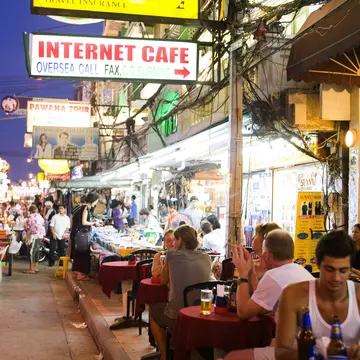
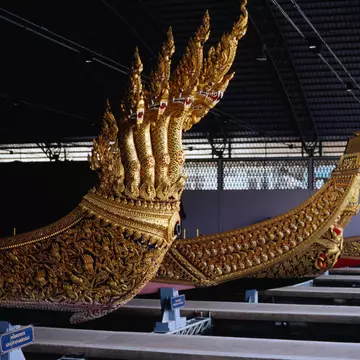
Same same, but different. This Thailish T-shirt philosophy sums up Bangkok, a city where the familiar and the exotic collide like the flavors on a plate of pàt tai.
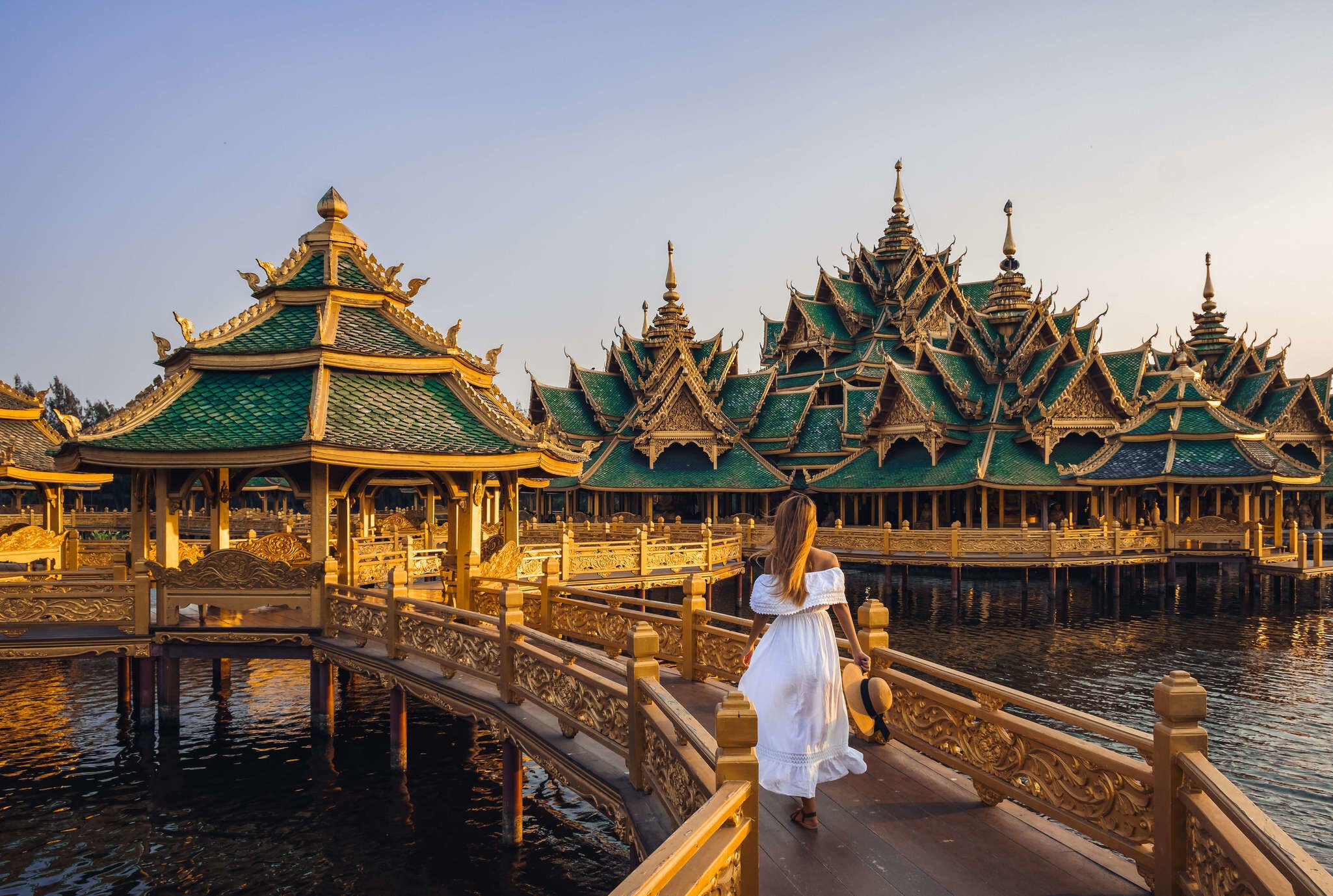
© Kiszon Pascal/Getty Images
Latest Stories
- Austin Bush | Aug 20, 202612 Things to Know Before Traveling to Bangkok
- Anirban Mahapatra | Jun 23, 2026The 16 Best Things to Do in Bangkok
- Joe Cummings | Jun 11, 2026How to Enjoy Bangkok on a Budget
- Chawadee Nualkhair | Apr 3, 2026A Thai Food Expert Shares Their Favorite Places to Eat and Drink in Bangkok
Book
Trip 
App


Trusted Partner
Dreaming of Bangkok? Protect your trip
Travel with confidence. Protect your trip and your wallet.
We don’t represent World Nomads, we receive a fee from quotes using this link. This is not a recommendation to buy travel insurance.
Book your Thailand trip with Lonely Planet Journeys
See Thailand how it's meant to be seen
Planned by local experts and tailored to you, Lonely Planet Journeys handles the logistics so you can just enjoy the trip. Tell us what you want and we'll build your Thailand itinerary from scratch, or browse our bookable trips to get inspired.


Top places to visit in Bangkok
Discover the best attractions in Bangkok from must-see sights to unexpected hidden gems.
-
- Attraction in BangkokChatuchak Weekend Market
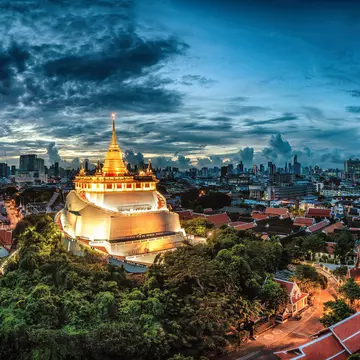
- Attraction in BanglamphuGolden Mount
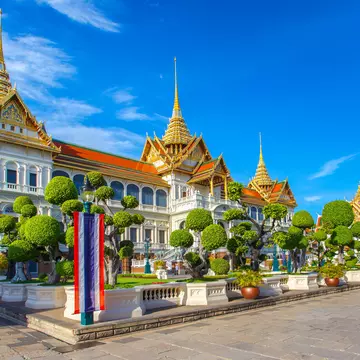
- Attraction in Ko Ratanakosin & ThonburiGrand Palace
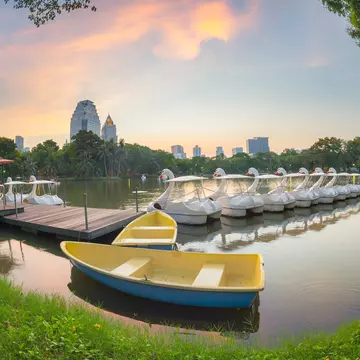
- Attraction in BangkokLumphini Park
-
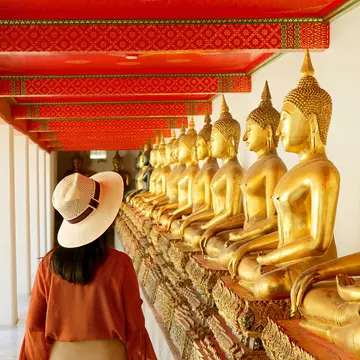
- Attraction in Ko Ratanakosin & ThonburiWat Phra Kaew
- Attraction in Ko Ratanakosin & ThonburiWat Phra Kaew & the Grand Palace

Travel Guides
Bangkok travel tips from Lonely Planet experts
Find practical guidance from our team of contributors around the world who bring their decades of first-hand travel experience to your next trip.
Best Things to Do
There are endless things to do in bustling Bangkok, the Asian megacity incarnate. If you’re feeling overwhelmed, start with this list of 16 of the best.
Read full article
Best Time to Visit
With three seasons – hot, rainy and (comparatively) cool – Bangkok offers very different experiences throughout the year. Here's the best time to visit.
Read full article
Things to Know
Arriving in Bangkok can be a sensory overload. Get a handle on the city ahead of time with these tips on transportion, safety, scams and etiquette.
Read full article
Transportation
Think the tiger of Thailand’s biggest city can only be tamed by taxi? Mere mortal, here’s how to get around Bangkok.
Read full article
Free Things to Do
With golden temples, captivating monasteries and a famed backpacker strip, Bangkok is a top budget stop. Here are the best free things to do.
Read full article
Best Neighborhoods
Looking to get away from the crowds and chaos of Bangkok? Head for the peaceful canals, parkland and wildlife of Bang Krachao, Bangkok's Green Lung.
Read full article
Day Trips
If you're seeking a calmer, gentler experience in Thailand, these seven day trips showcase ancient ruins, golden beaches and more.
Read full article
Money and Costs
Bangkok has so much to see and do that it can be easy to burn through your baht. Here's how to visit without blowing your budget.
Read full article
Traveling with Kids
From magnificent museums to thrilling theme parks via some fun-filled túk-túk rides, there are plenty of ways to enjoy Bangkok with children in tow.
Read full article
Get a book. Get inspired. Get exploring.


in partnership with getyourguide
Book popular activities in Bangkok
Lonely Planet may earn a commission from affiliate links on our site. All recommendations and reviews reflect our own independent opinions.
Bangkok and beyond
- destinationBanglamphu
- destinationKo Ratanakosin & Thonburi