Switzerland
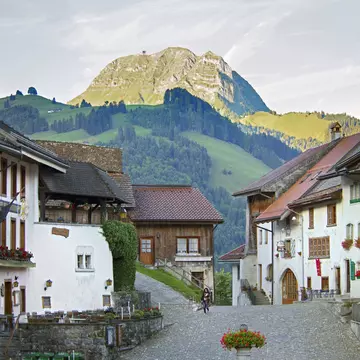
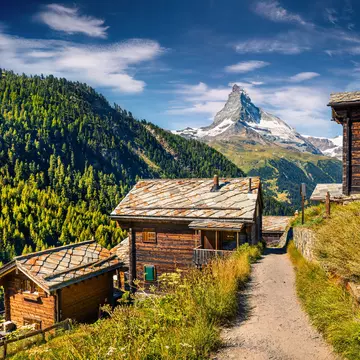
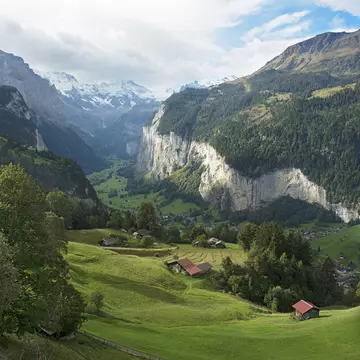
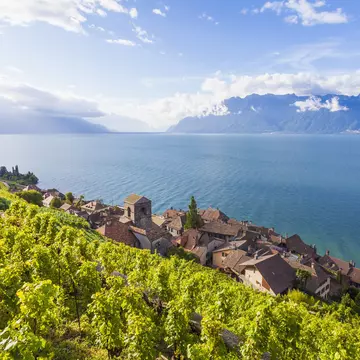
Look beyond the chocolate, cuckoo clocks and yodeling – contemporary Switzerland, land of four languages, is all about once-in-a-lifetime journeys, heart-racing Alpine pursuits and urban culture.
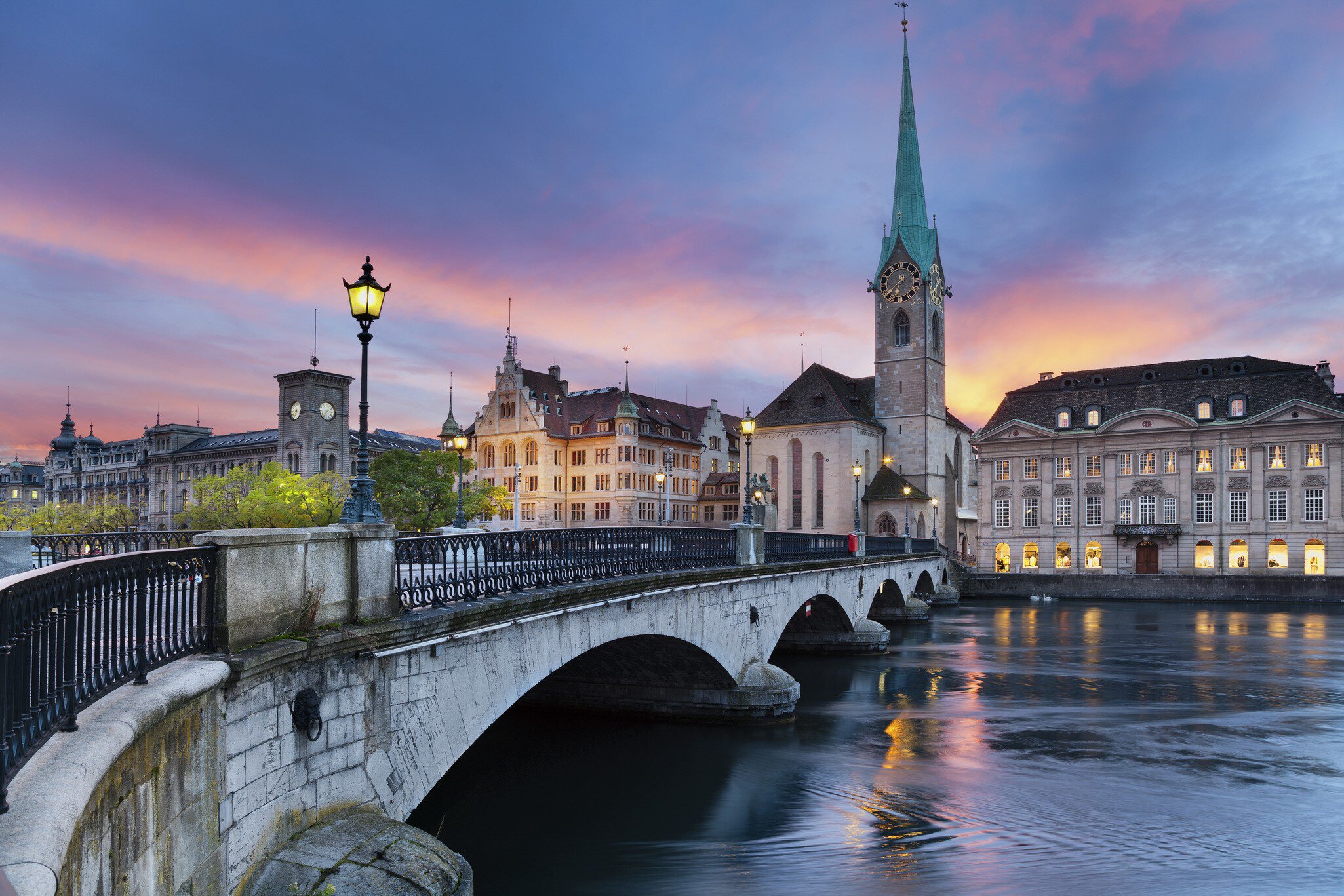
©Rudy Balasko/Shutterstock
Latest Stories
- Caroline Bishop | Aug 1, 202616 Things to Know Before Visiting Switzerland
- Kerry Walker | Jul 31, 202611 Best Places to Visit in Switzerland
- Rebecca Crowe | Jul 21, 2026Best Women-Only Hiking Trips in the Swiss Alps
- Kerry Walker | May 27, 2026How to See All of Switzerland by Train in 14 Days
Book
Trip 

Trusted Partner
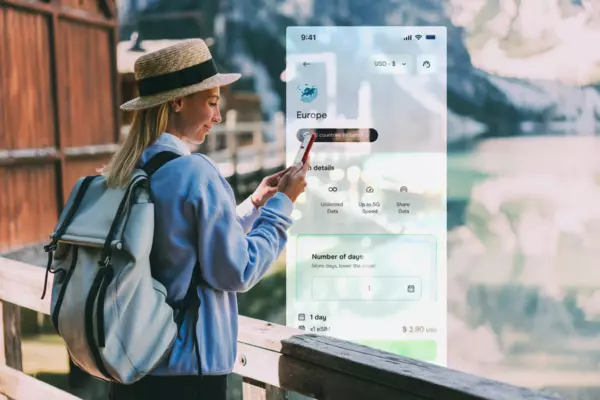
Stay connected in Switzerland
Holafly eSIM provides unlimited mobile data with no hidden fees, giving you peace of mind wherever you travel. Stay connected even after your plan ends with Always On. Use code LONELYPLANET for an exclusive discount.
Lonely Planet may earn a commission from affiliate links on our site. All recommendations and reviews reflect our own independent opinions.
Book your Switzerland trip with Lonely Planet Journeys
See Switzerland how it's meant to be seen
Planned by local experts and tailored to you, Lonely Planet Journeys handles the logistics so you can just enjoy the trip. Tell us what you want and we'll build your Switzerland itinerary from scratch, or browse our bookable trips to get inspired.

Top places to visit in Switzerland
Discover the best attractions in Switzerland from must-see sights to unexpected hidden gems.
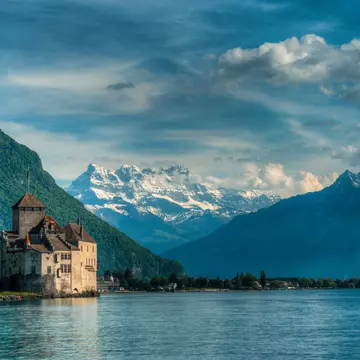
- Attraction in MontreuxChâteau de Chillon
- Attraction in SwitzerlandStiftsbibliothek
-
 Attraction in TicinoCentovalli Railway
 - Attraction in SwitzerlandSchloss Habsburg
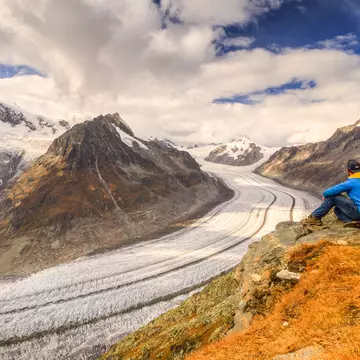
- Attraction in ValaisAletsch Glacier
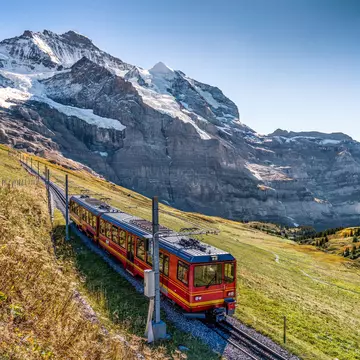
- Attraction in SwitzerlandJungfraujoch
-
- Attraction in GraubündenSwiss National Park


Travel Guides
Switzerland travel tips from Lonely Planet experts
Find practical guidance from our team of contributors around the world who bring their decades of first-hand travel experience to your next trip.
Best Things to Do
From biking and hiking to wildlife watching, experience the best of the Swiss Alps with this guide to the top things to do.
Read full article
Best Time to Visit
Whether you’re looking to hike, ski, swim or sample city life, these are the best times to visit Switzerland.
Read full article
Things to Know
Get a true taste of the Swiss good life using these top planning, etiquette and transportation tips.
Read full article
Transportation
Traveling in scenic Switzerland is a joy. Here are the best ways to get around.
Read full article
Best Road Trips
Switzerland is full of incredible landscapes, and the best way to see them up close is on a road trip. Here are seven of our absolute favorites.
Read full article
Money and Costs
Switzerland is one of the world’s most expensive places, it’s true. Follow these tips to get the most out of this beautiful nation for less.
Read full article
Traveling with Kids
Visiting Switzerland as a family is wonderland of adventure for all ages. Start planning now with our guide to the top things to do and where to go.
Read full article
Best Places to Visit
From Alpine peaks to culture-filled cities to electric-blue lakes, these fabulous destinations in Switzerland inspire and amaze.
Read full article
Get a book. Get inspired. Get exploring.
in partnership with getyourguide
Book popular activities in Switzerland
Lonely Planet may earn a commission from affiliate links on our site. All recommendations and reviews reflect our own independent opinions.
Switzerland and beyond
- destinationFribourg, Drei-Seen-Land and The Jura
-
 destinationGraubünden
 - destinationValais
- destinationBernese Oberland
- destinationLake Geneva & Vaud
- destinationTicino
- destinationCentral Switzerland
- destinationCanton of Zürich