Aug 19, 20268 min read
13 Best Things to Do in StockholmAug 19, 2026
8 MIN READ
Contributors
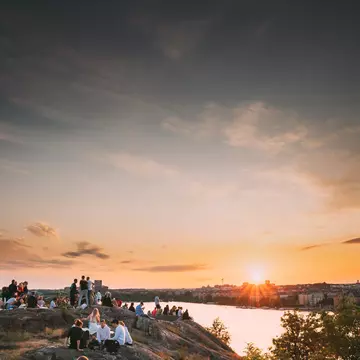
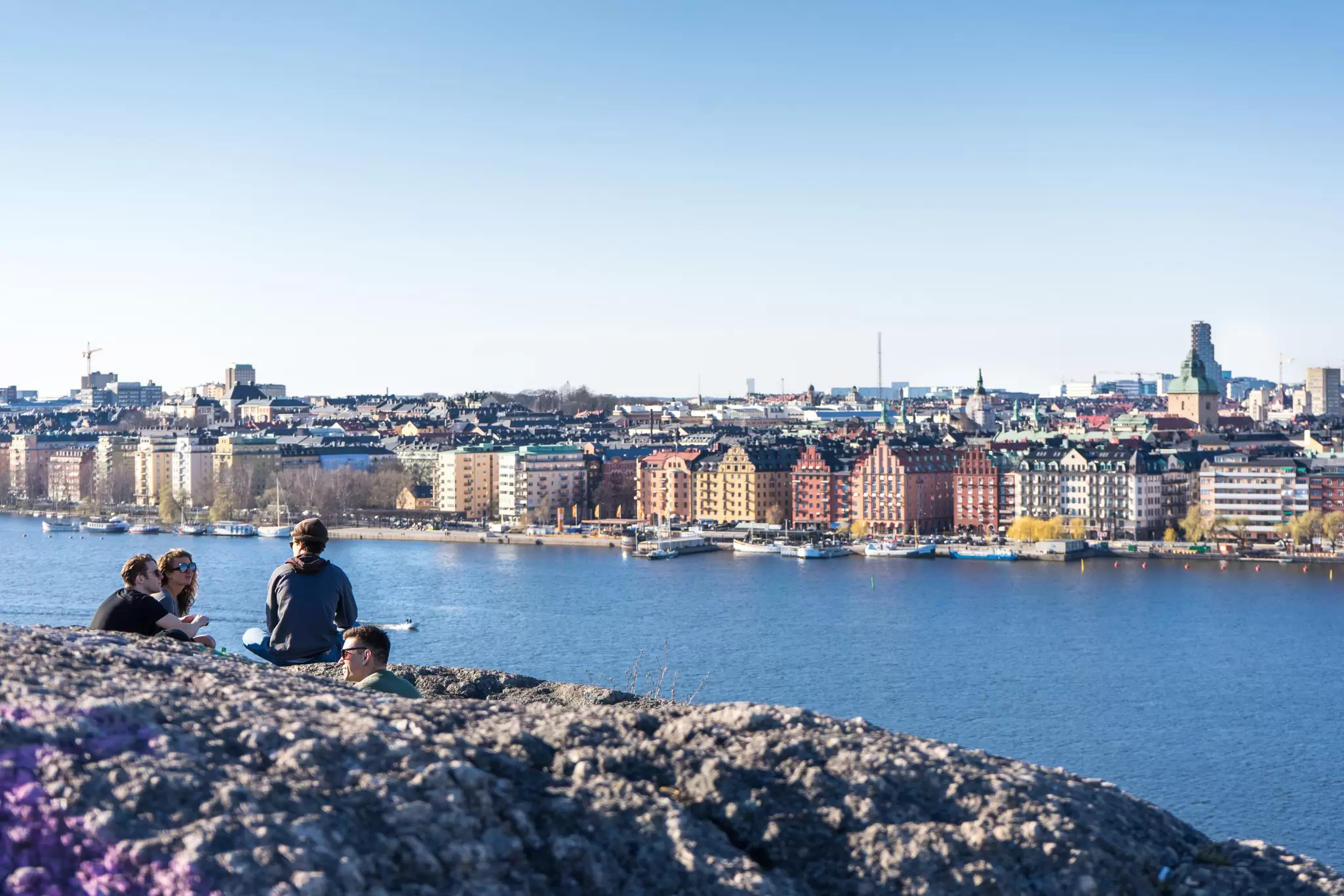
Views of Stockholm from Skinnarviksberget. Miniminim/Shutterstock
Contributors


Annika Hipple, Lonely Planet Editors
Highlights
Writer Annika Hipple picks 13 Stockholm highlights, from Old Town to Södermalm.
Wander Gamla Stan's cobblestone streets, then stroll the elegant waterfront along Strandvägen.
Board the preserved Vasa at Vasamuseet, or try ABBA: The Museum's hologram stage.
For Swedish culture, head to Skansen; for panoramic city views, climb Södermalm's cliff tops.
Lonely Planet may earn a commission from affiliate links on our site. All recommendations and reviews reflect our own independent opinions.
Visiting Stockholm means taking in the pleasures of waterfront walkways, elegant green spaces and neighborhoods that brim with character. The city’s fascinating museums showcase art, explore the past and celebrate Sweden’s culture.
Even with just a couple of days in Stockholm, you can see and do a lot, so start planning your weekend break with our pick of the city's best experiences.
To start planning your trip, download the Lonely Planet app or check out our Stockholm and Sweden guidebooks for local tips, maps and more
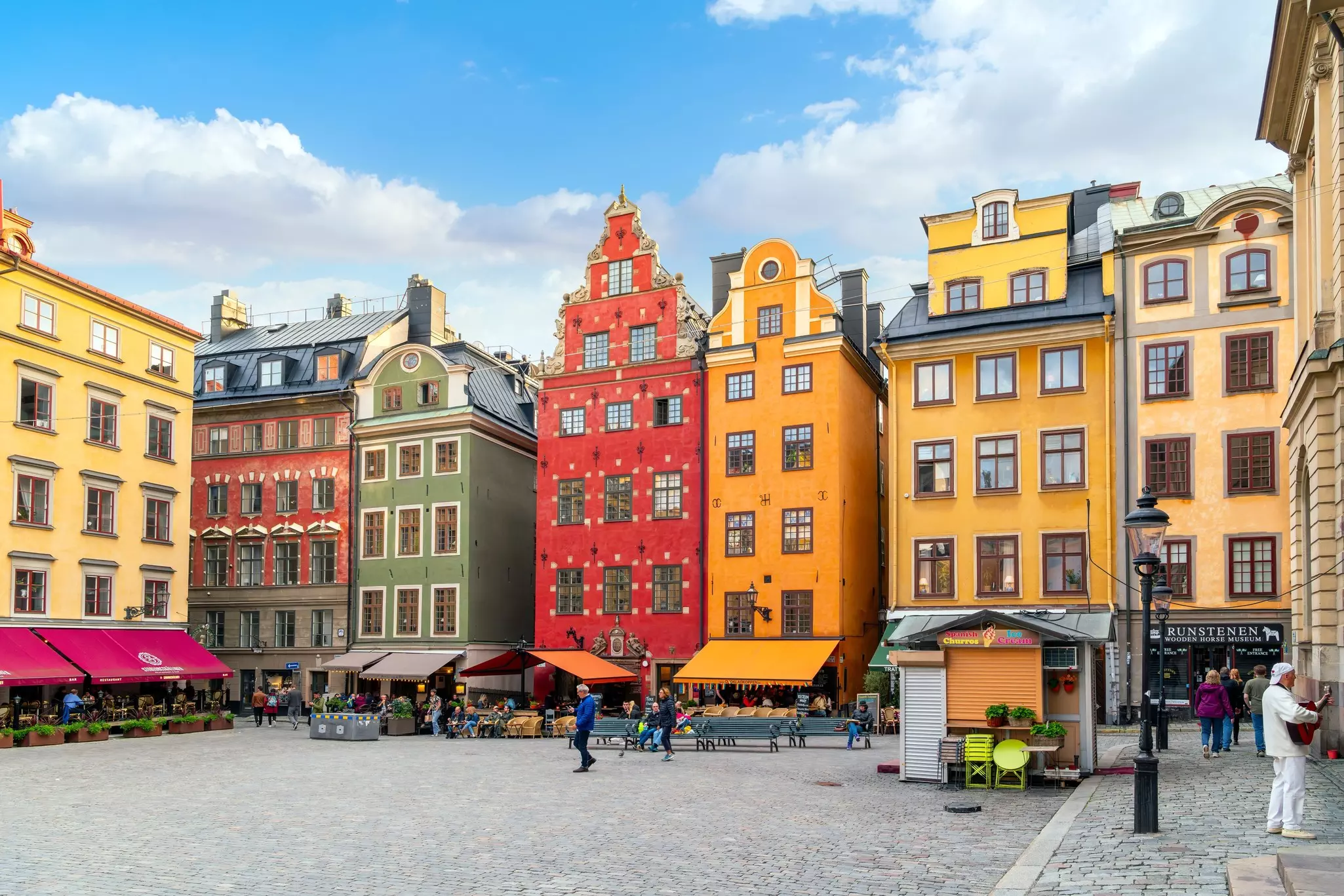
Every visitor to Stockholm heads to the Old Town, and for good reason. Dating back hundreds of years, its cobblestone streets lined with narrow buildings in warm ocher hues are a delight to wander around, especially once you get away from the touristy main drag of Västerlånggatan. There are major attractions here, too, from medieval and Renaissance churches to the huge, baroque Royal Palace.
Planning tip: Much of Gamla Stan’s charm comes from simpler pleasures, so take time to wander and see what you stumble upon: a quiet square, a tiny alley or a hidden courtyard. Keep an eye out for quirky delights such as Stockholm’s smallest statue, an iron boy just 15cm high, looking up to the moon.
Stretching along the Östermalm waterfront from Nybroplan to the Djurgården bridge, Strandvägen is Stockholm’s grandest boulevard. Turreted apartment buildings from the late 19th and early 20th centuries line the northern side of the street; on the southern side, a gracious waterfront promenade follows a quay dotted with cafes and restaurants. Passenger ferries and sightseeing boats bound for the Stockholm Archipelago load at the avenue’s western end.
Planning tip: In summer, crowds linger into light late evenings. This is when to see Stockholm's Strandvägen scene at its liveliest and most beautiful.
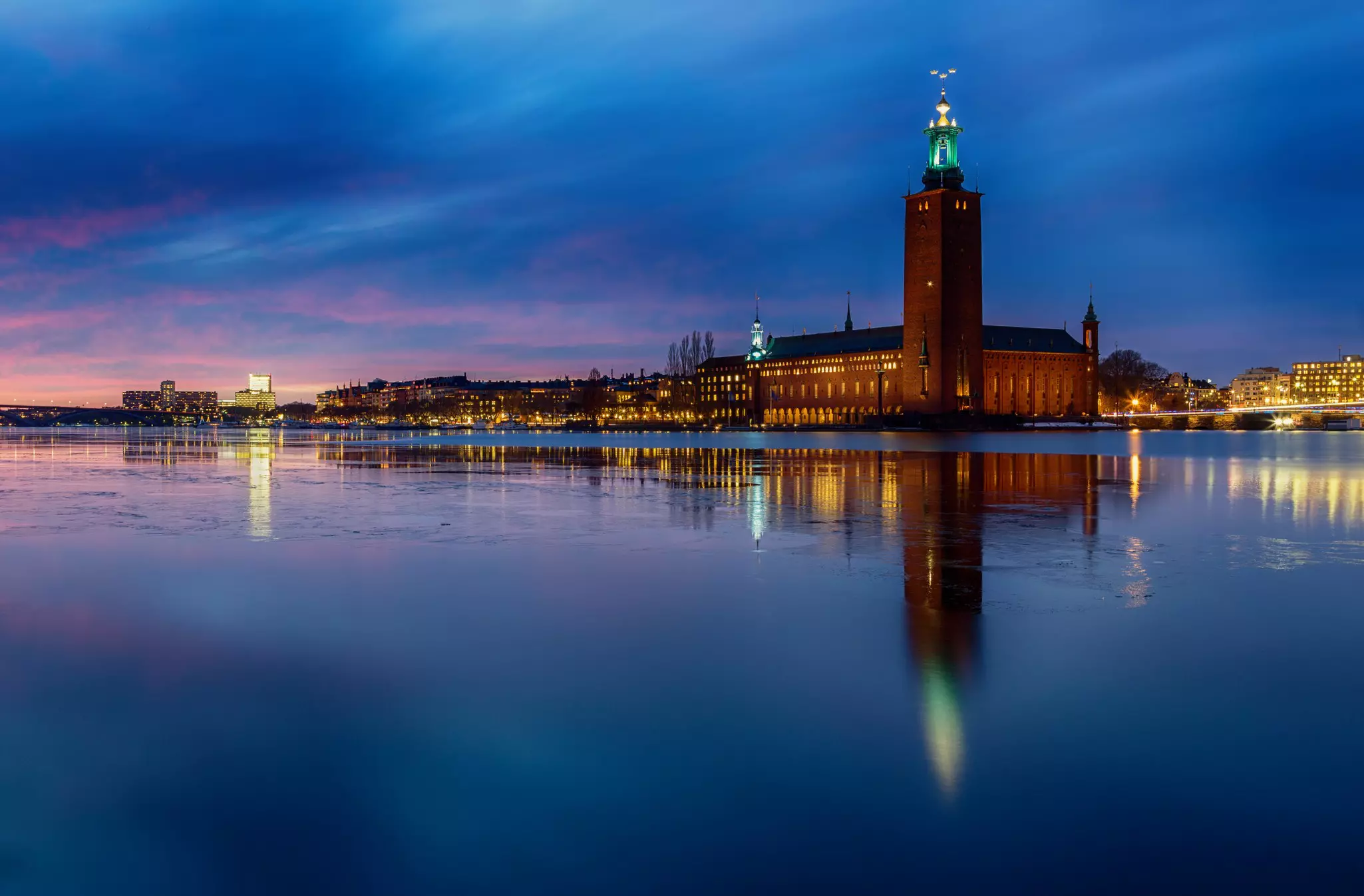
Designed in the Swedish National Romantic style and topped with three golden crowns, Stockholm’s red-brick City Hall has been a symbol of the city since its completion in 1923. Visits are by guided tour only, with highlights including the Blue Hall, where the Nobel Prize banquet is held every year, and the opulent Golden Hall, covered in mosaics depicting key events and people in Swedish history.
Planning tip: Across the courtyard, the 106m-high City Hall Tower is open in summer only offering spectacular 360-degree views of central Stockholm. An elevator takes you halfway up, after which there are stairs and sloping walkways to the cupola.
Four decades after splitting up (holograms don’t count), ABBA remains a pop music phenomenon, and Sweden’s biggest musical export of all time. If you’re a fan, don’t miss this irresistibly camp museum. It’s packed with memorabilia, from photos and letters to the group’s elaborate stage costumes and a replica of the Polar recording studio with original instruments and equipment. Most entertaining are the many interactive stations where you can sing with the band on a hologram stage, try your hand at mixing music, dance like your favorite ABBA-avatar or “try on” costumes for a virtual photo shoot.
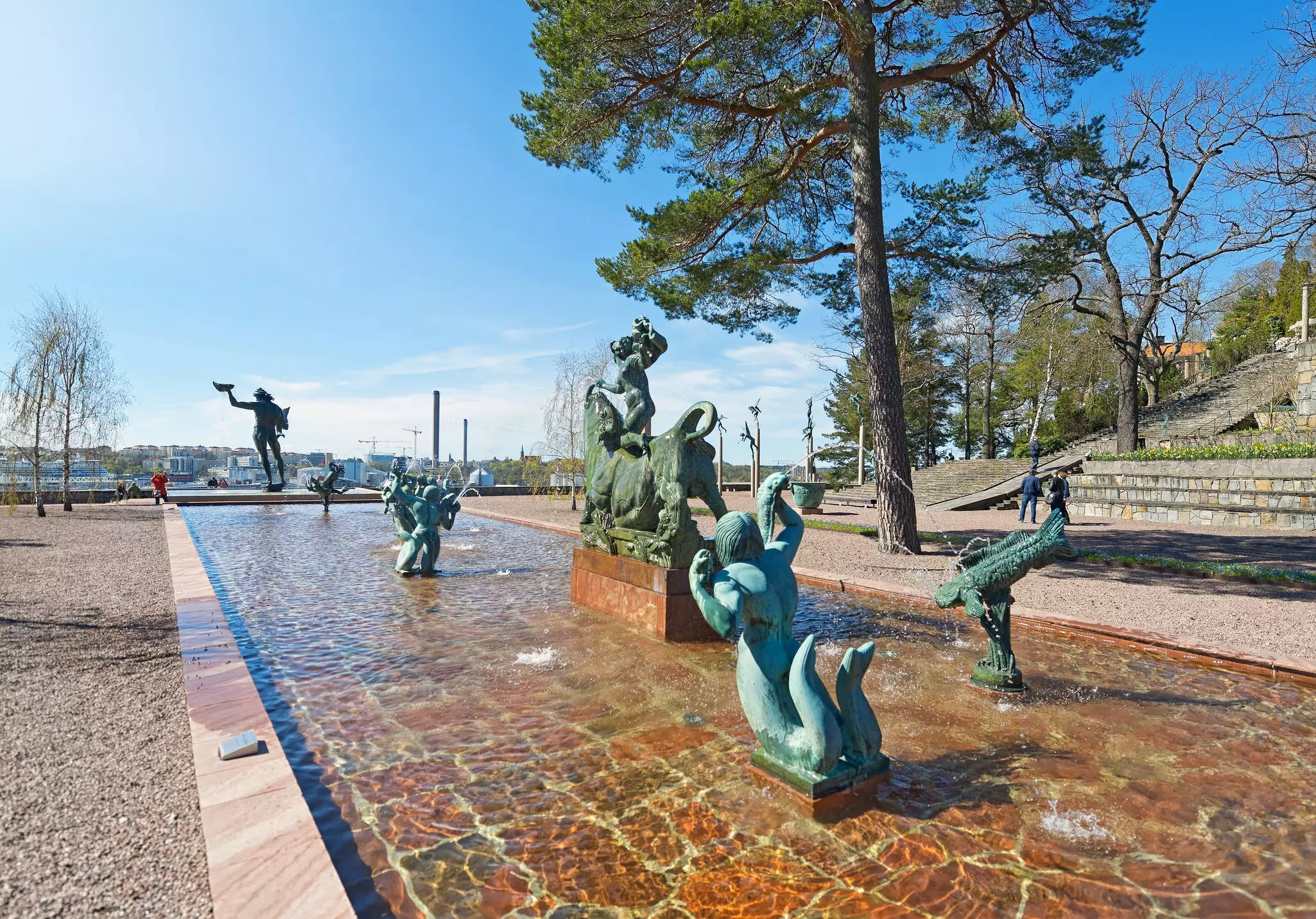
Beautiful Millesgården was the home and studio of sculptor Carl Milles, whose delicate water sprites and other whimsical sculptures dot Stockholm’s cityscape. The grounds include a crisp modern gallery for changing exhibitions of contemporary art, Milles’ elaborately Pompeiian house, and an exquisite outdoor sculpture garden where items from ancient Greece, and Rome, the Middle Ages and the Renaissance intermingle with Milles’ own creations.
Planning tip: Millesgården is on Lidingö, an island in the inner archipelago. Tram 21 will whisk you across the Lidingöbron; the museum is a 10-minute walk from the first station on the island, Torsvik.
Visitors are often surprised that Stockholm’s core consists of islands and canals – which means you haven’t really seen the city until you’ve seen it from the water (or jumped into it!). At the very least, hop on the Djurgården passenger ferry for the 7-minute trip between Slussen and Djurgården.
For something more informative, take a Harbor Boat Tour around the islands of Kungsholmen and Långholmen, circle Djurgården on the Royal Canal Tour or travel Under the Bridges of Stockholm to visit both the Baltic and the Lake Mälaren sides of the city. Alternatively, choose one of the hop-on hop-off boats that travel between key attractions on the Stockholm’s Baltic side.

This custom-built museum commemorates one of Sweden’s greatest failures: the sinking of the warship Vasa, just 20 minutes after it set sail under great fanfare from central Stockholm in 1628. Although built as an expression of Swedish military power, Vasa was fatally unbalanced, and a strong gust of wind was enough to cause it to list. Water quickly flowed in through the open gunports – and down it went, only 1.3km into its journey and just less than 120m from shore.
For over three centuries Vasa lay at the bottom of Stockholm harbor, before a dramatic salvage operation in 1961 raised it to the surface. Today displayed in a hangar-like space just next to (but not in) the water, the impressively preserved ship is the museum’s star attraction. Other exhibits provide background and context to this compelling tale of epic failure and amazing recovery.
Known for its many museums, the island of Djurgården is also a fine destination for nature and outdoor recreation. Once a royal deer park, the 689-acre oasis on the eastern edge of the city has extensive woodlands and meadows crisscrossed by walking and cycling paths. You can rent bicycles next to the bridge at the Djurgården Visitor Center and at Sjöcaféet, which also rents kayaks, canoes and pedal boats.
Planning tip: For a beautiful walk or ride, follow the path along the bay and canal on Djurgården’s north side from the blue gate (Blå Porten) near the bridge. It’s a little over 4km to the island’s easternmost tip. About 20 minutes from the bridge, Rosendals Trädgård makes a delightful stop, with biodynamic gardens, a farm-to-table cafe and a stone-oven bakery.
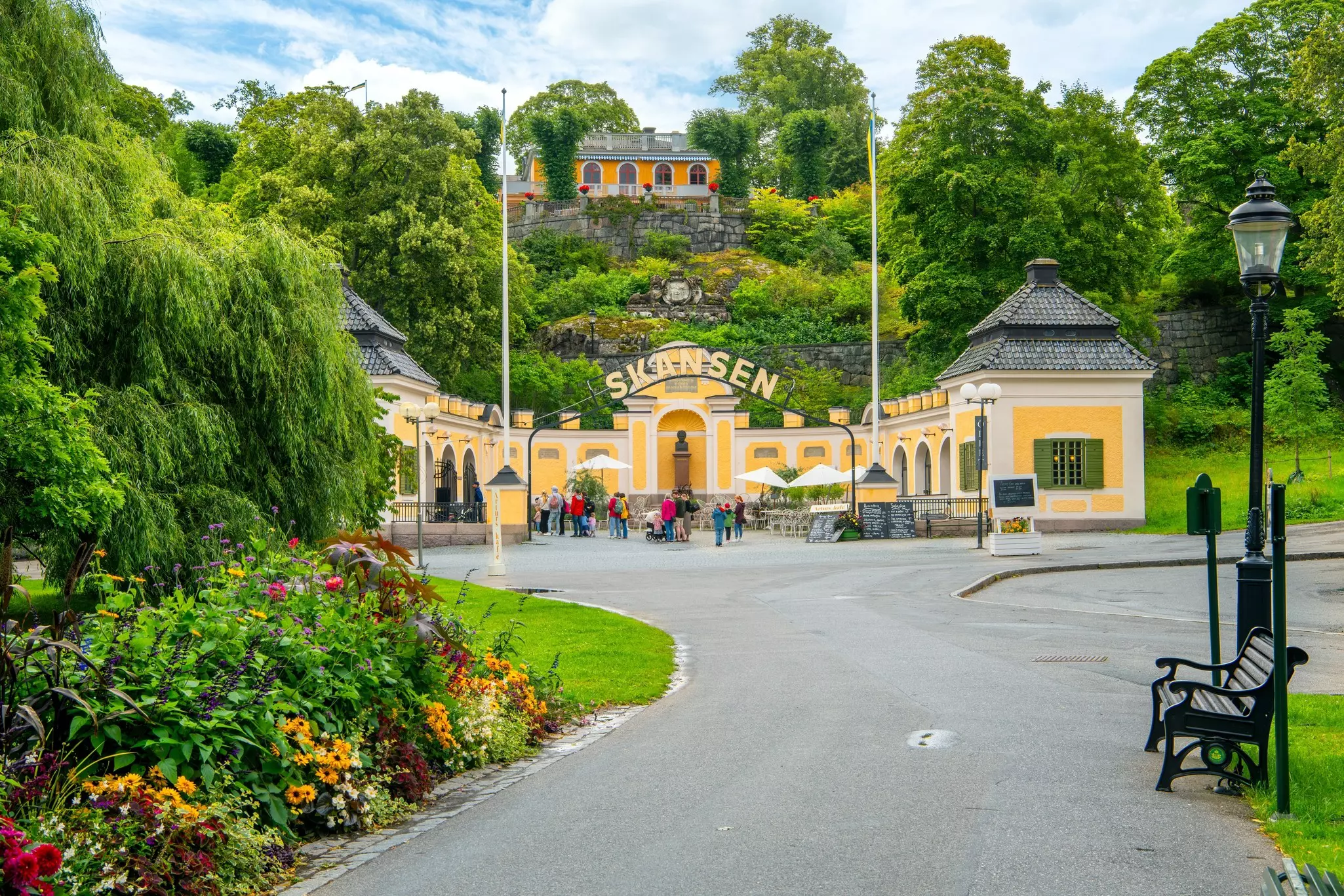
The world’s oldest open-air museum, Skansen provides a cultural history of Sweden at one large but accessible site. Since it opened in 1891, more than 150 buildings of cultural significance have been moved here from all over the country. In many of them, you can watch people in period dress making handicrafts or performing other traditional tasks. Various gardens represent different regions, while a zoo lets you encounter a variety of Swedish wildlife.
Planning tip: If you happen to be in town for any major holidays such as Walpurgis Night, National Day, Midsummer, St Lucia Day or Christmas, head to Skansen to experience traditional Swedish celebrations.
For anyone interested in Scandinavia’s past, Historiska Museet is a must. Its Viking exhibit showcases more than 2500 artifacts, with interactive stations covering just about every aspect of Viking life. Another permanent exhibit picks up where the Viking exhibit leaves off, tracing Swedish history from the year 1000 to the present day, with a timeline on the floor to guide your steps. Below ground, the glittering Gold Room displays more than 3000 gold and silver treasures, including three heavy gold collars from the 5th century CE and a jewel-studded gold reliquary from the 13th century.
One of Stockholm’s most unexpected attractions, Skogskyrkogården (the Woodland Cemetery) is an arrestingly beautiful graveyard set in the soothing pine woodlands a short subway ride south of town. Famous (eternal) residents include the city’s own screen goddess, Greta Garbo. When you’ve tired of exploring the city’s busy streets, this is a calming and meditative place for a wander.
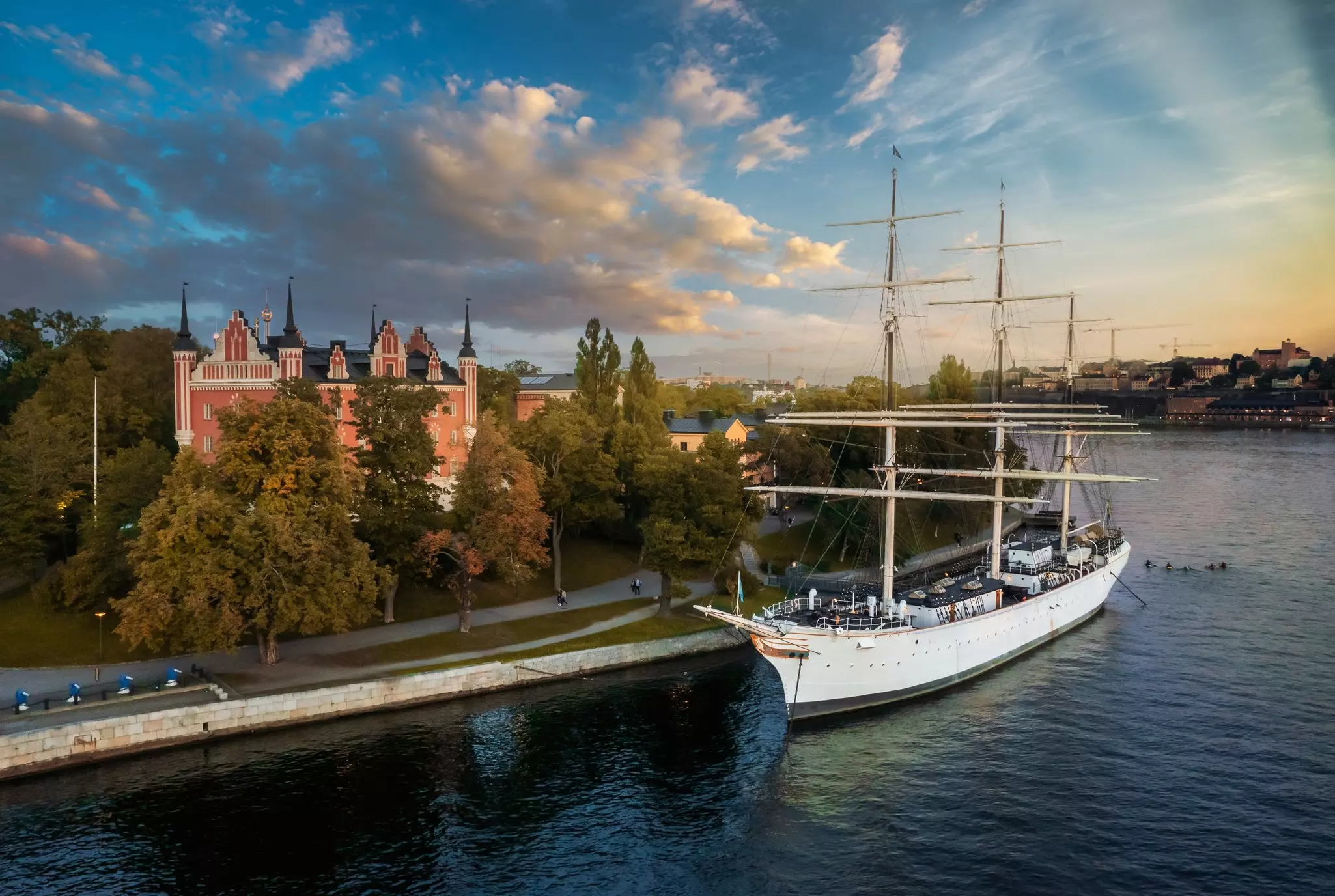
Smack in the middle of Stockholm’s harbor, the green islands of Skeppsholmen and Kastellholmen provide a perfect break from Stockholm’s urban bustle. As you walk around the islets, beautiful views unfold in all directions, with Strandvägen and Djurgården to the north and east, and Södermalm and Gamla Stan to the south and west. You’ll also find interesting boats to admire, from the full-rigged sailing ship af Chapman (now a hostel) to 19th-century wooden boats and a lightship docked along Östra Brobänken.
For more than 300 years, Skeppsholmen and Kastellholmen were the domain of the Swedish Navy. Though military operations have since moved elsewhere, the triple-tailed Swedish naval flag is still flown daily from the roof of the small citadel on Kastellholmen: a symbol that the country is at peace.
With steep cliffs rising straight from the waterfront, Södermalm is the place to go for panoramic views of central Stockholm. One justly popular spot is Monteliusvägen, a clifftop walking path just west of Slussen, opposite City Hall and Riddarholmen. A bit further west, central Stockholm’s highest point, Skinnarviksberget, is a good place to soak up some sun or enjoy a picnic while gazing out at Kungsholmen and Lake Mälaren.
Detour: Alternatively, head east from Slussen to the cliff-top street Fjällgatan for a magnificent view encompassing Djurgården, Kastellholmen, Skeppsholmen, Gamla Stan and beyond.
Book your Sweden trip with Lonely Planet Journeys
See Sweden how it's meant to be seen
Accommodations, activities and ground transportation all taken care of, so you can focus on the fun part. Tell us what your dream trip to Sweden looks like, and our local experts will build it from scratch. Or start with one of our itineraries and make it your own.

Explore related stories