Sri Lanka
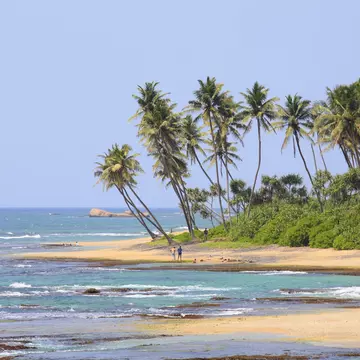
Endless beaches, timeless ruins, welcoming people, oodles of elephants, rolling surf, cheap prices, fun trains, famous tea and flavorful food make Sri Lanka irresistible.
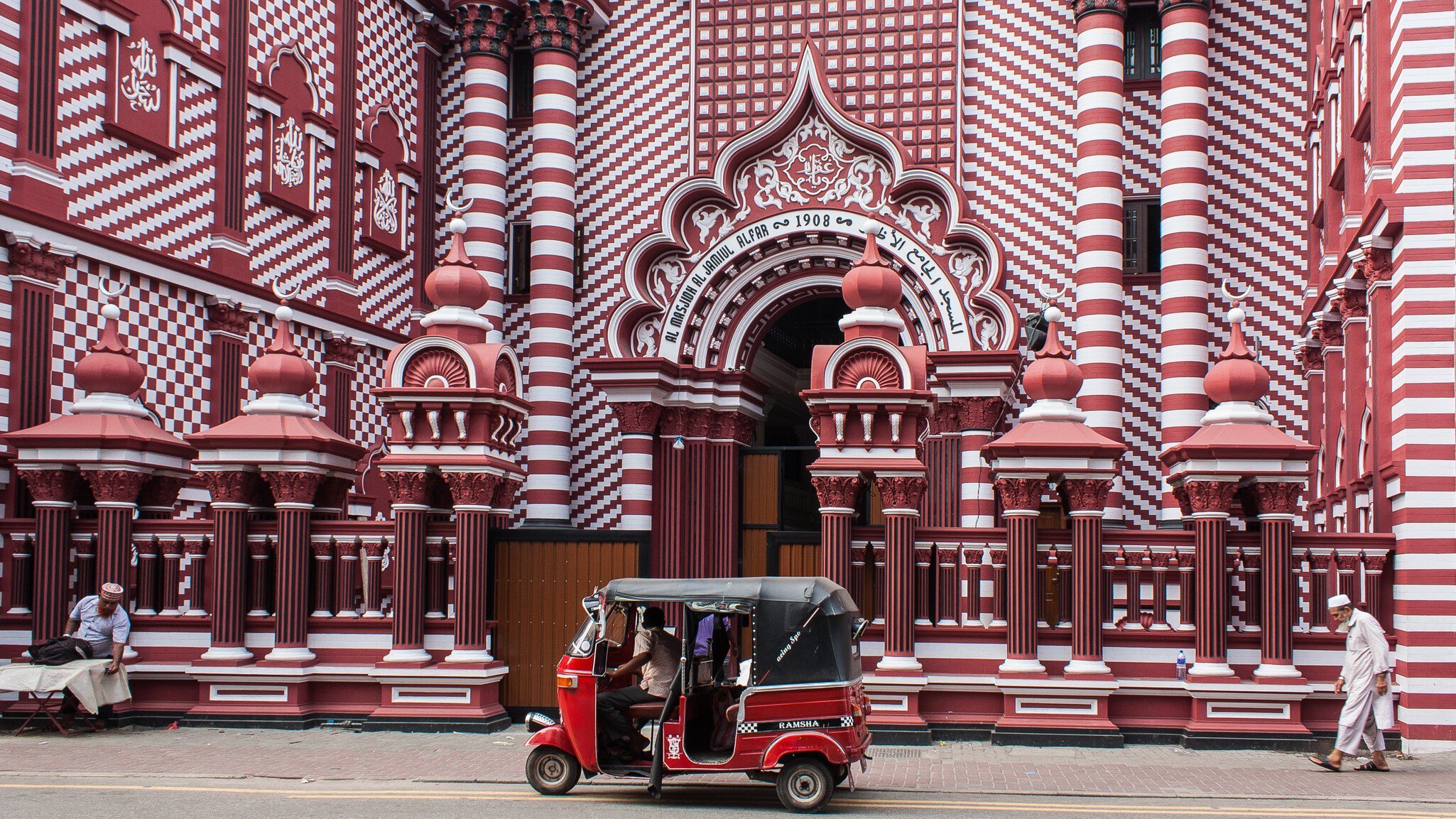
Athikhom Saengchai/Shutterstock
Latest Stories
- Zinara Rathnayake | Aug 20, 202618 Things to Do in Sri Lanka and the Best Way to Do Them
- Zinara Rathnayake | Jul 28, 202616 Things to Know Before You Head to Sri Lanka
- Avantika Chaturvedi | Jul 21, 2026A Guide to Driving a Tuk Tuk in Sri Lanka
- Demi Perera | Apr 20, 202613 Top Places to Visit in Sri Lanka
Book
Trip 
App

Trusted Partner
Dreaming of Sri Lanka? Protect your trip
Travel with confidence. Protect your trip and your wallet.
We don’t represent World Nomads, we receive a fee from quotes using this link. This is not a recommendation to buy travel insurance.
Book your Sri Lanka trip with Lonely Planet Journeys
See Sri Lanka how it's meant to be seen
Planned by local experts and tailored to you, Lonely Planet Journeys handles the logistics so you can just enjoy the trip. Tell us what you want and we'll build your Sri Lanka itinerary from scratch, or browse our bookable trips to get inspired.
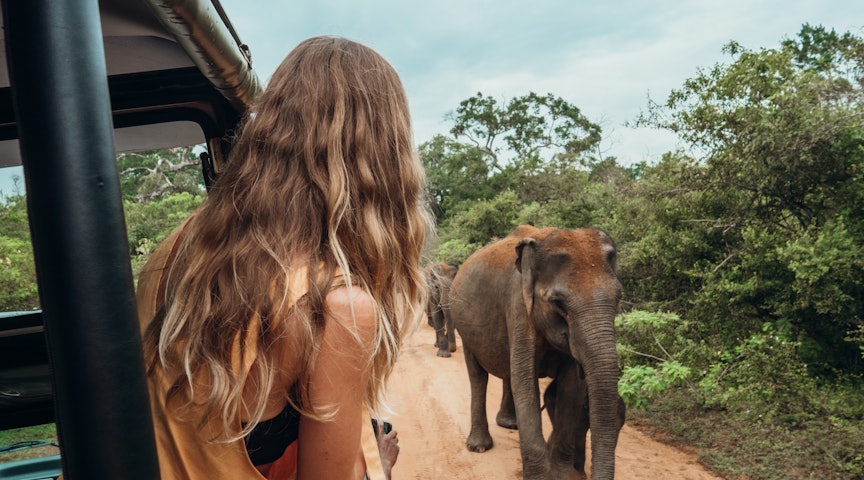
Top places to visit in Sri Lanka
Discover the best attractions in Sri Lanka from must-see sights to unexpected hidden gems.
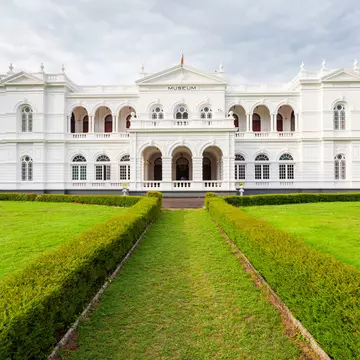
- Attraction in ColomboNational Museum
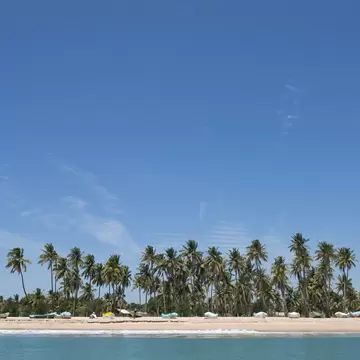
- Attraction in Sri LankaNilaveli Beach
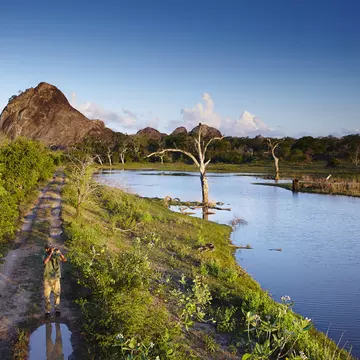
- Attraction in Sri LankaYala National Park
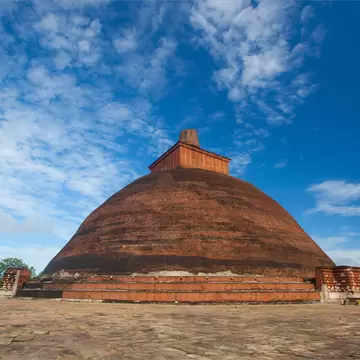
- Attraction in AnuradhapuraAbhayagiri Dagoba
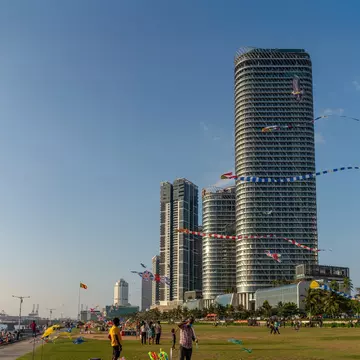
- Attraction in ColomboGalle Face Green
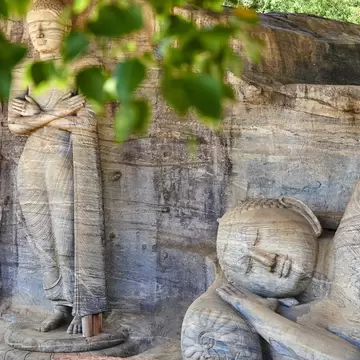
- Attraction in PolonnaruwaGal Vihara
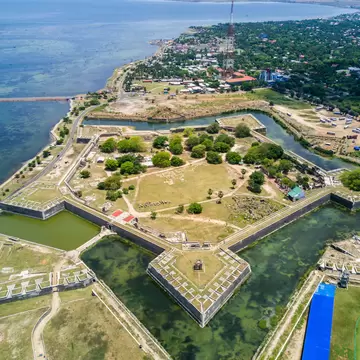
- Attraction in JaffnaJaffna Fort
- Attraction in Sri LankaKumana National Park
Travel Guides
Sri Lanka travel tips from Lonely Planet experts
Find practical guidance from our team of contributors around the world who bring their decades of first-hand travel experience to your next trip.
Best Things to Do
Sri Lanka is a nature lover’s dream. Here’s how to get the most out of its gorgeous waterfalls, lush rainforests, teeming coral reefs and surf-ready waves.
Read full article
Best Time to Visit
Whether you want to surf, hike or spot elephants, Sri Lanka delivers. Here’s our season-by-season guide.
Read full article
Things to Know
Follow these 23 tips on etiquette and customs in Sri Lanka and your visit to this pearl in the Indian Ocean will be both full and respectful.
Read full article
Transportation
Our guide to transportation can help you plan the best way for your travels around Sri Lanka.
Read full article
Best Road Trips
Hire a car and driver or rent a motorcycle and explore the best of Sri Lanka with these road trip routes.
Read full article
Traveling with Kids
Whether you're traveling with toddlers or teenagers, here's where to stay and what to do for an unforgettable family adventure in Sri Lanka.
Read full article
Best Places to Visit
This beguiling island nation is packed with beautiful beaches, culture-packed cities and lush mountains. Here are some top Sri Lankan places to visit.
Read full article
Get Connected
Sri Lanka is the perfect Indian Ocean getaway, and your cell phone is a handy tool for exploring. Here's what you need to know about getting connected.
Read full article
Get a book. Get inspired. Get exploring.
in partnership with getyourguide
Book popular activities in Sri Lanka
Lonely Planet may earn a commission from affiliate links on our site. All recommendations and reviews reflect our own independent opinions.
Sri Lanka and beyond
- destinationThe South
-
 destinationThe Hill Country
 - destinationThe Ancient Cities
- destinationThe East
- destinationGalle
- destinationKandy
- destinationAnuradhapura
- destinationJaffna