Aug 6, 20269 min read
3 Days in Madrid, SpainJan 5, 2026
8 MIN READ

Writer
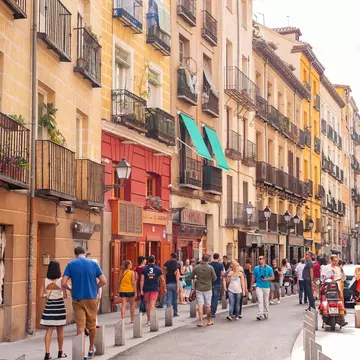
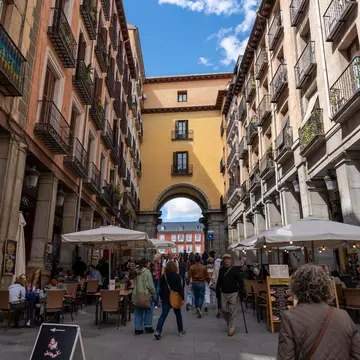
A street off Plaza Mayor in Madrid. Blake Horn for Lonely Planet

Writer
Highlights
Writer Natalia Diaz picks 12 Madrid experiences, from art to an Egyptian temple.
For world-class art from Velázquez to Picasso, head to the Golden Triangle of Art.
Browse El Rastro's Sunday stalls, then tapas-hop the bars and taverns of Calle Cava Baja.
Unwind in El Retiro by day; catch flamenco at Las Tablas or Cardamomo by night.
Lonely Planet may earn a commission from affiliate links on our site. All recommendations and reviews reflect our own independent opinions.
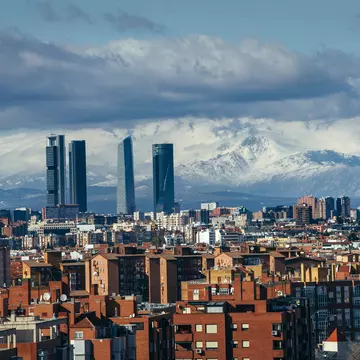
The capital of Spain is a cultural and social behemoth: architectural wonders, world-class gastronomy, famed art galleries and even an Egyptian temple sit within the city limits. Visitors can explore the varied neighborhoods by day and join in the city's thriving nightlife until sunrise.
Madrid's litany of free sights and can't-miss attractions could fill a dozen itineraries, so start planning by shaping your visit around these 12 experiences.
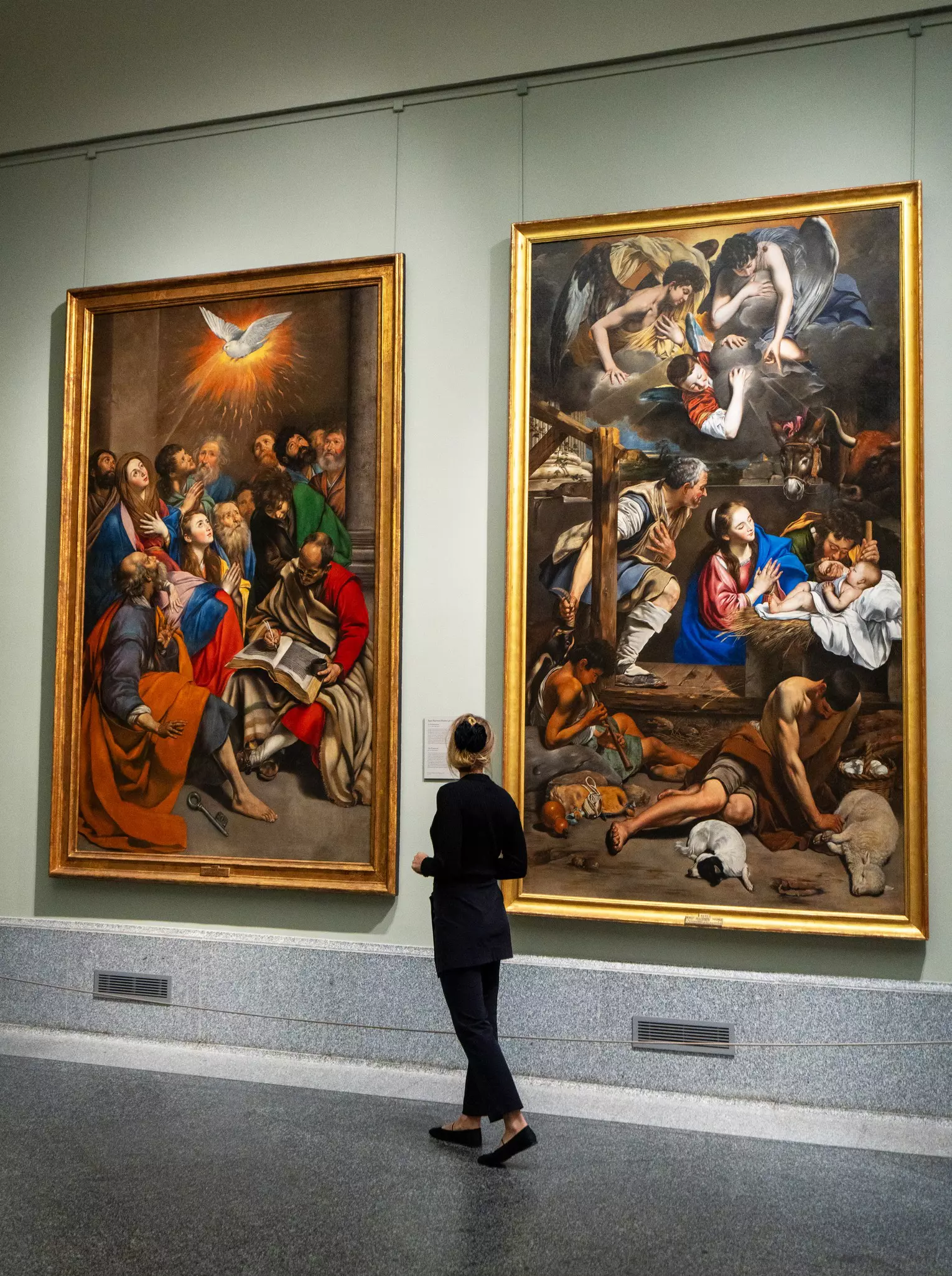
Madrid's Golden Triangle of Art consists of three renowned museums: the Museo del Prado, Centro de Arte Reina Sofía and Museo Thyssen-Bornemisza. Even if you're not typically a gallery type, these museums will draw you in with well-curated displays of some of the world's most valuable collections.
The Prado houses several masterpieces by Spanish artists Diego Velázquez, Francisco Goya and Francisco Zurbarán. Arguably its most famous work is Velázquez’s Las Meninas, an oil-on-canvas considered among the most important paintings in Western art.
The Reina Sofía is the Spanish national museum dedicated to 20th-century art, exhibiting a hefty collection of surrealist and cubist masters Salvador Dalí and Pablo Picasso, including Picasso’s huge anti-war oil painting Guernica.
The Thyssen-Bornemisza, once the private art collection of Baron Heinrich Thyssen-Bornemisza and his son Hans Heinrich Thyssen-Bornemisza, showcases nearly 1000 paintings by celebrated European and American artists from the 13th to 20th centuries. It’s a real feast for art fans.
Detour: Two museums worthy of a detour from the city center are the Palacio de Capricho Museum and Museo Banksy. The palace museum is in the Barajas district (northwest of downtown) and honors the Duchess of Osuna, who commissioned the palace and its surrounding gardens in the 18th century. Museo Banksy permanently displays reproductions of some of the British artist's most important works and is walkable from the Embajadores Metro stop in Madrid proper (lines 5 and 3).
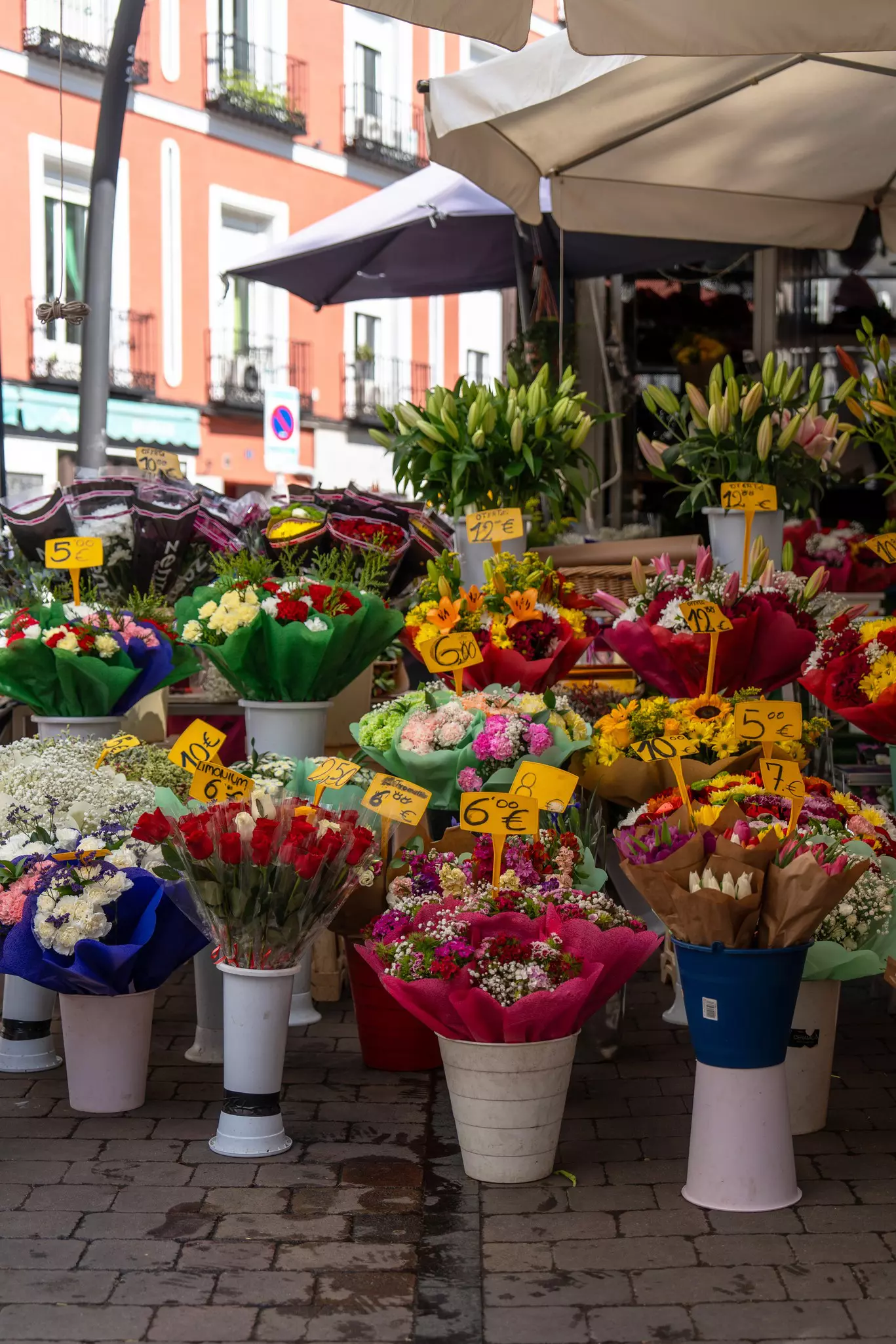
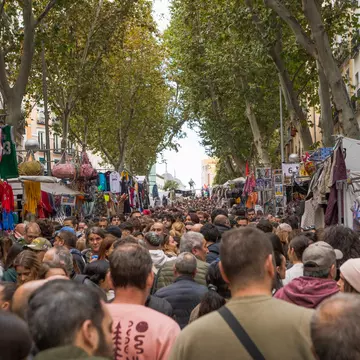
Take part in a 400-year-old shopping tradition at El Rastro flea market. Open every Sunday and on public holidays from 9am to 3pm, El Rastro stretches along the Plaza de Cascorro, La Ribera de Curtidores and Ronda de Toledo in La Latina. Vendors in a labyrinth of open-air stalls peddle clothes, souvenirs, handicrafts, antiques and all the bric-a-brac you can imagine.
Planning tip: Many of the vendors only accept efectivo (cash). Be sure to have some on hand before heading to the market, or you’ll be left hunting for an elusive ATM.
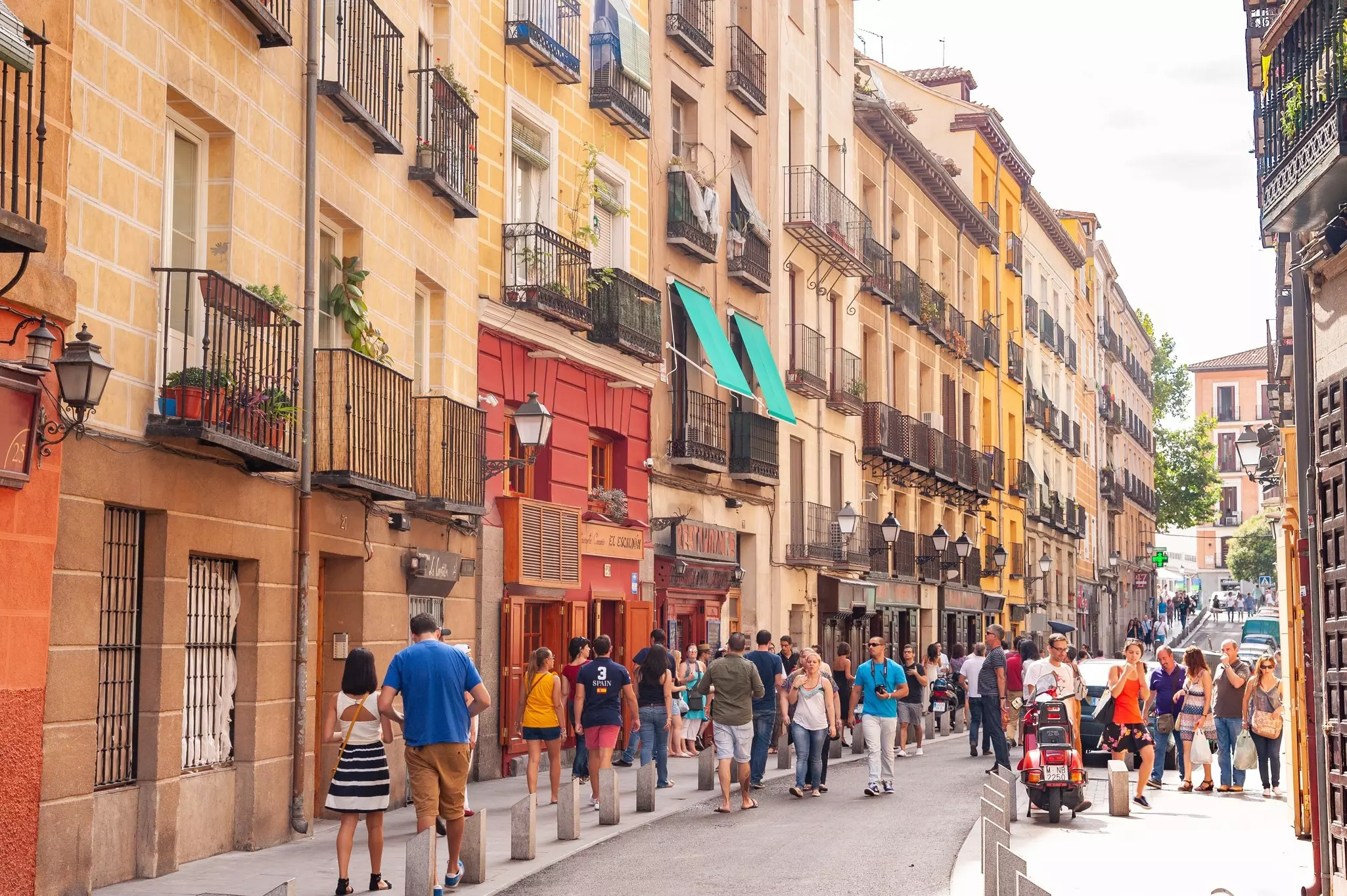
Translated to "Gate of the Sun," Puerta del Sol is Madrid’s busy central public square and main crossroads. A clock sits atop the plaza’s main building, the old Casa de Correos – now the headquarters of the Madrid regional government. Every New Year’s Eve, thousands of revelers gather here to eat the traditional 12 grapes with each chime of the clock at midnight.
All roads quite literally lead to Sol, as it is the symbolic center of Spain, marked by the Kilometer Zero plaque at the doorstep of the Casa de Correos. At the plaza’s center is the equestrian statue of King Charles III, though his popularity is overshadowed by a more famous sculpture on the east side of the square – El Oso y el Madroño (the Bear and the Strawberry Tree), which appears on Madrid’s coat of arms.

Stay connected abroad with an eSIM
Holafly eSIM provides unlimited mobile data with no hidden fees, giving you peace of mind wherever you travel. Stay connected even after your plan ends with Always On. Use code LONELYPLANET for an exclusive discount.
Lonely Planet may earn a commission from affiliate links on our site. All recommendations and reviews reflect our own independent opinions.
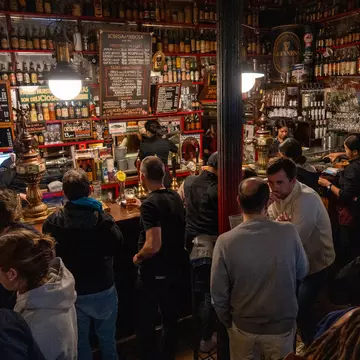
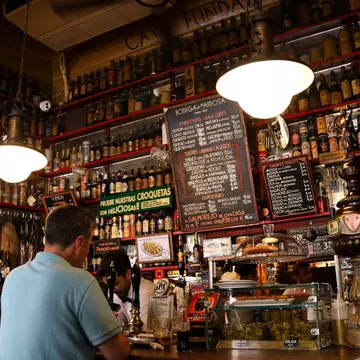
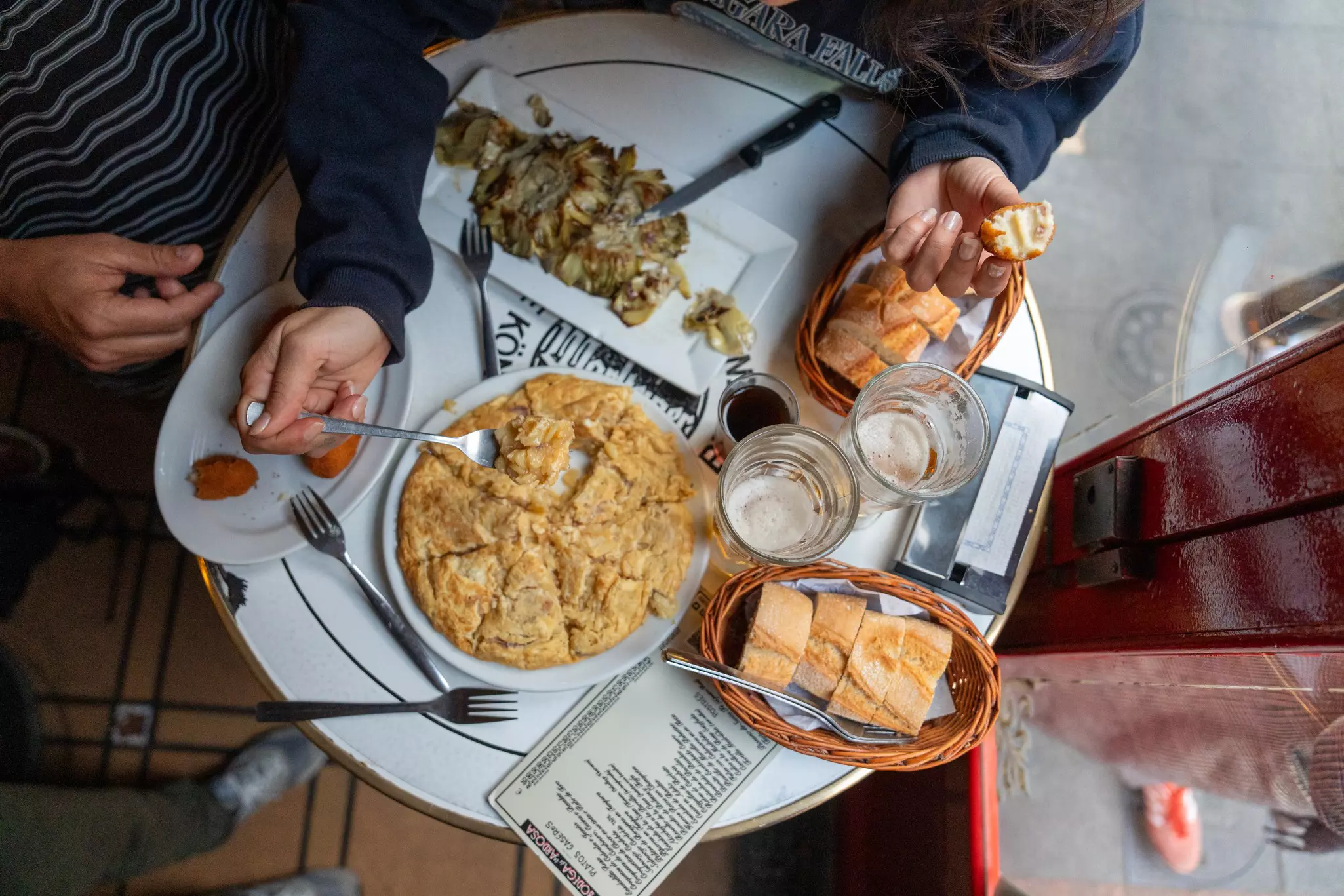
Tapas hopping, or ir de tapas, is a national pastime and a satisfying prelude to dinner, which in Spain is typically eaten between 9pm and midnight. A tapa is a small plate of food usually paired with a glass of wine, caña (a small glass of beer) or vermút, Madrid’s favorite aperitif.
Join locals after work any day of the week, hopping from one tapas bar to the next to sample a selection of Iberian hams, cheese and specialty dishes.
Planning tip: Sunday afternoons are the best time to visit Calle Cava Baja, a popular street with vibrant little bars, taverns and restaurants perfect for a laid-back tapas crawl.
"Hemingway did not drink here" is a common joke on signs in some Madrid establishments. It’s no secret that the American literary giant and Madrid’s adopted scribe Ernest Hemingway, fondly called Don Ernesto, loved to drink, eat, write and watch bullfights while covering the civil war as a foreign correspondent.
Fans of Hemingway can retrace his footsteps to some of his haunts that still exist today, including Restaurante Botín, the world’s oldest restaurant, which houses a 16th-century cellar cradling dust-covered wine bottles.
Hemingway also used to frequent La Venencia, a dimly lit sherry bar that is virtually frozen in time with its massive molasses-stained wooden barrels, antique cash register and fading sepia-hued posters.
Planning tip: Don’t bother whipping out your phone to take pictures at La Venencia. Photos are still strictly prohibited, just as they were in the 1930s when the bar was wary of spies.
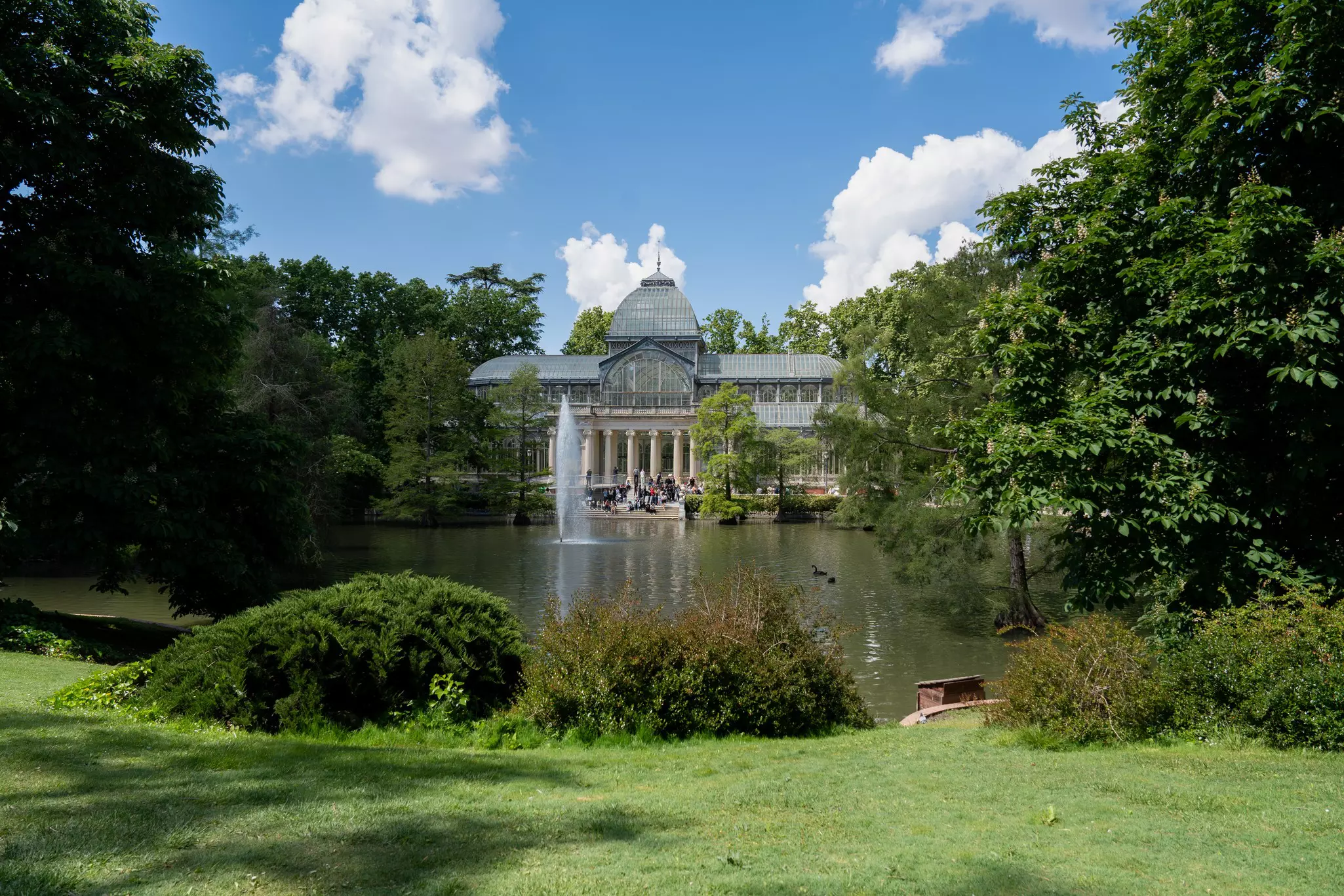
The Parque del Buen Retiro, Madrid’s most famous park, covers 118 hectares (292 acres). Once reserved for Spanish royalty and aristocracy, it opened to the public at the end of the 19th century. El Retiro is adorned with ornate fountains, statues of Spanish writers and heroes, gazebos and open-air cafés.
Different areas of the park reveal various landscaping styles, from French-inspired manicured lawns and craggy tree-lined pathways to La Rosaleda, a romantic rose garden, with more than 4000 roses in full bloom in May and June.
The park's grounds have several landmarks, including the grand Monument to Alfonso XII, depicting the former Spanish king atop his horse; the Fallen Angel, one of the few public statues of Lucifer in the world; and the oldest tree in Madrid, planted in 1633.
Planning tip: Don’t miss the Palacio de Cristal, an architectural marvel of iron and glass that occasionally has events and reflects magnificently on the waters of the surrounding lake.
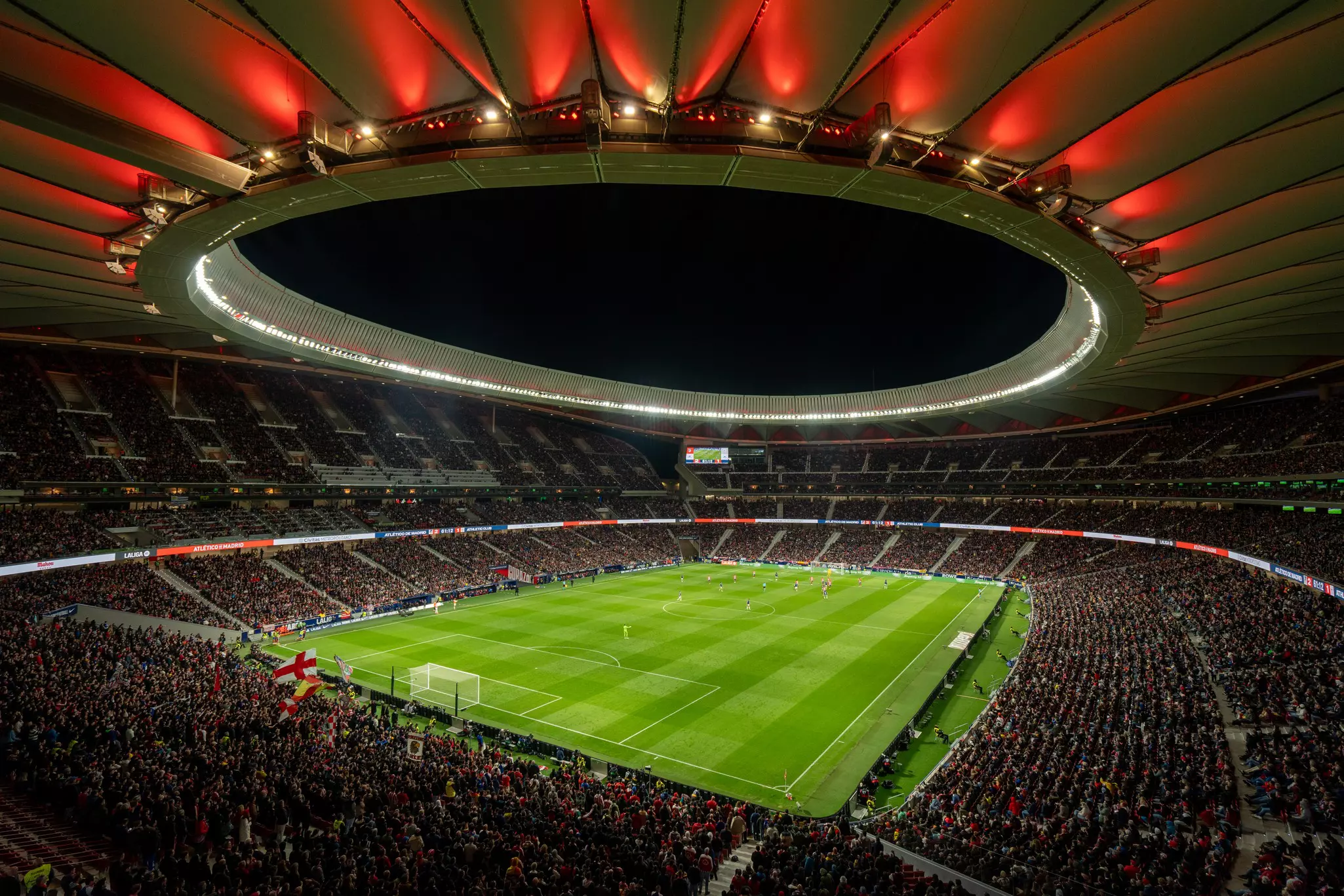
Spain is a soccer powerhouse. Its international teams have won multiple World Cup and European championships, and its regional teams dominate European fútbol.
Madrid has two teams, and fans can enjoy a guided tour around both stadiums: the Estadio Santiago Bernabéu for Real Madrid and Wanda Metropolitano for Atlético de Madrid. The stadium museums display the teams’ trophies, their jerseys throughout the years, and memorabilia narrating their long, illustrious histories.
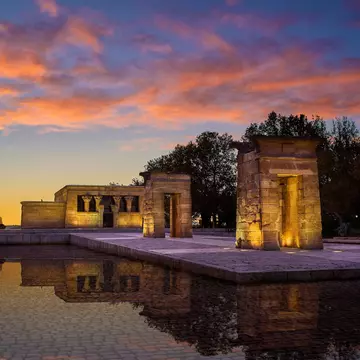
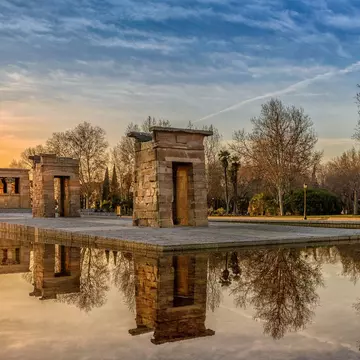
Few people know that Madrid is home to an Egyptian temple from the 2nd century BCE. Dedicated to the goddess Isis and the god Amun, Templo de Debod was the Egyptian government’s token of gratitude to Spain for helping restore the Temples of Abu Simbel in southern Egypt. Templo de Debod was transported and rebuilt stone by stone, opening to the public in 1972 in Madrid’s Cuartel de la Montaña Park, near Plaza de España.
Planning tip: The temple's panoramic views of western Madrid are particularly impressive at sunset, when the walls reflect off the surrounding pools, making for incredible photos.
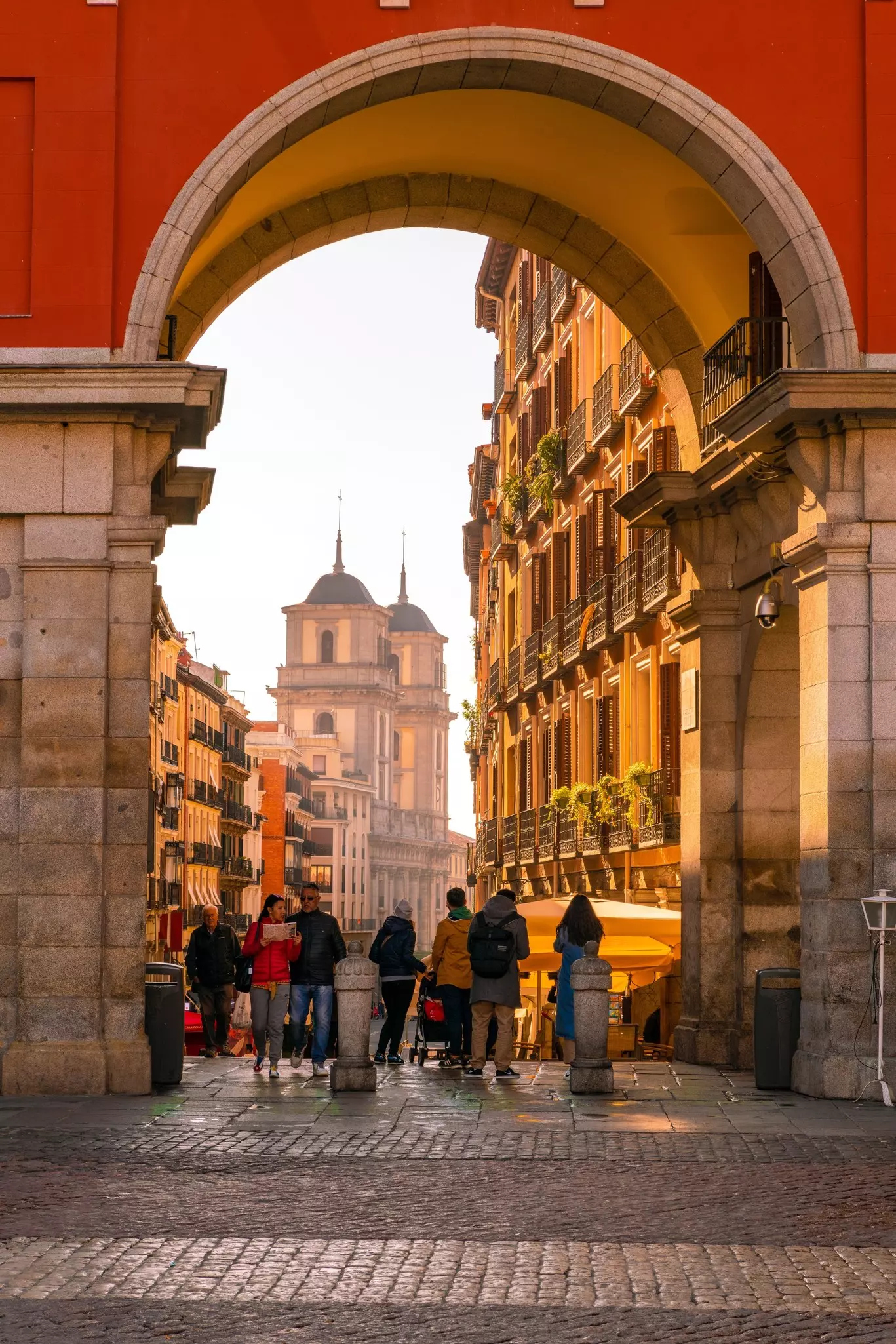
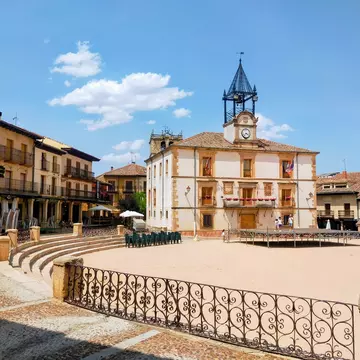
In the heart of old Madrid, the beautiful, expansive Plaza Mayor has been the stage for everything from royal crowning ceremonies and soccer games to outdoor markets and public executions during the Inquisition.
Today, 237 balconies protrude from the three-story residential compound that embraces the plaza. While it’s easy to get distracted by the buskers, it’s worth sitting at one of the busy (albeit overpriced) cafés and admiring the magnificent frescoes painted between the balconies.
Planning tip: The square hosts the city’s annual Christmas market, which has taken place since 1860.
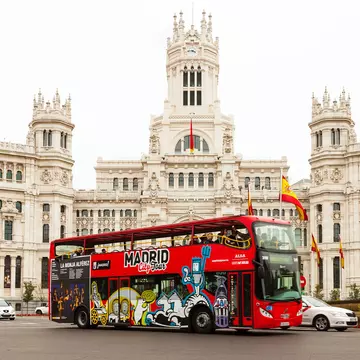
Although you won’t find the Spanish king and queen living in the Palacio Real anymore, it is still the official residence of the Spanish monarchy. Inspired by the Italian sculptor Bernini’s sketches for the construction of the Louvre in Paris, the palace faces a large central courtyard and contains 3418 rooms, making it the largest functioning royal palace in Europe.
The biweekly changing of the guard happens every Wednesday and Saturday, but the grand spectacle is the Solemn Changing of the Guard, which takes place at noon on the first Wednesday of the month, showcasing a parade of horses and the Spanish Royal Guard, as performed during the time of King Alfonso XII.
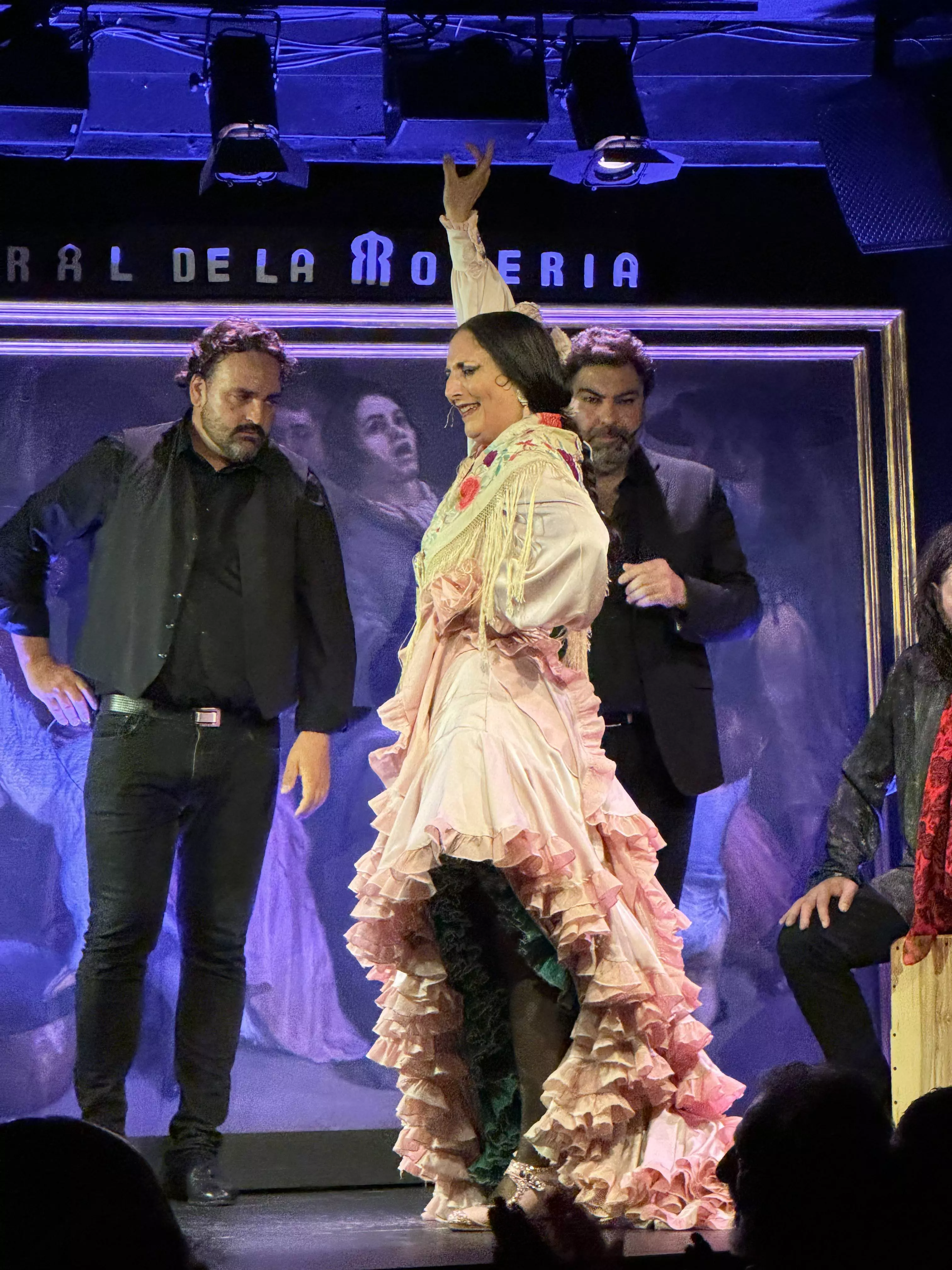
While Andalucía in southern Spain is the birthplace of flamenco, you don’t need to venture far in Madrid to watch live shows of the Spanish dance. Dinner, tapas and drinks are usually served during performances, providing a full evening of entertainment.
Watch the frenetic spectacle in big touristy venues such as Cardamomo and Teatro Flamenco or smaller, cozy venues like Las Tablas, which makes up for its size with the big flamenco artists it attracts.
Planning tip: For a truly luxurious experience, the Corral de la Morería is an intimate space with a Michelin-starred restaurant.
Madrileños love a reason to celebrate. If your timing aligns, catch one of the city's many festivals, from Pride to music or art. International Pride Day on June 28 kicks off Madrid Pride, which features a high heel race, a conference on human rights, live music and a parade. Mad Cool is a music festival with headliners such as Gracie Abrams, Alanis Morissette and Benson Boon. On and around May 15, the San Isidro Festival honors the city's patron saint and blends religion and tradition with a giant party.
Explore related stories