Aug 9, 202613 min read
20 Things to Know Before Visiting EdinburghAug 3, 2026
10 MIN READ

Writer
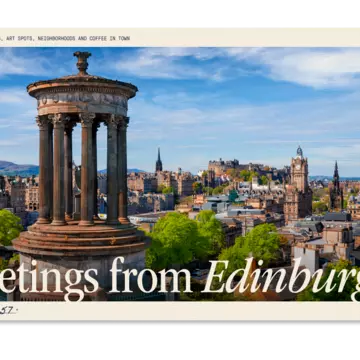
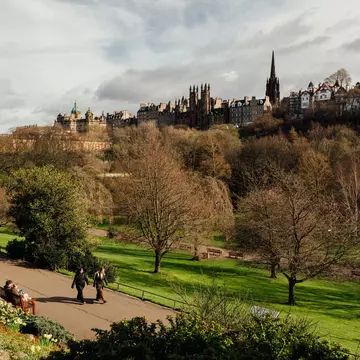
Looking out over the rooftops of Edinburgh, Scotland. Saffron Blaze/Getty Images

Writer
Highlights
Writer Mike MacEacheran picks eight things to do in Edinburgh.
Walk the Royal Mile, climb Edinburgh Castle and slip into Greyfriars Kirkyard after dark.
The four free National Galleries suit any rainy day; August's Fringe brings 3,650 shows.
Hike Arthur's Seat for sweeping views, stroll the Water of Leith or try Portobello beach.
Lonely Planet may earn a commission from affiliate links on our site. All recommendations and reviews reflect our own independent opinions.
These are great days for taking a vacation in Edinburgh, the crown jewel of Scotland. The best things to do in the Scottish capital bring to life the daydreams of anyone seeking the medieval, the regal and the outright fantastic. And I should know: the city has been part of my life for the best part of five decades. My family is from the suburbs of Corstorphine and Murrayfield, and I choose to live in the west of the city and nowhere else.
At Edinburgh’s heart is the astonishing Royal Mile, a cobblestone artery spanning the centuries, running beneath a rock-topped castle to a baroque palace. Despite the passing of ages, Edinburgh is still pure Gothic romance meets Middle Earth fantasy – like a mad god’s dream, or at least that's how Scottish poet Hugh MacDiarmid described it.
Even having lived here for years, I still can’t quite make sense of it all. But Edinburgh will appeal to anyone who yearns for a city that reaches well beyond the norms — from top-notch museums to world-class festivals, you'll never be bored in Scotland’s greatest city.
But there's so much to choose from when you visit – to get you started, here is my pick of the best things to do in Edinburgh.
The non-negotiable
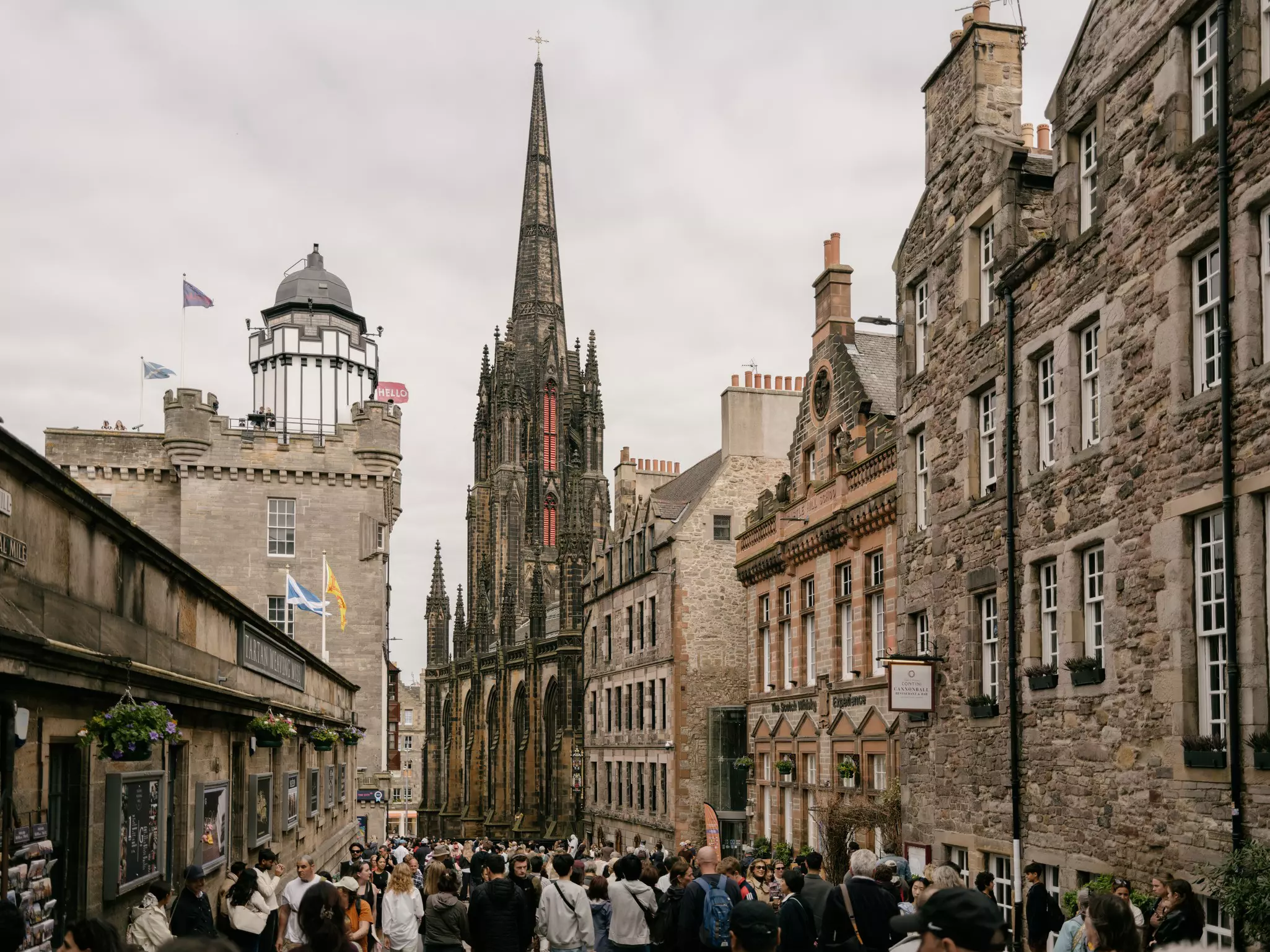
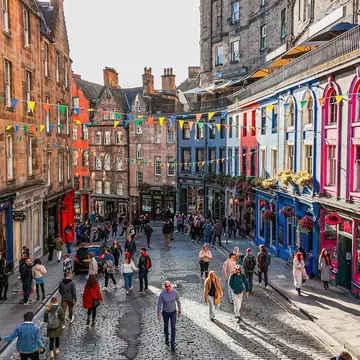
Compact and easily navigable, Edinburgh is a joy to discover. But as tempting as it is to watch the world go by from a cafe or pub table, there’s just so much to discover on the downhill daunder (the Scots word for “stroll”) from Edinburgh Castle to Holyrood Park along the Royal Mile.
As you wander past a fanfare of stone townhouses, bridges, kirks (churches) and once-fortified gateways, you'll be mesmerized by the ever-changing light. Dark histories linger down the crooked steps of narrow wynds (alleyways) and inside wonky tolbooths.
Don’t speed past St Giles’ Cathedral, the Scottish Storytelling Centre, or the Canongate Tolbooth without paying your dues to history. Bookending the road’s eastern end is the Scottish Parliament Building and the Palace of Holyroodhouse, an architectural juxtaposition of the city’s past and future.
When to go: Visit during the day from Monday to Thursday for the least pedestrian traffic, or after dark when the alleys and wynds take on an extra special atmosphere. Avoid August during the Edinburgh Fringe Festival when the Royal Mile turns into a jam-packed carnival procession of entertainers.
Getting there: The Royal Mile forms the heart of Edinburgh's Old Town, and you can walk here in minutes from Edinburgh Waverley train station.
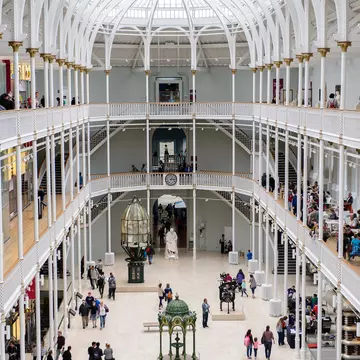
Pair with: The National Museum of Scotland. Just along George IV Bridge from the Royal Mile, the country's largest museum has galleries covering everything from Ancient Egypt to the Kingdom of the Scots.
The secret
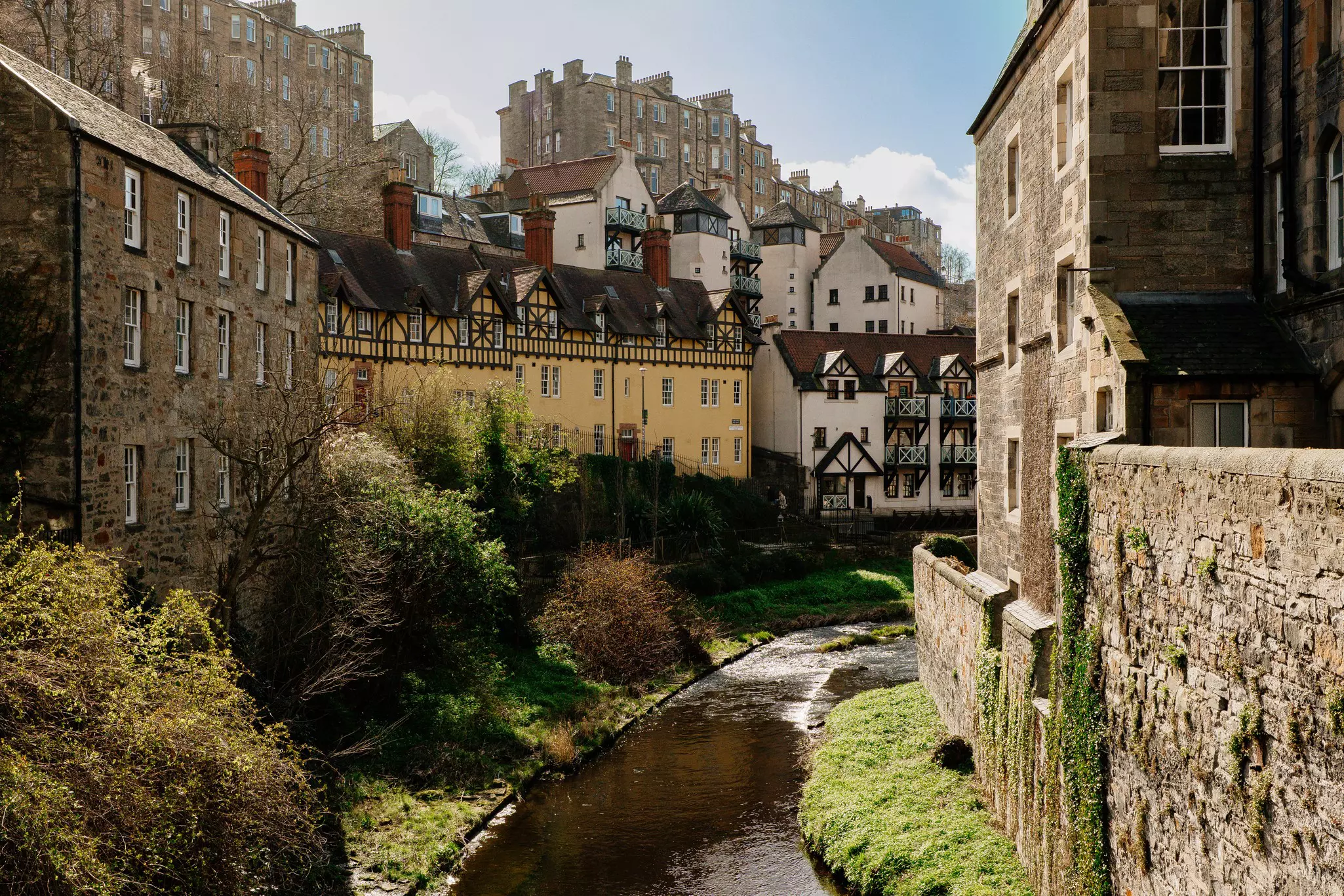
Like a wormhole through Edinburgh’s most beautiful suburbs, this riverside path north of the New Town offers a peaceful escape from the trams and traffic and a fascinating history lesson. It runs from Murrayfield, home of Scottish Rugby, meandering past overhanging trees and squares of Georgian-era townhouses toward the historic mills of Dean Village.
The path provides an unexpected, time-stopped view of Edinburgh. From here, the river winds past Antony Gormley statues emerging from the water and the Doric columns of St Bernard’s Well to the neighborhood of Stockbridge, where you can enjoy some of the finest pubs, restaurants and independent stores in the capital.
When to go: Early in the morning, when the only other visitors are commuters, dog walkers and joggers.
Getting there: Take Lothian Buses numbers 19, 37 or 47 to pick up the path.
Pair with: The Royal Botanic Garden Edinburgh. A short stroll from Stockbridge, this green bower is a deep breath of fresh air, with rock gardens, twisted trees, Asian shrubbery and marvelous glasshouses. It's a veritable Narnia of miniature worlds.
The surprise
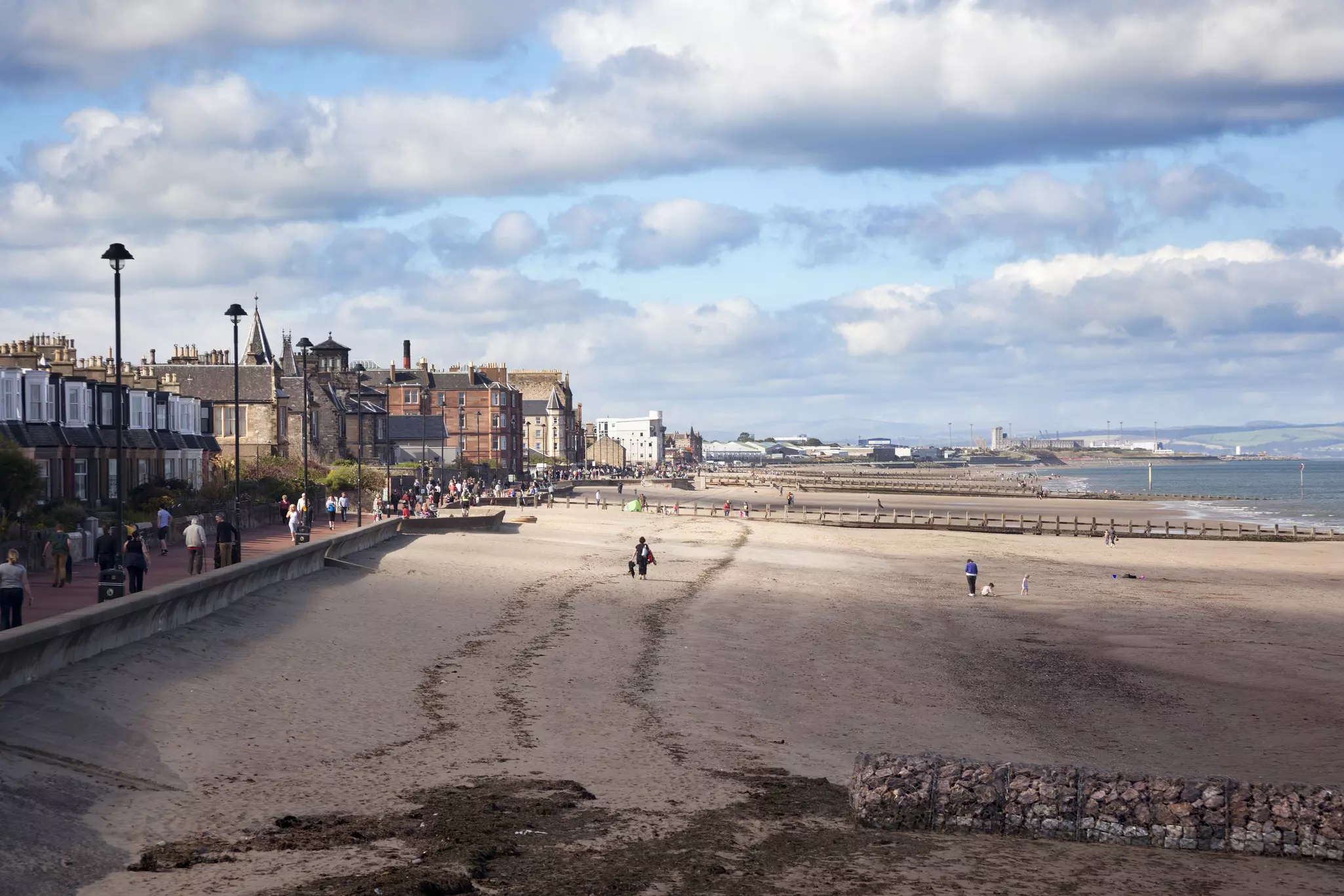
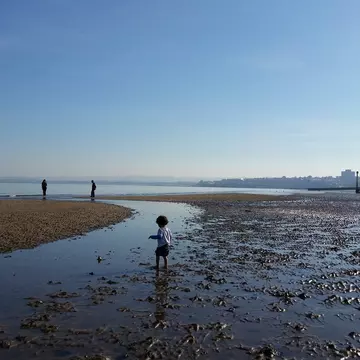
On sparkling sunny days, when the Firth of Forth (the sea inlet north of Edinburgh) glitters silver and gold, bathers, surfers and sailors in dinghies take to the capital’s beaches. Easily accessible by public transport, these seaside getaways ebb and flow from the suburbs to the city fringes, offering sea and sand, community vibes and an appealingly Caledonian atmosphere.
Portobello is the spot for end-of-the-pier hijinks, with a lovely promenade lined with fish and chip shops, ice cream parlors, an amusement arcade and a two-mile stretch of fudge-colored sand. Northwest of the center, Cramond offers low-tide excursions to a castaway island topped by WWII gun bunkers, offering views of the architectural wonder that is the Forth Rail Bridge.
When to go: A weekend evening in July or August, when Edinburgh beaches become the Costa del Scotia.
Getting there: Take Lothian Buses number 26 to Portobello or number 47 to Cramond.
Pair with: Some castle spotting. Edinburgh has three castles, not one, and classic Scottish tower house Lauriston Castle, with its pretty grounds and gardens, overlooks the Firth of Forth, a short walk from Cramond.
Must-do with kids
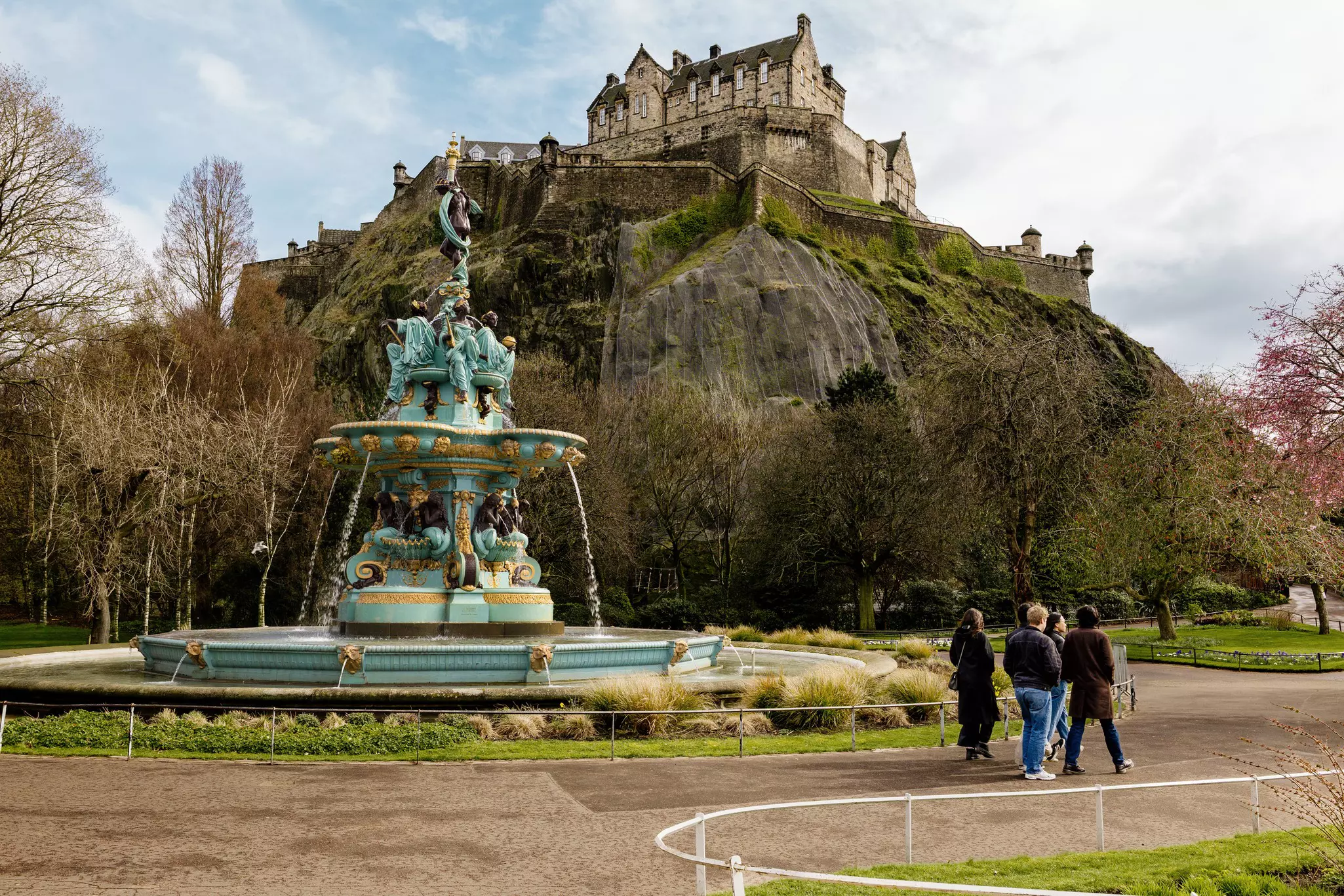
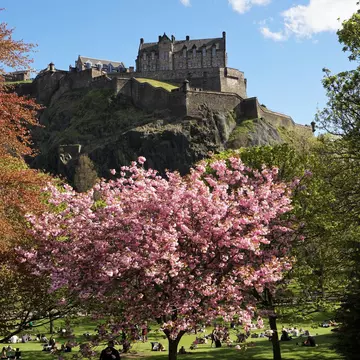
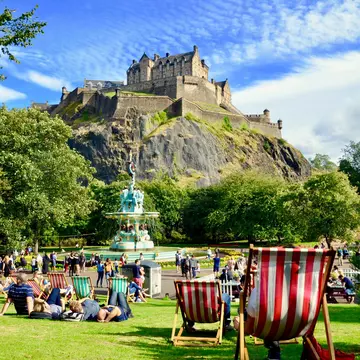
For many visitors, this royal fortress crowned with steeples and turrets is Edinburgh. The historic, bejeweled regalia of the Honours of Scotland (the Scottish crown jewels), the Romanesque 12th-century chapel and the One O’Clock Gun scaring the bejesus out of unprepared passers-by below the walls are all city icons. Come to delve into blood-soaked Jacobite history and tartan glamour but stay for a day steeped in Scottish identity.
On a self-guided tour, you’ll tumble through time, entering via the dry ditch and drawbridge under a gatehouse arch adorned with crow-stepped coping stones, thistles, roses and stained glass. The portcullis gate leads toward the battery and various military museums, memorials and grand halls, with spine-tingling views of sheer cliffs, the New Town and Leith in the distance. Everywhere, you'll see the signatures of kings, queens and pretenders to the throne.
When to go: Around lunchtime, when the One O’Clock Gun is fired. This is the busiest, yet most atmospheric time of day. For a quieter tour, arrive when the castle opens at 9:30am to dodge the worst of the crowds.
Getting there: Find Edinburgh Castle in the heart of the Old Town at the top of the Royal Mile.
Pair with: If you're coming in August, book ahead for the Royal Edinburgh Military Tattoo, which transforms the Castle Esplanade into a spectacle of massed pipes, drums and dancers lit by fireworks and starlight.
Best free thing
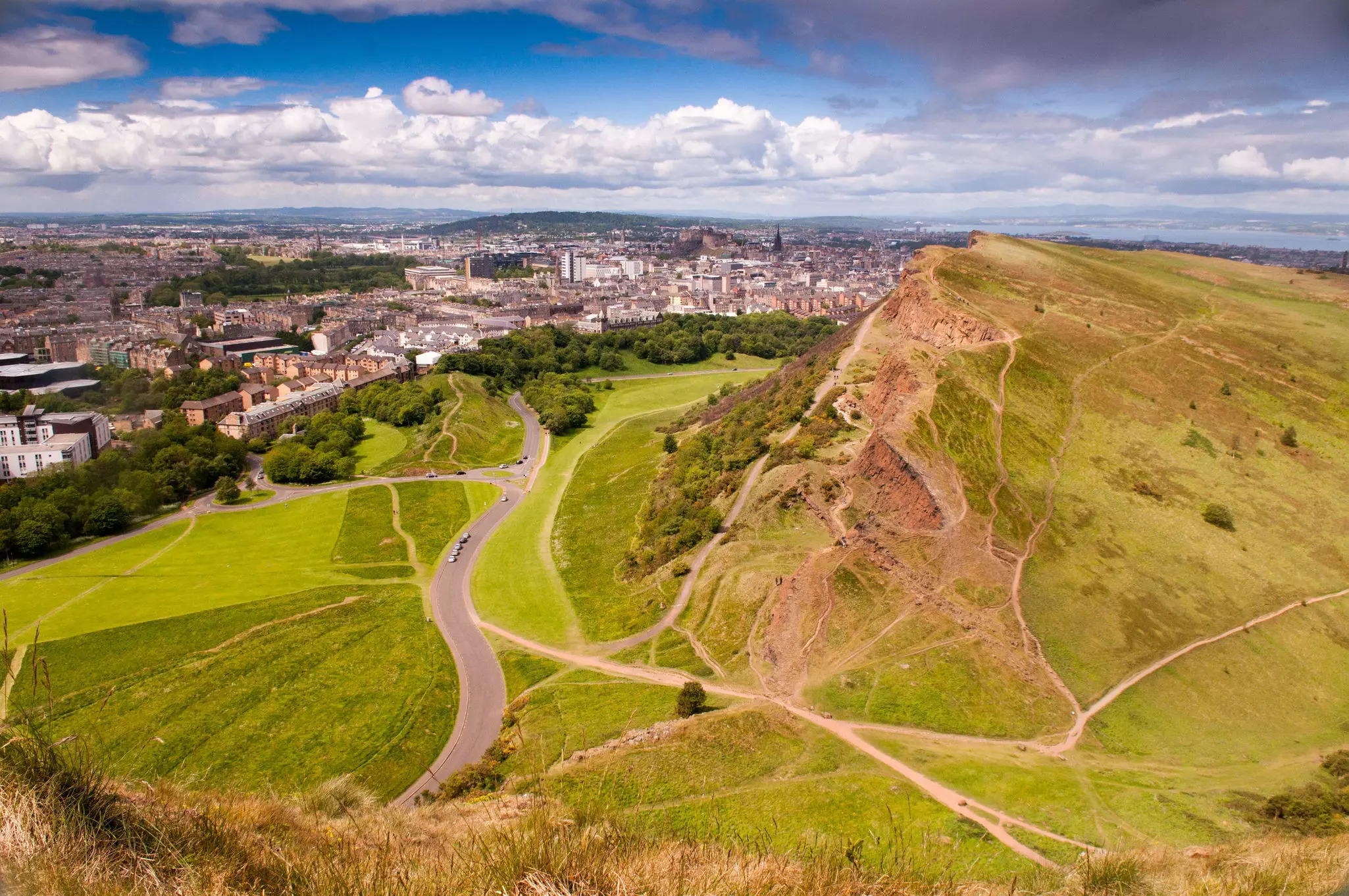
Edinburgh’s Robert Louis Stevenson, author of Treasure Island and The Strange Case of Dr Jekyll and Mr Hyde, frequently climbed Arthur's Seat, and who wouldn’t if given the chance? This mini mountain serves up the Highlands in microcosm, with a ruined chapel, hidden lake, heathery frills and sweeping views from its 823ft summit.
For those interested in geology, it’s also a dormant volcano that last blew its top around 342 million years ago – if Tolkien had grown up in Scotland, this could have been his Mt Doom. Edinburgh Castle also sits atop an ancient volcanic plug.
When to go: Sunset, ideally on a warm summer’s day to see Edinburgh’s spire-stacked skyline turn fiery orange then dusky pink.
Getting there: Arthur’s Seat is most memorably approached from outside the Palace of Holyroodhouse at the bottom of the Canongate. You can climb to the top in under an hour.
Pair with: A dip into history. For the full Highlands effect, plot a route via the 15th-century ruins of St Anthony’s Chapel and Dunsapie Loch, excavated in 1844 on the orders of Prince Albert, husband of Queen Victoria.
Best thing to do on a rainy day
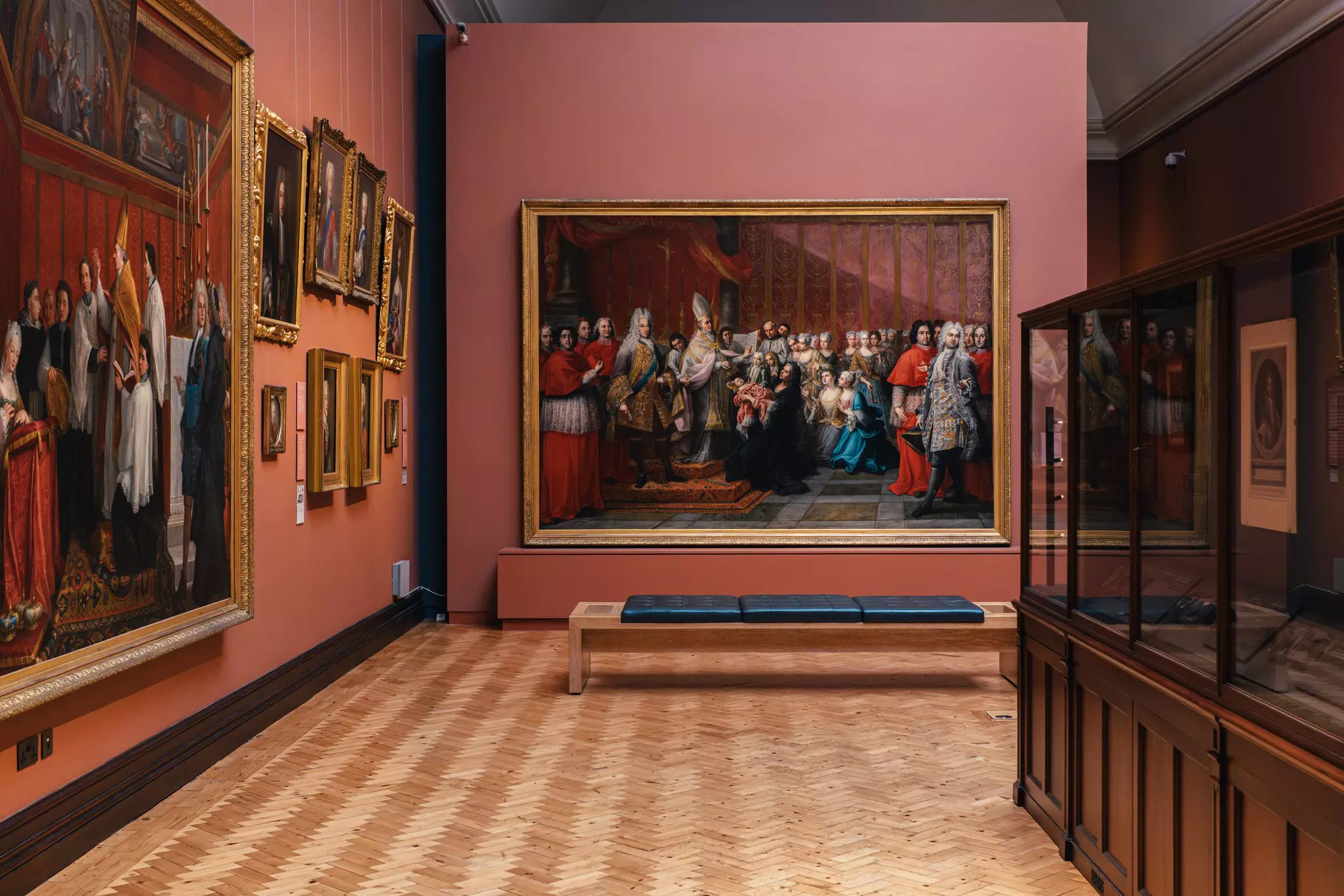
Not everything that is beautiful about Edinburgh is visible from the street. Behind the walls of some of the city's grandest buildings you'll find eruptions of color and evocative brushstrokes, with the city laying claim to a succession of knockout art museums worthy of any European capital city. The clincher? The best galleries are all free to visit!
You could make a whole day out of touring the four buildings of the National Galleries of Scotland in search of works by Vermeer, Titian, Rembrandt, Velázquez and homegrown talents such as Charles Rennie Mackintosh and the Glasgow Boys. Just off Princes Street, National houses the country’s greatest art collection, while Modern One and Modern Two are the high-water mark of contemporary Scottish art. Portrait is set inside a neo-Gothic, red-sandstone pile that is as awesome as the art inside.
When to go: Monday to Thursday mornings, when the galleries are at their most peaceful.
Getting there: All four galleries are located within a 15-minute walk of each other within the New Town.
Pair with: The adjacent Princes Street Gardens. Discover the Victorian-era Ross Fountain, then see the gardens from above at the 1820 Rooftop Bar inside the Johnnie Walker Experience, devoted to the famous whisky brand. With the epic castle vista, you'll feel like all of Edinburgh is in the palm of your hand.
The world-beater
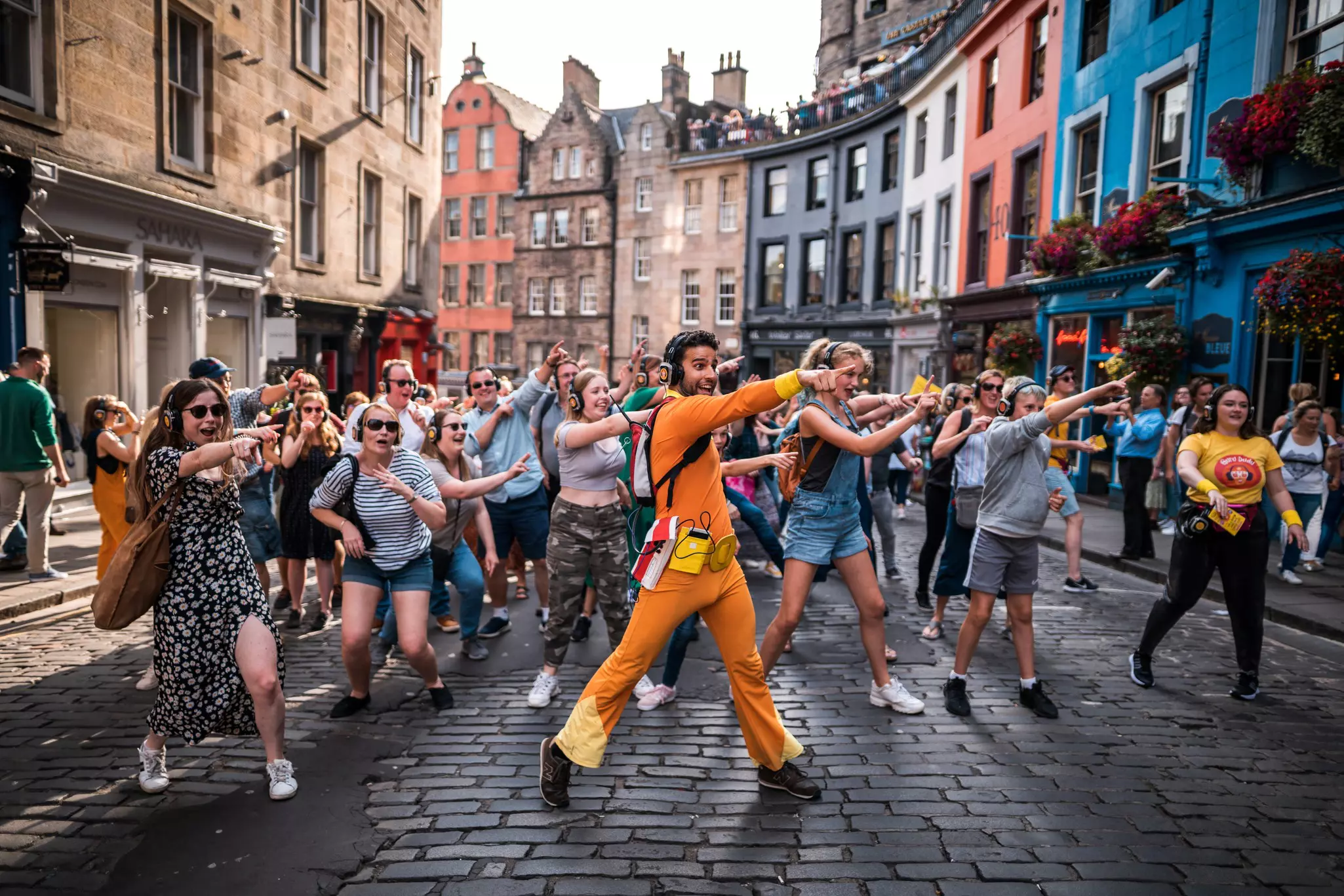
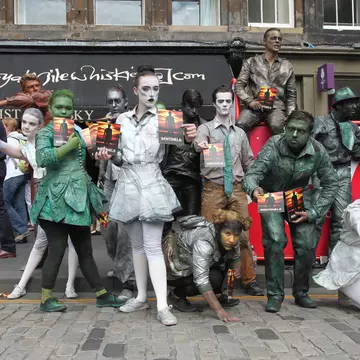
Sweary puppets, silent discos, zombified drag queens and live performances in taxis, toilets, a library and inside a giant inflatable purple cow. That's just a snapshot of what you might find at August’s annual Edinburgh Festival Fringe, a month-long celebration of the arts.
You could spend a lifetime here and never truly fully experience the full depth of the Fringe. On any given year, you can take your pick from around 3650 shows and 55,000 performances spread across 250 venues, spanning comedy, cabaret, dance, music, theater, circus, burlesque and the visual arts. Many visitors decide – quite reasonably – that experiencing it once will never be enough.
When to go: Every August, with the festival running for three to four weeks and concluding on the final August bank holiday weekend.
Getting there: There are venues across the city, so use the online journey planner tools from Lothian Buses and Edinburgh Trams to plan getting around.
Pair with: More August festival fun. Edinburgh has festivals throughout the month, including the wide-ranging Edinburgh International Festival, Edinburgh International Film Festival and Edinburgh International Book Festival.
The movie set
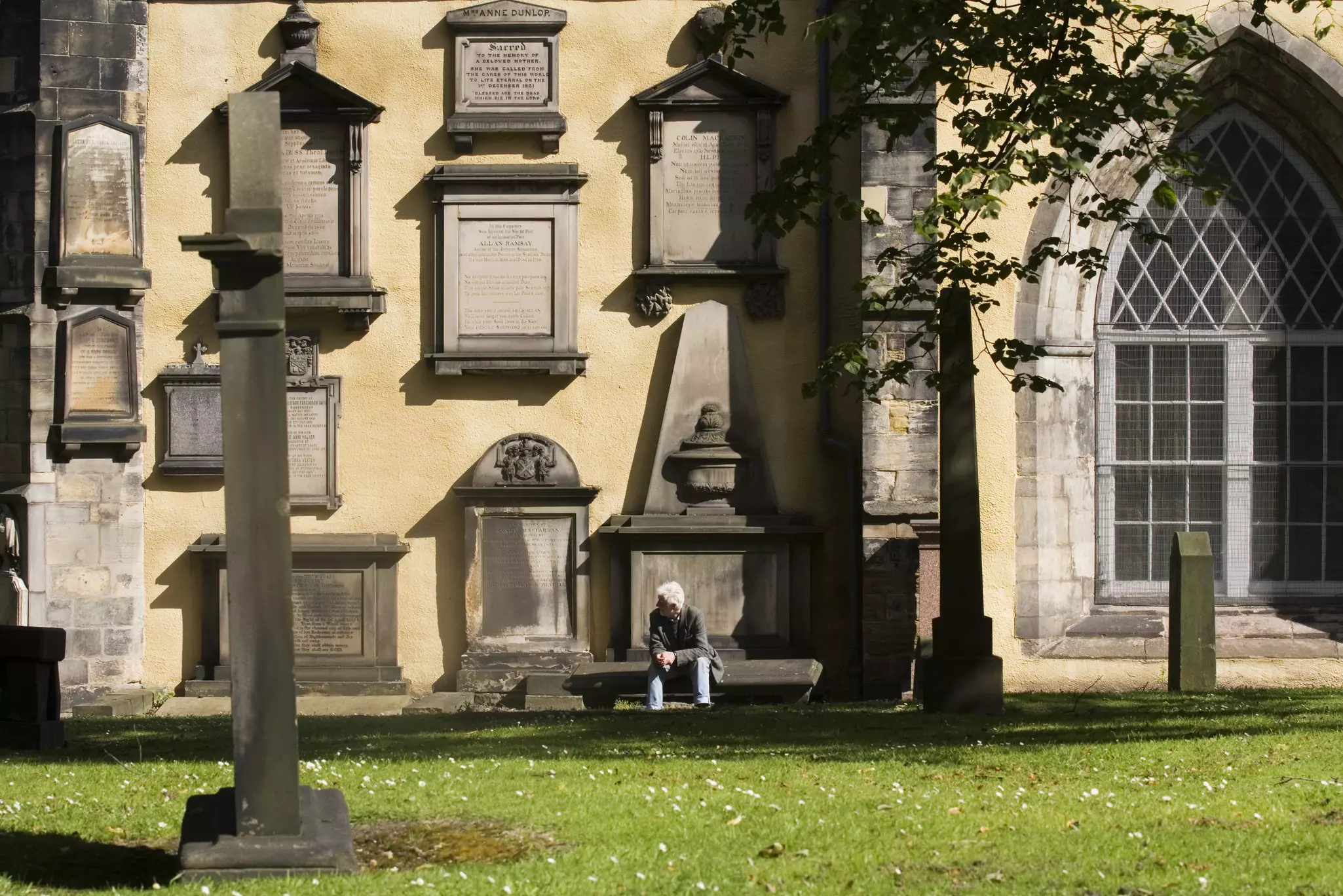
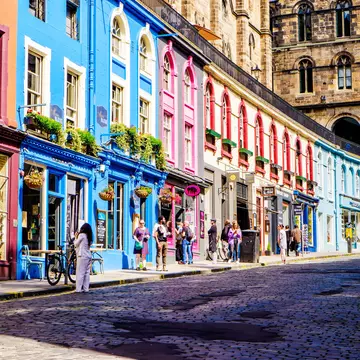
J K Rowling helped put this creepy graveyard on the map by naming several of her Harry Potter characters after former Edinburgh residents buried below the tombstones. Find it southeast of the castle, and look out for gravestones to Thomas Riddell, Robert Potter and William McGonagall. Likewise, the wizarding world writer took inspiration from Victoria Street (for Diagon Alley) and George Heriot’s School (for Hogwarts). But it's this medieval cemetery that sees Edinburgh at its most corporeal.
These days, the surrounding streets are packed with Gryffindor scarf-wearing guides; join them or, if ambiance matters, simply slip into the shadows of the kirkyard alone at sunset.
When to go: In the evening, as the light fades and shadows grow; the graveyard is open all hours.
Getting there: Take Lothian Buses numbers 23, 27, 41 or 42.
Pair with: A trip underground at The Real Mary King’s Close – an entombed labyrinth of frozen-in-time streets and claustrophobic rooms hidden beneath the Royal Mile. A tour of this time capsule is a dip into Edinburgh’s darker side; following the Black Plague of 1645, which killed thousands of the city's poorest residents, the streets were sealed off for centuries, and only rediscovered in 2003.
Need help planning your next trip? Check out Lonely Planet Journeys to get connected to a local expert who can craft a custom itinerary for you.
Explore related stories