Scotland
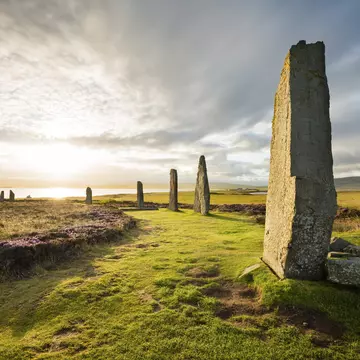
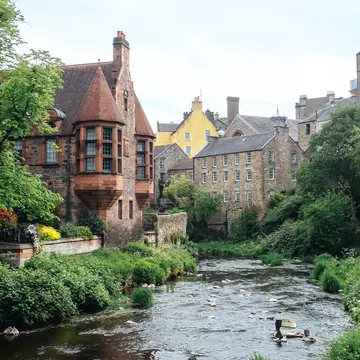
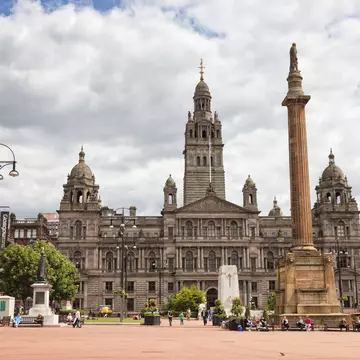
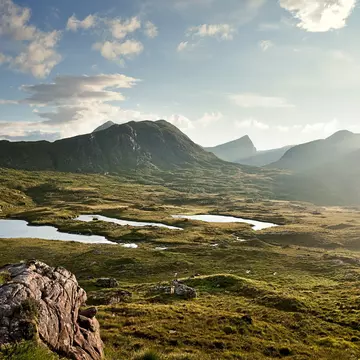
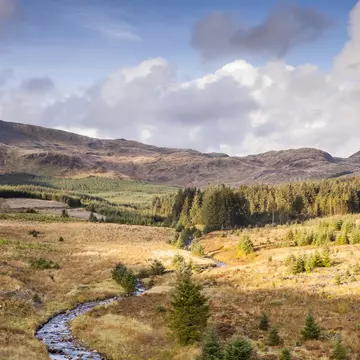
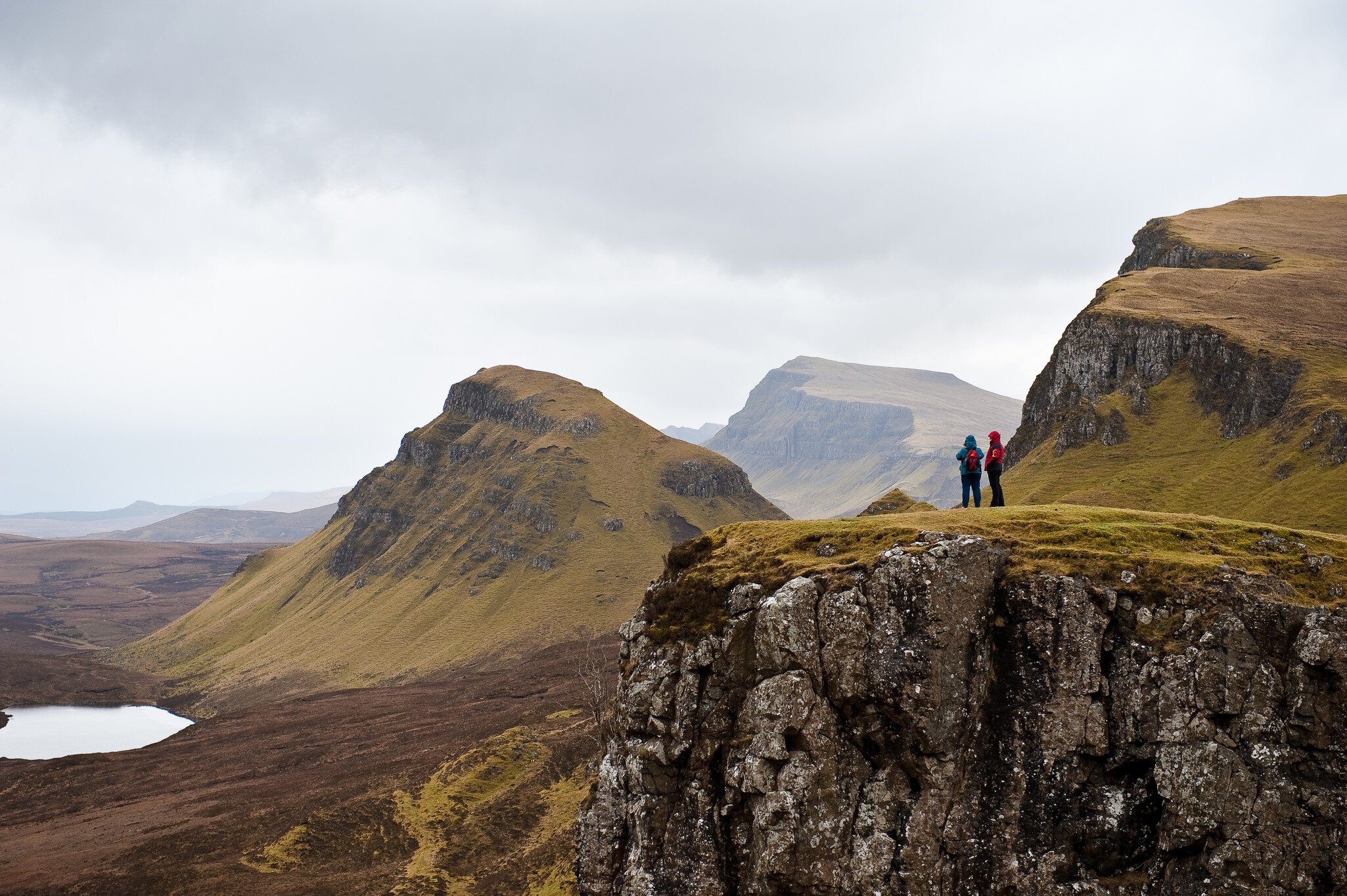
Scotland has many treasures crammed into its compact territory: big skies, ancient architecture, spectacular wildlife, superb seafood and hospitable, down-to-earth people.
Sam Strickler/Shutterstock
Latest Stories
- Gerald Wainwright | Aug 24, 2026The 8 Best Castles to Visit in Scotland
- Rachel Ifans | Aug 13, 2026Highland Hygge: 6 Ways to Find Coorie in Scotland
- James Smart | Jun 26, 202614 Top Places to Visit in Scotland
- James Smart | Jun 18, 2026The 5 Best Road Trips in Scotland, from the Borders to the Highlands
Book
Trip 
App

Trusted Partner
Dreaming of Scotland? Protect your trip
Travel with confidence. Protect your trip and your wallet.
We don’t represent World Nomads, we receive a fee from quotes using this link. This is not a recommendation to buy travel insurance.
Book your Scotland trip with Lonely Planet Journeys
See Scotland how it's meant to be seen
Planned by local experts and tailored to you, Lonely Planet Journeys handles the logistics so you can just enjoy the trip. Tell us what you want and we'll build your Scotland itinerary from scratch, or browse our bookable trips to get inspired.

Top places to visit in Scotland
Discover the best attractions in Scotland from must-see sights to unexpected hidden gems.
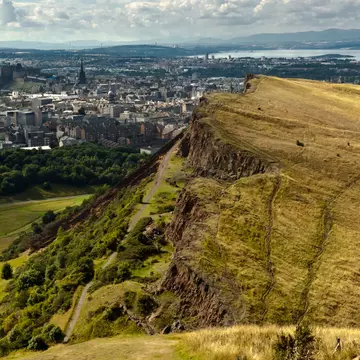
- Attraction in EdinburghArthur's Seat
- Attraction in EdinburghCalton Hill
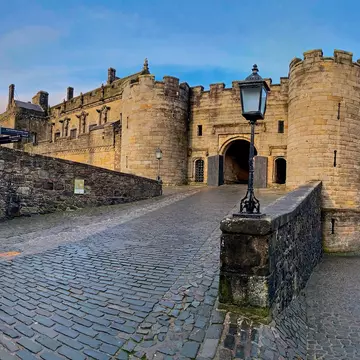
- Attraction in StirlingStirling Castle
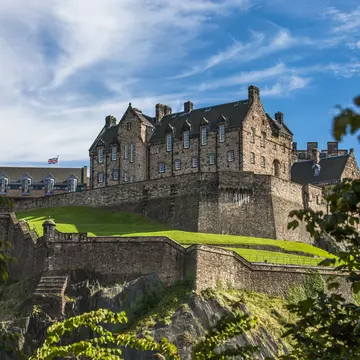
- Attraction in EdinburghEdinburgh Castle
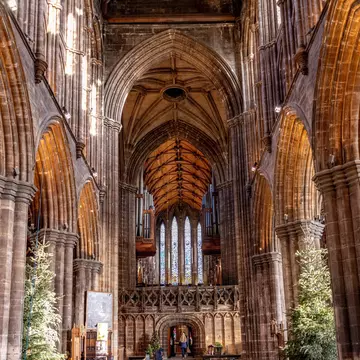
- Attraction in GlasgowGlasgow Cathedral
- Attraction in GlasgowKelvingrove Museum & Art Gallery
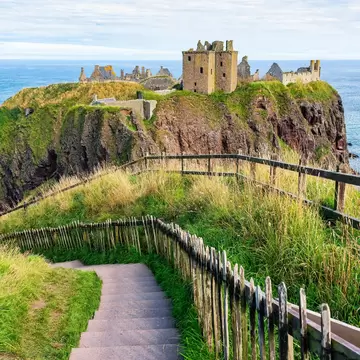
- Attraction in ScotlandDunnottar Castle
-
 Attraction in ScotlandCalanais Standing Stones


Travel Guides
Scotland travel tips from Lonely Planet experts
Find practical guidance from our team of contributors around the world who bring their decades of first-hand travel experience to your next trip.
Best Things to Do
Explore Scotland away from the crowds in the Borders. Here are the region's best things to do.
Read full article
Best Time to Visit
Every season in Scotland has its own attractions, from festival fever to cozy nights watching the northern lights. Here's everything you need to know.
Read full article
Things to Know
If you’re looking to get the lowdown before visiting Scotland, start with these insider local tips.
Read full article
Transportation
This breakdown of the different ways to get around Scotland – cars, trains, planes, bicycles and more – will help you get your dream planned in no time.
Read full article
Best Road Trips
Once you experience the beauty of Scotland's wild landscapes, they'll stay with you forever. Try these 5 spectacular road trips in Scotland.
Read full article
Money and Costs
Maximize your budget while traveling around Scotland with these insider tips and travel hacks to make your money last that bit longer.
Read full article
Traveling with Kids
Here's what you need to know about traveling with children in Scotland, and the best things to do for the perfect family day out.
Read full article
Best Places to Visit
World-class cities, gorgeous landscapes, wildlife, loch-side hikes and (yes) whisky: these 14 places encompass the best of Scotland.
Read full article
Get a book. Get inspired. Get exploring.


in partnership with getyourguide
Book popular activities in Scotland
Lonely Planet may earn a commission from affiliate links on our site. All recommendations and reviews reflect our own independent opinions.
Scotland and beyond
- destinationThe Highlands & Islands
- destinationEdinburgh
- destinationGlasgow
-
 destinationLeith
 - destinationSouthern Highlands & Islands
- destinationNorthern Highlands & Islands
- destinationCentral Highlands
- destinationSouthern Scotland