Mar 19, 202510 min read
The 12 Best Things to Do in BucharestMar 19, 2025
10 MIN READ

Writer
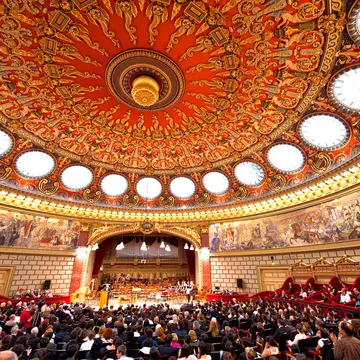
The Romanian Athenaeum in Bucharest opened in 1888 as a concert hall. PhotoStock10/Shutterstock

Writer
Highlights
Editors round up 12 Bucharest highlights, from communist landmarks to thermal spas.
Walk "Little Paris" Calea Victoriei, then feel dwarfed by the colossal Palace of Parliament.
Classical-music lovers should visit the Romanian Athenaeum; the Old Town rewards a wander.
Relax at King Michael I Park's lakeside trails or Therme Bucharest's palm-filled thermal pools.
Lonely Planet may earn a commission from affiliate links on our site. All recommendations and reviews reflect our own independent opinions.
Romania’s capital is undeniably vibrant. Feel it in the non-stop traffic that races through the center, or find it in an ever-changing mix of cutting-edge clubs, coffee shops, restaurants and boutiques. Away from the excitement, Bucharest’s parks are uncommonly elegant. Grand, 19th-century villas, some gleaming, others crumbling, catch the eye at every turn. You will see communist-era sights, like Ceaușescu’s gargantuan Palace of Parliament and take in some of the city’s excellent museums and unique architecture.
Bucharest is a walkable, vibrant, bohemian city known for its historical sites, fun festivals, frenzy of weekly restaurant openings and an ever-growing number of gourmet shops. The challenge for any visitor is where to begin. So, get ready for this Romanian capital to surprise you with these 12 best things to do.
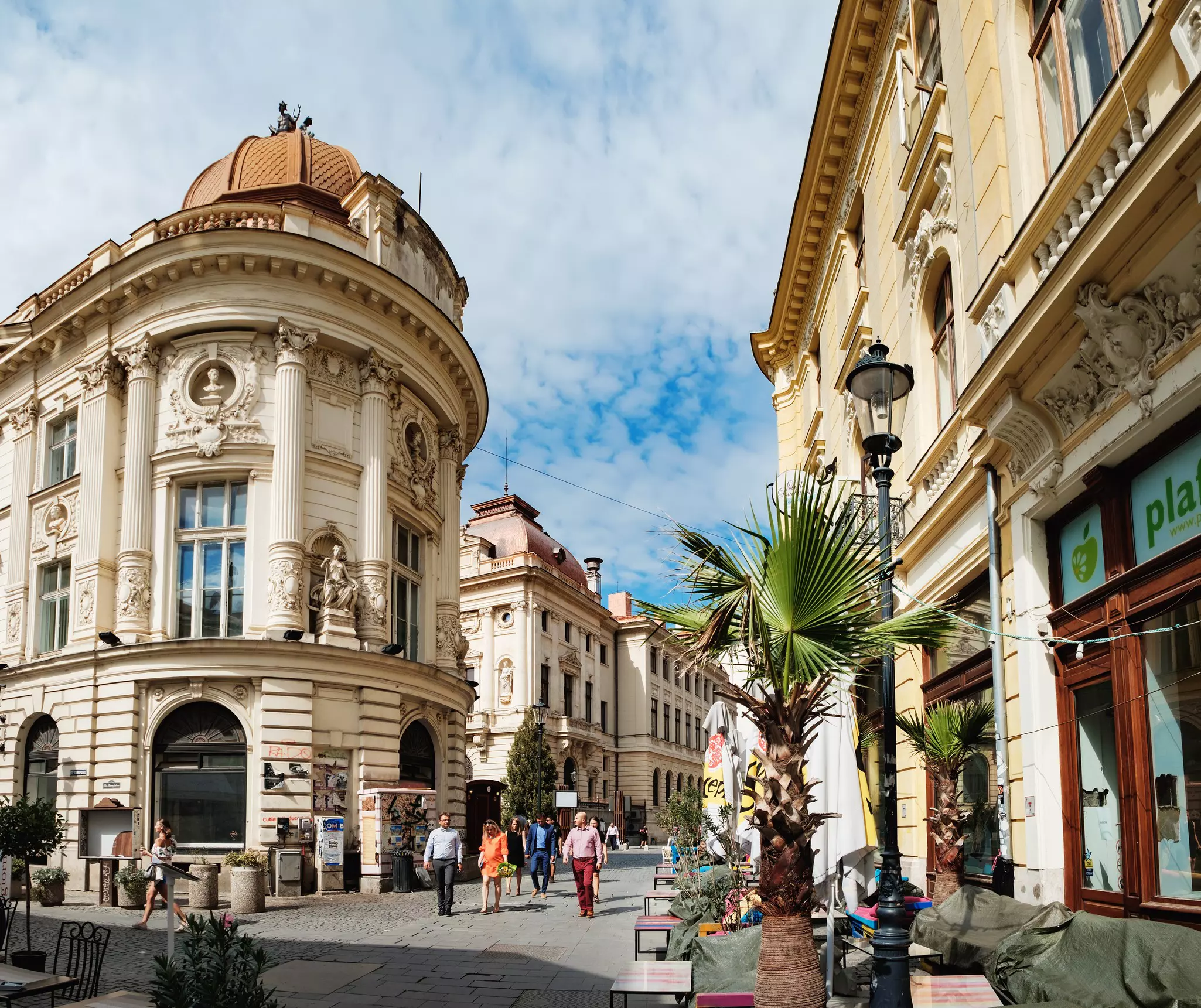
Calea Victoriei is the capital’s main thoroughfare connecting the most important sights and monuments between Piața Victoriei and Piața Revoluției, before carrying on to the Historic Centre. Lined coffee shops, beautiful buildings, restaurants, historic hotels and boutiques, this upmarket shopping strip pulses amidst a revered cafe culture that has endured since the last century. The early 20th century was Bucharest’s most prosperous era, and during the reign of Carol I, the first King of Romania, large neoclassical buildings and beaux-arts palaces designed by French architects sprung up, with the city acquiring the label of “Little Paris” throughout Europe by the end of the 1930s.
Musts along the way include the National Art Museum located in a former Royal Palace and the Art Nouveau Cantacuzino Palace with George Enescu Museum inside.
Detour: Opened in 2023 in a repurposed former computer factory, buzzing MINA Museum of Immersive New Art (Muzeul Imersiv al Noilor Arte) is the biggest new media art center in Southeastern Europe.
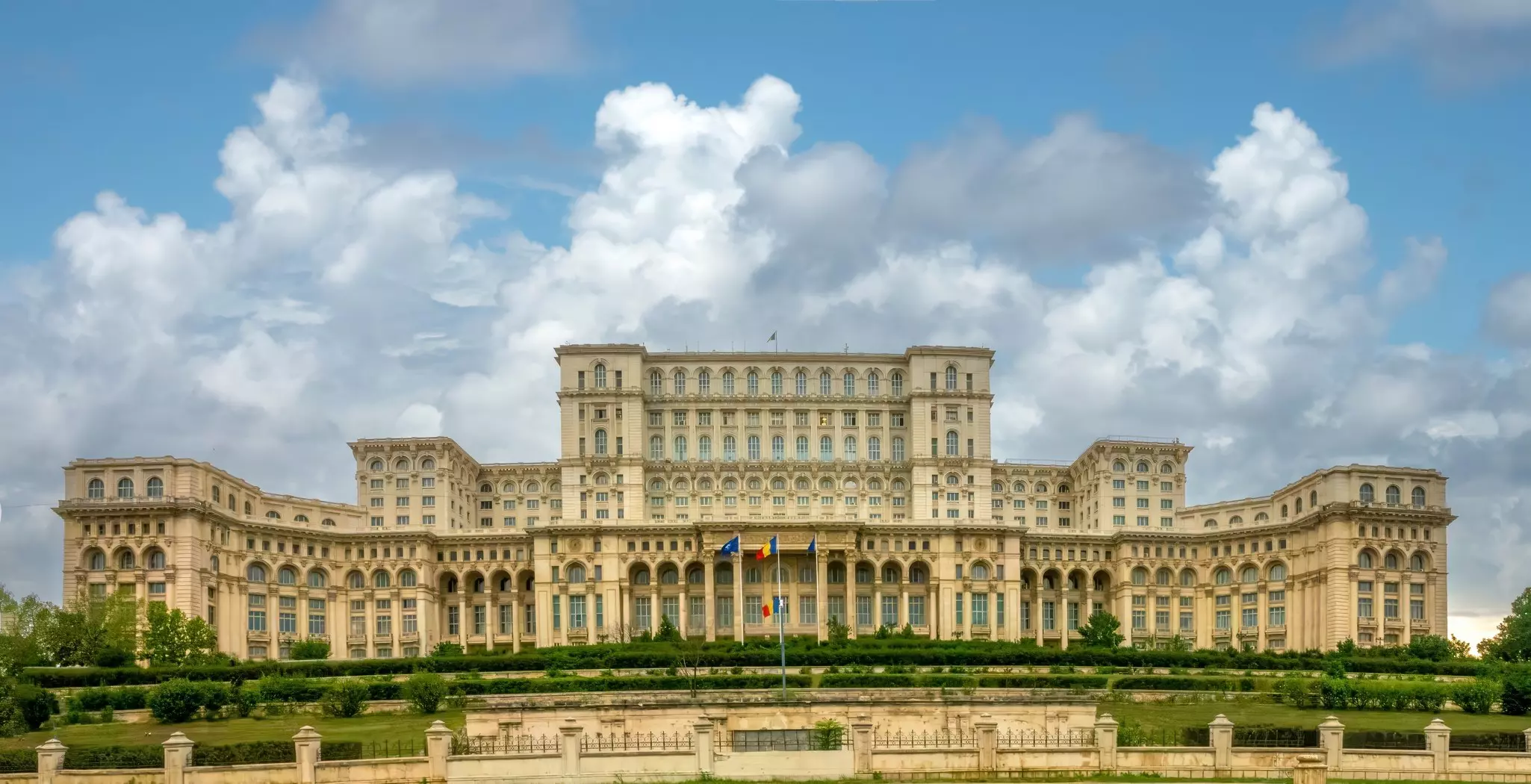
The second-largest administrative building in the world after the Pentagon, the Palace of Parliament is a monument of blatant opulence erected to amplify the personality of cult dictator Nicolae Ceaușescu. Inflicting irreparable trauma to the fabric of the capital, constructing it meant wiping out the Uranus neighborhood, demolishing churches of priceless historical value (some were astonishingly salvaged, moved on wheels), and displacing thousands of people.
Despite housing the Parliament of Romania and the National Museum of Contemporary Art (Muzeul Naţional de Artă Contemporană; MNAC), the majority of the building remains unused.
Detour: “The Water Symphony” free show in Piața Unirii overlooking the Palace of Parliament is held every weekend on Fridays, Saturdays and Sundays, from May to October.
Bucharest’s cobblestoned Historic Centre is mostly referred to as the Old Town, the heart around which the capital grew into a flourishing merchant quarter. After a long period of neglect, the Old Town made a dramatic U-turn more than a decade ago, becoming a party hotspot.
Don’t miss the monumental National Bank of Romania Museum with its exquisite Marble Hall. Afterwards, you can take a stroll to see the picturesque Stavropoleos Church, the city’s smallest church and arguably most beautiful.
Steps away, grab a pint at Bucharest’s oldest brewery, the Neo-gothic Caru’ cu Bere (with a beer recipe from 1879!). From the terrace, the grand beaux-arts CEC Palace on Calea Victoriei appears, a postcard corner that has stood the test of time. Directly opposite, the National History Museum houses Dacian artifacts, ancient jewels and regal gems.
Detour: Located on the ruins of 19th-century Gabroveni Inn, the restored ARCUB Gabroveni is a mix of old and new that houses various galleries in the heart of the Old Town.
Carrara marble, pink-hued Doric columns and four monumental spiral staircases lead up the Big Hall, where a large 70m (229ft) fresco depicting 25 scenes from Romanian history keep watch from the ceiling. The neoclassical Romanian Athenaeum, beloved by locals, was inaugurated in 1888 and stands at the heart of Romania’s classical-music tradition. Perhaps the finest landmark in the city, today it’s home to the George Enescu Philharmonic Orchestra, where the most celebrated Romanian composer in history made his debut and gave the first performance of his masterpiece Romanian Rhapsody.
Planning tip: Every two years, during most of September, Bucharest welcomes some of the world’s major orchestras and soloists in tribute to George Enescu. Created in 1958 to honor his legacy, the prestigious George Enescu Festival is a feast for classical-music lovers: a month-long event with dozens of concerts to choose from. The city is always buzzing during the festival, jam-packed with visitors from around the world.
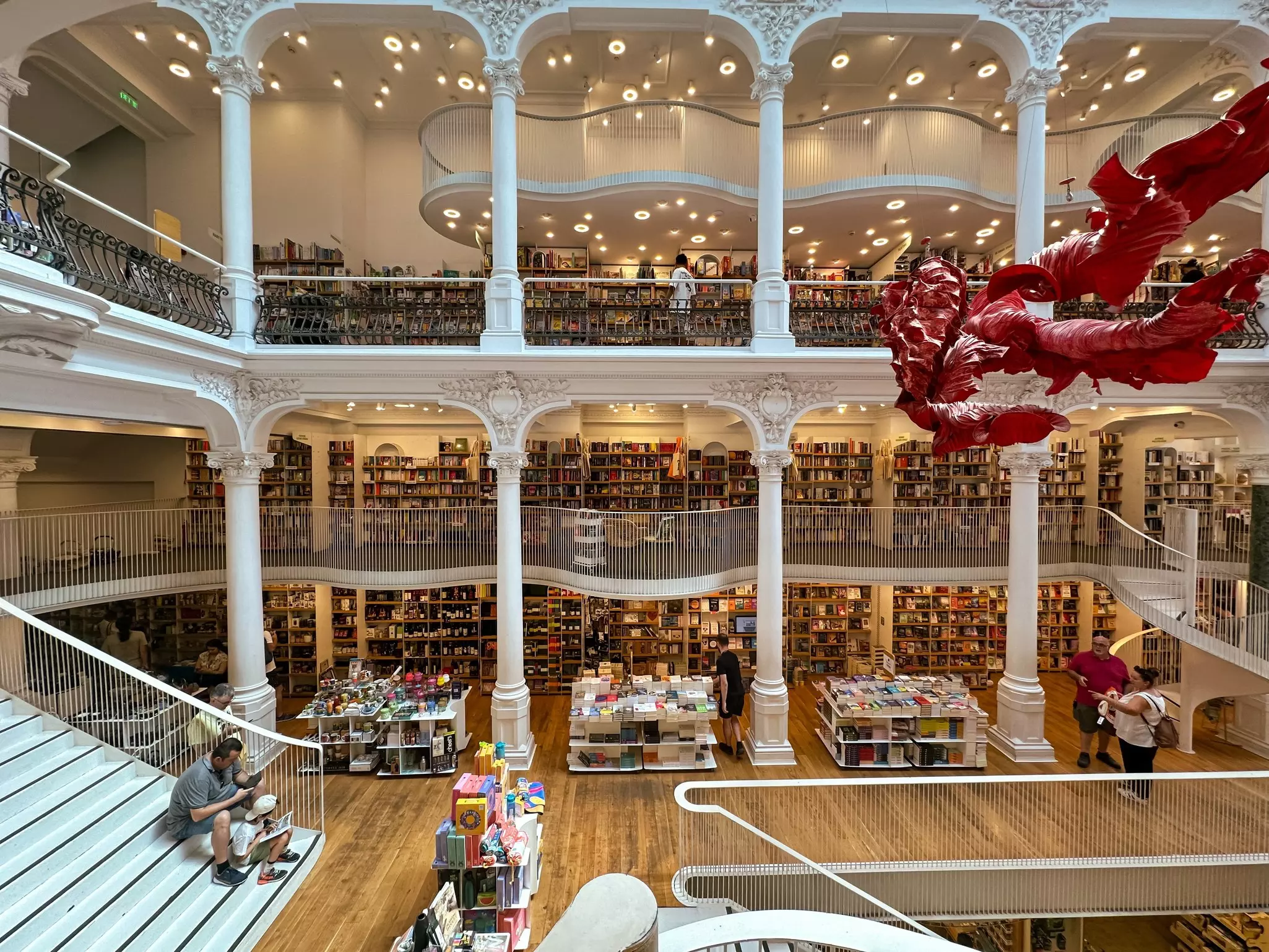
Cărturești Carusel has been famously labeled one of the most beautiful bookstores in the world thanks to an army of Instagrammers. Housed in a restored, 19th-century building with a remarkable past in banking and retail, this six-floor branch of the Cărturești chain is one of the best spots for quirky souvenirs.
Detour: Minutes away by Piața Universității, MODUL Cărturești focuses on art and architecture books and gifts, while diagonally opposite on Str Edgar Quinet Cărturești & Friends is a community favorite, offering one of the best selections of English-language titles about the region.
The Dimitrie Gusti National Village Museum (Muzeul Naţional al Satului Dimitrie Gusti) makes a colorful, compelling visit: an open-air ethnographic immersion into rural Romania, with several dozen homesteads, churches, mills and windmills transplanted from across the country. One of Europe’s oldest (dating from 1936), it’s particularly bucolic from spring onwards until late autumn.
Detour: Nearby, Berăria H is a vast beer hall with tradition, a meaty menu and frequent live music.
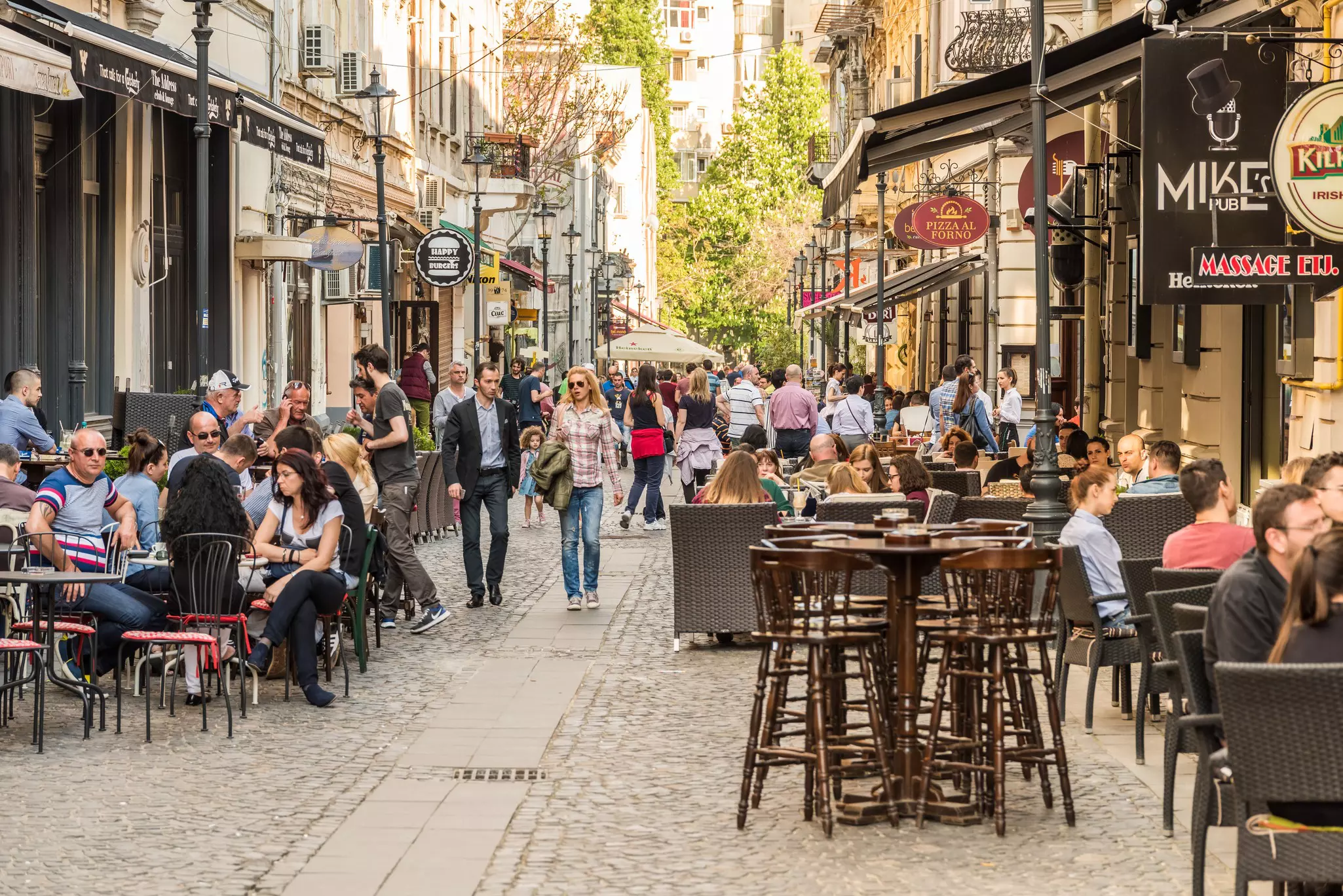
Home to one of the biggest cafe concentrations per capita in Europe, Bucharest tops the charts for third-wave coffee lovers. Tapping into a historic devotion to cafe culture, the city has seen a surge of specialty coffee shop openings, with local pioneers redefining what good coffee should taste like. Amidst the plethora of cafes, good beans are mixed in with ingenious design, co-working spaces and great food. Several are top coffee roasters. It’s a steamy affair, quite literally.
Origo on Str Lipscani started the third-wave coffee revolution and M60 sets the tone in Amzei with its Scandinavian look and living-room feel. In Piața Charles de Gaulle, two key players revitalized a beautiful corner by Herăstrău Park, drawing a fashionable crowd by their outdoor benches: BOB Coffee Lab and STEAM Coffee Shop.
Planning tip: Try the amazing “Fat Cat” Cold Brew at another favorite, Saint Roastery.
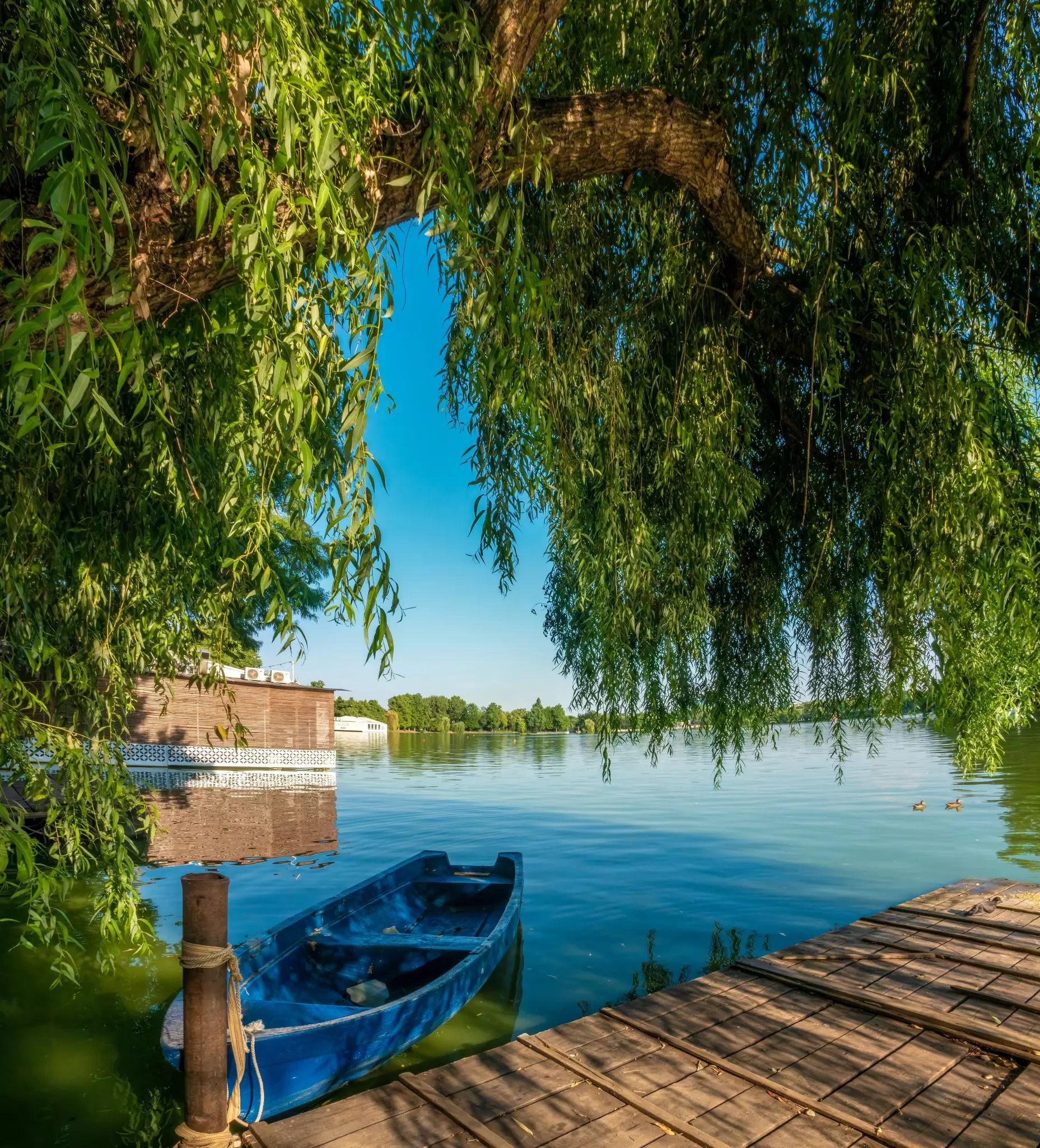
Sprawling King Michael I Park (formerly known as Herăstrău) ticks many boxes. It’s the largest park in Bucharest (close to 494 acres), a popular trail for joggers doing loops around Herăstrău Lake, and the perfect place for a sundowner for those looking to show off. Come springtime, the Japanese Garden inside the park is a magnet for cherry blossom enthusiasts and picnickers.
There are plenty of shaded pathways and boats to hop on. You can also rent I’Velo bikes by the Aviatorilor metro station. On the lake strip starting from Şoseaua Nordului, some of the top lounges and clubs pump up the volume during summer, making it a popular (if rowdy) DJ party scene.
Detour: Don’t overlook the “Villa with Bells” on the western side bordering Băneasa, modeled on an Oltenian culă (a boyar’s house, built like a semi-fortified fortress).
A one-day holiday is what Therme Bucharest promises, and it couldn’t be more accurate. Set in a large palm grove, with some 1400 palm trees and dozens of exotic plant species, the tropical atmosphere is unbeatable.
A spot to relax in all year round, the largest wellness center in Europe is the closest thing to an exotic destination, minutes away from Otopeni airport. Relaxation is guaranteed thanks to mineral-enriched thermal waters and the therapeutic effects of its 10 thematic saunas (including one with Himalayan salt walls). Pool bars add to the fun. Evenings are even more atmospheric as the waters glow under big glass domes that are beautifully lit up.
Planning tip: It’s a big hit with children, given the 16 themed water slides with different levels of difficulty: the longest indoor waterslide system on the continent.
With a cluster of hip bars, shops and galleries popping up, the Cișmigiu district has become the designated “Creative Quarter” promoting creative industries and contributing to urban regeneration. It’s also home to Cișmigiu Garden, the oldest public park in town and one of its most scenic, with a lake (and paddle boats for rent).
As Str Lipscani intersects Ion Brezoianu, the artsy venues multiply. Walking past the heritage Art Nouveau Hotel Cișmigiu, you soon find yourself by Palatul Universul, a former printing house brought back to life as a culture hub. Inside, FIX Me a drink serves ingredient-led botanical cocktails specific to the region, while Apollo 111 runs a great bar and hosts quirky, disco nights. Also worth checking out is the stylish Beans & Dots specialty coffee and concept store, where frequent design fairs featuring local entrepreneurs are held at Mezanin Market.
Down the block, Control Club is an undisputed favorite for live indie and electronic music concerts (DJs also), with a leafy garden terrace open all year long. For a chilled spot to mingle, sip a craft beer or coffee, head to artsy Artichoke Social House.
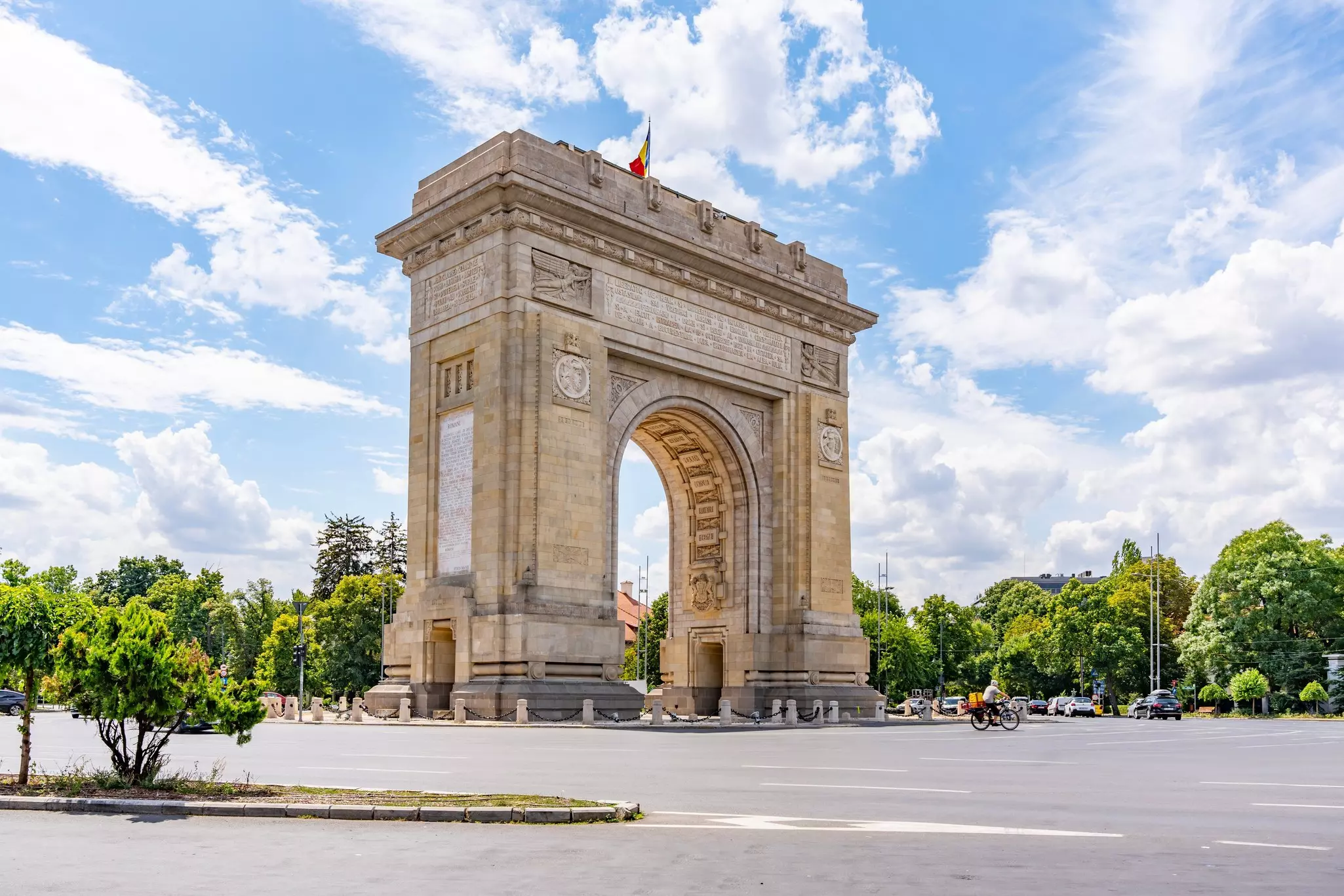
Raised in 1922 to commemorate Romania’s victory in WWI (and its troops), the Triumphal Arch built on the Paris model stands 27m (88ft) high halfway up Şoseaua Kiseleff. Initially made of wood, it was replaced by the current structure made out of granite from Deva in 1935 to 1936, celebrating the reunification of Romania in 1918 during the reign of King Ferdinand and Queen Marie.
There is a staircase inside the arch, allowing visitors to reach the terrace of the monument from which a 360-degree panorama of the capital unfolds. It can be visited for free every weekend during summer until October (2pm to 9pm). It’s most scenic right before sunset.
Detour: Not far from the Triumphal Arch is the jarring Spring Palace (Palatul Primăverii), the former residence of Ceaușescu, his wife Elena, and their three kids. See the dictator’s private cinema, a decadent mosaic spa and peacocks roaming about in the garden.
The bar scene in Romania is exploding, and Bucharest has the region’s coolest assembly of breezy rooftops and outdoor drinking gardens. Dine and drink in style at Amethyst Sky Bar, inside Union Plaza Hotel, with great views towards the Palace of Parliament. Nomad Skybar is a hip rooftop in the heart of the Old Town with international cuisine, great cocktails and dance nights on weekends.
Part greenhouse, part botanical sanctuary, SERA Eden is an upmarket garden cafe that lies behind a historical villa. Grădina Floreasca is a stylish alfresco cafe by the pool, set in Floreasca Park, that occasionally becomes the site of jazz evenings. Also, check out A46 Venue, a Bohemian spot for coffee, cocktails and wine in a splendid interwar villa on upper-class Aleea Alexandru.
This article was adapted from Lonely Planet’s Romania & Bulgaria guidebook, published in August 2024.
Explore related stories