Jan 26, 202611 min read
12 Things to Do in Sintra, PortugalJan 26, 2026
11 MIN READ
Contributors
Exterior view of the Quinta da Regaleira on a sunny day in Sintra, Portugal.

Contributors


Marlene Marques, Lonely Planet Editors
Highlights
Writer Marlene Marques picks 12 Sintra experiences, from palaces to fresh seafood.
Pre-book Palácio da Pena for a 15% discount; Castelo dos Mouros reveals Atlantic views.
Quinta da Regaleira's Gothic gardens and Quinta da Ribafria's woodlands reward explorers.
Try Casa Piriquita for travesseiros, or feast on fresh seafood at Azenhas do Mar.
Lonely Planet may earn a commission from affiliate links on our site. All recommendations and reviews reflect our own independent opinions.
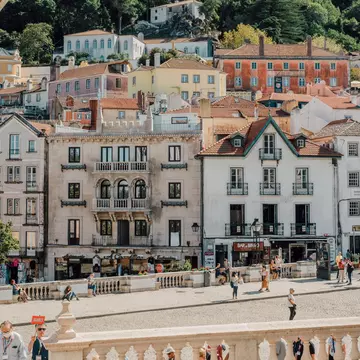
Just 30km from Lisbon, the beautiful village of Sintra is one of the top places to visit in Portugal. With its striking architecture and natural scenery, this must-see destination draws millions – yes, millions – of visitors each year, but it's still possible to find calmer corners. There are plenty of things to do in Sintra to keep you busy for a day or even a week, if you fancy a cooler alternative to Lisbon during the hot summer months.
For starters, it’s hard to resist the allure of Sintra’s famous palaces – the Palácio da Pena, the Castelo dos Mouros and Quinta da Regaleira – but there are many other ways to enjoy Sintra and the surrounding Parque Natural Sintra-Cascais that provide equally showstopping memories but without the crowds.
Whether you come for the day or linger to soak in the vistas after the day-trippers return to Lisbon, here are the best things to do in Sintra, from grand architecture to green spaces.
The easiest way to reach Sintra is by taking a 40-minute train ride from Lisbon’s Rossio station. The Sintra Line is one of the city's busiest routes, so try to avoid traveling during rush hour. Only drive to Sintra if you plan on traveling beyond the village; parking near the historic centre is limited to 4 hours, and you may struggle to find a spot.
On arrival, the center of Sintra is best explored on foot. Hop on a bus at the station to reach sights up on the hilltop – bus 434 visits Palácio Nacional da Pena and Castelo dos Mouros, while bus 435 serves Quinta da Regaleira and Palácio Biester.

The eye-catching Palácio da Pena is Sintra's most instantly recognizable landmark. Built in 1854 by Fernando II on the bones of an old monastery, it's one of the best examples of Romanticism in architecture in Europe. The striking interiors are open daily to visitors, with guided tours that delve into the palace's colorful history.
The Palácio's golden onion domes rise above dense woodland on the slopes of the Serra de Sintra mountains, and the well-preserved rooms inside offer a glimpse of late-19th-century royal life, complete with some unexpected modern touches. The palace contained one of Europe's earliest telephone exchanges, and Portugal's first hot water shower was installed in the king's bathroom.
Visit the Palácio da Pena at the end of the day to beat the crowds. You can avoid queues at the palace by purchasing your ticket in advance through the website; there's a 15% discount if you book three days in advance.
Planning tip: For a taste of Sintra's early history, the 10th-century Castelo dos Mouros reveals dramatic views toward the Atlantic when the clouds peel away; get here on bus 434.
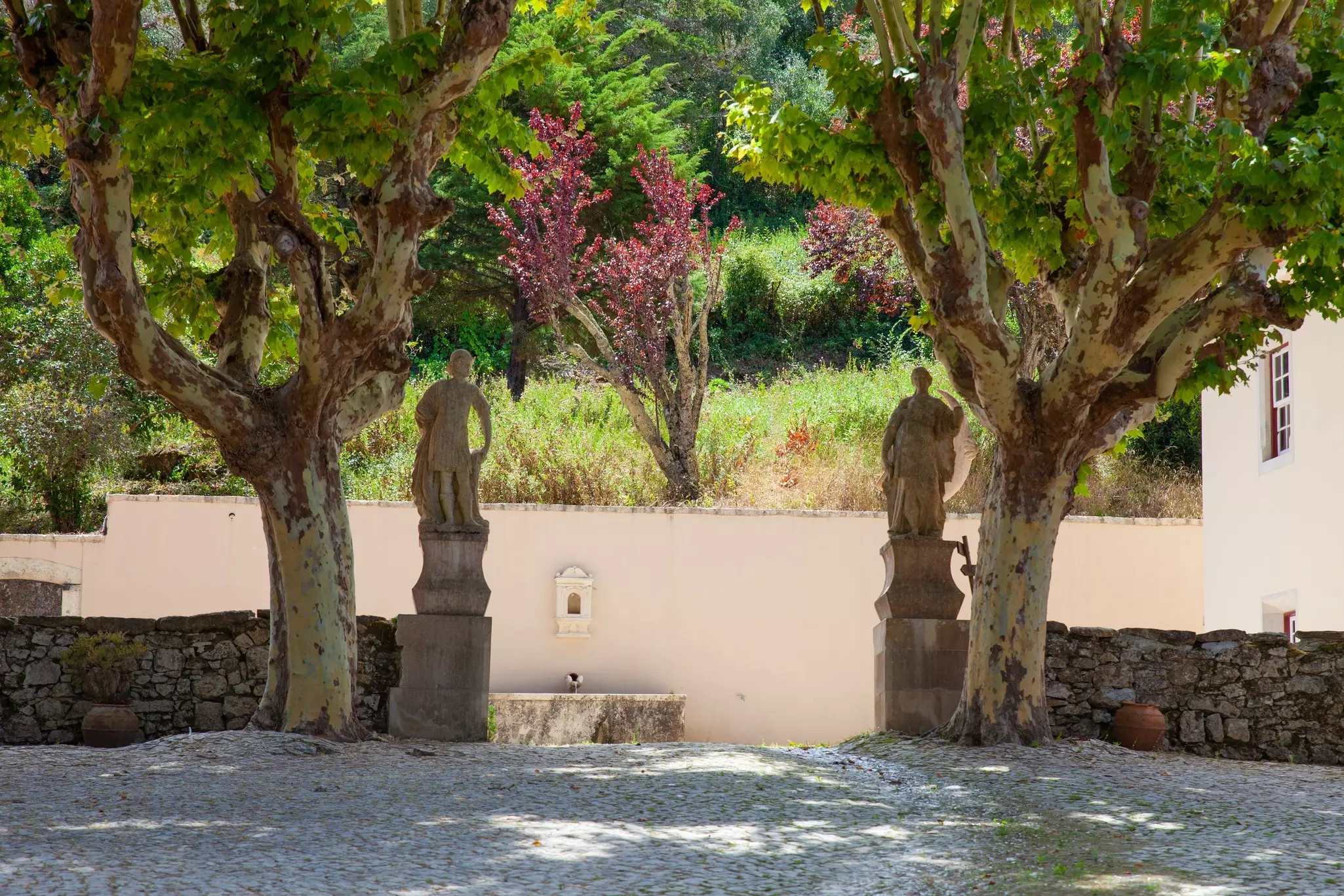
Constructed in 1541, and a fine example of Manueline civil architecture, the imposing Quinta da Ribafria sits on the outskirts of the Parque Natural Sintra-Cascais, about 35km from Lisbon. After years of abandonment, the manor reopened its gates in 2015, inviting visitors to wander through its peaceful woodlands and gardens.
Follow a charming path through the grounds adorned with sculptures by Portuguese and international artists – including Stefano Beccari from Italy and Amparo Luis from Spain – or stop on one of the benches to enjoy the peace and quiet.
Planning tip: If you arrive when the estate opens at 10am, you’ll likely be one of the first here, and the only sound will be the wind in the treetops.
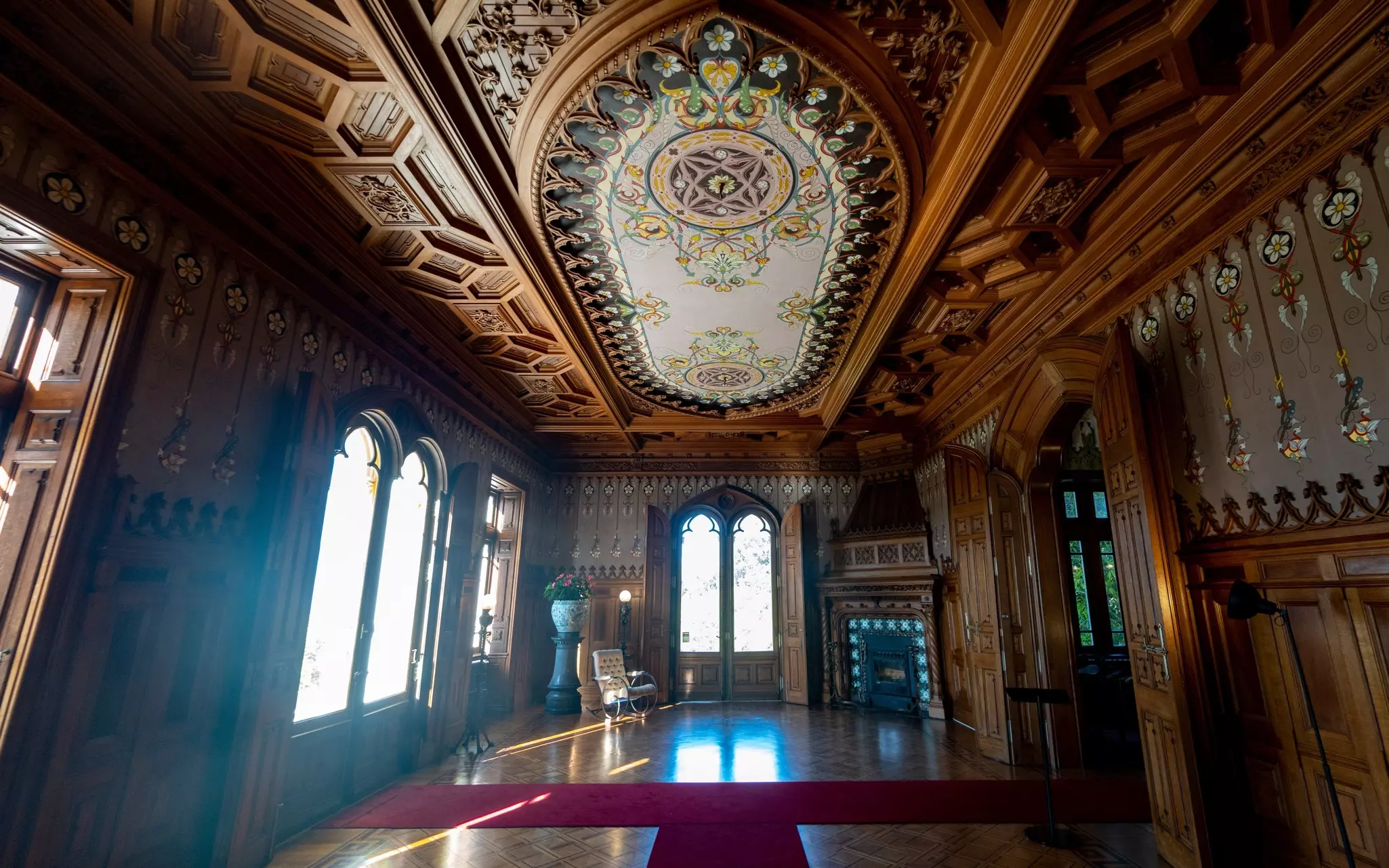
Perhaps because it only opened to the public in 2022, the Palácio Biester still slips under the radar for many visitors to Sintra. Together with its better-known (and busier) neighbor, the Quinta da Regaleira, this handsome 19th-century property is a textbook example of the Romanticism-inspired architecture that characterizes the buildings hidden within the dense Sintra forest.
The botanical park covers 6 hectares, planted with trees from all over the world and offering stunning views of the Castelo dos Mouros and the town of Sintra from multiple viewpoints. The palace itself is full of original and striking details, like the decorative paintings by Italian theatrical-set-designer Luigi Manini and French master Paul Baudry that adorn the walls and ceilings of each room.
As at other Sintra sites, mysticism and the occult are very present here, with stories of the Knights Templar and chambers used for secret initiations to feed the imagination. Allow several hours to fully appreciate the beauty of this elegant property.
Planning tip: Start your visit at the entrance on Avenida Almeida Garrett and walk through the gardens until you reach the palace. Book a 90-minute guided tour to learn about the property’s history, or skip the queues by buying tickets online before your visit.
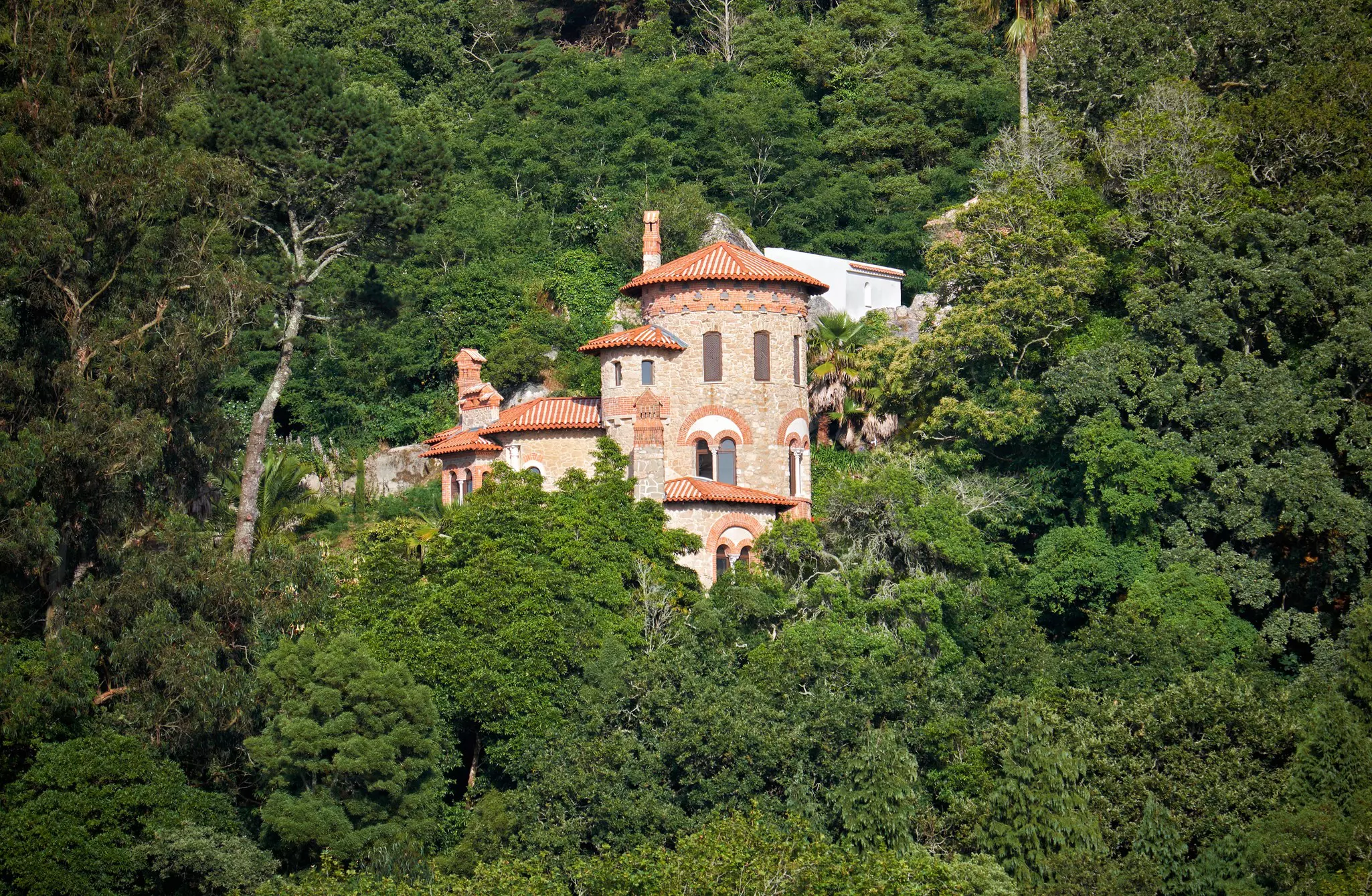
Taking a stroll in the fresh air is one of the best things to do in Sintra. For a walk blending architecture and nature, follow winding, uneven paths uphill from Villa Sassetti to the Chalet da Condessa d’Edla, passing the lakes of the Parque da Pena.
This route is not for the faint of spirit, with almost a full day of walking, but the natural beauty of the route and its countless nooks, crannies, old buildings and viewpoints make it well worth the effort. To navigate the trails, visit the tourist office in Sintra's Praça da República and ask for the maps of Villa Sassetti and Parque da Pena before embarking on your journey.
Detour: Don’t have the energy or time to tackle the whole route? Start at the entrance to the Vale dos Lagos instead. Remember to bring comfortable walking shoes and water to keep you hydrated.

Looking for a way to escape Sintra’s crowds? Just hop aboard the historic red tram that trundles toward the coast. Built in the early 20th century, the line to Praia da Maçãs was abandoned for years before resuming service in 2004. Today, it takes Sintra residents – and the odd visitor – on an 11km ride across the countryside, stopping in at places like the Adega Regional de Colares winery on its 45-minute journey to the sea.
Planning tip: Board the streetcar to Praia das Maçãs at Rua General Alves Roçadas in Estefânia. Buy a ticket at the Vila Alda – Casa do Elétrico next to the tram stop (or buy from the driver at weekends). When you return to Sintra, remember to get your ticket from the driver.
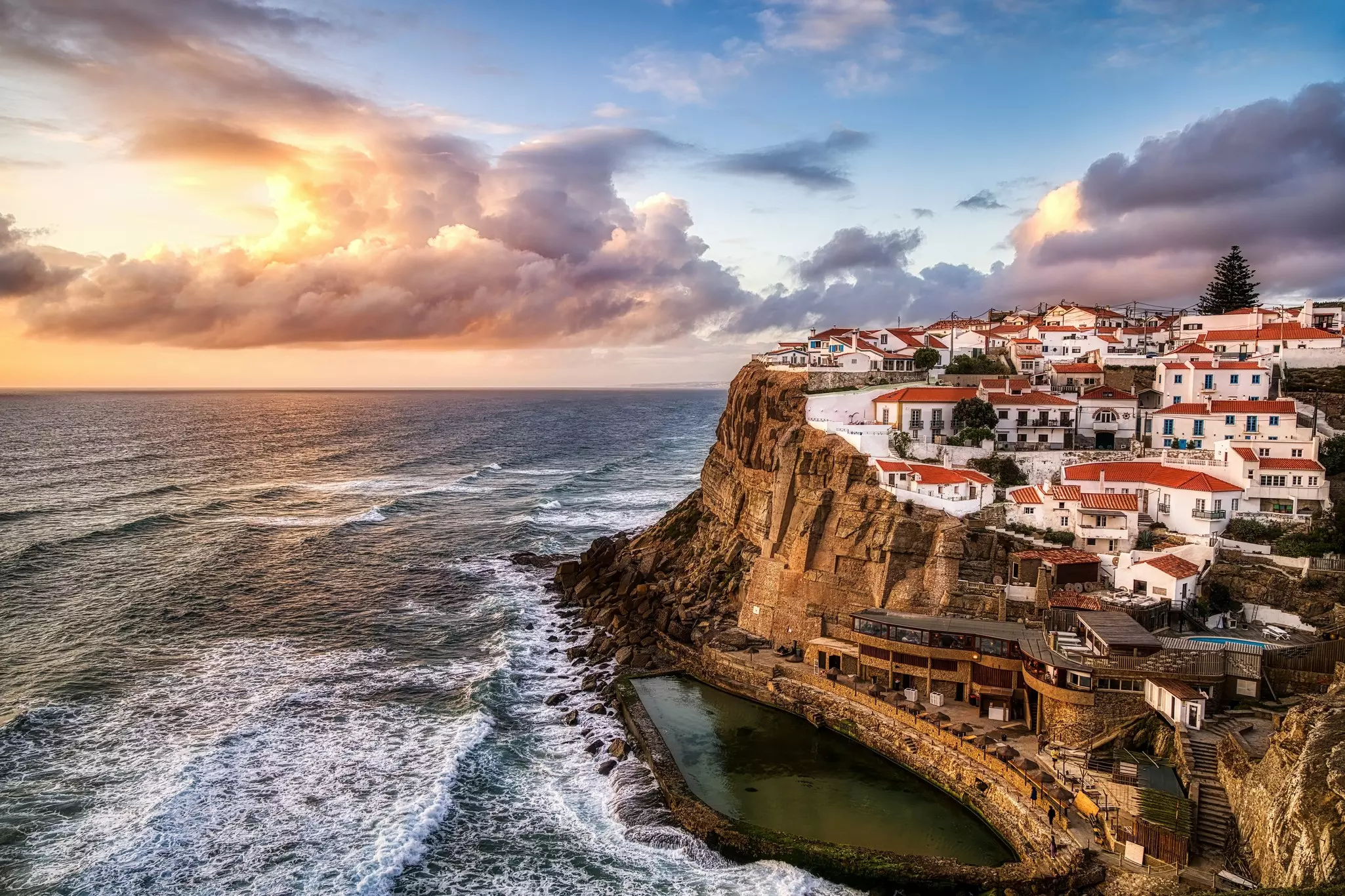
The tiny fishing village of Azenhas do Mar offers an enticing sense of simplicity, beauty and communion with the landscape. About 10km from Sintra and 40km from Lisbon, this small cluster of white houses perched along the cliffs looks like part of a painted theater set. Indeed, many Portuguese painters have come here for inspiration, including Júlio Pomar.
Arriving by road from Praia das Maçãs, stop at the viewpoint facing the town and you’ll understand why. During the warm summer months, you can enjoy a natural pool on the beach at the foot of the cliff, even when the beach itself vanishes below the tide. After a dip, feast on just-caught fish and seafood at one of the restaurants by the beach, while enjoying the breathtaking views and beautiful sunsets.
Planning tip: For quality seafood and local wines, book a table with a view on the waterfront at Restaurante Azenhas do Mar or head just inland to Água e Sal.
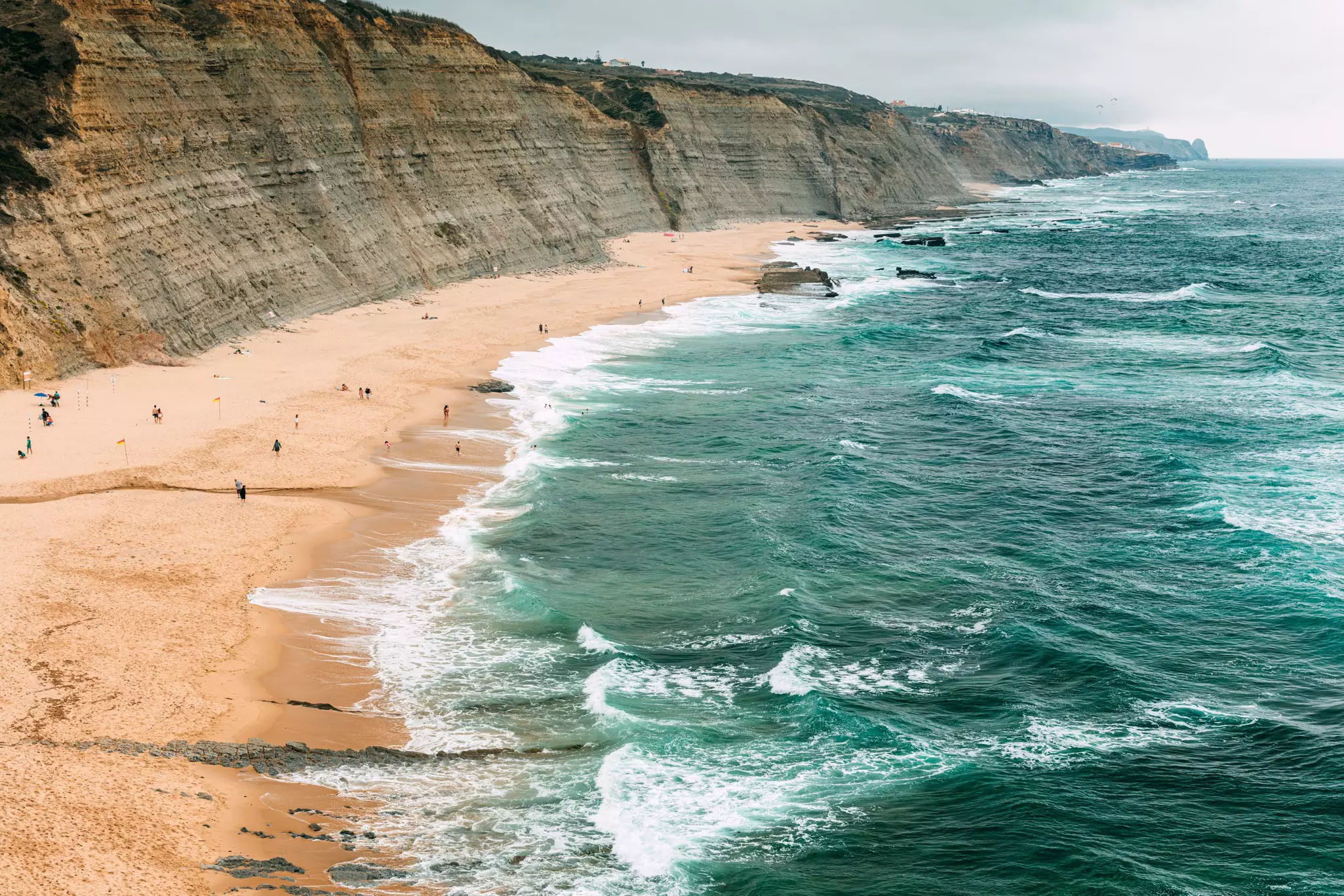
About 10km from Azenhas do Mar, Praia do Magoito is another excellent option to escape Sintra’s crowds. In contrast to the busy beaches of Praia Grande or Praia das Maçãs, there's plenty of space to lay out your towel along this long, sandy beach that stretches beneath imposing cliffs toward Praia da Aguda. Another way to explore this landscape is to walk along the cliff-top path that links the two beaches.
Planning tip: A low-key haunt for families, swimmers and surfers, Praia do Magoito has a parking lot by the cliffs, and hilltop cafes for snacks and drinks at the north end of the beach.
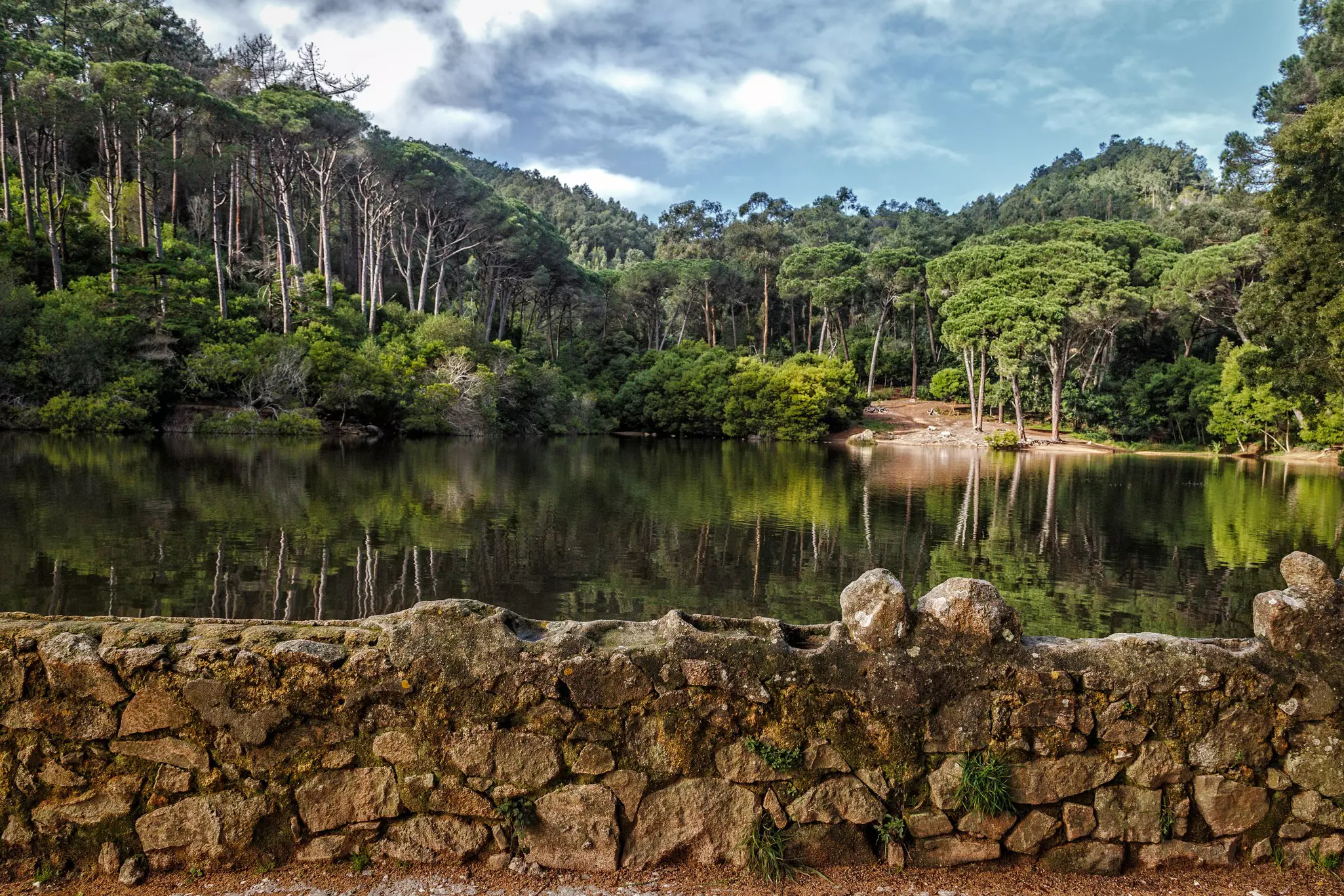
Lagoa Azul is far from unknown, thanks to its proximity to the town of Cascais, but it's still a rewarding place to escape to if you’re looking for somewhere green to have a picnic, with a series of walking trails winding through the pretty landscape of the Serra de Sintra mountains.
This serene lagoon takes on beautiful hues of green and blue as the day passes, with the peace disturbed only by the splashing of ducks in the water and the sound of dogs walking by with their owners. The place is also popular as a starting point for mountain-bike rides into the hills.
Planning tip: To enjoy Lagoa Azul in greater peace, avoid weekends or the month of August, and arrive early in the morning.The parking lot is small and spaces can be in short supply at busy times; consider taking the train from Lisbon to Cascais, then a taxi or Uber onward from there.
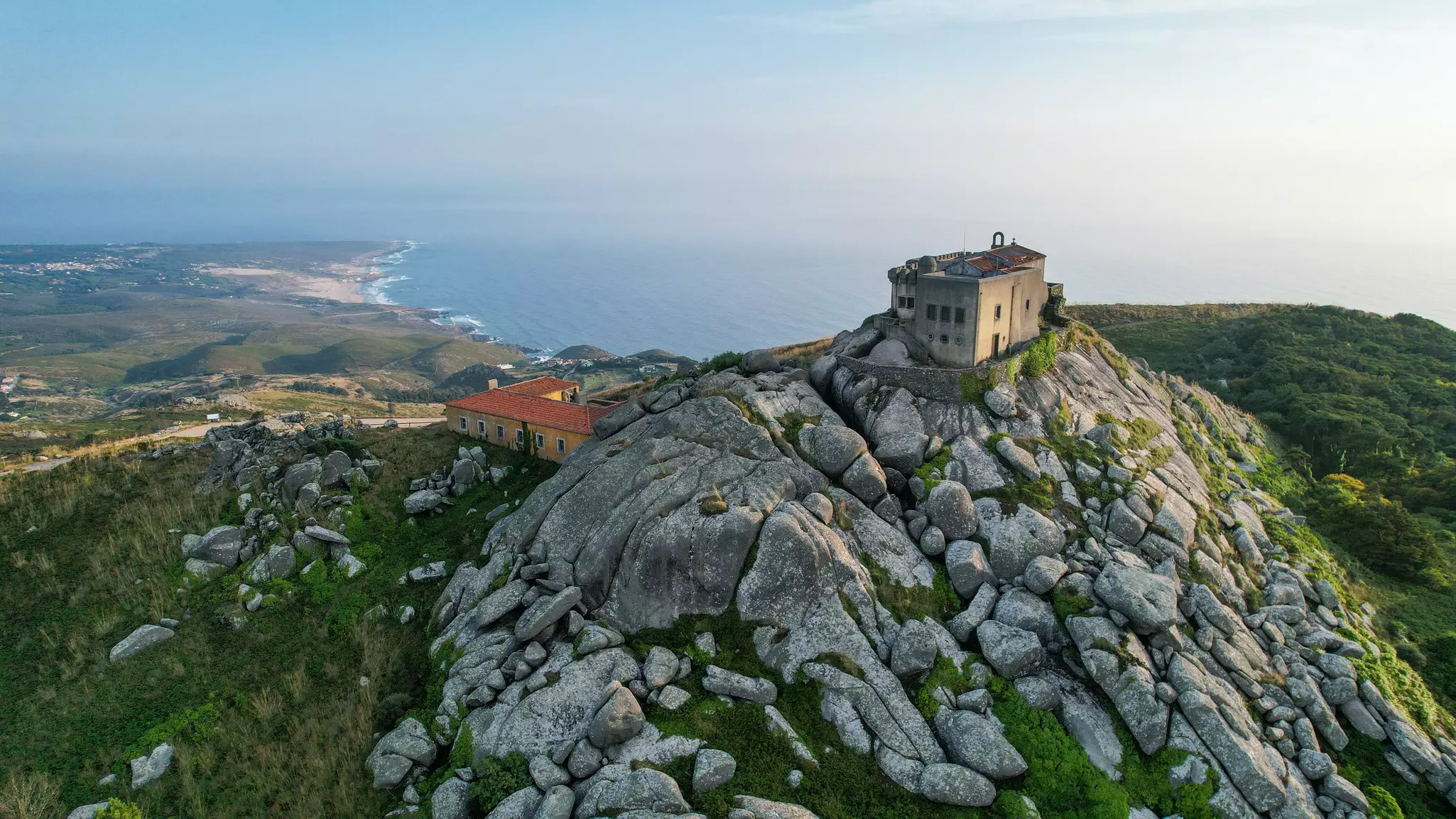
Balanced at one of the highest points in Serra de Sintra – almost 500m above sea level – the Santuário da Peninha has the best views in the Parque Natural Sintra-Cascais. Walk along dirt tracks until you come to the Capela de Nossa Senhora da Peninha, where you can enjoy a wide panorama of the surrounding landscape.
On clear days, you can see from Cabo Espichel in the south to Cabo Carvoeiro in the north, with glimpses of nearby Praia do Guincho, Cascais and the Cabo da Roca lighthouse, the westernmost point in mainland Europe. Beside the sanctuary's chapel is a mansion (closed to visitors) built in 1918 by the owner of Quinta da Regaleira, and nearby is a 12th-century hermitage.
Planning tip: This stretch of coast is very exposed to the wind, and foggy days are frequent. Always check the weather before you set off.
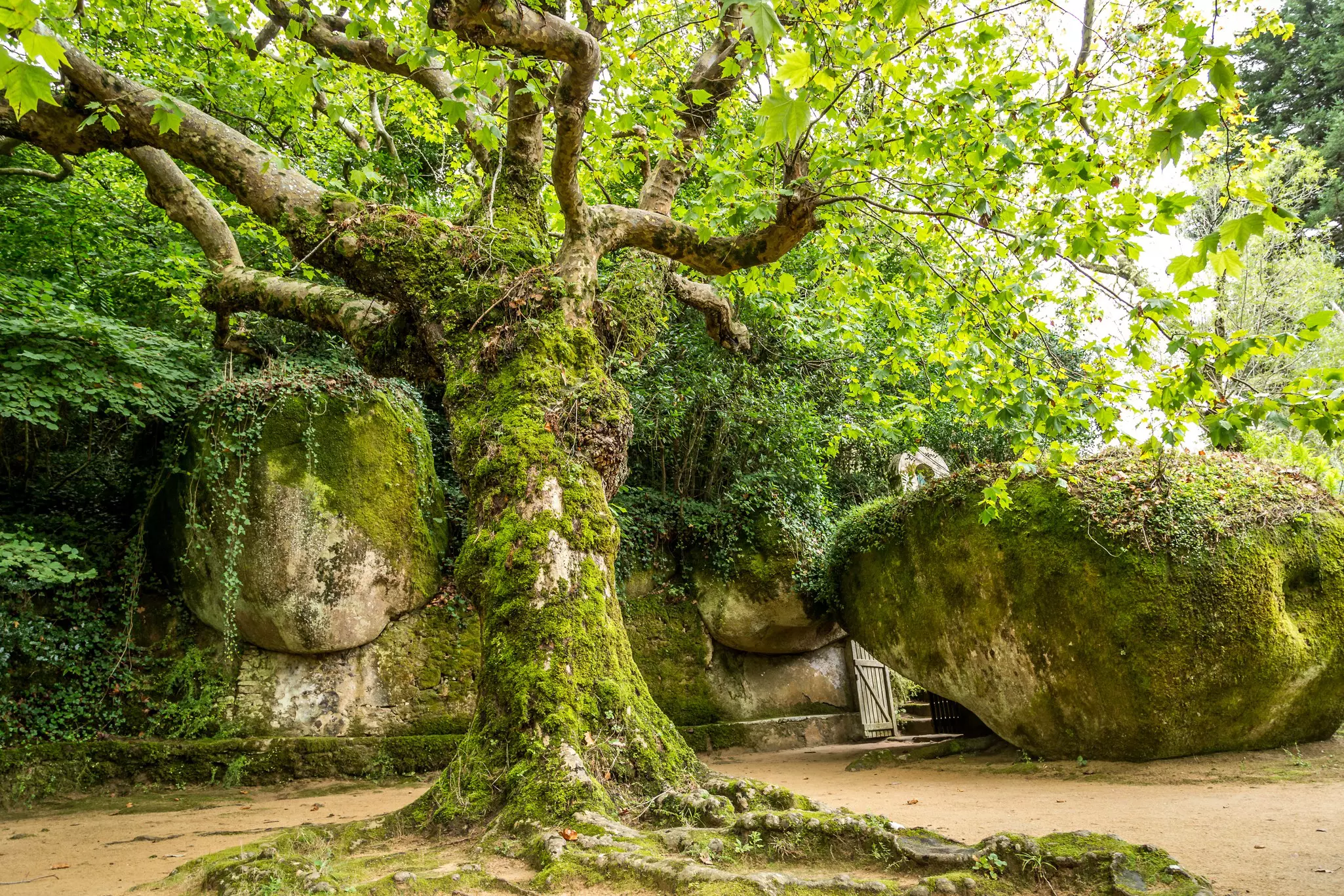
West of Sintra, enveloped by the Parque Natural Sintra-Cascais, the Convento dos Capuchos (also known as the “Cork Convent” because of the cork used in its construction and decoration) is a green, serene place for contemplation – fitting for a 16th-century convent that followed the religious philosophy of St Francis of Assisi.
For 250 years, Franciscan monks wandered the paths that wind through this landscape of granite boulders, gardens and woodland. As you walk these trails today, you’ll find moss-covered chapels and hermitages that have weathered with time, yet still retain a sense of spiritual power.
Planning tip: For easy entry, purchase your ticket online before you arrive. For a small additional fee, you can get the audio-guide app, which will assist you in navigating the pathways.
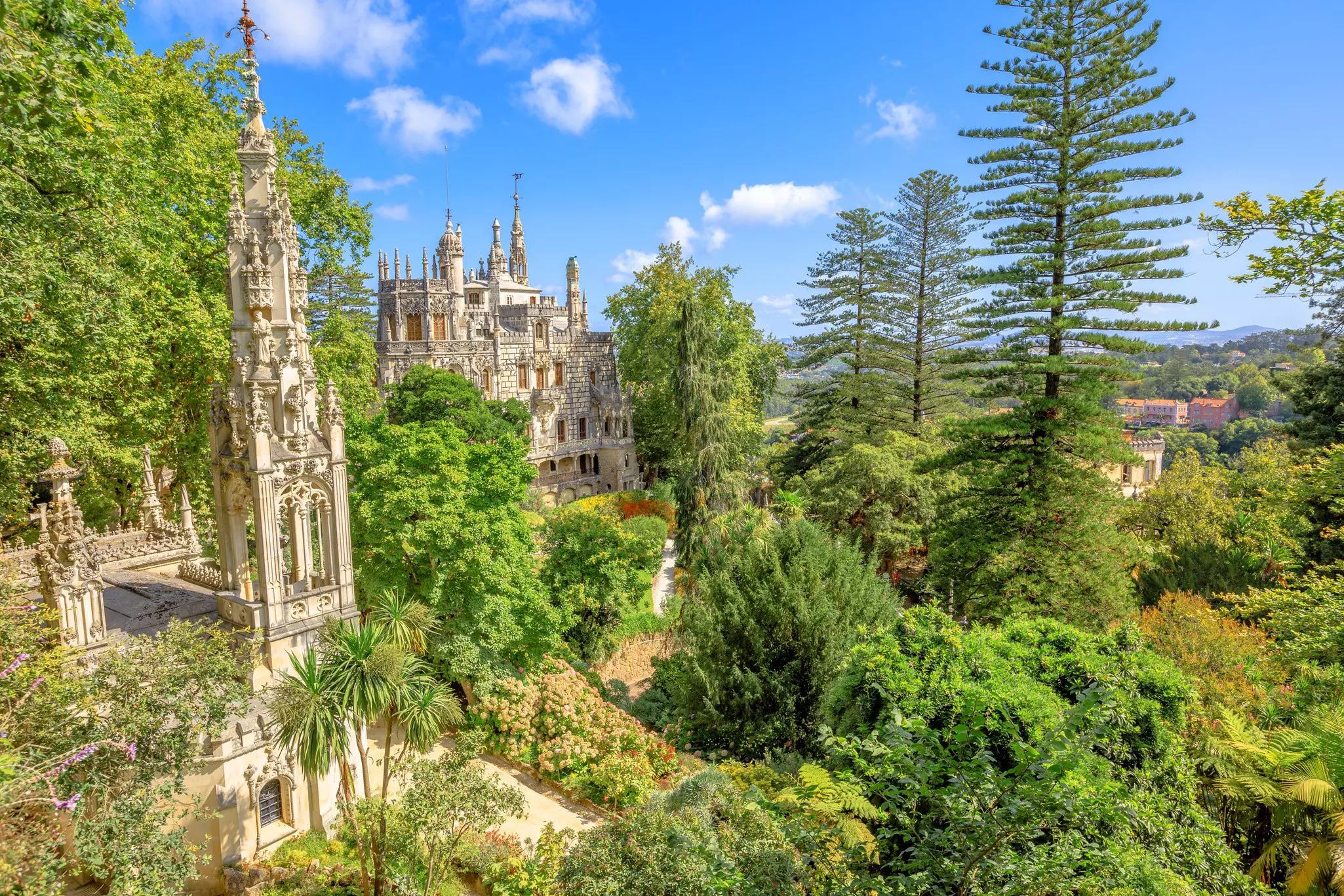
Designed by Italian opera-set-designer, Luigi Manini, for a Brazilian coffee tycoon in the late 19th century, Quinta da Regaleira is one of the most eye-catching landmarks in Sintra's Old Town. The gardens are pure Gothic fantasy, taking cues from Dante's Divine Comedy, complete with secret tunnels, mysterious grottos and hidden passages.
Inside the palace, the rooms are less dramatic and ornate than those of Palácio da Pena, but still beautiful, with their frescoes and Venetian-glass mosaics. Don't miss the elaborately embellished chapel and the deep Poço Iniciático (Initiation Well) in the grounds, encircled by a descending stairway.
Planning tip: Tickets for the palace and gardens can be purchased online. The gardens cover 4 hectares, so pick a dry, sunny day to explore.

Sintra is celebrated for its pastelarias – Portuguese cake shops selling everything from pastéis de nata (custard tarts) to strong, full-flavored coffee. In the historic center, try Casa Piriquita, the first place in town to bake travesseiros (puff-pastry pillows filled with an egg and almond cream).
Other good spots to recharge with something sweet include Fábrica das Verdadeiras Queijadas da Sapa near the train station and locals' spots Dona Estefânia and Tulipa de Sintra.
Planning tip: For a light lunch, head to Tascantiga for petiscos (small plates) and light meals, served indoors or out on the terrace. For a gourmet dinner, book a table at Taberna Criativa, where chef Vitor Rocha gives traditional Portuguese cuisine a contemporary twist.
Explore related stories