Aug 6, 20266 min read
Lisbon's Best Secret Nightlife SpotsOct 16, 2025
6 MIN READ

Writer
Miradouro da Graca in Lisbon. sam74100/Getty Images

Writer
Highlights
Writer Sandra Henriques picks nine Lisbon experiences, from fado to earthquake history.
Photograph Lisbon's rooftops from Alfama's miradouros, then eat prato do dia at a tasca.
Hear fado at underground Reservatório da Patriarcal or browse contemporary art at MAAT.
History buffs should visit Museu do Aljube; for souvenirs, browse the Lojas com História stores.
Lonely Planet may earn a commission from affiliate links on our site. All recommendations and reviews reflect our own independent opinions.
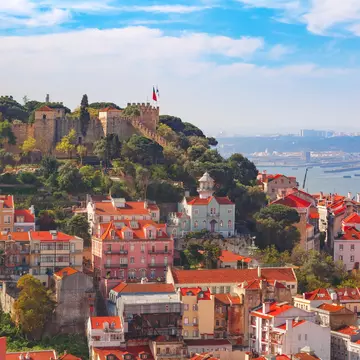
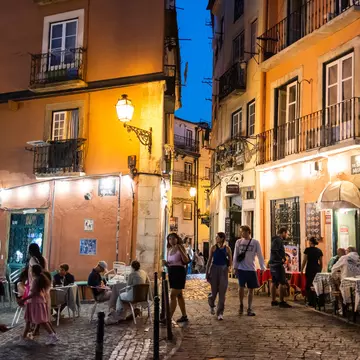
Lisbon needs little to no effort in self-promoting – year-round sun-drenched sprawling squares by the river, a history spanning more than 2000 years, steep hills that reward trekkers with views over terracotta rooftops and clusters of colorful buildings, historic neighborhoods that turn into nightlife hot spots after dark.
Portugal’s capital city fame as a top tourist destination attracts weekenders looking to scratch off must-sees from their bucket lists, and slow travel fans wanting to call Lisbon their home for a couple of months. After discovering the city's many layers, cultural tourists can use Lisbon as a base for train trips to Sintra, Cascais, or Setúbal or hitting the road to Mafra, Óbidos or Évora.
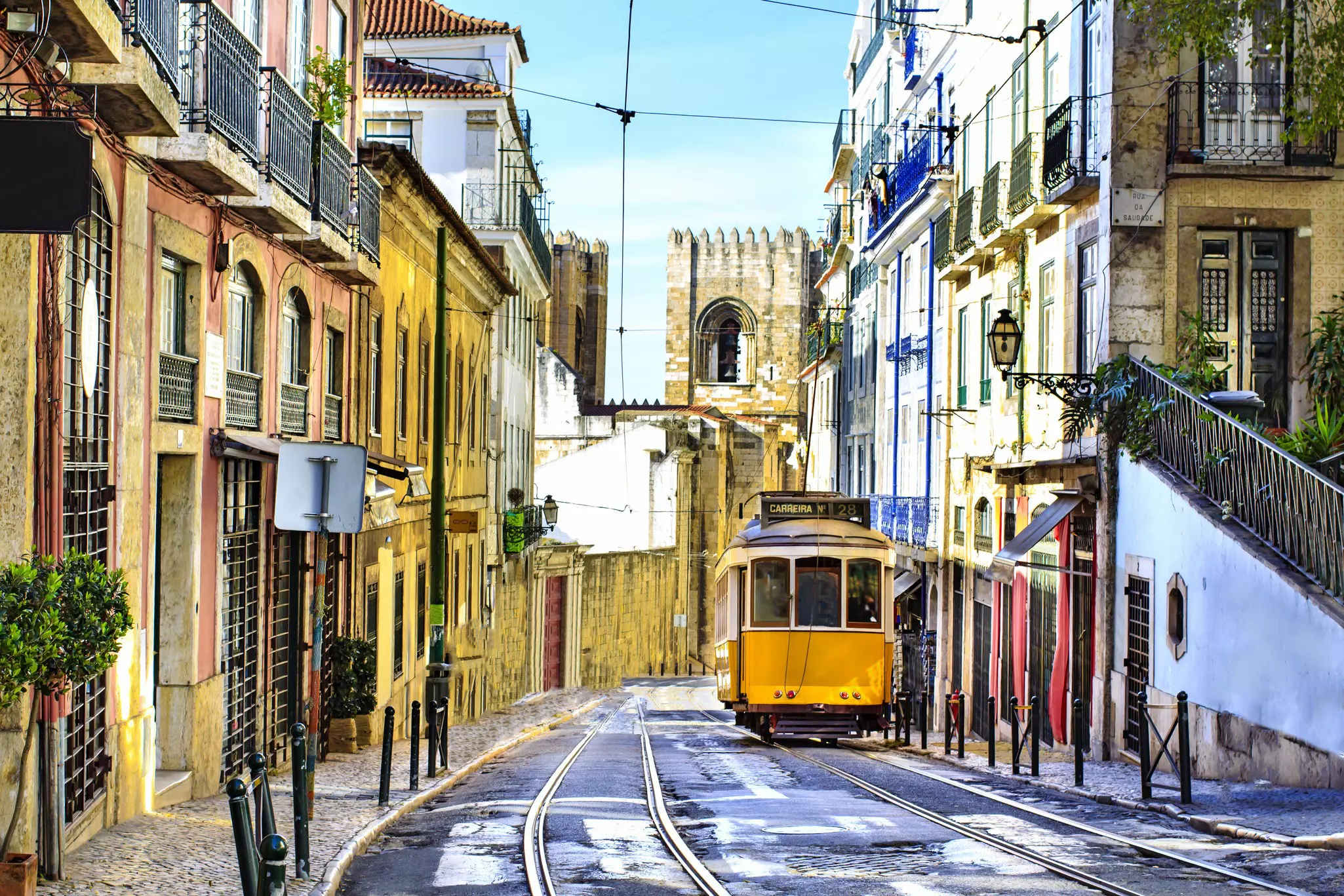
First time in Lisbon? Reserve the first day for sightseeing. Admire the elaborate facades of the Manueline UNESCO World Heritage sites Mosteiro dos Jerónimos and Torre de Belém, photograph the wavy patterns of black-and-white calçada portuguesa (Portuguese pavement) from miradouros (viewpoints) in Graça and Alfama, and join the sunset-seeking crowd at riverside Cais das Colunas.
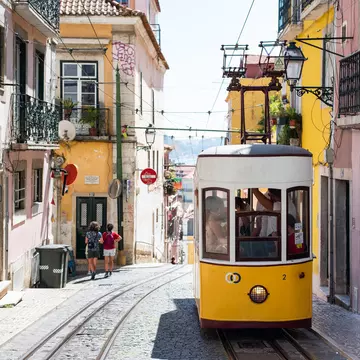
Planning tip: Lines are often long and slow for Mosteiro dos Jerónimos and Torre de Belém, and for riding the historic trams – route 28E is particularly jam-packed and impossible for locals to use as public transit. Choosing off-peak times for the trams and the big hitter sites won't make the experience less memorable.
On weekdays, between 1 and 3pm, traditional restaurants and tascas (taverns) are busy with local workers on lunch breaks and flushed servers yelling orders to the kitchen in the back. Despite the hurry, lisboetas prefer to sit for meals, and restaurant workers do their best to accommodate everyone, even if that means asking two strangers to share a table.
On the fixed-price pratos do dia (daily specials) at these restaurants, you'll find a couple of affordable, ready-to-serve, homemade-style dishes. Some of the best spots to have this unpretentious culinary and social experience include Varina da Madragoa, Tasca Zé dos Cornos, and Sardinha.
Detour: Learn about the country’s obsession with salted cod fish at Centro Interpretativo da História do Bacalhau, and how and why it became a staple dish of local cuisine.
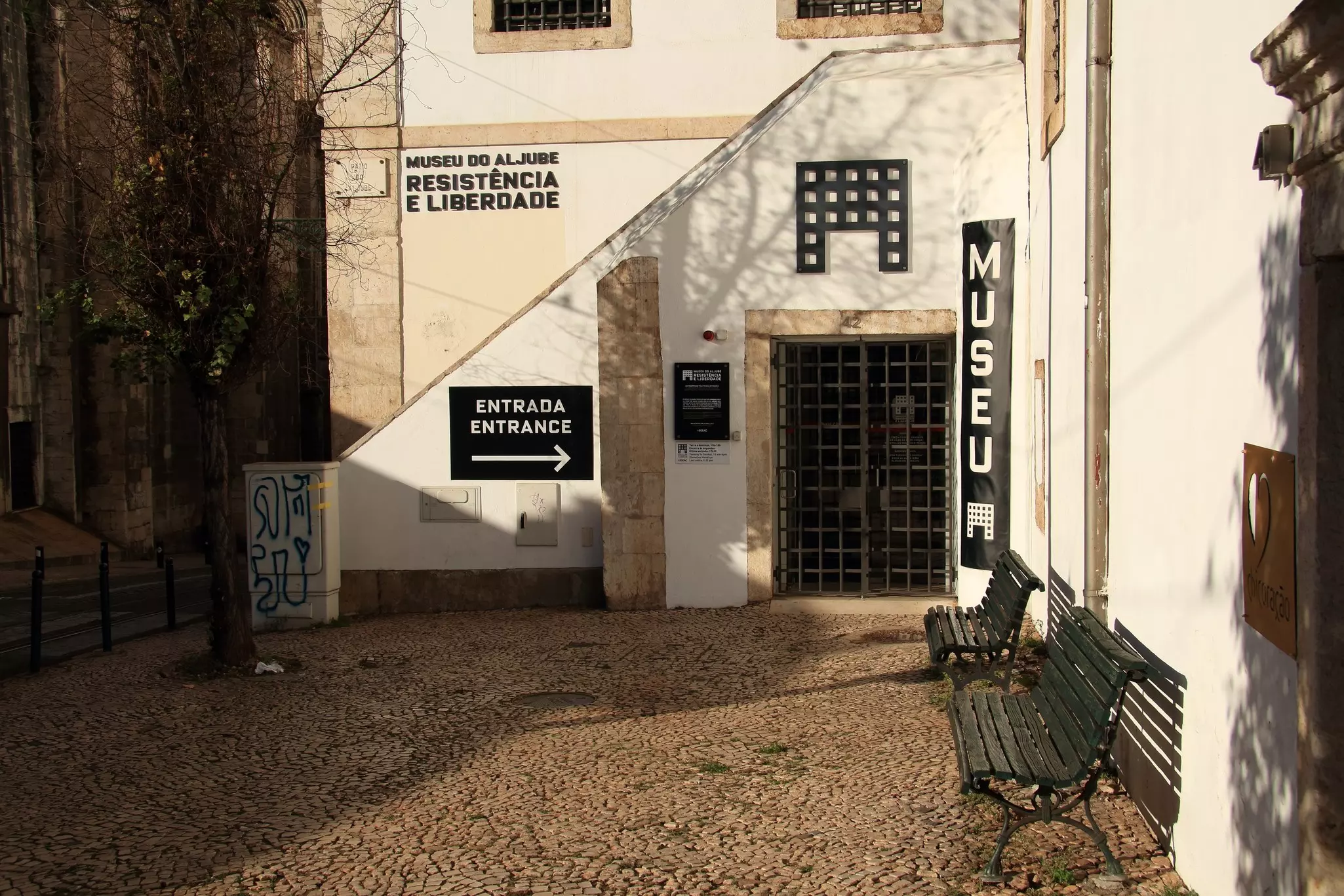
In 1910, Portugal transitioned from a monarchy to a republican regime. Political turmoil and instability led to the totalitarian conservative Estado Novo (1933–68). The oppressive regime ran for four decades and ended with a peaceful military coup on April 25, 1974.

Lonely planet’s trusted travel insurance provider
Travel with confidence. Protect your trip and your wallet.
We don’t represent World Nomads, we receive a fee from quotes using this link. This is not a recommendation to buy travel insurance.
Set inside the former political prison, Museu do Aljube addresses that recent past, holding nothing back when giving context to its darkest moments – oppression, censorship, and government-approved social morals shaped Portugal’s life then.
Detour: At Largo do Carmo, scan the QR code on the square’s pavement to see archive footage and reenactments of that day’s events.
The Lojas com História program, created by the Lisbon City Council in 2015, marks all the shops with distinctive architecture that were part of the city's history.
By shopping in one of these stores, you’ll support a local business and take home unique souvenirs: custom-made hats from Chapelaria Azevedo Rua and tailored gloves from Luvaria Ulisses; books and merchandise from Livraria Bertrand, the world’s oldest bookstore in business; and canned fish in a variety of sauces from Conserveira de Lisboa.
Head to MAAT Gallery and MAAT Central for experimental and contemporary art. Spend hours with classic and modern masterpieces at Museu Nacional de Arte Antiga, Museu Calouste Gulbenkian, and Centro de Arte Moderna. Visit the old silk factory in Amoreiras converted into Fundação Arpad Szenes-Vieira da Silva to house the works of Portuguese painter Helena Vieira da Silva (1908–92) and her husband Árpád Szenes .
In Marvila, unofficially known as Lisbon’s East Side Art District, the refurbished Abel Pereira da Fonseca wine warehouses became the cultural hub 8 Marvila, with art shops, galleries, and restaurants. On the first Saturday of the month, Prata Riverside Village’s garage turns into art market Mercado P’LA ARTE.
Around Marquês de Pombal, WC (a deactivated, underground public bathroom) and Jardins do Bombarda (the gardens at the former psychiatric hospital) showcase the work of emerging artists and performers.
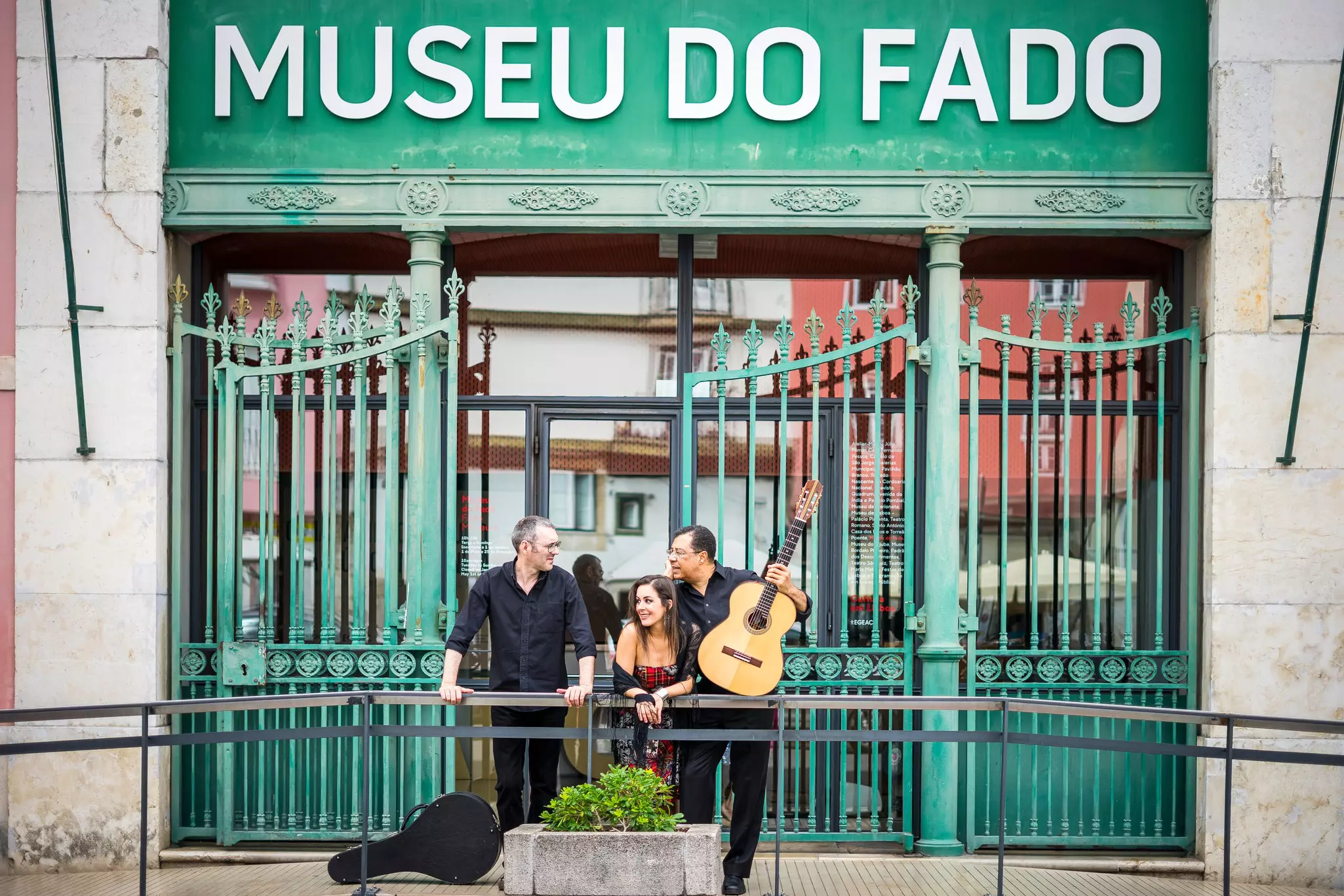
Most associate fado with the mournful, melancholic songs performed by somber men and women at formal, traditional Portuguese restaurants known as casas de fado or in the more casual tascas. That remains the classic way to enjoy a live performance, with a fixed-menu dining experience as part of the package. The historic neighborhood of Alfama has a higher concentration of such fado venues, where Mesa de Frades, Tasca do Jaime, and Tasca da Bela are among the most famous.
Real Fado focuses solely on the musical experience, leaving the mandatory dinner out of the equation with one-hour concerts in three venues: bar Pavilhão Chinês (Thursdays), underground reservoir Reservatório da Patriarcal (Fridays and Saturdays), and concept gallery EmbaiXada (Sundays).
Detour: Lisbon-based Amália Rodrigues (1920–99) was Portugal’s most famous fadista (fado singer), partly responsible for the genre's international fame long before its UNESCO World Heritage status (achieved in 1991). Get to know the Fado diva by visiting her house-turned-museum Casa-Museu Amália, or opt for the more immersive Ah! Amália – Living Experience.
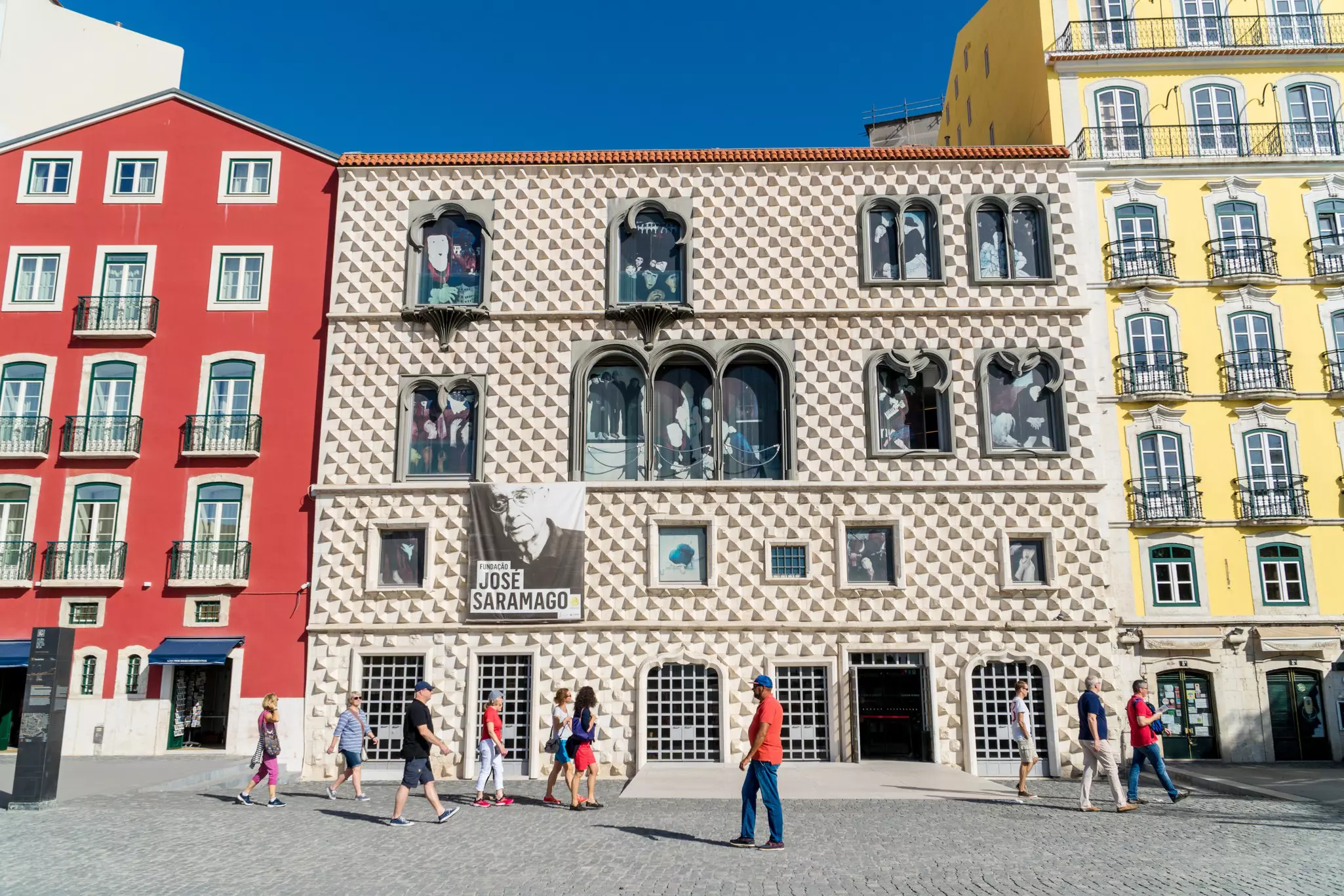
Unfortunately, most traces of the past civilizations that called Lisbon home are buried under the rubble of the 1755 earthquake. This means that the construction site of a new building in the downtown area often turns into an archaeological excavation to retrieve lost artifacts.
It was the case with Núcleo Arqueológico da Rua dos Correeiros underneath a bank’s headquarters (book a free guided tour through 2000+ years of Lisbon history), the first floor of Fundação José Saramago, and the lobby of hotel Áurea Museum.
Detour: Take a road trip to Cascais and visit the nearby ruins of a Roman housing complex, Villa Romana de Freiria, for free.
Shopping malls with multiple screens rule the movie-based entertainment options in Lisbon. However, two small cinemas remain in business with festivals, monthly cycles dedicated to a theme or a director, and recently released independent films: Cinema Nimas, a 50-year-old institution oddly located in the basement of an apartment building, and Cinema Ideal, a now-refurbished cinema that opened its doors for the first time in the early 1900s.
Local tip: In the summer (June to September), get tickets for one of the outdoor moving screenings in Carmo Rooftop (Cine Society), Igreja da Graça (Black Cat Cinema), or Cine-Gastro-Bar 39 Degraus (Cinemateca).
The November 1, 1755, earthquake (followed by a tsunami and a raging fire) killed thousands of people, destroyed historic buildings and irreplaceable documents, and redefined Lisbon’s downtown area.
A few sites dodged the natural tragedy, including the house at 20 Rua dos Cegos in Alfama and Convento dos Cardaes, a 17th-century convent in Bairro Alto.
Explore related stories