Jul 7, 20267 min read
The Ultimate Weekend in LimaMay 22, 2026
8 MIN READ

Writer
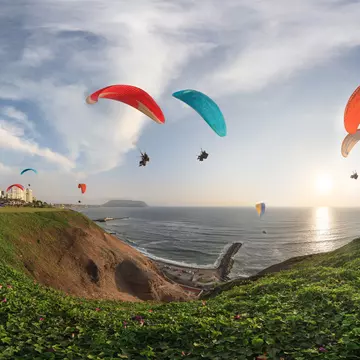
Paragliding above the malecón, Lima, Peru. Christian Vinces/Shutterstock

Writer
Highlights
Writer Agnes Rivera picks 13 Lima experiences, from street food to fine dining.
Paraglide the malecón cliffs and tour pre-Inca Huaca Pucllana by day and night.
Dine at Maido or Central, then graze Parque Kennedy's street stalls for fried pork sandwiches.
Culture seekers should visit Barranco's galleries and Museo Larco, or brave Lima's catacombs.
Lonely Planet may earn a commission from affiliate links on our site. All recommendations and reviews reflect our own independent opinions.
Peru’s world-class gastronomy, ancient ruins and breathtaking natural landscapes have drawn an increasing number of visitors in recent years.
And its coastal capital city of Lima is a fabulous showcase for it all. As a truly metropolitan world capital, Lima does it all with a modern sensibility and urban flair.
Start planning your trip now with our insider’s list of unmissable experiences that are the best things to do in Lima, Peru.
An unforgettable paragliding excursion lets you take in a bird’s-eye view of the City of Kings and Lima’s long coastline.
In the Miraflores section of the malecón, tourists can visit the “paragliding port“ (parapuerto), where reputable agencies offer tandem paraglide sessions (during which you’ll be harnessed in with an experienced guide) every day of the year. The flight lasts 10 minutes and is a pure adrenaline rush.
Planning tip: Aeroextreme offers paratriking – basically paragliding with a motor, which is less dependent on clement weather. Pay in cash in Miraflores; the take-off spot is 15 minutes north in San Miguel.
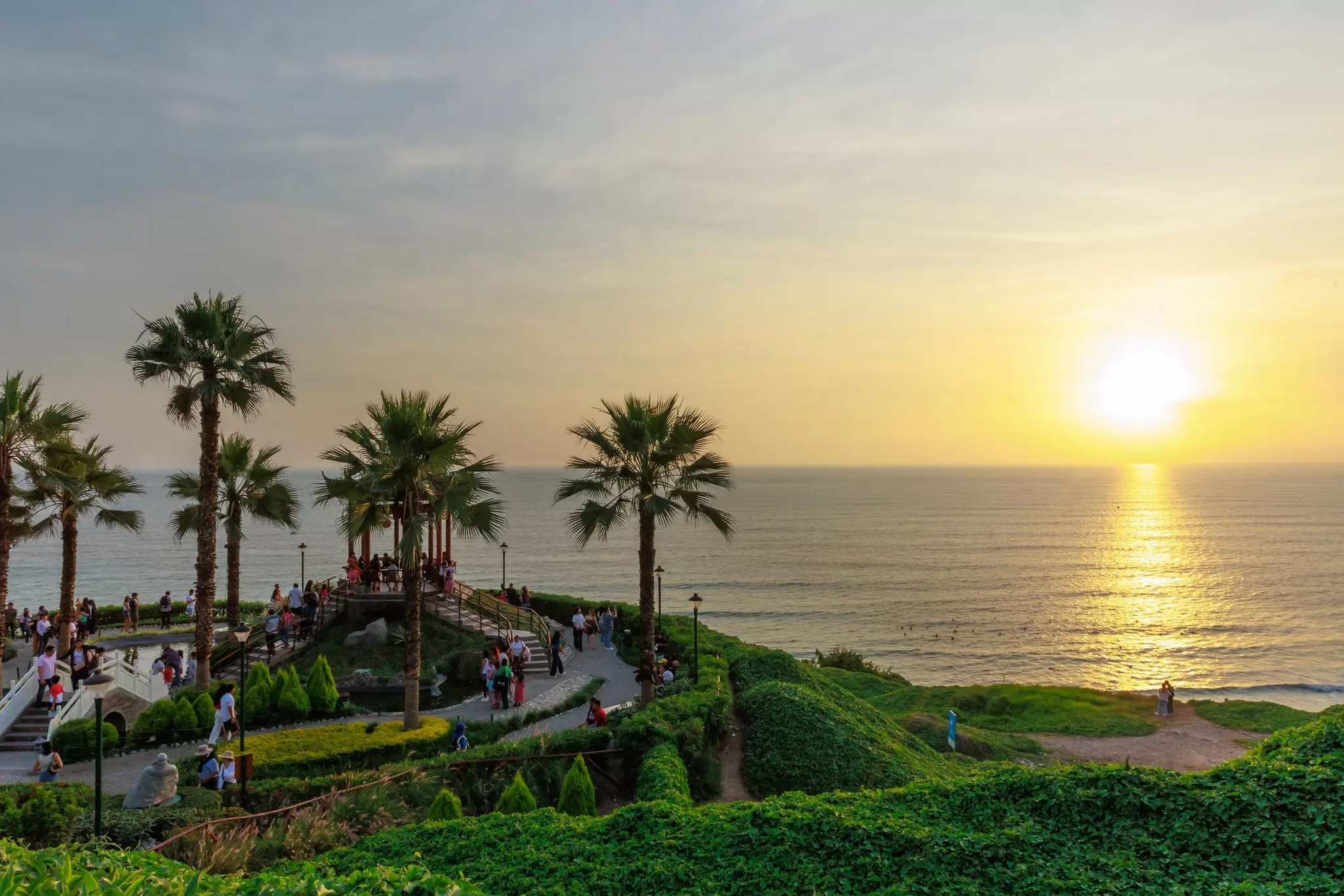
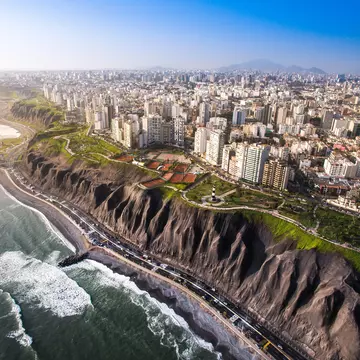
A smoothly paved path that follows the natural curves of Lima’s coastal cliffside, the malecón is one of the city’s most iconic features. Stretching roughly 10km, the malecón extends through a handful of Lima’s most popular neighborhoods.
Yet the passageway, dotted with green spaces, public art and children’s parks, is an attraction in itself. So do as limeños do and rent a bike, go for a jog or simply take a leisurely stroll.
Local tip: Streets in Lima can have several names – for example, the major thoroughfare of Ave Arequipa is also known as Garcilaso de la Vega or Wilson. Some names reappear in different districts, so be sure to indicate the right neighborhood if you’re getting a taxi. For extra confusion, you’ll regularly see tiles indicating colonial street names that are no longer in use. Your best bet is to look for the green street signs and use well-known landmarks for orientation.
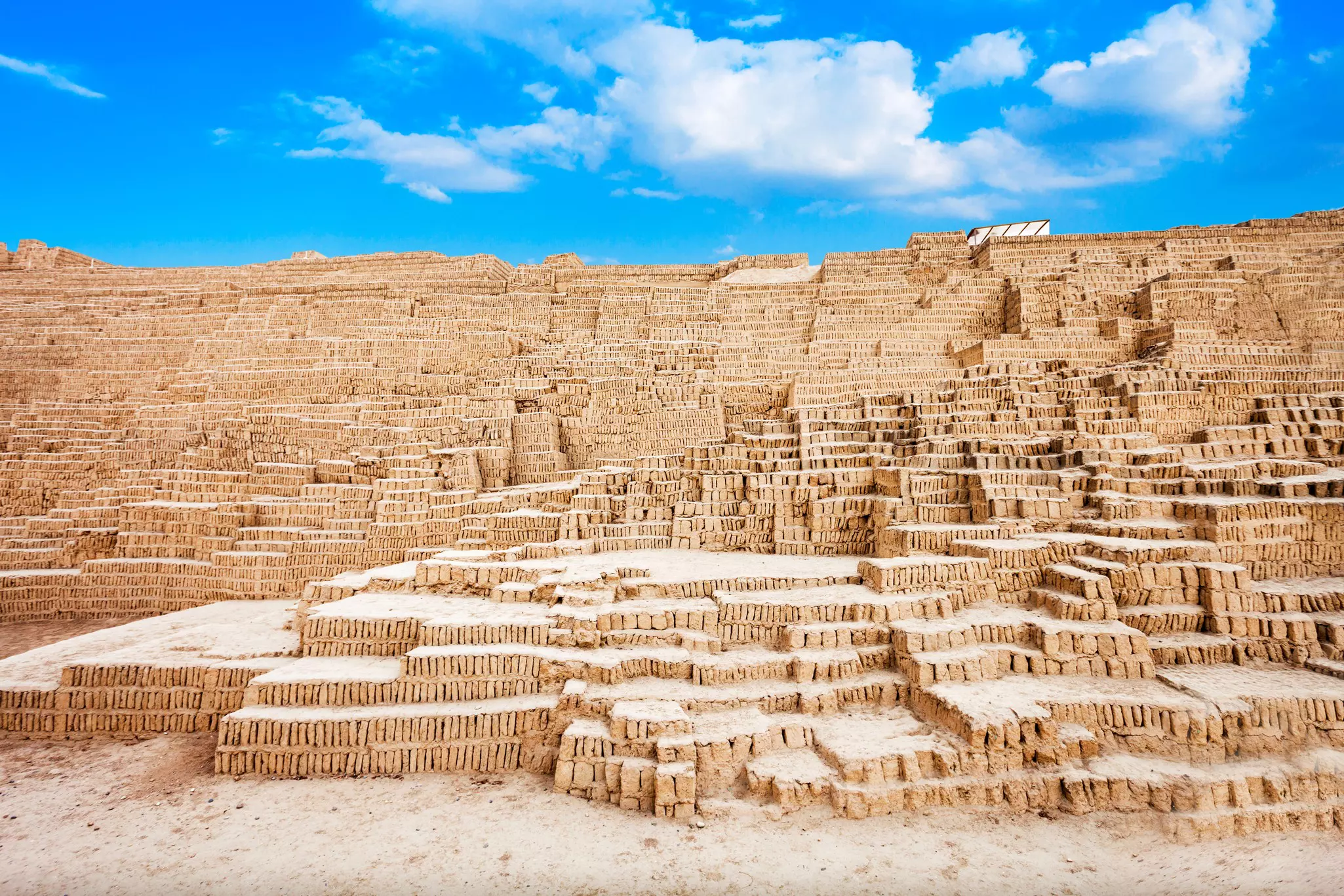
In the heart of bustling Miraflores, Huaca Pucllana once served as an administrative and ceremonial center for the ancient Lima culture.
Built around 400 CE, the mud-brick pyramid predates Inca masterpieces like Machu Picchu. Only adding to its mystique, a group of mummies was discovered on site as recently as 2010. Daily tours are available.
Local tip: Huaca Pucllana is incredible by day – but we recommend timing your visit so you can experience it during both day and night. A celebrated on-site restaurant offers incredible views of the illuminated ruins after dark.
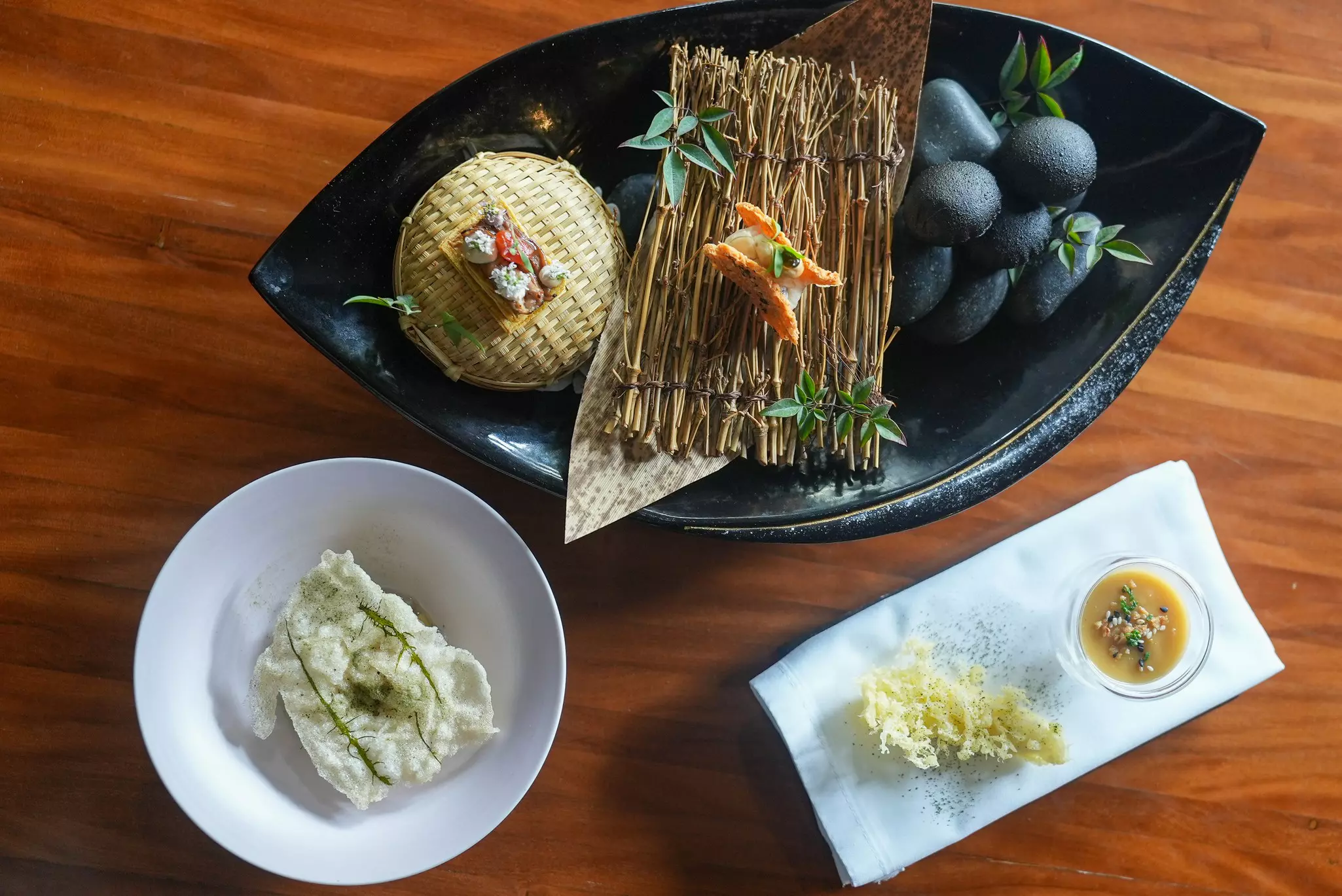
Visitors have long savored Lima’s reputation as one of the world’s great culinary destinations. Access to the bounty of produce and superfoods from Peru’s many regions and climates, as well as to superb seafood, make high-end meals in Lima ones you’ll remember for years.
Which means you should count on devoting a chunk of your travel budget to an afternoon or evening at one of the city’s many haute-cuisine establishments.
Central and Kjolle offer exciting concepts that focus on tubers, flowers and grains from the Amazon and Andes. Nikkei (Peruvian-Japanese fusion) awaits at Maido – which topped the list of the World’s Best Restaurants in 2025. Or you can pay homage to the godfather of nouveau Peruvian gastronomy, Gastón Acurio, at his Astrid & Gastón.
Lonely planet’s trusted travel insurance provider
Travel with confidence. Protect your trip and your wallet.
We don’t represent World Nomads, we receive a fee from quotes using this link. This is not a recommendation to buy travel insurance.
Local tip: The country’s fusion cuisine, criollo cooking – a singular blend of Spanish, Andean, Chinese and African influences – is without parallel at neighborhood eateries as well as super-chic restaurants.
Thanks to Lima’s street food scene, you can eat out for nearly every meal without breaking the bank (offsetting the cost of that splurge restaurant dinner).
In the mornings, street corners host carts selling quinoa, a warm drink made with the nutritious pseudograin, apples, and spices like cinnamon and clove.
By late afternoon, carts in Parque Kennedy are stocked with the fixings to put together a pan con chicharrón (fried pork sandwich) and picarones (fried squash doughnuts drizzled in chancaca syrup).
Local tip: If you visit Parque Kennedy on a Sunday, you can rent a bike from the municipal stand and pedal your way north on Av Arequipa, which is closed to cars on Sundays from 7am to 1pm.
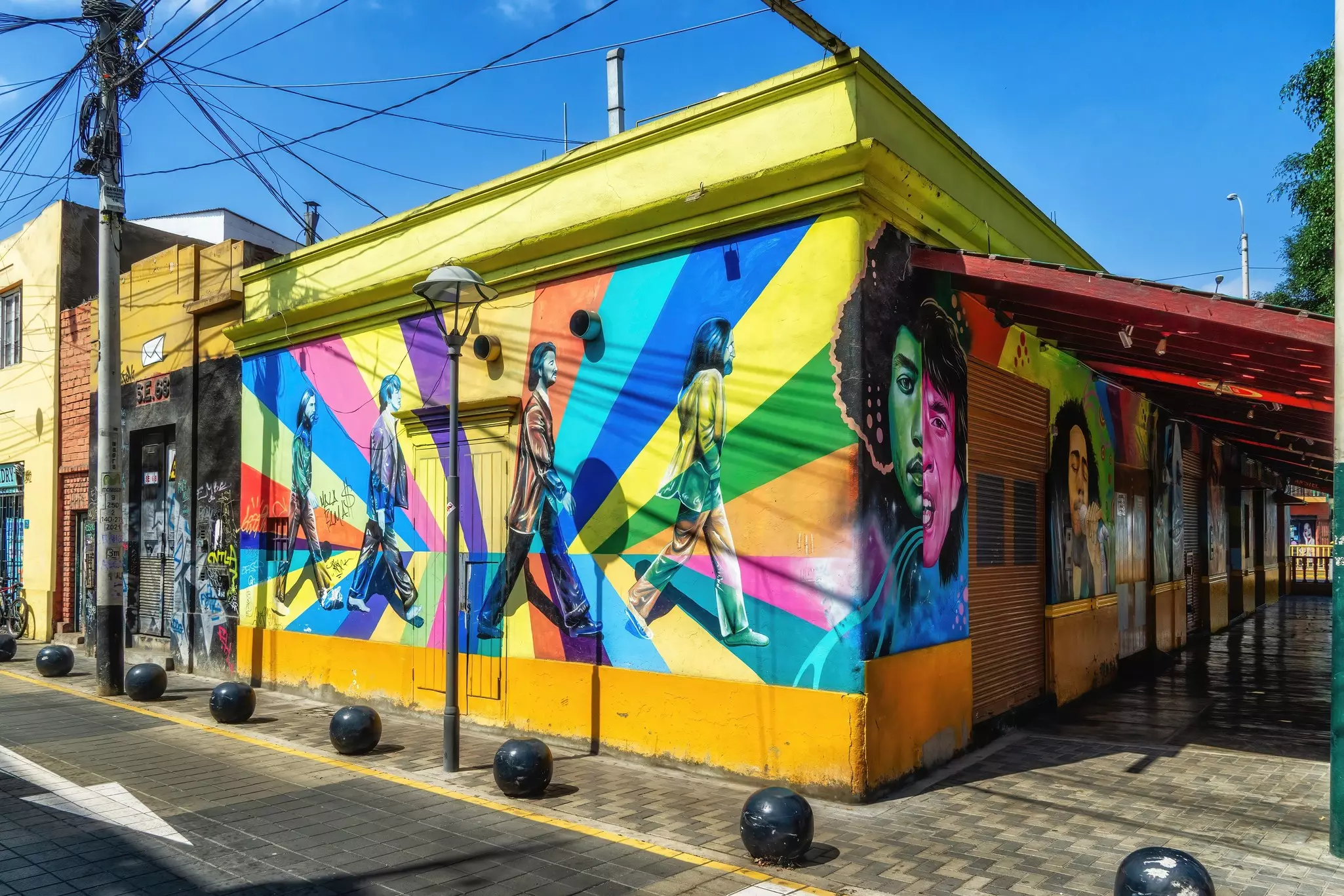
Bohemian, trendy and artsy Barranco is one of the most popular districts in Lima (if not the most popular one).
Immerse yourself in its creative scene for free by visiting galleries and boutique shops such as Las Pallas, Dédalo and Crisis Galeria.
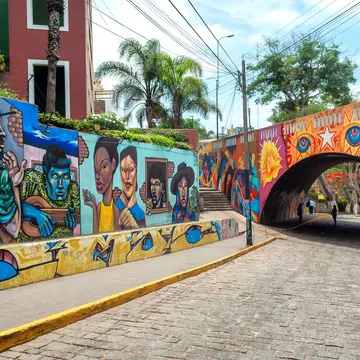
Outside of such establishments, you’ll encounter lively street art as you explore this extremely walkable district.
Local tip: No visit to Barranco would be complete without a stroll across the Puente de los Suspiros (Bridge of Sighs), a narrow wooden walkway that’s a favorite of lovestruck couples.
Also in Barranco, El Cacaotal is a museum of cacao products from all regions of Peru – but one where you can taste the exhibits.
The shop sells Peruvian craft chocolate and specialty coffee curated by certified tasters who are happy to tell you the full story and process behind each bar and bean.
Planning tip: Ask about chocolate-tasting courses, a delicious (and educational) only-in-Lima experience.
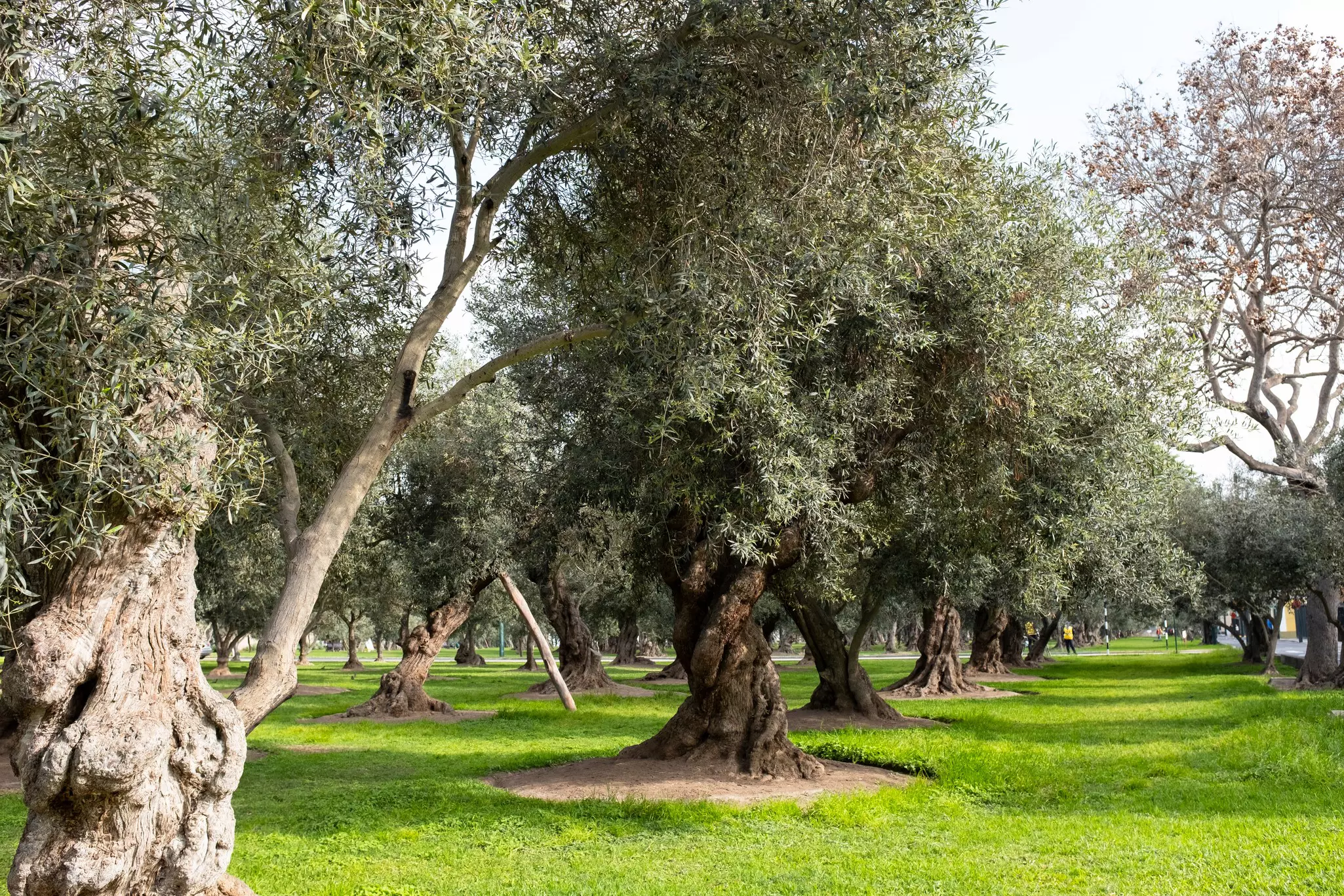
It doesn’t take long to feel your nature-loving side stifled by Lima’s density and clamor. Happily, you can get a breath of fresh air by visiting the picturesque Bosque El Olivar in San Isidro.
Among the park’s 57 acres, you can stroll among 1500 olive trees that were planted four centuries ago, gaze upon the koi pond or simply spread out a blanket and enjoy a good book. (Note that picnics aren’t allowed.)
Local tip: After your dose of nature, sit down for a Negroni or pizza at Lila, a chic spot nearby on Calle Miguel Dasso.
Less hip than bustling Barranco and not nearly as swanky as Miraflores, Pueblo Libre is like a hidden jewel, quietly waiting to be discovered by tourists.
One of the district’s must-see sites is Museo Larco, an incredible museum housed in a colonial-era mansion, which houses 30,000 cataloged ancient pottery artifacts – including a cheeky pre-Columbian erotic ceramics collection.
After your visit, linger a while in the museum’s lush garden.
Local tip: After taking in the art, walk 20 minutes to Antigua Taberna Queirolo to refresh with a proper pisco sour.
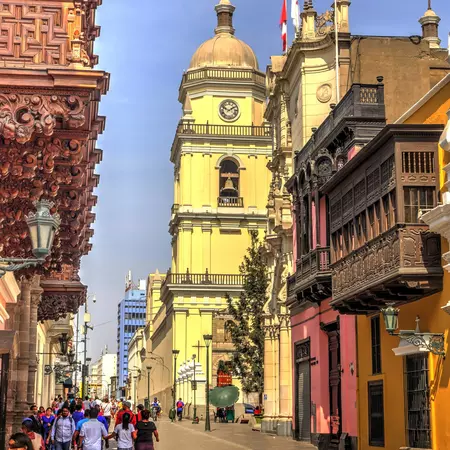
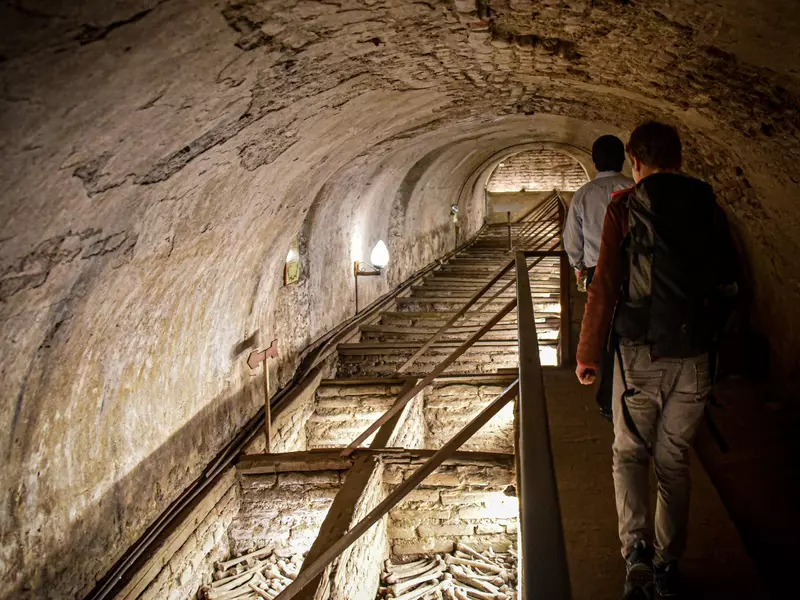
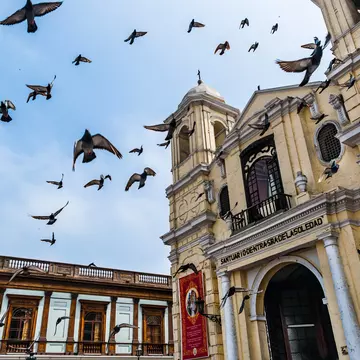
Do you dare to walk a network of subterranean passageways lurking beneath the streets of Lima’s historic center? Before the first cemetery in Lima was built, 25,000 souls were laid to rest just below the 16th-century Monasterio de San Francisco.
A rather eerie guided visit of the Lima catacombs can be followed up with a walking tour of the historic streets above them.
Planning tip: At the catacombs, tour groups are divided into Spanish and English, and you’ll generally have to wait up to 15 minutes for a group to form. Arrive right at opening time (9am) for the chance of smaller groups – or even landing a private tour if no one else shows up.
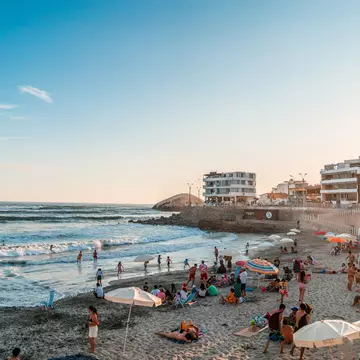
Even though it has a desert climate, Lima also has a coastal position that makes it a haven for fans of water sports. Visitors can take advantage of easy beach access and sign up for a surf or paddleboard lesson. Boards, wetsuits and instructors can be found simply by taking a stroll on the beach.
Planning tip: Despite the newspaper warnings about pollution, limeños hit the beaches in droves in summer (January through March). Playa Costa Verde in Miraflores (nicknamed Waikiki) is a favorite of local surfers and has good breaks year-round. Serious surfers head to Playa La Herradura in Chorrillos, which has waves up to 5m high during good swells.
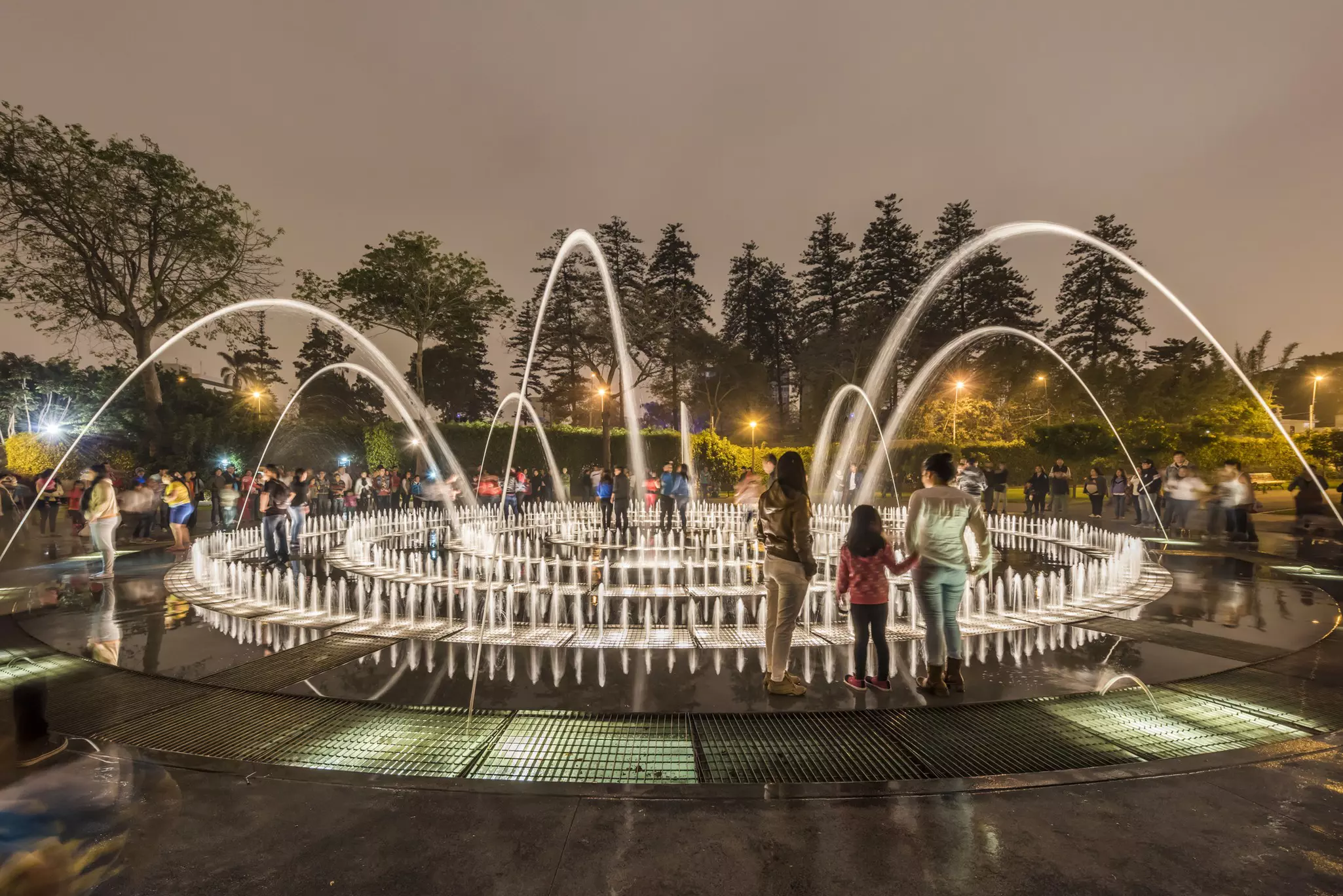
Couples, families and those young at heart will delight in a visit to the colorful Magic Water Circuit. This open-air park is best visited at night, when a rainbow of lights reflects upon the active water fountains.
If you’re visiting during the summer months, a daytime visit is less colorful but all the more refreshing, as you walk beneath a tunnel of fountains to cool off from the desert heat.
Local tip: If you’re traveling in Lima with kids, know that you’ll be in a family-oriented place and a society where children are treasured. Nonetheless, the city streets can be overwhelming for little ones. If your family isn’t used to navigating a busy city, you can take refuge at Larcomar mall in the Miraflores district.
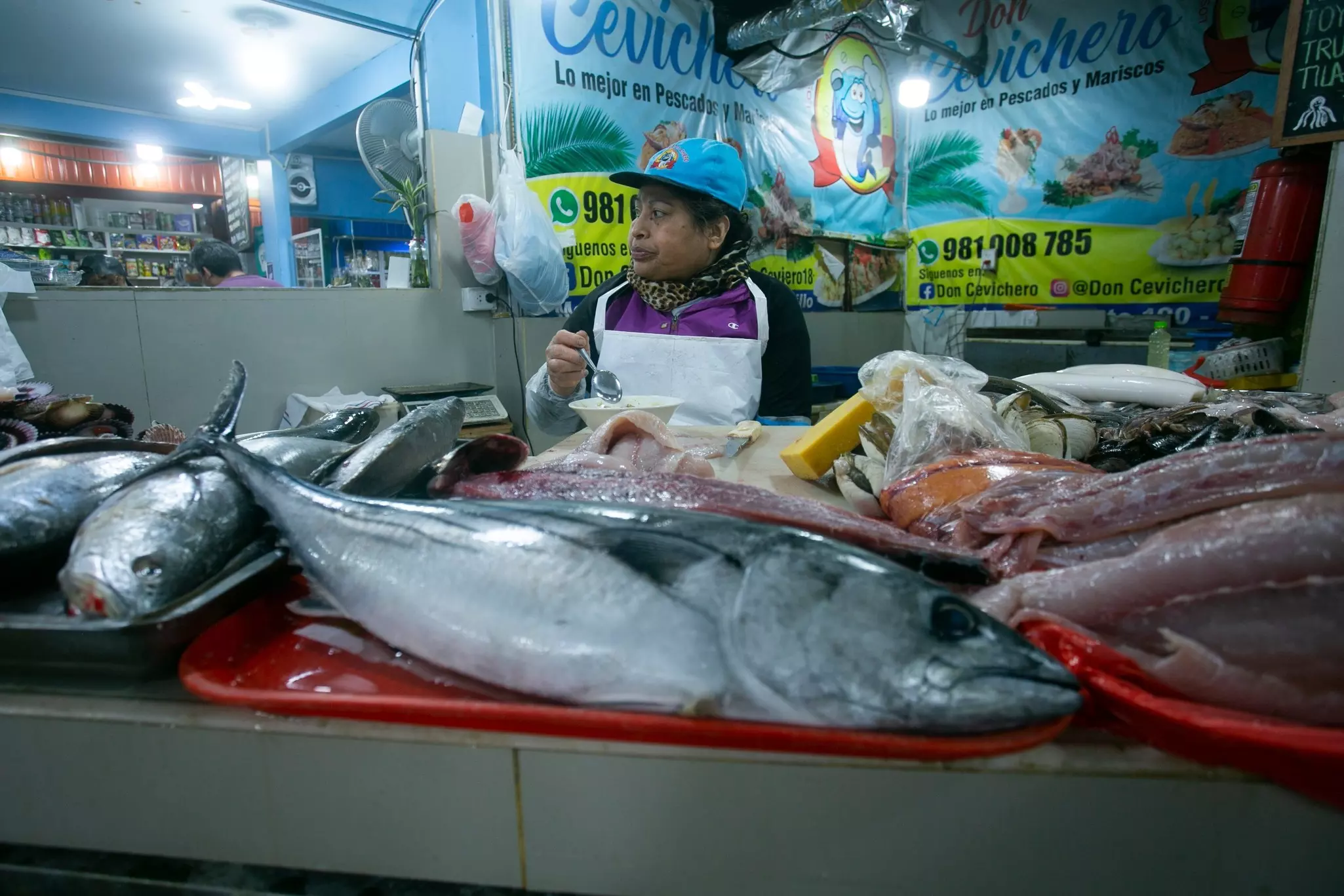
Lima brings together ingredients from the coasts, jungles and highlands. You can feast your eyes on the country’s colorful bounty at the Surquillo market, one of Lima’s best.
Vendors are happy to explain where fruits like chirimoya (custard apple) and granadilla (a type of passion fruit) come from, and to discuss the nutritional value of seeds like sacha inchi, which have been consumed since the time of the Incas.
Local tip: Surquillo is also a great place to dig into incredibly fresh ceviche. Just look for the stall with the most patrons.
Explore related stories