Jan 25, 202611 min read
A Guide to Oslo, Norway's Lively CapitalSep 19, 2025
11 MIN READ
Writer
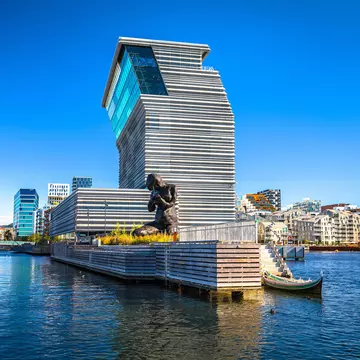
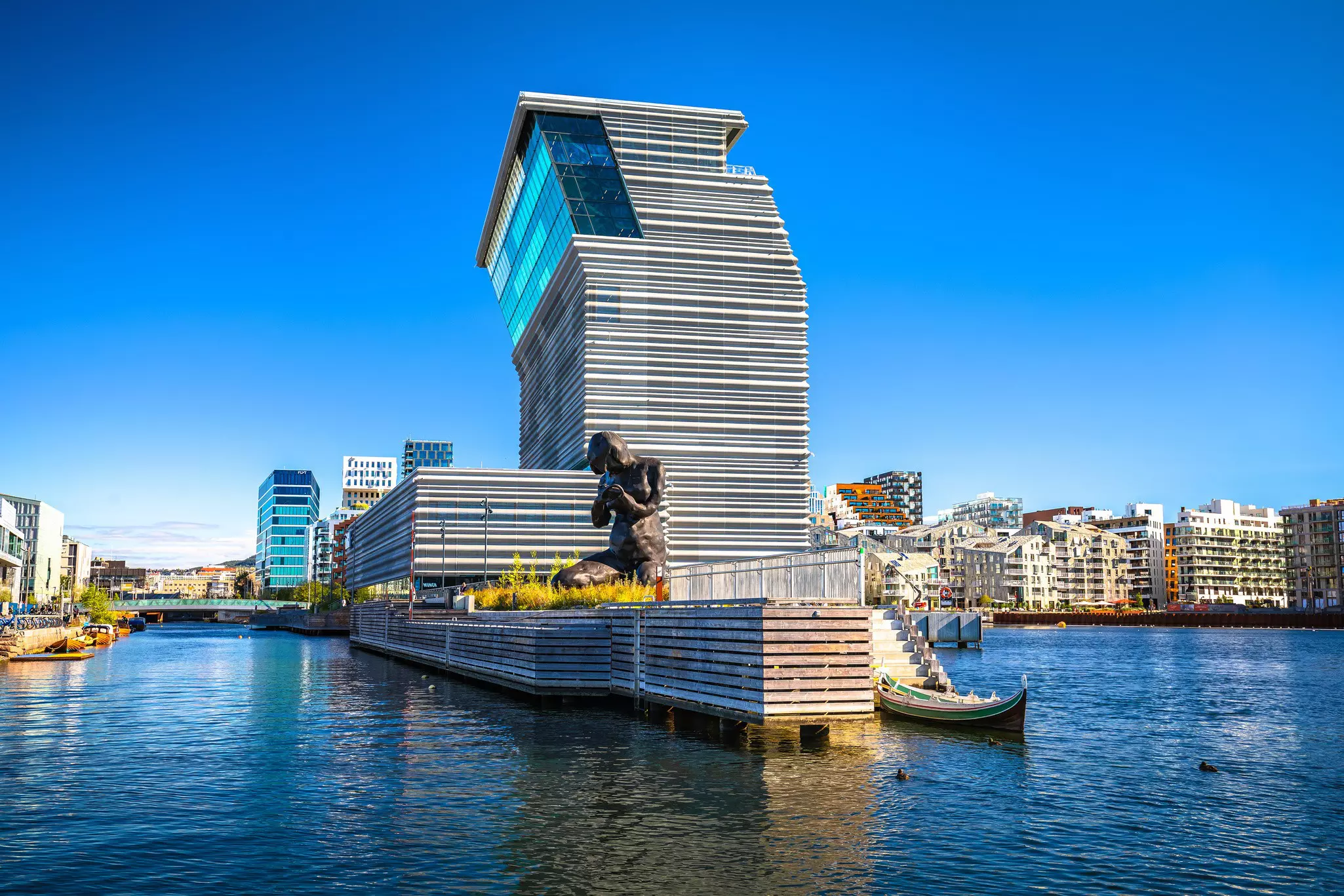
Tracey Emin's large-scale "The Mother" sculpture outside Munch Museum. xbrchx/Adobe Stock
Writer
Highlights
Writer Gemma Graham picks 10 Oslo activities, from art museums to fjord islands.
Art lovers should head to the National Museum and Munch, which both display The Scream.
Walk the Oslo Opera House roof for harbor views; Vigelandsparken's 200-plus sculptures are free.
Try a floating sauna at Aker Brygge, or island-hop to Langøyene's beach on the Oslofjord.
Lonely Planet may earn a commission from affiliate links on our site. All recommendations and reviews reflect our own independent opinions.
Surrounded by pristine nature and buzzing with award-winning cultural attractions, Oslo is perfect for a varied city break all year round.
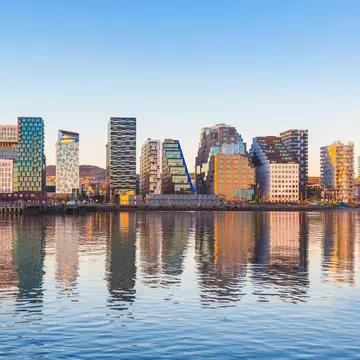
Norway’s capital has had a major makeover in the past few decades, and there’s more to experience than ever before. The harbor front has been completely reimagined, switching the focus from industry to recreation and the good life. There’s now a clutch of world-class cultural institutions, striking modern architecture and a slew of places to swim, cycle and stroll.
Two long-awaited museums have also opened their doors to the public in recent years – the National Museum and Munch. A third, the Museum of the Viking Age, is due to open in 2027, when the 1000-year-old riches from the outstanding Vikingskipshuset (now closed) will be on display once more.
Until then, here are 10 of the best activities to add to your Oslo itinerary.
Don’t let the understated, low-profile exterior of Norway’s National Museum fool you – inside you’ll discover a luminous treasure chest of art and design spanning millennia. The permanent collection brings to life over 6500 objects and artworks across 86 chronologically arranged rooms. Displays on the first (ground) floor explore design in the context of major societal themes, pondering questions such as “Can machines make beautiful things?.”
The collection continues one floor up, where you’ll find the works of famous Norwegian and international artists from 1500 to the present day. There’s a small collection of paintings by Edvard Munch, including a vibrant version of The Scream (three other versions are on display in the Munch Museum), as well as pieces by other familiar names including Monet and van Gogh. Look out for a fossil in the limestone floor as you make your way up the stairs to the top-floor Light Hall (where you'll find temporary exhibitions by mostly contemporary artists).
Planning tip: The excellent National Museum app has additional audio and video guides for selected artworks (including specially designed content for children), plus suggested tours to help you find some of the museum’s highlights.
Home to the Norwegian National Opera and Ballet, the Oslo Opera House is where the city’s transformation to Nordic culture capital all began. Gleaming on the waterfront at Bjørvika since 2008, the white marble masterpiece was designed by award-winning Norwegian architects Snøhetta to resemble a glacier gracefully rising from the fjord.
As you’d expect, it houses state-of-the-art rehearsal rooms and performance halls, which you can see on one of the excellent guided tours. But outside, the entire building is effectively an extension of the harbor front public realm, inviting everyone to walk up on the sloping roof for panoramic views across the harbor and the city. Yes, it’s one of the most popular things to do in Oslo, but for good reason. For a slightly less crowded experience, wander on the roof at the end of the day to watch the sun dip down behind the fjord.
Planning tip: The marble can get very slippery after it’s been raining, so mind your step in wet weather.
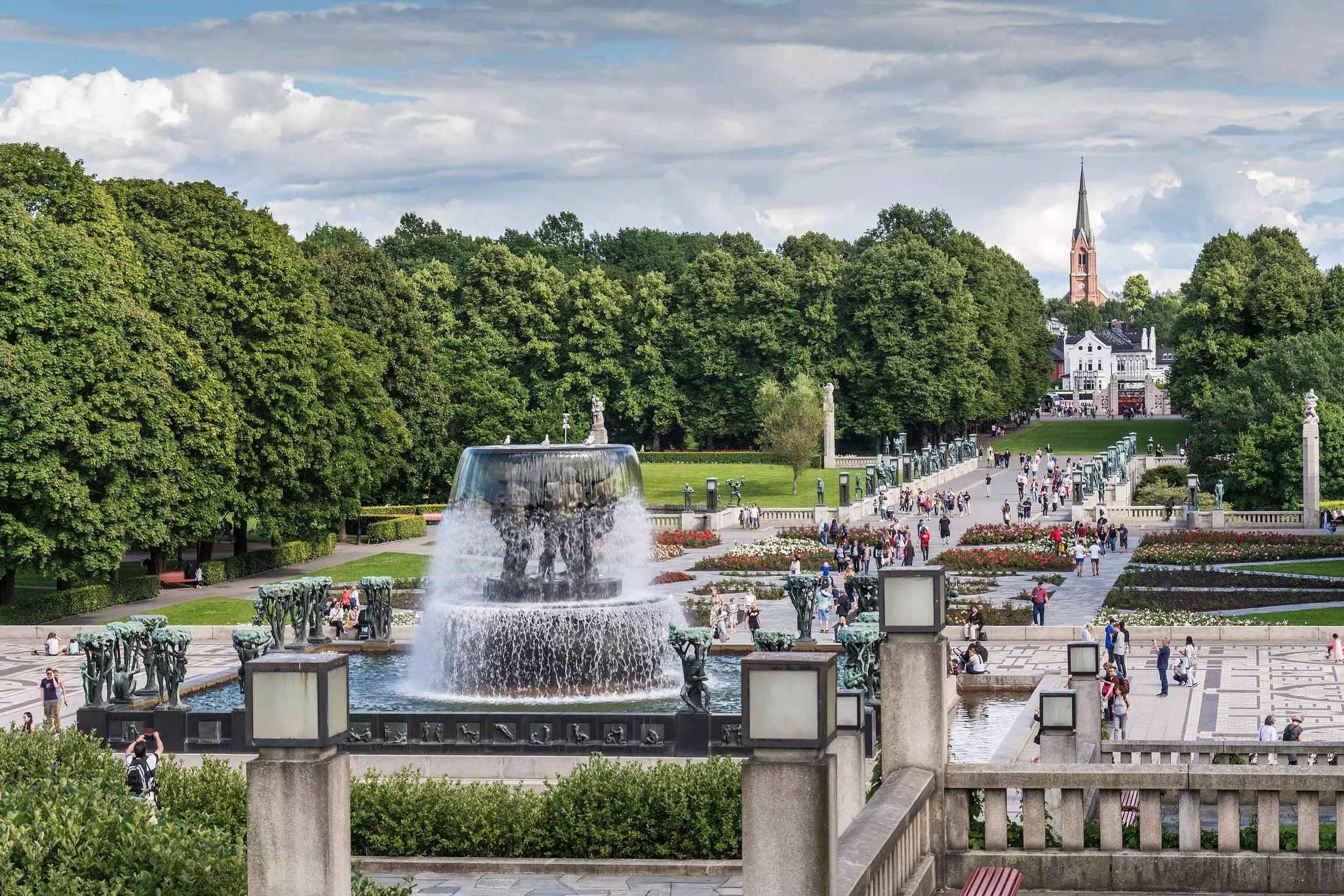
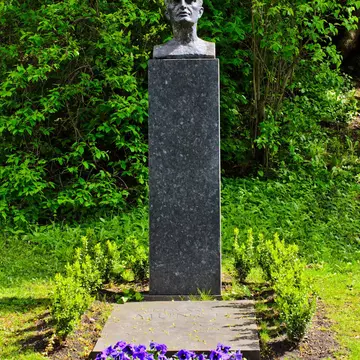
A masterwork around 40 years in the making, Vigelandsparken is a free-to-visit sculpture park containing over 200 expressive pieces by the beloved – and prolific – Norwegian sculptor Gustav Vigeland. The beautifully landscaped outdoor art gallery forms part of leafy Frognerparken on Oslo’s affluent west side, and brings together a vast collection of sculptures rendered in granite, iron and bronze.
Vigeland was inspired by the complex nature of human emotions, the full range of which is reflected in his artworks, from joy and playfulness to grief and anger – perhaps his most famous piece is Sinnataggen (The Angry Boy), a tantrum-throwing toddler. Alongside individual figures, there are functional sculptures including an enormous fountain and a sundial. But all works lead to the remarkable centerpiece, the 17m-tall (56ft) Monolith, a single piece of granite carved with 121 entwined figures.
Detour: For a more in-depth look at Vigeland’s life and artistic process, head to the Vigeland Museum, the artist’s former home and studio. It’s just over the road from Frognerparken on Nobels gate.
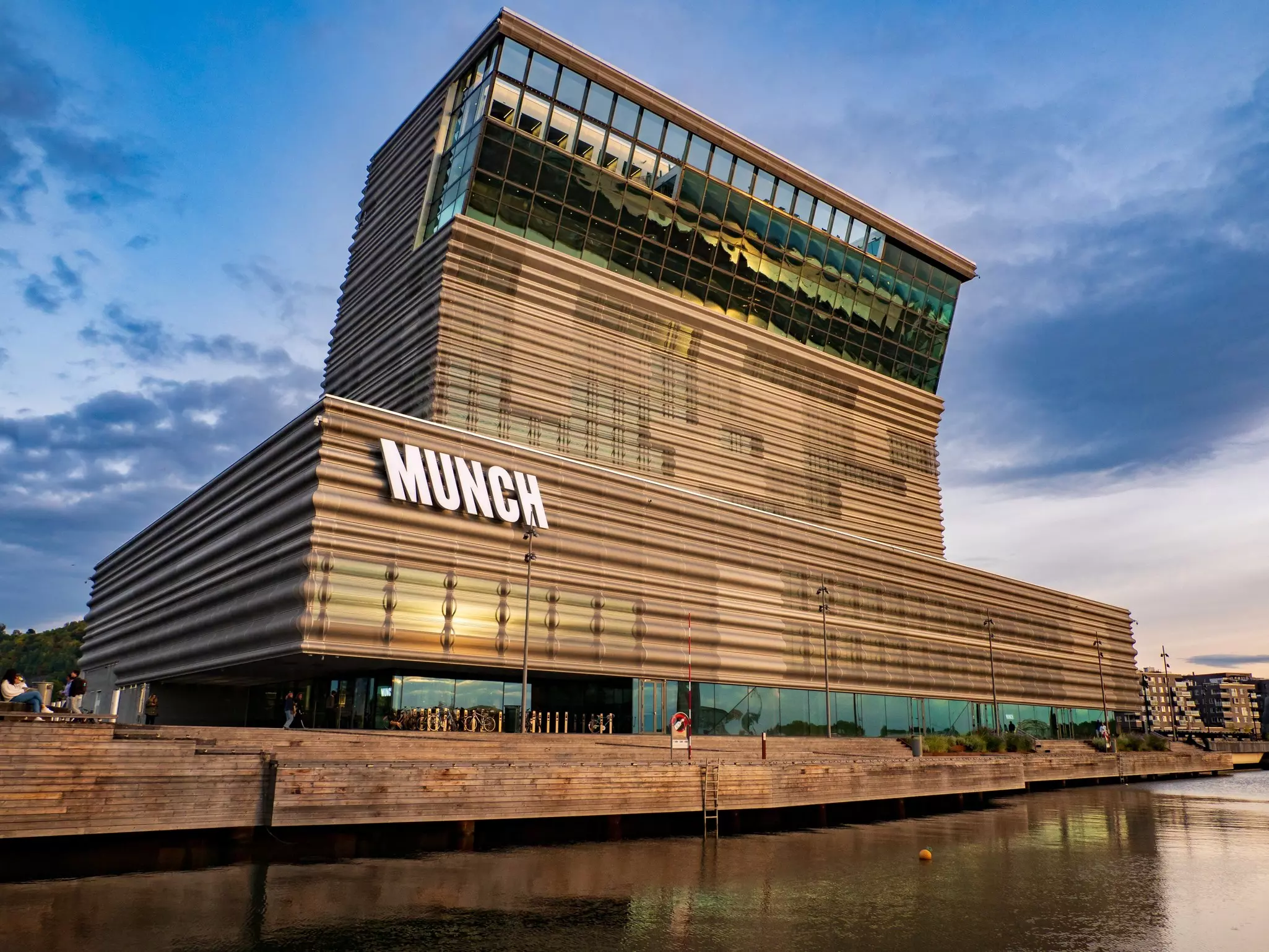
Looming over the waterfront at Bjørvika, Munch opened in 2021, as the new home dedicated to Norway’s most famous artist, Edvard Munch. Over its 13 floors, the museum conserves and displays the collection of works that Munch bequeathed to the city four years before his death in 1944. Permanent exhibitions of his paintings, prints and sketches explore recurring themes of sickness, melancholy and nature. Three versions of Skrik (The Scream) are on display here: a painting, a print and a drawing. However, to preserve the fragile works, only one is shown at a time; the display is updated every 30 minutes or so.
Changing exhibits offer new interpretations of Munch’s art, and temporary exhibitions celebrating other artists ensure you’ll always have a reason to return. Outside the museum, don’t miss the 9m (29.5ft) bronze sculpture The Mother by British artist Tracey Emin, which kneels on the pier just outside the museum.
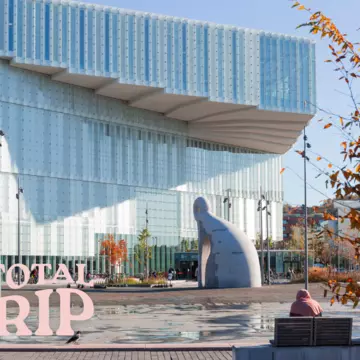
The Deichman Bjørvijka is about as far from a traditional library as possible. This six-floor, art-filled space – voted Public Library of the Year in 2021 – is a welcoming place where you’re just as likely to stumble upon local teens battling it out in a breakdancing competition as you are to see someone lost in their new favorite novel. As a visitor in Oslo, you’re unlikely to be checking out a book, reserving one of the sewing machines or using the 3D printer – just a few of the free-to-use services available to library-card holders – but there’s still plenty to see and do here.
The building is an architectural delight, conceived by architects Lundhagem and Atelier Oslo. Its cantilevered upper floors fan out to maximize the footprint while still fitting in with its low-rise surroundings. Inside, light tumbles down from three massive skylights in the roof, illuminating the dynamic angles and textures of the interior space. Each floor has zones to sit, create, work and socialize and there’s a cinema and art installations to discover too. On the second floor, don’t miss Simone Hooymans’ Plantenes Stemme (Talking Plants), an immersive, botanically themed animation and soundscape.
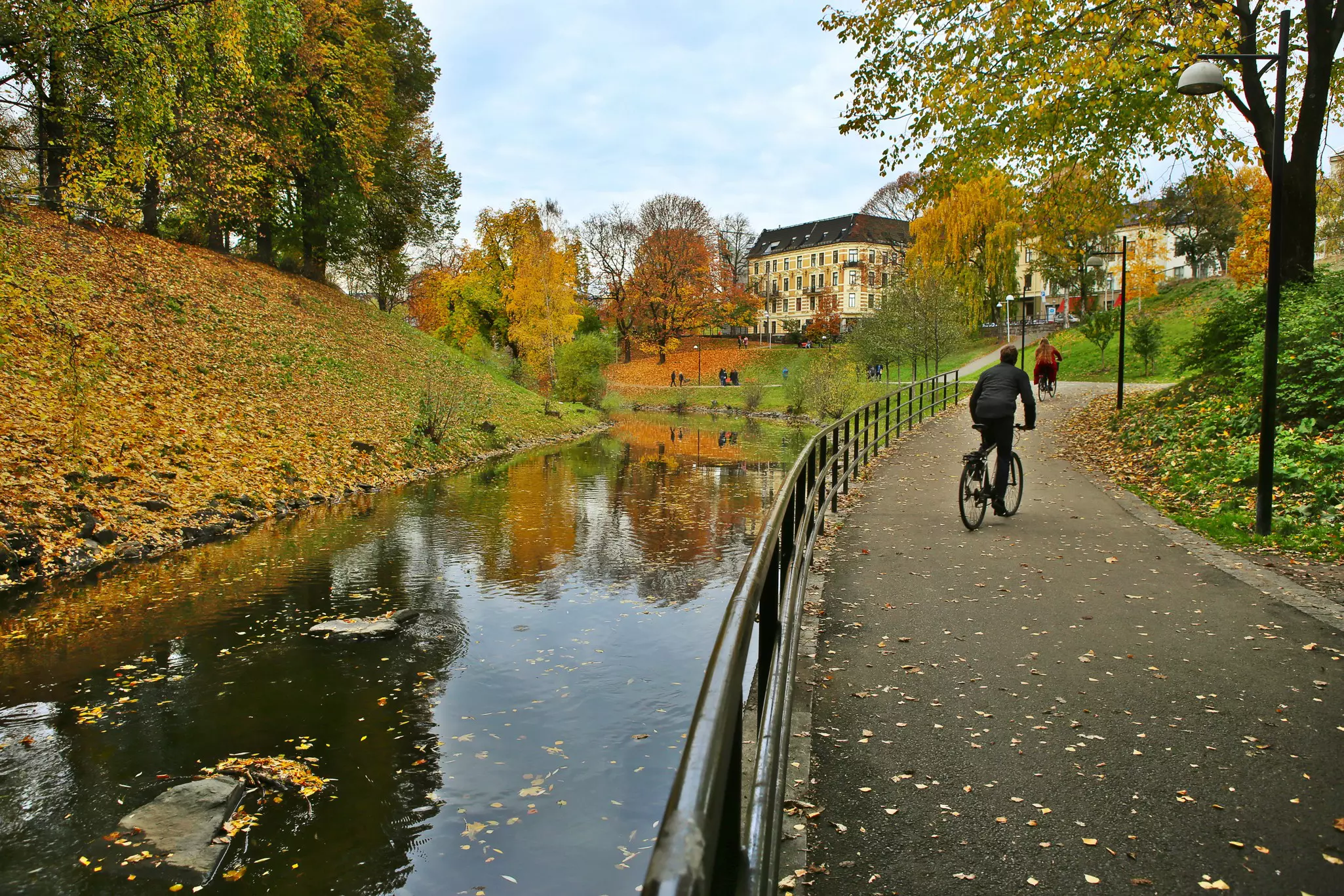
Emerging from the Maridalsvannet reservoir north of the city center, this 9km-long (5.6-mile) river is now a treasured natural feature complemented by waterside parks and scenic bridges. Yet this once-polluted waterway powered Oslo’s factories during the 19th-century textiles boom, and a walk along at least some of its fast-flowing course will give you an insight into the city’s industrial heritage.
Join the river at Grønland, and follow the riverside path against the flow. Along the way, you’ll see factories that have been converted into smart offices, apartments and music venues (Blå is a favorite, in a former indigo factory); rushing waterfalls (Vøyenfossen at Sagene is especially impressive); and a one-time sail factory that’s now home to the Oslo National Academy of the Arts (KHiO), announced by the giant rooftop installation This Is It by artist Gardar Eide Einarsson. Cross over the river at Sagene and you can delve deeper into the area’s history at the Labour Museum.
Planning tip: You don’t need to walk the whole length of the river to have an enjoyable stroll, but if you do, you can catch a train or tram back to the center from Kjelsås, which is close to the reservoir.
You’ll probably see the huddle of curious tourists before you see the floating saunas themselves; moored at various spots along the harbor front and inspired by Finnish sauna culture, these literal hot spots have become a popular way for locals and visitors to warm up and wind down. The ritual is simple: take a seat on a bench in a wood-paneled room that’s heated by a wood-burning stove to 80–95°C (176-200°F). Then, when you’re sufficiently sweaty, jump into the fjord for a cold but exhilarating dip, before repeating the cycle as many times as you like.
KOK has floating communal saunas at Aker Brygge and Bjørvika, and they also offer a sauna cruise, where you chug out to a quieter spot on the fjord. Meanwhile, the motto of Oslo Badstuforening is “Sauna to the people!” and they have an eclectic selection of floating saunas with different capacities at Bjørvika and Sukkerbiten – the latter location is far less overlooked.
Planning tip: Swimwear is always required in public saunas. You’ll also need two towels (one to sit on, and one to dry off), plus plenty of water.
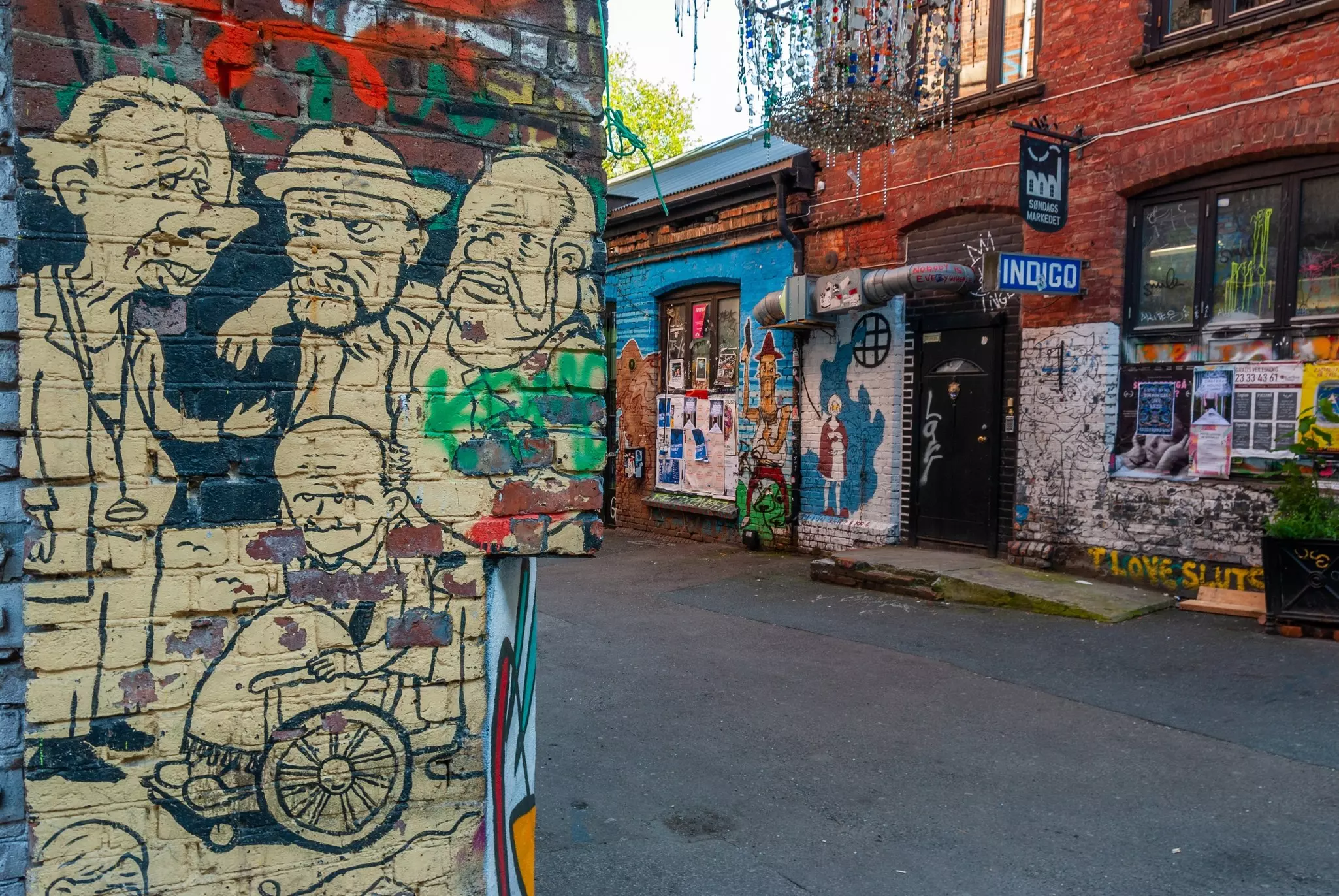
Artsy, alternative neighborhood Grünerløkka is packed with bars, restaurants and shops, and it’s the place to come to bag yourself some unique vintage apparel, whether your style is '70s disco, '80s glam or '90s grunge. The parallel streets Thorvald Meyers gate and Markveien have several vintage and vintage-inspired stores and, if you’re willing to rummage, you’re bound to find a bargain.
Among the selection of shops, Velouria Vintage is crammed floor-to-ceiling with jeans and retro band T-shirts, while Xaki Vintage is more spacious, with a curated selection of goth and punk pieces. Frøken Dianas Salonger only carries a few genuinely vintage items, but the retro-look stock is beautifully arranged in its sumptuous boutique. And if you’re looking for classic Norwegian knitwear without the high price tag, rifle through the rails in the Grunnerløkka branch of UFF, a classic second-hand store where you can often find pre-loved woollen sweaters by luxury Norwegian labels including Devold and Dale of Norway.
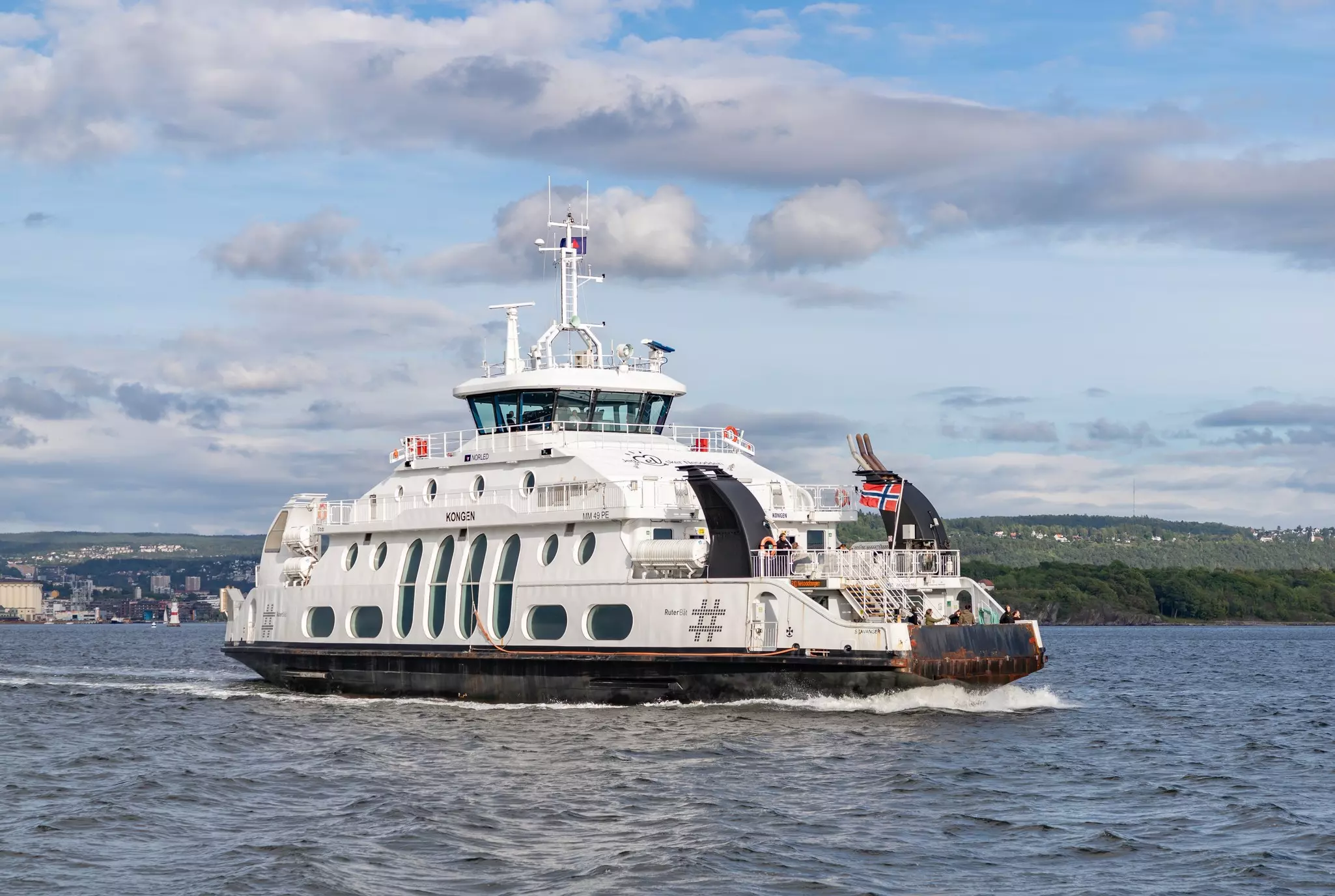
Sure, it’s not quite as dramatic as the fjords on Norway’s west coast, but the sparkling Oslofjord has a charm all of its own. Several vessels run traditional tourist cruises (Brim Explorer’s popular Silent Oslo Fjord Cruise is one of them). But public electric ferries zip between the Oslofjord’s islands and, for the price of a 24-hour Ruter public transport ticket (or for free if you have an Oslo Pass), you can visit them at your own pace. Head for the B1/B2 services from Aker Brygge E/Rådhusbrygge 4 (City Hall pier).
The closest island is Hovedøya, less than 10 minutes from the shore. Hop off to stroll the forest trails, ramble around the ruins of a 12th-century Cistercian monastery and see 19th-century military installations, one of which, Lavetthustet, is now a summertime art gallery. Continue on to Gressholmen (the stop for the three connected islands of Gressholmen, Rambergøya and Heggholmen). This was the site of the city’s first airport back in the 1920s, but most of the land is now a protected nature reserve. It’s an ideal spot for birdwatching; over 160 species are known to stop by and the marshy bay attracts wading birds in particular.
Finish up on lively Langøyene, which – believe it or not – used to be the city’s landfill site. Today you’ll find an arc of sandy beach, a separate nudist bathing spot, a camping area (this is the only island where camping is permitted), a volleyball court, a kiosk and even some public art.
Planning tip: There are refreshment pit stops on all three islands (Klosterkroa cafe on Hovedøya, Gressholmen Kro, and a kiosk on Langøyene) but they keep strictly seasonal hours, so it’s wise to pack a picnic and plenty of water, just in case.

It’s a rare capital city that can claim to have unspoiled nature within its bounds, but Oslo’s urban area is cradled by vast, easy-to-access forests criss-crossed by hiking and skiing trails. You can reach the 430-sq-km (166-sq-mile) swath of forest that makes up Nordmarka, to the north of the city center (there’s also forest to the east and west), in under 40 minutes.
Take the T-bane line 1 all the way to its terminus at Frognerseteren and, from there, take your pick from the well-marked trails that snake through the pine, birch and spruce trees. If you choose the roughly 10km round-trip route to the welcoming cabin, Ullevålseter, you’ll be rewarded by your choice of drinks and home-baked goods – who can resist a kanelbolle (cinnamon bun)? – to fuel your return journey.
Planning tip: Routes are clearly signposted and easy to follow, but it’s sensible to be prepared. Wear proper hiking shoes or boots, take plenty of water and snacks, and pack layers and waterproofs too, as the weather can change quickly.
Explore related stories