
Modica
Modica is one of southern Sicily's most distinctive towns, its steeply stacked medieval centre pierced by a towering baroque cathedral. But unlike some of the other Unesco-listed cities in the area, it doesn't package its assets into a single easy-to-see street or central piazza: rather, they're spread around the town and take some discovering. And while it can take a little while to orientate yourself, once you've got the measure of the bustling streets and steep staircases, you'll find a warm, genuine place with a welcoming vibe, cosmopolitan air and strong sense of pride.
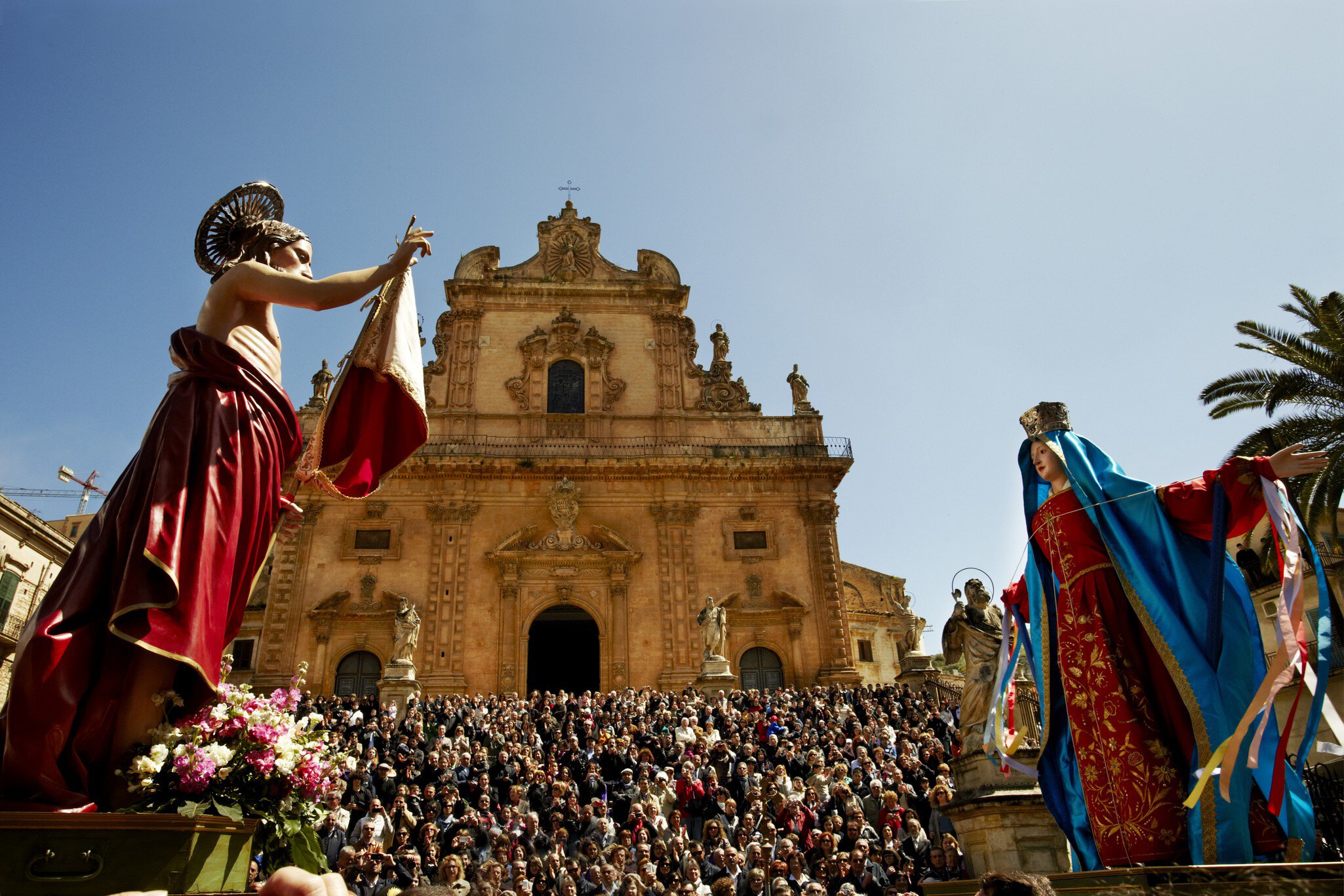
©Andrew Montgomery/Lonely Planet


Trusted Partner
Stay connected in Modica
Holafly eSIM provides unlimited mobile data with no hidden fees, giving you peace of mind wherever you travel. Stay connected even after your plan ends with Always On. Use code LONELYPLANET for an exclusive discount.
Lonely Planet may earn a commission from affiliate links on our site. All recommendations and reviews reflect our own independent opinions.
Book your Italy trip with Lonely Planet Journeys
See Italy how it's meant to be seen
Planned by local experts and tailored to you, Lonely Planet Journeys handles the logistics so you can just enjoy the trip. Tell us what you want and we'll build your Italy itinerary from scratch, or browse our bookable trips to get inspired.


Top places to visit in Modica
Discover the best attractions in Modica from must-see sights to unexpected hidden gems.
-
 Attraction in ModicaDuomo di San Giorgio
 - Attraction in ModicaChiesa Rupestre di San Nicolò Inferiore
- Attraction in ModicaChiesa Santa Maria del Carmine
- Attraction in ModicaChiesa di San Giovanni Evangelista
- Attraction in ModicaDuomo di San Pietro
- Attraction in ModicaMuseo del Cioccolato di Modica
- Attraction in ModicaMuseo Civico
Get a book. Get inspired. Get exploring.


in partnership with getyourguide
Book popular activities in Modica
Lonely Planet may earn a commission from affiliate links on our site. All recommendations and reviews reflect our own independent opinions.