Sep 2, 20267 min read
The 8 Best Places to Visit in SardiniaJun 20, 2026
8 MIN READ

Writer
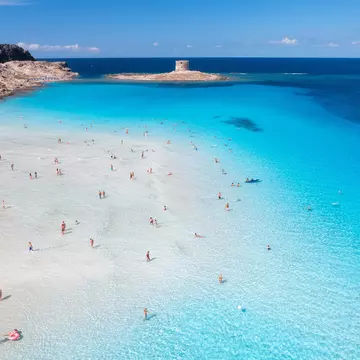
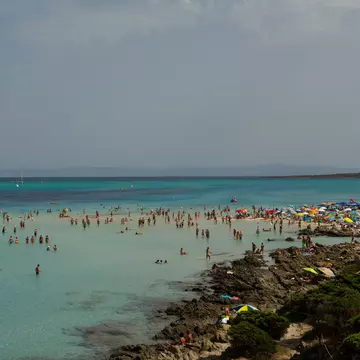
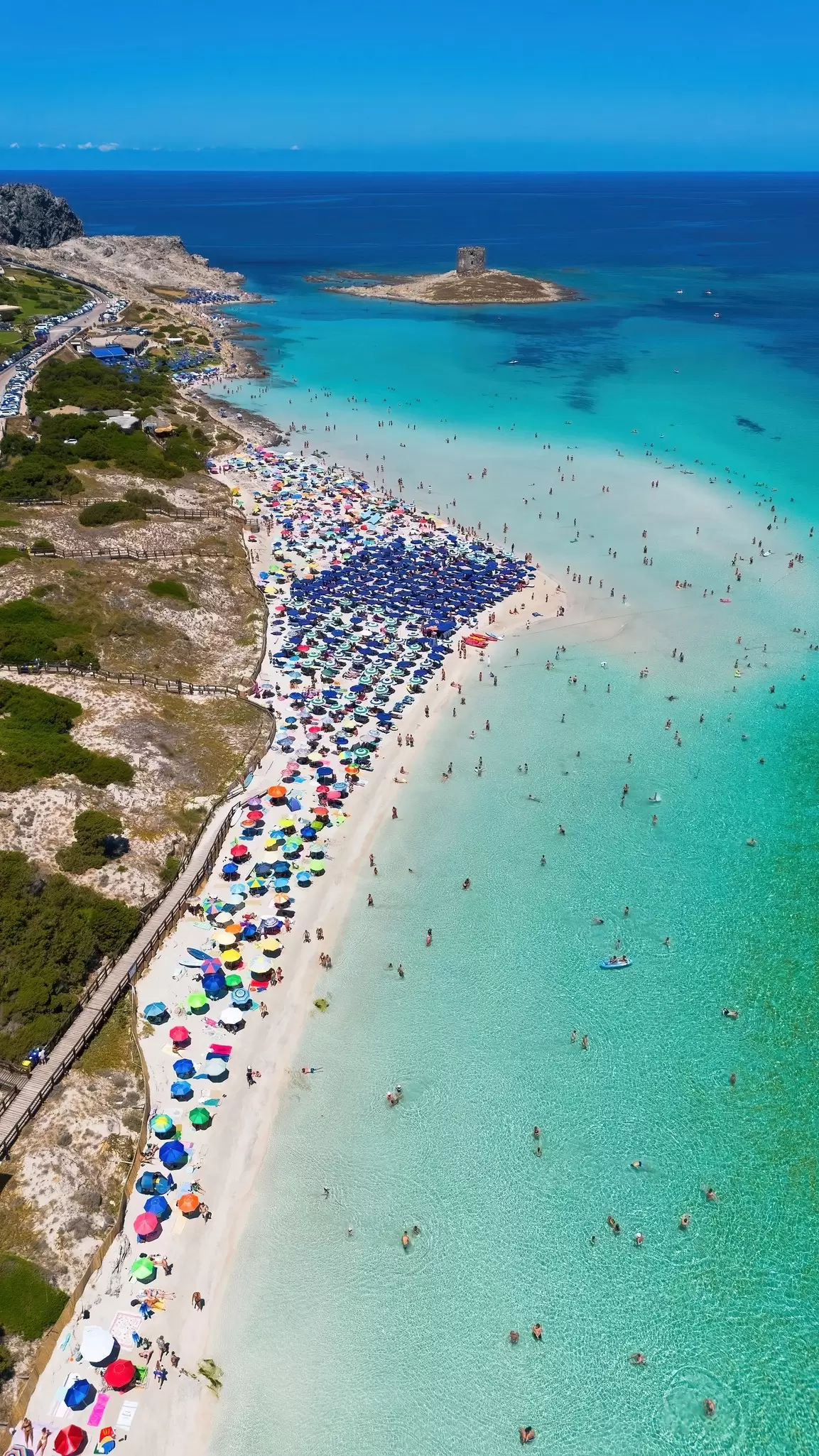
Sardinia's coastline. Alexandre.ROSA/Shutterstock
Writer
Highlights
Writer Angelo Zinna picks eight ways to enjoy Sardinia, coast to interior.
Sail the Archipelago della Maddalena or meet albino donkeys on uninhabited Asinara.
Visit Nuraghe Su Nuraxi, hike the Cammino di Santa Barbara and try notorious casumarzu.
Catch Sa Sartiglia in Oristano, dive Golfo di Orosei and descend into Grotta di Nettuno.
Lonely Planet may earn a commission from affiliate links on our site. All recommendations and reviews reflect our own independent opinions.
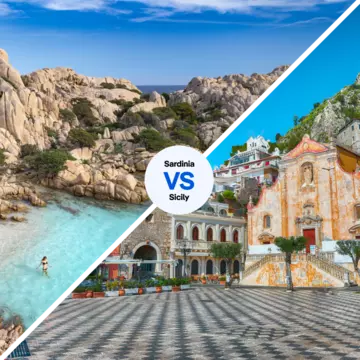
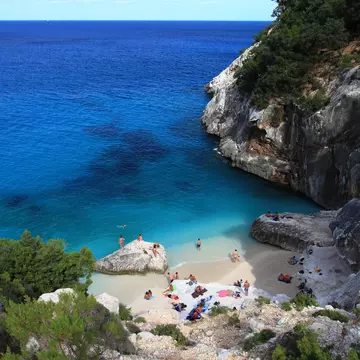
Sparsely populated and naturally rich, Sardinia has long drawn interest for its collection of coves, white sand beaches and dramatic cliffs dropping into the ocean along the island's rugged perimeter. But you'd be wrong to think that coastal bliss is the limit of this second largest island in Italy (after Sicily, an equally intriguing destination to consider).
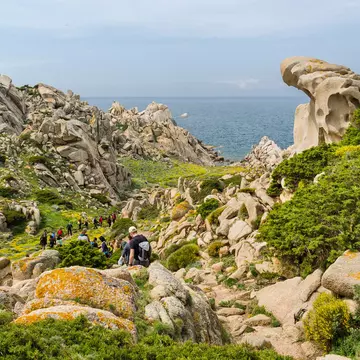
Sardinia rewards those who seek out the prime places that unveil its geographic diversity and cultural complexity. Remnants of the mysterious Nuragic civilization are surrounded by the Mediterranean scrub that covers much of the dry interior, where hiking opportunities abound. Road trippers on two or four wheels can expect low-traffic byways that provide spectacular views. Sailing enthusiasts can explore archipelagos of smaller islands hovering on transparent waters.
And if the timing works, mouthwatering culinary traditions, rural villages and folk festivals all have a potential part in your Sardinian itinerary. Here's our guide to the top experiences in Sardinia.
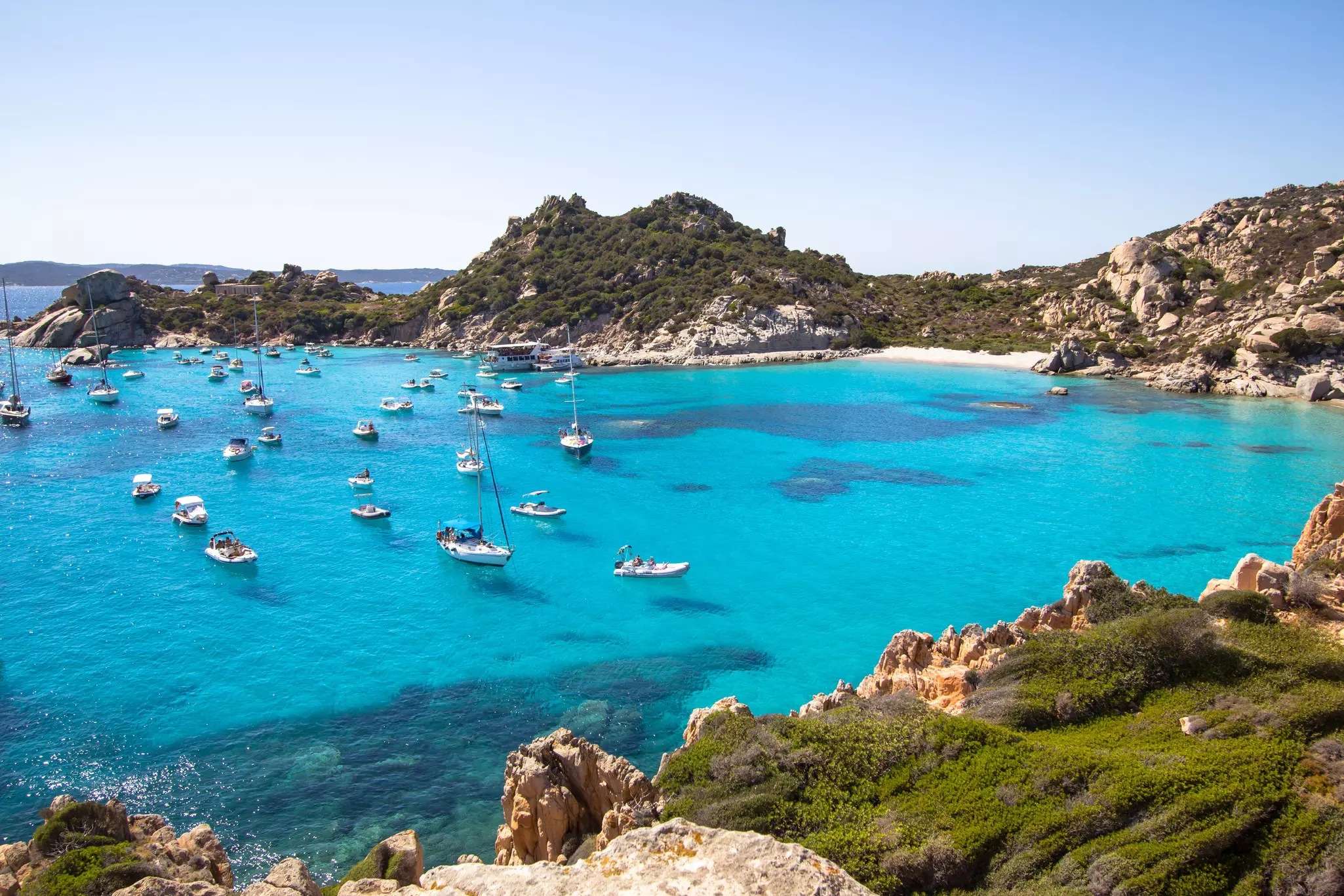
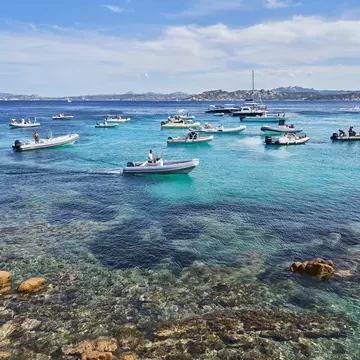
Sardinia's first national park, established in 1994, is split among seven islands and several smaller islets scattered in turquoise water off its northwestern corner. The archipelago provides some of Sardinia's most impressive scenery; it's a spectacle worth taking in from the sea.
Isola Maddalena, the main island at the heart of the national park, is ringed by Caprera – historically important for having hosted the revolutionary Giuseppe Garibaldi during his exile – Budelli, Santo Stefano, Santa Maria, Spargi and Razzoli. Most of them are uninhabited, including Budelli, with its famous pink beach that is now a protected environment and can only be admired from a distance.
Planning tip: Ferries operated by Delcomar run between Palau and La Maddalena, covering the distance in 15 minutes. In summer, boat tours depart regularly from La Maddalena and Palau, running through the national park and stopping at various beaches along the way.
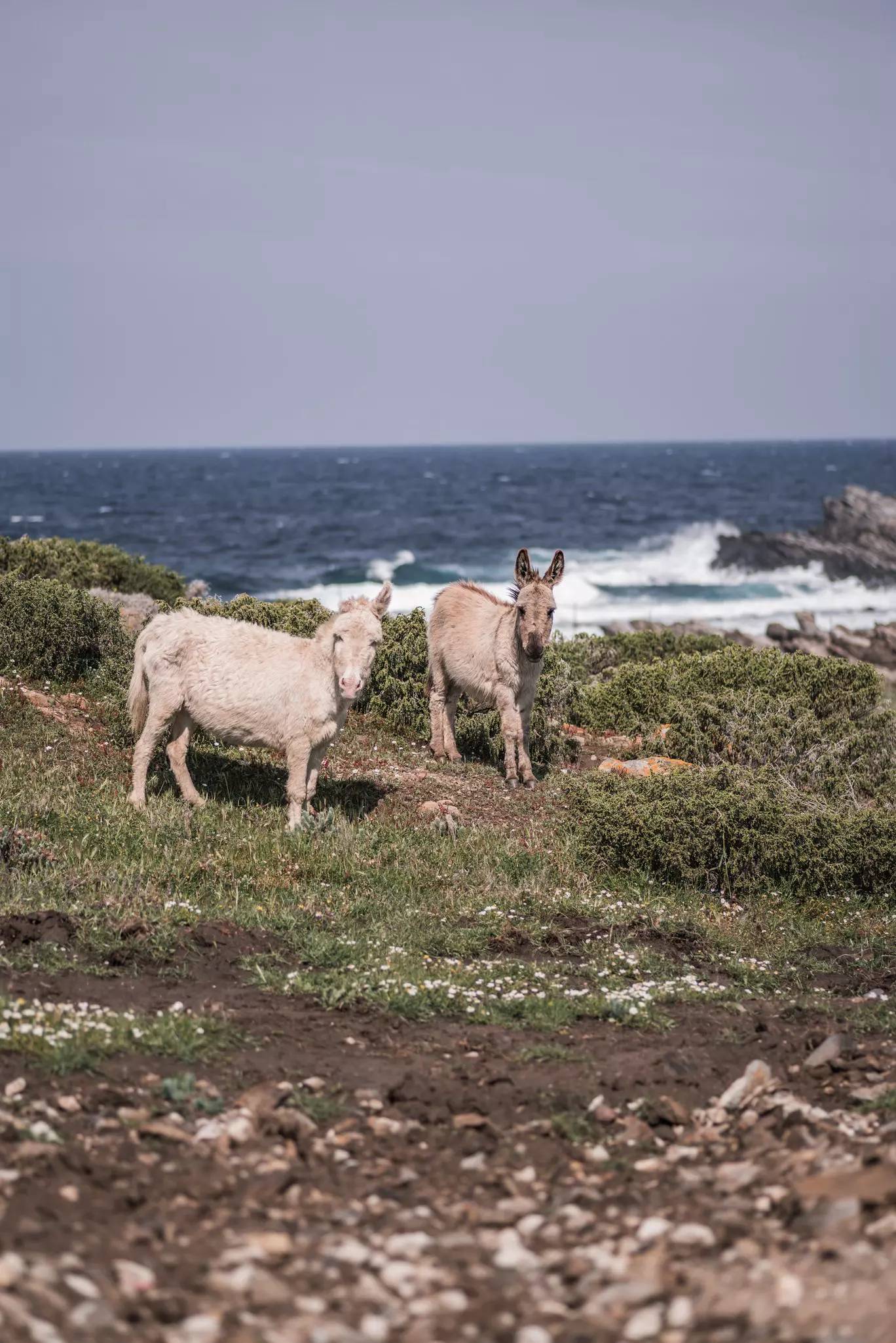
A short ferry ride from Stintino or Porto Torres leads to Asinara, an uninhabited island emerging from the deep blue waters of northwestern Sardinia. Its protected lands are home to a large population of albino donkeys, wild horses and goats. Before it was declared a national park in 1997, Asinara functioned as a penal colony and later as a maximum security prison, hosting some of Italy's most infamous criminals.
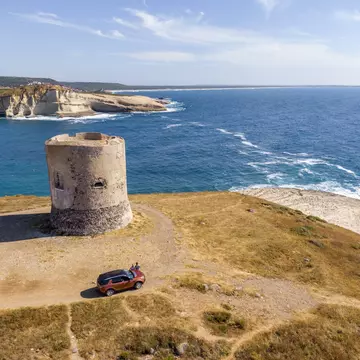
The paths that run through this sun-bleached island start at Cala Reale and connect the coves that hide behind lush hills with ancient watchtowers and abandoned prison infrastructure. A restaurant, hostel, café and diving club open seasonally between spring and autumn, but for the rest of the year, you'll find the indigenous white donkeys (known as Asinara donkeys) roaming freely along the often deserted trails.
Planning tip: Asinara is ideally explored on a bike (or e-bike), which you can rent in Porto Torres or Cala Reale. The island is a popular spot between June and September, but in the low season, it is often empty. If you visit during the low season, stock up on water and supplies before taking the ferry, as there is nowhere to buy food.
Lonely planet’s trusted travel insurance provider
Travel with confidence. Protect your trip and your wallet.
We don’t represent World Nomads, we receive a fee from quotes using this link. This is not a recommendation to buy travel insurance.
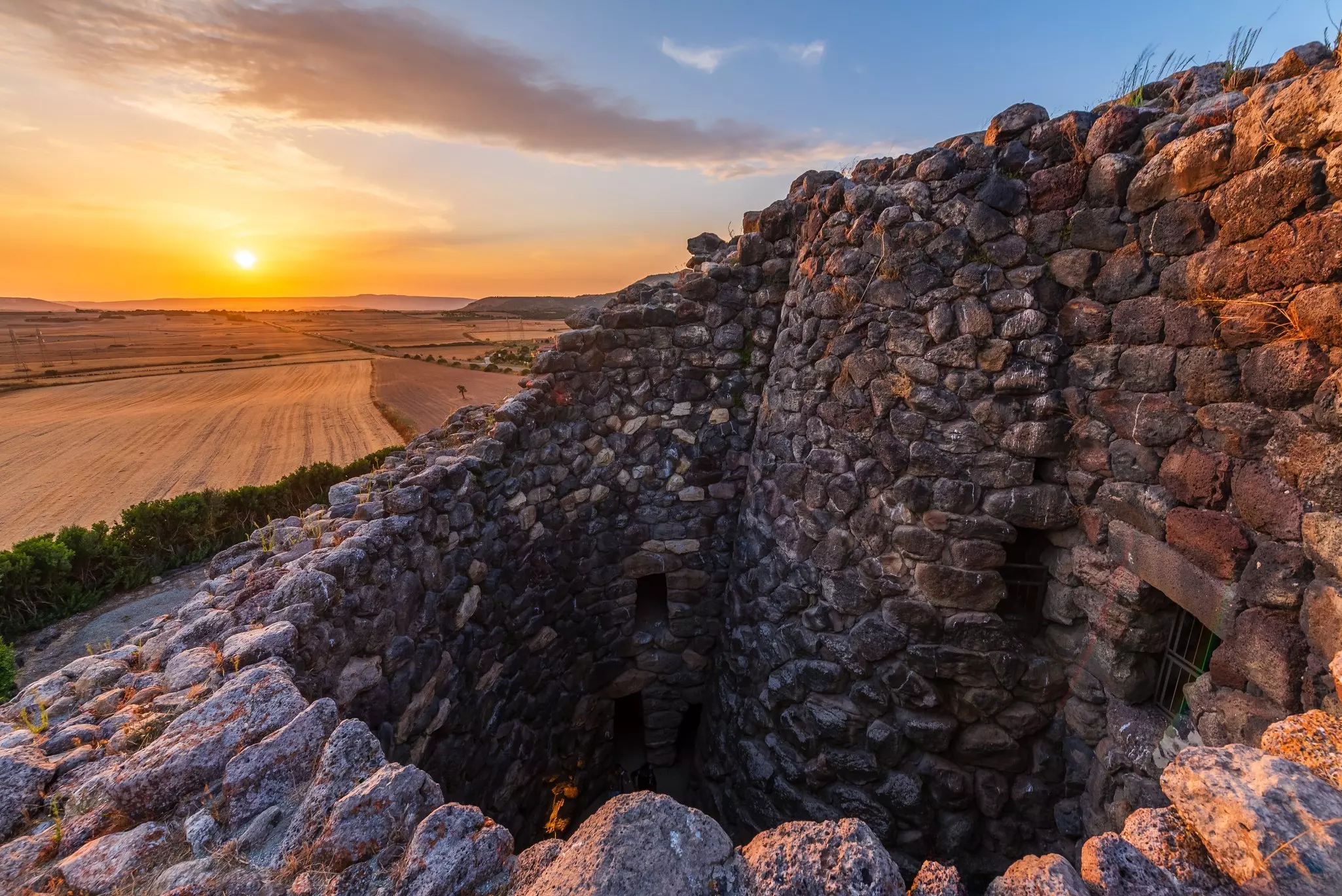
Thousands of nuraghi – towering stone structures erected by the obscure Nuragic civilization between 1800 and 700 BCE – mark the Sardinian territory. Observe the ruins of some of the island's early settlements, including Nurage Su Nuraxi, the largest nuraghe, in the village of Barumini. The core of the fortified complex dates back to 1500 BCE; a later expansion added the interlocking circular towers. The archaeological site was discovered in 1949, and excavations have brought this ancient village back to light. It's the only nuraghe that has reemerged in its entirety in Sardinia.
Planning tip: The site can only be visited with a guided tour, available in either Italian or English. It's a popular day trip, so expect lines and bring water if you're visiting in the summer.
With 3 million sheep (nearly two for each person) roaming Sardinia's rugged interior, it's no surprise that cheese is one of the regional staples. Pecorino sardo is one of the island's main culinary exports, and it's worth trying in all its varieties. Farms and cooperatives that produce traditional cheese are easily found when driving on countryside roads – stop in to buy a wheel or join a tasting session.
But pecorino is not Sardinia's most notorious cheese. That'd be casumarzu, proclaimed the most dangerous cheese in the world by Guinness World Records. Casumarzu is made by allowing maggots to hatch in the cracks of the cheese and digest its proteins, turning it into the final creamy product. Not something for the fainthearted. In fact, an EU law has made buying and selling casumarzu illegal in Sardinia, with high fines for those who do.
Planning tip: Many farms and agriturismi (farms that also offer accommodation to guests) sell cheese directly to the public. When driving around, just look for signs pointing to caseifici (cheese shop), which will usually be happy to let you taste some of their products.
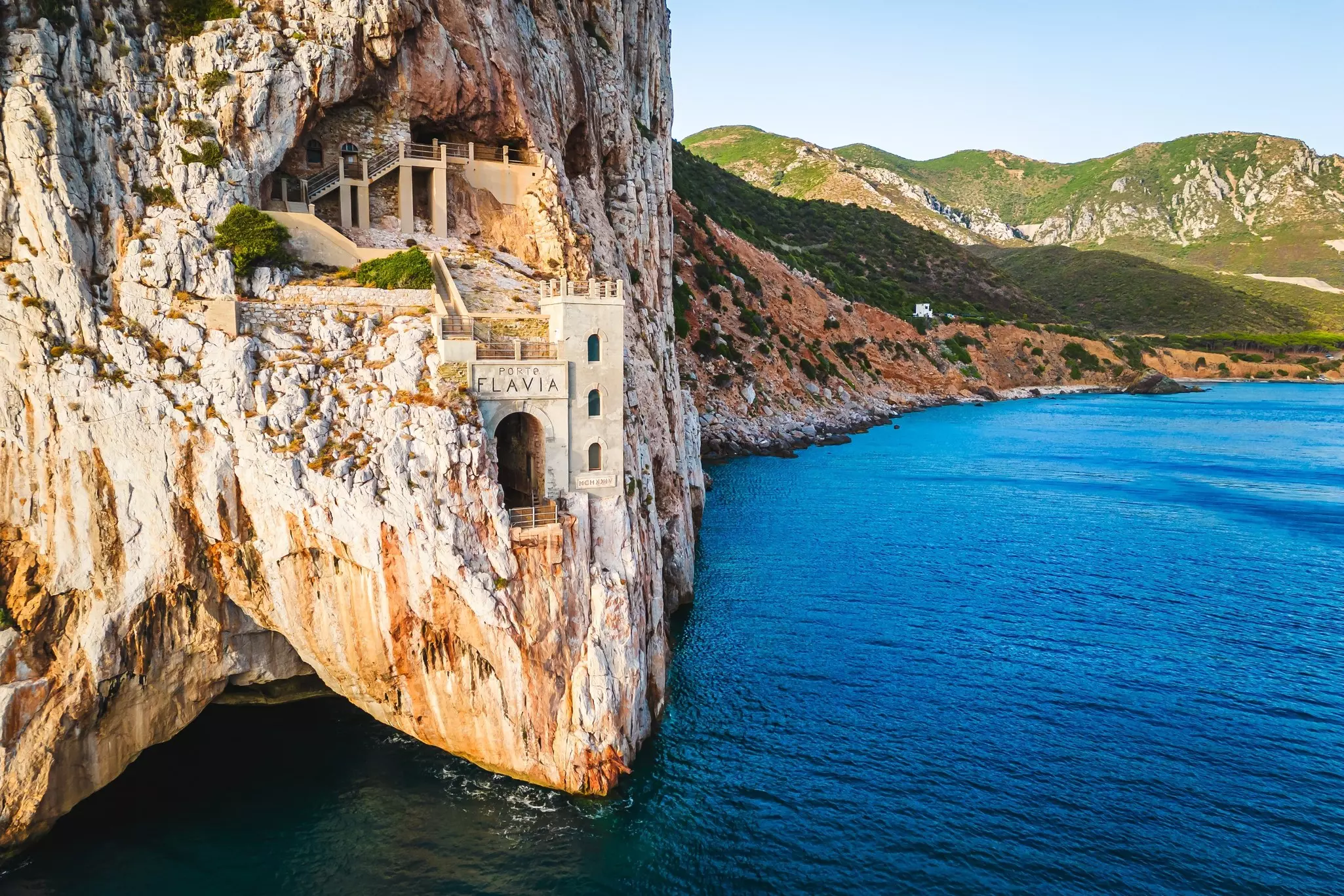
Running through the beaches and mountains of Sardinia's southwest, Cammino di Santa Barbara is a long-distance hiking trail that links the historic mining sites of one of the lesser visited areas of the island. Stretching for 500km (311 miles) along routes carved by miners over centuries, this monthlong trek blends wild nature with culture, allowing you to hike from village to village in a loop, starting and ending in Iglesias. Ancient churches, archaeological sites, wineries and medieval hamlets dot the way beside astonishing vistas.
Planning tip: A monthlong hike requires some preparation. The Cammino di Santa Barbara's official website provides detailed information on all sections of the itinerary and accommodation options. This adventure is best done in spring or autumn, when temperatures are still bearable. Biking many of the sections is an option, too, if you prefer not to walk the entirety.
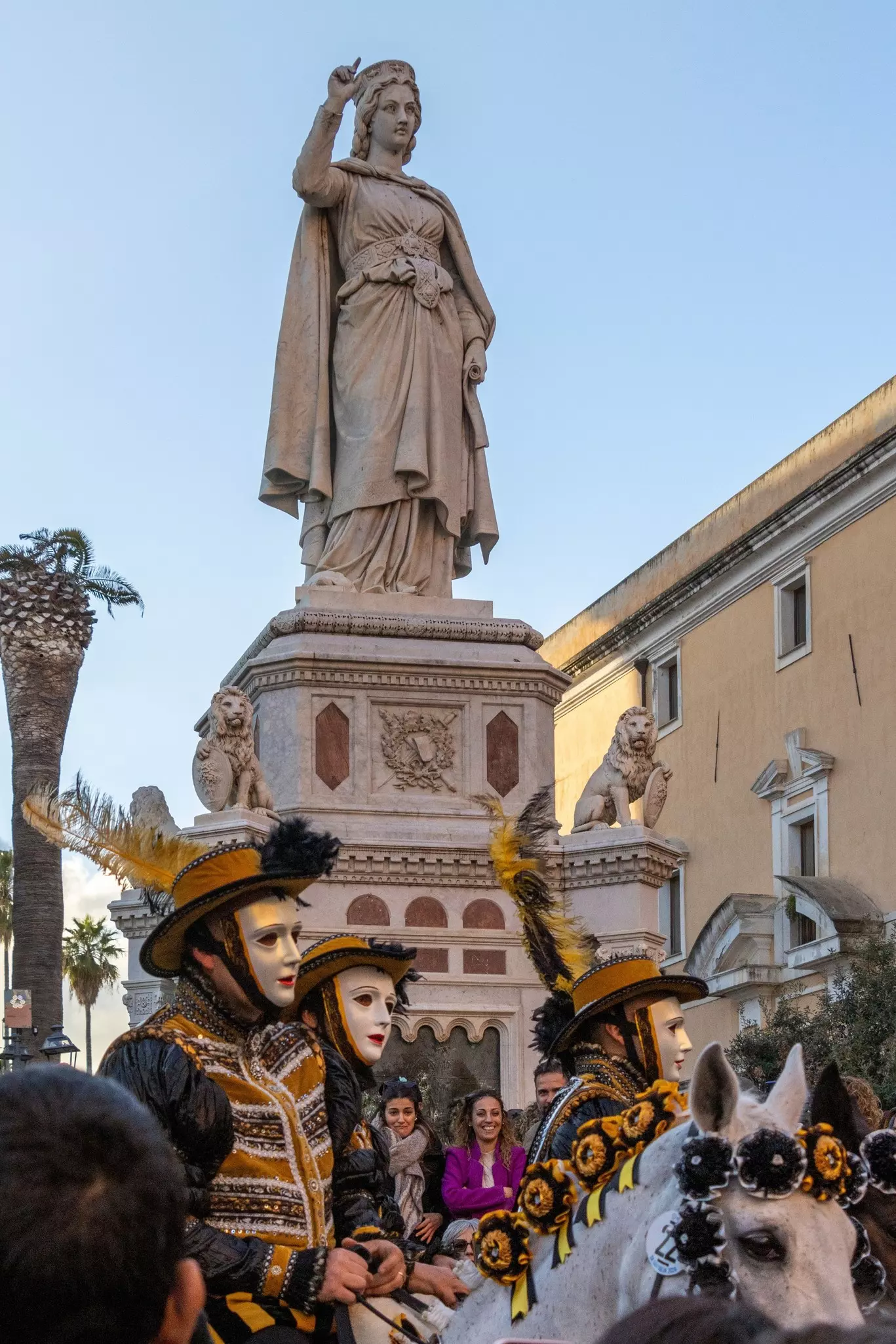
The relaxed atmosphere of Sardinia's cities is put on pause during the many festivals that take place year-round on the island. Carnevale is one of the most awaited folk events. The city of Oristano celebrates with the Sa Sartiglia festival in early February, when up to a hundred masqueraded horse riders compete in the historic center, all trying to pierce a star with their swords.
Parades also take place in Mamoiada, south of Nuoro, where Carnevale translates into the procession of mamuthones and issohadores, mysterious figures whose origins are believed to date back to the Middle Ages. The sinister mamuthones are represented by men hiding behind black wooden masks and dark furs, with cowbells hanging on their backs. The issohadores escort these eerie characters along town streets wearing red shirts and white trousers.
Cagliari celebrates Sant'Efisio, the saint believed to have helped the city get rid of the plague in the mid-17th century – on May 1, thousands of people in traditional costumes parade through Sardinia's largest city.
Planning tip: Carnevale is usually celebrated with dancing and mask parades, held on the last Sunday of Lent and Shrove Tuesday. While these festivals are spectacular, they are not meant as entertainment for tourists, and one should be aware of their cultural significance when visiting.
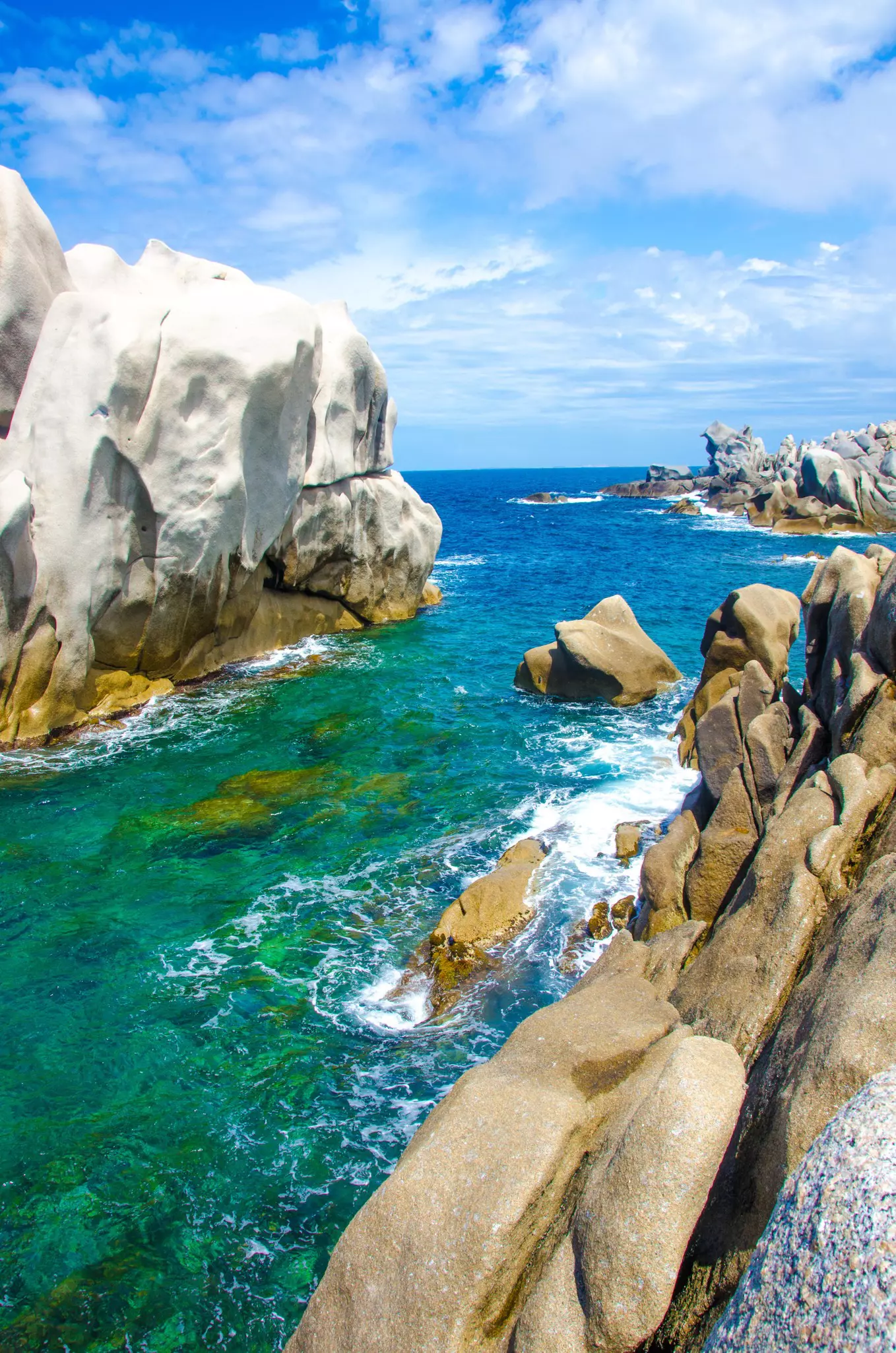
Dolphins, tuna, octopuses, seahorses and many other underwater creatures populate the seas surrounding Sardinia. There's no better way to discover the exciting seascape than to put on a mask and dive into the depths of the Mediterranean. The eastern coast of the island is typically less windy and more suitable for beginners, but options are available on both sides.
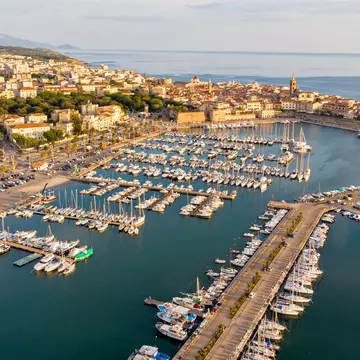
Immerse yourself in the rich ecosystem of Golfo di Orosei, in the northeastern part of the island, where experienced scuba divers will have the chance to see the Nasello shipwreck, which sank in the 1940s. Alternatively, discover the natural treasures of Riviera del Corallo, in the area of Alghero, where spectacular rock formations form the backdrop of each dive.
Planning tip: Diving schools are available in most major coastal destinations, including Olbia, Isola Maddalena, Asinara and Alghero. Many diving tours only run in the summer, so book ahead if you are planning to join an underwater excursion.
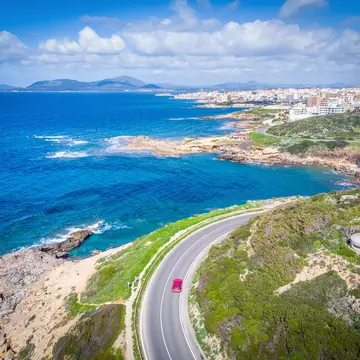
The promontory of Capo Caccia on the western Sardinian coast not only offers awe-inspiring views of the city of Alghero opposite the gulf, it also houses one of the most impressive networks of caves on the island. Grotta di Nettuno (Neptune's Cave) extends for 2.5km (1.5 miles) inside the rocky mountain, allowing for a walk in dimly lit halls where sculptural stalagmite and stalactite concretions have formed over the course of centuries.
Planning tip: Grotta di Nettuno is found 24km (15 miles) north of Alghero. To enter the cave, you'll need to tackle the 654 steps of the Escala del Cabirol. Alternatively, you can reach the cave by sea – a ferry regularly departs from Alghero, crossing the Riviera del Corallo and taking you directly to the entrance in approximately 40 minutes.
Book your Sardinia trip with Lonely Planet Journeys
See Sardinia how it's meant to be seen
Planned by local experts and tailored to you, Lonely Planet Journeys handles the logistics so you can just enjoy the trip. Tell us what you want and we'll build your Sardinia itinerary from scratch, or browse our bookable trips to get inspired.


Explore related stories