Aug 31, 20266 min read
12 Things to Know Before Traveling to Turin, ItalyNov 13, 2025
8 MIN READ

Writer
Turin, Italy. Collection Maykova/Shutterstock

Writer
Highlights
Writer Nicola Williams picks 12 Turin experiences, from museums to street art.
Scale Mole Antonelliana for city panoramas, then head to Museo Egizio for ancient Egyptian mummies.
Chase bicerin at Caffè Al Bicerin, then taste Vermouth di Torino in hip San Salvario.
Shop vintage in Quadrilatero Romano, or hunt bargains at the Balon flea market.
Lonely Planet may earn a commission from affiliate links on our site. All recommendations and reviews reflect our own independent opinions.
The Piedmontese capital of Turin shows why la vita in Northern Italy is dolce indeed.
The pleasures here don’t take the full-throttle, scooter-screeching style of the hot south. Rather, Turin embodies a composed dignity that befits an elegant city shaped by the noble House of Savoy and politically explosive unification movement. (In the 1860s, Turin served as the first capital of the Kingdom of Italy.)
Turin’s refined vibe might feel more français than italiano – yet after a quick walk through the city’s porticoed streets and palazzo-laced squares, you’ll quickly find a place all but screaming ”Made in Italy.“ Between its top-notch museums, chandelier-lit cafes and vibe of urban Italianate living, Turin hits the sweet spot any time of year.
Here are the best things to do when you get there.
While the city’s elegant porticoes on the main street of Via Roma house chic boutiques of all the big fashion houses, Quadrilatero Romano is the neighborhood for upmarket vintage and fashionable pieces by young designers. ST Concept Store is a cafe and live-music venue that also sells a small and carefully curated selection of clothing and accessories, while Born in Berlin is designer atelier and boutique in the heart of the district. Make your shopping spree memorable by booking a lunch table well in advance at Consorzio.
Bargain hunters can follow urbanites on weekends to Balon, a sprawling and raucous flea market that’s been taking place north of Porta Palazzo since 1857. More-specialized antique and vintage dealers move in on the second Sunday of the month at the Gran Balon market.
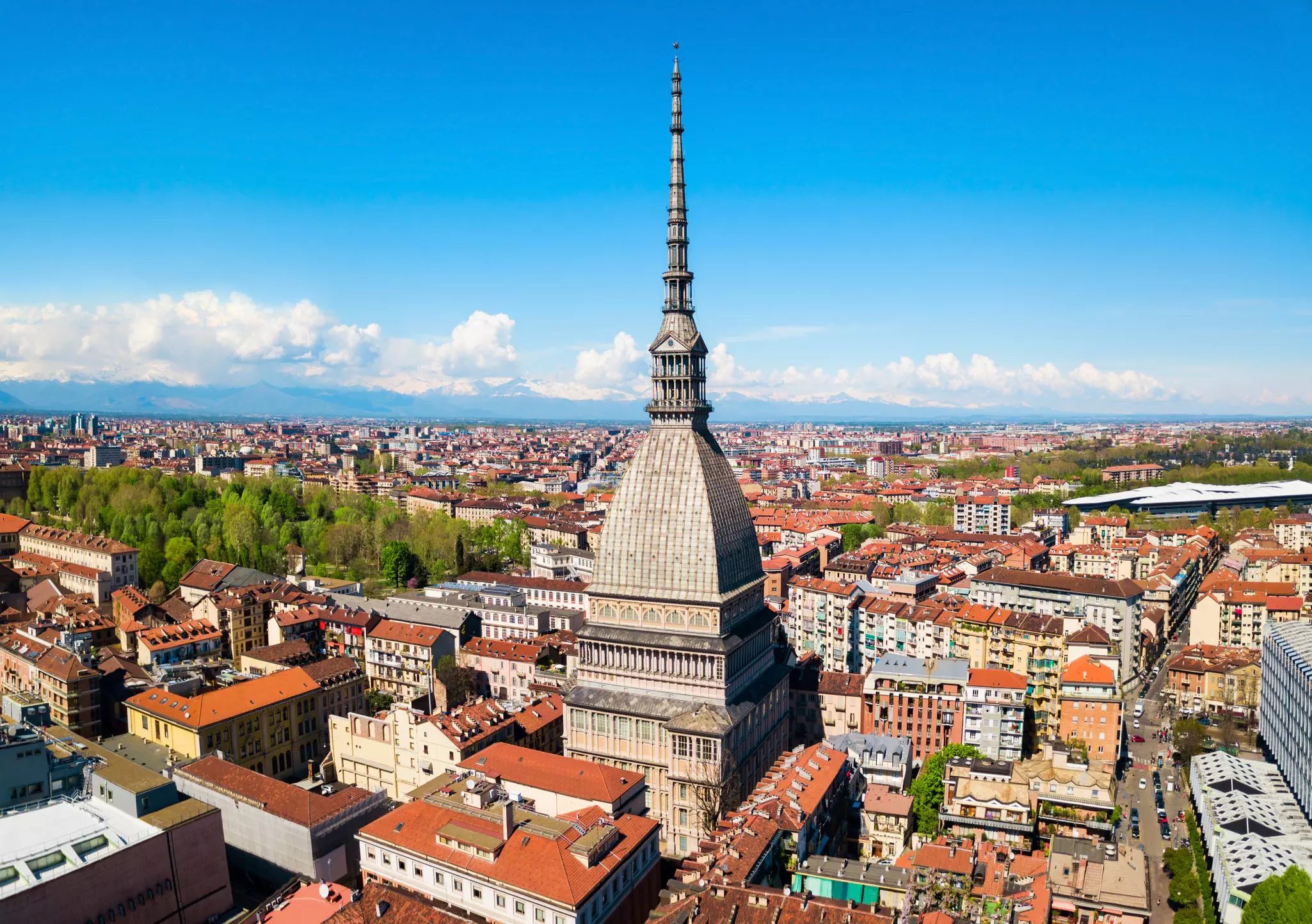
A visit to the superlative Museo Nazionale del Cinema – a firm family favorite – is not just about watching silent movies, overdosing on looping virtual-reality films and learning about Turin’s fascinating movie-making heritage.
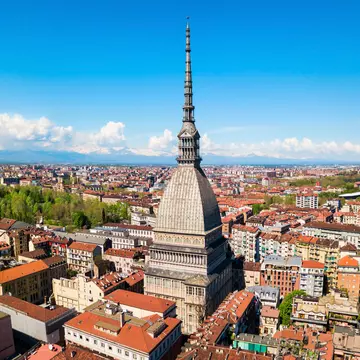
As engaging as the evocative and well-curated exhibits is the building that houses the museum. The eclectic, spire-capped tower of Mole Antonelliana was conceived and designed as a synagogue in 1863, yet only ever used as a museum. Scaling its dome to ogle at the panorama atop the 167.5m-tall tower is a rite of passage.
Dizzying views of the city and the Alps that surround it unfold from the 37th floor of the city’s lofty Intesa Sanpaolo skyscraper, designed by celebrity Italian architect Renzo Piano. Its crowning glory is the futuristic rooftop, where skilled mixologists behind the bar at Piano35 shake up sassy spins on Italian classics. Order a signature Bicerin cocktail (sweet Mancino vermouth with coffee liqueur, sherry and milk) or Spritz No More (vodka, elderflower liqueur, sake and chili pepper) – and watch the city twinkle all around you.
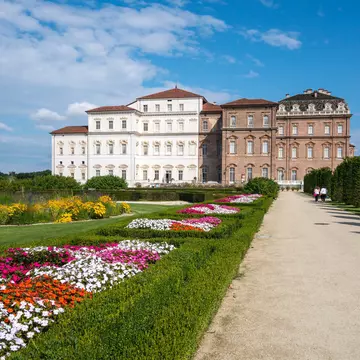
If time is limited at the last attraction, head straight for the Savoys’ personal art collection, on display in the Royal Palace’s Galleria Sabauda. If time is endless, linger over afternoon tea on the stone-balustrade terrace of the palace’s romantic Caffè degli Argenti: the views of lush green lawns and the Alps beyond are beautiful.
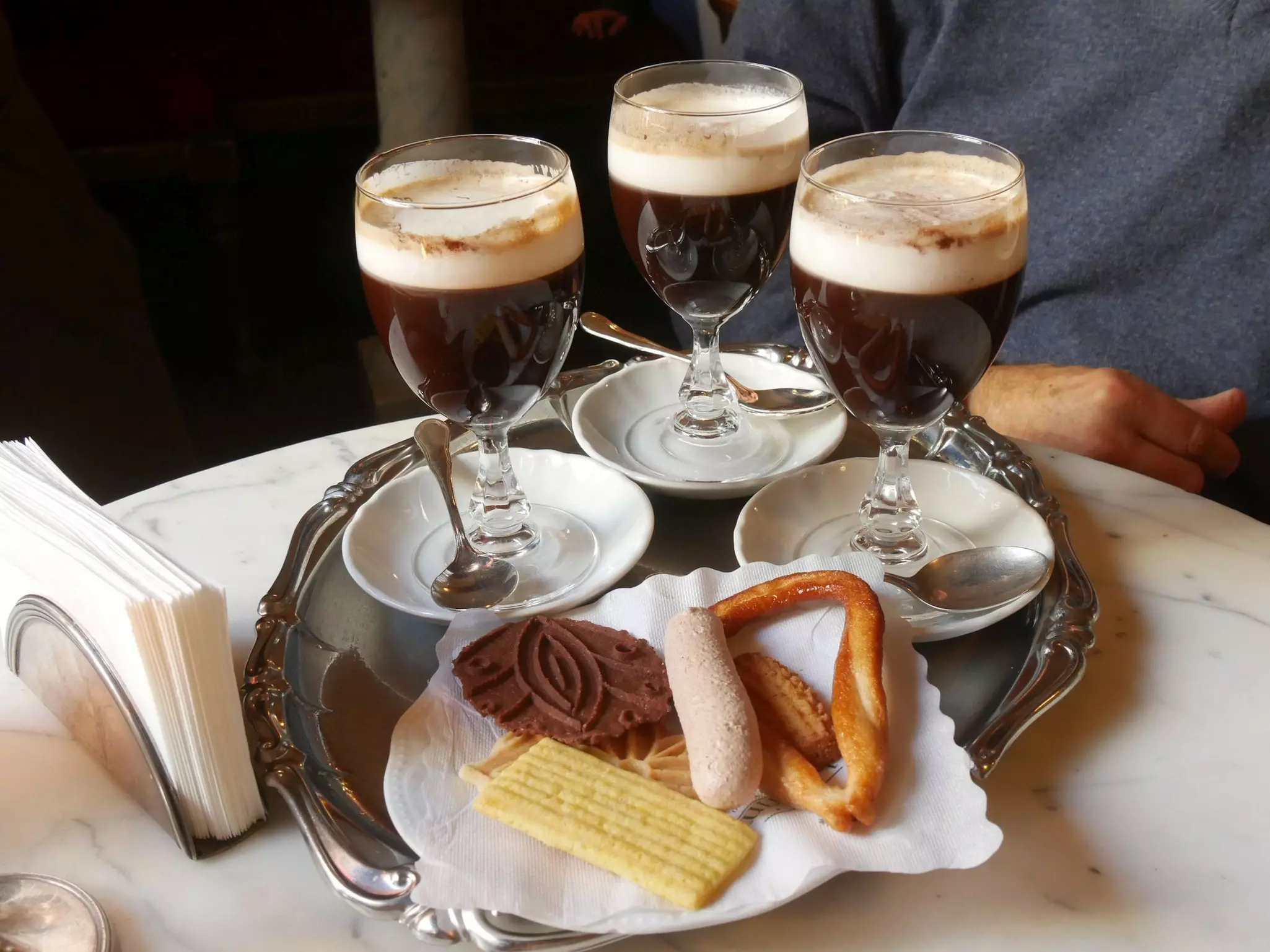
Cioccolato (chocolate) is Turin’s lifeblood, and family-run chocolate makers have been hard at work in Turin for centuries. There is no point resisting.
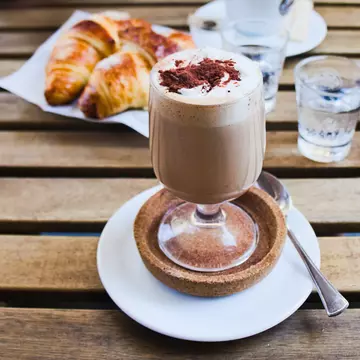
Bicerin, the city’s signature cream-topped chocolate-coffee hot drink, has been a reason to flock to elegant Caffè Al Bicerin since 1763. Turin’s favorite contemporary chocolatier, Guido Gobino is loved for tiny, tile-like ganache chocolates flavored with such decadent extras as vermouth or Barolo wine, as well as his classic gianduiotto (triangular chocolates made from gianduja, Turin’s hazelnut paste).

Stay connected abroad with an eSIM
Holafly eSIM provides unlimited mobile data with no hidden fees, giving you peace of mind wherever you travel. Stay connected even after your plan ends with Always On. Use code LONELYPLANET for an exclusive discount.
Lonely Planet may earn a commission from affiliate links on our site. All recommendations and reviews reflect our own independent opinions.
Planning tip: Don’t miss Turin’s 10-day chocolate festival, CioccolaTò.
Few Italian cities sport such a varied portfolio of museums; there really is one in Turin to suit every taste and interest. The blockbuster Museo Egizio is among the world’s best when it comes to anthropomorphic coffins, animal mummies and other priceless artifacts from ancient Egypt.
The Museo Nazionale del Risorgimento Italiano suits anyone interested in modern Italian history, while car buffs and families rave about Turin’s superlative Museo Nazionale dell’Automobile.
This being Italy, art and design lovers are well served: Palazzo Reale displays the personal art collection of the Savoy monarchy, and the sensational Pinateco Giovanni e Marella Agnelli showcases masterpieces acquired by the late Fiat head Gianni Agnelli.
Galleria Civica d’Arte e Contemporanea is the place to go for 19th- and 20th-century Italian and European art, and Fondazione Merz, Fondazione Sandretto re Rebaudengo and Museo Ettore Fico for influential contemporary art.
Detour: Head to out of town Castello di Rivoli to see works associated with Italy’s Arte Povera movement in the 1960s and 1970s.
The early-evening aperitivo (aperitif) crawl is a golden opportunity to taste exceptional wine from Piedmont and sample savory delicacies such as acciughe al verde (anchovies in pea-green, garlic-parsley sauce) or carne cruda all’albese (raw beef) while finding yourself in neighborhoods you might not otherwise get to.
Favorite addresses to hobnob with locals over well-mixed cocktails, Campari or Aperol spritz, and generous snack buffets – ranging from complimentary to €15 with one drink – include historical Bar Cavour and Farmacia Del Cambo, in an 1830s pharmacy.
Piazza Castello is the epitome of Turinese elegance. Chiara Salvadori/Getty Images
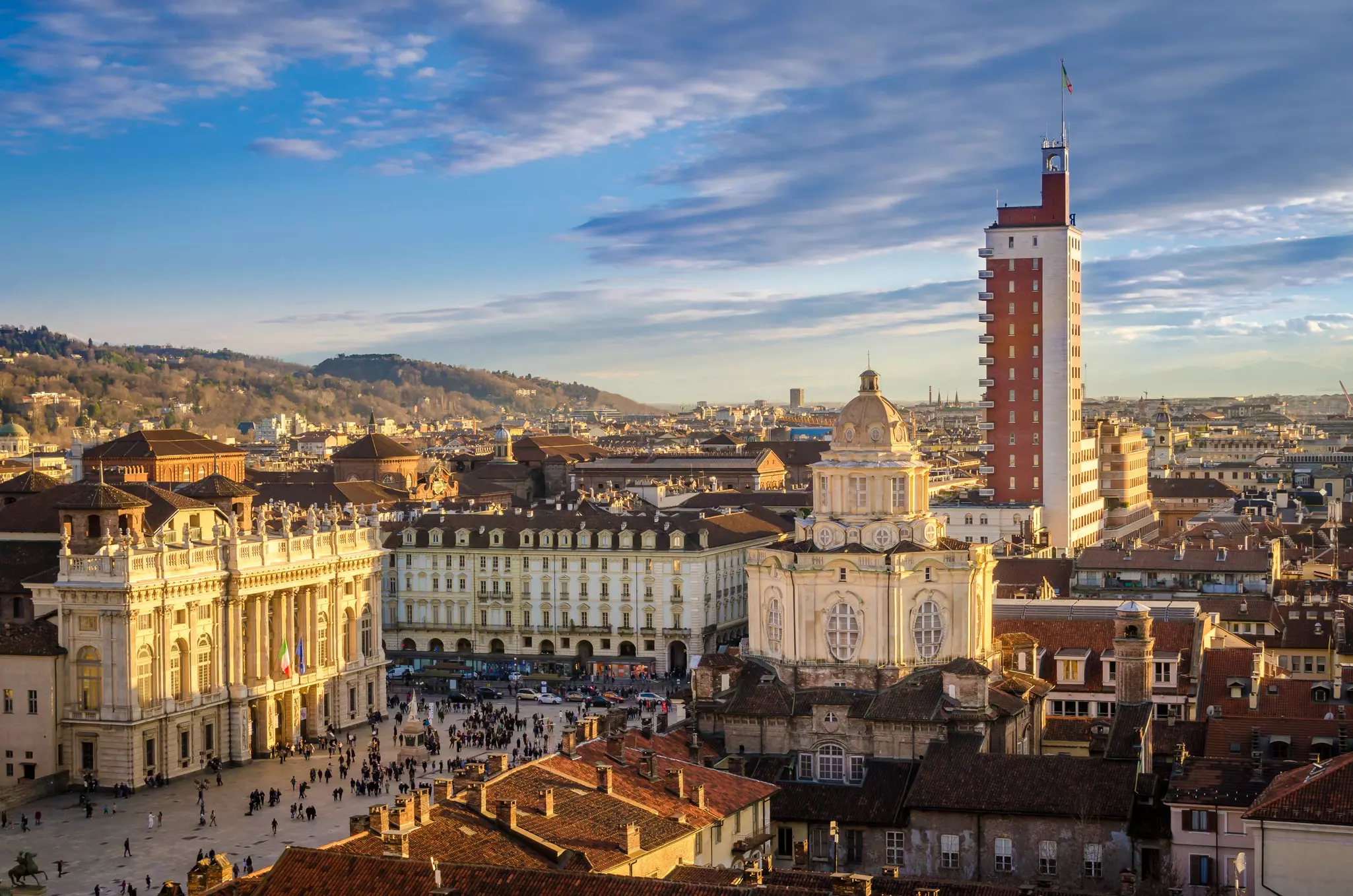
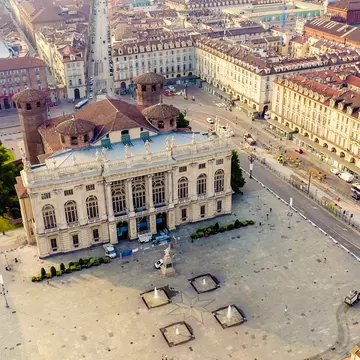
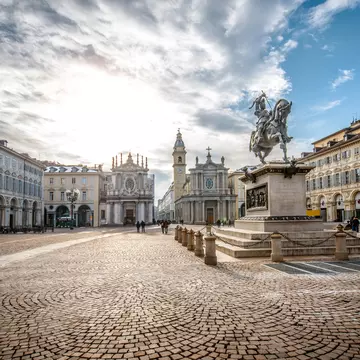
Nowhere does the pulse of la dolce vita make itself felt as fiercely as on Piazza Castello, the city’s central square and the heart of Savoy from the 16th to 18th centuries. Framed on all sides by grandiose buildings that house palace museums, cafes and the city’s opera house, the square is a hub of cultural life and the epitome of Turinese elegance.
You can’t miss the square’s majestic porticoes (Turin boasts an extraordinary 18km of these covered sidewalks), built under Vittorio Emanuele I in the 18th century so the royal family could promenade between palace and river in comfort and relative privacy.
Turin has six royal residences in its city center alone, all with lavish interiors, priceless artworks and tapestries, and occasional museum collections.
Find medieval-to-modern decorative arts in Palazzo Madama; a top-drawer history museum exploring the city’s role in the Risorgimento (Italian Unification) at Palazzo Carignano; and dazzling Greek and Roman archaeological treasures in Palazzo Reale.
If time is limited at the last attraction, head straight for the Savoys’ personal art collection, on display in the Royal Palace’s Galleria Sabauda. If time is endless, linger over afternoon tea on the stone-balustrade terrace of the palace’s romantic Caffè degli Argenti: the views of lush green lawns and the Alps beyond are beautiful.
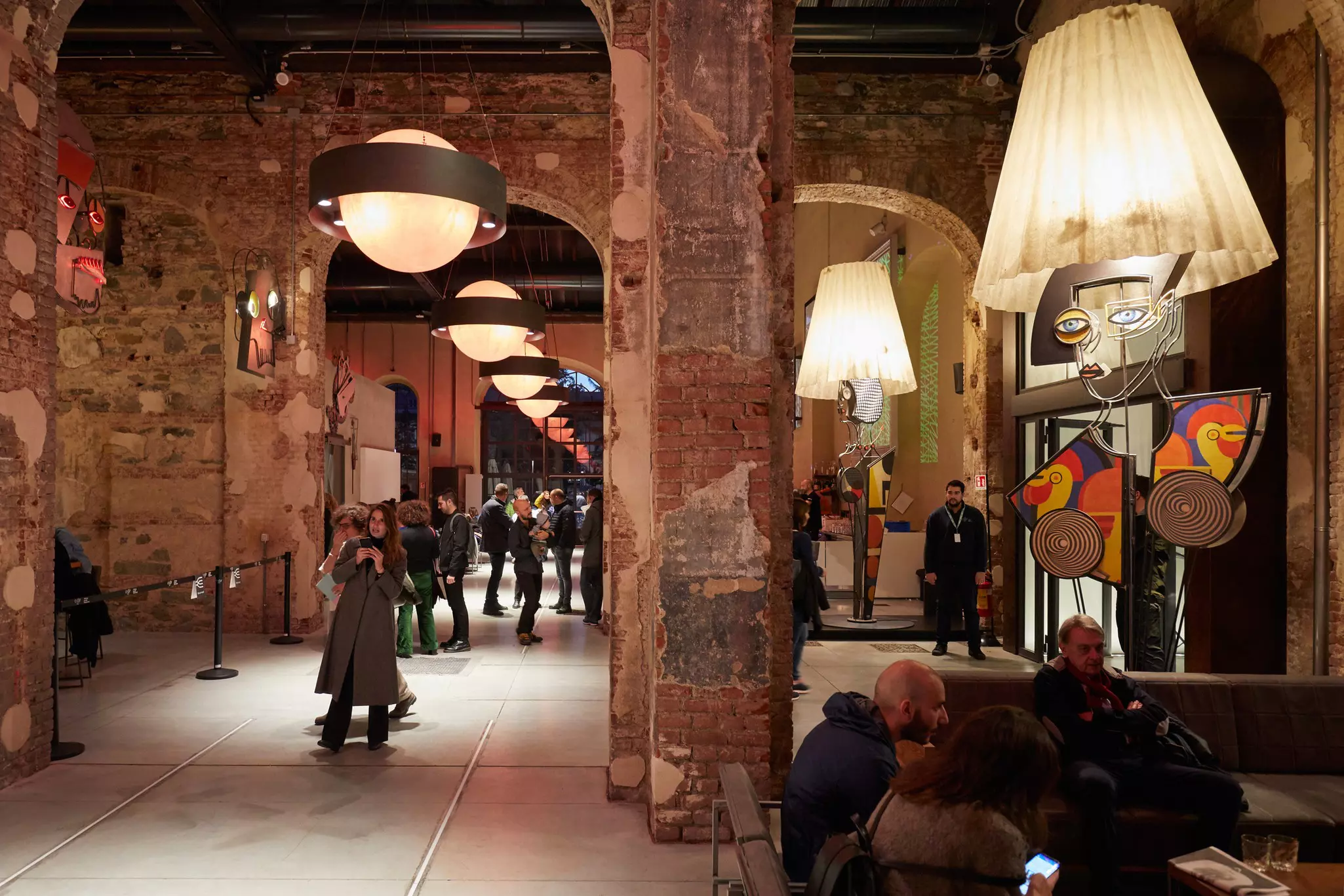
It’s no surprise that Turin is part of UNESCO’s Creative Cities Network – and there’s no better evidence of why it belongs there than Officine Grandi Riparazioni. This hub for experimental cultural and innovation resides in a regenerated train depot, now the site of ever-changing public art installations, seasonal exhibitions, live gigs and other cultural happenings. A visit here is as much an opportunity to ogle the industrial architecture of the gargantuan U-shaped space as it is to tap into contemporary Turin’s explosive visual and performing arts scene.
EDM fans: you’re in the right place. Turin generates some of Italy’s best dance music, with clubs and live-music bars in industrial and residential neighborhoods such as Vanchiglia, San Salvario, Dora and Lingotto pounding well into the early hours.
Planning tip: Going strong for 20-odd years, Lingotto’s C2C Festival remains one of Europe’s top avant-pop music festivals.
Savoring Turin’s homegrown Vermouth di Torino – aromatized fortified wine infused with 30-odd botanicals – has been a tradition since 1786, when the liqueur was first distilled by Antonio Benedetto Carpano for the royal court. The tourist office offers organized tastings (€18) in select city bars.
Or opt for homegrown vermouth on the rocks or in a cocktail at funky music bar Lanificio San Salvatore in the hip district of San Salvario. Its Torino Milano Via Novara cocktail mixing Vermouth di Torino with Campari, Cynar (a bitter aperitif blending 13 herbs and plants, including artichoke), chocolate and rock salt is akin to tasting Turin in a glass.
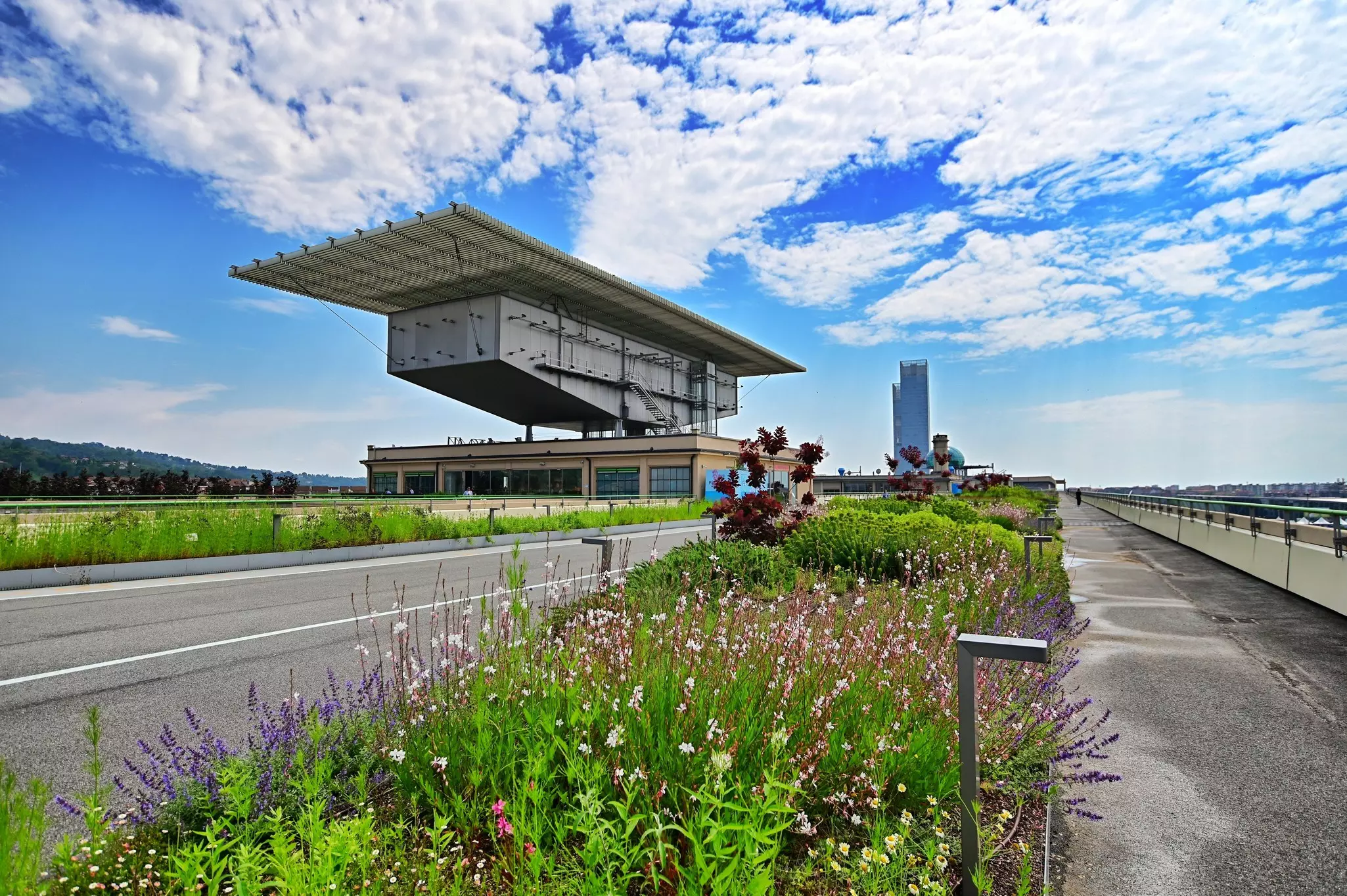
Turin is synonymous with Fiat cars. Its 1920s factory in industrial Lingotto was once Europe’s largest, and walking around the rooftop track where cars were tested until 1982 (when the iconic factory closed) is exhilarating. (To get a feel for the historic track in advance, screen the classic 1969 movie The Italian Job.)
New-generation electric Fiats spin around the 1km loop today. In 2021, the surrounding rooftop was planted with 40,000 indigenous trees, shrubs and wildflowers to create a public garden: La Pista 500.
Yoga, fitness and meditation areas shaded with hazelnut trees and giant sunflowers inject a contemplative zen into the green public space. Views of the city and surrounding Alps are naturally magnificent.
Meander off the beaten tourist track into the northern working-class suburb of Barriera di Milano to uncover old warehouses covered in graffiti, public baths rejuvenated as community centers, and 13 pavement-to-sky, black-and-white wall murals by Italian street artist Millo (from Puglia in southern Italy). Piazza Bottesini is your best bet for starting your Millo safari.
When you're done, take a DIY walking tour of the city’s Murales Lavazza, 17 striking wall murals by international artists illustrating global goals for sustainable development in 2030. Murals range from No Poverty (Lungo Po Antonelli 15), featuring Florentine street artist Zed1’s comic egg-headed humans, to Good Health by Venezuelan-Italian Gomez (Via Berthollet 6) and Gender Equality (Corso Belgio 9) by Rome-based Camilla Falsini.
Explore related stories