15 Best Things to Do in Naples, Italy
Jul 10, 2026
8 MIN READ

Writer
Highlights
Writer Amy Bizzarri picks 15 Naples highlights, from street food to visiting nearby Pompeii.
Stroll the city's historic center, or Spaccanapoli, then head to the Archaeological Museum.
Her tips on where to find the best pizza and sfogliatella pastries in town.
Hike Mt Vesuvius, then visit Pompeii to see history frozen in time.
Naples, Italy. Angela N Perryman/Shutterstock

Writer
Highlights
Writer Amy Bizzarri picks 15 Naples highlights, from street food to visiting nearby Pompeii.
Stroll the city's historic center, or Spaccanapoli, then head to the Archaeological Museum.
Her tips on where to find the best pizza and sfogliatella pastries in town.
Hike Mt Vesuvius, then visit Pompeii to see history frozen in time.
Lonely Planet may earn a commission from affiliate links on our site. All recommendations and reviews reflect our own independent opinions.
Situated on the shores of the Mediterranean Sea, with Mt Vesuvius towering in the distance, Italy’s third-largest city is home to an incredible wealth of art and architecture. Ancient Greek fortifications, a Roman-era theater and a Norman castle testify to its long and rich history. And around every corner in the city’s UNESCO-designated historical center, you’ll find baroque churches, splendid Renaissance-era piazzas and charming cafés.
“Rome is the heart of Italy, but Naples is its soul, ” an Italian saying goes – and, indeed, Neapolitans have mastered the art of la dolce vita (the sweet life). Get a taste of just how they live with this list of the best things to do in Naples.
Looking for help planning your trip? Lonely Planet Journeys pairs you with a local expert who plans every detail - you just book the flights. Get started by messaging us here .
1. Stroll Spaccanapoli, the beating heart of Naples
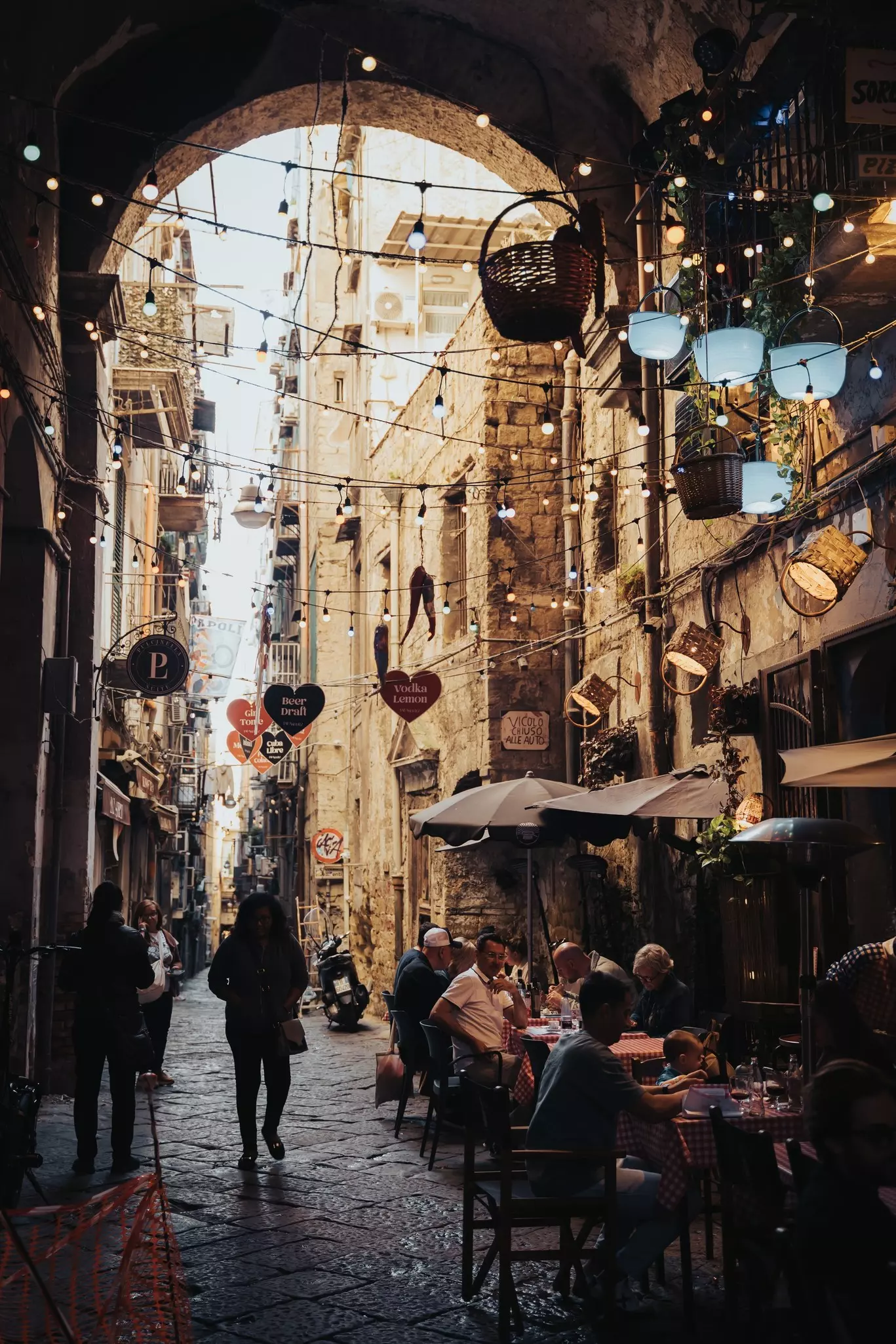
Spaccanapoli – literally, “Naples splitter” – is the bustling narrow street that traverses Naples’ centro storico (historical center). Buzzing Vespas, neighbors debating politics from opposing balconies, tiny artisan workshops humming with the noise of hammers: Spaccanapoli is the vibrant heart of this irresistible city. You’ll find some of the city’s most famous churches along this essential street, too, including the circa 1470 Chiesa del Gesù Nuovo and the Cappella Sansevero, renowned for its marble sculpture Veiled Christ by Giuseppe Sanmartino.
2. See the treasures of the Naples National Archaeological Museum
Built as a cavalry barracks in 1585, the Museo Archeologico Nazionale was established at the end of the 18th century by King Charles VII. The museum is best known for housing the many treasures that survived the 79 CE eruption of Mt Vesuvius, an event that devastated nearby Herculaneum and Pompeii. Don’t miss the Farnese marbles, Roman copies of classical Greek sculptures, as well as the ancient Roman bronzes from the Villa of the Papyri.
3. Bite into pizza in the city where it was born

The delicious aroma of freshly baked dough wafts through the air in Naples, the birthplace of pizza. Naples resident Raffaele Esposito is often credited with creating the first pizza margherita to commemorate the 1889 visit of Italian queen of the same name – though local street vendors had been peddling wood-oven-baked flatbreads with toppings long before then. Pizzeria Gino Sorbillo is one of the best in the city, thanks to its focus on organic ingredients and local produce from the surrounding Campania region. Yet you’d be hard-pressed to find a mediocre slice of pizza in Naples, where the craft of pizza making has the status of a high art.
4. Explore the underground Catacombe di San Gennaro
Named after the patron saint of Naples, San Gennaro (St Januarius), who was once buried at the site, the Catacombe di San Gennaro are an underground paleo-Christian labyrinth of tombs. More than 3000 of them were carved out of tuff, a porous stone, in what is the most extensive Christian catacomb complex in southern Italy. The lower level dates back to the 3rd century CE, and archeologists believe this site served as an even earlier pre-Christian resting place.

Stay connected abroad with an eSIM
Holafly eSIM provides unlimited mobile data with no hidden fees, giving you peace of mind wherever you travel. Stay connected even after your plan ends with Always On. Use code LONELYPLANET for an exclusive discount.
Lonely Planet may earn a commission from affiliate links on our site. All recommendations and reviews reflect our own independent opinions.
5. Shop for holiday gifts year-round along narrow “Christmas Alley”
Naples has a tradition of presepi (nativity scenes) dating back 1000 years. Every year on December 8, families prepare a presepe with statues of the Holy Family and the animals and townspeople of Bethlehem as a celebration of the Christmas season. And all year long, the narrow alleyway of Via San Gregorio teems with traditional presepe artisans. Here, you’ll find all the nativity figurines you need to create your own display.
6. Indulge in Neapolitan pastries

You can’t visit Naples without sampling its pizza – or its delectable pastries. You’ll find a pasticceria on just about every street in the centro storico, and it will be hard to resist stopping into each one. Make a pit stop by Scaturchio for sfogliatella, a shell-shaped pastry filled with sweet ricotta cheese, or try the babà, small yeast cakes saturated in rum.
7. Stroll the Lungomare
The passeggiata is a time-honored Italian tradition that calls for taking a stroll in the evening, usually after dinner. This casual social event is a moment when friends spontaneously meet up, when lovers walk hand in hand, when kids are treated to a gelato by mom and dad. Naples’ Lungomare, a promenade situated along the Mediterranean Sea, is perhaps the most popular place for this evening ritual.
8. See the Castel dell’Ovo
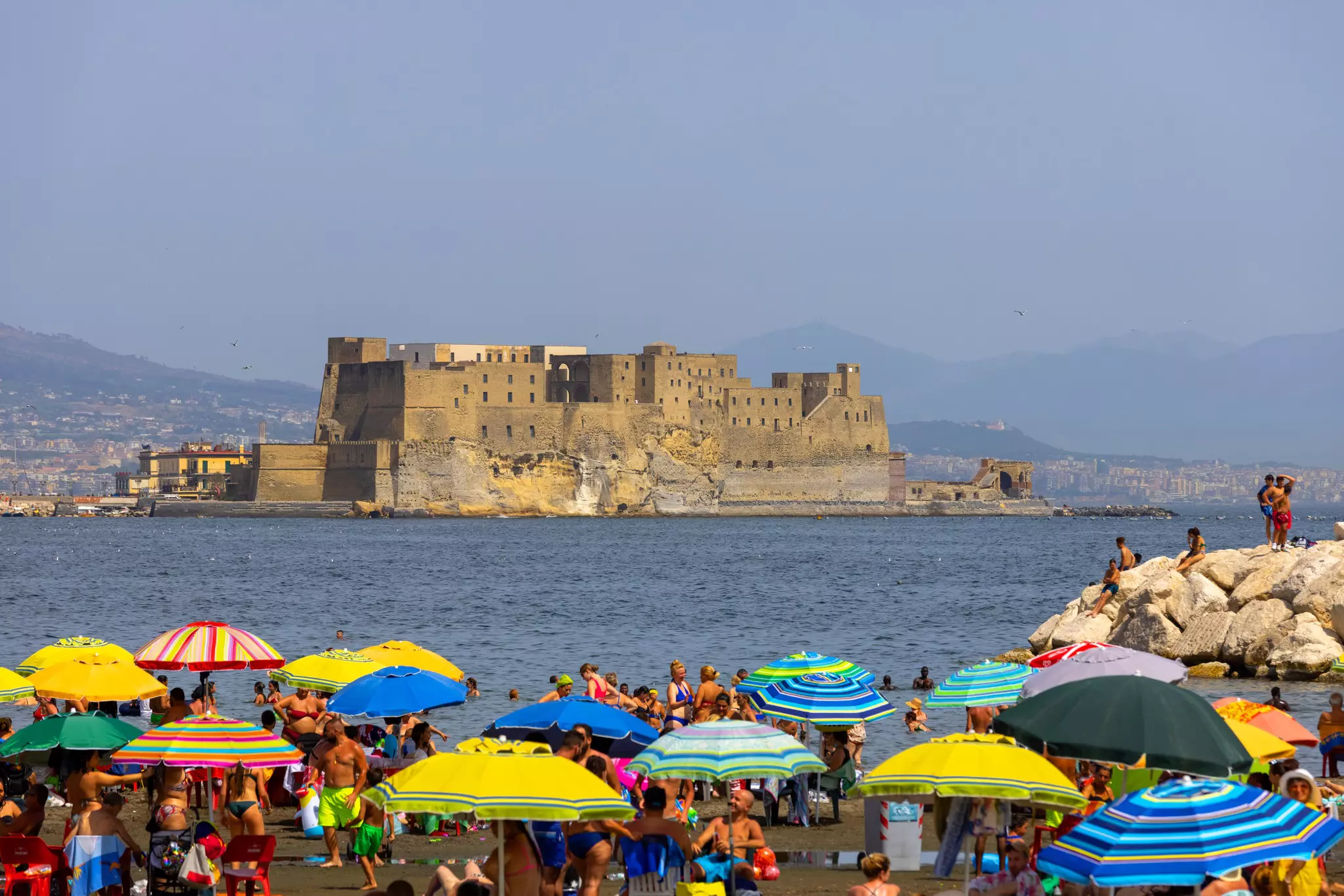
According to legend, the Roman poet Virgil put a magical egg into the foundation supporting Naples’ seafront “Egg Castle, ” the oldest fortification in Naples. Built up by the Normans in the 12th century, the site has housed a fortress, a royal palace and a prison over its long history. While the castle itself is closed, visitors can stroll the tiny island it occupies, the Borgo Marinaro – the same site where the Greeks first settled the area in the 7th century BCE. Expect gorgeous vistas of the Gulf of Naples, with Mt Vesuvius looming in the distance.
9. Visit the colorful cloister of the Santa Chiara religious complex
Built between 1313 and 1340 by Queen Sancha of Majorca and her husband King Robert of Naples, the Santa Chiara monastic complex in Naples’ centro storico includes the baroque-style Basilica di Santa Chiara, consisting of a monastery, tombs and an archeological museum. Take a breather from the Neapolitan chaos and relax for a moment in the complex’s peaceful garden, the Cloister of the Clarisse. Transformed in 1742 by Domenico Antonio Vaccaro, the garden is dotted with citrus fruit trees and majolica-tiled columns and pergolas.
10. Ascend to Piazza Vanvitelli on the Funicolare Centrale
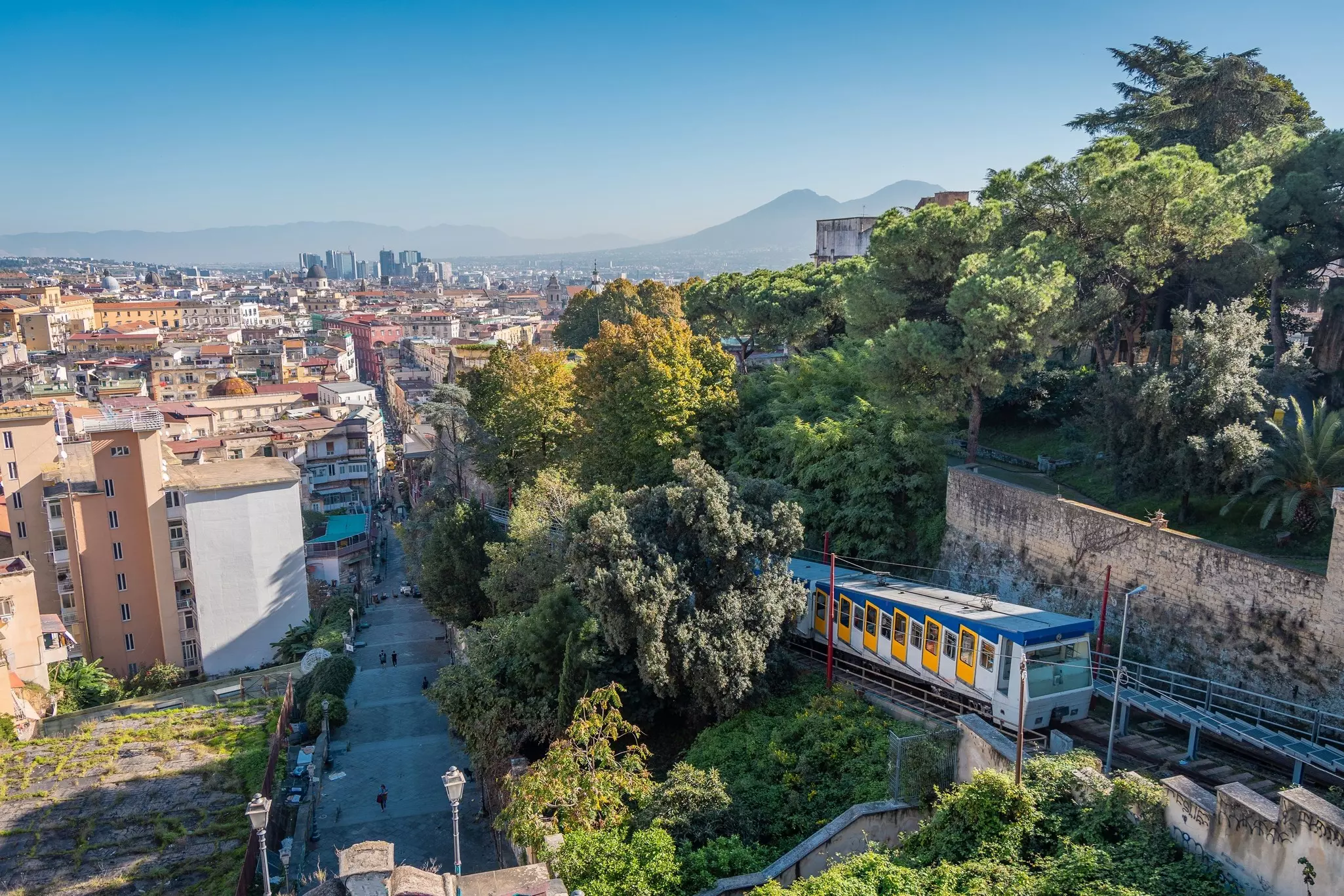
Naples’ Funicolare Centrale whisks passengers 1270m (4167ft) upward from Piazza Fuga to Piazza Vanvitelli, an elevation change of 170m (558ft). In operation since 1928, the inclined railway is a major mode of transportation for locals. Spend some time shopping the many boutiques that surround the octagonal Piazza Vanvitelli, the final stop on the funicular. The trip from the bottom piazza to the top piazza takes about five minutes.
11. Climb the ramparts of Castel Nuovo
The striking medieval Castel Nuovo, first erected in 1279, was the royal seat for kings of Naples, Aragon and Spain until 1815. Take a tour of the castle to admire the Cappella Palatina (Palatine Chapel), where you’ll find frescoes by Giotto and admire the incredible collection of 17th to 20th-century masterpieces by Neapolitan painters. Then climb the ramparts for stunning views of the city.
12. Catch a performance at the opulent Teatro San Carlo
The Teatro San Carlo is the oldest continuously active opera house in the world. Connected to the Royal Palace, it opened in 1737 and has been hosting world-class performances ever since. Take in a performance of a work by Verdi or Puccini from one of the auditorium’s gilded box seats to feel like a royal yourself.
13. Peek inside Naples’ Royal Palace
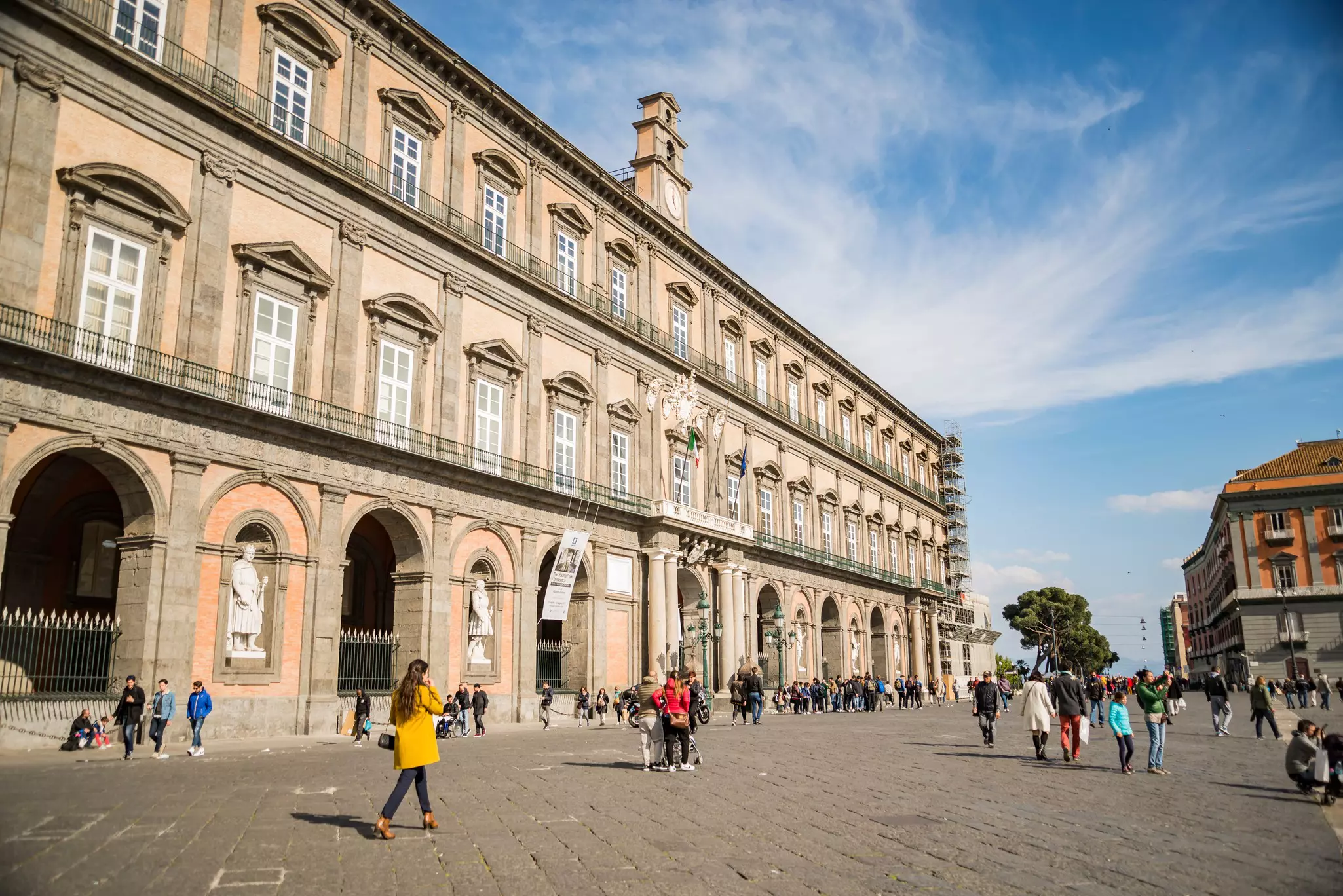
From the 13th through 19th centuries, Naples was a kingdom that ruled most of southern Italy – and the Palazzo Reale was one of the sprawling dominion’s most lavish palaces. Step inside to see ornately decorated, outstandingly preserved rooms that evoke the opulent lifestyle of the kings, queens, princes and princesses who once called the magnificent palace home.
14. Climb to the summit of Mt Vesuvius
The active volcano that towers over the Bay of Naples, Mt Vesuvius was responsible for destroying Pompeii and Herculaneum in 79 CE. (The looming volcano last erupted in 1944, and no one knows when she will perk up once again.)
The best way to experience Mt Vesuvius is to hike to the summit along the 6.4km (4-mile) Gran Cono Trail. At a fairly steep grade, the trail takes about 20 minutes to hike from the base to the refreshment stand at the summit, where amazing views of the Bay of Naples and the volcanic crater await.
15. Take a trip to the ruins of Pompeii
The eruption of Mt Vesuvius unleashed poisonous gases and rocks that buried the thriving city of Pompeii. The volcanic debris trapped the town’s unfortunate residents in ash that eventually hardened; archaeologists later filled the voids left by their decomposed bodies with plaster. Today, at the vast archaeological park at the site of the ancient town, the result is a moving series of body casts that show the horror-stricken poses of these ancient citizens’ last moments. You can also tour excavated sites that offer a glimpse into what was once a thriving and sophisticated Roman city.
Located 24km (15 miles) south of Naples, Pompeii can be easily reached from downtown Naples by a local train called the Circumvesuviana.