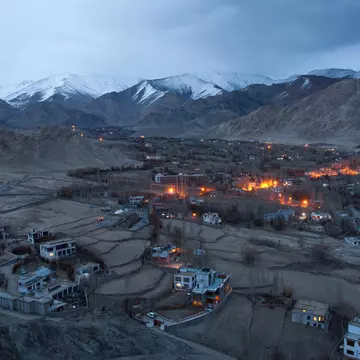
Ladakh
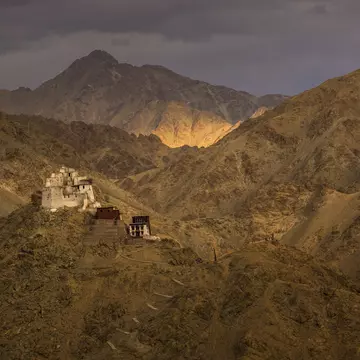
Spectacularly jagged, arid mountains enfold this magical Buddhist ex-kingdom. Picture-perfect gompas (Tibetan Buddhist monasteries) dramatically crown rocky outcrops next to fluttering prayer flags and whitewashed stupas, while prayer wheels spun clockwise release merit-making mantras. Gompa interiors are a riot of golden Buddhas and intricately colourful murals and home to red-robed monks. It's a little corner of Tibet marooned in the furthest reaches of India.
Latest Stories
- John Noble | Mar 5, 2025A First-Time Guide to Ladakh, India
Book

Trusted Partner
Dreaming of Ladakh? Protect your trip
Travel with confidence. Protect your trip and your wallet.
We don’t represent World Nomads, we receive a fee from quotes using this link. This is not a recommendation to buy travel insurance.
Book your India trip with Lonely Planet Journeys
See India how it's meant to be seen
Planned by local experts and tailored to you, Lonely Planet Journeys handles the logistics so you can just enjoy the trip. Tell us what you want and we'll build your India itinerary from scratch, or browse our bookable trips to get inspired.

Top places to visit in Ladakh
Discover the best attractions in Ladakh from must-see sights to unexpected hidden gems.
-
 Attraction in IndiaThiksey Gompa
 - Attraction in LehLeh Palace
- Attraction in IndiaBasgo Palace
- Attraction in LehCentral Asian Museum
- Attraction in IndiaDiskit Gompa
- Attraction in IndiaEnsa Gompa
- Attraction in IndiaGotsang Hermitage
- Attraction in IndiaGuru Lhakhang
Get a book. Get inspired. Get exploring.

in partnership with getyourguide
Book popular activities in Ladakh
Lonely Planet may earn a commission from affiliate links on our site. All recommendations and reviews reflect our own independent opinions.
Ladakh and beyond
- destinationLeh