Budapest
Hungary's capital is blessed with a bounty of art nouveau architecture, quirky ruin bars and gorgeous bathhouses replenished by mineral-rich hot springs.
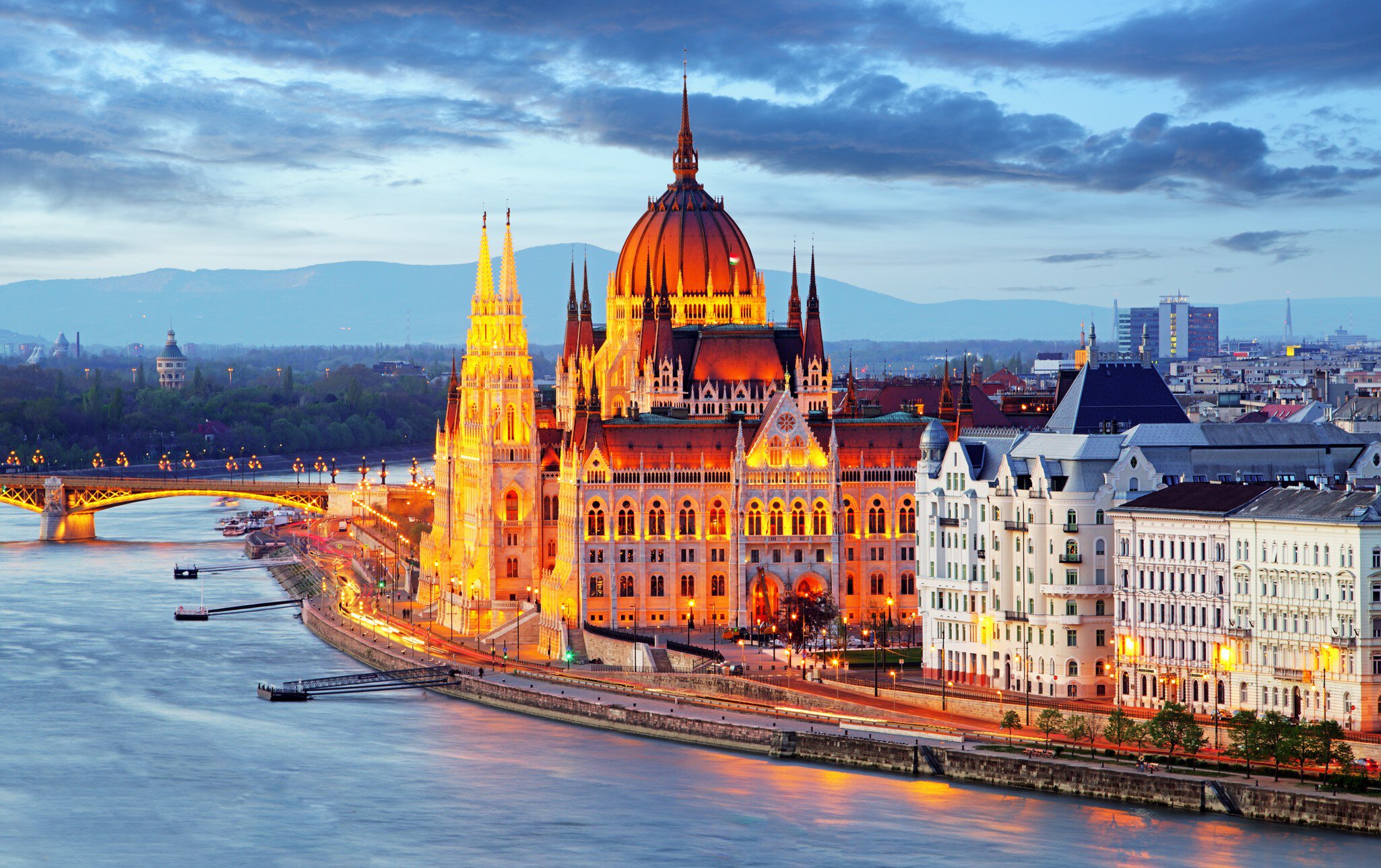
©TomasSereda/Getty Images
Latest Stories
- Kata Fári | Sep 28, 2026The Perfect 3 Days in Budapest, Hungary
- Kata Fári | Aug 21, 2026A Guide to Budapest’s Thermal Baths
- Jennifer Walker | Aug 4, 2026Things to Know Before Visiting Budapest
- Jennifer Walker | Jul 23, 2026The Best Day Trips from Budapest
Book
App


Trusted Partner
Dreaming of Budapest? Protect your trip
Travel with confidence. Protect your trip and your wallet.
We don’t represent World Nomads, we receive a fee from quotes using this link. This is not a recommendation to buy travel insurance.
Top places to visit in Budapest
Discover the best attractions in Budapest from must-see sights to unexpected hidden gems.
- Attraction in BudapestBasilica of St Stephen
- Attraction in BudapestMuseum of Applied Arts
- Attraction in Óbuda & Buda HillsAquincum
- Attraction in BudapestGellért Hill & the Citadel
- Attraction in BudapestGödöllő
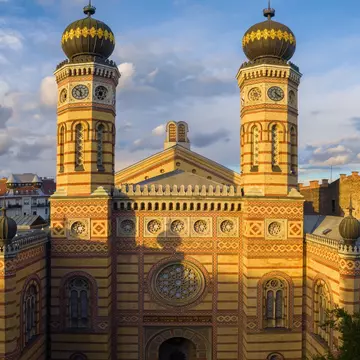
- Attraction in BudapestGreat Synagogue
- Attraction in BudapestHeroes' Square
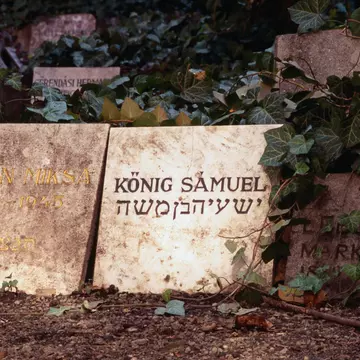
- Attraction in BudapestHolocaust Memorial Center




Travel Guides
Budapest travel tips from Lonely Planet experts
Find practical guidance from our team of contributors around the world who bring their decades of first-hand travel experience to your next trip.
Best Things to Do
Beautiful Budapest brings endless cultural activities, historic sights, muscle-melting waters at thermal baths and a thriving food scene.
Read full article
Best Time to Visit
From sun-drenched beaches and huge crowds to quiet streets in colder months, here's how to choose the perfect time for your visit to beautiful Budapest.
Read full article
Things to Know
These hints and tips will save you time, money and potential embarrassment when you visit Budapest, from avoiding fines to tipping your server.
Read full article
Transportation
Thanks to plentiful buses, boats, trams and metro trains, getting around Budapest is easy. Here are the best ways to navigate the Hungarian capital.
Read full article
Free Things to Do
From impressive Roman ruins to fabulous concerts to great hiking trails, you'll find plenty of free ways to make the most of your trip to Budapest.
Read full article
Best Neighborhoods
Here's our guide to some of the most fascinating neighborhoods in Budapest, from the regal sights on Castle Hill to the quirky ruin bars of District VII.
Read full article
Day Trips
Explore beyond the city limits and see the Hungarian countryside on these delightful day trips from Budapest.
Read full article
Money and Costs
Budapest is a popular destination for budget travelers. Here’s our handy guide to visiting the capital of Hungary in a low-cost way.
Read full article
Traveling with Kids
Budapest serves up two cities for the price of one, meaning there's plenty to keep families busy. Here are our best tips for exploring Budapest with kids.
Read full article
Get a book. Get inspired. Get exploring.
in partnership with getyourguide
Book popular activities in Budapest
Lonely Planet may earn a commission from affiliate links on our site. All recommendations and reviews reflect our own independent opinions.
Budapest and beyond
- destinationCastle District
- destinationÓbuda & Buda Hills