
Honduras
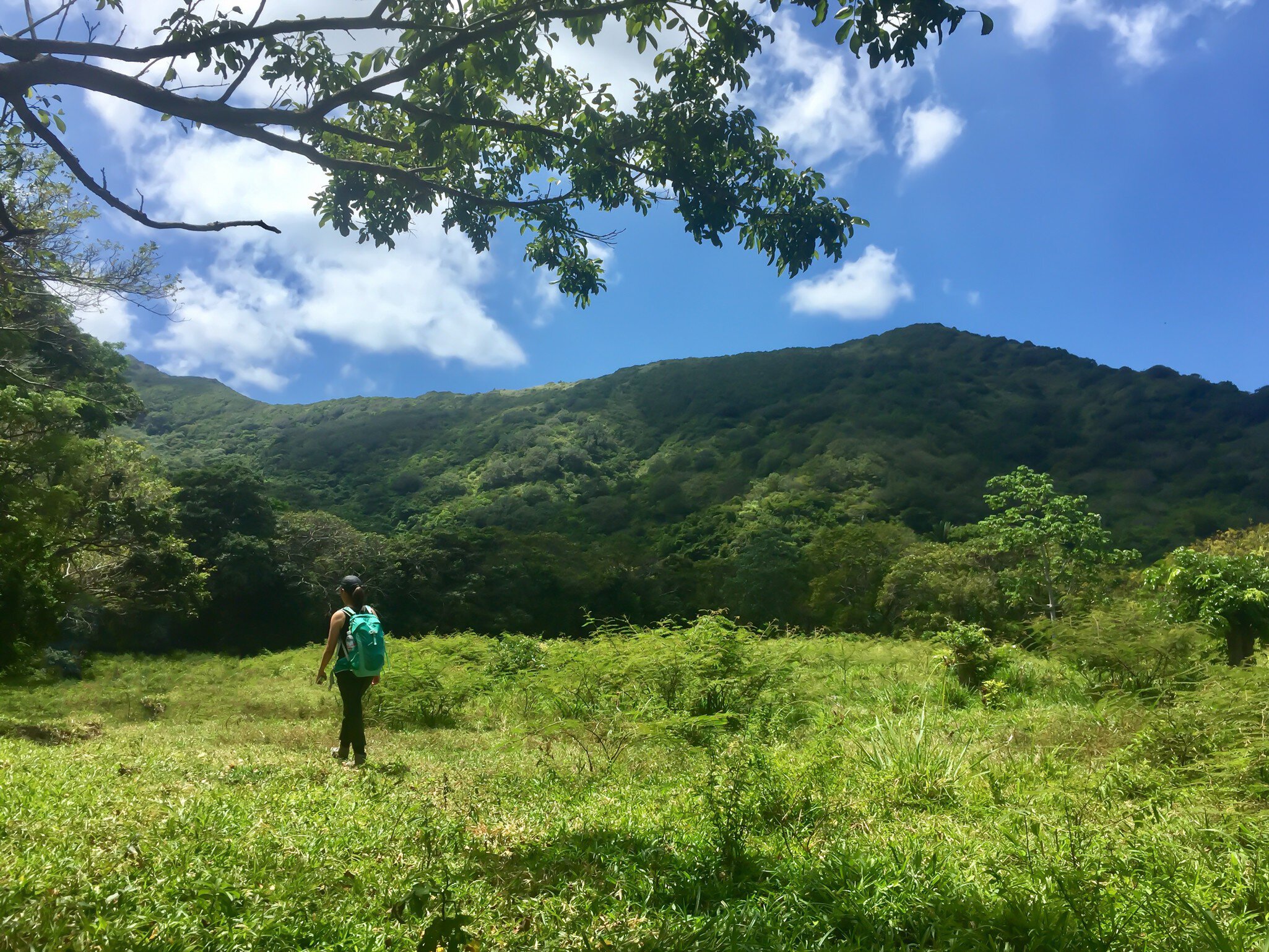
White beaches fringed by the world's second-largest barrier reef, jungle-covered mountains cut by raftable white-water rivers and home to an astounding number of bird species, exquisite Maya ruins, colonial, cobblestone villages, fresh seafood grilled on the beachâ¦Yes, all this is found in Honduras, a country often hurried through or avoided entirely due to its dangerous image.
© EmLion / Shutterstock
Latest Stories
- Erik R Trinidad | Jun 10, 2026The best beaches in Honduras, from the Caribbean Coast to the islands
- Erik R Trinidad | Jan 22, 2026The top 13 places to visit in Honduras
- Lonely Planet Editors | Oct 30, 2025A guide to the ruins of Copán in Honduras
- Fritz Pinnow | Jul 8, 2025What to eat and drink in Honduras
Book

Top places to visit in Honduras
Discover the best attractions in Honduras from must-see sights to unexpected hidden gems.
-
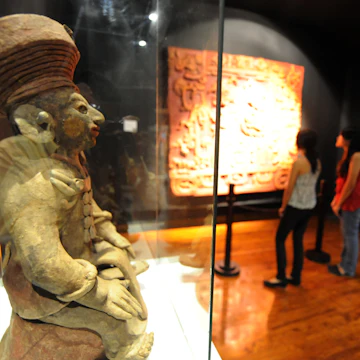 Attraction in TegucigalpaMuseo para la Identidad Nacional
 -
 Attraction in HondurasCascada Zacate
 -
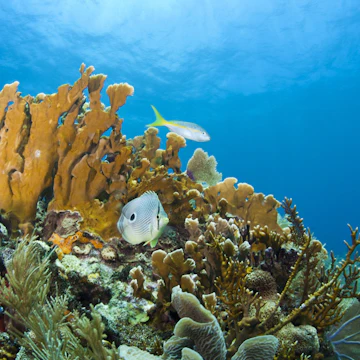 Attraction in RoatánRoatán Marine Park
 - Attraction in HondurasGrave of William Walker
- Attraction in HondurasParque Nacional Jeannette Kawas
-
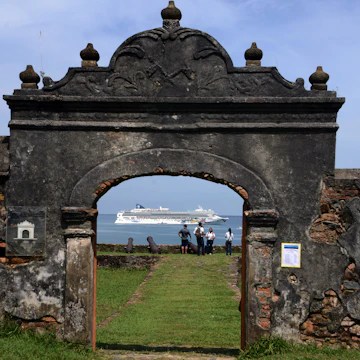 Attraction in HondurasFortaleza Santa Bárbara de Trujillo
 - Attraction in TegucigalpaCentro de la Cultura Garinagu de Honduras
- Attraction in RoatánArch’s Iguana Farm
Travel Guides
Honduras travel tips from Lonely Planet experts
Find practical guidance from our team of contributors around the world who bring their decades of first-hand travel experience to your next trip.
Best Things to Do
Dive into Honduras and explore its preserved Maya sites, incredible wildlife, culture and nightlife with our guide to getting the best out of your trip.
Read full article
Best Time to Visit
The weather in Honduras is rarely bad but some activities and festivals are worth timing your trip for. Here's what you need to know about when to visit.
Read full article
Things to Know
Honduras is a place of immense beauty and diversity, but traveling here does require some forethought and on-the-ground know-how.
Read full article
Transportation
The second-largest country in Central America, Honduras is a sprawl of mountains, islands, coastal plains and tropical lowlands. Here's how to get around.
Read full article
Best Road Trips
Rugged and raw Honduras has incredible landscapes and vibrant cities waiting to be discovered on a road trip. Start planning now with our 5 favorites.
Read full article
Money and Costs
Wonderfully intact Maya ruins and reef-fringed tropical islands are just two of the many attractions in Honduras. Here's how to enjoy it all on a budget.
Read full article
Traveling with Kids
Discover the top 6 things to do in Honduras with kids, from exploring ancient ruins to beach adventures. Here's how to visit with tots in tow.
Read full article
Best Places to Visit
Looking to venture outside the popular tourist bubble? Off-the-beaten-track Honduras has so much to offer – here's our guide to the best places to go.
Read full article
Honduras and beyond
-
 destinationRoatán