Germany
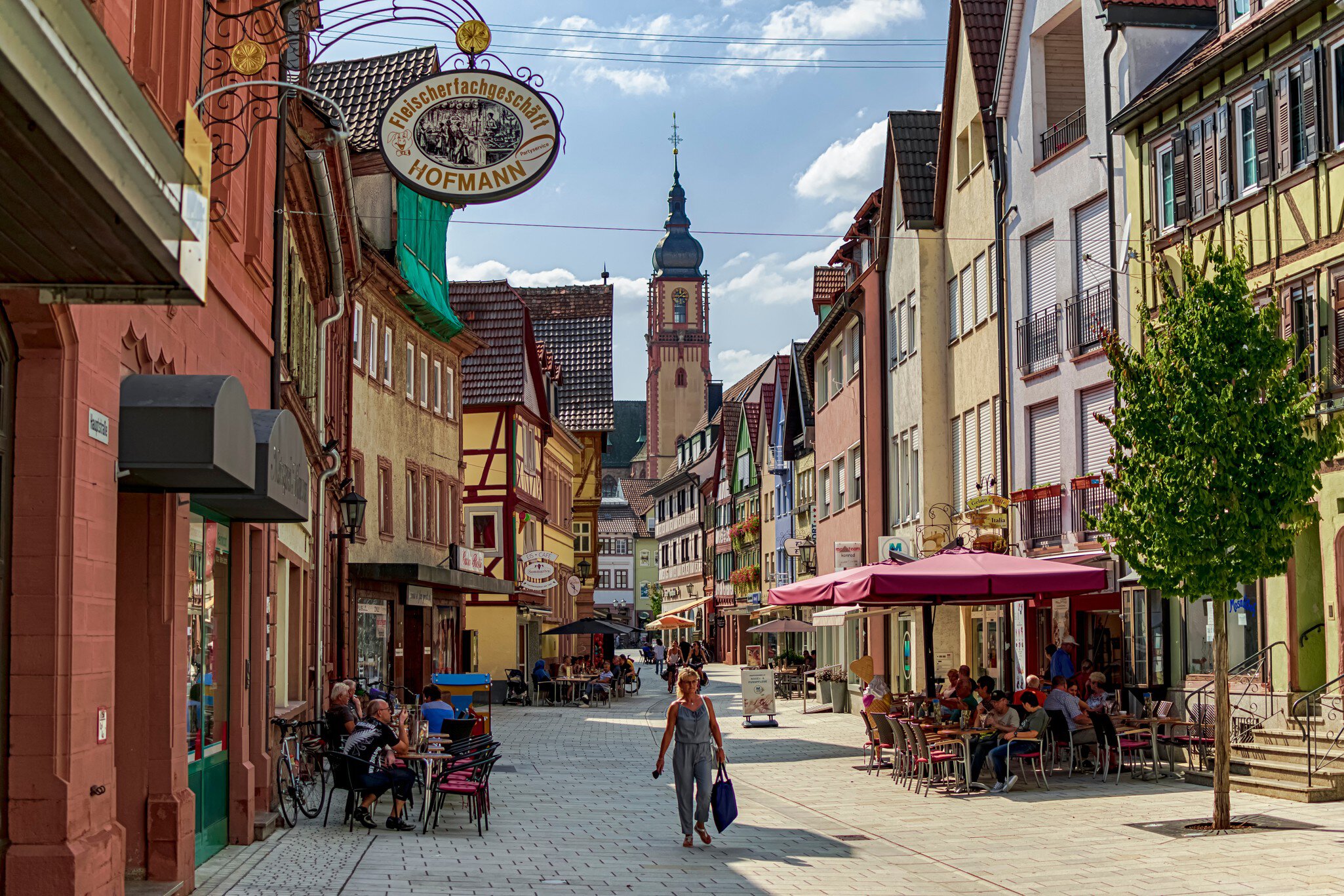
Prepare for a roller-coaster ride of feasts, treats and temptations experiencing Germany's soul-stirring scenery, spirit-lifting culture, big-city beauties, romantic palaces and half-timbered towns.
Richi McWallace/Shutterstock
Latest Stories
- Kate Mann | Jul 27, 2026The 19 best things to do in Germany
- Lonely Planet Editors | May 13, 202610 of the best beaches in Germany
- Hugh McNaughtan | Feb 25, 20266 top road trips in Germany
- Hugh McNaughtan | Nov 17, 20258 of the best places to visit in Germany
Book
Trip 


Trusted Partner
Dreaming of Germany? Protect your trip
Travel with confidence. Protect your trip and your wallet.
We don’t represent World Nomads, we receive a fee from quotes using this link. This is not a recommendation to buy travel insurance.
Book your Germany trip with Lonely Planet Journeys
See Germany how it's meant to be seen
Planned by local experts and tailored to you, Lonely Planet Journeys handles the logistics so you can just enjoy the trip. Tell us what you want and we'll build your Germany itinerary from scratch, or browse our bookable trips to get inspired.
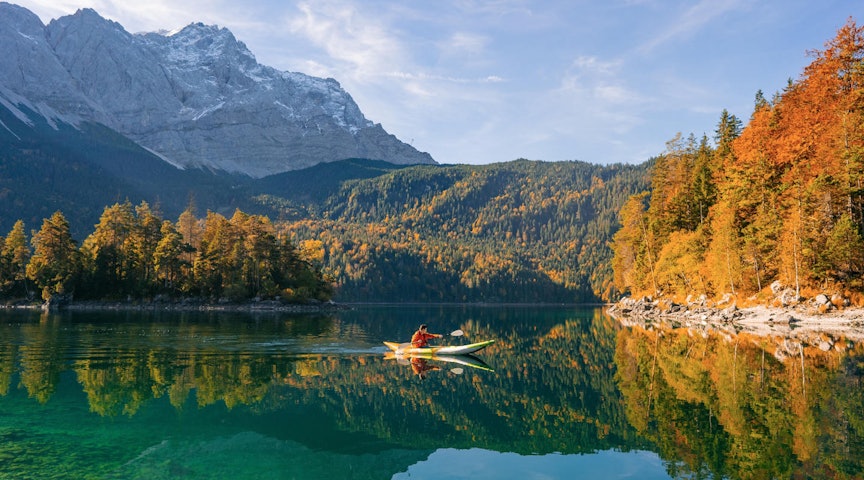

Top places to visit in Germany
Discover the best attractions in Germany from must-see sights to unexpected hidden gems.
-
 Attraction in City West & CharlottenburgSchloss Charlottenburg - Neuer Flügel
 -
 Attraction in FüssenSchloss Neuschwanstein
 -
 Attraction in HanoverGrosser Garten
 - Attraction in UlmUlmer Münster
-
 Attraction in CologneKölner Dom
 - Attraction in TrierKonstantin Basilika
- Attraction in PotsdamSchloss & Park Sanssouci
-
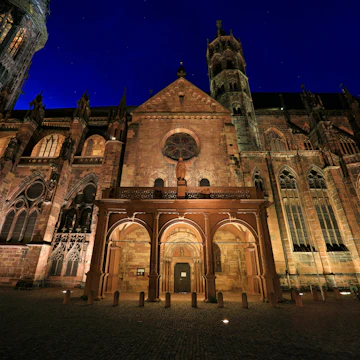 Attraction in FreiburgFreiburger Münster
Travel Guides
Germany travel tips from Lonely Planet experts
Find practical guidance from our team of contributors around the world who bring their decades of first-hand travel experience to your next trip.
Best Things to Do
Water sports in the North Sea, hikes in the Alps, culture in the cities and castles galore: here are the best things to do in Germany.
Read full article
Best Time to Visit
Find the perfect season for your visit to Germany with this guide to what's happening through the year.
Read full article
Things to Know
From paying with cash to not crossing against a red light, here are the things you need to know before going to Germany.
Read full article
Transportation
Germany's public transportation network is one of the best in the world (and kids under 15 travel on trains for free). Read on for how to explore Germany.
Read full article
Best Road Trips
Visit historic towns, castles and palaces, plus epic mountains and remote beaches on these top touring routes through Germany.
Read full article
Money and Costs
From Deutsche Bahn rail passes to camping in the summer months, there are plenty of ways to save money in Germany.
Read full article
Traveling with Kids
With lots of family-friendly activities and a well-developed infrastructure, Germany is an ideal destination for families traveling with kids of all ages.
Read full article
Best Places to Visit
Experience the best of Germany with this guide to the country's top places to visit.
Read full article
Get a book. Get inspired. Get exploring.

in partnership with getyourguide
Book popular activities in Germany
Lonely Planet may earn a commission from affiliate links on our site. All recommendations and reviews reflect our own independent opinions.
Germany and beyond
-
 destinationMunich, Bavaria & the Black Forest
 - destinationBerlin
- destinationMunich
- destinationHamburg
- destinationCity West & Charlottenburg
- destinationPrenzlauer Berg
- destinationSt Pauli & Reeperbahn
- destinationFriedrichshain