Sep 18, 20258 min read
Tbilisi's Top 10 ExperiencesSep 18, 2025
8 MIN READ
Writer
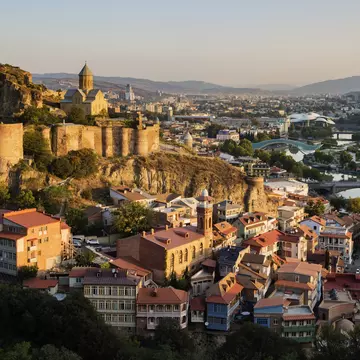
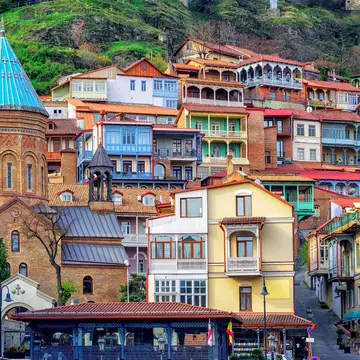
View of colorful traditional houses with wooden carved balconies in the Old Town of Tbilisi, Georgia.

Writer
Highlights
Writer Tom Masters picks 10 Tbilisi experiences from dumplings to techno clubs.
Hunt Soviet souvenirs at the Dry Bridge Market, then ride up to see Mother Georgia.
For a classic Tbilisi day, eat khinkali at Pasanauri and soak in Abanotubani's bathhouses.
History buffs can wander the Old Town and swing by Mtskheta, Georgia's former capital.
Lonely Planet may earn a commission from affiliate links on our site. All recommendations and reviews reflect our own independent opinions.
Straddling east and west and taking generously from each, Tbilisi punches well above its weight, and many visitors find that spending time here is a highlight of their visit to Georgia. In addition to its appeal to history buffs and art aficionados, the Georgian capital spoils for choice lovers of good food, natural wine, brutalist architecture, cable cars, medieval churches and techno music.
Tbilisi’s mountainous topography lends itself to getting up high for sweeping views over the fast-changing city, with cable cars taking you to the historic Narikala Fortress as well as to its highest point, Mtatsminda. Don’t underestimate the number of things to see and do here; you could easily spend a week exploring without getting bored, and the sheer number of eating and drinking options is astounding.
Though there are now high-rise buildings springing up all over the valley below that are taller, the imperious 20-meter high aluminium statue of Mother Georgia on top of the Sololaki ridge is as iconic as it is awe inspiring. Holding a cup of wine for her friends in one hand and a sword for her enemies in the other, she’s the perfect avatar for Georgia’s national identity – both warmly hospitable and fiercely independent. If you don’t want to take the steep uphill walk to get here, the cable car from Rike Park whisks you to the top of the ridge in under a minute.
Detour: Instead of taking the cable car back down, you can take an even more atmospheric walk down the hillside. There are several paved pathways that will return you to Sololaki below, and even a few cafes with Old Town views to stop at for a drink.
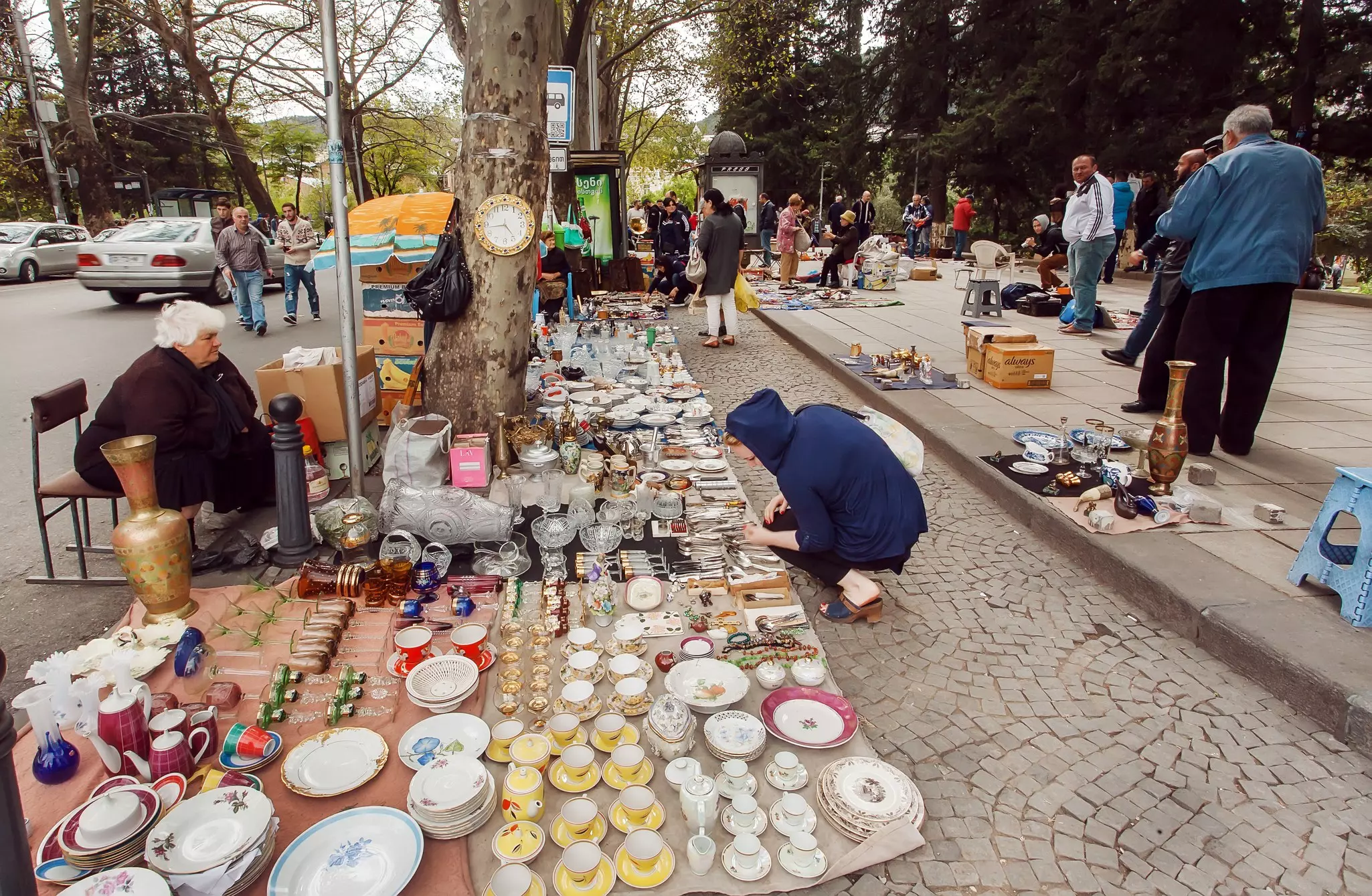
Though Tbilisi now heaves with fashionable boutiques and groans under the weight of flashy new malls, few would disagree that its single best shopping experience can be had along the banks of the Mtkvari River, where hundreds of bric-a-brac stalls coalesce daily around what locals call Mshrali Khidi, or the dry bridge, though it’s officially called the Saarbrücken Bridge nowadays. Here you’ll find a treasure trove of Soviet ephemera, family heirlooms, traditional handicrafts and plenty of mass-produced items aimed at tourists. (Stalin hip flask, anybody?) But the entire place will delight anyone in search of an unusual souvenir.
Detour: After the market, stop for a bite to eat at Cafe Daphna or wander through charming 9 April Park with its beautifully kept flower beds and cooling fountains.
The ultimate Georgian comfort food, khinkali are thick boiled dumplings that are typically filled with beef, pork or cheese, and are usually eaten dipped in vinegar or adjika (a spicy tomato-based Georgian condiment). Pick the khinkali up using the nub on top, make a small hole in its side and suck out the liquid before eating the filling and the rest of the dough. While you can eat khinkali at almost any Georgian restaurant in the city, few places do them as well – and at such low cost – as Pasanauri, which has three locations in Tbilisi’s city center. Enjoy with a cold Georgian draft beer.
Planning tip: The closest Pasanauri to the Old Town is on Baratashvili, though the Sololaki branch on Leonidze is also nearby. In Vere, head to the location on Griboyedov.
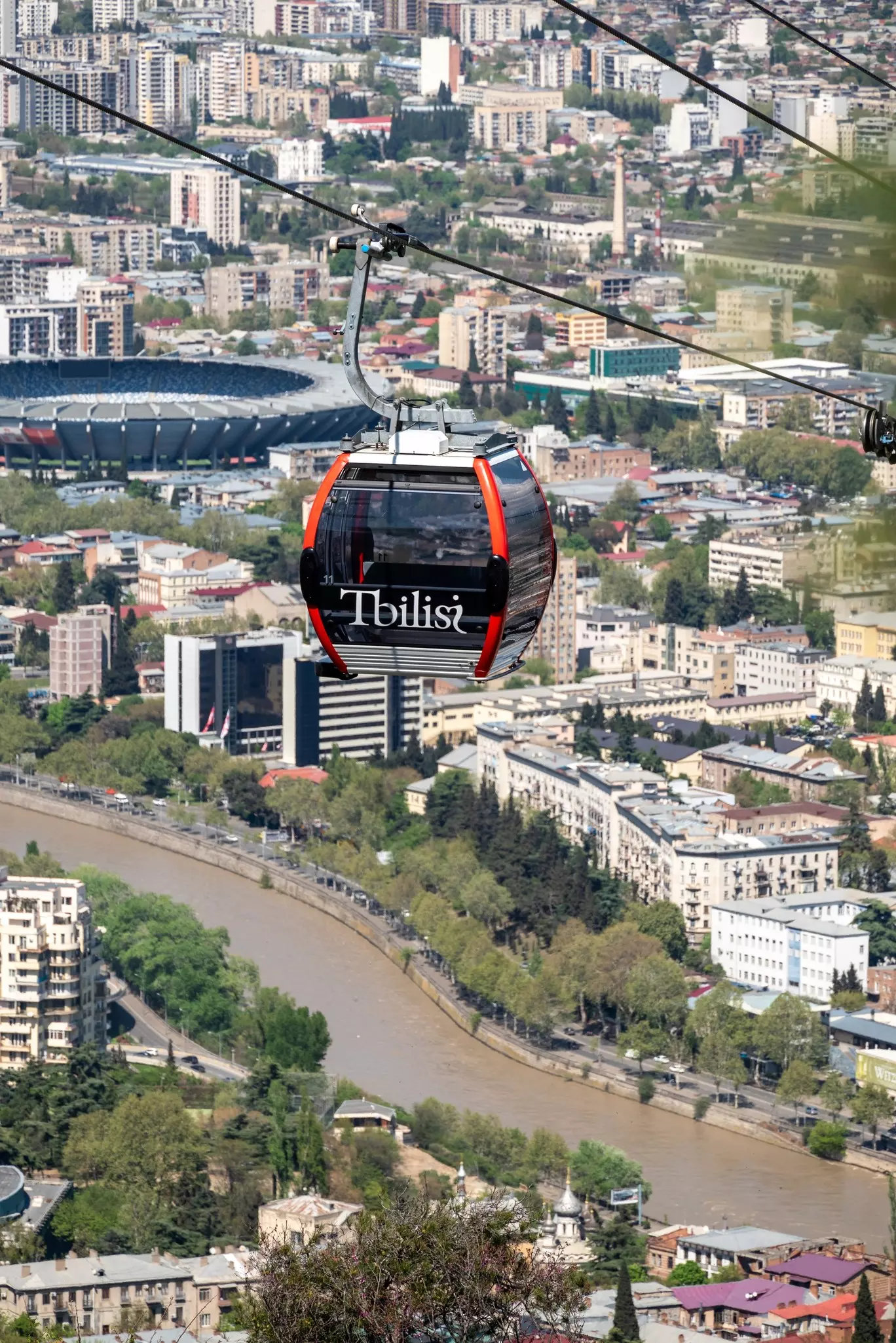
In the courtyard of one of Tbilisi’s most iconic Soviet buildings, the golden-yellow tuff-clad Academy of Sciences, you’ll find the recently restored base station of the Mtatsminda cable car, which reopened in 2024 after three decades of disuse. From here it takes just a couple of minutes to reach Tbilisi’s highest point, where jaw-dropping views of the city, not to mention the city’s awesome television tower and a series of very kitschy fairground rides await you.
Planning tip: Take the historical funicular back down into the city, which will deposit you in the Sololaki heights – a great spot from which to wander back down the cobblestone streets through one of Tbilisi’s most charming residential neighborhoods.
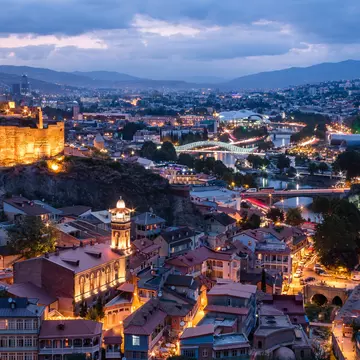
The street-by-street renovation of Tbilisi’s crumbling Old Town is achingly slow, but that means it’s still easy to get a sense of how this maze of narrow streets has looked for centuries with its dilapidated wooden houses, clothing strung up to dry across its courtyards and its dozen medieval stone churches in varying states of disrepair. It’s also easy to see how it will all one day look; check out the immaculately restored Gudiashvili Square, with its spotless 90-degree balconies and gleaming freshly painted façades.
Detour: Don’t miss dropping into at least a couple of the Old Town’s churches, some of which are over 1500 years old, as well as the area’s mosque and synagogue.
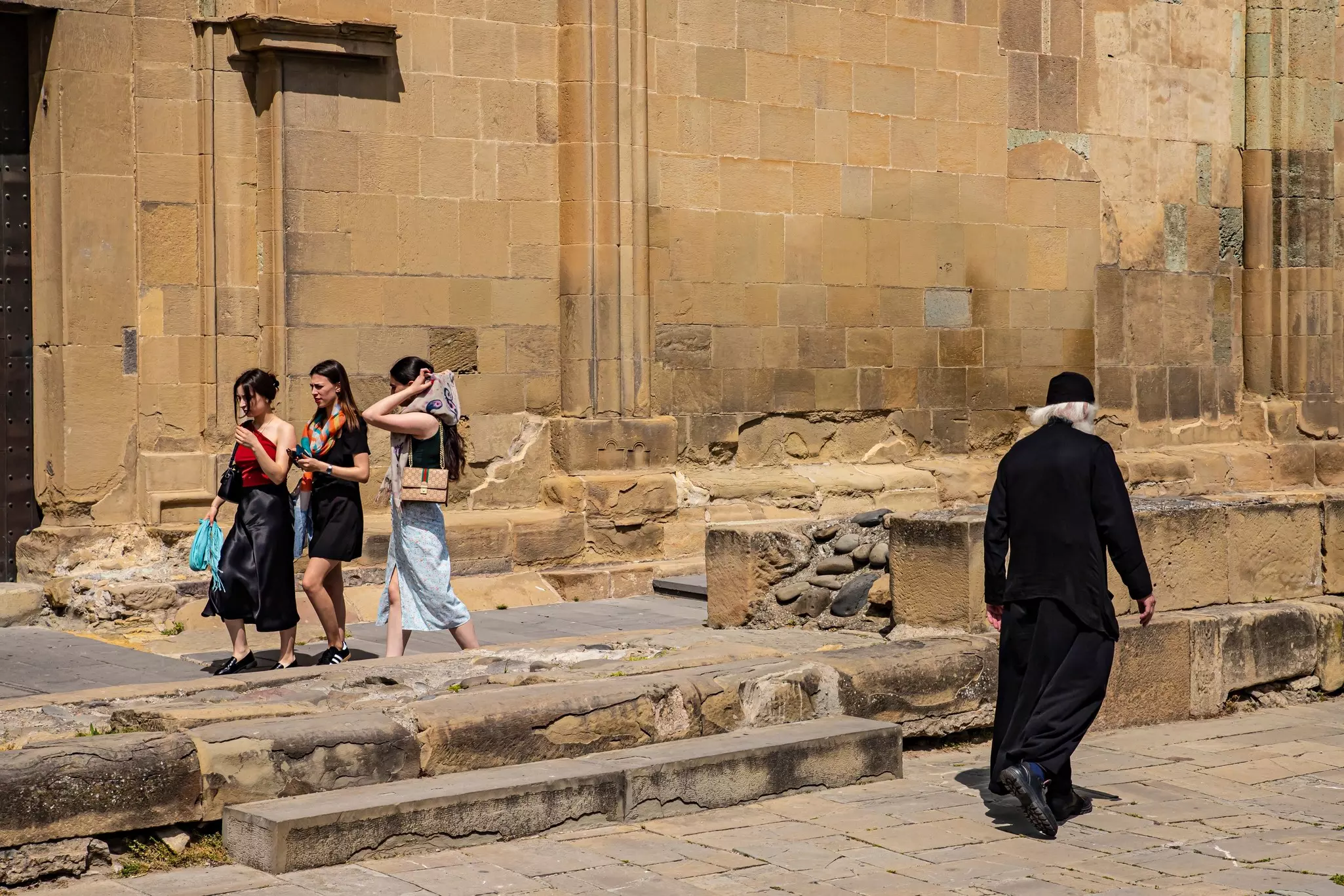
Just outside Tbilisi, the former capital of Mtskheta is a fascinating place with a spiritual and historical significance for Georgians that far outweighs its size. Its hilltop Jvari Church is built on the site where St Nino converted Georgia's king to Christianity in the early 4th century, and is the single most important religious site in the country, with commanding views over Mtskheta in the valley below. In the heart of the town itself is the impressive Svetitskhoveli Cathedral, the seat of the Georgian Orthodox Church, which is adorned with elaborate stone carvings inside and on its exterior walls.
Planning tip: Mtskheta is a 20-minute drive from downtown Tbilisi, though you might want to get the taxi driver to stay with you, as the two churches are not within walking distance of each other.
Now housed in a brand new building just off Freedom Square, the Art Museum of Georgia has a superb collection of paintings from over the centuries, the highlight of which is a dozen or so canvases painted by Niko Pirosmani, Georgia’s most famous artist, whose primitivist early 20th century works have become synonymous with Georgian village life and the magic of the annual wine harvest in particular.
Detour: In the spirit of Pirosmani, head to a nearby wine bar such as DADI or Gvino Underground after your gallery visit and treat yourself to a glass of Georgia’s famous qvevri wine, which is fermented, skins, seeds, stalks and all, in large clay amphorae.
Few visitors to Tbilisi spend time in Vake, one of the city’s most affluent residential neighborhoods, and one that’s worlds away from the highway-like traffic of Rustaveli or the tourist throng of the Old Town. The area’s elegant and recently refurbished main avenue, Chavchavadze, is a glorious place to stroll, with its wide, shaded sidewalks, chic boutiques and buzzing cafes.
Detour: Slip into glorious Mziuri Park, one of the city’s best green lungs.
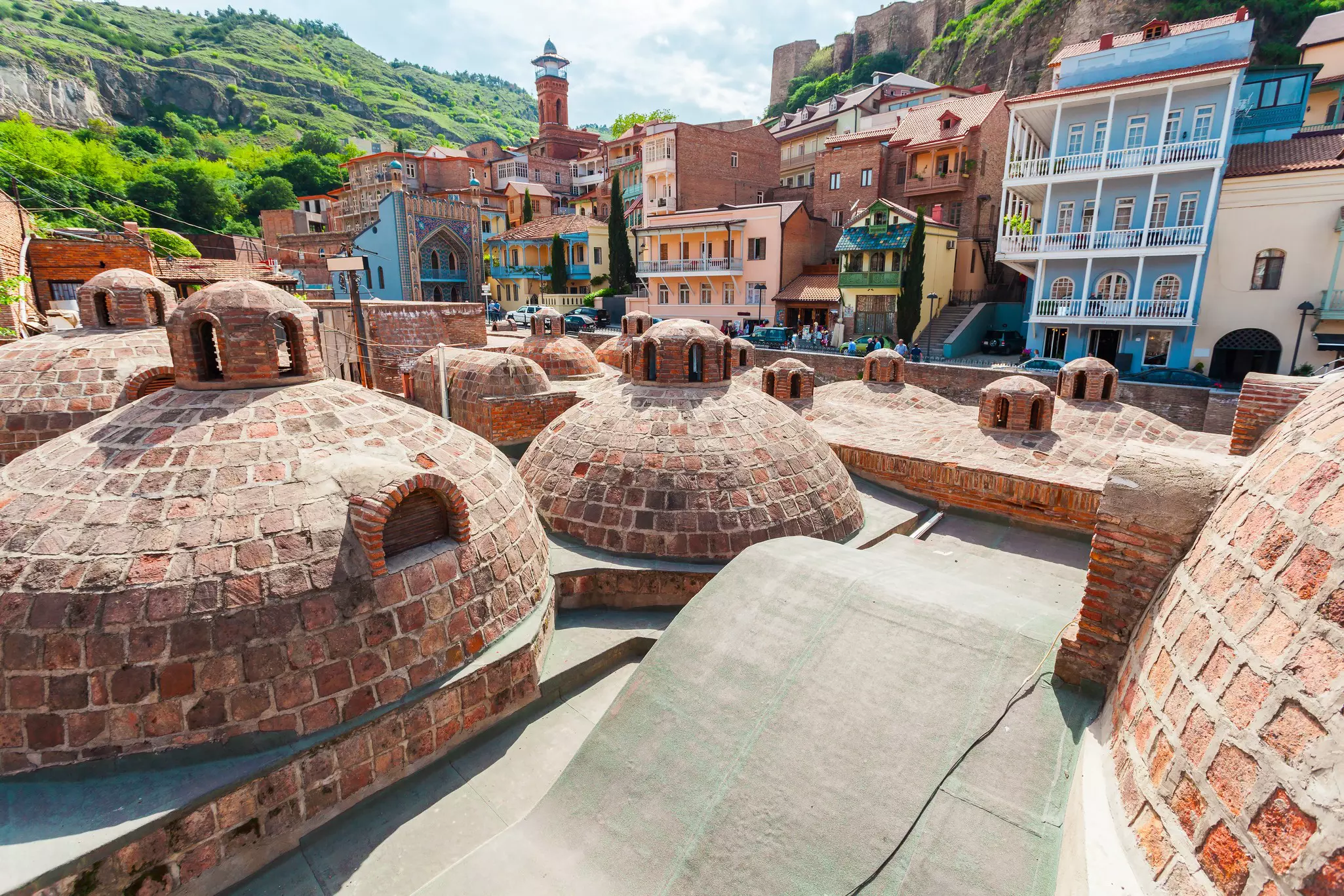
The word tbili means warm in Georgian, and that’s no coincidence, as the hot springs on which Tbilisi was built have been a core part of its identity for centuries. Whether you prefer to have a communal bathing experience at Abano No 5, or take a private dip in one of the more luxurious establishments such as Gulo’s Thermal Spa or Chreli Abano, which is instantly recognizable from the turquoise tilework of its façade, then head to Abanotubani (literally the bathing district), next to the Old Town, for one of the best baths of your life.
Detour: After bathing, wander along the stream feeding the bathhouse district as it wends its way into the mountainside and you’ll soon come to a delightful sulfurous waterfall, the source of the city’s warm and curative waters.
Tbilisi is one of the best places in the world to see brutalist architecture, even if some of its most compelling pieces of socialist modernism have been abandoned and left to slowly disintegrate. The recent conversion of the city’s Soviet-era main post office into the Telegraph Hotel is a glorious example of architectural heritage being prized, however. So much of this unique building has been retained, while also converting it into one of the chicest places to bed down on high thread-count linens in the South Caucasus. Even if you’re not staying here, come for a killer cocktail and to people-watch in its fabulous courtyard bar after sunset.
Planning tip: The bar gets busy from around 9pm and the drinks keep flowing until well into the early hours, after which, consider heading to one of Tbilisi’s famous clubs, such as Bassiani or Khidi, to keep the party going.
Explore related stories