Things to do in Birmingham
-
A
Birmingham Museum & Art Gallery
One of the best collections of Pre-Raphaelite works in the world. Highlights include a gallery of creations by Birmingham lad Edward Burne-Jones – look out for his massive triptych The Last Judgement, a grand piano smothered in gilt plasterwork, and a vast, goldpainted, Renaissance-themed wedding chest. Paintings include Ford Madox Brown’s The Last of England, where British migrants pass Dover-esque white cliffs to leave the country, and Henry Wallis’ Death of Chatterton, a diminutive oil featuring a doomed, pale poet sprawled in his attic bedroom. Then there’s an image seen on countless cards worldwide: Dante Gabriel Rossetti’s iconic Proserpine, in which a soulful, aubu…
reviewed
-
B
Electric Cinema
At the oldest working cinema in the UK (the projectors have been rolling since 1909), you can enjoy a mix of mainstream and art-house cinema, while sitting in plush two-seater sofas.
reviewed
-
C
Great British Eatery
Slide onto a bar stool and inhale the tang of vinegar at this award winning chippy. There are pies and sausages aplenty, meal deals from £2 and roast chicken and chips from £3.50. You can wash it all down with a beer, too.
reviewed
-
D
Bank
Huge glass front panels make this swanky restaurant a bit of a culinary goldfish bowl, but most diners don't complain - the sophisticated modern-Brit dishes are quite special.
reviewed
-
E
Cadbury World
Chocoholics from miles around flock to Cadbury World, which provides a lip-smacking exploration into the history, production and consumption of the ever popular cocoa-based confectionery, seen through the eyes of one of the world's largest chocolate-makers.
Kids - and sweet-toothed grown-ups - will love it, but beware of the afternoon sugar-crash! Ride a beanmobile or take a wander down Cocoa Rd, paved with 'talking chocolate splodges'. If you're lucky, you may get to see the finishing touches being put to your favourite chocolate. Book ahead - it's very popular in July and August. Opening hours vary. It's closed for some of December and most of January, but open from 10…
reviewed
-
F
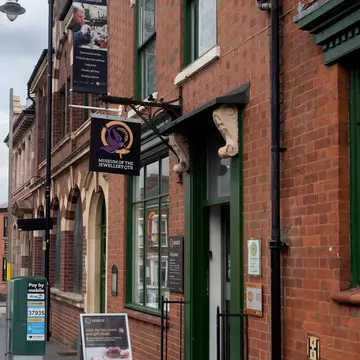
Museum of the Jewellery Quarter
This is an industrial time capsule set in a former factory which has been preserved as it was when it closed after 80 years of operation. Displays reveal just what nine-carat gold is made up of (not as much gold as you might think), and showcase such things as a silver 1930s card case, 18th-century candlesticks and an Acme Thunderer railway guard’s whistle. The Jewellery Quarter is three-quarters of a mile northwest of the centre; walk or hop on a train or metro to the down Cocoa Rd or try your hand at chocolate-making. Opening hours vary, and booking is advised – and essential during July and August; phone or check the website for details. Cadbury World is part of Bournv…
reviewed
-
G
Custard Factory
So named because the building was constructed by custard magnate Sir Alfred Bird, this centrepiece of Digbeth’s regeneration is full of original, independent shops. At Urban Village and General Stores, rifle through artfully arranged rails of such vintage delights as handmade brogues, leather cases, woollen skirts and paisley cravats. The Bead Shop allows you to pick-and mix baubles to make your own designer piece. Commission your own T-shirt at Street Print (from £8), then check out the chaises longues and anglepoise lamps at Fragile Design’s 20th-century furniture store. Finally, top it all off by tucking in to a mezzaluna (baby naan) in Yumm Deli’s tiny dining space. L…
reviewed
-
H
Sarehole Mill
Built in the late 18th century, it was a favourite haunt of the young JRR Tolkien, who played here after his family moved to Birmingham in the late 1800s. It’s said the mill and nearby Moseley Bog provided inspiration for the Shire – home to Bilbo, Frodo and Samwise Gamgee in Tolkien’s The Hobbit and The Lord of the Rings. Travel 5 miles south of the city on bus 11A, 11C or 11E to reach the mill. There you’ll see pulley wheels, sack hoists and lots of worn beams. Then look out for little folk with furry feet.
reviewed
-
I
Barber Institute of Fine Arts
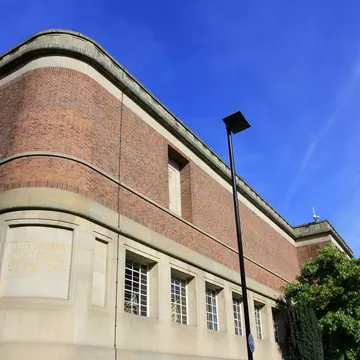
The collection at the Barber Institute of Fine Art takes in Renaissance masterpieces by Martini, Bellini and Veronese, works by old masters such as Rubens and Van Dyck, British greats including Gainsborough, Reynolds and Turner, an array of Impressionist pieces, and works by the likes of Picasso, Rembrant and Schiele. The institute is at the University of Birmingham, 2½ miles south of the city centre. Take the train from New St to University station, or catch bus 61, 62 or 63 from Corporation St.
reviewed
-
J
Birmingham Central Library
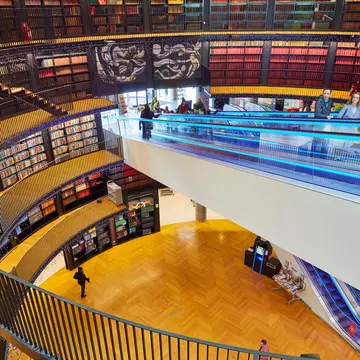
Although each of the universities and university colleges has its own excellent libraries, you might still end up writing an essay or leafing through reference books in Birmingham Central Library. It’s the busiest public library in Britain and occupies eight floors. Shaped like an upside down ziggurat, it’s slap bang in the middle of town, making a spot of study possible between shopping trips. Plans are also afoot for a brand-new, multi-million pound library in nearby Centenary Sq.
reviewed
Advertisement
-
K
St Paul’s Gallery
Has the biggest collection of signed album-cover art in the world, is also located in the Jewellery Quarter. Its whitewashed walls are covered with CD designs, many of which have also been signed by band members. Look out for Pink Floyd’s iconic Animals (featuring Battersea Power Station) and the ruby-red Rocky Horror Picture Show lips. Prices range from a couple of hundred pounds to several thousand – but even if you’re not buying, it’s still free to get in.
reviewed
-
L
Ikon Gallery
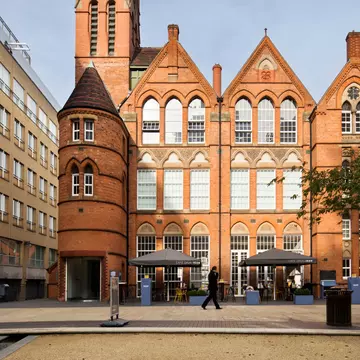
The turreted, terracotta Ikon Gallery is just to the west in Brindleyplace. This former Victorian school has been converted into an ubercool contemporary art space. Steel and glass staircases wind up to cavernous galleries filled with performance works, videos and modern oils. Check out the intimate, curved tower room; when art is this close, its impossible to ignore. It also has a cafe that serves great tapas and sherry to refuel between cultural hot spots.
reviewed
-
M
Rainbow
Somehow this rambling venue manages to be both counterculture and cosy at the same time. Battered bench tables and etched-glass windows lend the bar a traditional vibe, while a covered courtyard, an intimate garden and a roomy warehouse host everything from established artists and cutting edge DJs to up-and-coming bands – The Prodigy, Joss Stone and UB40 have all turned up here. It’s worn, warm, funky and a whole lot of fun.
reviewed
-
N
Bullring
Split into two vast retail spaces – the East Mall and West Mall – the Bullring has all the international brands and chain cafes you could ask for, plus the architectural wonder that is the Selfridges department store.
reviewed
-
O
Thinktank
East of the centre, the Millennium Point development is designed to help people understand science and technology. The focal point is Thinktank , an ambitious attempt to make science accessible (primarily to kids). Interactive displays cover topics such as the body and medicine, science in everyday life, nature, future technology, and industrial history, as well as an impressive new digital Planetarium.
reviewed
-
P
Cathedral Church of St Philip
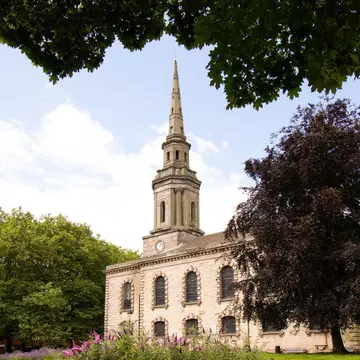
One of England's smallest cathedrals, the striking Cathedral Church of St Philip, was constructed in a neoclassical style between 1709 and 1715. The Pre-Raphaelite artist Edward Burne-Jones was responsible for the magnificent stained-glass windows: the Last Judgement, which can be seen at the western end, and Nativity, Crucifixion and Ascension at the eastern end.
reviewed
-
Q
Gin Parlour
For a taste of life in a Victorian gentleman’s club, head to this sophisticated drinking den. Purple banquettes and dark wood panels frame a backlit bar stocked with the largest selection of gin in the West Midlands. Legal eagles, city slickers and students bowl up for classic movies on Wednesday, Gin’ll Fix It on Friday and a burlesque show on the last Thursday of every month.
reviewed
-
R
Rag Market
If the designer stores get too much, head for Birmingham’s famous, frenetic Rag Market. This huge, hangar-like hall is crammed with everything from handbags and cocktail frocks to leather jackets and jeans. Dressmakers delight in the rolls of satin, chiffon and organza, while many a fancy-dress outfit has been sourced from the wigs, hard hats and boiler suits on sale.
reviewed
-
S
National Sealife Centre
The National Sealife Centre , a state-of-the-art facility designed by Sir Norman Foster, is the largest inland aquarium in England; it swarms with exotic marine life. There's a sea-horse breeding facility - if you're lucky you might get a rare glimpse of a male sea horse delivering his thousand babies. The otter sanctuary is also a favourite with kids.
reviewed
-
Jewellery Quarter
The obvious place for unique local shopping in Birmingham. Much of the jewellery manufactured in England comes from this region and there are more than a hundred shops selling traditionally handcrafted gold and silver jewellery, watches and more. The Museum of the Jewellery Quarter has leaflets detailing notable retail outlets and artisans.
reviewed
Advertisement
-
T
Aston Hall
This Jacobean mansion, built between 1618 and 1635, boasts some impressive pieces and houses some furniture, paintings and textiles from the Birmingham Museum's collections (look for the Romney and Gainsborough in the dining room). There are turrets, gables, plaster ceilings and friezes, and a panelled gallery that's over 40m (130ft) long.
reviewed
-
U
Birmingham City University
At Birmingham City University the emphasis is firmly on getting its graduates into work. From health care to music, via media, acting and art, students study highly vocational degrees. Its eight campuses are dotted around Birmingham, providing mini-enclaves of specialist learning, each with strong faculty atmospheres.
reviewed
-
V
Birmingham Back to Backs
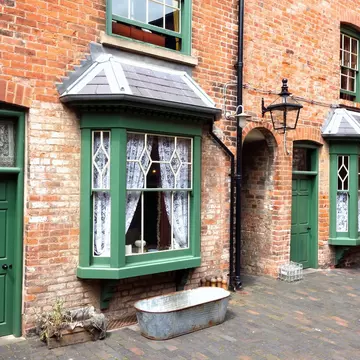
This is a cluster of restored working people’s houses, the only survivor of 20,000 courts of similar homes built during the 19th century for the city’s rapidly expanding working class. The tour winds through four houses, revealing the interesting stories of those who lived here between the 1840s and the 1970s.
reviewed
-
W
Warehouse Cafe
Wooden floorboards and the odd painted girder set the scene in this chilled-out veggie and vegan cafe beside Digbeth’s railway arches. Treats include lentil and sundried-tomato sausages, vegetable salad with hazelnut pesto, and seasonal soups. But leave room for the hot chocolate brownie with raspberry sauce.
reviewed
-
X
Gatecrasher
Huge, heaving and hypnotic, this multimillion pound superclub is a glammedup, Ibiza-inspired experience, featuring four clubs, nine bars and one of the snazziest light and sound systems in the country. Music styles range from dance and house, via alternative mashup and cool indie, to R&B and live bands.
reviewed