Oct 22, 20259 min read
14 Best Things to Do in Bristol, EnglandOct 22, 2025
9 MIN READ

Writer
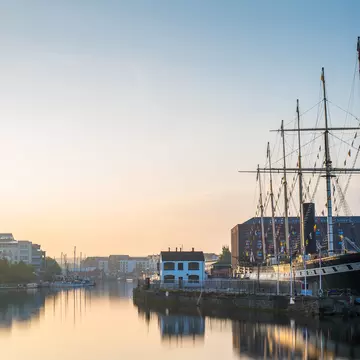
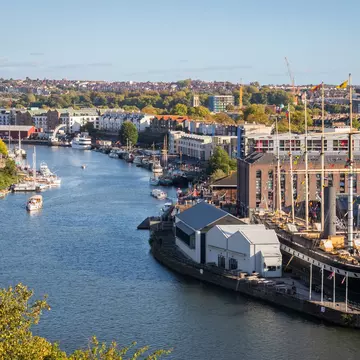
Bristol waterfront and cityscape in England, featuring Bristol Harbourside, Spike Island, Bristol Feeder Canal and Brunel's SS Great Britain. I Wei Huang/Shutterstock

Writer
Highlights
Writer James March picks 14 Bristol activities, from brewpubs to Victorian ships.
Walk the Clifton Suspension Bridge and hunt for Banksy's street art around Bristol.
Board the SS Great Britain to explore Brunel's mighty 1843 steamship in Bristol Harbour.
For history, visit M Shed; for craft beer, head to Left Handed Giant brewpub.
Lonely Planet may earn a commission from affiliate links on our site. All recommendations and reviews reflect our own independent opinions.
Art-splashed Bristol is one of Britain’s most distinct cities, with its hills and rivers providing an undulating urban canvas. But there’s much to see here beyond the work of Bristol’s celebrated street artists (like a certain Banksy).
This lively city in England’s southwest is home to some fine pubs, great museums, an underrated music scene, superb festivals and quality food experiences. It also offers plenty of outdoor adventures to celebrate the unique topography.
Here are some of the best things to do in Bristol:
England’s southwest is famous for its cider production, and there are plenty of places to sample the sweet fermented apple drink. But Bristol makes some seriously good beer, too.
Cross the sleek curved walkway over the water to multifloored Left Handed Giant brewpub for Bristol’s biggest and brightest beer experience, but don’t miss taprooms like Lost and Grounded and Wiper and True, either.
Cask ale–focused traditional pubs are splendid here too, with both the Kings Head and the Good Measure pouring a range of quality beers from stouts to IPAs (and especially from fine local brewery Good Chemistry).
Detour: If you do need a cider fix, don’t miss the Coronation Tap (or CoriTap to locals). The 200-year-old cider house at the end of a low-lit street in Clifton is famous for serving the fearsome 8.4% Exhibition cider (and it’s only available in half pints).
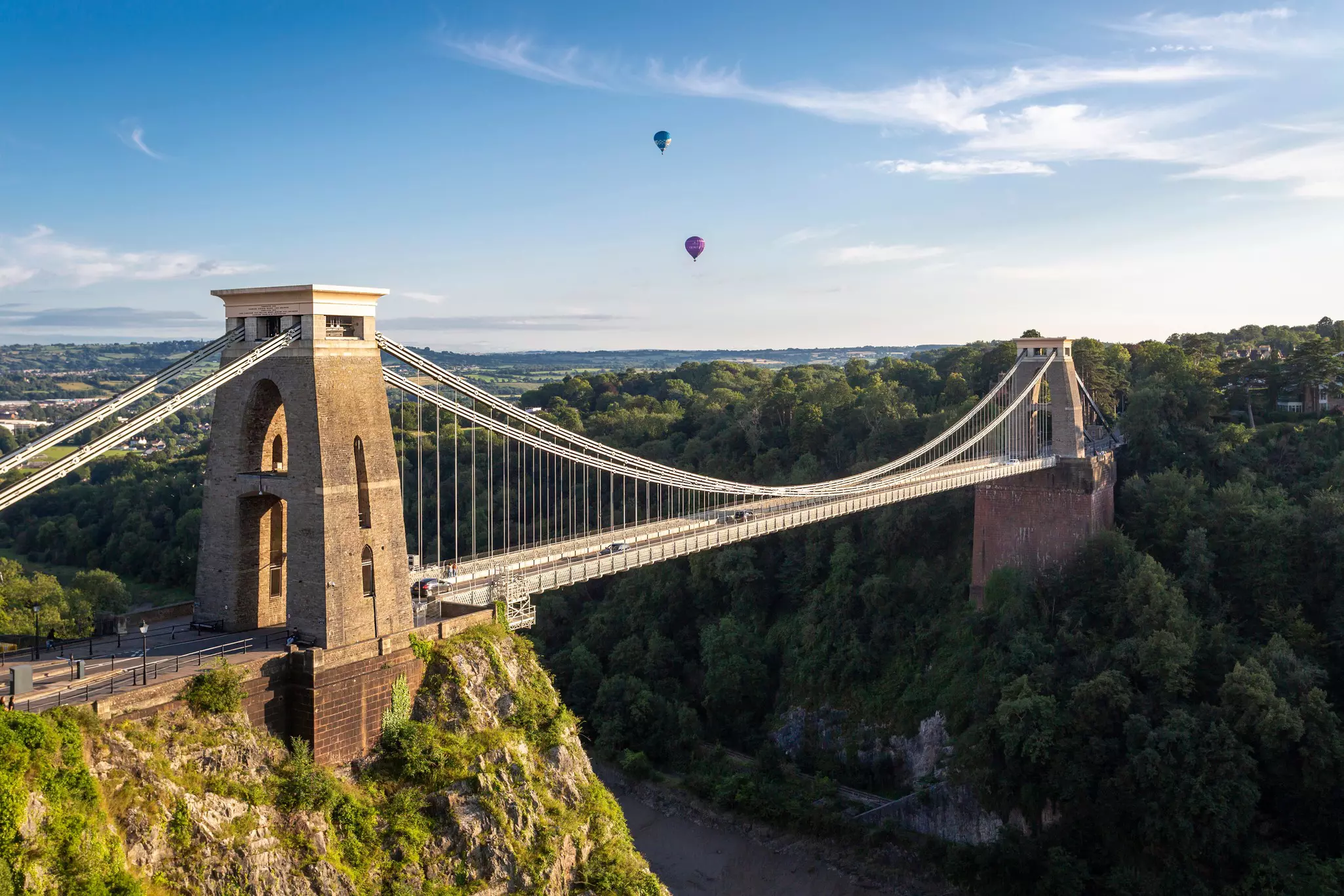
Completed in 1864, the Clifton Suspension Bridge took 34 years to build and crosses the Avon Gorge’s 245ft-high chasm. Designed by visionary Victorian engineer Isambard Kingdom Brunel, the bridge is an icon of Bristol and links the Georgian neighborhood of Clifton to bucolic North Somerset.
Meander across the bridge and soak up wide-screen views before dropping by the free-of-charge Clifton Suspension Bridge Museum to learn more about its construction. There’s a lovely spot on the Clifton side just to the south of the bridge down a small trail that’s excellent for photos, especially at sunset (look out for the bench).
Detour: Just a short walk from the bridge’s western end, Leigh Woods Nature Reserve is only 2 square miles, but among its serene trails is Stokeleigh Camp, an Iron Age hill fort dating back to 350 BCE. There are some lovely views of the bridge nearby, too.
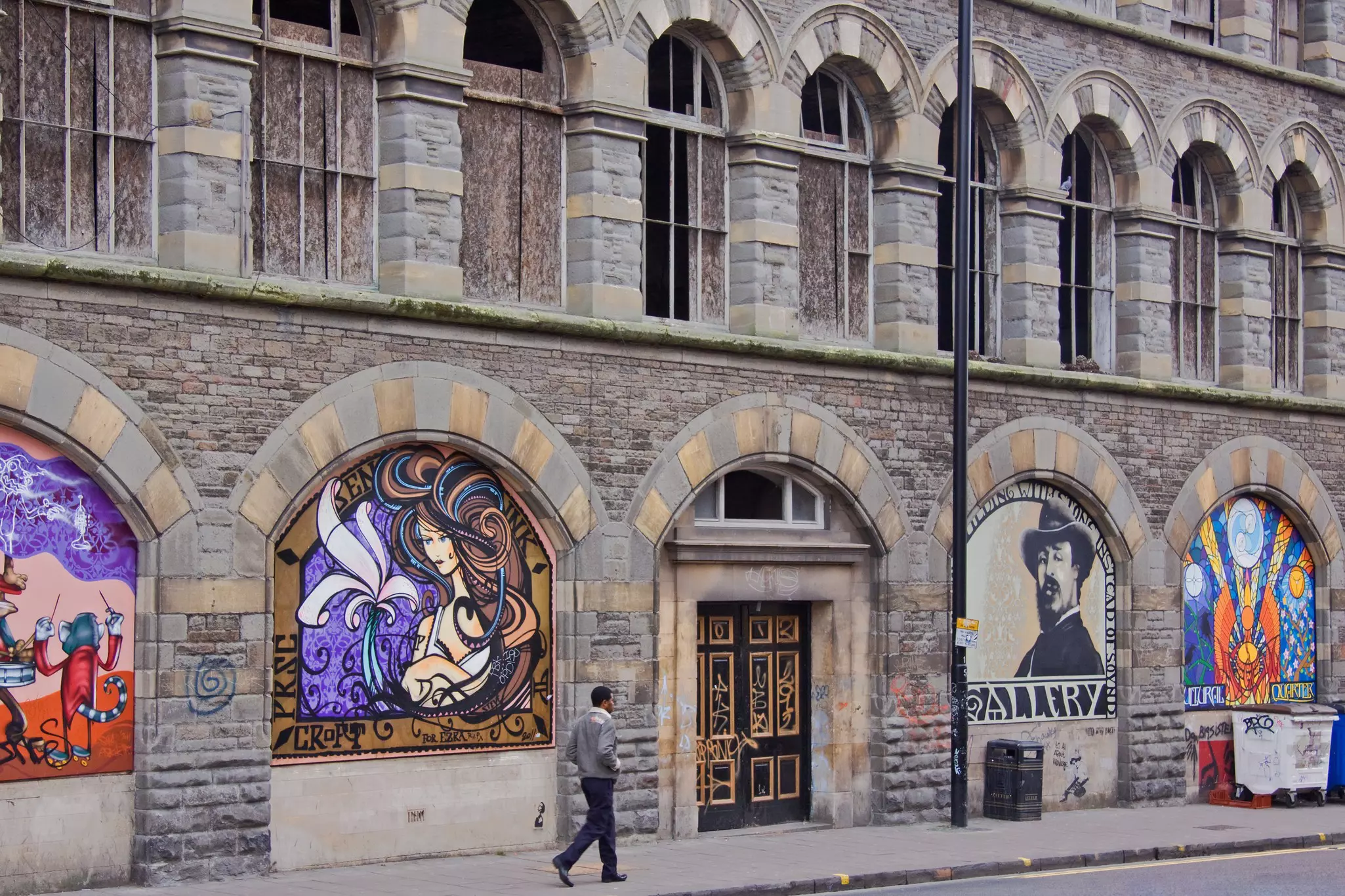
Yes, Banksy is probably the reason you know Bristol in an artistic context, but this city’s street art extends far beyond his distinct stencil work. One of the biggest joys of strolling through Bristol is the element of surprise, from Irony’s cheeky seagull peeking around a terraced house corner on North Street to Sophie Long’s sublime flowers and hummingbirds flanking the windows above a cafe on Bedminster Parade.
If you do want to see the best of Banksy, then one of the most immersive ways is through Bristol Street Art Tours’ in-person tour every Saturday or through self-guided audio tours at your own convenience. Not only will you explore classic works like Mild Mild West and Well Hung Lover, you’ll also hear about their history and cultural significance.
Planning tip: As the in-person tour only takes place on Saturdays, book well ahead of time to secure a spot and plan your trip around that day.
From Massive Attack to IDLES, Bristol’s music heritage is diverse. While its festivals are great, there are also plenty of venues where you can catch upcoming and established acts all year round.
Check the listings and look out for concerts every week at smaller spots like The Fleece, Strange Brew, SWX and the Jam Jar. These are your go-to's for more intimate gigs, while larger venues include the Bristol Beacon and the 02 Academy. Keep an eye out for summertime gigs at Millennium Square too, like the Bristol Sounds series.
From the bridge to the breweries, water is never far in Bristol, and there are plenty of ways to make the most of it. SUP Bristol leaves from Bristol Harbour and offers both kayaking and stand-up paddleboarding throughout the day for all experience levels.
For something a little quirkier, The Wave is a pioneering wedge-shaped surfing lake that's powered by 100% renewable energy and the first of its kind in the UK. Surfing so far from the coast feels a little odd at first, but that all falls away once you catch your first wave under the eyes of the encouraging coaches.
Planning tip: The Wave is around 10 miles north of Bristol, but it’s awkward to reach by public transportation, so book a taxi or drive there if you have a car.
When you need a morning caffeine fix, you'll feel lucky to be in Bristol. The city is blessed with some superb independent roasters. Everything from bold espressos to smooth flat whites are made with love and passion, at locations in the city center and its lively neighborhoods.
Some of the finest include Tincan Coffee Co. in Bedminster, Small Street Espresso in the Old City, New Cut Coffee in Wapping Wharf and Interlude Coffee on St Michael’s Hill. If you've just arrived by train, Hart’s Bakery makes delectable pastries and some ace coffee to match.
The weather in Britain can be unpredictable, and that’s putting it kindly. Still, Bristol has no fear of downpours, and thus taking a dip in its lido is a rather liberating experience.
An oasis in the heart of Clifton’s busy residential streets, Bristol Lido is a restored Victorian outdoor swimming pool flanked by wooden changing rooms on one side and a modern European restaurant on the other. And if swimming in the winter months is a little too wild, the lido's toasty hot tub and sauna bring a little Scandi sophistication to suburban Bristol.
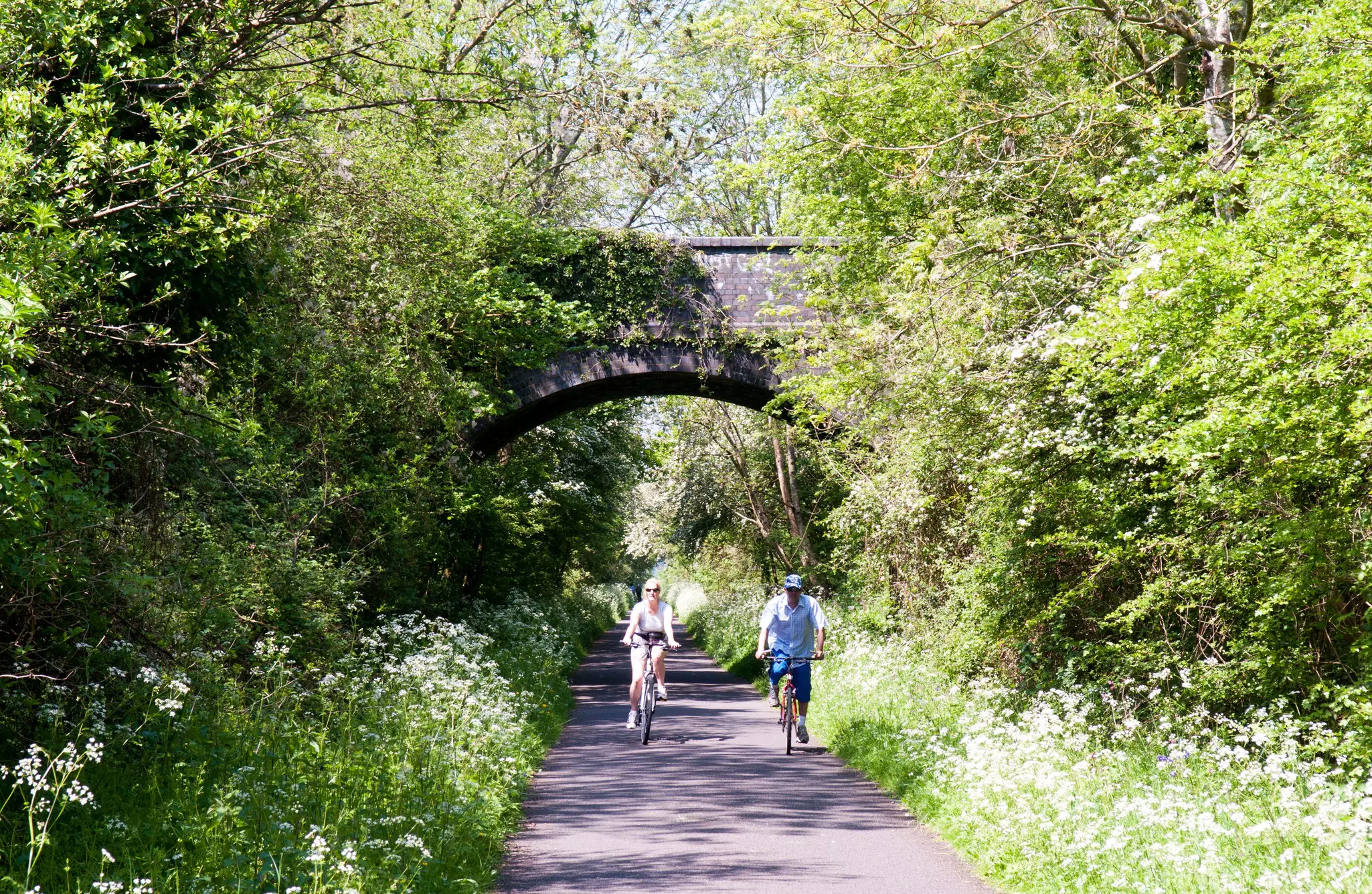
Repurposing disused railway lines into serene trails has become popular in recent years. And in Bristol’s case, it’s the 14-mile Bristol and Bath Railway Path that offers an eco-friendly path to Bath’s ancient Roman spas and majestic Georgian streets.
Following the old Mangotsfield and Bath branch line, which closed in 1966, cycling is the best way to travel this route. Rolling along on an e-bike is a particularly easy experience (with some light pedaling). Bike Bristol, EcoMove and WESTbike all offer e-bike hire, either for a day or for longer periods.
Planning tip: Consider mixing up your trip by spending a night in Bath, one of the UK’s prettiest cities.
When summer’s sun-kissed days arrive, Bristol brings some quality festivals starting in May. Find joyous dance music at Love Saves the Day, while Dot to Dot Festival is more for the indie-heads. Bristol Comedy Garden in June is perfect for laughs, while Bristol Harbour Festival showcases local talent from multiple artistic genres.
July is also home to Bristol Pride; celebrate with the LGBTIQ+ community on Pride Day on July 12. See the festival summer out with Encounters Film Festival, focusing on the world’s best new short films.
Getting away from the hum and hustle of the city is never a bad thing, and The Downs are a breezy escape just north of Clifton Village. Once used as an Iron Age hill fort and later as a grazing plain for sheep and cattle, they’re now a fine place to go for a stroll or a cycle. You might also see locals playing football here, taking advantage of these yawning great spaces.
You'll get a lovely view of the Avon River and the distant Clifton Suspension Bridge in Clifton Down’s northwest corner.
Detour: Durdham Down, just to the north of Clifton Down, is home to Forwards Bristol, a diverse two-day music festival in August.
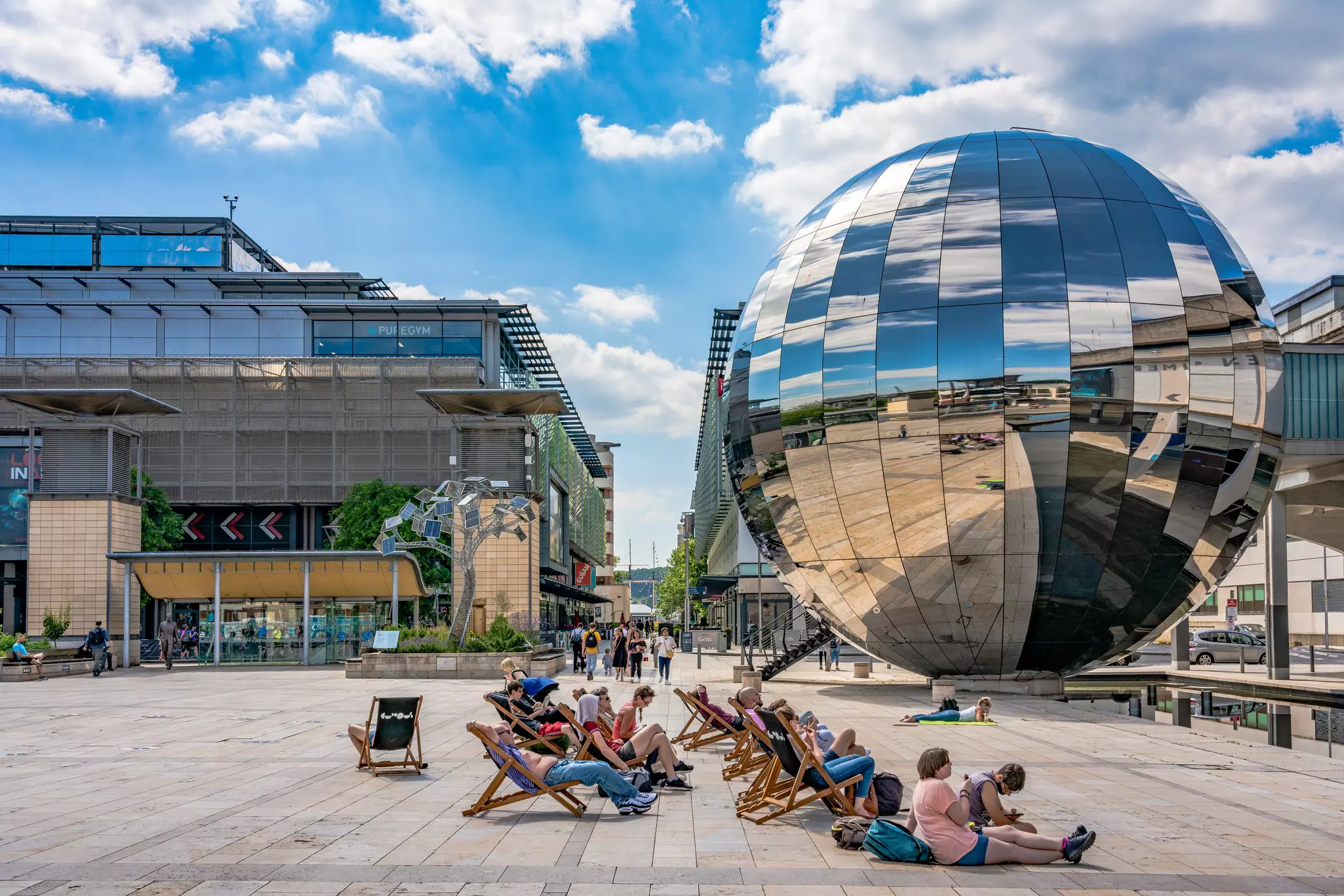
The blocky shipping containers down at Wapping Wharf are filled with an array of culinary delights in a cool environment. Check out both levels of the blue containers before diving into fried chicken from Gurt Wings, sushi from Seven Lucky Gods or bagels from the brightly painted Bagelry Box.
Planning tip: Several museums are in this area, so perhaps plan a visit to the likes of M Shed or We The Curious first, and drop by Cargo afterward for a bite to eat.
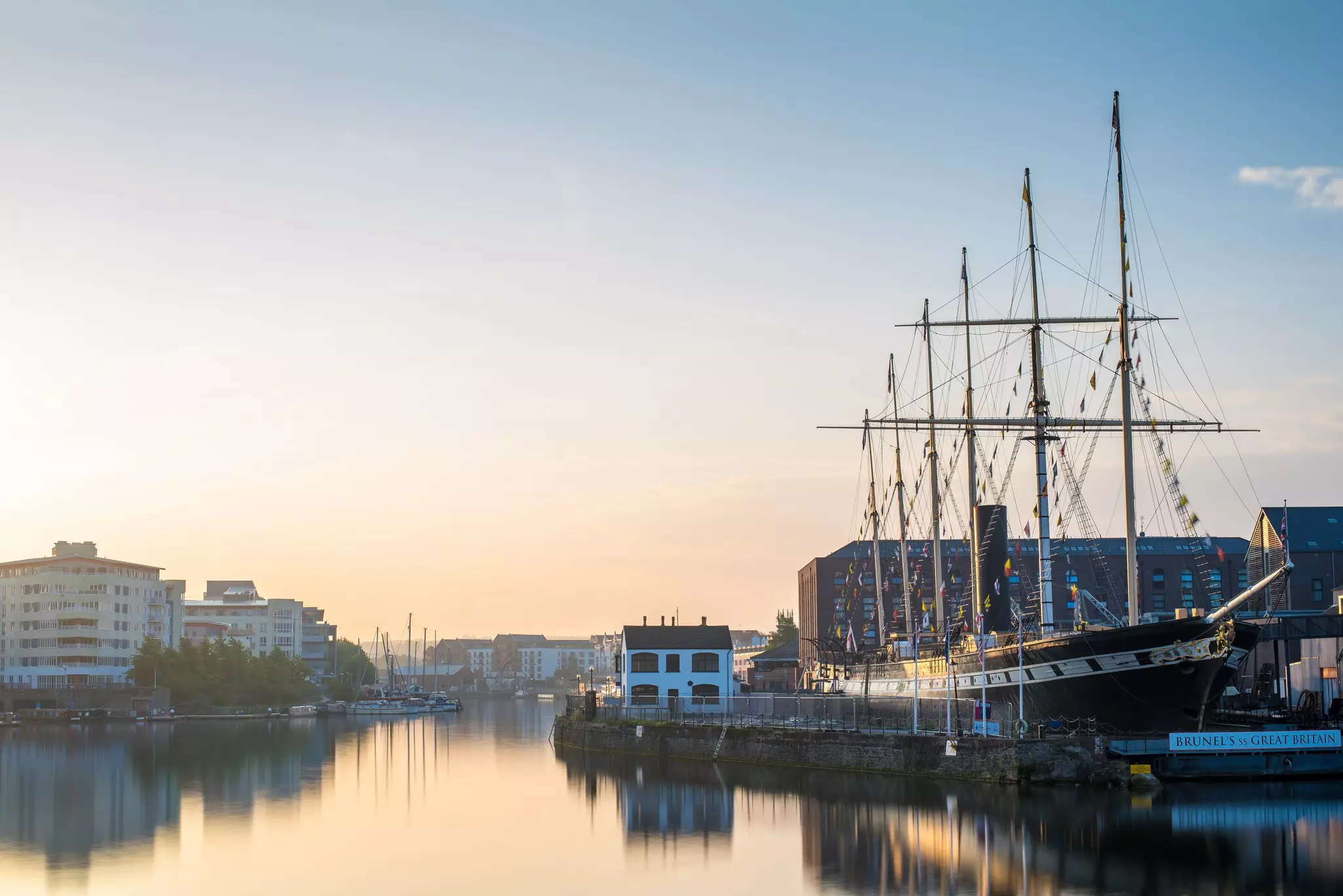
Bristol has a strong maritime history. The city is located near the mouth of the Bristol Channel, which snakes into the Atlantic Ocean; The mighty SS Great Britain has lived here since 1970. Designed by Brunel and launched in 1843, the steamship features masts that soar high above Bristol Harbour. Visitors can explore almost every inch of the 98m(321ft)-long vessel.
Strolling the deck, peering into luxury cabins and hearing the passengers' stories are all part of the experience, but it’s the slightly unnerving walk beneath the vast hull and around its huge propeller that’s most memorable.
Planning tip: If you’re here for a long weekend, make sure to visit by Sunday at the latest since the SS Great Britain is closed on Mondays.
Bristol’s sustainable sensibility means it’s a good place for vegans and vegetarians to eat seriously well, rather than just be humored with a couple of options at the bottom of the menu. VeBurger in Wapping Wharf and Oowee Vegan on Baldwin St both sling generously filled burgers, while over in Montpelier Koocha’s plant-powered Persian mezze dishes will light up any night.
And don’t forget to start your day right at East Village Café in Clifton (their collection of puff pastries, cakes and soups is delightful).
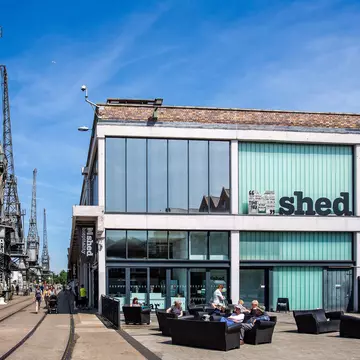
Some city museums display exotic art and artifacts from far-flung corners of the globe, but M Shed goes deep into Bristol’s own story, from its unsung heroes to proud neighborhood heritage.
M Shed celebrates everything that makes Bristol what it is today – without shying away from difficult episodes of the past. Handled with particular care is the city’s historical relationship with the slave trade, especially the sobering exhibition on the (in)famous Bristol merchant and colonial trader Edward Colston.
Explore related stories