Things to do in Manchester
-
A
Museum Of Science & Industry
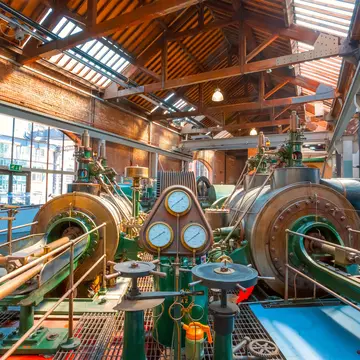
The city’s largest museum comprises 2.8 hectares in the heart of 19th-century industrial Manchester. It’s in the landscape of enormous, weather-stained brick buildings and rusting cast-iron relics of canals, viaducts, bridges, warehouses and market buildings that makes up Castlefield, now deemed an ‘urban heritage park’. If there’s anything you want to know about the Industrial (and post-Industrial) Revolution and Manchester’s key role in it, you’ll find the answers among the collection of steam engines and locomotives, factory machinery from the mills, and the excellent exhibition telling the story of Manchester from the sewers up. With more than a dozen permanent exhibi…
reviewed
-
B
Old Trafford (Manchester United Museum & Tour)
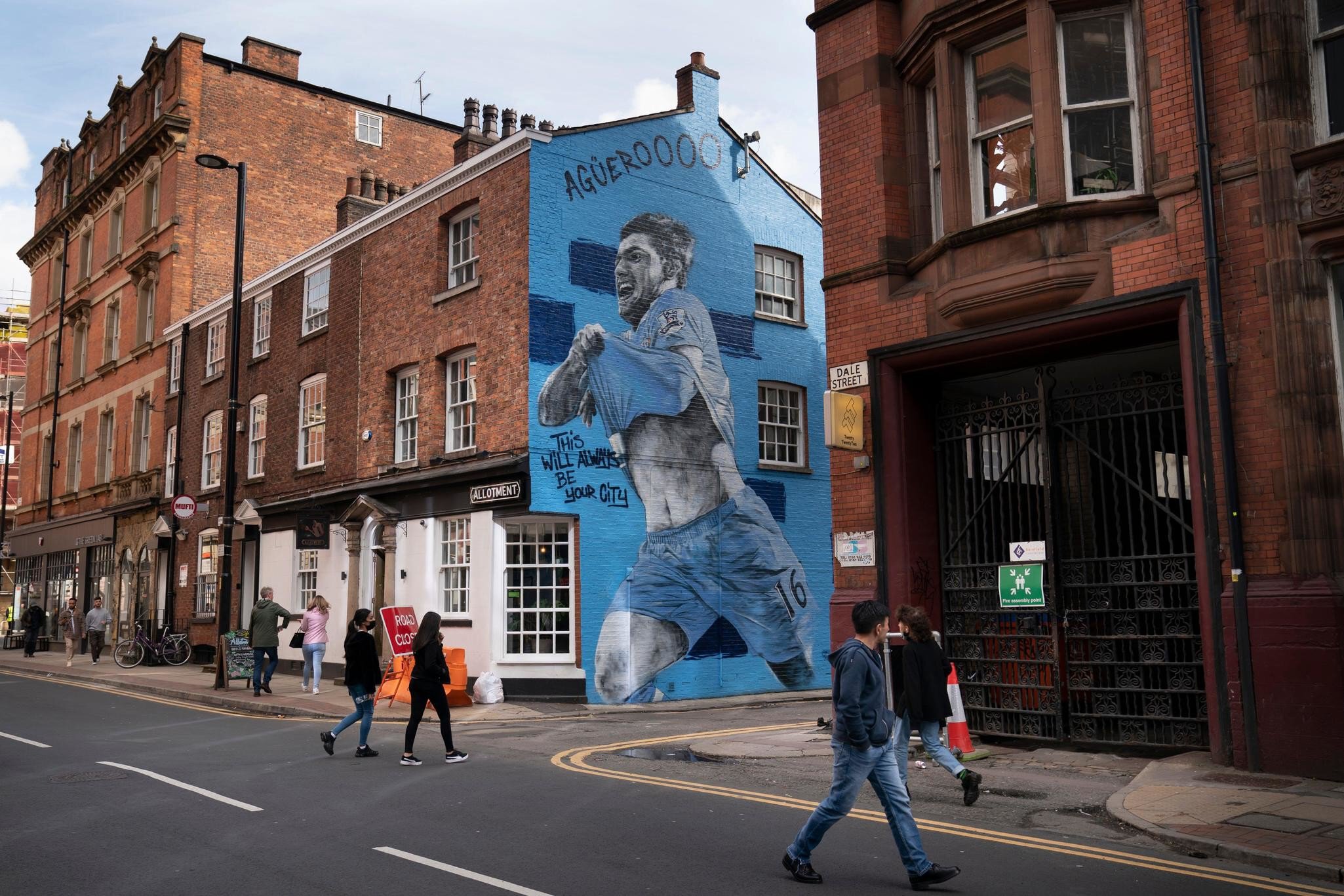
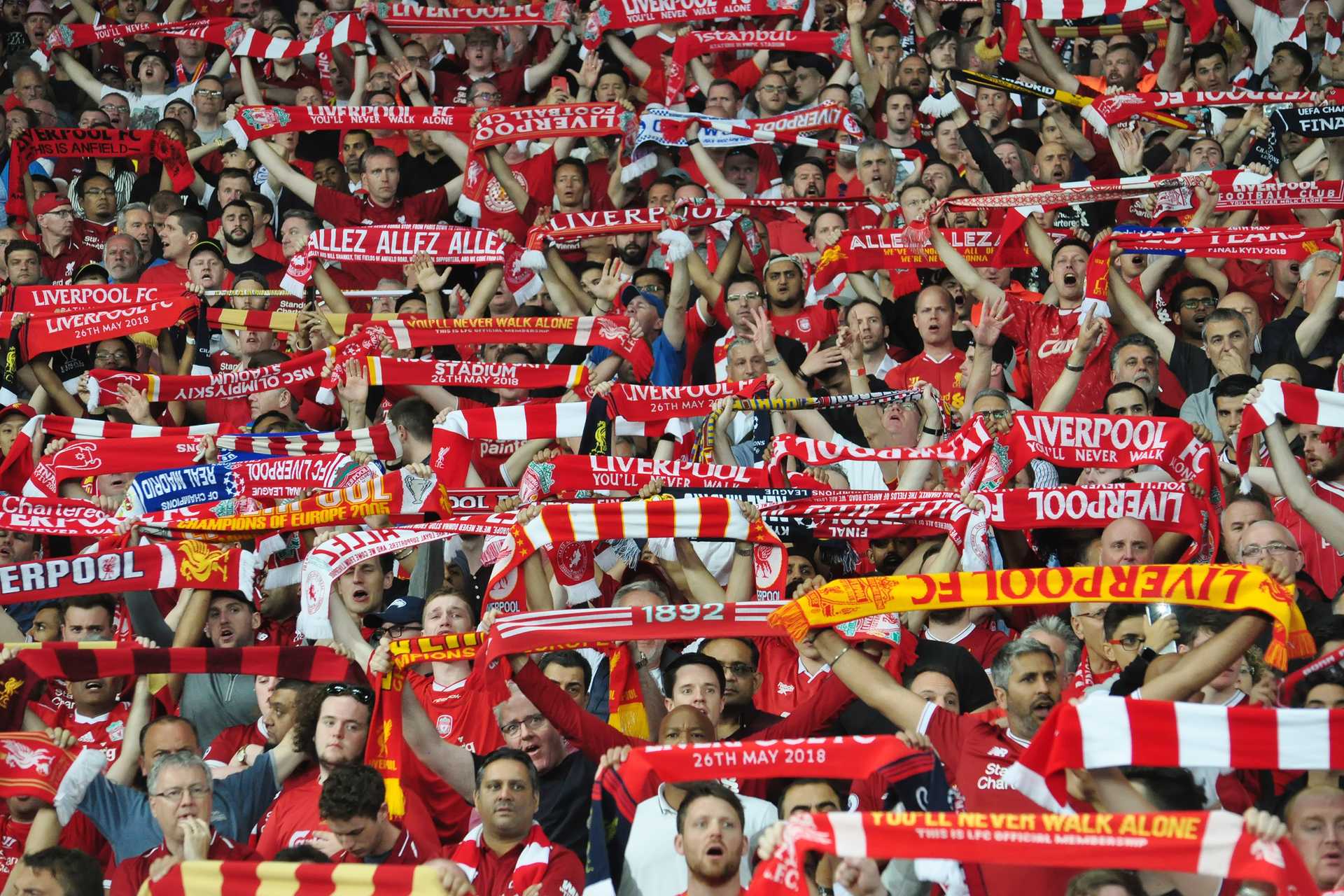
Home of the world's most famous club, the Old Trafford stadium is both a theatre and a temple for its millions of fans worldwide, many of whom come in pilgrimage to the ground to pay tribute to the minor deities disguised as highly paid footballers that play there. Ironically, Manchester United are not as popular in Manchester as their cross-town rivals Manchester City, whose fans have traditionally regarded United's enormous wealth and success in strictly Faustian terms. United fans snigger and dismiss this as small-minded jealousy, but they too have become disillusioned with the price of success and during the 2009–10 season protested vehemently against the club's owner…
reviewed
-
C
John Rylands Library
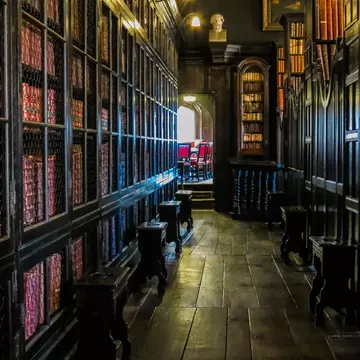
An easy candidate for top building in town, this marvellous (and suitably ominous looking) Victorian Gothic library was one hell of a way for Rylands' widow to remember her husband, John. Less a library and more a cathedral to books, Basil Champneys' stunning building is arguably the most beautiful library in Britain – although there's not much argument when you're standing in the simply exquisite Gothic 'Reading Room', complete with high-vaulted ceilings and stained-glass windows. It's such a breathtaking building that you could easily ignore the magnificent collection of early printed books and rare manuscripts. A £16 million refit has resulted in the addition of a surp…
reviewed
-
D
Sankey's
If you're a fan of techno, electro or any kind of nonmainstream house music, then a pilgrimage to Manchester's best nightclub should on no account be missed. Sankey's has earned itself legendary status for being at the vanguard of dance music (Chemical Brothers, Daft Punk and others got their start here) and its commitment to top-class DJs is unwavering: these days, you'll hear the likes of Timo Maas, Seb Leger and Thomas Schumacher mix it up with the absolutely superb residents. Choon! The best way to get here is to board the free Disco Bus that picks up at locations throughout the city from 10.30pm to 2am Friday and Saturday, and between 10.10pm and 1am the rest of the …
reviewed
-
E
Manchester Art Gallery
A superb collection of British art and a hefty number of European masters are on display at the city's top gallery. The older wing, designed by Charles Barry (of Houses of Parliament fame) in 1834, has an impressive collection that includes 37 Turner watercolours, as well as the country's best collection of Pre-Raphaelite art. The newer gallery features a permanent collection of 20th-century British art starring Lucien Freud, Francis Bacon, Stanley Spencer, Henry Moore and David Hockney. Finally, the Gallery of Craft & Design, in the Athenaeum, houses a permanent collection of pre-17th-century art, with works predominantly from the Dutch and early Renaissance masters.
reviewed
-
F
Yang Sing
A serious contender for best Chinese restaurant in England, Yang Sing attracts diners from all over with its exceptional Cantonese cuisine. From a dim-sum lunch to a full evening banquet, the food is superb, and the waiters will patiently explain the intricacies of each item to punters who can barely pronounce the dishes' names. Bookings suggested for evening meals.
reviewed
-
G
Tampopo
Fast and furiously efficient, you're in and out of this Asian fusion canteen-style restaurant before you can learn the difference between the various gorengs (noodles or rice). The food is uniformly excellent and well worth the 30-second wait. There are vegan, vego and allergy-sensitive meals available.
reviewed
-
H
El Rincón del Rafa
Descend the steps into this basement restaurant and find yourself in a little corner of Spain, complete with mouthwatering tapas, posters depicting bullfighting and the kind of buzz more in keeping with Madrid than Manchester. It's always packed so book ahead.
reviewed
-
I
People's History Museum
A major refurb of an Edwardian pumping station – including the construction of a striking new annexe – has resulted in the expansion of one of the city's best museums, which is devoted to British social history and the labour movement. You clock in on the 1st floor (literally: punch your card in an old mill clock, which managers would infamously fiddle so as to make employees work longer) and plunge into the heart of Britain's struggle for basic democratic rights, labour reform and fair pay. Amid displays like the (tiny) desk at which Thomas Paine (1737–1809) wrote Rights of Man (1791) and an array of beautifully made and colourful union banners are compelling inter…
reviewed
-
J
National Football Museum
It's the world's most popular game and Manchester is home to the world's most popular team, so when this museum went looking for a new home (from its previous location in the stand of Preston North End Football Club [FC], winners of the first professional league championship in 1889), it made sense that it would find its way to the stunning glass triangle that is Urbis. Slated to open in 2011, the museum will be a major stop in the football fan's Manchester pilgrimage and promises a major revamp of the displays exhibited in Preston. There'll be the usual array of footy memorabilia as well as a host of interactive, multimedia displays that will (hopefully) explain the game…
reviewed
Advertisement
-
K
Lowry
Looking more like a shiny steel ship than an arts centre, the Lowry is the quays’ most notable success. It attracts more than one million visitors a year to its myriad functions, which include everything from art exhibits and performances to bars, restaurants and, inevitably, shops. You can even get married in the place. The complex is home to more than 300 paintings and drawings by northern England’s favourite artist, LS Lowry (1887–1976), who was born in nearby Stretford. He became famous for his humanistic depictions of industrial landscapes and northern towns, and gave his name to the complex. It has two theatres – the 1750-capacity Lyric and 460-capacity Quays – host…
reviewed
-
L
Urbis
The stunning glass triangle that is Urbis is a museum about how a city works and - often - doesn't work. The walls of the three floors are covered in compelling photographs, interesting statistics and informative timelines, but the best parts are the interactive videos, each of which tell stories about real people from radically different backgrounds and how they fare in Manchester.
It's all well and good to theorise, but there's nothing like a real story to hammer home the truth. Homelessness, rootlessness and dislocation are major themes of urban living, and Urbis doesn't shy away from encouraging visitors to consider what it's like to sleep on a park bench.
reviewed
-
M
Godlee Observatory
Maybe it's the vertiginous spiral staircase, but hardly anyone ever visits the fabulous Godlee Observatory, one of the most interesting places in town. Built In 1902, it is a fully functioning observatory with its original Grubb telescope in place; even the rope and wheels that move the telescope are original. Not only can you glimpse the heavens (if the weather allows), but the views of the city from the balcony are exceptional. It’s located at the University of Manchester Institute of Science and Technology (UMIST). Alternatively, you’ll get great views of the city from the Hilton bar atop the city’s tallest skyscraper, the Beetham Tower.
reviewed
-
Elizabeth Gaskell House
About 3 miles south of the city centre is Elizabeth Gaskell House, a Grade II detached Regency-style villa that was the home of novelist Elizabeth Gaskell, who lived here from 1850 to 1865 (and whose family continued to live here until 1913). It is a rare property: besides its unique literary associations (Charlotte Brontë and Charles Dickens were regular visitors), it is one of the few homes in Manchester whose interior has been carefully maintained and restored to its original elegance. The house has limited opening hours; to get here, take bus 50, 113, 130, 147, 191 or 197 from Piccadilly Gardens, or take the train to Ardwick.
reviewed
-
N
Imperial War Museum North
War museums generally appeal to those with a fascination for military hardware and battle strategy (toy soldiers optional), but Daniel Libeskind's visually stunning Imperial War Museum North takes a radically different approach. War is hell, it tells us, but it's a hell we revisit with tragic regularity.
The exhibits cover the main conflicts of the 20th century through a broad selection of displays, but the really effective bit comes every half-hour when the entire exhibition hall goes dark and one of three 15-minute films (Children and War, The War at Home or Weapons of War) is projected throughout. Visitors are encouraged to walk around the darkened room so as to get the…
reviewed
-
O
FAC 251: The Factory
Tony Wilson's legendary Factory Records label HQ has been converted into a brand new club and live-music venue part-owned by Peter Hook, ex-bass player of Joy Division and New Order. The club nights have a pretty broad appeal, from Monday's Hit & Run (drum 'n' bass, hip hop and dubstep) to Stoned Love on Saturday, which features the music of the ribald days of the late '80s and early '90s. Ex–Stone Roses bass player Mani is on the decks for Wednesday's Fuel.
reviewed
-
P
Castlefield Urban Heritage Park
The Roman fort that gave birth to Manchester was built in Castlefield in AD 79. Later, this became heart of industrial Manchester, a landscape of enormous, weather-stained brick buildings and rusting cast-iron relics of canals, viaducts, bridges, warehouses and market buildings. Castlefield has now been redeveloped into an Urban Heritage Park.
Aside from the huge science museum, the big draw here is the Castlefield Basin. The Bridgewater Canal runs through it; in summertime thousands of people amble about the place and patronise its fine pubs and trendy restaurants.
reviewed
-
Q
Lancashire County Cricket Club
Cricket is a big deal here, and the Lancashire club, founded in 1816 as the Aurora before changing its name in 1864, is one of the most beloved of all England's county teams, despite not having won the county championship since 1930. The really big match in Lancashire's calendar is the Roses match against Yorkshire, but if you're not around for that one, the other games in the county season are a great day out. The season runs throughout the summer. International test matches are also played here occasionally. Take the Metrolink to Old Trafford.
reviewed
-
Whitworth Art Gallery
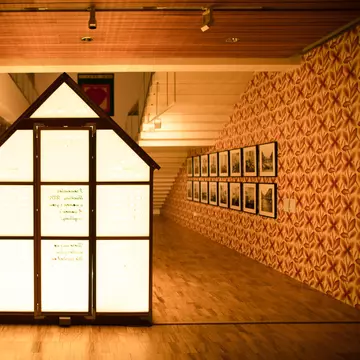
Manchester’s second most important art gallery has a wonderful collection of British watercolours. It also houses the best selection of historic textiles outside London, and has a number of galleries devoted to the work of artists from Dürer and Rembrandt to Lucien Freud and David Hockney. All this high art aside, you may find that the most interesting part of the gallery is the group of rooms dedicated to wallpaper – proof that bland pastels and horrible flowery patterns are not the final word in home decoration.
reviewed
-
R
Manchester Museum
If you’re into natural history and social science, this extraordinary museum is the place for you. It has galleries devoted to archaeology, archery, botany, ethnology, geology, numismatics and zoology. The real treat here, though, is the Egyptology section and its collection of mummies. One particularly interesting part is devoted to the work of Dr Richard Neave, who has rebuilt faces of people who have been dead for more than 3000 years; his pioneering techniques are now used in criminal forensics.
reviewed
Advertisement
-
S
Museum of the Greater Manchester Police
One of the city's best-kept secrets is this superb museum housed within a former Victorian police station. The original building has been magnificently – if a little creepily – brought back to life, and you can wander in and out of 19th-century cells where prisoners rested their heads on wooden (!!) pillows; visit a restored magistrates' court from 1895; and examine the case histories (complete with mugshots and photos of weapons) of some of the more notorious names to have passed through its doors.
reviewed
-
T
River Bar & Restaurant
Head chef Oliver Thomas won the ‘Taste of Manchester’ award in 2010 for his outstanding British cuisine, which emphasises the use of local produce and traditional cooking methods. The result is terrific: how about grilled native lobster with garlic butter and chips, or Welsh Salt Marsh lamb with sweet potato, apricots and sugar-snap peas? Floor-to-ceiling glass panels flood the room with light during the day, and make for romantic evening dining, with the twinkle of the city lights.
reviewed
-
Runway Visitor Park
Immensely popular with plane spotters, the Runway Visitor Park is also the only place in Britain where you can climb aboard Concorde (by separate tour) and explore the inside of a DC-10, an Avro RJX-100 (the last civilian airliner built in the UK) and an RAF Nimrod, which was in active service in Afghanistan as recently as 2010. The park is signposted off the A538 between Junction 6 of the M56 and the airport tunnels, but can also be reached via bus transfer from the airport itself.
reviewed
-
U
Rosso
A Grade II–listed building with two restored domes, an ornate plaster ceiling, stained glass and polished-marble columns is the setting for this new restaurant owned by Manchester United's Rio Ferdinand (hence the name, Italian for 'red'). Whatever possibilities for hubristic disaster (famous footballer owns fancy restaurant?) are averted by the excellent menu, which features well-made Italian classics, and the all-round top-notch atmosphere, which is classy but unfussy.
reviewed
-
V
Mark Addy
A contender for best pub grub in town, the Mark Addy owes its culinary success to Robert Owen Brown, whose loving interpretations of standard British classics – pork hop with honey-roasted bramley, pan-friend Dab with cockles and spring onion et al (all locally sourced) – has them queuing at the door for a taste. It recently opened a riverside deck, so you can eat by the river where, during the 19th century, local publican Mark Addy rescued 50 people from drowning.
reviewed