17 things you should do in Quito, Ecuador
Jun 5, 2026
11 MIN READ
Contributors
Highlights
Writer Brian Healy picks 17 Quito experiences, from Old Town churches to equator museums.
Head to Plaza Grande in the Old Town, where Ecuador's presidential palace lines the main square.
Food lovers should sample encebollado at Mercado Central and inventive tasting menus in La Floresta.
Ride the TelefériQo cable car up Volcán Pichincha, then visit the real equator at Inti Ñan.
A street in the Old Town of Quito, Ecuador. Jon Chica/Shutterstock

Contributors


Lonely Planet Editors, Brian Healy
Highlights
Writer Brian Healy picks 17 Quito experiences, from Old Town churches to equator museums.
Head to Plaza Grande in the Old Town, where Ecuador's presidential palace lines the main square.
Food lovers should sample encebollado at Mercado Central and inventive tasting menus in La Floresta.
Ride the TelefériQo cable car up Volcán Pichincha, then visit the real equator at Inti Ñan.
Lonely Planet may earn a commission from affiliate links on our site. All recommendations and reviews reflect our own independent opinions.
Nestled in the foothills of the Andes, Quito captivates with its beautifully preserved architecture, Indigenous art and cosmopolitan food scene.
One of the world’s highest-altitude capitals (at 2850m, it’s second only to La Paz) will take your breath away – literally and figuratively. Occupying a valley and surrounded by hills, the city has topography that provides drama aplenty. And its enchanting 17th-century Old Town is so immaculately preserved that it was the first city to be granted UNESCO World Heritage status, in 1978.
Yet the Ecuadorian capital often doesn’t get the recognition it deserves, with many travelers treating as a mere setting-off point for trips to the Galápagos, the Andes and the Amazon. Given the allure of these world-famous attractions, that’s fair enough – but Quito is very much a destination in itself.
Since we recommend you stay a while, here are the 17 best things to do in Quito.
1. Wander through the Old Town
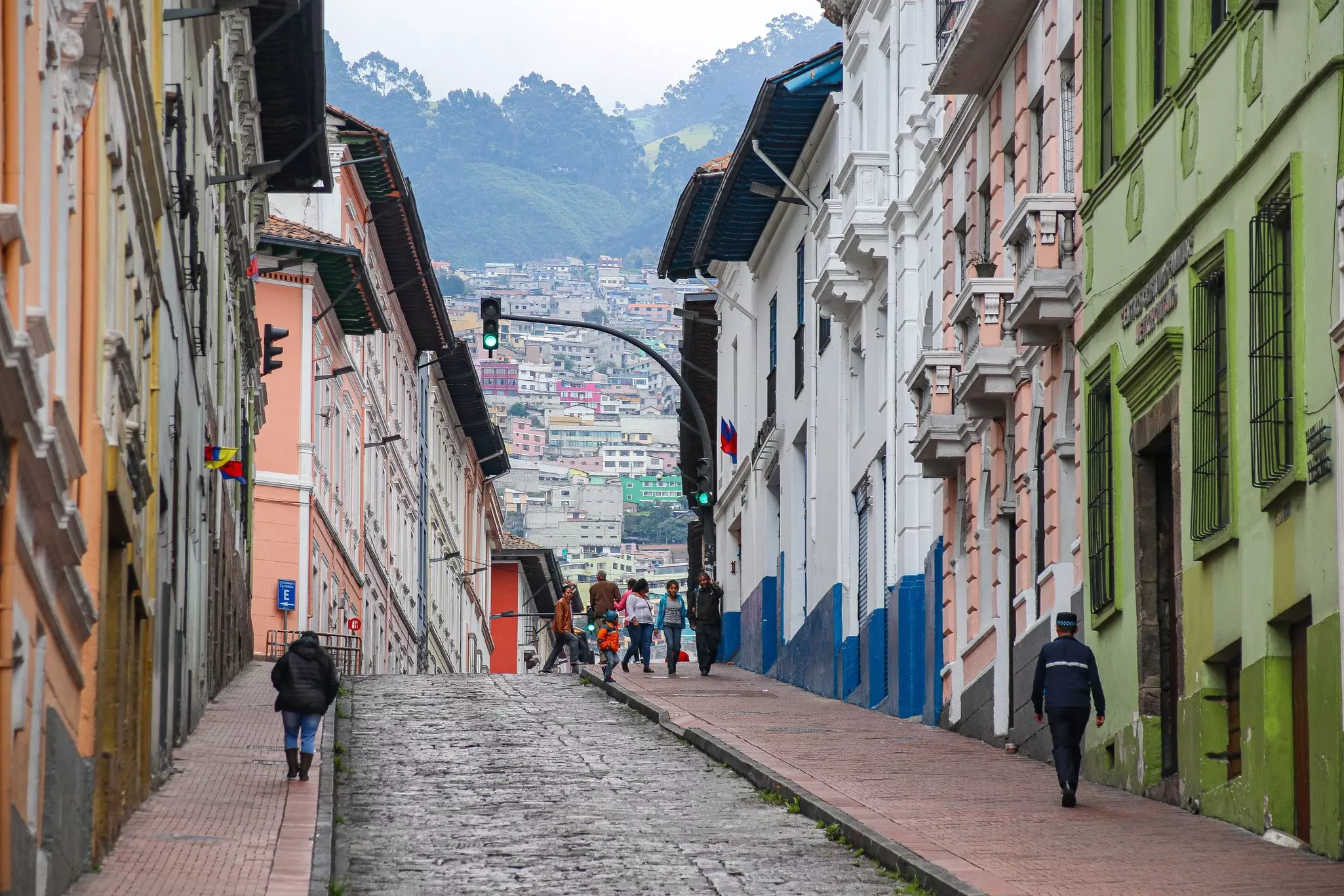
A stroll through the cobblestone streets of the centro histórico (historic center) reveals a treasure trove of magnificent basilicas, grand plazas, elegant palaces, museums and monasteries.
Delightfully, the area is the opposite of an open-air museum filled with tacky souvenir stores: it’s very much a pulsating commercial hub without any whiff of tourist trap. Even with the gorgeous backdrop, the Old Town is very much about the present. Its plazas, cafes and restaurants are packed with chatty locals going about their business in the capital’s political and cultural beating heart.
2. Make a grand entrance at the Plaza Grande
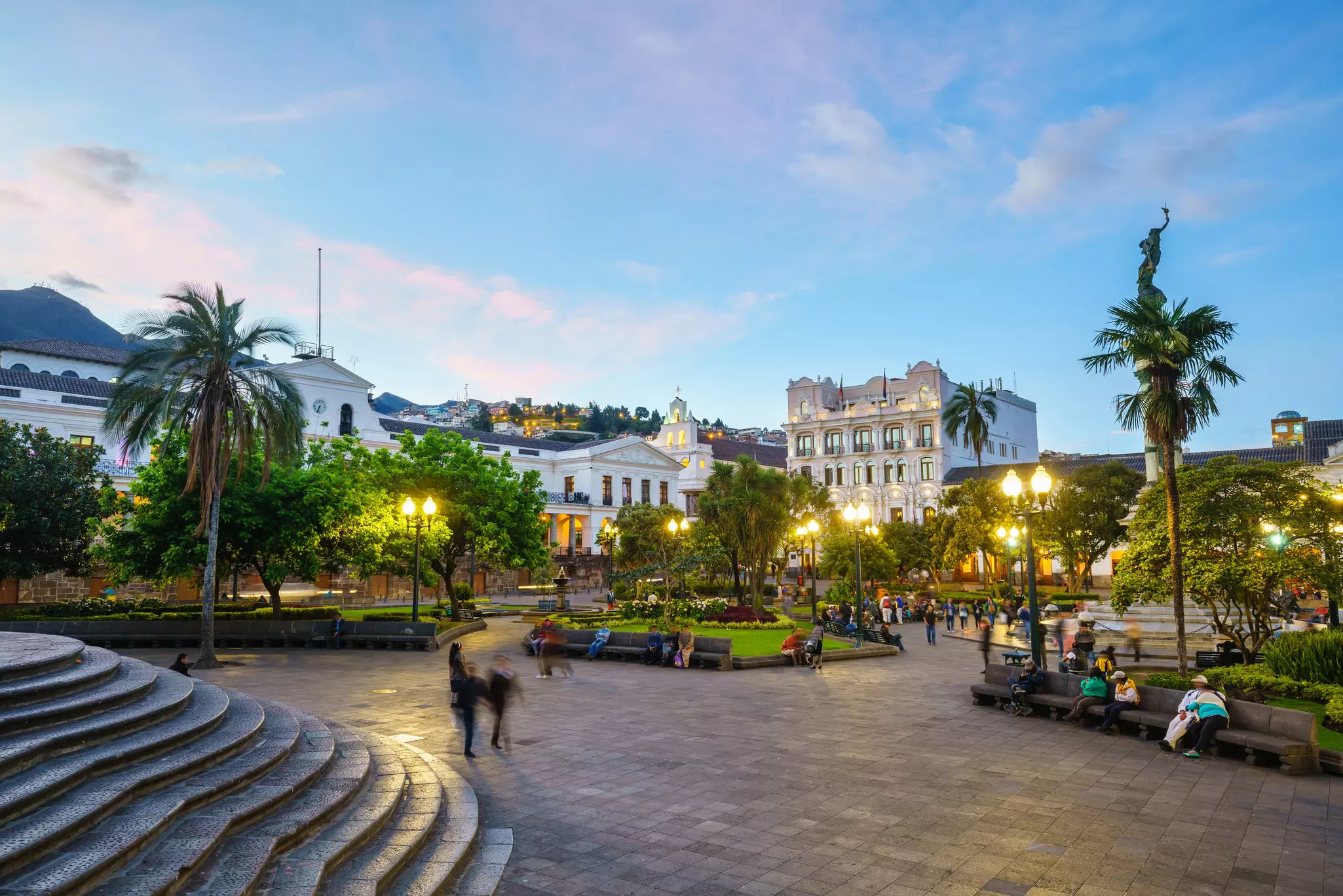
At the center of the capital lies the captivating Plaza Grande, the Old Town’s main square, where history, culture, politics and everyday life converge. It’s also called Plaza de la Independencia, and at its center a rousing monument salutes those who declared Ecuador’s nationhood in 1809.
Lining the square are some of Quito’s most significant buildings, namely the presidential palace, city hall and Catedral Metropolitana. The monumental building fronting the plaza from the northwest is Palacio de Gobierno (Carondelet Palace), the seat of Ecuador’s president
Planning tip: Visit the Palacio de Gobierno at noon on a Tuesday for the changing of the guards. Arrive early to secure a spot at the front of the crowd.
3. Raise your glass in the Plaza de San Francisco
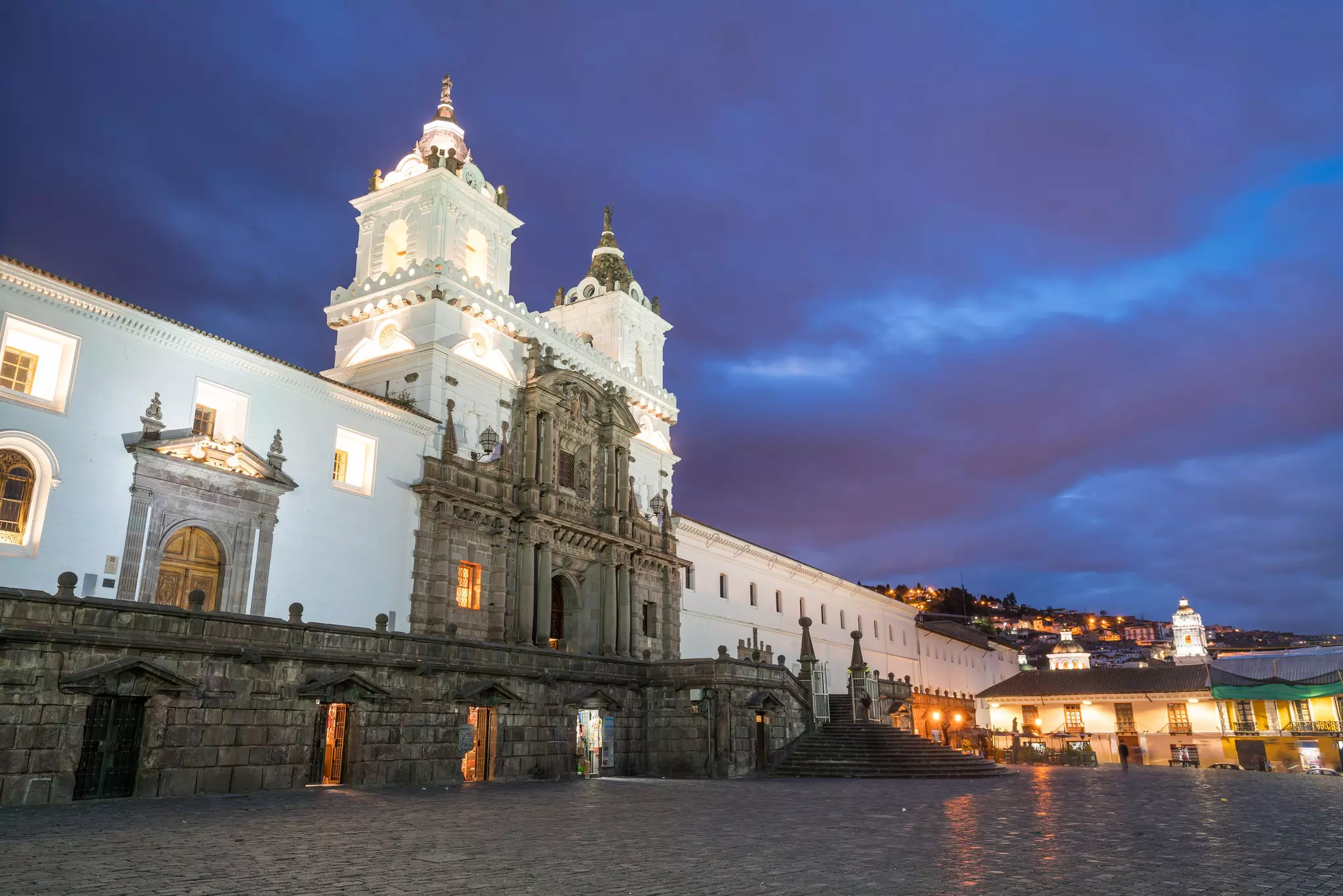
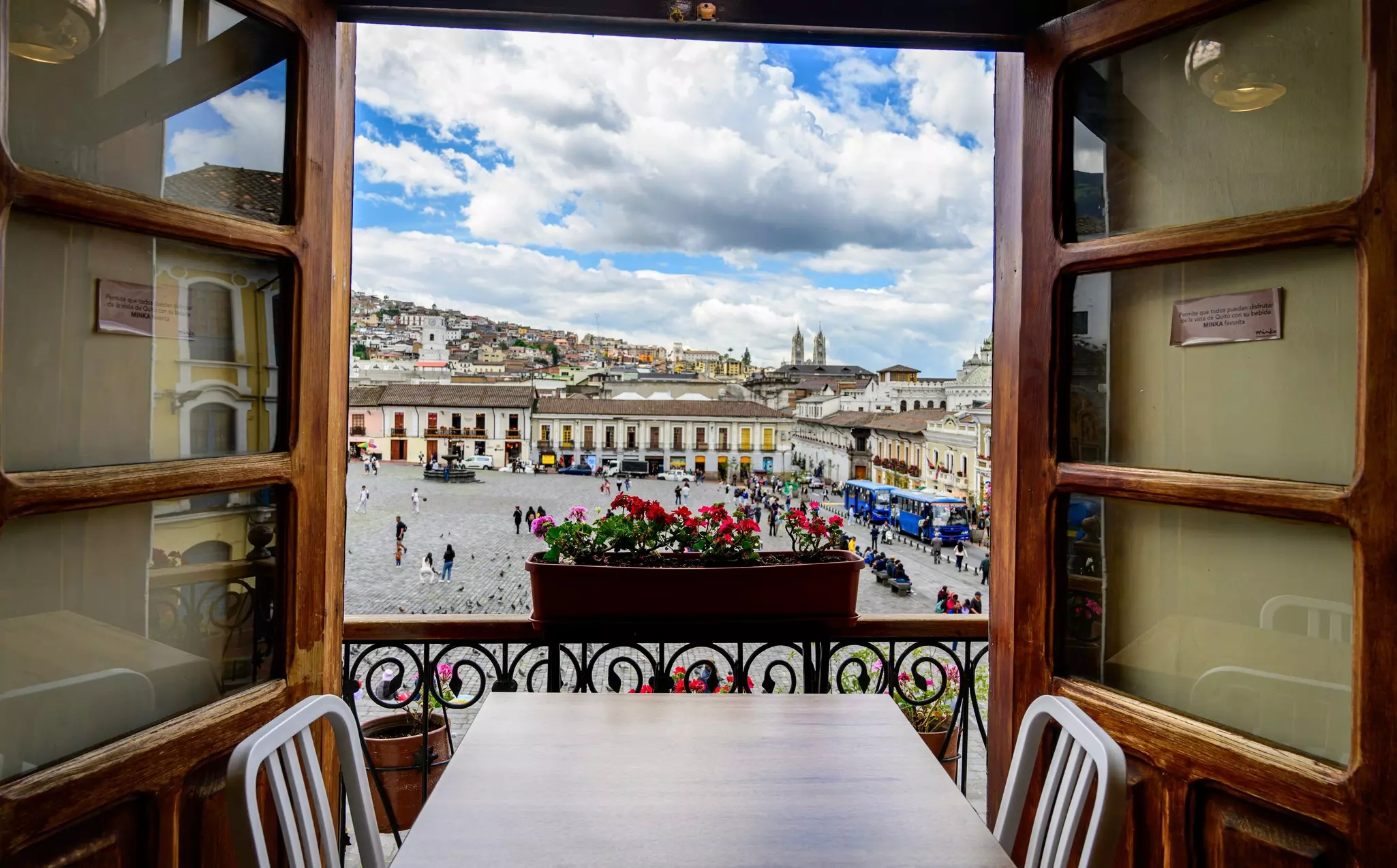
Against a mountainous backdrop, the cobblestone Plaza de San Francisco is one of the Old Town’s most picturesque squares. Hang around for traditional Ecuadorian cuisine at La Bodega de Catuña, built into the stone basement of the nearby church, or peruse the adjacent Ecuador Shops, also within the church’s underground passageways.
Planning tip: Be sure to visit the plaza’s namesake, Iglesia y Convento de San Francisco, a church that dates back to 1535 and is the largest religious complex in all of Latin America.
4. Eat up at the Mercado Central
Since few places offer a better glimpse into local life than a city market, Quito’s Mercado Central should be on any visitor’s itinerary. The food is the main highlight here, so bring along an appetite and choose from an array of traditional local options. If you’ve yet to try it, order the encebollado (fish stew); otherwise, there are corvina (sea bass) dishes, fritada (fried chunks of pork, served with hominy) and locro de papas (potato soup served with avocado and cheese).
Planning tip: Be sure to visit the downstairs stalls for local botanicals like coca leave4.
5. Light up your night on Calle La Ronda
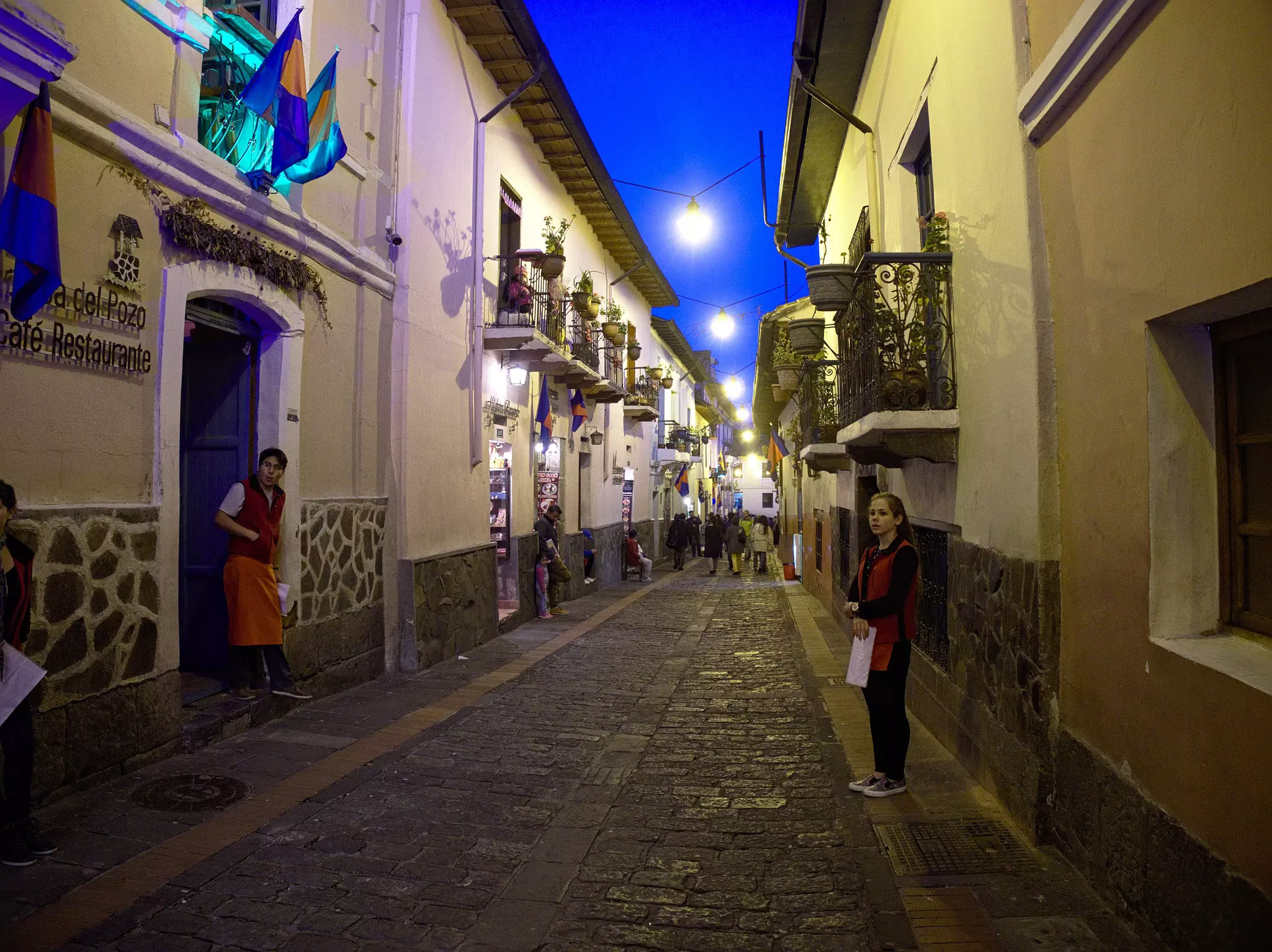
The romantically lit, cobblestone Calle La Ronda is Old Town’s pulsing nightlife hub. It’s the go-to place on weekends for its fiesta vibe of salsa bars, along with live-music venues playing everything from ska jazz to Ecuadorian hip-hop. People spill out onto the streets, with warming cups of canelazo (aguardiente with hot cider and cinnamon).
Detour: Visit the area by day to check out the Museo de la Ciudad, a block north of La Ronda. It’s a former hospital dating to 1565 with well-presented exhibits chronicling Quito’s history.
6. Do a pilgrimage to Basílica del Voto Nacional and Iglesia de la Compañía de Jesús
There’s no shortage of grandiose churches in Quito – and none is bigger or more imposing than the Basílica del Voto Nacional. This massive Catholic church is the largest neo-Gothic basilica in the Americas, and a perpetually unfinished project. (Legend says if it’s ever completed, it will mean the end of the world.) Instead of gargoyles, you’ll find iguanas, tortoises, caimans, jaguars, dolphins and armadillos protruding from the facade, while its stunning, colorful stained glass is emblazoned with native orchids. The basilica’s twin towers soar over the Old Town; climb them via steep stairs and ladders for some of Quito’s best views.
For a different slice of Ecuador’s religious history, stop at Iglesia de la Compañía de Jesús, located less than a mile away and gleaming thanks to seven tons of 23-carat gold leaf.
7. Ascend the volcano on the TelefériQo
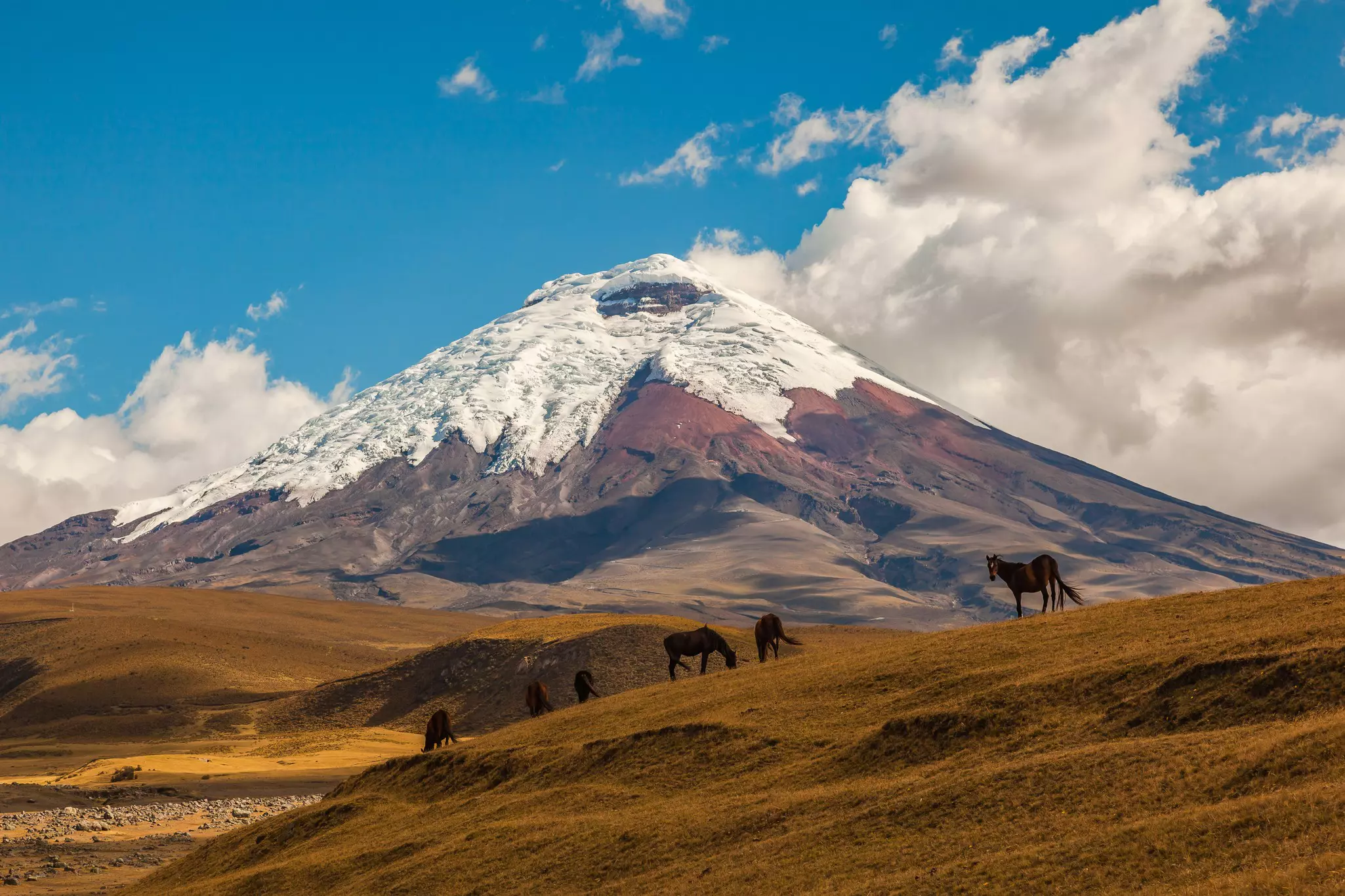
One of Quito’s top attractions, the TelefériQo cable car climbs just over 2.5km along the lower slopes of Volcán Pichincha to the Cruz Loma lookout, 4100m above sea level. Since it’s one of the world’s highest aerial lifts, the spectacular mountain views are no surpise; aim for mornings before the clouds roll in. Though most take it for the scenic ride, climbers also use it as an access point to ascend the dormant Rucu Pichincha volcano.
Planning tip: If you’re traveling with kids, check out Vulqano Park and enjoy some bumper cars and other rides at the base station.
8. Explore Ecuadorian art and history at the Museo Nacional
If you have a keen interest in both Indigenous pre-Hispanic culture and 20th-century modern art, the Museo Nacional is for you. The beautifully presented collection draws from Ecuador’s varied cultures and regions; highlights include exquisite ceramic sculptures and relics dating as far back as 12,000 BCE. Also represented are some of the country’s finest artists, with original works by mestizo masters Oswaldo Guayasamín and Camilo Egas.
Planning tip: The museum is part of the larger Casa de la Cultura Ecuatoriana complex, which also includes the nearby Museo de Instrumentos Musicales (Musical Instruments Museum) and the new Museo Etnográfico (Ethnography Museum).
9. Shop around at the Mercado Artesanal La Mariscal
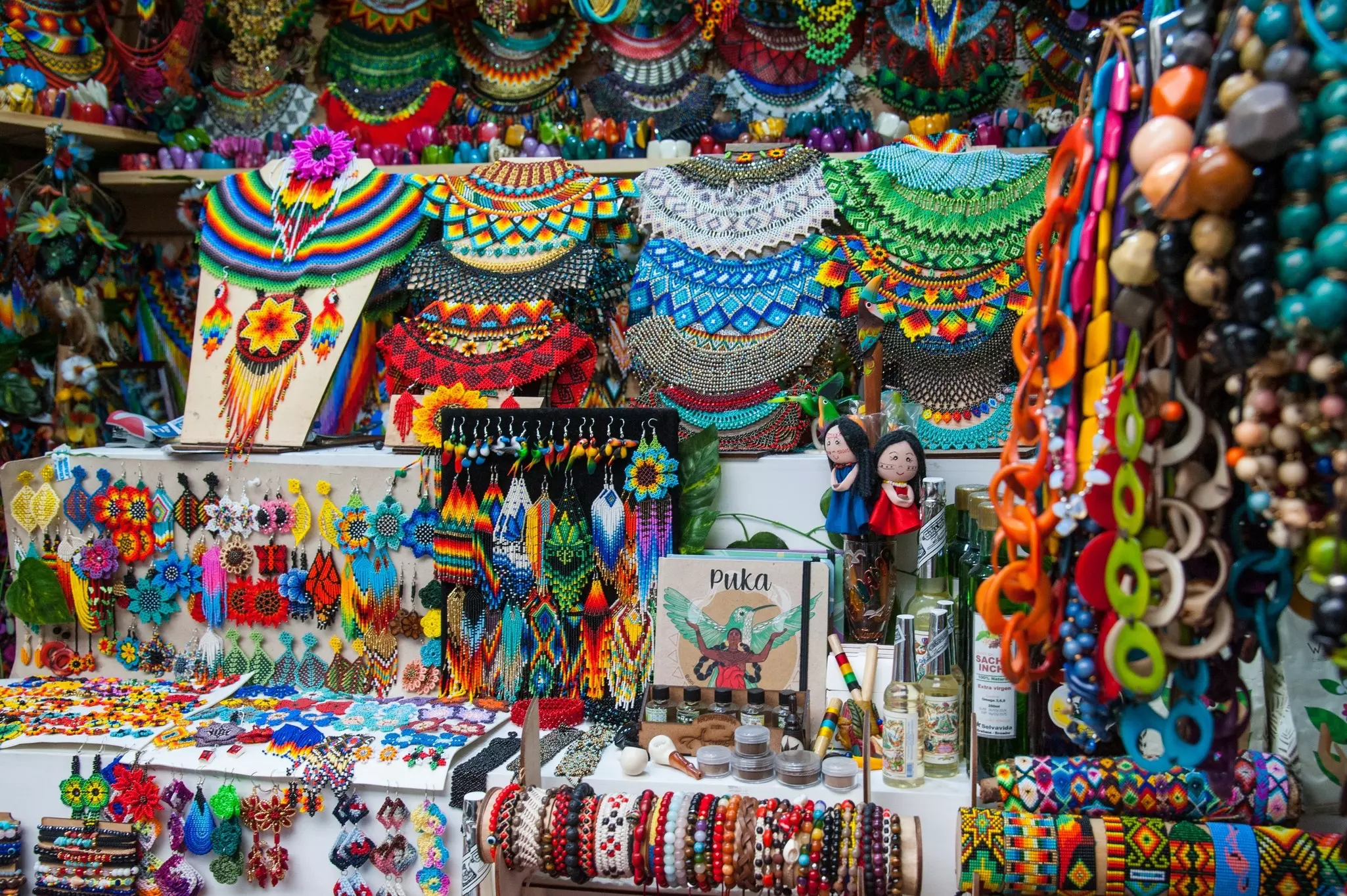
If you can’t make it to Otavalo (Ecuador's biggest market, 2 hours north of Quito), La Mariscal is a pretty good alternative, with around 200 stalls selling handicrafts from across the country. If you’re on the hunt for Indigenous-made alpaca-wool blankets, ponchos, Andean music, jewelry and tapestries...you’ll find them all here.
Detour: Across the way, Galería Artesanal Mitad del Mundo offers a slightly more refined experience (with prices to match). The nearby Plaza Artesanal Reina Victoria is home to indie sellers stocking original offerings.
10. Fuel up on coffee and chocolate in Mariscal Sucre
Though the district of Mariscal Sucre has earned a reputation as the place for fun nights out, by day it takes on a very different persona. Expect a relaxed vibe, with travelers dropping in to La Mariscal market and also for the area’s many cafes. Get your day started at El Cafecito, in a converted colonial house, where coffee beans come from a dedicated farm in Mindo before getting roasted on site. At Cacao & Cacao, chocolate is the star, and all of it comes from organic cacao grown on the company’s estate.
Detour: A couple blocks north of Mariscal Sucre, the Mindalae – Museo Etnográfico de Artesanía de Ecuador is a great place for those interested in Indigenous Ecuadorian culture.
11. Shop local in La Floresta
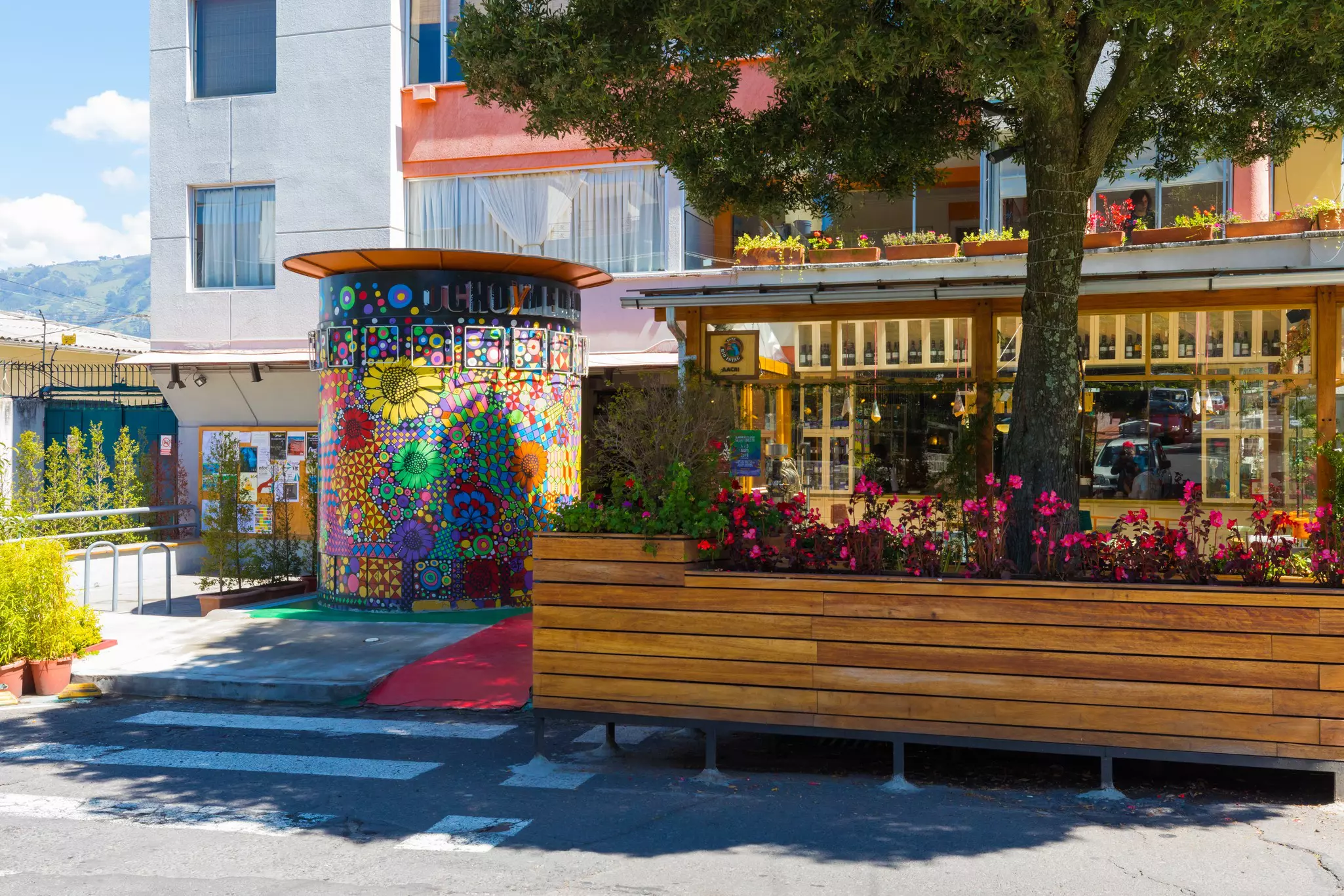
Those who like to get their local culture at cool bars, bespoke boutiques, indie record stores and coffee shops should head to La Floresta. At the neighborhood’s indie retailers in particular, you’ll find stuff you won’t get at the markets.
If can only visit one spot, make it Olga Fisch Folklore, since 1942 the place to go for high-quality tapestries, ponchos, crafts, jewelry, bags and accessories. For something more contemporary, La Imaginativa is run by two sisters who stock an eclectic assortment of artisan-made jewelry, clothing and gifts. For ceramics, check out Perro de Loza for the highly regarded work of Natalia Espinosa, who has an on-site workshop where she produces her signature cacao coffee mugs, among other treasures. Other boutiques to look out for are Arte Rayuela, Sphera and Nudo Street Art Project.
12. Soak up La Floresta’s coffee culture
Bohemian neighborhoods and coffee culture go hand in hand, so it’s no surprise that La Floresta has some of Quito’s best cafes. One for coffee and design aficionados alike is Roveta, a nano-roaster within a glassed-in coffee lab that delivers superbly made filtered coffees using local beans roasted on site. Coati’s is another must-sip venue doing experimental coffees made by a chatty barista who will greet you like an old friend.
Detour: A few blocks north of La Floresta is Fankør Coffee, a Nordic-inspired cafe specializing in single-origin beans.
13. Taste the latest in Ecuadorian cuisine
Led by a new generation of chefs who have embraced ancestral culinary traditions to create innovative, modern Ecuadorian cuisine, La Floresta’s epicurean scene is one no self-respecting gourmet will want to miss.
Nuema is a celebration of Ecuador’s biodiversity, with creative 15-course tasting menus that take you through the region’s flavors. Meanwhile, Chez Jérôme offers French-Ecuadorian fine dining; expect anything from duck confit to carrillera de res (beef cheeks braised in red wine and cacao).
You can also try to snag a spot at the 20-seat Quitu, where Chef Juan Sebastián Pérez focuses on Indigenous-inspired tasting menus. At URKO, you can feast on Chef Daniel Maldonado’s creative Ecuadorian seasonal tasting menus, all based on Indigenous agriculture cycles.
Planning tip: For a more casual bite into La Floresta’s food scene, try Parque de las Tripas, a late-afternoon market where you can sample some of Quito’s most traditional cooking.
14. Take a walk through Parque La Carolina
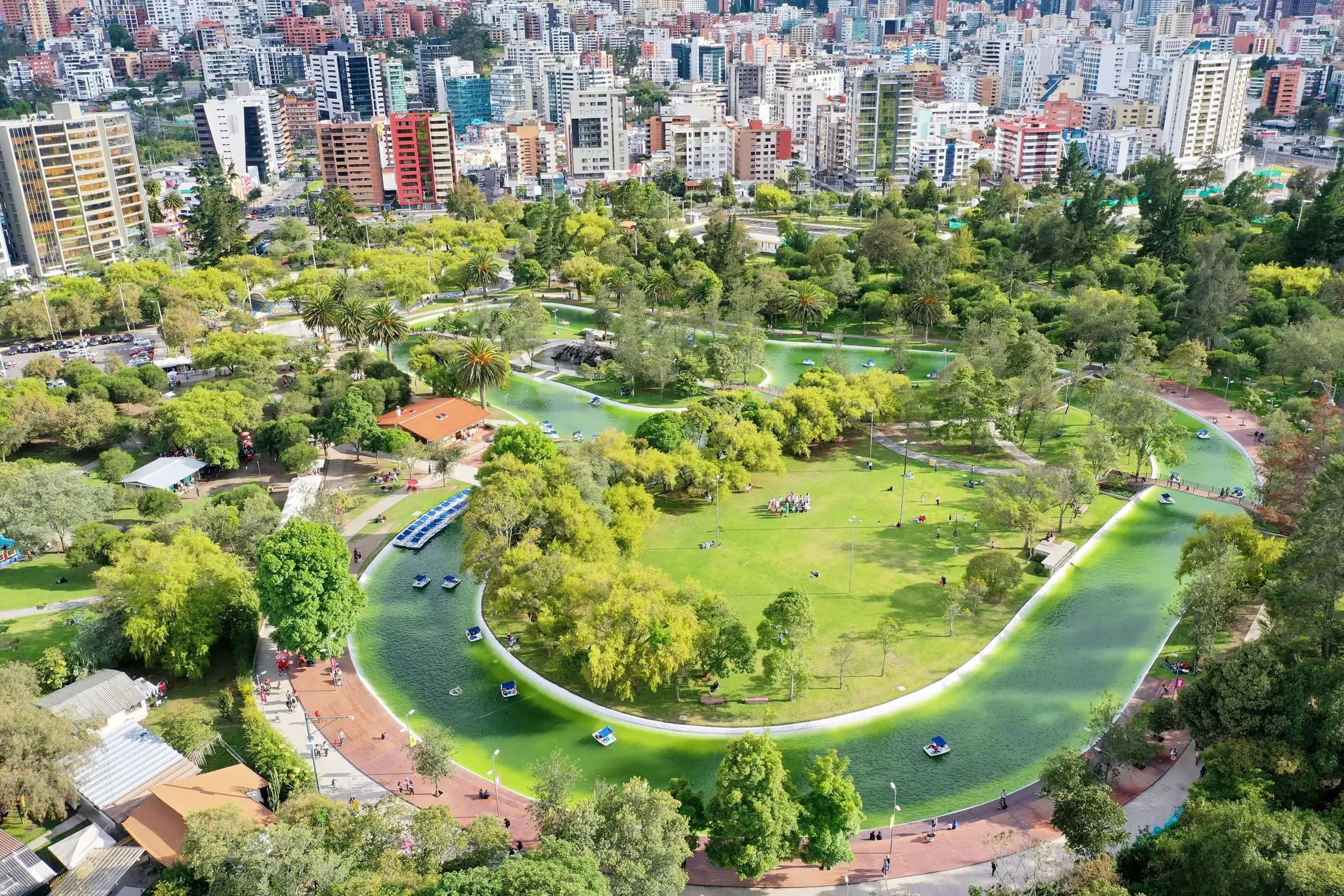
One of Quito’s best green spaces is the expansive Parque La Carolina. On weekends, it’s packed with families and couples who enjoy its street food stalls, paddle boats, picnics and soccer. During the week, it’s a much more laid-back place; this is a great time to appreciate the wonderful bonsai collection at Jardín Botánico without the crowds.
Detour: Next door is the Museo de Ciencias Naturales, an interesting natural history museum showcasing an impressive collection of taxidermied Ecuadorian species.
15. Discover the local craft-beer scene
To many travelers’ surprise, Quito overflows with fascinating and fun breweries and bars. Sinners Microcervecería is one of the best, offering award-winning core beers alongside seasonal brews crafted from unique ingredients like quinoa, corn and cacao. Across the road is Cela GastroCervecería, a welcoming brewpub with good food. And a 10-minute walk will take you to Bandidos Del Paramo and Katari, also worth visiting.
Planning tip: If you need a break from beer, check out the rooftop at La Mezcalería. For the Ecuadorian version of agave-based alcohol, head to hole-in-the-wall Chawar.
16. Visit the slightly-off-mark equator line at La Mitad del Mundo
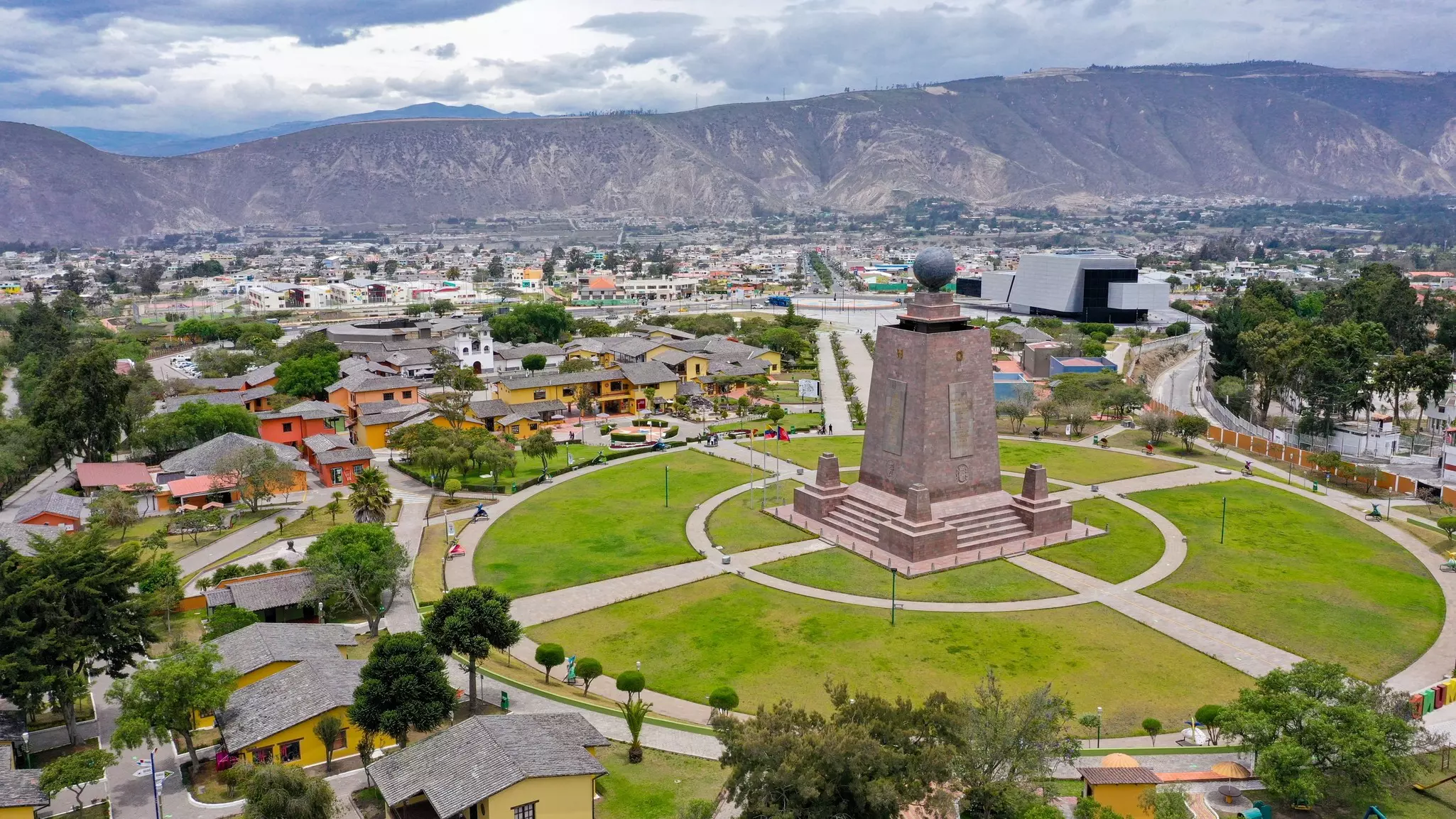
The equator runs through Quito’s northern neighborhoods – and you can celebrate the latitude line at La Mitad del Mundo, built in the late 1970s to commemorate where in the 18th-century the Spanish-French Geodesic Mission arrived to mark the “middle of the world.” Somewhat awkwardly, the 30m-high trapezoidal monument was later discovered to be about 200m off – which doesn’t stop the crowds who flock here for photos. The structure is topped by a brass globe containing a viewing platform and a museum highlighting Ecuador’s ethnic groups.
Planning tip: The sprawling site has a bit of a tacky theme-park feel to it. Among the restaurants and a microbrewery are various small museums dedicated to anything from beer to chocolate.
17. Stand on the real equator at Museo Solar Inti Ñan
A short stroll from La Mitad del Mundo, this quirky museum prides itself on being the true location of the equator. Guided tours take you to a 19th-century “solar chronometer,” which shows precise astronomical and conventional time and the month, day and season, all measured using rays of the sun. The most fun attractions are the staff members doing weird and wacky scientific experiments – some closer to illusionist parlor tricks – that demonstrate the natural phenomenon that is latitude zero.
This article is adapted from Lonely Planet’s Ecuador & the Galápagos Islands guidebook, published in June 2024.