Dominican Republic
The Dominican Republic is one of the Caribbean's most geographically diverse countries, with stunning mountain scenery, desert scrublands, evocative architecture and beaches galore.
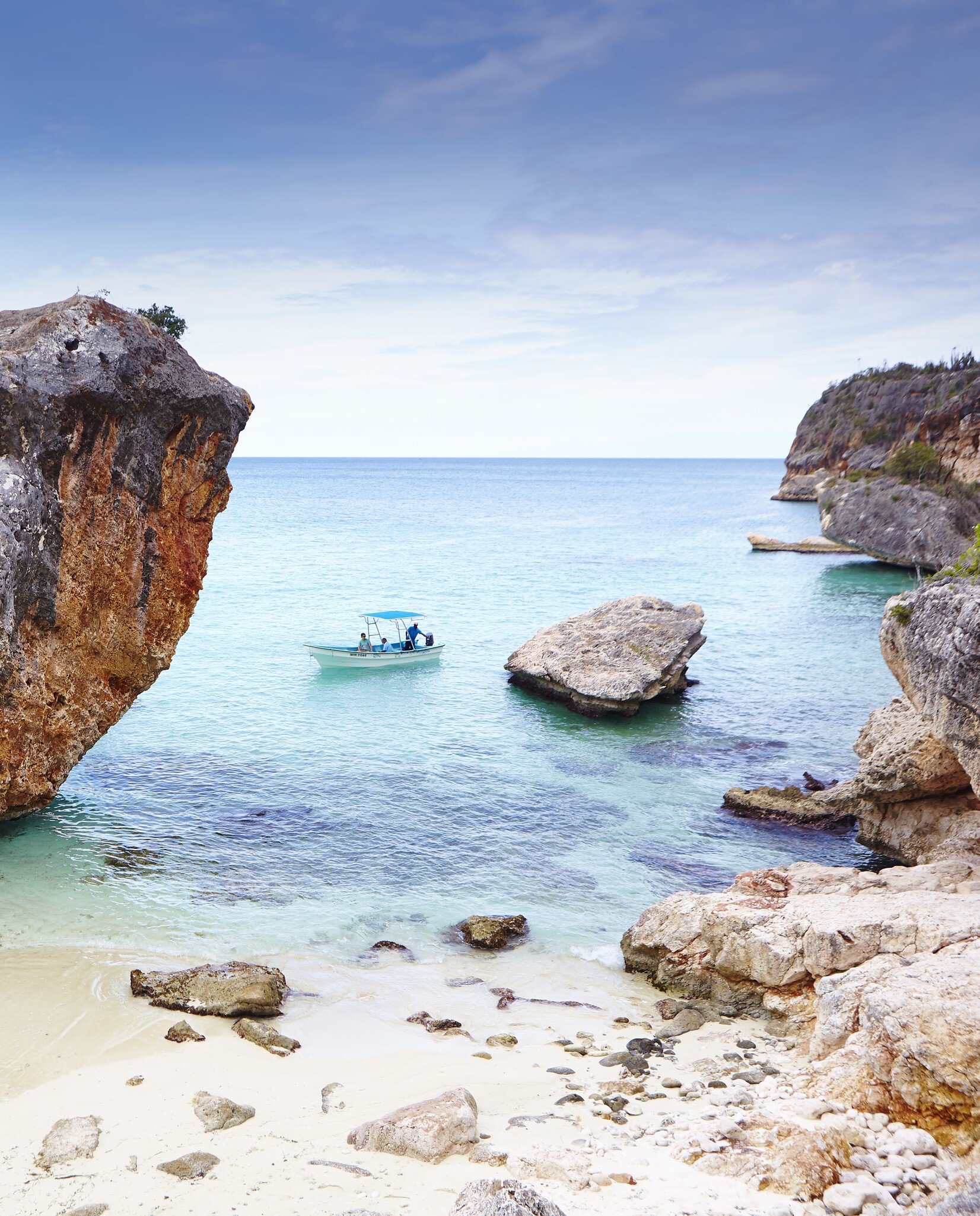
Matt Munro/Lonely Planet
Latest Stories
- Amelia Edelman | Apr 6, 2026The Unexpected Pleasure of an All-Inclusive Vacation
- Jackie Gutierrez-Jones | Dec 23, 20258 of the Best Beaches in the Dominican Republic
- Jackie Gutierrez-Jones | Dec 7, 20258 of the Best Places to Visit in the Dominican Republic
- Jackie Gutierrez-Jones | Dec 4, 2025The Best Time to Visit the Dominican Republic
Book

Top places to visit in Dominican Republic
Discover the best attractions in Dominican Republic from must-see sights to unexpected hidden gems.
-
 Attraction in Santo DomingoLarimar Museum
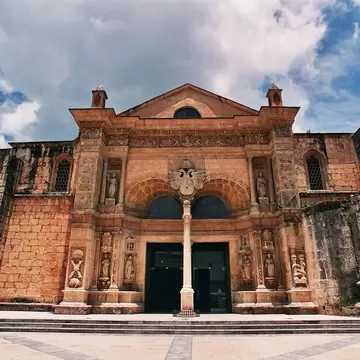
 - Attraction in Santo DomingoCatedral Primada de América
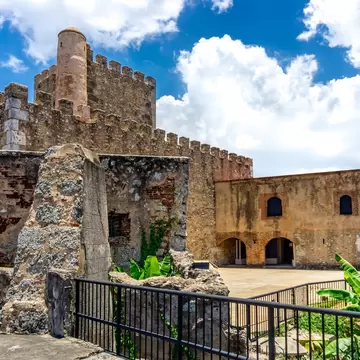
- Attraction in Santo DomingoFortaleza Ozama
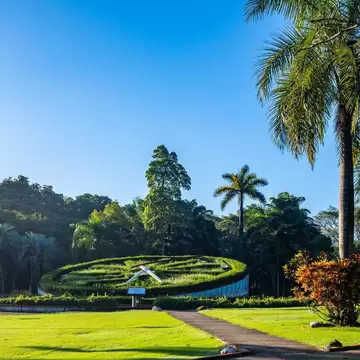
- Attraction in Santo DomingoJardín Botánico Nacional
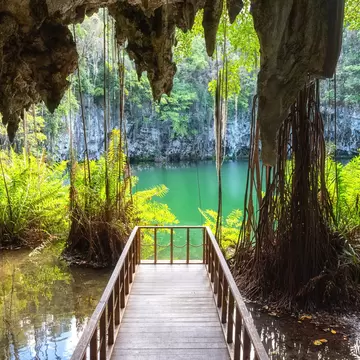
- Attraction in Santo DomingoLos Tres Ojos
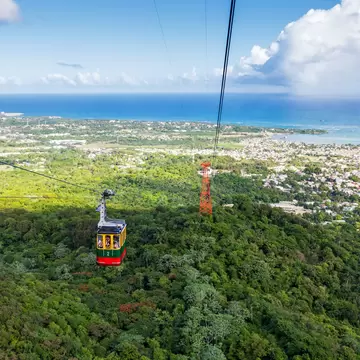
- Attraction in Dominican RepublicTeleférico
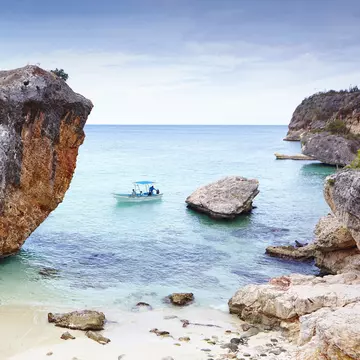
- Attraction in Dominican RepublicParque Nacional Jaragua
- Attraction in Dominican RepublicAguas Blancas
Travel Guides
Dominican Republic travel tips from Lonely Planet experts
Find practical guidance from our team of contributors around the world who bring their decades of first-hand travel experience to your next trip.
Best Things to Do
Days on the beach at Punta Cana are a key part of a trip to the Dominican Republic, but there's lots more to see. Here are the top things to do.
Read full article
Best Time to Visit
With warm weather, balmy waters and year-round adventures, the Dominican Republic is enticing in any season. Here are the best times to come.
Read full article
Transportation
The people of the Dominican Republic love exploring their island and it's easy to join them by bus, car or motorcycle. Here are the best ways to get around.
Read full article
Best Road Trips
From sandy shorelines dotted with palms to mountainous views, here are some of the best road trips in the Dominican Republic.
Read full article
Best Places to Visit
Lose yourself in the outdoors with opportunities to swim, hike and relax at these eight Dominican Republic destinations.
Read full article
Get a book. Get inspired. Get exploring.
in partnership with getyourguide
Book popular activities in Dominican Republic
Lonely Planet may earn a commission from affiliate links on our site. All recommendations and reviews reflect our own independent opinions.
Dominican Republic and beyond
- destinationSanto Domingo
- destinationSosúa