Denmark
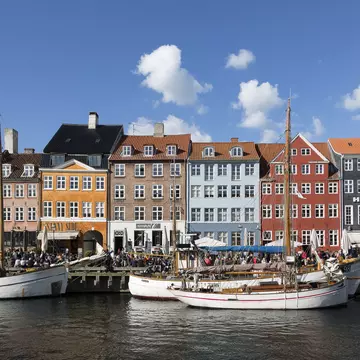
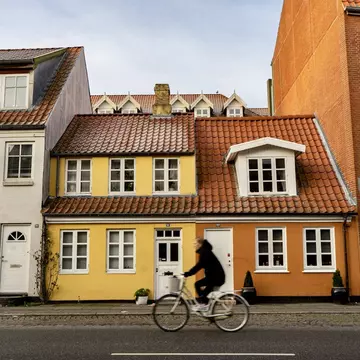
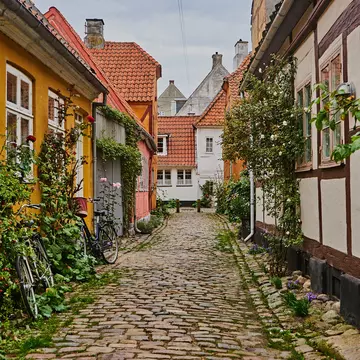
Chart-topping contentment and quality of life, blockbuster dining and design, and a cheerful emphasis on hygge â explore (and envy) what makes Denmark tick.
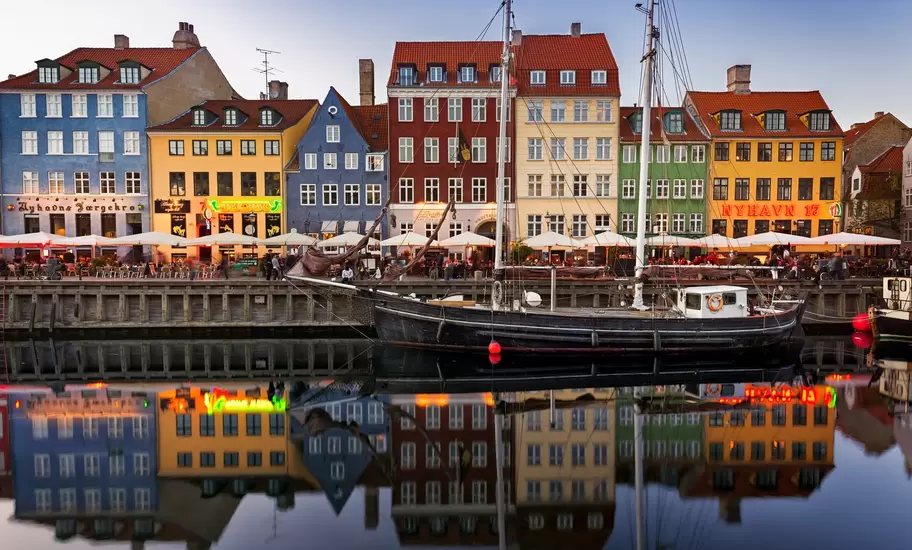
Frank Fischbach/500px
Latest Stories
- Laura Hall | Sep 3, 20258 Best Places to Visit in Denmark
- Adrienne Murray Nielsen | Oct 2, 202415 Things to Know Before Visiting Denmark: From Style to Money-Savings Hacks
- Adrienne Murray Nielsen | Oct 1, 2024The Best Ways to Travel Around in Denmark
- Laura Hall | Aug 28, 2024The Best Time to Visit Denmark: A Month-by-Month Guide
Book
App

Top places to visit in Denmark
Discover the best attractions in Denmark from must-see sights to unexpected hidden gems.
- Attraction in CopenhagenNationalmuseet
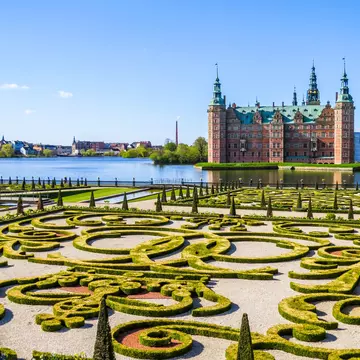
- Attraction in DenmarkFrederiksborg Slot
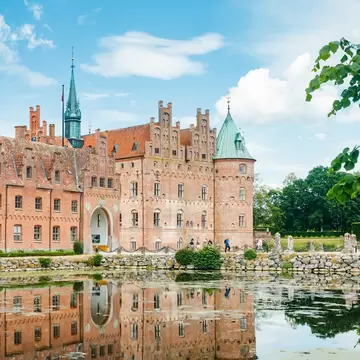
- Attraction in DenmarkEgeskov Slot
- Attraction in HelsingørKronborg Slot
- Attraction in DenmarkThe Original Legoland
- Attraction in AarhusMoesgaard Museum
- Attraction in CopenhagenTivoli Gardens
- Attraction in CopenhagenDarcy’s at CC






Travel Guides
Denmark travel tips from Lonely Planet experts
Find practical guidance from our team of contributors around the world who bring their decades of first-hand travel experience to your next trip.
Best Time to Visit
This Scandinavian star appeals in all seasons – though each has its own pros and cons. Read our guide before you plan your trip to Denmark.
Read full article
Things to Know
Get to grips with Danish culture and customs before traveling with these insider tips.
Read full article
Transportation
From bikes to buses, here’s our advice for the best ways to get around Denmark.
Read full article
Best Places to Visit
Denmark punches above its weight when it comes to things to see and do.
Read full article
Get a book. Get inspired. Get exploring.
in partnership with getyourguide
Book popular activities in Denmark
Lonely Planet may earn a commission from affiliate links on our site. All recommendations and reviews reflect our own independent opinions.
Denmark and beyond
- destinationCopenhagen
-
 destinationNørrebro & Østerbro
 - destinationAarhus
- destinationOdense
- destinationAalborg
- destinationSkagen
- destinationHelsingør