The 9 best things to do in Copenhagen
Aug 21, 2025
8 MIN READ
Contributors
Highlights
Writers Caroline Hadamitzky and Caroline Sølver pick nine ways to enjoy Copenhagen.
Stroll Nyhavn's waterfront, tour Amalienborg and trace Danish history at the Nationalmuseet.
Order smørrebrød at Aamanns 1921 and let Tivoli Gardens' fairy-tale pavilions enchant all ages.
Shop Danish design on Strøget, kayak the canals or head to Nørrebro and Christiania.
The waterfront in Nyhavn. Sarah Coghill for Lonely Planet

Contributors
Caroline Sølver, Caroline Hadamitzky
Highlights
Writers Caroline Hadamitzky and Caroline Sølver pick nine ways to enjoy Copenhagen.
Stroll Nyhavn's waterfront, tour Amalienborg and trace Danish history at the Nationalmuseet.
Order smørrebrød at Aamanns 1921 and let Tivoli Gardens' fairy-tale pavilions enchant all ages.
Shop Danish design on Strøget, kayak the canals or head to Nørrebro and Christiania.
Lonely Planet may earn a commission from affiliate links on our site. All recommendations and reviews reflect our own independent opinions.
Copenhagen's flourishing food scene, design traditions and rich history make the Danish capital a popular city to explore, even if you're just there for a weekend or visiting on a budget.
As you get to know its distinctive neighborhoods – from the royal heart to the countercultural Christiania – thrill to whimsical pleasures at Tivoli Gardens, or kick back on a smooth canal cruise, this surprisingly compact and easy-to-navigate city will nonchalantly but decidedly impress. In Copenhagen, a simple open-faced sandwich can become a palette of color and texture, the rounded lines of a molded chair may reveal a modern icon, and even a cemetery can do double-duty as a peaceful green refuge.
Our guide to the best experiences in Copenhagen will help you get the most from your time here.
1. Wander the waterfront for classic views
Two of Copenhagen's many charms are its harborside location and multitude of canals. The most iconic spot is Nyhavn, known for its colorful historic buildings and tall ships. Grab a few photos and stroll around the beautiful waterfront – it is one of the best free activities in a city notorious for being expensive.
Planning tip: From Nyhavn, head to the Little Mermaid statue on the harbor, which is based on Hans Christian Andersen's famous fairy tale. Along the way, admire the impressive Operaen performance hall, the striking Gefion Fountain and the 17th-century Kastellet fortress, which is open to the public and also free to visit.
2. Dive into history at Copenhagen's best museums
Copenhagen's museums provide deep insights into the history of Denmark and its capital through artifacts and engaging exhibits. Walk through thousands of years of Danish history at the Nationalmuseet (National Museum), which has an incredible collection that includes a Bronze Age sun chariot and Viking rune stones.
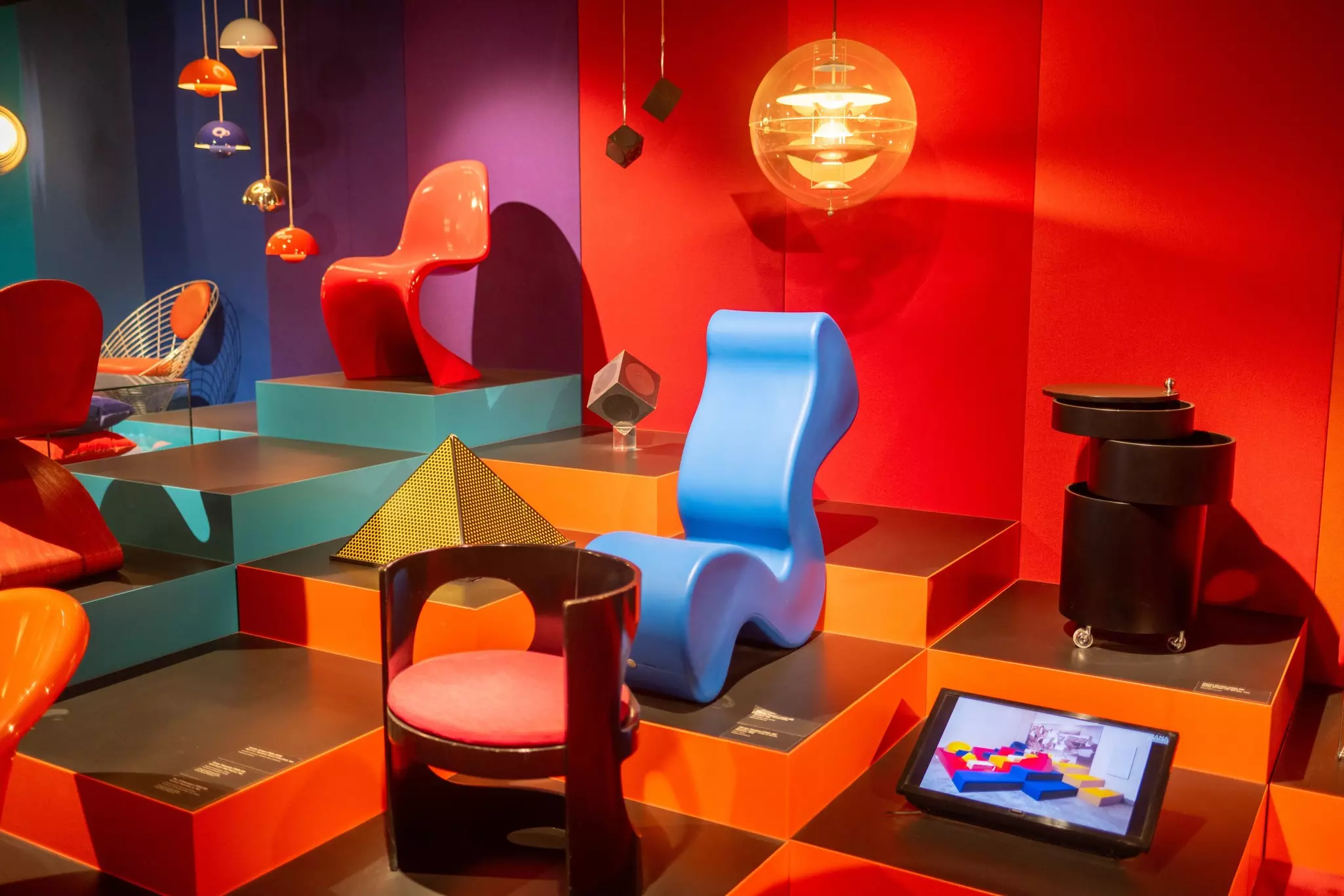
The Københavns Museum (Museum of Copenhagen) tells the story of the city, with displays on its buildings, people and culture and interactive installations that bring history to life. At Designmuseum Danmark, discover works by Danish design legends such as Arne Jacobsen, creator of the renowned Swan and Egg chairs, and explore how design plays a role in everyday life, from cutlery to typefaces.
The Dansk Arkitektur Center (Danish Architecture Center), in the harborside Blox building, has great exhibitions on the connections between Danish culture and the country's celebrated architecture and design traditions.
3. Bask in the royal grandeur
Denmark has a rich royal history, with a monarchy whose origins date back over 1000 years. When in Copenhagen, King Frederik X and his wife, Queen Mary, make their home at Amalienborg Slot. This elegant palace is made up of four buildings facing a central square, overlooked by the dominant dome of the Marmorkirken (Marble Church).
Den Kongelige Livgardes (Royal Life Guards) are on watch at Amalienborg 24 hours a day; the Changing of the Royal Guard occurs daily at noon. The palace is also home to a small museum focusing on kings and queens from the 1800s to the present day. Its treasury features a collection of Fabergé jewels.
The Royal Reception Rooms in the working palace of Christiansborg Slot include the ostentatious Throne Room and the elegant Great Hall, where fascinating modern tapestries depict over 1000 years of Danish history.
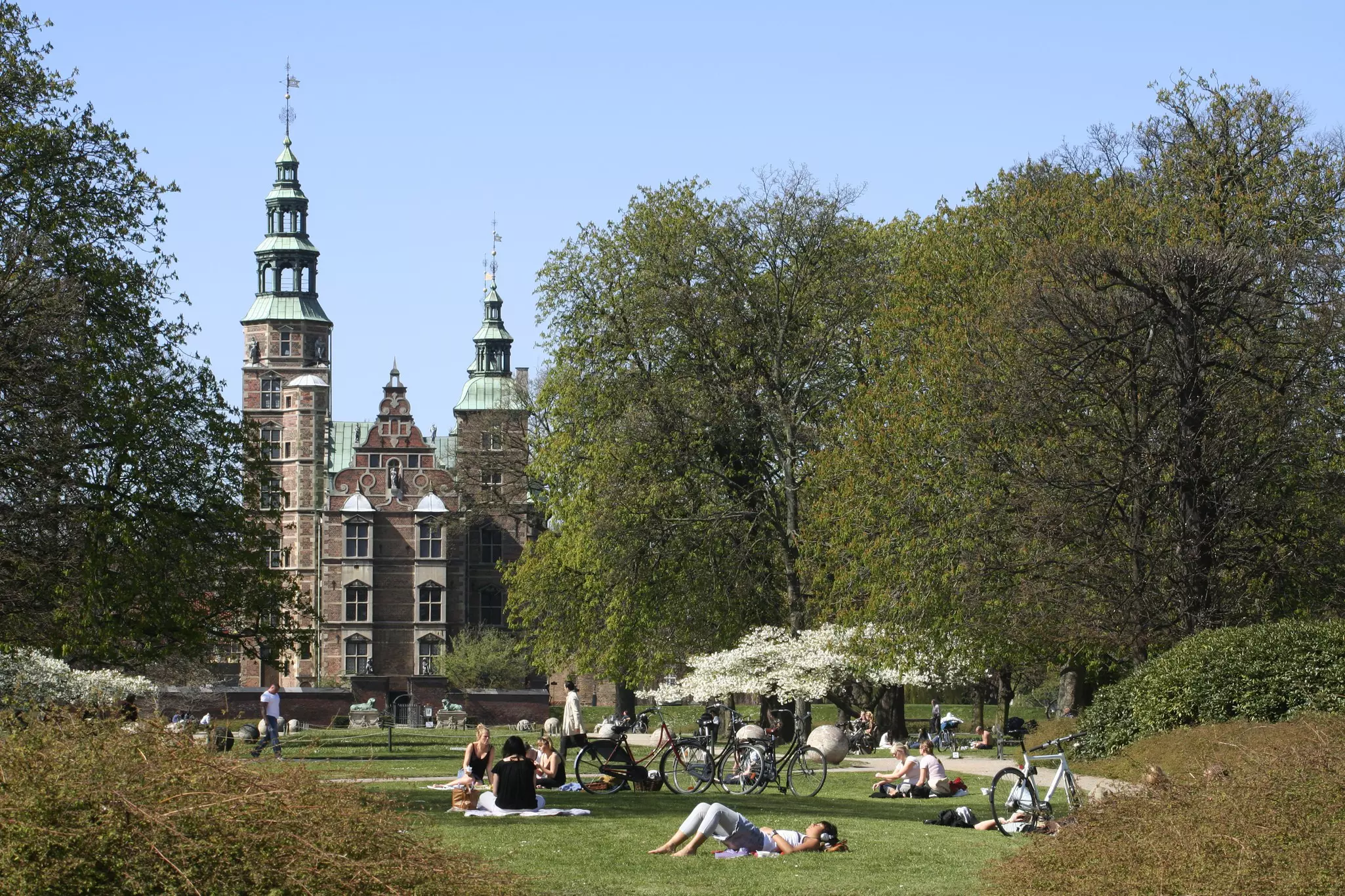
At Rosenborg Slot, a former royal castle built between 1606 and 1633, rooms are packed with intriguing items, like Denmark's former coronation thrones, and the treasury displays the stunning crown jewels. Rosenborg is located in the sweeping Kongens Have (the King's Garden), perhaps the most beloved green space in Copenhagen.
4. Go boating on the canals
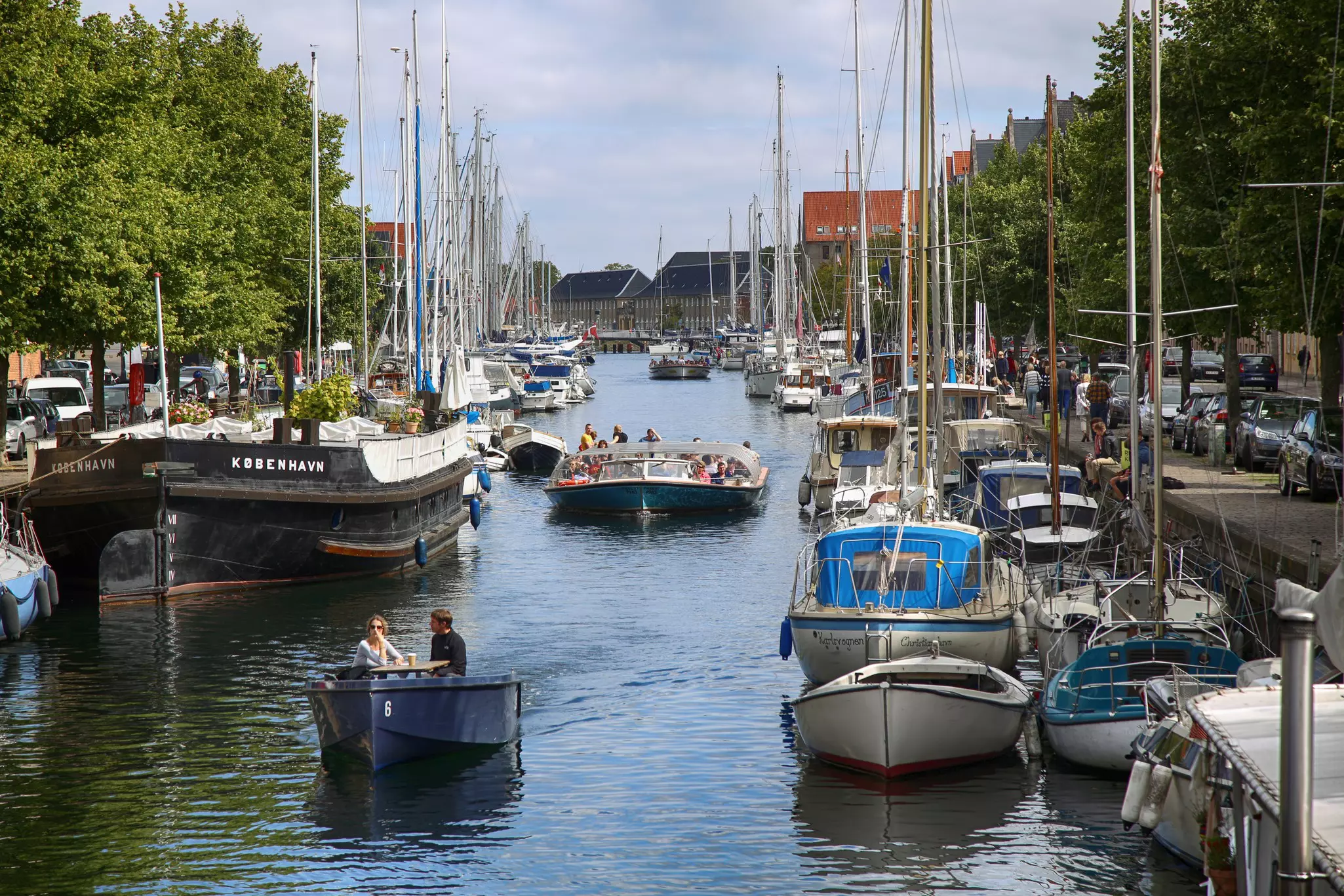
Experiencing Copenhagen from the water on a boat tour or by kayak along the city's harbor and canals is a great way to explore, and you'll pass one of the city's architectural gems: the Black Diamond at Det Kongelige Bibliotek (the Royal Library), just off the charming Christianshavn canal.
Hey Captain offers private crafts that comfortably seat up to 12 passengers. Drinks are included in the cost of the tour, adding to the relaxed social atmosphere. GoBoat lets you be the captain of your own electric boat and also does events in the harbor.
Larger companies such as Netto-Bådene do one-hour canal tours that are a good value. Or have a solitary paddle – GreenKayak loans kayaks for free in exchange for picking up a bucketful of trash while you're out on the water, helping to keep the waterways healthy and clean.
Planning tip: Some boating services close for the winter months (between October and April), so check in advance to see which are operating.
5. Taste the flavors of Copenhagen's Nordic cuisine
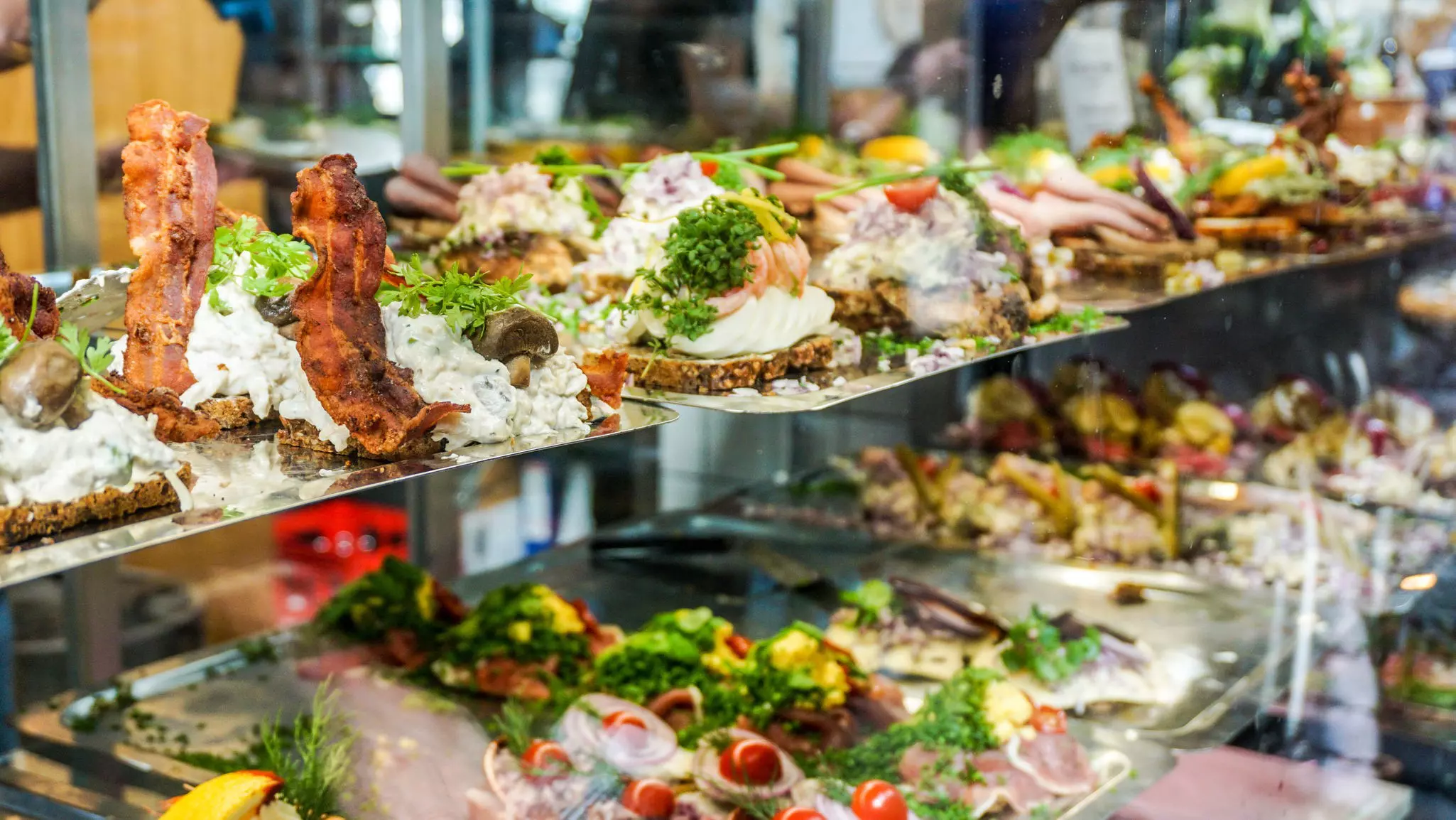
Since spearheading the New Nordic cuisine movement in the early 2000s, Copenhagen has gained a reputation worldwide for its food scene, with outstanding dining opportunities around every corner. Today, there are 19 Michelin-starred restaurants in central Copenhagen and many other Michelin-recommended establishments for enjoying this quintessentially Nordic cooking style.
The must-try lunch in Copenhagen is smørrebrød (slices of sourdough rye bread piled high with a variety of toppings, such as meats, pickles and cheese). Visit Restaurant Kronborg for a taste of tradition or Aamanns 1921 for modern takes on this classic dish. Other foodie experiences include sampling artisanal baked goods from the historic Sankt Peders Bageri & Konditori, browsing the wonderful Torvehallerne market and stopping by a neighborhood pølsevogn (sausage wagon) for a Danish-style hot dog.
6. Let your inner child run free at Tivoli Gardens
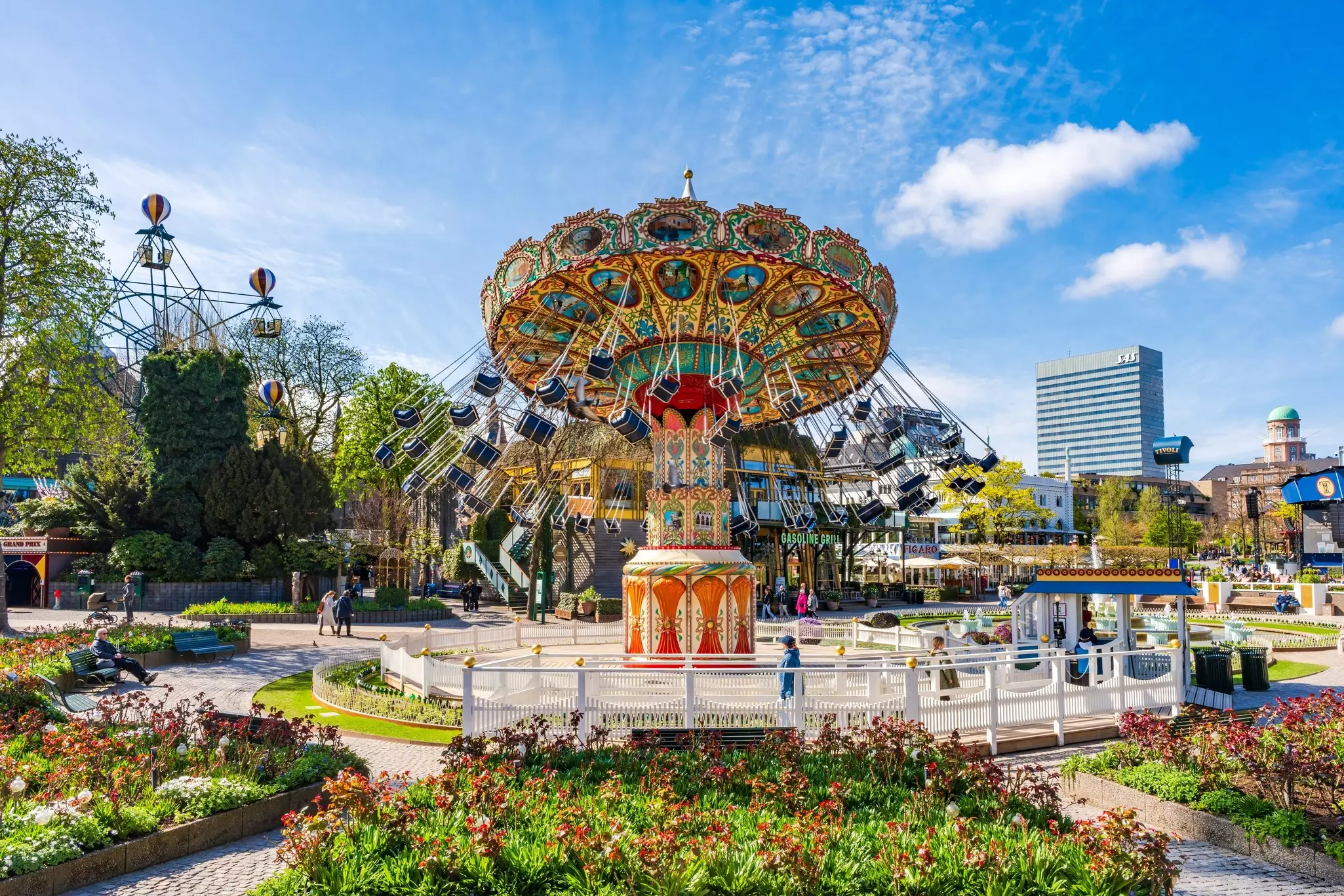
Few capitals can pull off a whimsical amusement park in the heart of the city, but Copenhagen can. Open for over 180 years and the second-oldest amusement park in the world, Tivoli Gardens is Copenhagen's favorite intergenerational playground, an escapist fantasy of fairy-tale pavilions, romantic gardens and funfair rides. Kids will be transported to new lands by the Chinese pagoda and lake, the Moorish-style palace and futuristic creations like something out of the imagination of HG Wells. Add to this a busy schedule of fireworks displays, a pantomime theater and live shows from ballet to rock acts. It's no surprise that Tivoli is one of the city's top distractions.
7. Shop for Danish design
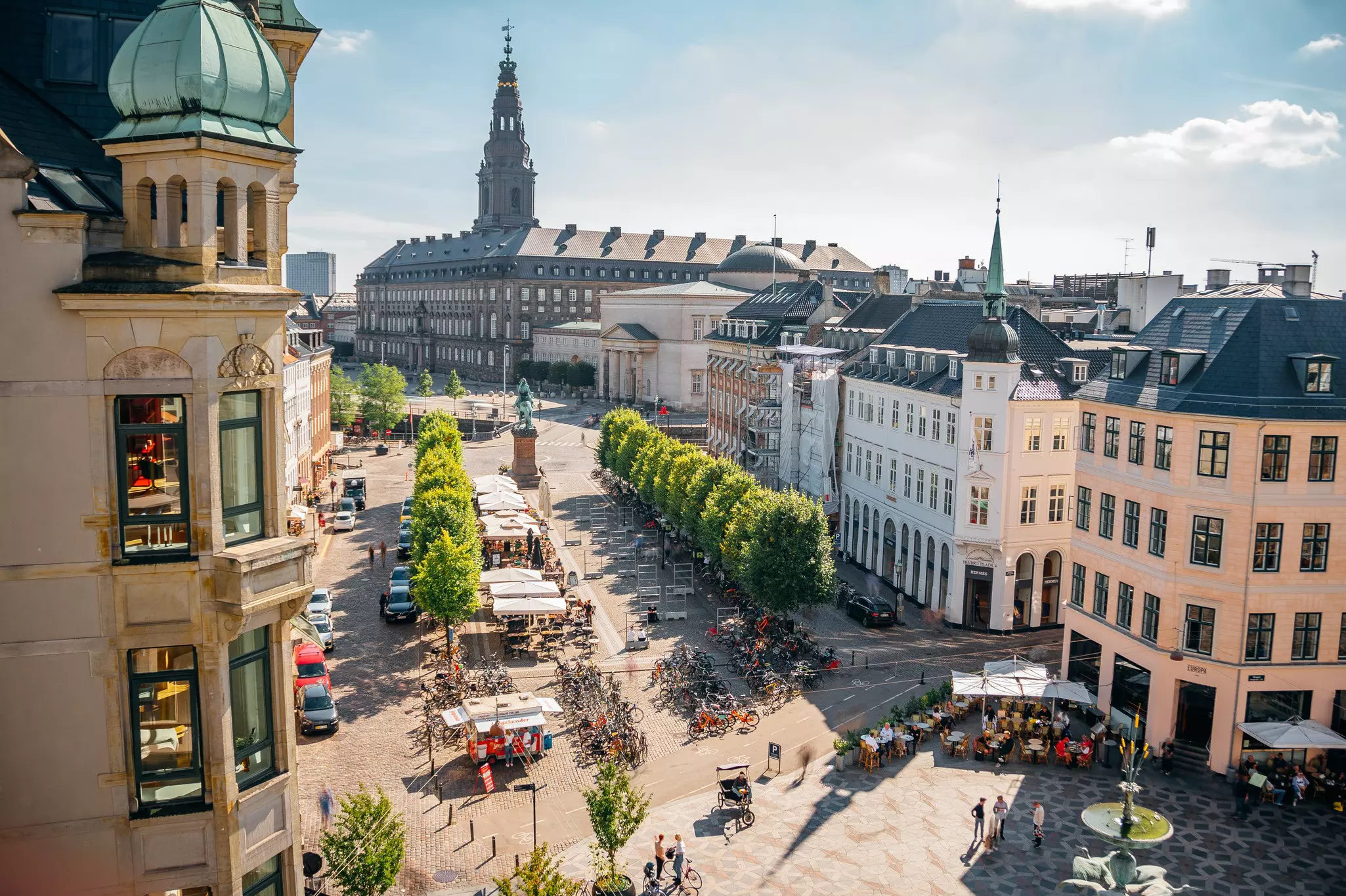
There are many superb shops to visit in Copenhagen. Strøget is one of the longest pedestrian shopping streets in the world – the souvenir stalls, high-street chains and international designer brands stretch more than 1km (0.6 miles). Strøget is also a haven for lovers of Danish design, with famed names such as Royal Copenhagen and Georg Jensen alongside stellar shops such as HAY House and Stilleben. Head to Illums Bolighus to browse a range of Danish brands and pick up high-quality mementos.
Local tip: The streets Værnedamsvej and Gammel Kongevej, at the border of the Vesterbro and Frederiksberg neighborhoods, are brimming with independent shops, studios and Danish fashion brands such as Wood Wood and Ganni.
8. Linger in the coolest neighborhoods
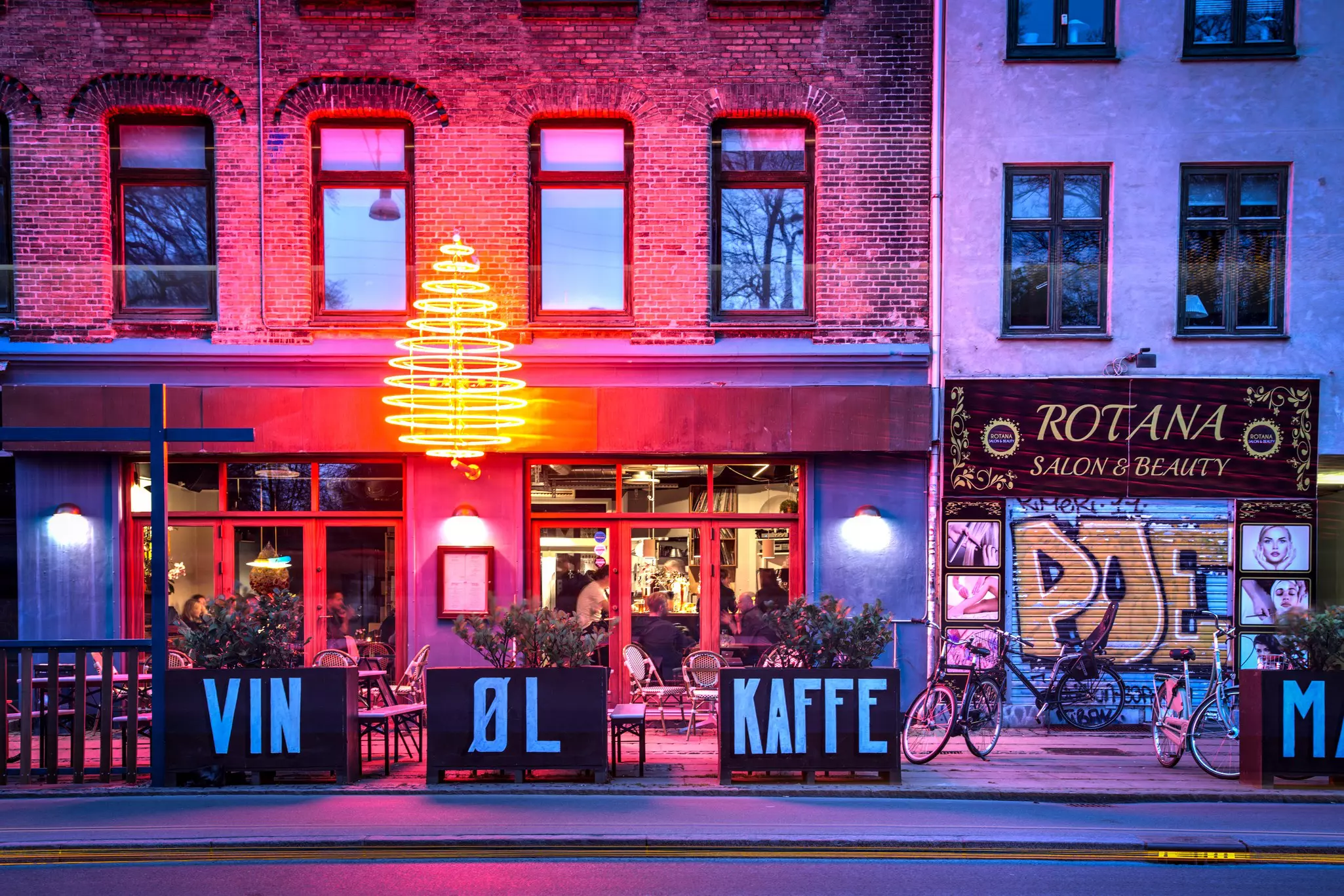
While Copenhagen has plenty of historic sights, the capital also has modern, cool spots that Copenhageners take pride in. Set aside some time to enjoy the vibe in the Refshaleøen and Nørrebro neighborhoods.
Cycle over to Refshaleøen, have coffee and a croissant at La Banchina, and cap off the morning with a dip in the ocean, just like the Danes do. Continue to Lille or Øens Have, an urban garden, for a locally grown vegetable-based lunch or snack. Go shopping along Nørrebro residents' favorite street, Jægersborggade, then stop at Coffee Collective, which serves the best coffee in Copenhagen, or for a beer in the park from Mikkeller & Friends, which brews its own craft beer.
Since you are nearby, stroll through Assistens Kirkegård, which is actually a cemetery but also a calming place for a walk. Finish your day with dinner at the fancy but budget-friendly Oysters & Grill, known for its fresh seafood and steak. Then start the night with bottled beer at a bodega, a Danish dive bar – recommendations include Nørre Bodega, Café Understellet and Diligencen.
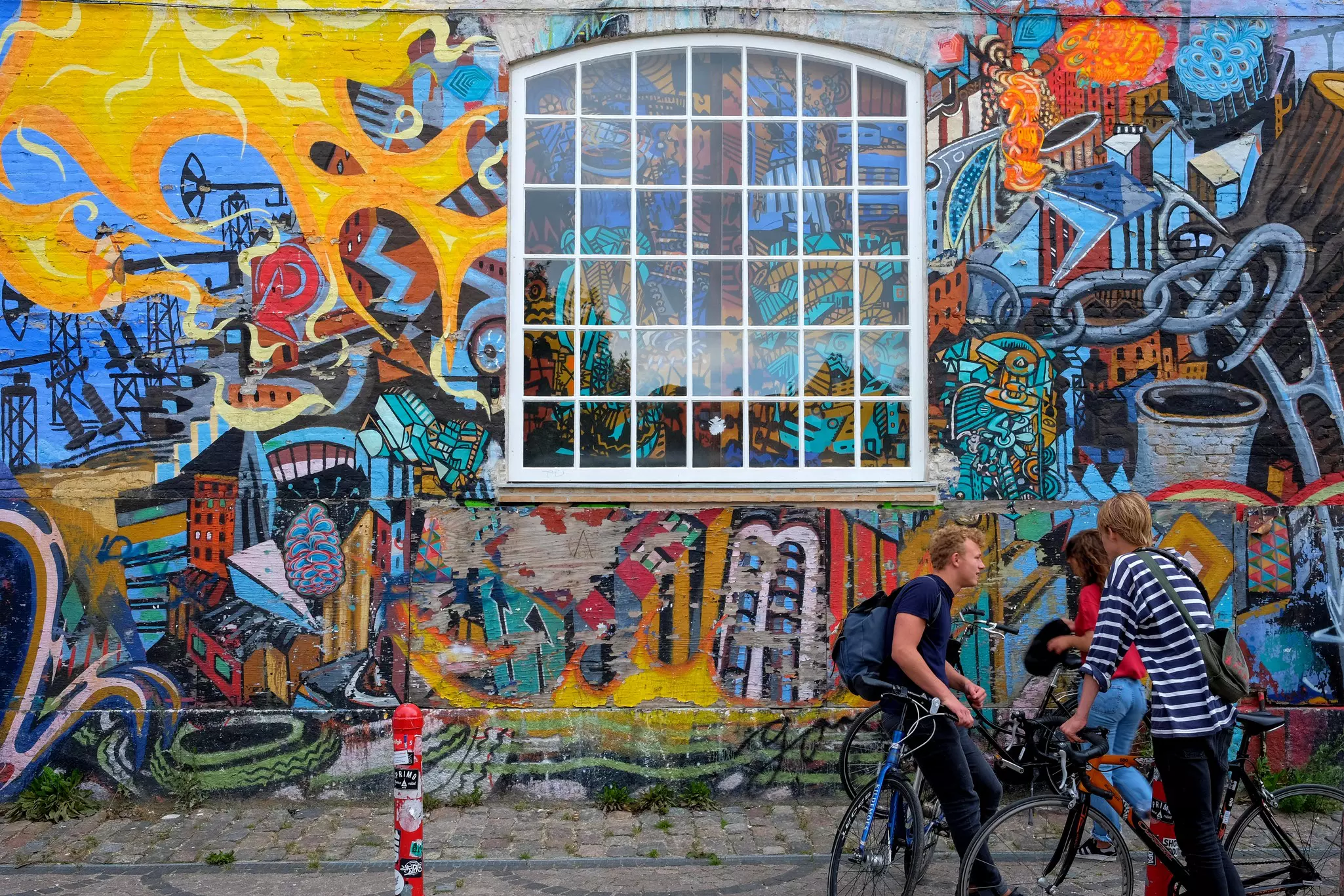
9. Explore the counterculture of Christiania
A utopian commune founded by militant squatters in 1971, ramshackle Christiania remains one of Copenhagen's most distinctive corners. While opinions about its relevance in 21st-century Europe vary, the city's marijuana-scented Freetown continues to exude an almost surreal atmosphere – part shambolic circus, part makeshift architectural expo, part urban oasis.
This is the city's counterculture heart, home to highly principled environmentalists, craftspeople, old-school hippies and, admittedly, a fair number of people with drug and alcohol issues. Venture beyond its shabby main drag and you'll be rewarded by a beguiling jumble of studios, tranquil trails and Copenhagen's kookiest, most imaginative dwellings.
Detour: Pay a visit to the nearby neighborhood of Christianshavn, where you'll find picturesque canals with tiny, very old and crooked townhouses, sidewalk cafés such as Parterre and overall good energy.