BaracoaThings to do

Things to do in Baracoa

‹ Prev

of 2

  1. A

    Cubatur

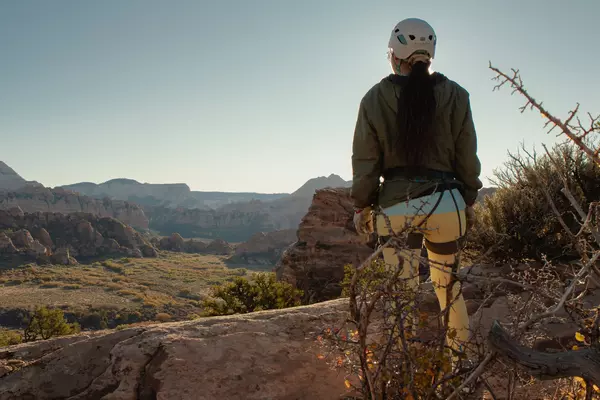
    Baracoa’s rite of passage is the 8km (up and down) hike to El Yunque. At 575m it’s not Kilimanjaro, but the views from the summit and the flora and birdlife along the way are stupendous. Cubatur offers this tour almost daily (CUC$18 per person, minimum two people). The fee covers admission, guide, transport and a sandwich. The hike is hot (bring sufficient water) and usually muddy. It starts from a campismo 3km past the Finca Duaba (4km from the Baracoa–Moa road). Bank on seeing tocororo (Cuba’s national bird), zunzún (the world’s smallest bird), butterflies and polymitas.

    reviewed

  2. Cueva del Aguas

    Cueva del Aguas is a cave with a sparkling, freshwater swimming hole inside. To get there, head past the Fuerte Matachín, hike southeast past the baseball stadium and along the beach for about 20 minutes to a rickety wooden bridge over the Río Miel.

    From April to June, you'll have to take a skiff across the flooded river mouth before reaching the bridge, which costs a peso to cross and is open from sunrise to sunset. After the bridge, turn left until you come to a Gaviota hut, where you have to pay around to proceed further. Going right at the Gaviota hut and following the dirt road through coconut groves and past clapboard houses for 45 minutes, you'll come to the blue…

    reviewed

  3. B

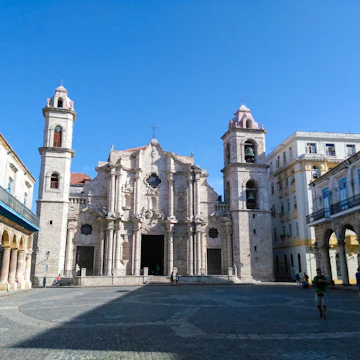
    Catedral de Nuestra Señora de la Asunción

    Crying out for a major renovation, the rapidly disintegrating Catedral de Nuestra Señora de la Asunción was built in 1833 on the site of a much older church. Its most famous artifact is the priceless Cruz de La Parra, a wooden cross said to have been erected by Columbus near Baracoa in 1492. Carbon dating has authenticated the cross’ age (it dates from the late 1400s), but has indicated that it was originally made out of indigenous Cuban wood, thus disproving the legend that Columbus brought the cross from Europe. The church was closed at the time of writing and the cross was being displayed in the last house on Calle Antonio Maceo, behind the church to the right.

    reviewed

  4. C

    Casa del Chocolate

    It’s enough to make even Willy Wonka wonder. You’re sitting next to a chocolate factory but, more often than not, there’s none to be had in this bizarre little casa just off the main square. The quickest way to check out Baracoa’s on-off supply situation is to stick your head around the door and utter the word ‘chocolate’ to one of the bored-looking waitresses. No hay equals ‘no, ’ a faint nod equals ‘yes.’ On a good day it sells chocolate ice cream and the hot stuff in mugs. For all its foibles, it’s a Baracoa rite of passage.

    reviewed

  5. Playa Blanca

    Playa Blanca is an idyllic spot for a picnic or sunset cocktails, and makes a nice day trip. Passing the Fuerte Matachín, hike southeast past the baseball stadium and along the beach for about 20 minutes to a rickety wooden bridge over the Río Miel. From April to June, you'll have to take a skiff across the flooded river mouth before reaching the bridge, which costs a peso to cross and is open from sunrise to sunset. After the bridge, turn left until you come to a Gaviota hut, where you have to pay to proceed further. If you continue left for 15 minutes you come to the beach.

    reviewed

  6. D

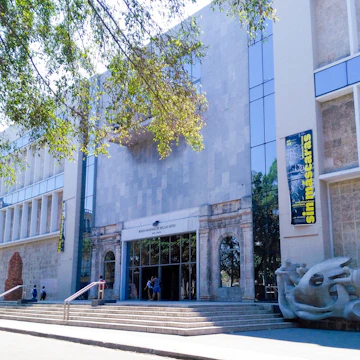
    Museo Arqueológico

    Baracoa’s newest and most impressive museum is the Museo Arqueológico, situated in Las Cuevas del Paraíso 800m southeast of the Hotel El Castillo. The exhibits here are showcased in a series of caves that once acted as Taíno burial chambers. Among nearly 2000 authentic Taíno pieces are unearthed skeletons, ceramics, 3000-year-old petroglyphs and a replica of the Ídolo de Tabaco, a sculpture found in Maisí in 1903 that is considered to be one of the most important Taíno finds in the Caribbean. One of the staff will enthusiastically show you around.

    reviewed

  7. E

    Museo Municipal

    The Fuerte Matachín (1802) at the southern entrance to town, now houses the Museo Municipal. Though small, this museum showcases an engaging chronology of Cuba’s oldest settlement including polymita snail shells, the story of Che Guevara and the chocolate factory, and exhibits relating to pouty Magdalena Menasse (née Rovieskuya, ‘La Rusa’) after whom Alejo Carpentier based his famous book, La Consagración de la Primavera (The Rite of Spring).

    reviewed

  8. Playa Duaba

    Playa Duaba is where Antonio Maceo and Flor Crombet landed in 1895. It's a beautiful band of dark beach backed by mountains. Heading northwest out of town toward Moa, take the one lane road for 2km beyond the airport where a break in the low-lying scrub leads to the beach. The water gets better further from the river mouth. The jejenes (sand fleas) are ferocious in the late afternoon. Fifty meters further along the road is the tranquil monument to the rebel landing.

    reviewed

  9. F

    El Ranchón

    Atop a long flight of stairs at the western end of Coroneles Galano, El Ranchón mixes an exhilarating hilltop setting with taped disco and salsa music and legions of resident jineteras (women who attach themselves to male foreigners for monetary or material gain) . Maybe that’s why it’s so insanely popular. Watch your step on the way down – it’s a scary 146-step drunken tumble.

    reviewed

  10. G

    Paladar El Colonial

    The town’s only surviving paladar has been knocking out good food for years with an exotic Baracoan twist. Still run out of a handsome wooden clapboard house on Calle José Martí, the menu has become a bit more limited in recent times (less octopus and more chicken), though you still get the down-to-earth service and the delicious coconut sauce.

    reviewed

  11. Advertisement

  12. H

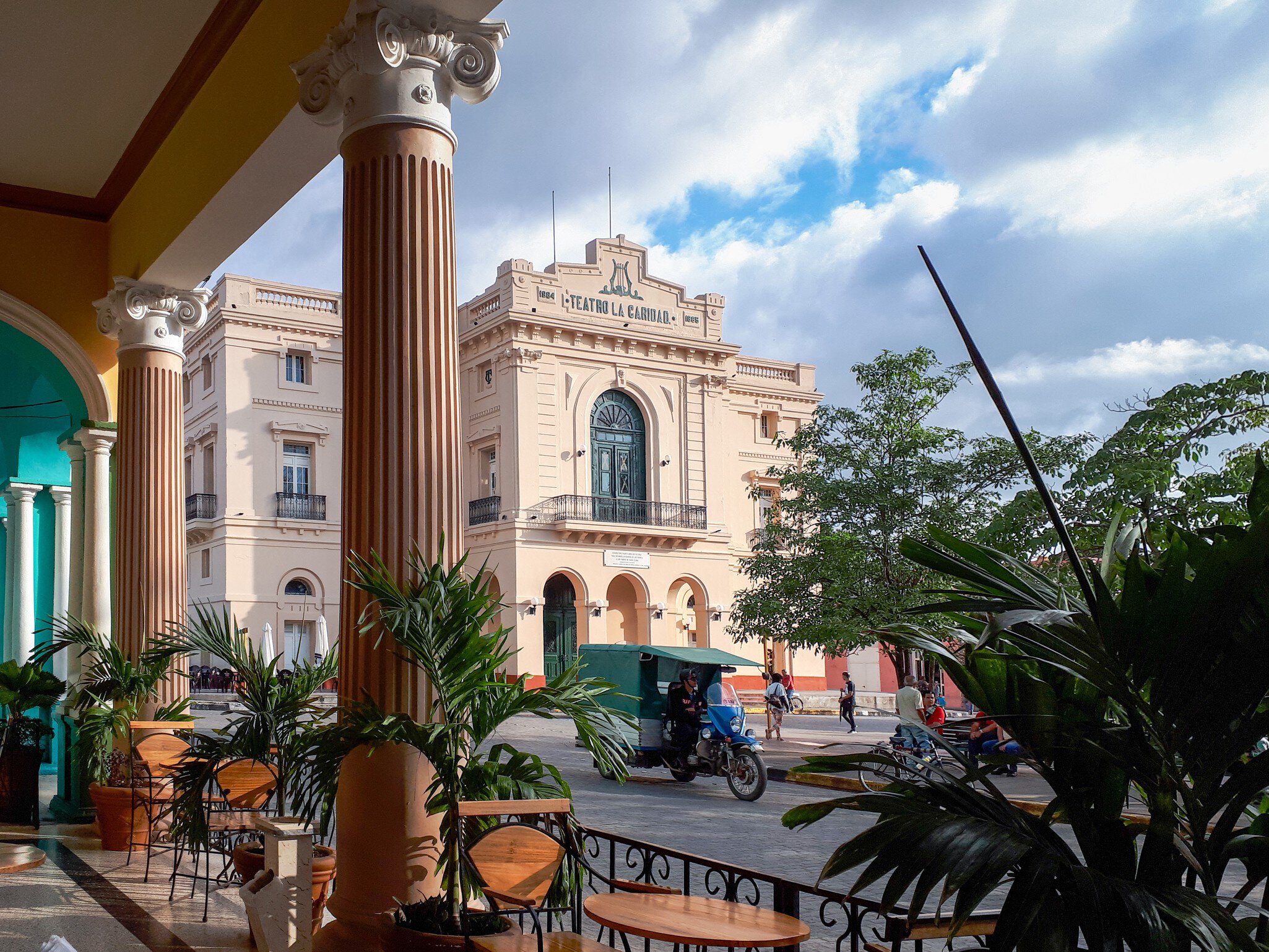
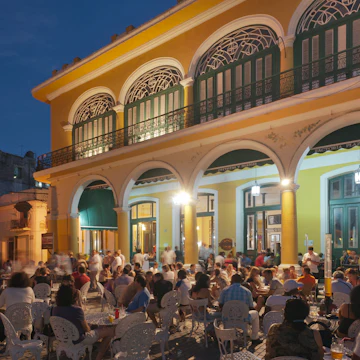
    Cafetería El Parque

    This open terrace gets regularly drenched in those familiar Baracoa rain showers, but that doesn’t seem to detract from its popularity. The favored meeting place of just about everyone in town, you’re bound to end up here at some point tucking into spaghetti and pizza as you watch the world go by.

    reviewed

  13. I

    El Castillo de Seboruco

    Baracoa's third fort, El Castillo de Seboruco, begun by the Spanish in 1739 and finished by the Americans in 1900, is now Hotel El Castillo. There's an excellent view of El Yunque's flat top from the swimming pool. A stairway at the southwest end of Frank País climbs directly to the castle.

    reviewed

  14. J

    Casa de la Cultura

    This venue does a wide variety of shows including some good rumba incorporating the textbook Cuban styles of guaguancó,yambú and columbia (subgenres of rumba). Go prepared for mucho audience participation.

    reviewed

  15. K

    Casa de la Trova Victorino Rodríguez

    Cuba’s smallest, zaniest, wildest and most atmospheric casa de la trova ( trova house) rocks nightly to the voodoolike rhythms of changüí-son. Order a mojito in a jam jar and sit back and enjoy the show.

    reviewed

  16. L

    Restaurante La Punta

    In an old fort overlooking the Atlantic, this historic restaurant now run by Gaviota was temporarily closed at the time of writing after the havoc wreaked by Hurricane Ike. It was due to reopen in 2009.

    reviewed

  17. Pizzería Baracoesa

    A recent renovation (ie new tablecloths) have upped the ante a little at this peso place, but it’s still got a long way to go to tempt you out of your casa particular.

    reviewed

  18. M

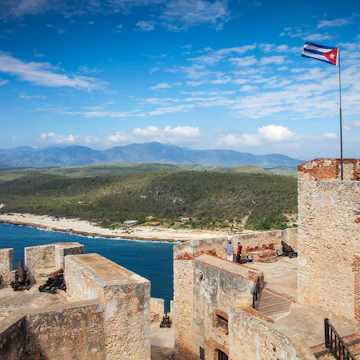
    Fuerte de la Punta

    The Spanish Fuerte de la Punta has watched over the harbor entrance at the northern end of town since 1803. Today it's a restaurant serving ice-cold beers and killer views.

    reviewed

  19. N

    Centro de Veteranos

    The Centro de Veteranos displays photos of those who perished in the 1959 Revolution and in the barely talked-about conflict in Angola.

    reviewed

  20. O

    Mercado Agropecuario

    The selection at Baracoa's market makes it abundantly clear how remote you really are, ie if it isn't growing right here, right now, you won't find it.

    reviewed

  21. P

    Fábrica de Tabacos Manuel Fuente

    To see a couple of dozen torcedores (cigar rollers) rolling cigars, visit the Fábrica de Tabacos Manuel Fuente.

    reviewed

  22. Advertisement

  23. Q

    Poder Popular

    The neoclassical Poder Popular is a municipal government building which you can admire from the outside.

    reviewed

  24. R

    Taller La Musa

    Call by this place opposite the Casa de la Cultura where you can seek out typically imaginative Baracoan art.

    reviewed

  25. S

    Dulcería La Criolla

    This place sells bread, pastries and – when it feels like it – the famous Baracoan chocolate.

    reviewed

  26. T

    Restaurante Yaima

    The friendly Restaurante Yaima offers basic peso meals served in an agreeable atmosphere (read: napkins).

    reviewed

  27. U

    El Rápido

    El Rápido, at the Servi-Cupet at the southeast entrance to town, serves the usual chow at cut rates.

    reviewed