
Rijeka
Croatia’s third-largest city, Rijeka is a bustling blend of gritty 20th-century port and Italianate Habsburg grandeur. Most people speed through en route to the islands or Dalmatia, but those who pause will discover charm, culture, good nightlife, intriguing festivals and Croatia’s most colourful carnival.
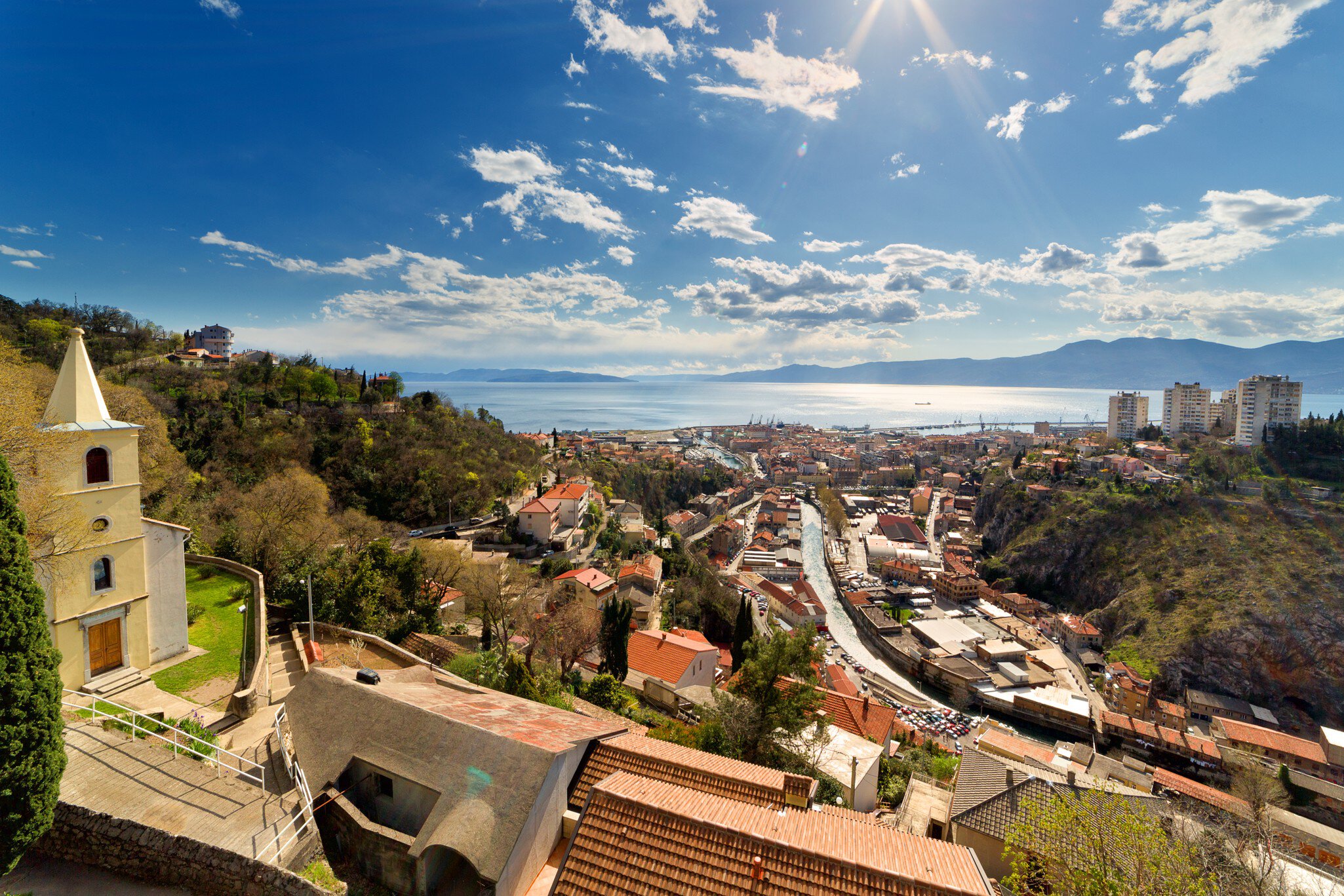
©Anna Gorin/Getty Images

Trusted Partner
Stay connected in Rijeka
Holafly eSIM provides unlimited mobile data with no hidden fees, giving you peace of mind wherever you travel. Stay connected even after your plan ends with Always On. Use code LONELYPLANET for an exclusive discount.
Lonely Planet may earn a commission from affiliate links on our site. All recommendations and reviews reflect our own independent opinions.
Book your Croatia trip with Lonely Planet Journeys
See Croatia how it's meant to be seen
Planned by local experts and tailored to you, Lonely Planet Journeys handles the logistics so you can just enjoy the trip. Tell us what you want and we'll build your Croatia itinerary from scratch, or browse our bookable trips to get inspired.
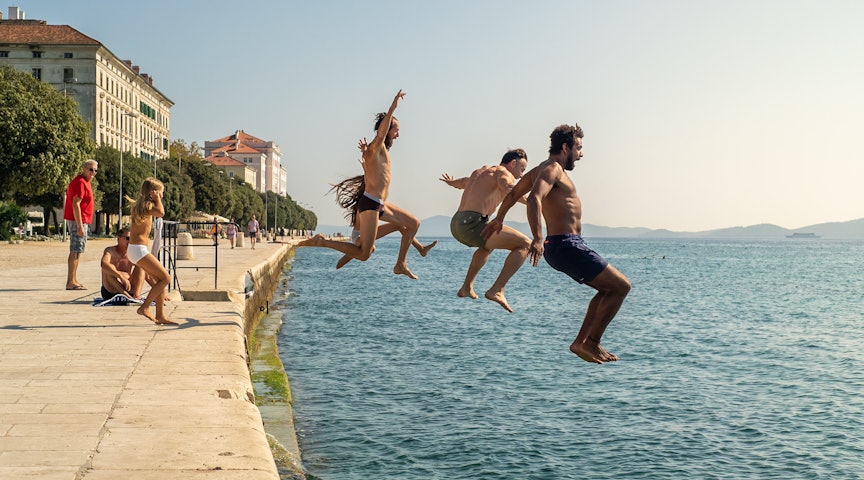

Top places to visit in Rijeka
Discover the best attractions in Rijeka from must-see sights to unexpected hidden gems.
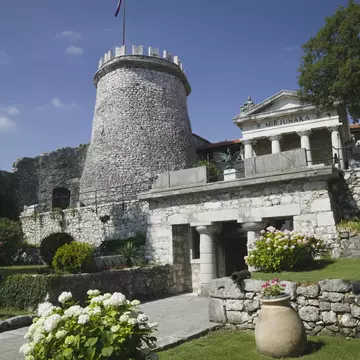
- Attraction in RijekaTrsat Castle
-
 Attraction in RijekaOur Lady of Trsat Church
 - Attraction in RijekaAstronomical Centre
- Attraction in RijekaCity Clock Tower
- Attraction in RijekaMaritime & History Museum of the Croatian Coast
- Attraction in RijekaNatural History Museum
- Attraction in RijekaPetar Kružić Stairway
- Attraction in RijekaSt Vitus' Cathedral
Get a book. Get inspired. Get exploring.
in partnership with getyourguide
Book popular activities in Rijeka
Lonely Planet may earn a commission from affiliate links on our site. All recommendations and reviews reflect our own independent opinions.