Oct 10, 202511 min read
Enjoy a Cross-Border Adventure on the Night Train from Istanbul to SofiaOct 13, 2019
5 MIN READ
Writer
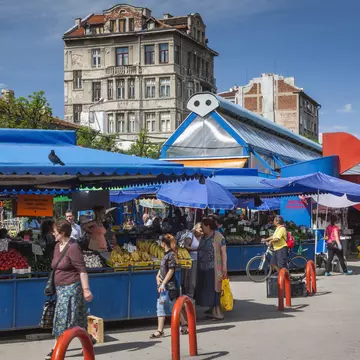
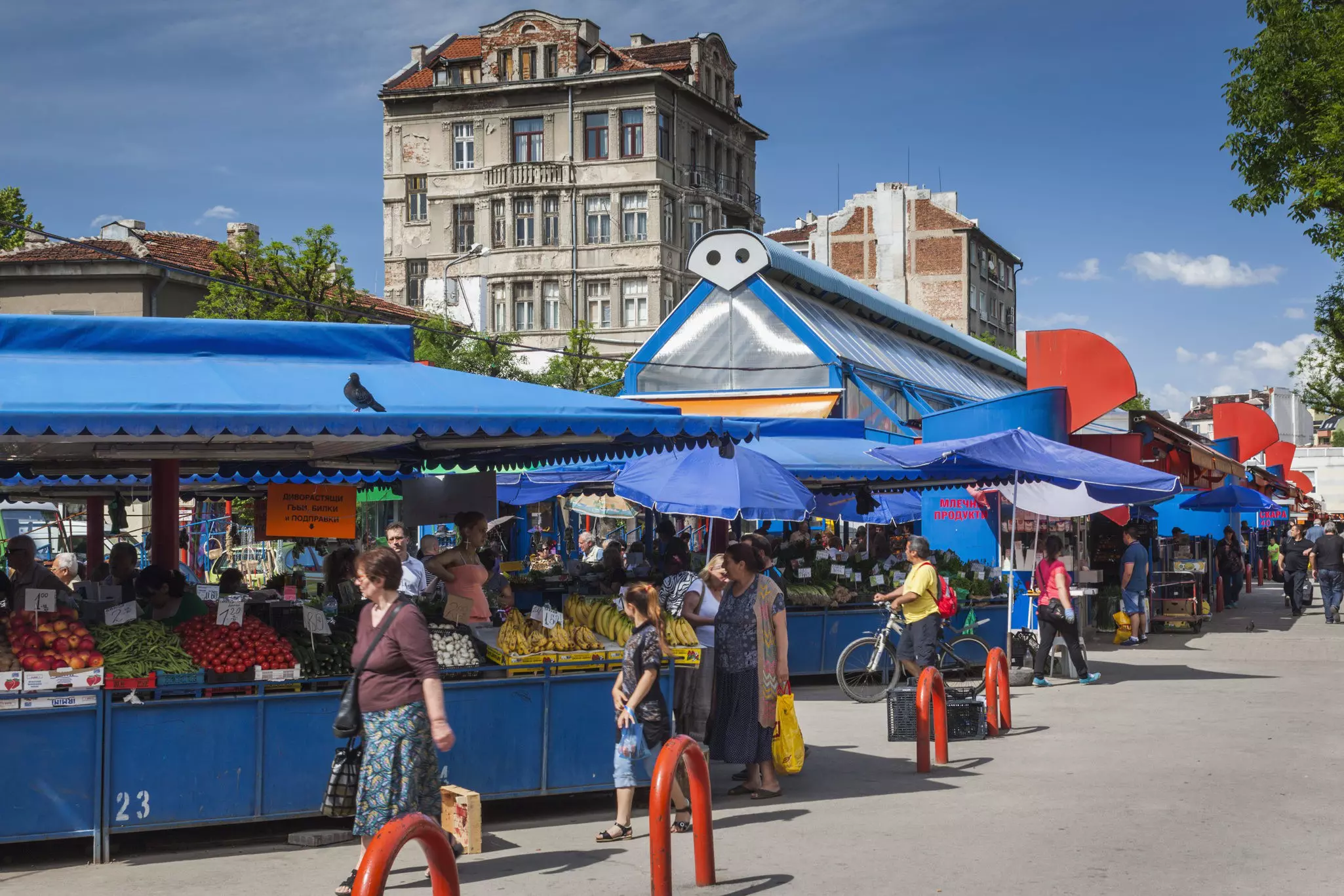
Market stalls selling fresh local produce at Sofia's Ladies' Market. Walter Bibikow / Getty Images
Writer
Highlights
Writer Yoana Hristova guides you through Sofia's history, food, arts and nature.
History buffs should visit Aleksander Nevski Cathedral and the quirky Museum of Socialist Art.
Order banitsa at Hlebar for breakfast, then try affordable traditional dinner at Shtastliveca.
Hike Zlatnite Mostove's stone-river slopes or the 25m-high Boyana waterfall in Vitosha Nature Park.
Lonely Planet may earn a commission from affiliate links on our site. All recommendations and reviews reflect our own independent opinions.
When European city-hopping is mentioned, most travellers imagine the alluring charms of Paris, Rome or London. But go off the beaten track and explore Bulgaria’s vibrant and youthful capital Sofia, and you’ll be surprised by its rocking cultural scene, heartwarming food and chilled-out vibe. Whether you want to marvel at historic sights, trek on mountain slopes or enjoy a glass of world-class wine, Sofia offers experiences that are both authentic and affordable. Here are the best things to do in Sofia.
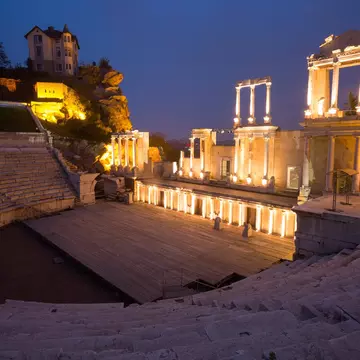
Every history buff will be happy to land in Sofia. A leisurely stroll around the city centre lets the visitor uncover Bulgaria’s diverse layers of history, mixing up Roman ruins and Soviet architecture, as well as Ottoman and Byzantine religious and cultural influences.
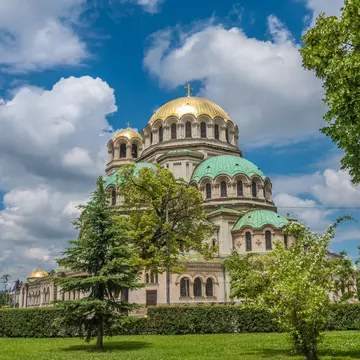
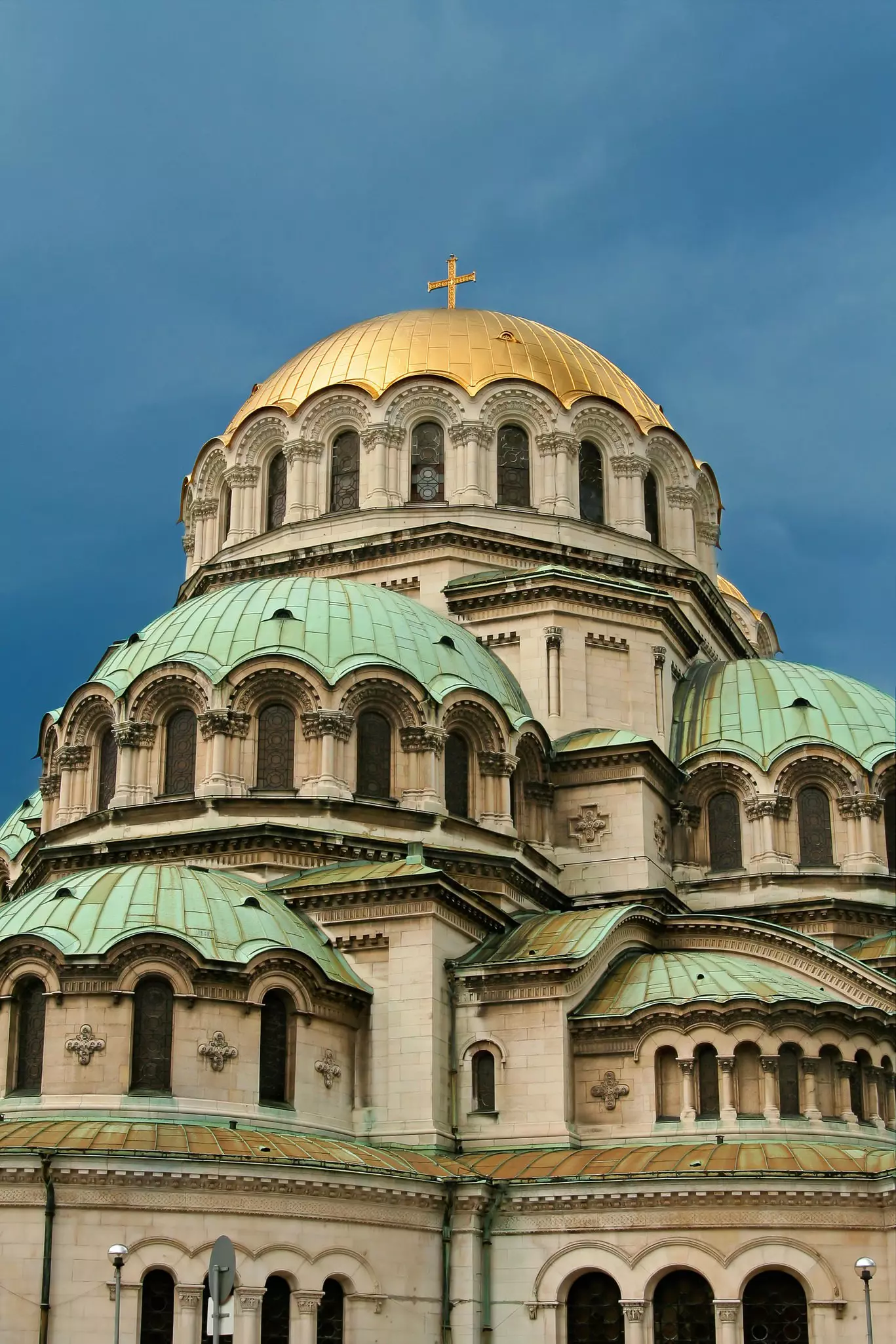
Start by visiting one of the world’s biggest Orthodox churches and a major Bulgarian symbol – the stunning neo-Byzantine Aleksander Nevski Cathedral. Famous for its gold-laden domes, the church commemorates the 200,000 Russian soldiers who died for Bulgaria’s independence during the Russo-Turkish War (1877–78).
If you prefer searching for Thracian gold and Roman artefacts, definitely spend a day at the National Museum of History. Relax in its spacious gardens, while taking a photo with the Russian MiG fighters’ statues that are erected there. For an insight into Bulgaria’s decades behind the Iron Curtain, visit the Museum of Socialist Art to check out its quirky collection of statues, paintings and propaganda movies.
Get to the heart of Bulgarian art by browsing the National Gallery Quadrat 500. This is where you can admire the country’s largest collection of medieval paintings as well as impressive examples of contemporary art. Another art venue worth popping into is the Sofia City Art Gallery, which hosts rotating exhibitions of Bulgarian paintings and sculpture.
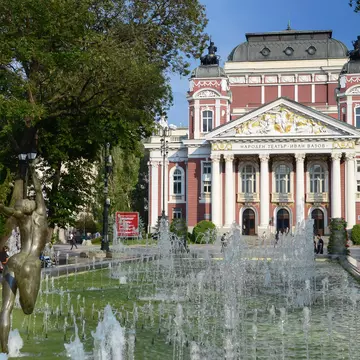
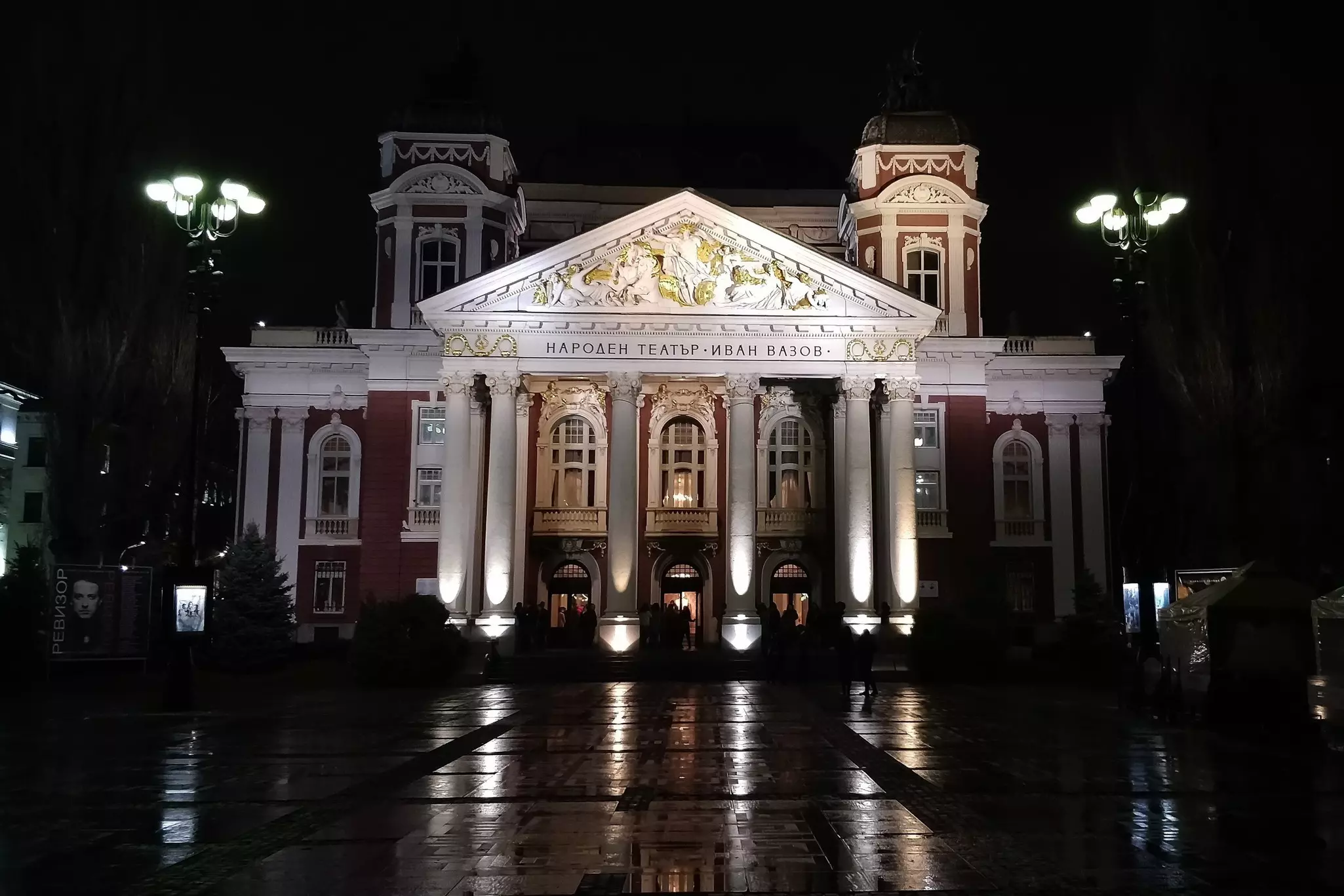
Lovers of opera and ballet can indulge in beloved classics at the Sofia Opera and Ballet. You can’t go wrong with its range of deeply moving, world-class performances (with ticket prices starting from only 10 euros). Fans of classical music can also opt for a night out at the excellent Sofia Philharmonic Orchestra. Head to Ivan Vazov National Theatre for Bulgarian drama.
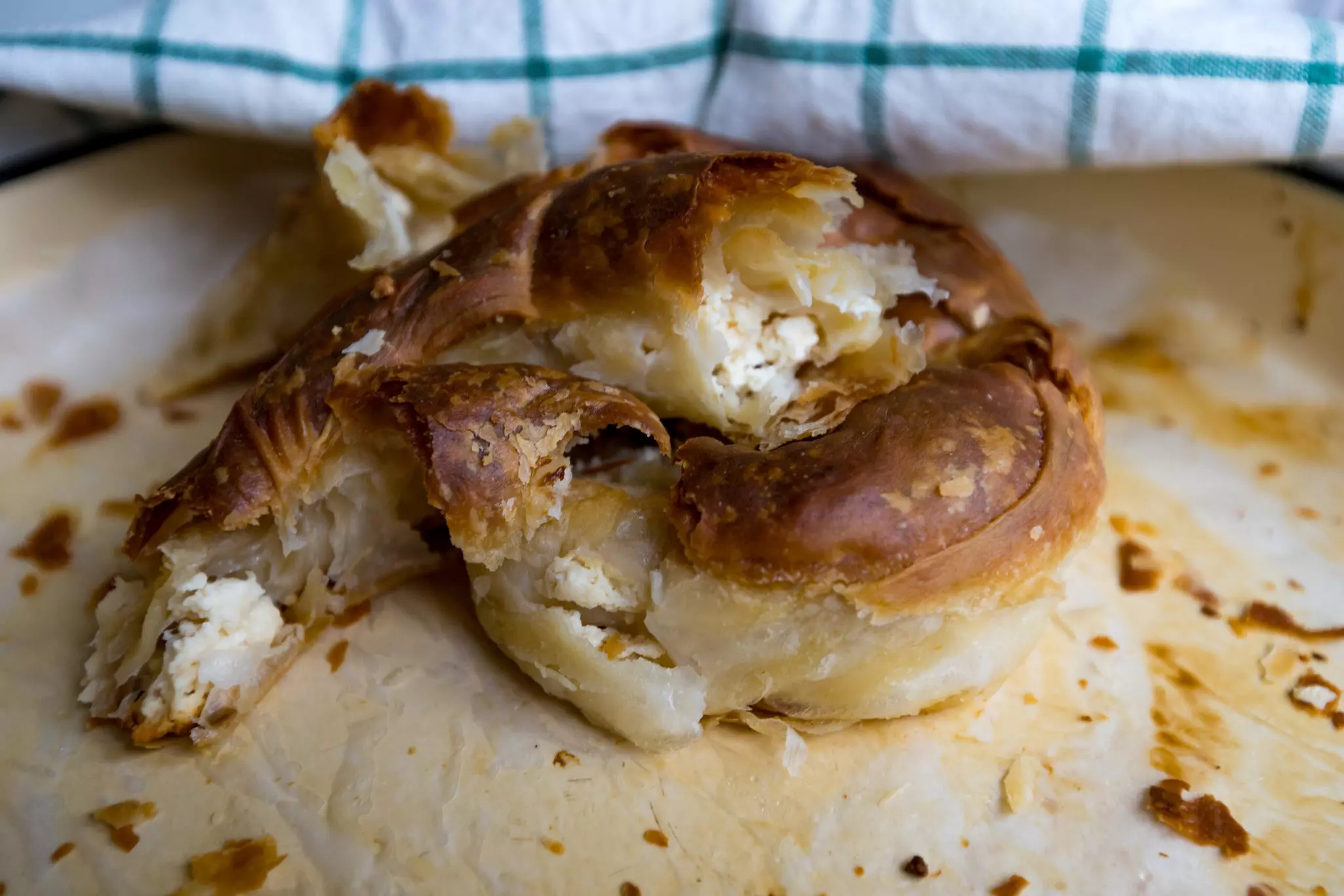
Food is deeply ingrained in Bulgarian culture – it’s a way to enjoy life and connect with others. To start the day like a local, have a bite of a freshly baked banitsa. It’s hard to find a more traditional breakfast than this warm and buttery pastry made of special dough sheets with fillings like white cheese (the absolute classic), spinach and cheese, cinnamon-sprinkled apples and sugary pumpkin. Banitsa can be found pretty much everywhere, but some of the trendiest local bakeries include Hlebar, Furna and Cafe Ma Baker.
Sampling Sofia: best new food and drink spots
At lunchtime, get cozy at one of the restaurants offering local specialities: grilled meat, shopska salad (a fresh mix of tomatoes, cucumbers and white cheese) and rakia (Bulgaria’s national spirit – beware, it’s strong!). Save the evening for a glass of locally produced wine (the red variety mavrud, in particular, is excellent), juicy steaks and a heavenly Turkish-influenced dessert. Vegans and vegetarians won’t be disappointed either – a range of vegan places have shaped the local taste in recent years.
Shtastliveca is ideal for an affordable traditional dinner with a modern twist (vegetarian and vegan options included), Fabrika Daga is famous for its excellent brunches, while Soul Kitchen offers mainly vegan and raw food options. For top-quality wine and cocktails, visit One More Bar.
Thinking of your next shopping trip, you’re more likely to plan a weekend in Italy than in Bulgaria. While it’s true that Sofia is no big fashion capital, it has its fair share of small boutiques and designer clothing that come at more affordable prices than in western Europe. But it’s safe to say that shopping in Sofia stretches far beyond the famous brands.
Visitors can take home authentic pieces of the country’s spirit – everything from organic rose-oil cosmetics (Bulgaria is the world’s leading producer of rose oil) and Bulgarian raspberry wines to white cheese and spices. You’ll find a good selection of products at Rose of Bulgaria and Vino Orenda stores. The best place to stock up on fresh and cheap local foods is the Ladies’ Market (beware of pickpockets).
Nestled in the foothills of the sprawling Vitosha Nature Park, Sofia is just a 10km drive from the pleasant shades of its pine and oak forests. In spring and summer, the mountain is popular for its trekking routes leading to the nearby villages, as well as the soul-stirring peak Cherni Vrâh (literally "Black Peak").
One of the spots to begin your hike is Zlatnite Mostove (meaning "Golden Bridges"). It’s an extraordinary geological phenomenon that looks like a stone river running down a slope from around 1700m to 1350m. Nature lovers may also enjoy trekking to the 25m-high Boyana waterfall that lures with its crystal-clear waters.
When winters are snowy, Mt Vitosha offers accessible and cheap ski rides, but bear in mind that the facilities here are basic in comparison to big Bulgarian resorts like Bansko. Non-skiers can catch the Simeonovo gondola (accessible via bus lines 111, 122 and 123) and enjoy a refreshing walk in the woods.
Article first published February 2018, and last updated October 2019
Explore related stories