
São Paulo
São Paulo is home to 20 million fiercely proud paulistanos (as residents are known), all of whom will happily tell you at length to you how they'd never live elsewhere. Spend time with them and the reasons will soon unfold. Maybe they will introduce you to the city’s innumerable art-house cinemas and experimental theaters. If they’re gourmands, they’ll focus on the smart bistros and gourmet restaurants that make the city a world-renowned foodie haven. If they’re scenesters, follow them on a raucous tour of underground bars and the 24/7 clubbing scene. Whatever pleasures you might covet, Sampa (the city's affectionate nickname) probably has them.
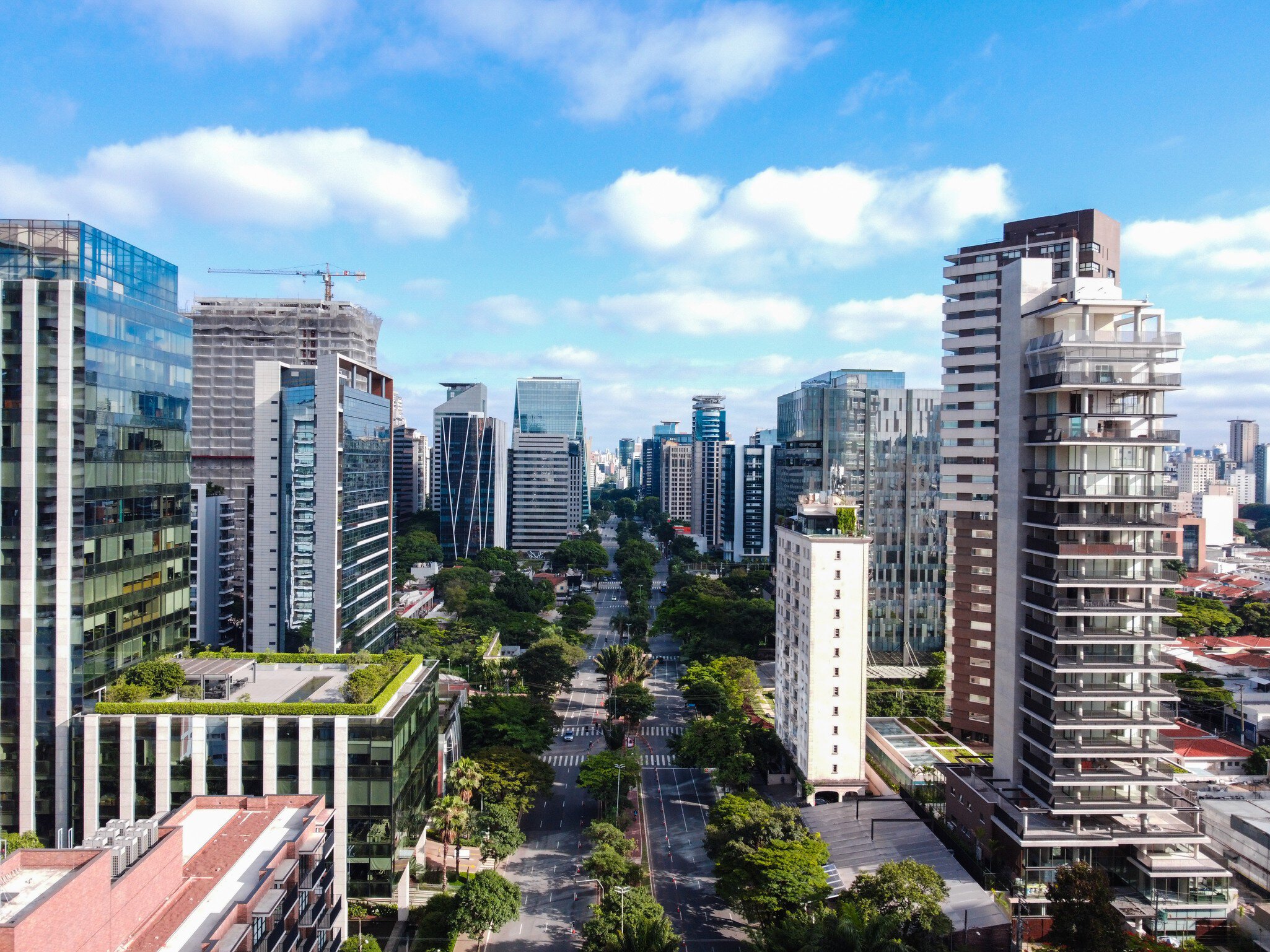
rparobe/Getty Images
Latest Stories
- Joe Revill | Oct 22, 2025The Ultimate Weekend in São Paulo
- Joe Revill | Oct 22, 2025The ultimate weekend in São Paulo
- Jamie Ditaranto | Oct 22, 2025A Guide to São Paulo; Brazil's Artsy and Energetic City
- Trent Holden | Oct 17, 202511 Best Things to Do in São Paulo, Brazil
Book


Trusted Partner
Dreaming of São Paulo? Protect your trip
Travel with confidence. Protect your trip and your wallet.
We don’t represent World Nomads, we receive a fee from quotes using this link. This is not a recommendation to buy travel insurance.
Top places to visit in São Paulo
Discover the best attractions in São Paulo from must-see sights to unexpected hidden gems.
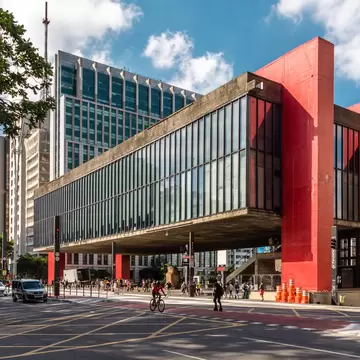
- Attraction in São PauloMuseu de Arte de São Paulo
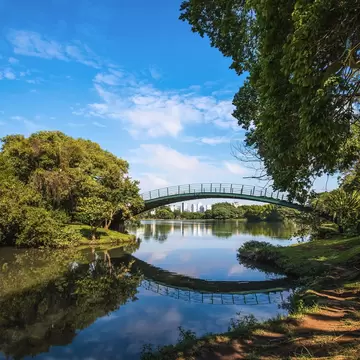
- Attraction in São PauloParque Ibirapuera
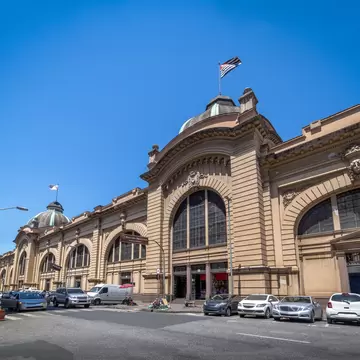
- Attraction in São PauloMercado Municipal
- Attraction in São PauloMuseu Afro-Brasil
- Attraction in São PauloRua Oscar Freire
-
 Attraction in São PauloEdifício Copan
 - Attraction in São PauloFarol Santander
- Attraction in São PauloMosteiro São Bento
Travel Guides
São Paulo travel tips from Lonely Planet experts
Find practical guidance from our team of contributors around the world who bring their decades of first-hand travel experience to your next trip.
Best Things to Do
Don’t miss these top experiences in Brazil’s coolest city, from spectacular green space to top-notch museums and best-in-class cuisine.
Read full article
Get a book. Get inspired. Get exploring.


in partnership with getyourguide
Book popular activities in São Paulo
Lonely Planet may earn a commission from affiliate links on our site. All recommendations and reviews reflect our own independent opinions.