Jul 24, 202510 min read
The 17 Top Things to Do in BrugesJul 24, 2025
10 MIN READ
Writer
From touring the city by canal boat to eating the tastiest fries, here are the best things to do in Bruges. Martin M303/Shutterstock

Writer
Highlights
Writer Jessica van Dop DeJesus rounds up 17 Bruges activities, art to beer.
Take a canal boat tour to orient yourself, then stroll glorious Markt and its Belfort.
Head to Groeningemuseum for Flemish Masters; art fans will love Memling at Sint-Janshospitaal.
For Belgian beer, tour De Halve Maan; for peace, seek out the begijnhof's reverent calm.
Lonely Planet may earn a commission from affiliate links on our site. All recommendations and reviews reflect our own independent opinions.
Bruges is Belgium's most picturesque city, with photo opportunities around every corner. This UNESCO World Heritage site boasts one of Europe’s most beautifully preserved medieval centers, featuring cobblestone lanes lined with whitewashed almshouses, historic churches and fascinating museums alongside peaceful canals and world-renowned beers.
But what should you do when you’re not cruising the waterways or sampling local brews? We’ve got you covered.
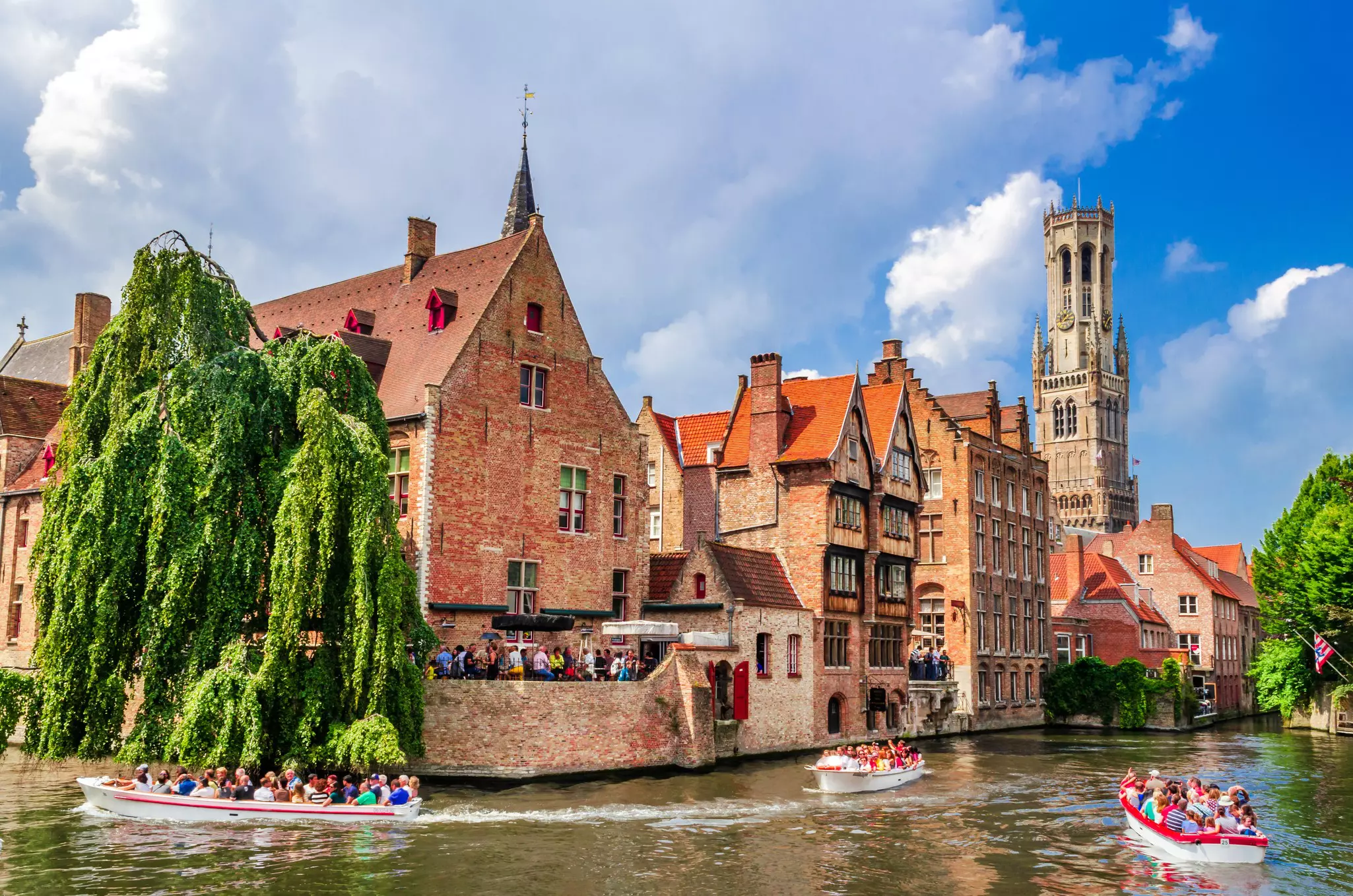
The medieval city center survived multiple invasions and wars over the last 500 years, yet miraculously kept its 15th-century architecture intact – an achievement that won it UNESCO World Heritage status in 2000.
Beyond the picturesque Gothic facades, you can go sailing through the canals, learn about the Flemish Masters, or visit one of the many museums (perfect for a rainy day, of which there are many). Here's our pick of the very best experiences in Bruges.
Experience the sights and sounds of Bruges on a boat tour along the picturesque canals from just €12 ($14). Doing it on the day you arrive will help orient you in the city while the guide gives you a potted history of your surroundings. You'll pass under Bonifacius Bridge, a popular 20th-century stone arch crossing usually thronged with snap-happy tourists, as well as the 18th-century Nepomucenus Bridge, watched over by a statue of John of Nepomuk – the patron saint of bridges.
Save some smartphone storage for Rosary Quay, though. Its name comes from the rosary bead sellers that used to dominate the area, but that's not what draws tourists here in their droves. It's the photogenic kink in the canal and the crooked, forward-leaning facades that make for incredible pictures. The boats, formerly all diesel engines, are now being replaced by a fleet of fully electric vehicles.
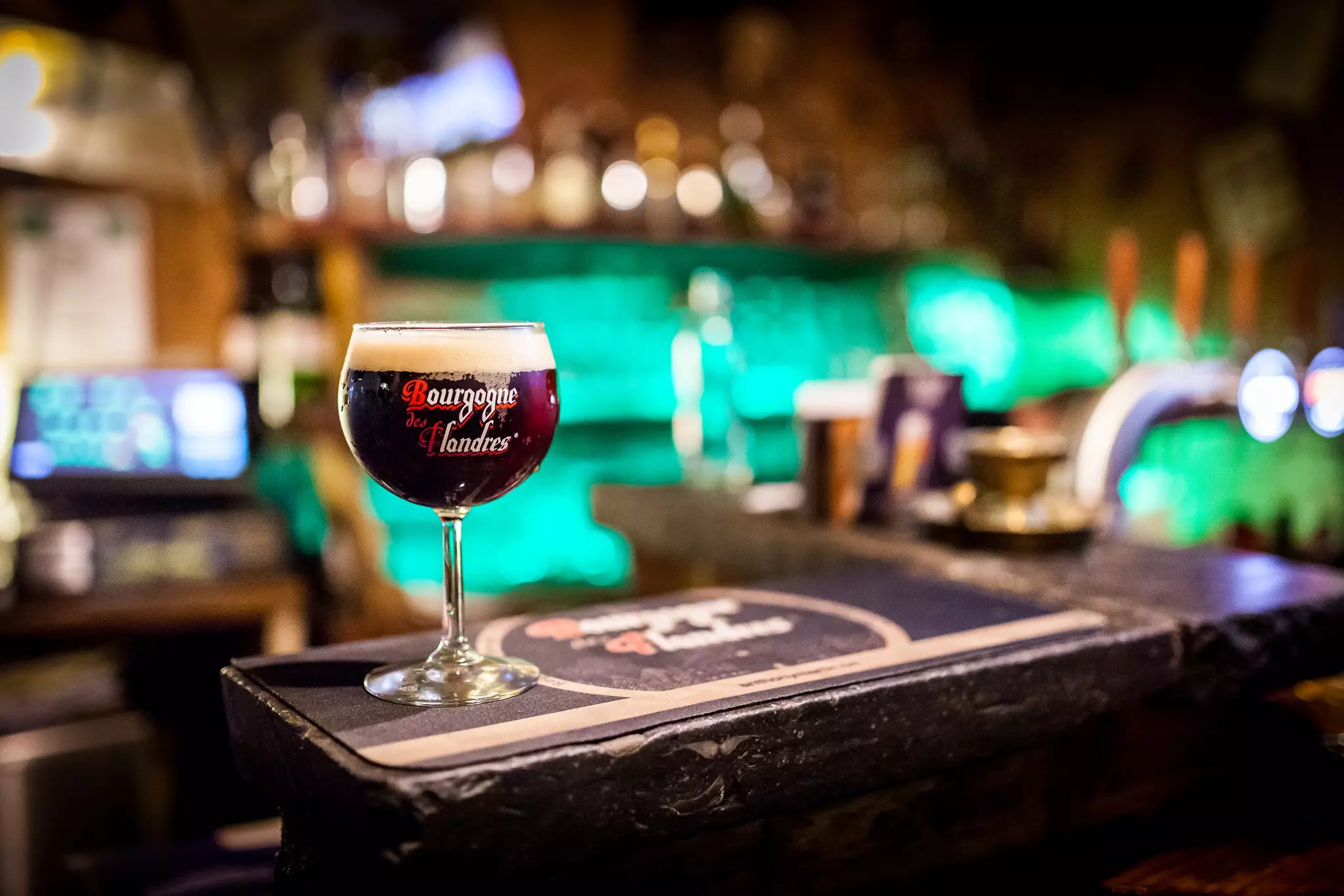
Beer is a big part of Flemish culture, and there are no shortage of places to have a pint, so take a break from sightseeing to try a local specialty. Tucked away in a little alley near the city center, De Garre is a quirky bar with over 140 varieties of beer. Advertised as "possibly the oldest pub in Bruges, " Café Vlissinghe has been pouring beers since 1515. It's still a beloved spot for tourists and residents of Bruges alike. If you're looking for a lively bar scene, head to 't Zand Square – Villa Gerard is popular with students and residents.
If you have a sweet tooth, get ready to indulge in Bruges – there are chocolate, pastry, and candy shops on every street and the sweet aroma of freshly toasted waffles follows you through the city. For a beautiful and delicious waffle, go to Otto Waffle Atelier where they're made with an intricate pattern.
Aux Merveilleux De Fred serves exquisite pastries in an equally stunning tea room. Order a Vergeoise waffle to go with your coffee. Round out your indulgence with chocolate truffles at one of the most popular chocolate shops, Chocolatier Dumon.
Pack your comfortable shoes because Bruges is a place for walkers. A wander through the beautiful city center is one of the best ways to admire the Gothic and Flemish architecture. Keep your eyes open for the many treasures such as the emblematic 't Zand's 21st-century Concert Hall, which looks like a giant, half-submerged goldfish ducking beneath the pavement; the cherry-red Barge Bridge that seemingly twists like the track on a roller-coaster; and the 13th-century Church of Our Lady, with its enormous 115m (377ft) spire. Inside you'll find Michelangelo’s serene Madonna and Child statue from 1504.

Stay connected abroad with an eSIM
Holafly eSIM provides unlimited mobile data with no hidden fees, giving you peace of mind wherever you travel. Stay connected even after your plan ends with Always On. Use code LONELYPLANET for an exclusive discount.
Lonely Planet may earn a commission from affiliate links on our site. All recommendations and reviews reflect our own independent opinions.
Planning tip: Bruges Tourism Office offers free maps for self-guided walking tours.
Take a 10–15 minute walk from Markt, the heart of ancient Bruges, to Langestraat, a street with independently owned restaurants, cafes, and shops. Stop by Cherry Picker Cafe for its unique selection of vinyl records with a bar in the back of the shop before browsing for rare finds at Brocante Cafe, an antique shop and cafe. If you're looking for the perfect made-in-Bruges gift, stop by Atelier Twee, featuring leather goods made in-house and items created by regional artisans.
Belgium produces some of the best beers in the world – even those that don't usually enjoy a pint can be converted after a sip. For Belgians, beer is more than a beverage, it's a tradition, with most brasseries serving beers in distinct glasses representing the breweries. Brewery De Halve Maan offers brewery tours and tastings in the heart of Bruges. Sip your chosen brew in the beer hall or catch the elusive Belgian sun on the cozy terrace.
Planning tip: Be sure to bring your camera on a sunny day. The tour guide (weather permitting) will take you to the brewery's rooftop, which offers splendid city views.
A medieval masterpiece, few European plazas outdo this glorious, car-free square for sheer good looks. A poster child for Belgium, Markt has a bit of Hollywood pizzazz to it – all tall, step-gabled guild houses, glinting neo-Gothic facades, and slow, clip-clopping horse-and-carriage rides. True, some of the buildings may not be as timeless as their restored glory suggests, but little has changed since the first market here in 958 CE.
Just look to the Belfort in the northwest of the square. Finished in 1486, this 83m-high (272ft) octagonal tower was the dominating skyscraper of its day – and so it remains. Grab a coffee from one of the nearby terrace cafes and admire it all from there, or...
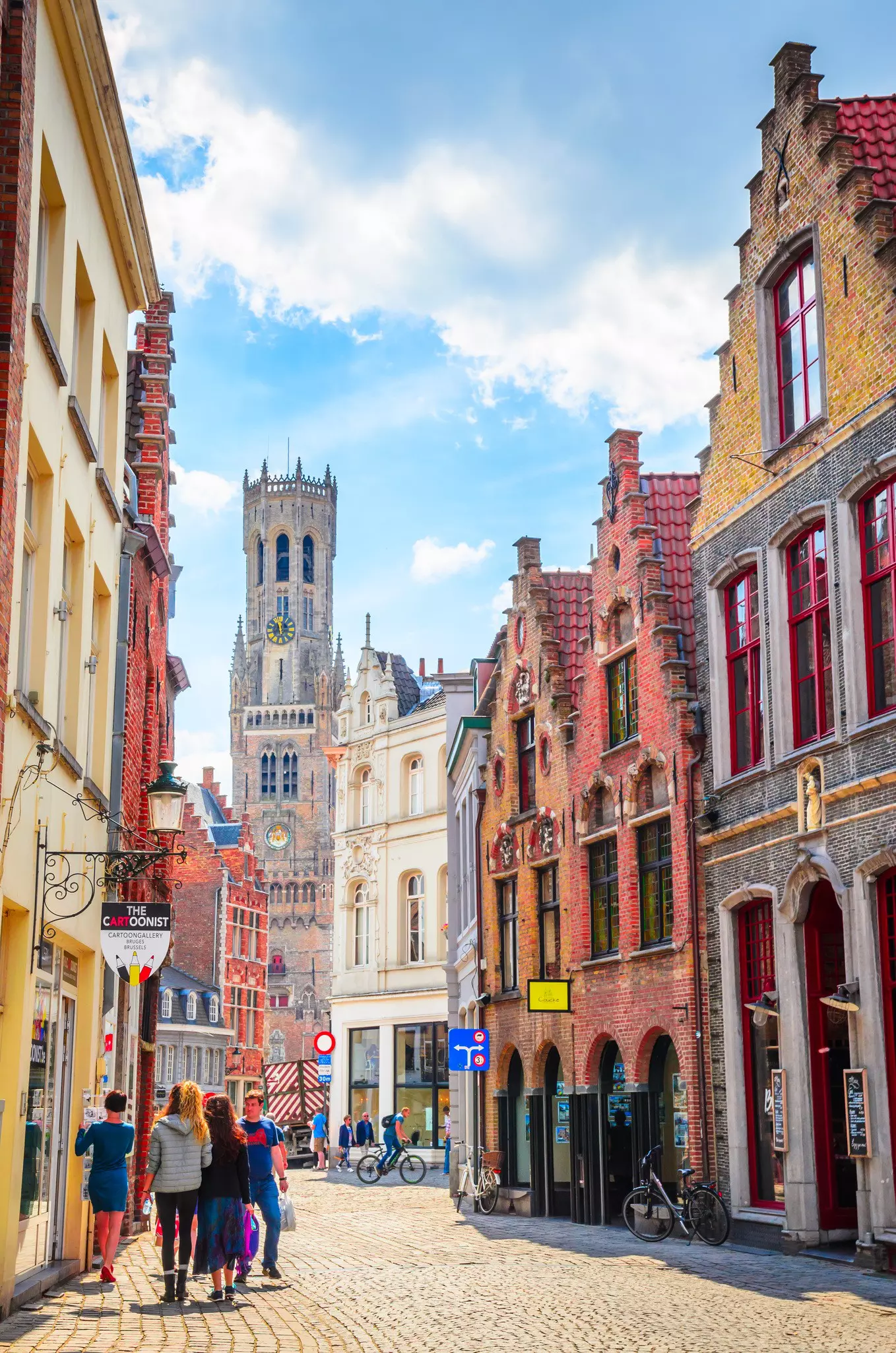
To preserve Bruges' charm, there are no tall modern buildings in the city center. Get the best panoramas over red-tiled rooftops all the way to Zeebrugge – and a workout from climbing the 366 steps – at the top of Belfort. This 13th-century belfry is one of the tallest points in the historic center.
Planning tip: Numbers are limited to 70 visitors at a time for safety reasons. The queue can get quite lengthy at peak times, so arrive early to avoid them.
Given its long history, Bruges is a city of rich culture, and nowhere showcases this like the rich collection of Flemish Primitive and Renaissance works at Groeningemuseum. The art gallery features works by Flemish Masters such as Jan van Eyck, Hans Memling, Hugo van der Goes, and Gerard David, and is the perfect rainy day activity.
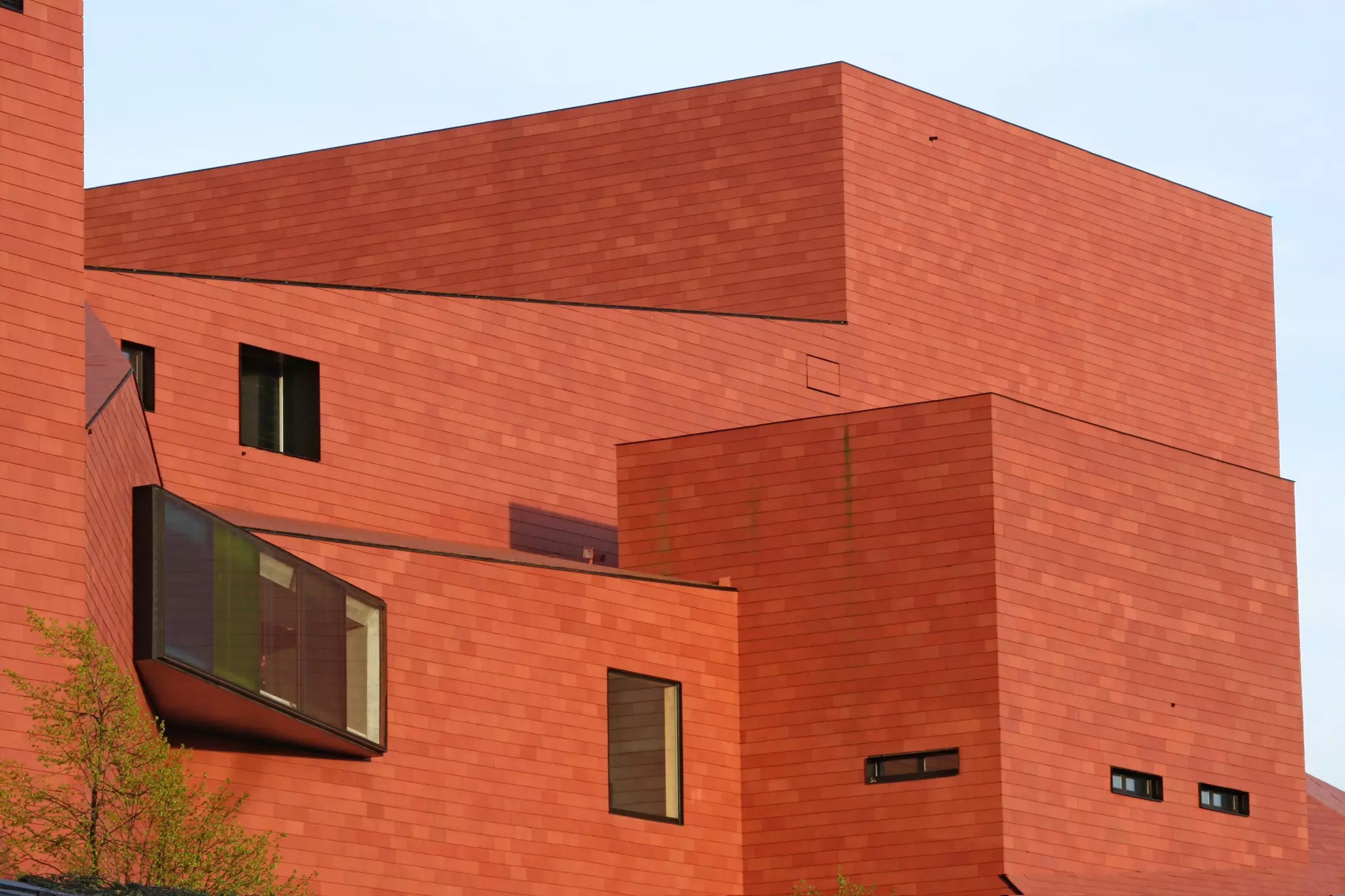
Another treat for a rainy day is the eclectic programming of exhibitions and performances at the Concertgebouw, the modern concert hall of Bruges. You can also book a tour of this stunning 21st-century architectural gem.
This impeccably restored chapel, which sits at the heart of a wonderful 12th-century hospital building, is home to six masterpieces by the revered 15th-century devotional artist Hans Memling. Undoubtedly Bruges' finest painter, certainly in his lifetime, it wasn't really until the late 19th century that interest was piqued in the innovative portraitist with shows across the world.
Here, you can admire his delicate oil work on the panels of the splendid, gilded reliquary of St Ursula, which is said to hold some of her relics. But don't miss the large triptych of St John the Baptist and St John the Evangelist either. It was originally the church's altarpiece.
Planning tip: Your ticket also gives you access to the restored 17th-century pharmacy through a door at the rear of the chapel.
Imagine being a square this beautiful and interesting and still not being the most-talked-about square in the city. Anywhere else in the world and the Gothic turrets of the 15th-century Stadhuis (city hall), the charcoal-colored facade and gilded statues of the Basilica of the Holy Blood – purportedly home to a cloth stained with the blood of Jesus Christ – and the light clip-clop of the horse-drawn carriages would make Burg an unmissable banquet of medieval architecture. Here? It plays second fiddle to Markt. But is still well worth a few hours of your time.
There are several universities in Bruges, most notably the College of Europe and the Catholic University College of Bruges, which means plenty of places to find a meal on a budget. The area around 't Zand Square has several student-friendly restaurants, cafes, and bars.
HAP Takeaway Bites uses locally sourced ingredients to make delicious sandwiches, salads and freshly pressed juices. An excellent spot for breakfast or lunch, most items cost around €5–8/ $6-9.50. For lunches for less, try the burgers, croquettes, and fries at Frituur-Bistro 't Bootje or dine on Syrian-style falafel, shawarmas, and wraps at Taboulé.
Bruges is relatively flat, making it ideal to explore on a bike. There are several good bike rental outfits located around the city. Start your ride at the Kruispoort Gate, one of Bruges's four preserved medieval gates, where a bike trail leads the way to photogenic windmills such as Bonne-Chière and Sint-Janshuismolen.
If you want to go on a longer ride, consider the 90-minute roundtrip to Zeebrugge, approximately 15km (9.3 miles) each way, for a view of the choppy North Sea and lunch at a seafood restaurant.
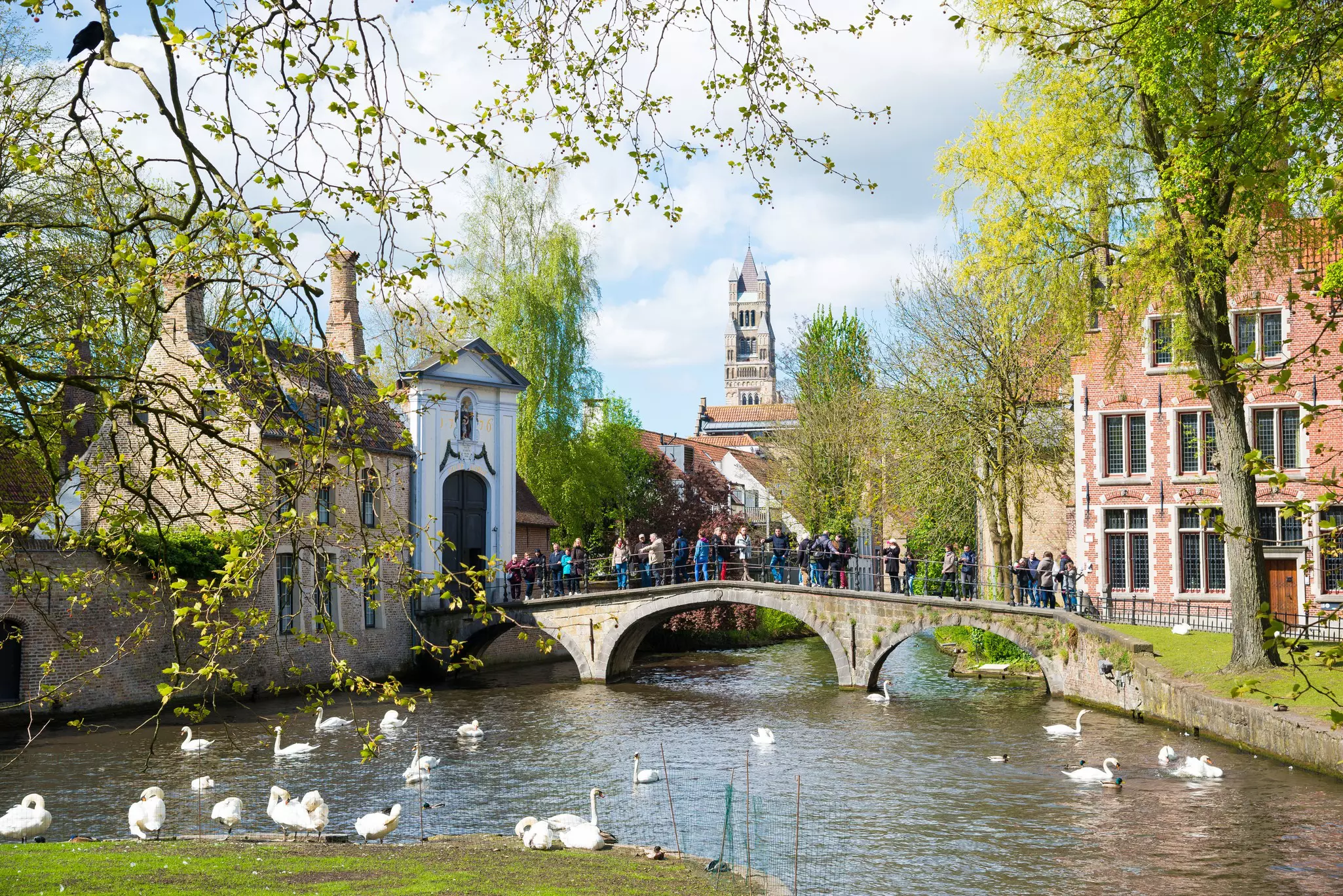
Ah! Pure silence. Or as close as you're ever going to get in a city that swells with bus-loads of tourists each day. Built in the 13th century as a place for religious women to live piously but with the freedom to go into the city itself, this gabled, white-washed begijnhof still retains a reverent calm among its trees.
No trip to Belgium is complete with having a cone (or three) of frietjes (fries). Belgians take their fries seriously and Bruges has plenty of frituurs – small restaurants specializing in fries – around the city. A portion of fries with sauce costs from around €4/$5 to 6.50/$8 depending on size. Belgians love a dollop of mayo on their crispy, thick-cut fries and sometimes tuck in with unique condiments such as curry ketchup or samurai sauce (spicy mayo).
The quirky Frietmuseum starts with a detailed history of potatoes and their journey from Peru to Europe and helps you understand why fries became such an important part of Belgian cuisine. Bring your appetite – the museum serves crispy fries made to order with a wide selection of sauces from its own frituur.
Explore related stories