Oct 23, 20253 min read
The 6 Best Things to Do in Brussels in WinterSep 23, 2025
9 MIN READ

Writer
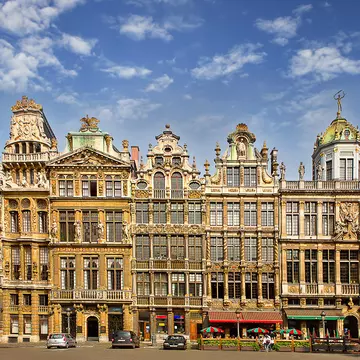
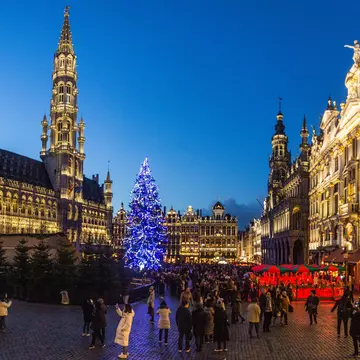
The main square in Brussels. Pecold/Shutterstock
Writer
Highlights
Writer Kerry Walker picks 12 Brussels experiences from waffles and beer to Art Nouveau.
Gaze at the Grand Place at dawn, then hunt Sablon pralines and seasonal moules et frites.
Walk the 5km Comic Strip Trail for Tintin murals or drink gueuze at Cantillon Brewery.
Browse antiques in Le Marolles before catching the century-old tram to Tervuren's Africa Museum.
Lonely Planet may earn a commission from affiliate links on our site. All recommendations and reviews reflect our own independent opinions.
Brussels boring? Oh, come on. Look beyond the bureaucrats and brush aside the clichés and you’ll find a city that dazzles with nuance.
Here beauty lies in the details: wrought iron Art Nouveau flourishes dancing across otherwise plain houses; locals’ wry jokes paired with warm welcomes; larger-than-life comic strip murals that bound off the walls and make you do a double take; chocolates that are bite-sized, cream-filled, melt-on-the-tongue marvels. Decadence is part of daily life in Brussels.
If you have a few days to explore, it’s worth deviating from the center and tuning into a different beat in neighborhoods brimming with art, parks and bohemian flavor. Here are some of the top things to do in Brussels to experience the little delights of Belgium’s underrated capital.
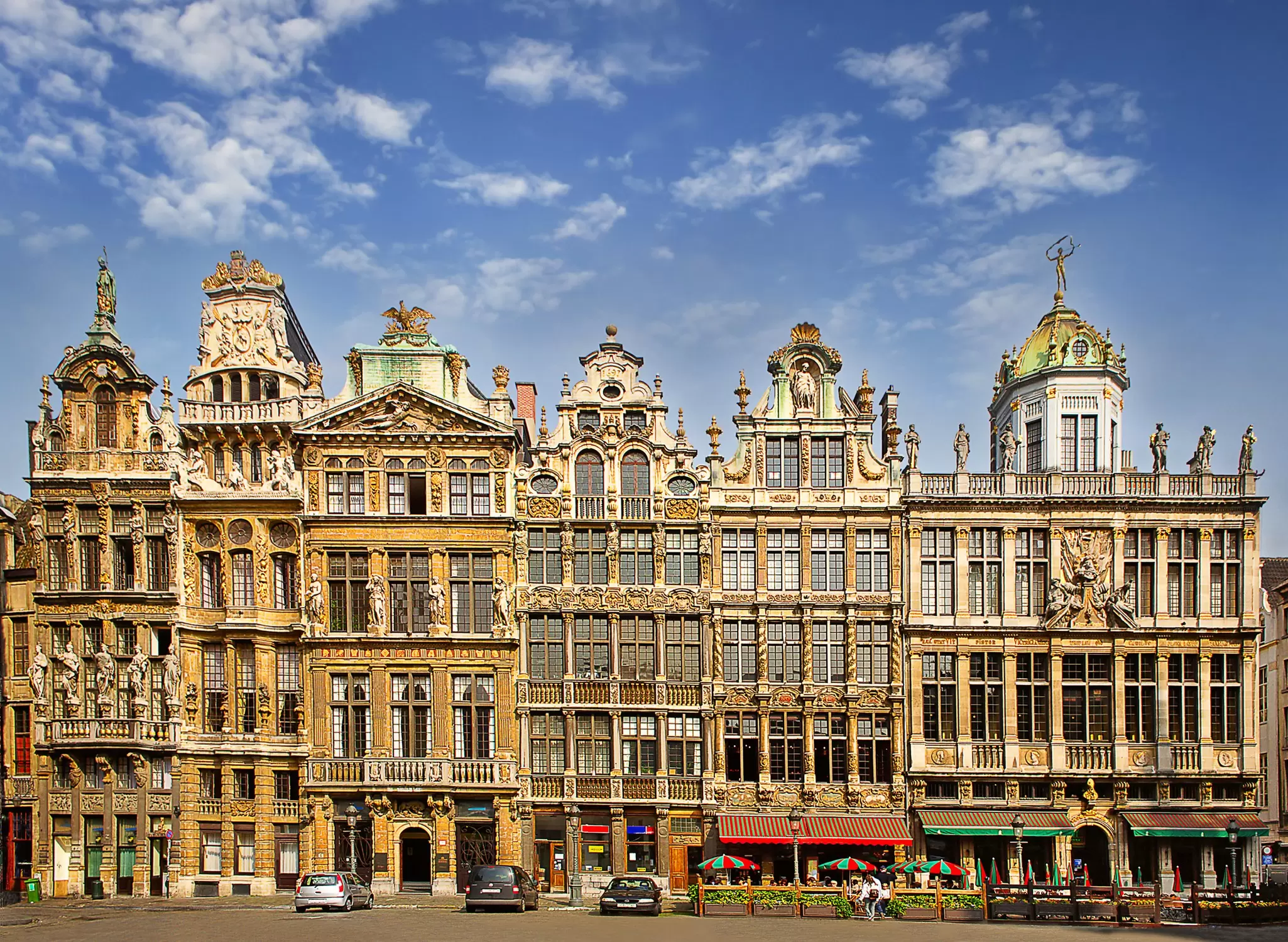
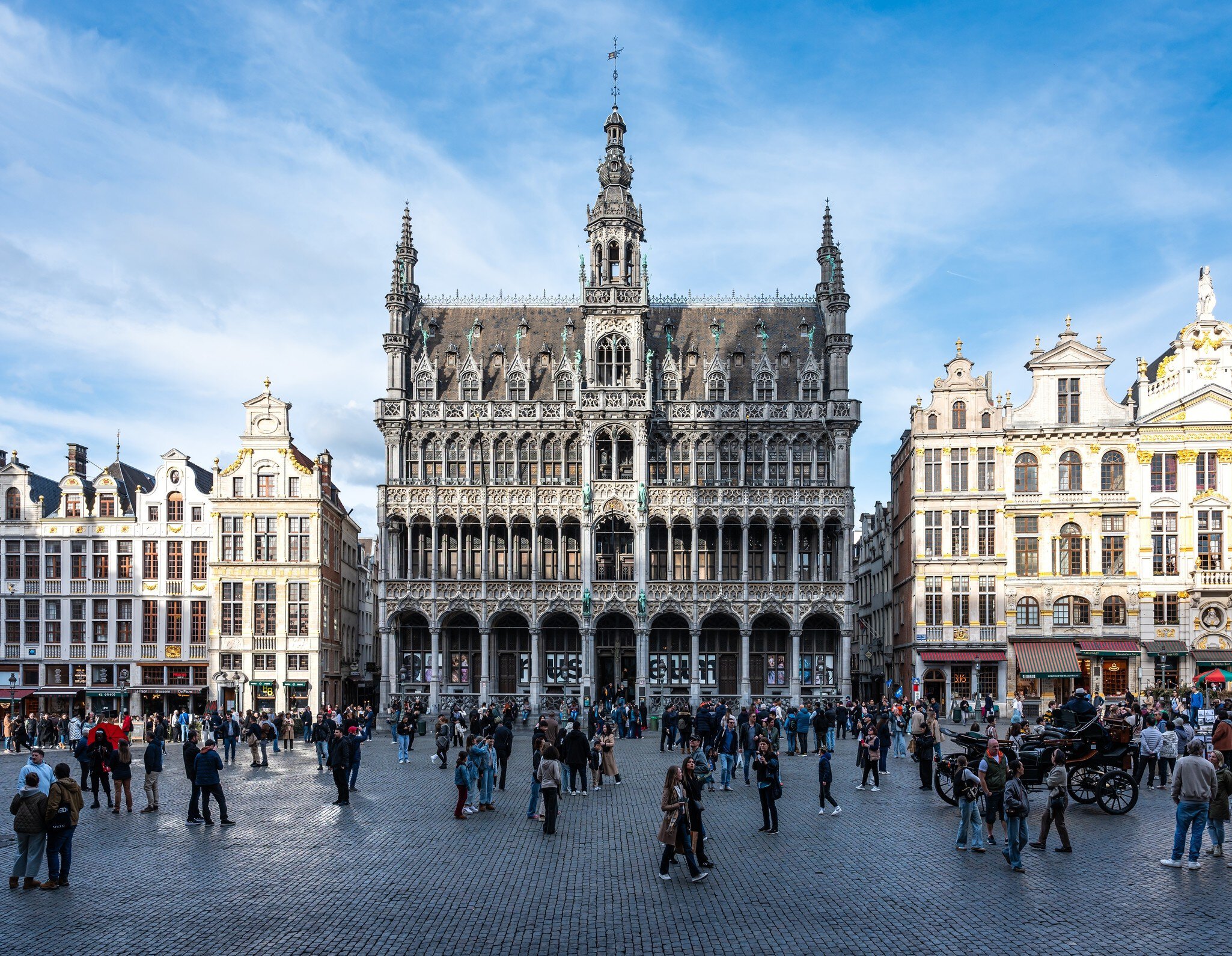
The fact that it’s often swarming with selfie-snapping crowds doesn’t detract from the fact the Grand Place is well, terribly grand. If you only have one day in Brussels, head there. To dig deeper, rather than treating it as a big gilded Instagrammable backdrop, take a moment to sit and drink in the intricate details of each building: a swan rearing where Marx wrote his Communist Manifesto; the boatmen guild’s gable shaped like a ship’s stern; a bas relief of Romulus and Remus with their wolf mother.
Planning tip: Avoid peak holiday season and weekends for a quieter glimpse of the Grand Place. Early risers are also rewarded. Go at the crack of dawn when the city is still sleeping.

Sure, the Belgian weather can be gray, but who cares when you can scoff your own weight in buttery, caramelized, sinfully sugary Belgian waffles? Sprinkles, nuts and whipped cream have their time and place, but Belgians usually skip the shops that offer mountains of toppings. Freshly made and sticky sweet Liège waffles (Luikse in Flemish) are best enjoyed sans toppings and just with a dusting of icing sugar. Waffle vans serving piping hot waffles wrapped in paper can be found all over Brussels – city parks and weekend markets are good places to look. Choose one with a bench nearby as digging into a waffle standing up requires a lot of practice!
Planning tip: For some of the lightest, fluffiest waffles you’ll ever taste, follow your nose to Maison Dandoy, doing a brisk trade in waffles, speculoos and biscuits since 1829, on the aptly named Rue au Beurre Bruxelles.
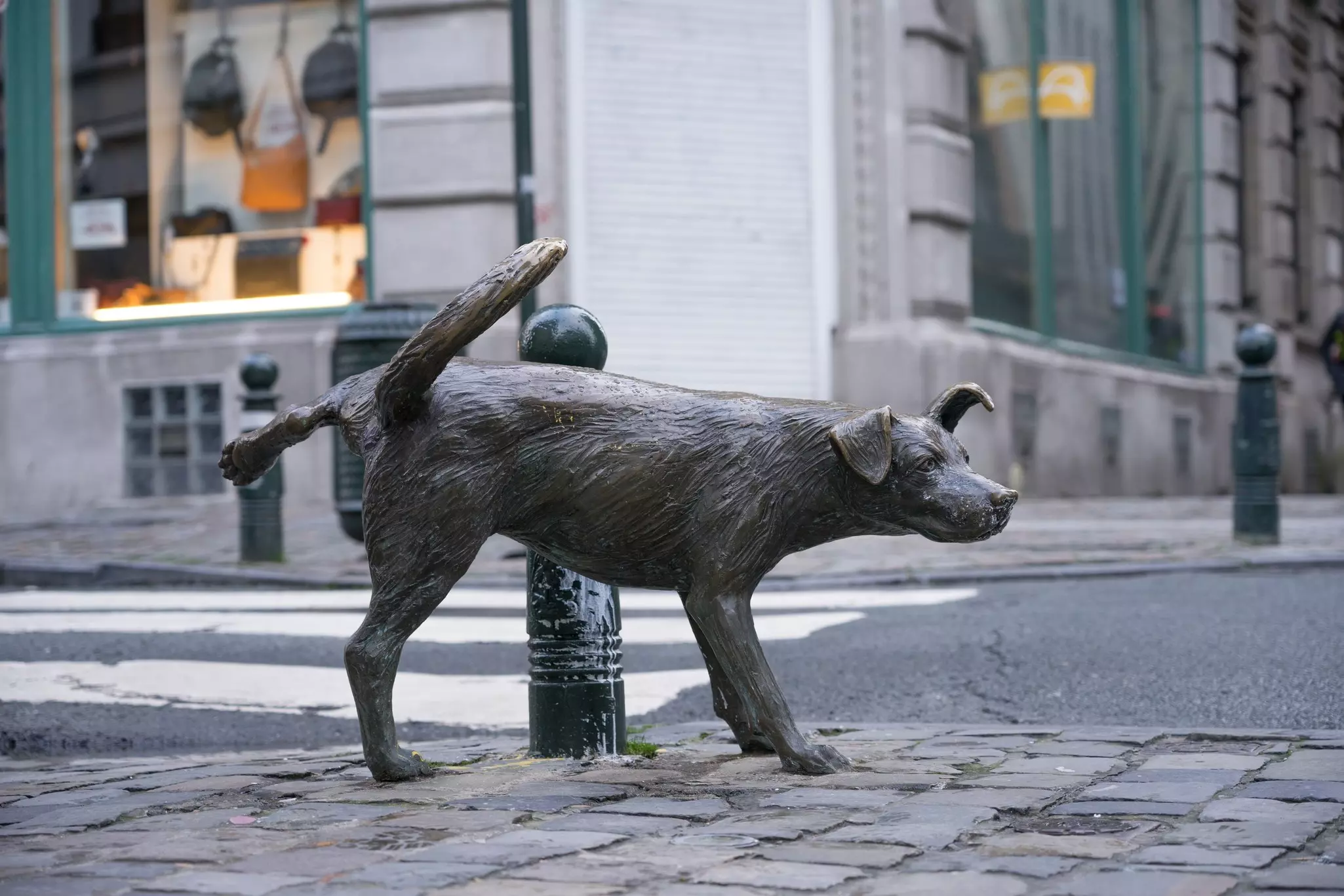
In other cities tourists angle their smartphones at castles and palaces – in Brussels all eyes (and lenses) are on the Manneken Pis, the “little pissing man” who is a perfect example of Belgians’ cheeky humor. Most tourists stop at the bronze boy with the bottomless bladder, but he actually has two urinary comrades. Since 1987, Jeanneke Pis has been squatting behind a red fence near Rue de Bouchers. Manneken’s best friend was added in 1998: a statue of a leg-cocked mongrel, Zinneke, casually answering nature’s call on a Rue des Chartreux bollard.
Planning tip: The Manneken also happens to be the best dressed lad in town. Check out his ever-growing wardrobe at the fancifully neo-Gothic Maison du Roi, a stone’s throw from the fountain.
All curves, twisting steel vines and floral flourishes – illustrious architect Victor Horta brought the most graceful touch to Brussels. One of the pioneering fathers of the 19th-century Art Nouveau movement, Horta’s work influenced countless elegantly understated façades found throughout Brussels today. To honor his work, his family home in Ixelles’ Chatelain neighborhood is now open to the public as a museum. It’s not hard to find Art Nouveau influences in Brussels, but the Musée Horta is one of the few places where you can dive deep into the brilliance of Horta’s artistry.
Planning tip: Don’t stop there. You can see Horta’s unmistakable hallmark on other buildings across the city, including Hôtel Solvay, Hôtel Tassel (Rue Paul Emile Janson) and Hôtel van Eetvelde.
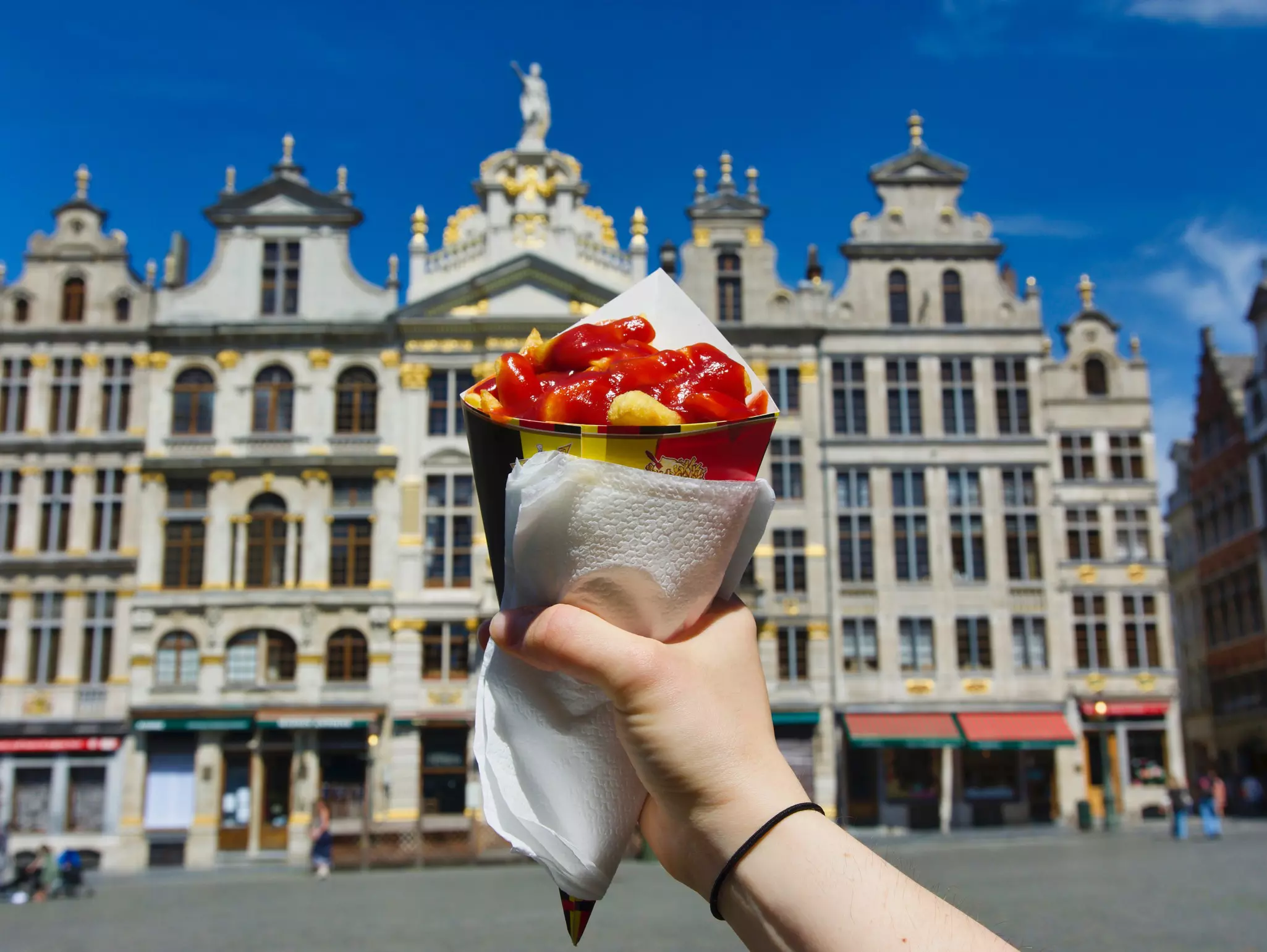
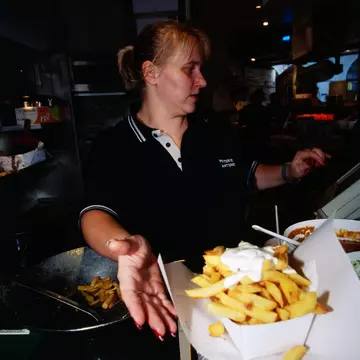
Belgians love their perfectly crispy fries so much that some want the vendors’ stands placed on UNESCO’s Cultural Heritage list. Snacking on fries is a must-do while in Brussels. Portions come in many shapes with many sauces – mostly variants of mayonnaise – but the classic method is to eat your frites straight from a paper cone from a fritkot (fry kiosk). Maison Antoine in Place Jourdan is a central cult favorite, but prepare to queue for your cone.
Planning tip: As any true Brussels local will tell you, the best way to round out a night on the town is at a fry stand. Late-night party-goers head to Friterie de la Barrière, open until 1am.
Ask a group of Bruxellois to recommend the city’s best chocolatier and watch the eyebrows and voices raise – this is a personal question, a matter of taste. What they can passionately agree on, however, is that some of the world’s best chocolate is in Brussels. Ganaches, pralines and fresh-cream truffles that seem made by the hands of angels lure you into posh chocolate shops where you will never escape without a beautifully gift-wrapped box of the city’s finest. Connoisseurs should head to the Sablon neighborhood: there you’ll find names like Wittamer, a master of the “older” generation, alongside newer chocolatiers, such as Pierre Marcolini, who are more experimental with their creations.
Planning tip: High quality comes at a high price, so if you’re visiting Brussels on a budget, the Neuhaus factory is a more wallet-friendly alternative – and you get to gorge on free samples.
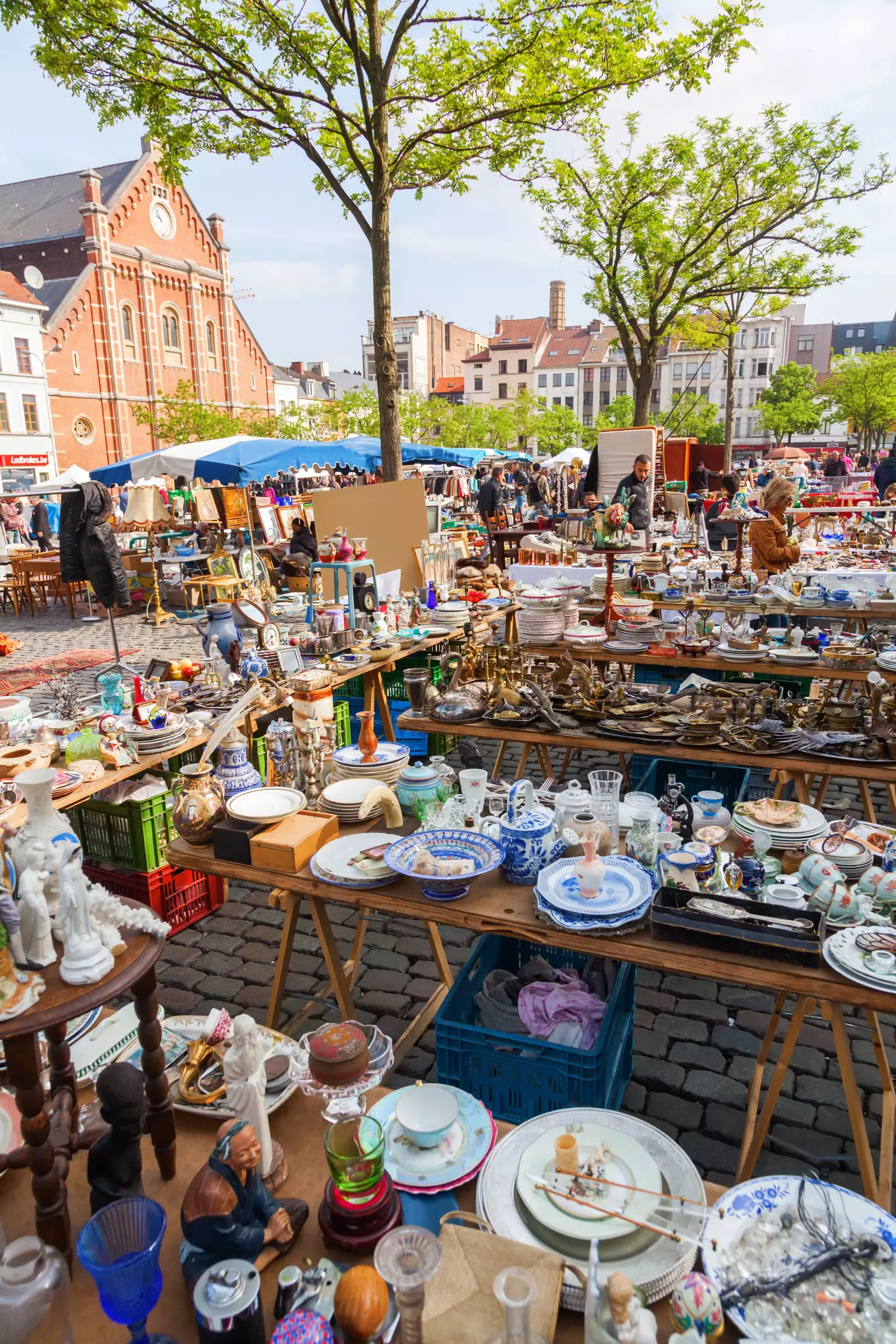
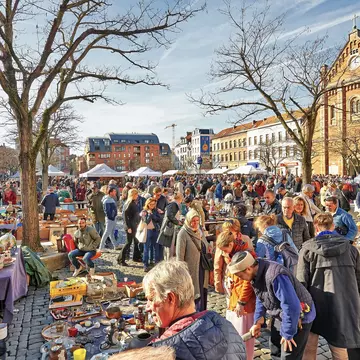
Long a neighborhood of the working class, Marolles is the historic heart of Brussels. The original Brusseleer dialect can still be heard on its streets today. Though times are changing and accents are fading, Marolles is still a place to get a glimpse of the past at bargain prices. Both trash and treasure are sold at the Place du Jeu-de-Balle flea market running 365 days a year (get there bright and early for the best bargains), and shopping streets Rue Haute and Rue Blaes around the square are lined with shops doing a brisk trade in antiques and vintage clothes.
Musical instruments might seem a strange museum choice for non-musicians, but the brilliantly hands-on MIM is one of the best things to do in Brussels with kids. In a gorgeous Art Nouveau building, they (and – let’s face it – you) can play for hours, exploring the sounds of squiggly horns and plucky pipe organs nobody has ever heard of. Pop on headphones and step on the floor panels in front of the instruments to hear them being played.
Planning tip: Once you're done, MIM has a rooftop restaurant that offers views of central Brussels through arched windows.
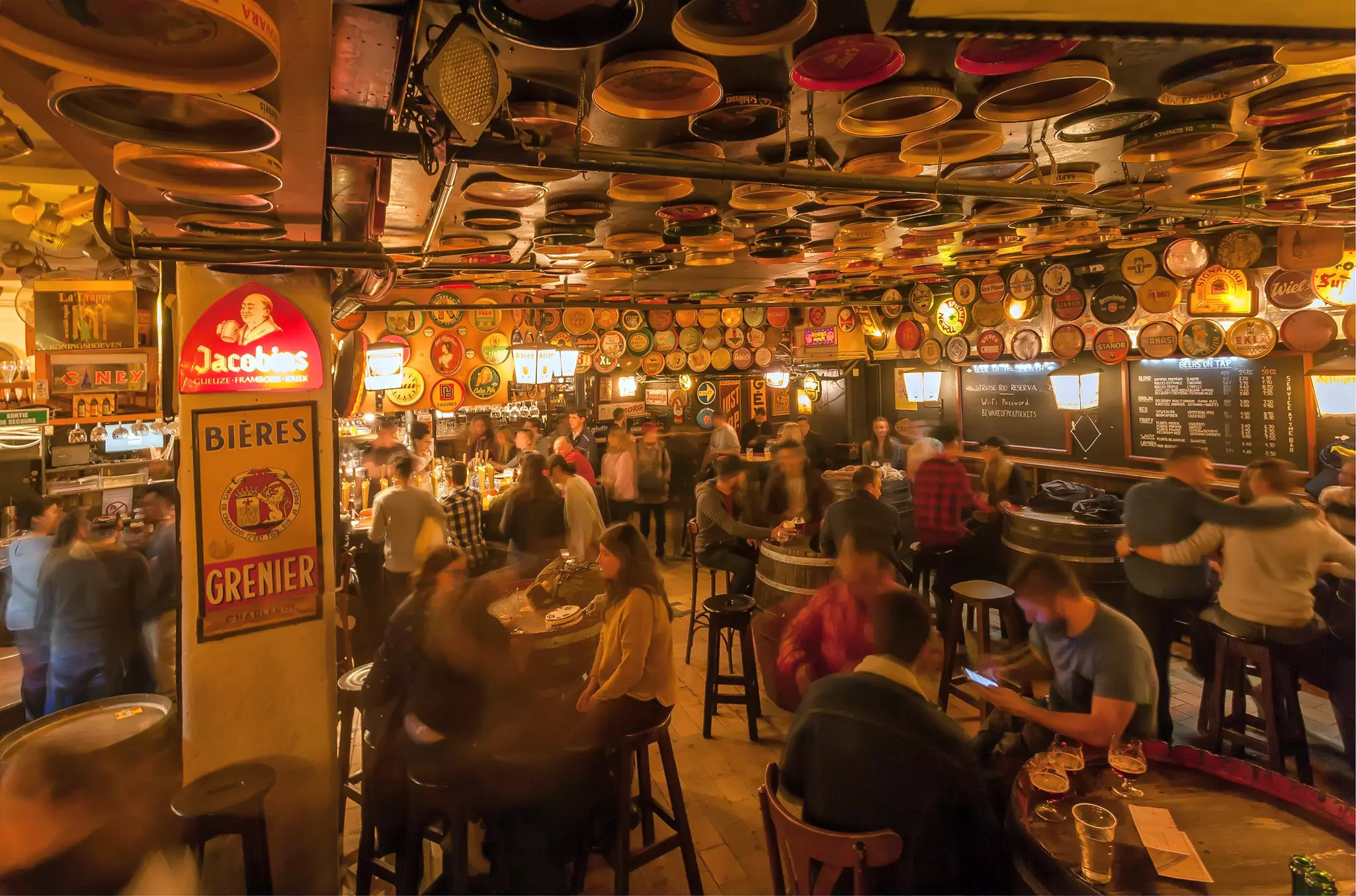
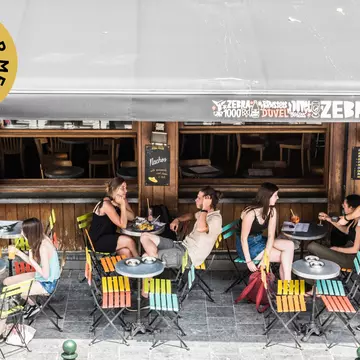
Snuggling up in a brown cafe with a beer is one moment you won’t want to miss. Cheek-by-jowl seating, smoke-darkened wooden panels, tables packed with friends laughing and putting the world to rights into the wee hours, and arm-long beer lists are defining features of these Brussels institutions.
No matter where you stay, there’s sure to be at least one brown cafe nearby, but centrally located favorites include atmospherically brick-walled Moeder Lambic in Ixelles, picture- and puppet-plastered Poechenellekelder by the Manneken Pis, and Art Nouveau Nüetnigenough near the Grand Place. Delirium Café merits an honorable mention: though it’s objectively touristy and often sloppy, it does have the world’s biggest beer menu (3000 kinds at last count).
Forget your bog-standard lagers and ales. Belgian beer is a world unto itself. For starters, try monk-made Trappist brews, double-fermented gueuze lambics and tart krieks (made by fermenting lambic with sour Morello cherries).
Planning tip: Subtly sour and super fizzy? It’s a gueuze! Brussels’ answer to Champagne is this curious lambic-style beer, which hails from the nearby Senne Valley. It’s something of an acquired taste, but give it a whirl by doing a tasting at the family-run Cantillon Brewery and museum in the west of Brussels.
The mussels in Brussels are justifiably famous. Moules et frites, steaming pots of mussels cooked in white wine and served with a mound of fries, are a Belgian classic. Some restaurants dish up pots of mussels year-round, but Belgians claim the best mussels are only available in months with an “r” (September through April). If you’re in Brussels at the right time of year, don’t pass on the chance to tuck into fresh mussels at Le Zinneke or Le Chou de Bruxelles. Pro tip: dip your fries into the sauce at the bottom. You won’t regret it.

Comics are a huge deal in the “comic book capital” of the world. Literally huge: Brussels is decorated with more than 80 multistory murals honoring famous comic strips. Hands-down one of the best ways to spend a few hours in Brussels is by walking the 5km, three-hour, self-guided Comic Strip Trail across the city, seeking out characters like Tintin and The Smurfs, plus local Belgian favorites like Suske and Wiske, and Rode Ridder.
Planning tip: Craving more comics? The Centre Belge de la Bande Dessinée provides total immersion into the "ninth art" in a beautiful Victor Horta building.
Belgium’s colonial history is dark: “crimes against humanity” was a phrase used to describe King Leopold II’s genocide in Congo. After decades of denial, Belgium is slowly coming to terms with its crimes. Tervuren’s palatial Africa Museum is a must-visit to see the changes in progress.
The well-thought-out permanent collection wings you through subjects as diverse and fascinating as landscapes and biodiversity, the resource paradox, colonial history and independence, and rituals and ceremonies. Keep an eye out for the crocodile room (showing how nature was collected and presented in the 1920s) and the rumba-filled music corner.
Tervuren is connected to Brussels by a century-old wooden tram line that passes towering trees and stately mansions on Avenue de Tervuren.
Planning tip: Combine your visit with a brisk walk or bike ride through the French gardens and forests of Tervuren Park, once the hunting ground of the Dukes of Brabant.
Book your Belgium trip with Lonely Planet Journeys
See Belgium how it's meant to be seen
Accommodations, activities and ground transportation all taken care of, so you can focus on the fun part. Tell us what your dream trip to Belgium looks like, and our local experts will build it from scratch. Or start with one of our itineraries and make it your own.

Explore related stories