
Bahrain
Like an oyster, Bahrain has a rough exterior that takes some prising open, but it's worth the effort. The storied location of the ancient Dilmun empire and home to the epicentre of the Gulf's pearling past, Bahrain has a history to reflect on with pride. Boasting its own Formula 1 Grand Prix, a growing art and foodie scene heavily cross-pollinated by Manama's huge expat population, and a wealth of activities enjoyed on the azure waters surrounding this collection of islands, Bahrain will appeal to travellers who seek an unpretentious, yet confident country bearing all the hallmarks of a modern, wealthy Gulf nation. This multilayered and multicultural destination is often overlooked by tourists, so you'll probably have the place all to yourself.
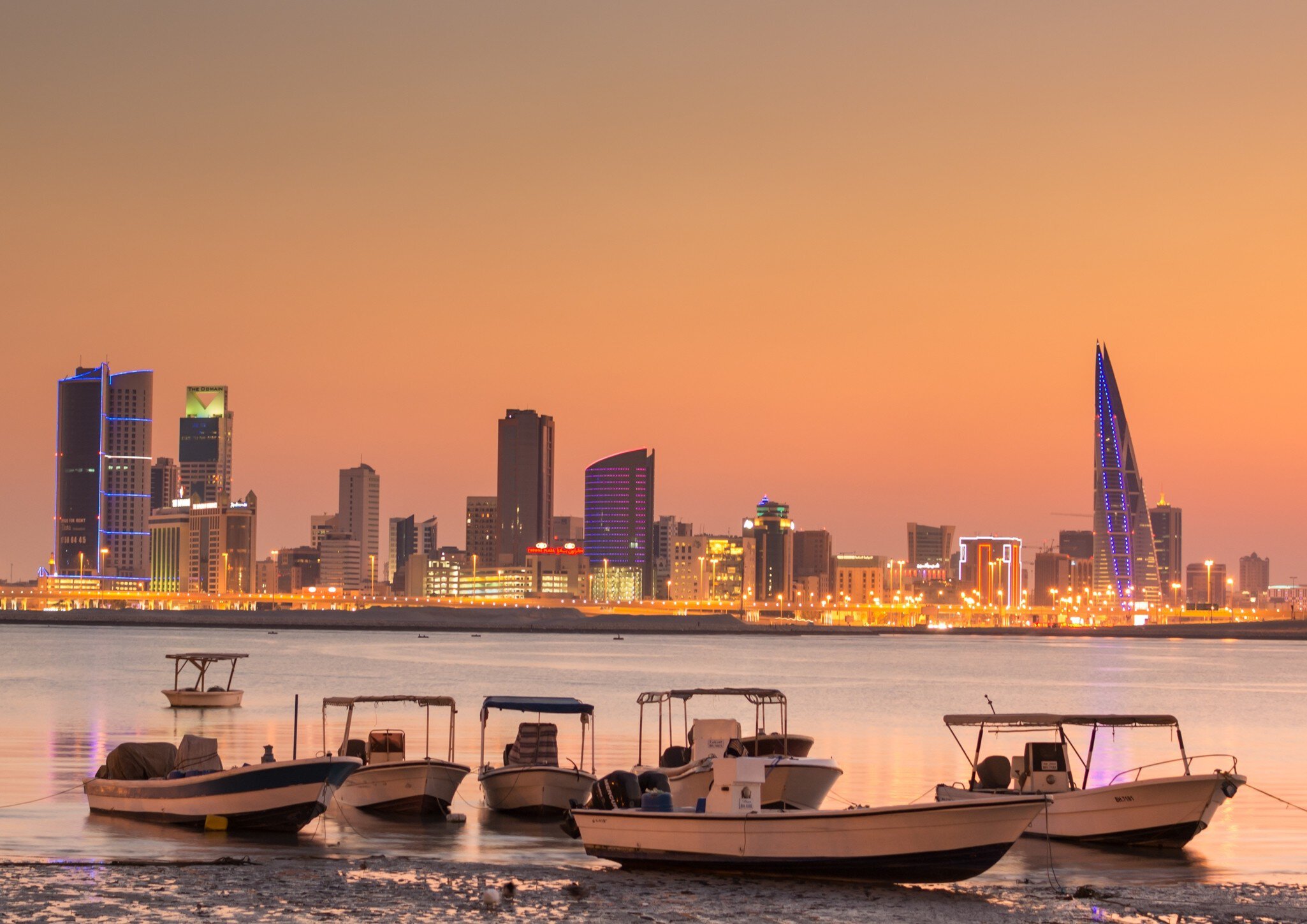
©Ali Fardan/500px
Latest Stories
- Alexis Averbuck | May 28, 2021A Bohemian Itinerary for Bahrain
App
Top places to visit in Bahrain
Discover the best attractions in Bahrain from must-see sights to unexpected hidden gems.
-
 Attraction in BahrainAl Areen Wildlife Park & Reserve
 - Attraction in BahrainRiffa Fort
- Attraction in BahrainA'Ali Royal Burial Mounds
- Attraction in BahrainAl Bahair Mini Canyon & Wetlands
- Attraction in BahrainAl Fatih Mosque
- Attraction in BahrainBahrain Fort & Museum
- Attraction in BahrainBahrain National Museum
- Attraction in BahrainBeit Al Quran
in partnership with getyourguide
Book popular activities in Bahrain
Lonely Planet may earn a commission from affiliate links on our site. All recommendations and reviews reflect our own independent opinions.