TirolThings to do

Things to do in Tirol

‹ Prev

of 7

  1. Swarovski Kristallwelten

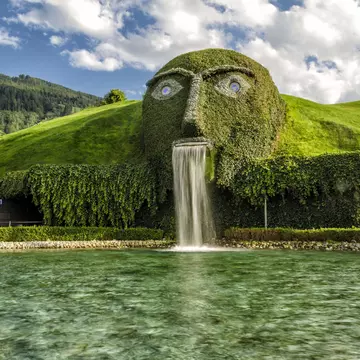
    Swarovski Kristallwelten tops the list of Austria’s most-visited attractions. Call them kitsch or classy, there is no doubting the popularity of these crystals, displayed in all their glory at this fantastical playground. A giant’s head spewing water into a pond greets you in the park. Inside you’ll find Alexander McQueen’s crystal tree, zebras drifting past on ruby slippers in a twinkling theatre, and the world’s biggest crystal, weighing in at 62kg. Terence Conran’s shop by the exit is where, depending on your budget, you can buy a bejewelled pen for €1.30 or splurge on a €14,800 crystal-studded iguana. Decisions, decisions…

    reviewed

  2. Sportcamp Messner

    The foaming rivers, narrow gorges and pine forests of the Dolomites around Lienz are the perfect place for adrenaline-pumping sports such as white-water rafting, canyoning, rock climbing and kayaking. The following two companies, both based in the village of Ainet near Lienz, will set you up: Osttirol Adventures and Sportcamp Messner.

    reviewed

  3. Festung Kufstein

    For an insight into Kufstein’s turbulent past, head up to the clifftop Festung Kufstein. The castle dates from 1205 (when Kufstein was part of Bavaria) and was a pivotal point of defence for both Bavaria and Tyrol during the struggles. The round Kaiserturm (Emperor’s Tower) was added in 1522.

    reviewed

  4. Zammer Lochputz

    A rollercoaster of water thrashes limestone cliffs at Zammer Lochputz, a fine specimen of a gorge just outside of Landeck. Cutting a path through pine forest, the trail passes viewpoints and some interesting rock formations – look out for the head of a bull and a nymph.

    reviewed

  5. Römerhofgasse

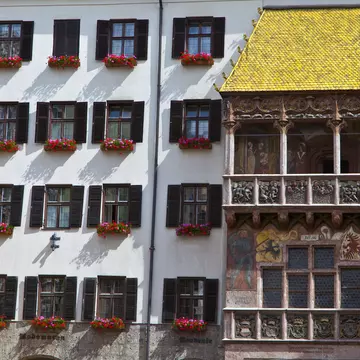
    The big draw in the centre is the gingerbready Römerhofgasse, a medieval lane that looks like a Disney film set with overhanging arches, lanterns and frescoed façades. Even the obligatory shops full of tourist kitsch detract little from this fairytale-like alleyway.

    reviewed

  6. A

    360°

    Clean lines, cream leather and lounge music create a relaxed mood in this sphere-shaped bar beside Lichtblick. Grab a cushion and drink in 360-degree views of the city and Alps from the balcony skirting the bar.

    reviewed

  7. Alpine Flower Garden

    The serene Alpine Flower Garden, nurtures alpine blooms like arnica, edelweiss and purple bellflowers.

    reviewed

  8. B

    Stadtpfarrkirche St Andrä

    A Gothic gem just north of the Isel River, Stadtpfarrkirche St Andrä is a quiet spot for contemplation. Peer inside the rib-vaulted interior to see 14th-century frescoes and a pair of tombstones sculpted in red Salzburg marble. Its hidden gem is the solemn Kriegergedächtniskapelle (war memorial chapel) sheltering Albin Egger-Lienz’s eye-catching sculpture of Jesus in nought but a skimpy loin cloth, which scandalised the Vatican when it was unveiled to the public in 1925. To visit the chapel, pick up the key that hangs on the door at Pfarrgasse 13 (across the bridge facing the main entrance).

    reviewed

  9. Olympia Bobbahn

    The fast and furious Olympia Bobbahn in Innsbruck-Igls was built especially for the 1976 Winter Olympics. Taking in 14 curves, a loop and a vertical drop of 124m, the bob run is 1.2km of pure hair-raising action. Thrill seekers can join a professional bobsled driver to give it a whirl; ice makes the run slippery smooth in winter, but it’s also possible to race down in summer if you don’t mind a bumpy ride. At €30 a pop, the minute of madness doesn’t come cheap, but the buzz of whooshing down at speeds of 100km/h (miss a bend and you’ll bounce like a pinball) is worth every cent.

    reviewed

  10. C

    Roman Archaeological Site

    This Roman archaeological site, with an ultramodern museum to boot, is unique in these parts. Excavations are still under way to piece together the jigsaw puzzle of this 2000-year-old municipium, which flourished as a centre of trade and commerce under Emperor Claudius. Take a stroll outside to glimpse the Roman spa, artisan quarter and a reconstructed villa. The glass-walled museum explores Lienz’s Roman roots in greater depth, with interactive stuff for the kids (a virtual tour through Aguntum and dress-up costumes) and an exhibition featuring fun elements such as traditional Roman recipes.

    reviewed

  11. Advertisement

  12. Zettersfeld

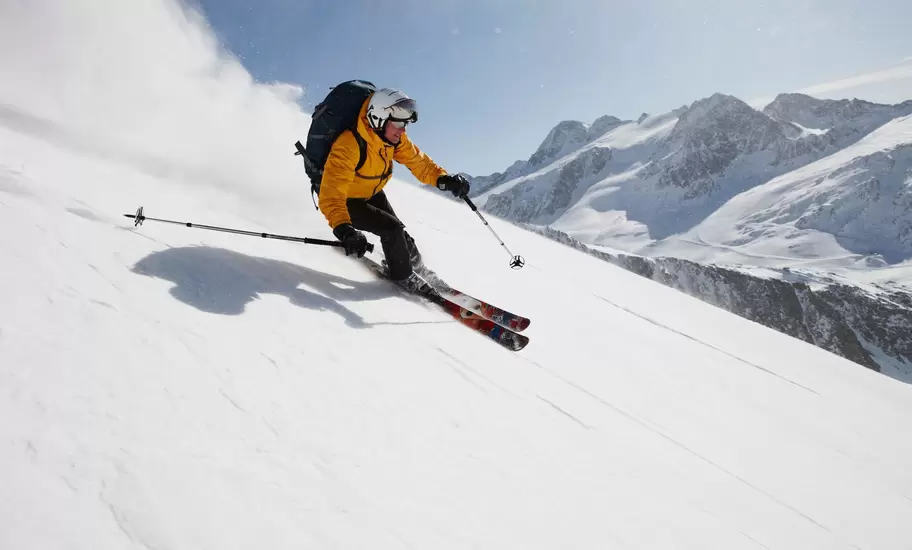
    The skiing in Lienz is geared mainly towards beginners and intermediates, with just a handful of knee-trembling black runs. Its downhill offer is not huge by Austrian standards, but the views of the rugged Dolomites are awesome. Most of the action takes place around Zettersfeld, where a cable car and five lifts whizz skiers up to slopes reaching between 1660m and 2278m.

    The ski lifts run from 1 December to Easter, depending on snow.Multiday passes cover all of East Tyrol's ski lifts (see www.topski.at, in German, for full ski-pass details). Several peaceful cross-country trails also crisscross the valley.

    reviewed

  13. D

    Schloss Ambras

    The city’s biggest stunner is Schloss Ambras. Archduke Ferdinand II acquired the castle in 1564, the year he became ruler of Tyrol, and transformed it from a fortress into a palace. He was the mastermind behind the Spanische Saal (Spanish Hall), a 43m-long banquet hall with a wooden inlaid ceiling and Tyrolean nobles gazing from the walls. Also note the grisaille (grey relief) around the courtyard and the sunken bathtub where his beloved Philippine used to bathe.

    reviewed

  14. E

    Hofkirche

    Opposite the Hofburg is the majestic Hofkirche, which shelters the empty sarcophagus of Emperor Maximilian I. Elaborately carved from marble, the tomb is one of the finest examples of German Renaissance sculpture. The twin rows of 28 giant bronze figures that flank the sarcophagus include Albrecht Dürer’s statue of the legendary King Arthur, apparently Maximilian’s biggest idol. Tyrolean hero Andreas Hofer (1767–1810) is also entombed in the church.

    reviewed

  15. Pfarrkirche St Oswald

    A must-see if you believe in miracles is 15th-century Pfarrkirche St Oswald. It was here that Oswald Milser gobbled a wafer reserved for the clergy at Easter communion in 1384. After almost being swallowed up by the floor, the greedy layman repented, but the wafer was streaked with blood – not from foolish Oswald but from Christ, naturally. Climb the stairway to view the Blutskapelle (Chapel of the Holy Blood), which held the original wafer.

    reviewed

  16. F

    Deep Blue

    Deep Blue Stepping down to this wacky lounge bar is like plunging to the bottom of the ocean. It houses the kind of aquarium (apparently it’s Tyrol’s biggest) that even Nemo would gladly sacrifice the sea for. Dangling fish and lanterns continue the aquatic theme. The cocktail-master also knows how to shake ’em (for something with a kick, try a Moscow Mule) but beware –one too many and you’ll almost certainly see the room swim.

    reviewed

  17. G

    Stern

    This lounge and restaurant gets a clientele from the very young hanging out on the psychologist’s couches and postmodern sofas during the day to a mixed crowd that comes here to feed on steak – its speciality (though Stern also does wok and salad dishes). The steaks are fine, but don’t always live up to the lengthy check list you fill out to order one, and the chef certainly doesn’t mess around with his meat when you tick ‘well done’.

    reviewed

  18. H

    Zeughaus

    Emperor Maximilian’s former arsenal, the Zeughaus runs chronologically through Tyrol’s cultural history. It kicks off with geological and mineral history, including the silver that made Hall and Schwaz medieval power­houses, but mostly concentrates on Tyrol’s much-loved historical figure, Andreas Hofer. If you’re a fan of Tyrolean music, check out the room housing over 100 CDs from the province’s musical stars.

    reviewed

  19. Reither Moor Conservation Area

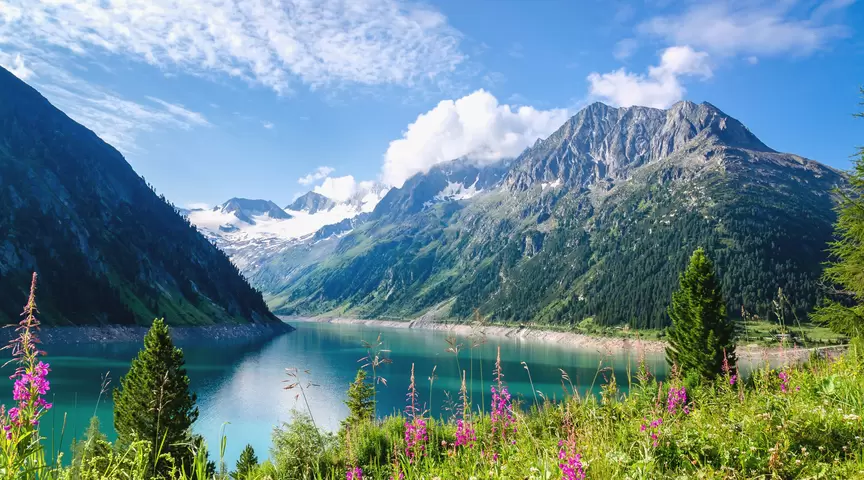
    It's a short stroll south of the centre to Wildsee, a bottle-green, pine-fringed lake that anchors Reither Moor Conservation Area; a 45-minute trail rings the lake and you can stop off for a refreshing dip at the Strandbad (bathing area). For longer, more challenging walks, cable cars ascend nearby Seefeld Spitze (2220m) and Reither Spitze (2374m); consult the tourist office for more information or join one of its regular guided walks.

    reviewed

  20. I

    Hofburg

    The state apartments are a rococo feast, adorned with gold swirls and chandeliers, but the real eye-catcher is the 31m-long Riesensaal (Giant’s Hall). The hall is embellished with frescoes and paintings of Maria Theresia and her 16 children (including Marie Antoinette), who look strangely identical –maybe the artist was intent on avoiding royal wrath arising from sibling rivalry in the beauty stakes.

    reviewed

  21. Hochstein

    Slightly west of Lienz, Hochstein (2057m) is also popular for its groomed pistes; a free bus runs from the train station to the cable-car valley stations in summer and winter high seasons. The ski lifts run from 1 December to Easter, depending on snow. Multiday passes cover all of East Tyrol's ski lifts (see www.topski.at, in German, for full ski-pass details). Several peaceful cross-country trails also crisscross the valley.

    reviewed

  22. Advertisement

  23. Fasnachthaus

    Every four years, Imst plays host to a Shrovetide festival, the Schemenlaufen (ghost dance); the next takes place on the 15 February 2009. The highlight is the vibrant parade of ghost-like characters, from hunchback Hexen (witches) to impish Spritzer that squirt water at spectators. To learn more about this age-old tradition, visit the Fasnachthaus, which exhibits many of the handcarved ghost masks.

    reviewed

  24. J

    Stadtpfarrkirche St Jakob

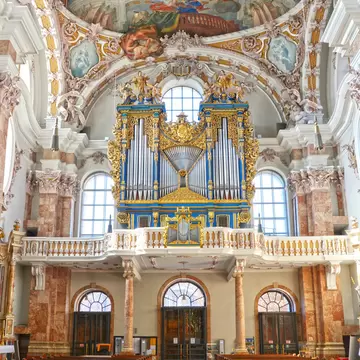
    The monolithic Stadtpfarrkirche St Jakob dominates the old town. The interior is interesting, but bring binoculars or a good zoom lens to really appreciate details of its frescoes. The far end of the nave has a stuccoed ceiling and a vast rococo altar in gold leaf, arrayed with fresh cream flowers, and its walls are studded with the ornate memorial plaques of the region’s noble families.

    reviewed

  25. Lienzer Bergbahnen

    The cable cars spring back to life for the summer season (June to September). The ride up to Hochstein costs €11 return, while Zettersfeld costs €10, or €17 including the chairlift to 2214m. Family and child fares are also available. If you’re planning on making more than one trip, it makes sense to buy the Osttirol Card. Both lifts are run by Lienzer Bergbahnen.

    reviewed

  26. Schloss Landeck

    Your gaze is drawn upward to the turrets and vine-clad towers of 13th-century Schloss Landeck. The 1st-floor museum showcases everything from Celtic figurines to handcarved Krampus masks. The castle is especially lovely at Christmas when the mechanised nativity scene is in full swing. For enviable views over Landeck and the Lechtaler Alps, climb the dizzying staircase to the tower.

    reviewed

  27. K

    Grassmayr Glockenmuseum

    If you’re heading for Bergisel, listen out for the bells at Grassmayr Glockenmuseum, which explores 400 years of the Grassmayr family’s bell-making tradition and exhibits some formidable Romanesque and Gothic examples. It’s a hands-on kind of place where kids can watch the casting process and make loads of noise ringing bells to achieve different notes.

    reviewed